
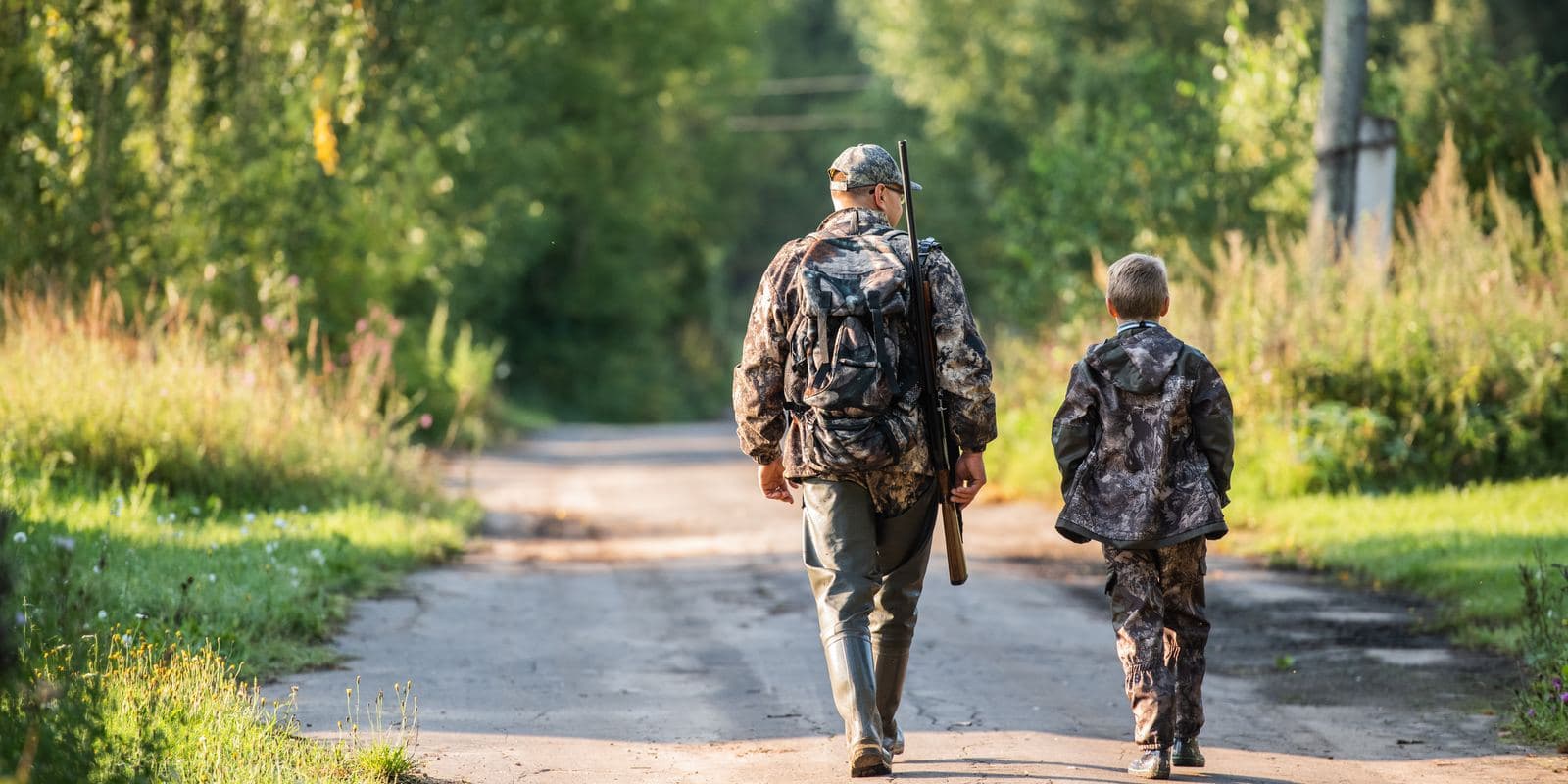
The Participation Paradox: America Is Going Outside in Record Numbers — So Why Is Hunting Still Shrinking?
183 million Americans went outside last year — an all-time record. Hunting participation fell anyway. The gap between those two numbers is the whole problem, and the fix is already visible in the programs that work.
Here are two facts that shouldn't be able to coexist. Outdoor recreation in America just set an all-time record: 183 million participants, more than half the country, with hiking, camping, and fishing each adding millions of new people. And in the same stretch, hunting participation has continued its decades-long slide, declining in nearly every state — to the point that state wildlife agencies are now literally paying out grants to recruit new hunters.
More Americans than ever are buying camp stoves, learning to fish, and sleeping on public land. Fewer are buying hunting licenses. That's the participation paradox, and how it resolves will decide who pays for conservation — and whether hunting still exists as a mainstream American activity in a generation.
The Numbers Behind the Slide
The shape of the decline is consistent across most states:
The hunter population is aging out faster than it's replacing itself. The baby boomer generation hunted at historically high rates and is now leaving the field; the generations behind them started at lower rates. Meanwhile the OIA data shows outdoor participants ages 18–34 declining even as the total grows — the exact pipeline hunting needs is the leakiest part of the whole outdoor economy.
Access is the number-one stated reason lapsed hunters quit. Not disinterest — access. Leases are pricier, private land is more locked up, and huntable ground near where people actually live keeps shrinking. We've covered the acreage math before: the country loses tens of thousands of huntable acres a year.
The on-ramp is genuinely hard. A first-generation adult hunter faces hunter ed, licensing, gear costs, land access, and a skills gap — alone, if nobody in their family hunts. Every other outdoor activity onboards you in an afternoon.
The response has been an alphabet-soup industry called R3 — recruitment, retention, reactivation — with states offering grants, mentored hunts, apprentice licenses, and marketing campaigns to slow the slide. Some programs work. None have reversed the trend.
Why Everyone Should Care — Including Non-Hunters
This isn't just hunters mourning their own decline. The American conservation system has a structural dependency most people never see: the people who use wildlife pay for wildlife. License dollars and federal excise taxes on guns, ammo, and archery gear (Pittman-Robertson) fund the majority of state wildlife agency budgets — the biologists, the habitat work, the winter range purchases, the disease surveillance that benefits every species, hunted or not. We broke that math down in who actually pays for conservation.
Fewer hunters means less money for the agencies managing wildlife for everyone — including the record 183 million hikers and campers who currently pay almost nothing into that system. Some states are experimenting with alternative funding, but nothing at scale has replaced the hunter-funded model. The paradox has a hard edge: the outdoor boom is loving public lands while the funding mechanism underneath them erodes.
The Signals Hiding in the Bad News
Look closer, though, and the decline isn't uniform — and the exceptions point at the fix.
The food-motivated newcomer is real and growing. As we covered in our field-to-table piece, hands-on hunt-to-cook programs have grown severalfold, and their classes fill with exactly the people hunting supposedly can't reach: 20- and 30-somethings, many of them women, many from cities, who arrived via food values rather than family tradition. Hunting's best recruitment message in 50 years turned out to be dinner.
Some hunts recruit better than others. Low-barrier, social, high-action hunting — doves, small game, waterfowl with a mentor — converts curious people. High-barrier, solitary, low-action hunting doesn't. States that lead with the accessible stuff are seeing better R3 numbers than states that hand a newcomer a deer tag and wish them luck.
Cost is a solvable barrier. The perceived buy-in for hunting — thousands in gear before your first sit — is mostly a marketing artifact. The used market has quietly become the R3 program nobody planned: a new hunter can assemble a legitimate premium kit secondhand for a third of retail, and the gear culture is slowly shifting from "buy the new lineup every year" to "buy quality once." (We'd say that, of course — it's our whole business — but the math is the math.)
What Actually Moves the Needle
If the research and the working programs agree on anything, it's this list:
1. A personal invitation beats every ad campaign ever run. The single strongest predictor of someone becoming a hunter is a specific person taking them, more than once. If every active hunter took one adult newcomer out twice a season, the decline would end. That's not a metaphor — that's roughly the arithmetic.
2. Start them on doves and squirrels, not trophy whitetails. Action, conversation, low stakes, quick success, great eating. The September dove field is the best classroom hunting owns.
3. Finish the loop in the kitchen. New hunters who learn to process and cook their game stick; those whose deer disappears to a processor and returns as mystery burger drift. Teach the whole chain.
4. Fight for access like it's recruitment — because it is. Every corner-crossing win, walk-in program, and public-land defense is R3 infrastructure. People can't become hunters on land they can't reach.
5. Welcome the record crowds instead of resenting them. The 183 million are not the enemy; they're the recruiting pool and the future voting bloc for public lands. Every camper who learns where their trailhead's funding comes from is an ally the system desperately needs.
The Bottom Line
Hunting's decline isn't a mystery and it isn't destiny. America hasn't lost interest in the outdoors — it's outside in the largest numbers ever recorded. It's lost the pipeline that turned outdoor-curious people into license-buying hunters: family tradition did that job for a century, and it's retiring. The replacement pipeline — food, mentorship, access, affordability — is already visible in every program that's actually working.
The tradition doesn't need saving from the outside. It needs its remaining members to hold the door open. Take somebody this September. The dove field's ready.
Sources
- 2025 Outdoor Participation Trends Report — Outdoor Industry Association
- 183 Million Outdoor Participants and a Retail Playbook Hiding in the Numbers — Shop Eat Surf Outdoor
- Hunting Season Guide (participation trends by state) — Birch Hunters
- Hunting From Start to Finish: Field to Table — GearJunkie
- Can These Popular Hunter Access Programs Survive in the Modern West? — Field & Stream
Lowering the cost barrier is our contribution: quality used gear from Sitka, KUIU, and First Lite at a fraction of retail, so a newcomer's first season doesn't cost a mortgage payment. Browse the gear — or sell what you've outgrown and equip the next hunter yourself.
In the market for gear?
Browse verified secondhand listings at 40–60% below retail — or turn the gear hanging in your closet into cash.
More Articles
The Flesh-Eating Parasite America Beat 60 Years Ago Is Back — and Texas Deer Are in Its Path
Dove Season 2026: When It Opens, What You Need, and Why September 1 Is Hunting's Real New Year
Process Your Own Deer: The Complete Field-to-Freezer Guide (and Why It's Worth It)
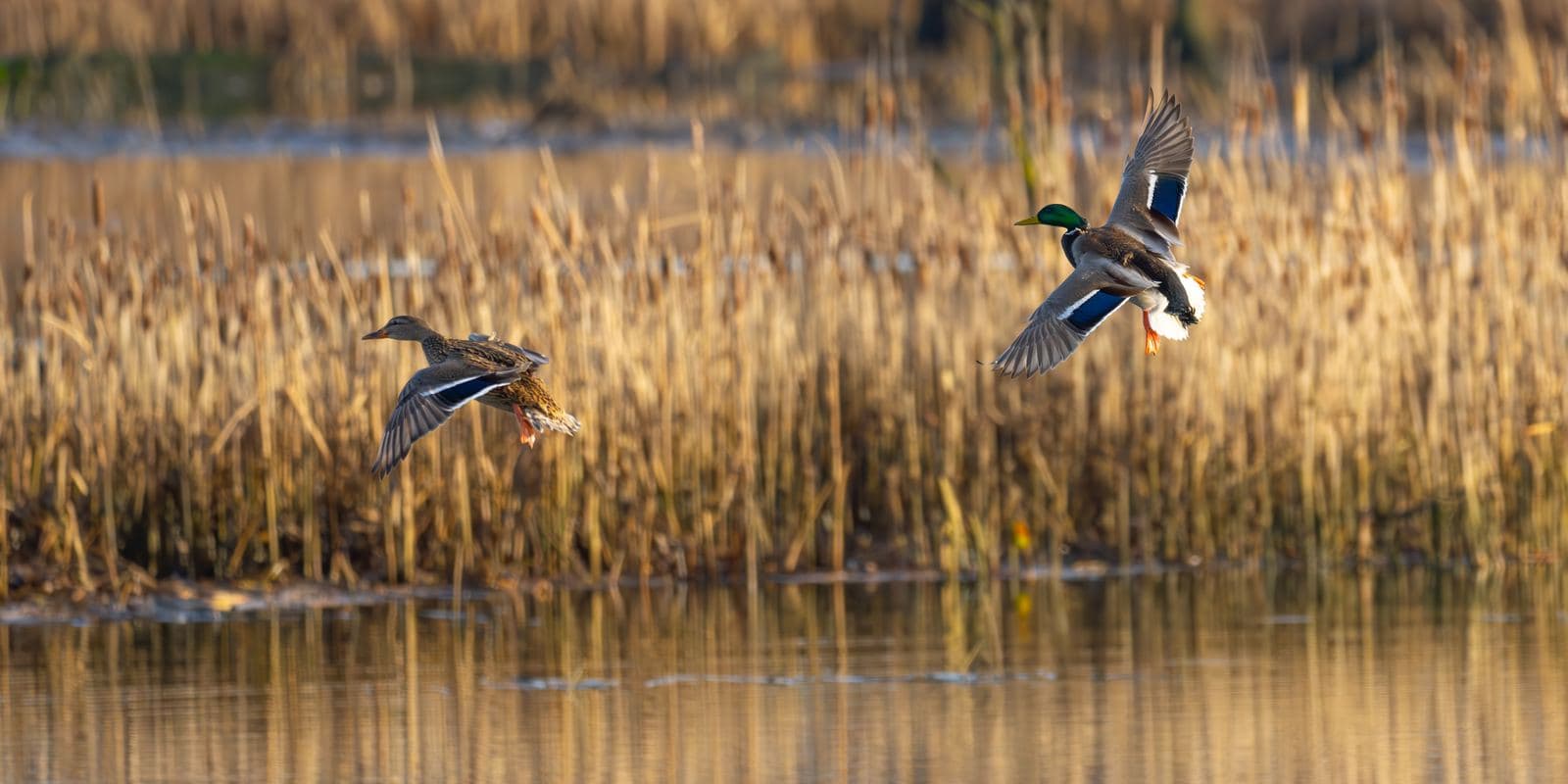
219,428 Comments in 14 Days: Duck Hunters Just Refused to Let the Duck Factory Drain Quietly
Ready to find your next deal?
Browse hundreds of used hunting gear listings from verified sellers.
The Second Nature Newsletter
The best used hunting gear deals and reads like this one, in your inbox. Free, no spam, unsubscribe anytime.
Fresh on the marketplace
Verified sellers, 40–60% below retail.
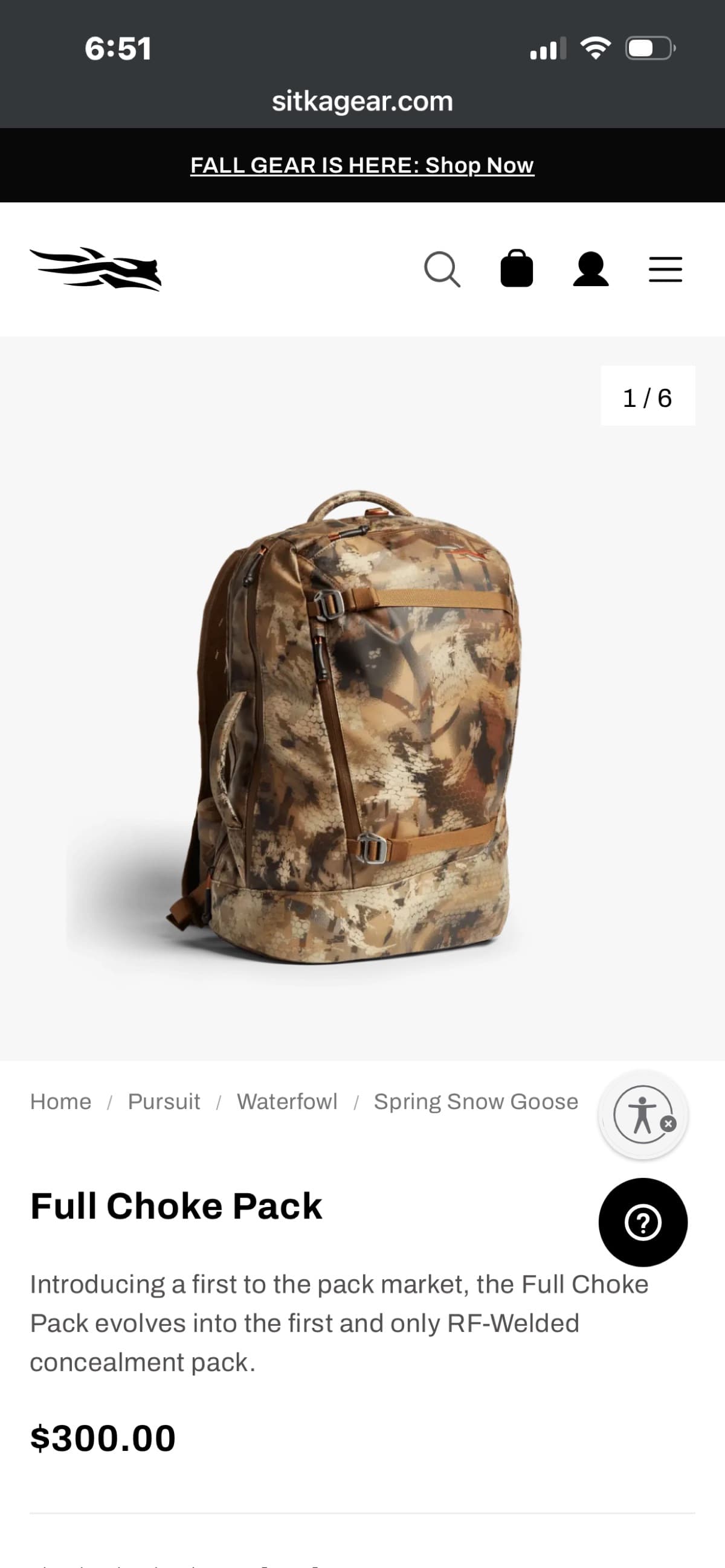
Sitka Gear Full Choke Pack
$225.0025% off
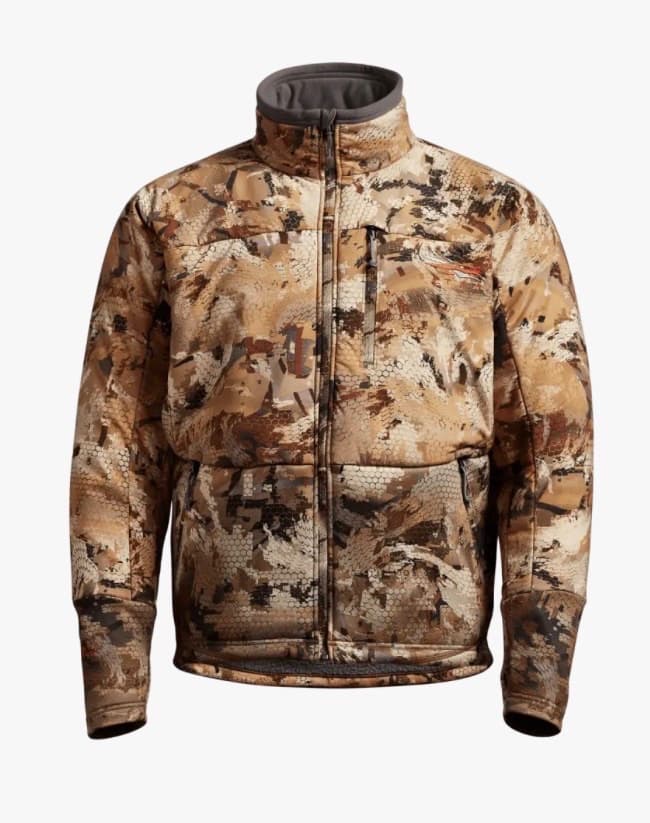
Sitka Gear Duck Oven | NEW | Optifade Marsh | Large
$325.0016% off
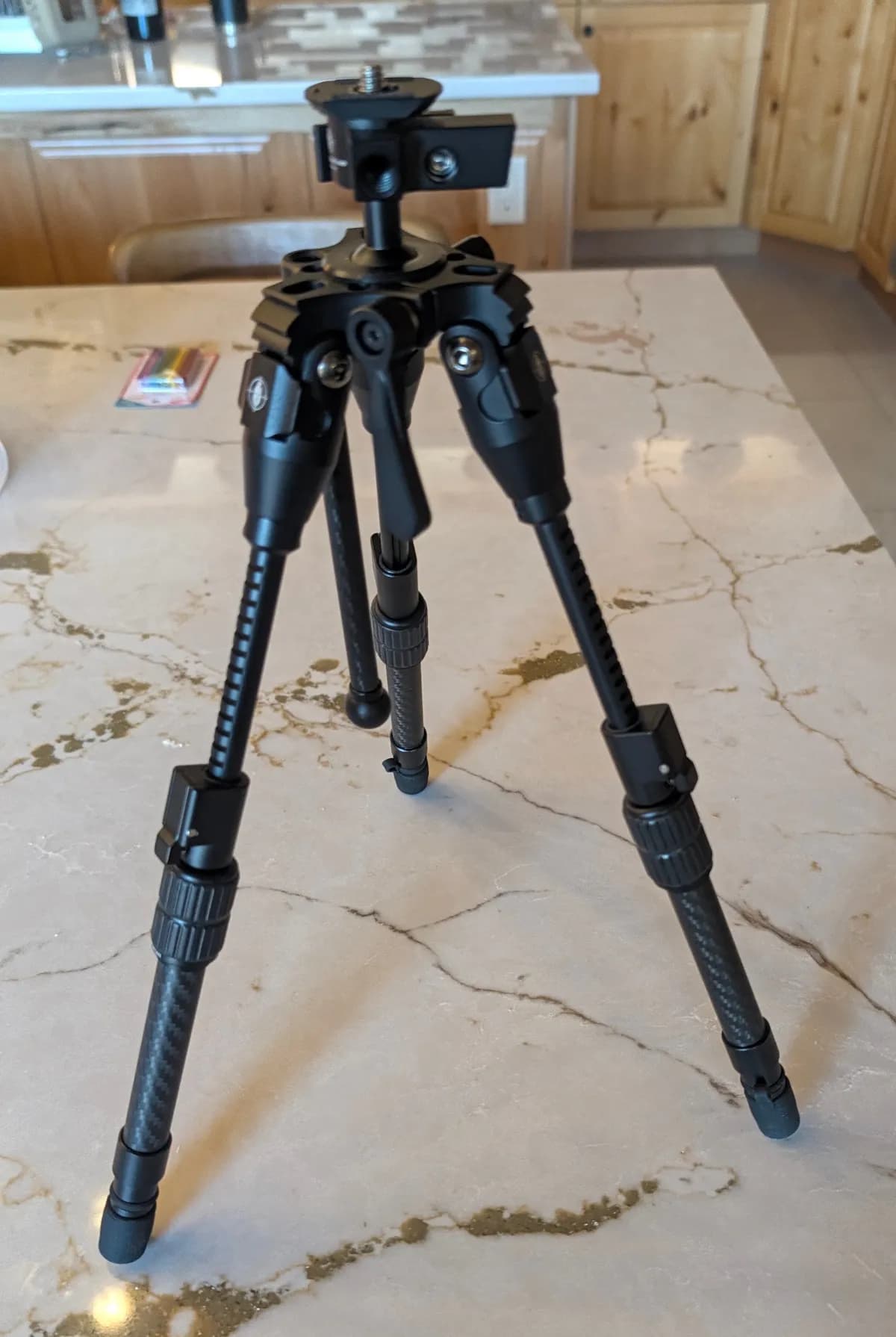
Spartan Hoplite Mini Tripod
$500.0025% off