
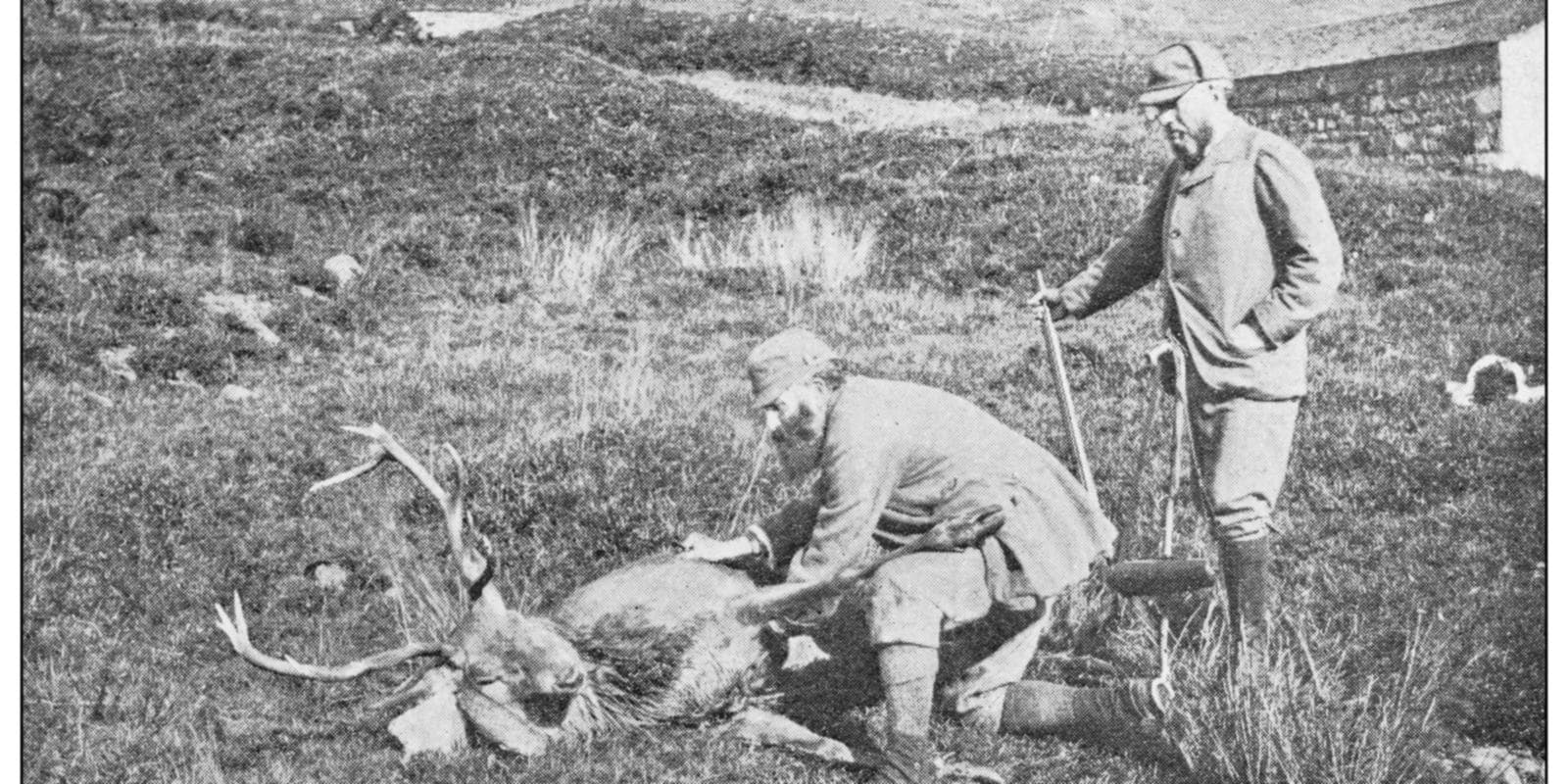
Process Your Own Deer: The Complete Field-to-Freezer Guide (and Why It's Worth It)
Processor lines get longer and prices climb every November. The skill that solves it permanently takes one deer to learn — here's the whole path from field dressing to a labeled freezer.
Every November, the same scene repeats at deer processors across the country: trucks lined up out the gate, a "2-week wait" sign on the door, and prices that climb every year. Meanwhile, the hunters who process their own deer are home the same night with a freezer organized exactly how they like it — backstraps whole, roasts labeled, grind bagged in one-pound packs — for the cost of some knives and an afternoon.
Processing your own deer is not hard. It's a sequence of simple jobs, none of which requires talent — just a sharp knife, a clean workspace, and knowing what order things happen in. Here's the full path from the moment the deer is down to a wrapped freezer, plus the honest math on whether it's worth your time.
The Math First
| Commercial processor | DIY | |
|---|---|---|
| Basic processing | $100–$200+ per deer, rising | ~$0 after equipment |
| Sausage/specialty work | $3–$6+/lb extra | Cost of ingredients |
| Equipment buy-in | — | $150–$400 one-time (knives, grinder, sealer) |
| Turnaround | Days to weeks in peak season | Same day |
| Know whose deer you got back? | Not always | Always |
| Cuts done your way | Standard menu | Exactly what your family eats |
Shoot two deer a year and the equipment pays for itself the first season. But the bigger reasons most DIY hunters never go back: you know the meat was handled cold and clean the whole way, and — as we covered in our field-to-table piece — finishing the job yourself is half the point of hunting for food in the first place.
Step 1: Field Dressing — Where the Meat Is Won or Lost
Everything downstream depends on the first hour. Heat is the enemy; the goal is getting the deer's core temperature down fast.
Field dress promptly — the entrails hold the heat. A gutless-method quarter-out works too, especially on pack-out hunts.
Keep hair, dirt, and gut contents off the meat. A packable pair of gloves and a clean knife beat a big knife collection.
In warm early seasons (looking at you, September bowhunters): speed matters double. Get the hide off and the carcass or quarters onto ice or into a cooler within hours, not overnight. A cheap fix for warm-weather hunts: two bags of ice in a big cooler, quarters on top, drain cracked so meat never sits in water.
Step 2: Aging — Optional, but Worth Knowing
If you have access to temperature control between 34–40°F — a spare fridge, a walk-in, or a genuinely cold garage — hanging or resting the deer for several days to a week improves tenderness as natural enzymes work. If you can't hold that range reliably, don't age: process promptly instead. "Aging" at 55 degrees isn't aging, it's spoiling. Plenty of excellent venison has never been aged a day.
Step 3: Breaking It Down — Six Jobs, Not One
Skinned and cooled, a deer comes apart into a short list of parts. Work one section at a time:
| Cut | Where | Best use |
|---|---|---|
| Backstraps | Along the spine, outside | The prize — steaks, whole-roasted, medium-rare |
| Tenderloins | Inside the cavity, under the spine | Most tender cut; cook simply, don't overcook |
| Hindquarters | Rear legs | Steaks and roasts — separate the muscle groups along natural seams |
| Front shoulders | Front legs | Slow-cooker roasts, or grind — sinew makes poor steaks |
| Neck & rib/flank meat | Neck, ribs, belly | Grind, sausage, and stock — don't waste it, it's pounds of burger |
| Shanks | Lower legs | Braise whole (osso buco style) or grind |
The technique that makes it all easy: follow the seams. Deer muscles separate along natural connective-tissue lines — work your fingers and knife tip along them and the quarter breaks into logical roasts almost on its own. You're not sawing; you're unwrapping.
Trim as you go: silverskin, bloodshot meat, and fat. Deer fat isn't beef fat — it goes waxy and gamey. The "gamey" flavor people complain about is usually fat, poor field care, or overcooking, not the deer.
Step 4: Grind, Pack, Freeze
Grinding. A mid-grade grinder handles a family's deer for years. Grind trim cold (near-frozen grinds cleaner), and add 10–20% beef or pork fat if you want burger that binds.
Packaging. A vacuum sealer is the single best equipment upgrade — sealed venison keeps 2–3 years without freezer burn versus months in butcher paper. Label everything with cut and date; February-you will thank you.
Portioning. Package for meals, not for bulk. One-pound grind packs and dinner-sized steak packs get used; a five-pound frozen brick gets ignored until it's forfeit.
The Equipment List (Buy Once, Cry Once)
The full kit: a quality boning knife plus a stiff skinner, a sharpener you'll actually use, a gambrel and hoist if you hang, food-grade cutting boards or a clean folding table, a grinder, a vacuum sealer, and game bags plus a big cooler for the field side. That's it — roughly $150 at the budget end, $400 buying nice. Skip the 15-piece "deluxe processing kits"; two good knives beat twelve bad ones. If you're still assembling the hunting side of the kit, our whitetail gear list covers what actually earns its place.
One Modern Caveat: CWD Areas
If you hunt in a chronic wasting disease management zone, two extra rules apply: follow your state's carcass transport regulations (many prohibit moving whole carcasses out of CWD zones — quarters and deboned meat only), and consider testing before eating, which most affected states offer free. Standard precautions when breaking down any deer in a CWD area: bone out the meat, avoid cutting through the spine or brain, and don't eat brain, spinal cord, or lymph tissue. Our full CWD guide covers the details.
The Bottom Line
The processor lines get longer and the prices get higher every season — and the skill that solves it permanently takes one deer to learn. Do your first one with a video running and a friend who's done it before if you can, accept that it'll take three hours instead of ninety minutes, and understand the cuts won't be pretty. They'll still eat perfectly. By your third deer you'll wonder why you ever paid someone else to do the best part.
Season's coming. Sharpen the knives now.
Sources
- Hunting From Start to Finish: Field to Table — GearJunkie
- Wild Game Cooking: From Field to Table — American Hunter
- Intro to Wild Game Cooking — Nebraskaland Magazine
- CWD-Related Wildlife/Hunting Regulations — Arkansas Game & Fish Commission
Freezer full, gear closet next: browse used packs, knives-to-camo and everything between on Second Nature — or sell the gear you've outgrown and put it toward a grinder and sealer. They pay for themselves by December.
In the market for gear?
Browse verified secondhand listings at 40–60% below retail — or turn the gear hanging in your closet into cash.
More Articles
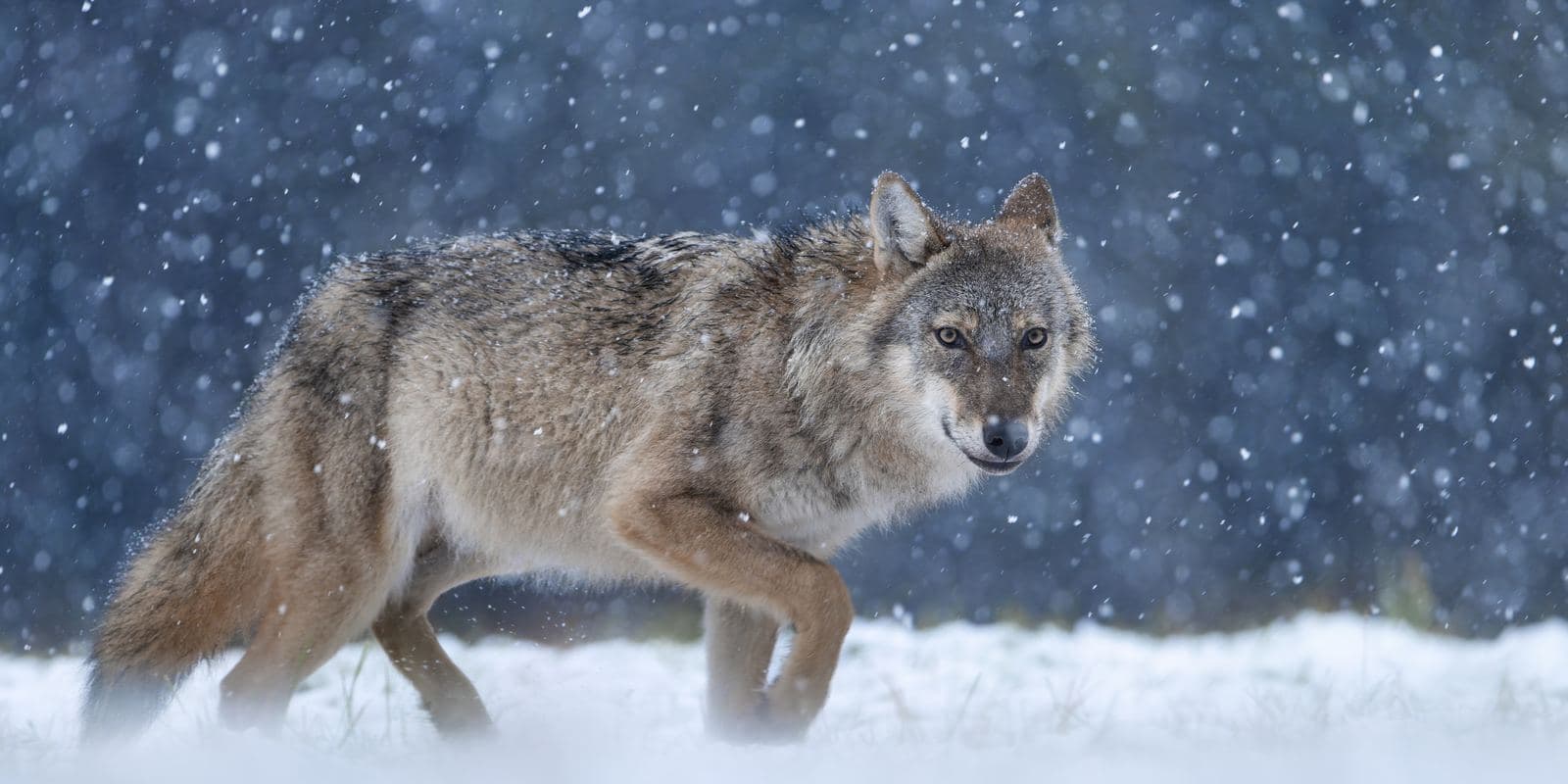
Colorado's Wolf War Goes Back to the Ballot: The August 27 Deadline That Could End Reintroduction
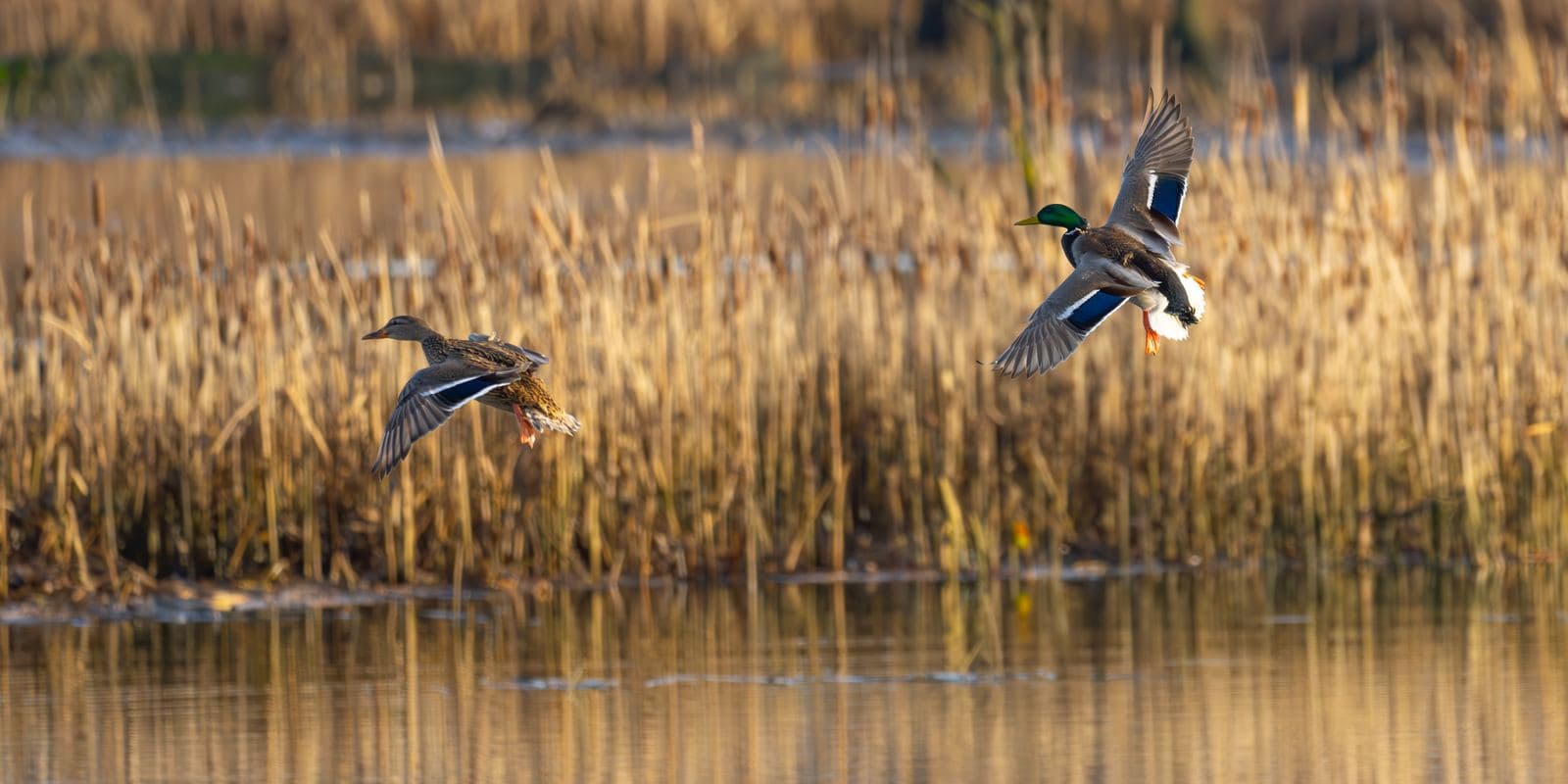
219,428 Comments in 14 Days: Duck Hunters Just Refused to Let the Duck Factory Drain Quietly
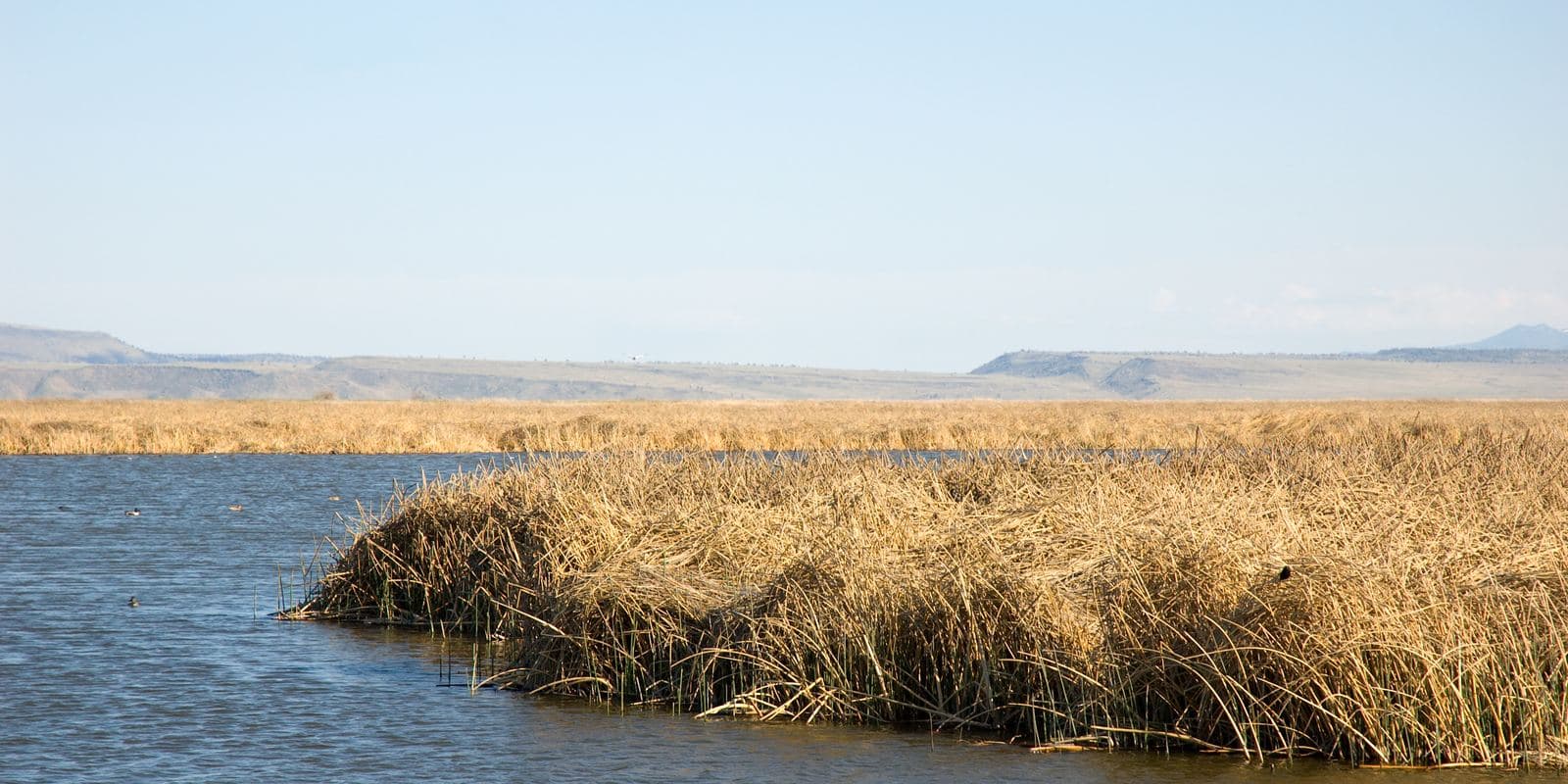
America's First Waterfowl Refuge Is Dying of Thirst: Inside the Klamath Basin Collapse
Don't Drain the Duck Factory: The Quiet Rule Change That Threatens Half of America's Ducks
Ready to find your next deal?
Browse hundreds of used hunting gear listings from verified sellers.
The Second Nature Newsletter
The best used hunting gear deals and reads like this one, in your inbox. Free, no spam, unsubscribe anytime.
Fresh on the marketplace
Verified sellers, 40–60% below retail.
Sitka Stratus Pants
$160.0048% off
Sitka Stratus Jacket
$200.0044% off
Cabella's Fleece Camo Gaiter
$18.0028% off