
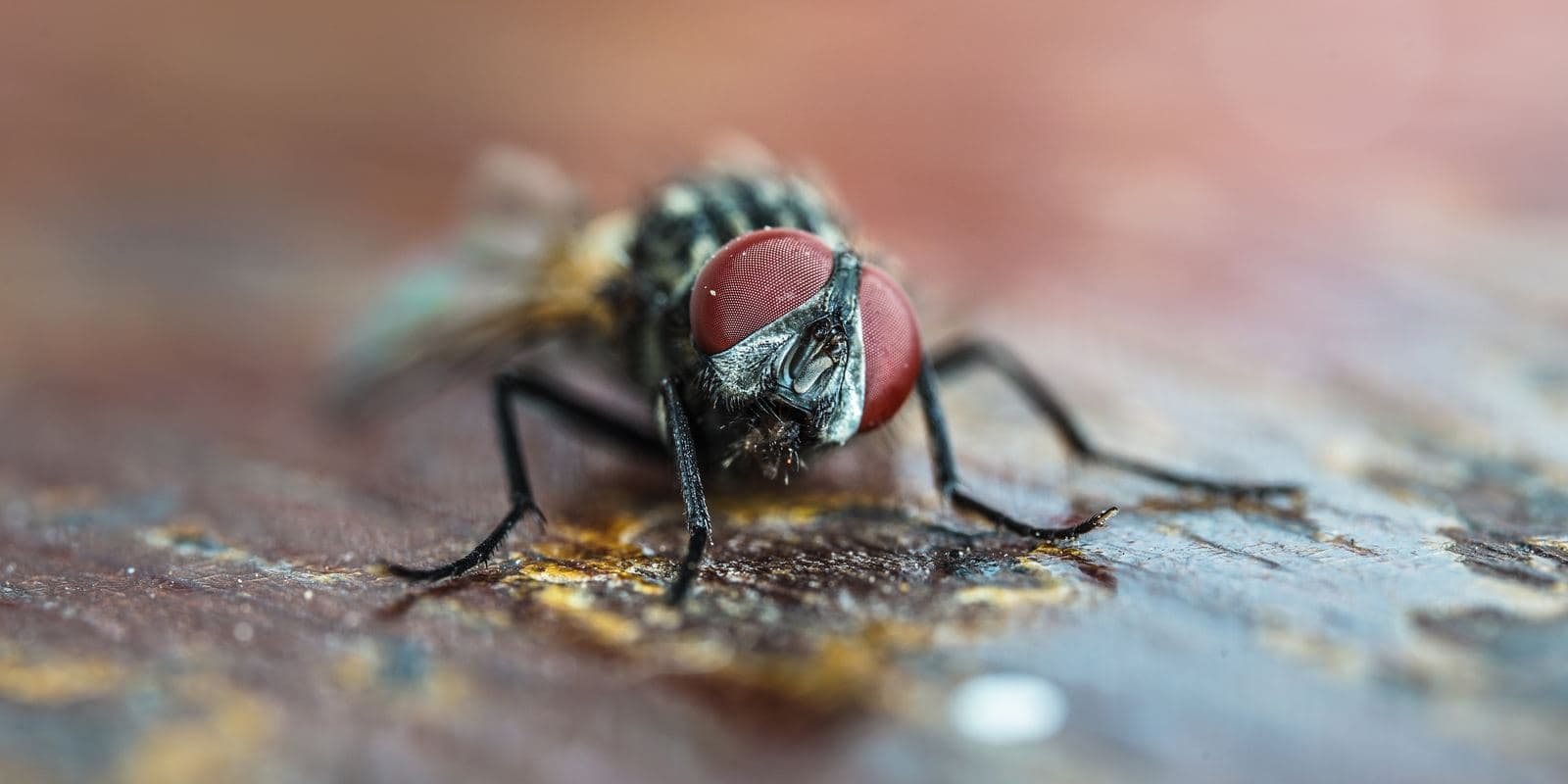
The Flesh-Eating Parasite America Beat 60 Years Ago Is Back — and Texas Deer Are in Its Path
America eradicated the New World screwworm in 1966. It's back in Texas and New Mexico — and unlike cattle, a wild fawn has no vet, no fly spray, and nobody checking its wounds. This fall, hunters are the detection network.
In 1966, the United States pulled off one of the greatest wildlife-health victories in history: it eradicated the New World screwworm, a parasite so devastating that old South Texas ranchers still talk about the era before eradication in hushed tones. "We didn't have a lot of deer" is how one put it — not because of overhunting or bad habitat, but because a fly was eating fawns alive.
This summer, the screwworm is back. Confirmed infestations have been reported in Texas and New Mexico, with cases climbing and federal officials warning of nearly $2 billion in potential annual losses. The national coverage has focused on cattle. But for hunters, the bigger story is the one wildlife officials are quietly losing sleep over: millions of wild whitetails — the backbone of a multi-billion-dollar Texas hunting economy — with no vet, no fly spray, and no fence between them and the parasite.
Here's what the screwworm is, why deer are uniquely vulnerable, and what hunters need to do this fall — because this is one wildlife crisis where hunters are literally the detection network.
What the Screwworm Actually Does
The New World screwworm is the larval stage of a metallic-blue fly, and it does something most parasites don't: it eats living flesh. The female fly lays eggs at the edge of any open wound on a warm-blooded animal — a cut, a tick bite, a birth site, even a navel. The larvae hatch and burrow into healthy living tissue, feeding as they go and enlarging the wound, which attracts more flies to lay more eggs. Left untreated, an infestation that started as a scratch can kill a full-grown animal in a week or two.
Livestock can be inspected, treated, and saved. That's the grim math for wildlife: a rancher spots screwworm on a calf; nobody spots it on a wild fawn bedded in the brush.
Why Deer Are the Nightmare Scenario
Three things make whitetails uniquely exposed:
1. Fawning season timing. The outbreak took hold in early summer — right as fawns hit the ground. Every newborn fawn has a fresh navel, which is exactly the kind of site the fly targets. Before eradication, screwworm was a major driver of fawn mortality across South Texas, with historical accounts describing fawn crops decimated in bad fly years.
2. Velvet, rubs, and rut wounds are coming. As fall approaches, bucks shed velvet and start fighting — producing exactly the open wounds the fly needs, on exactly the animals hunters care about, heading into exactly the warm months the fly loves in South Texas.
3. Nobody can treat a wild deer. The entire wildlife-side defense is preventing the fly population from establishing — there is no plan B where infected deer get medicine.
The stakes for the hunting economy are hard to overstate. Texas deer hunting generates billions annually and anchors rural economies from the Hill Country to the Brush Country — lease income, outfitters, processors, small-town cafes. The parasite threatening the herd threatens all of it.
How the Fight Works — and Why It Worked Before
The good news: we've beaten this exact enemy before, with one of the most elegant tools in biology. The sterile insect technique floods the landscape with lab-raised sterile male flies. Wild females mate once; if that mate is sterile, she produces nothing. Release enough sterile males, generation after generation, and the population collapses. That's how the U.S. won by 1966 and how outbreaks since have been stamped out.
Federal and state agencies are already releasing sterile flies across the affected region. The variables that decide how this goes: how far the fly spreads before containment, how warm the fall stays (cold kills the fly's northward ambitions), and how fast new infestations get found and reported.
That last one is where hunters come in.
What Hunters Should Do This Fall
Hunters, ranchers, and rural landowners are the eyes of this operation — nobody else puts more trained observers on the landscape in fly season. If you hunt Texas, New Mexico, or anywhere the outbreak spreads:
| Watch for | What it looks like |
|---|---|
| Wounds that look "wormy" | Maggots visible in living animals' wounds — screwworm larvae feed in live tissue, unlike common blowfly maggots on carcasses |
| Wounds that grow instead of heal | Enlarging, wet, foul-smelling wounds on deer, hogs, or livestock |
| Odd behavior | Animals irritated, head-shaking, isolated, or obsessively licking one spot |
| Struggling fawns or thin does | Late-season fawns with visible wounds warrant a second look through the binoculars |
If you see it: photograph, note location, and report it — to Texas Parks & Wildlife for wildlife, or your state animal health commission for livestock. Do not handle infested live animals. Reports are the trigger for targeted sterile-fly releases, and an early report from a deer lease can genuinely change the containment map.
Two more practical notes: trail cameras help — a camera on a water source will show you a wounded animal's condition over days. And if you harvest a deer with a suspicious wound, report it and ask your processor or TPWD biologist to take a look; harvested animals are valuable data.
The Bigger Picture
It's been a rough stretch of disease news for deer hunters — CWD spreading in the East, EHD flaring every dry summer, and now a resurrected parasite in the South. The pattern worth noticing is who catches these things: hunters fund the agencies, staff the volunteer networks, and provide most of the samples and sightings that wildlife disease surveillance runs on. The screwworm fight will be won the way it was won in 1966 — with science doing the killing and rural eyes doing the finding.
South Texas rebuilt its deer herds into the envy of the continent in the decades after eradication. Nobody down there wants to run that experiment in reverse.
The Bottom Line
The screwworm's return is the most serious new threat to Southern deer herds in a generation, and the window to contain it is now — before it establishes, before it spreads north, and before another fawning season. The response plan is proven, the sterile flies are in the air, and the missing piece is detection. This fall, every hunter in the region is part of the surveillance system. Know the signs, keep the binoculars up, and report what you see.
Sources
- New World Screwworm Hits Texas During Fawning Season — Outdoor Life
- The screwworm parasite continues to spread in Texas — NPR
- 'We didn't have a lot of deer': Screwworm threat revives old fears in South Texas — Houston Public Media
- Screwworm spread across Texas threatens livestock — and millions of wild deer — Texas Public Radio
- LSU AgCenter experts warn screwworm could affect white-tailed deer — KLFY
Long hours of glassing ahead this season — make sure your optics and gear are up to it for less. Browse used packs, bino harnesses, and hunting clothing on Second Nature, and put the savings toward more days in the field — where, this year, you're needed for more than filling tags.
In the market for gear?
Browse verified secondhand listings at 40–60% below retail — or turn the gear hanging in your closet into cash.
More Articles
Dove Season 2026: When It Opens, What You Need, and Why September 1 Is Hunting's Real New Year
Process Your Own Deer: The Complete Field-to-Freezer Guide (and Why It's Worth It)
219,428 Comments in 14 Days: Duck Hunters Just Refused to Let the Duck Factory Drain Quietly
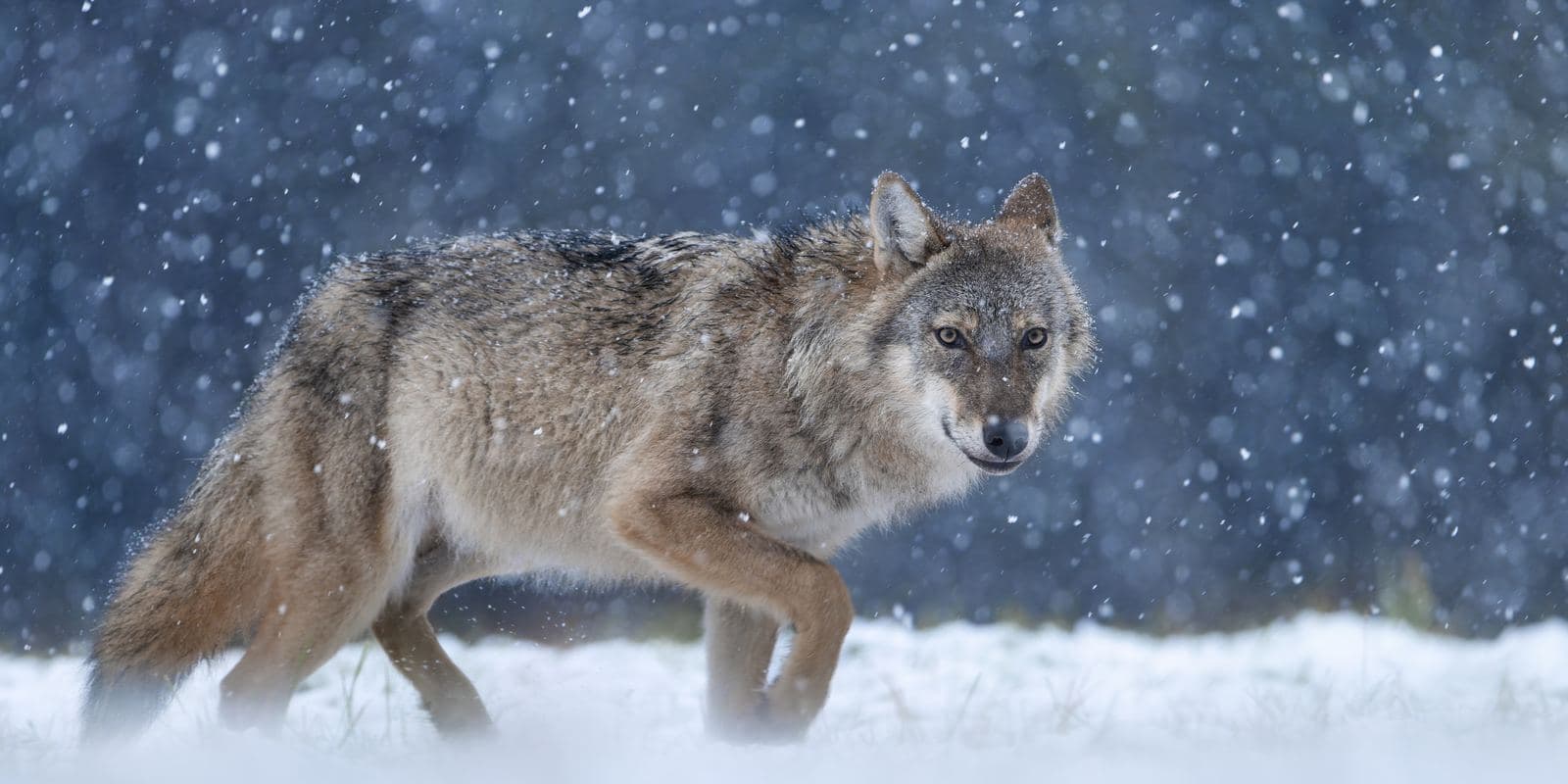
Colorado's Wolf War and the Ballot Box: The Repeal Push That Never Reached Voters
Ready to find your next deal?
Browse hundreds of used hunting gear listings from verified sellers.
The Second Nature Newsletter
The best used hunting gear deals and reads like this one, in your inbox. Free, no spam, unsubscribe anytime.
Fresh on the marketplace
Verified sellers, 40–60% below retail.
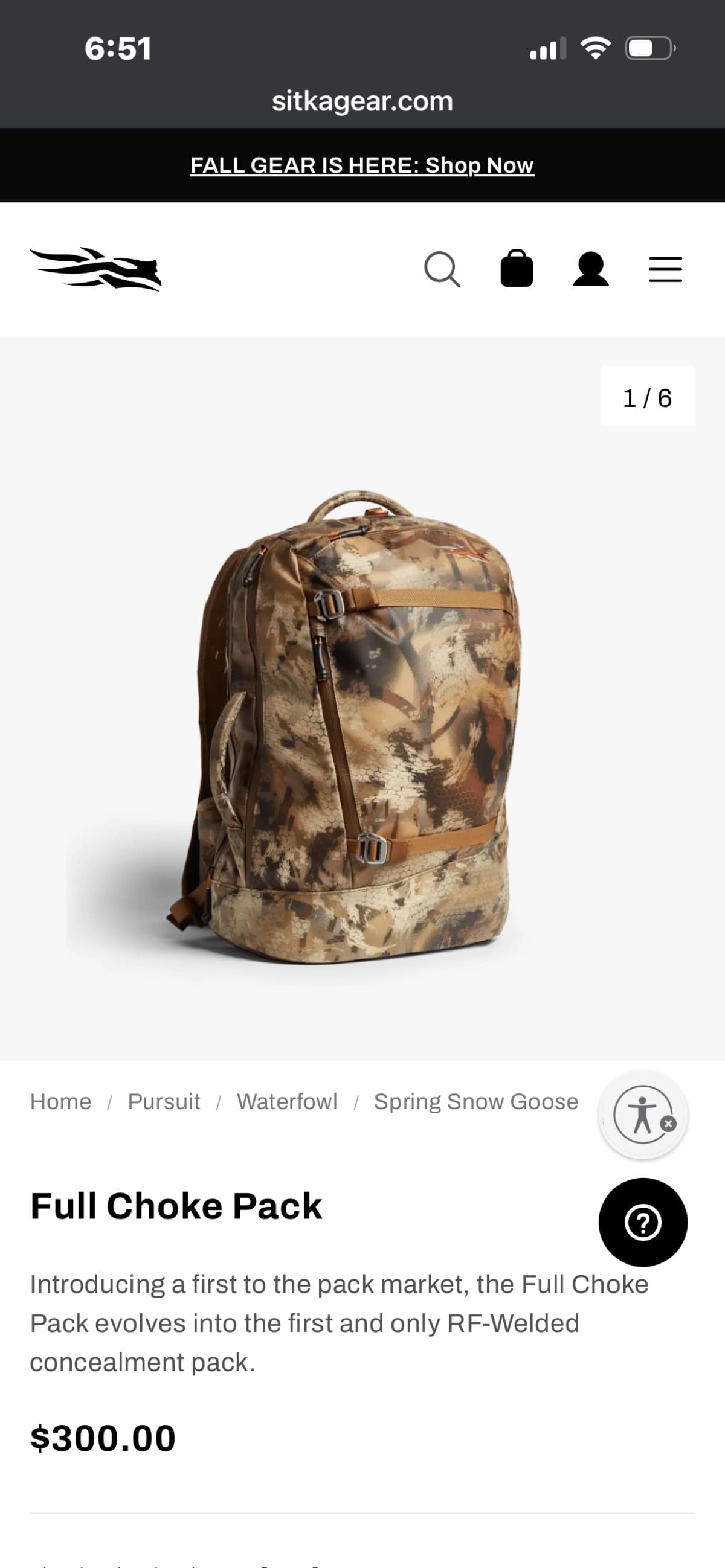
Sitka Gear Full Choke Pack
$225.0025% off
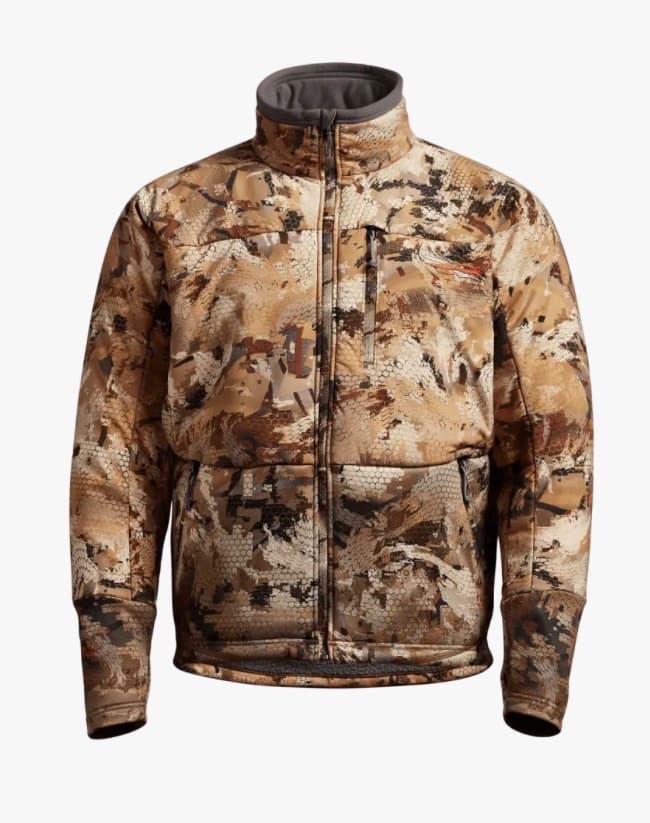
Sitka Gear Duck Oven | NEW | Optifade Marsh | Large
$325.0016% off
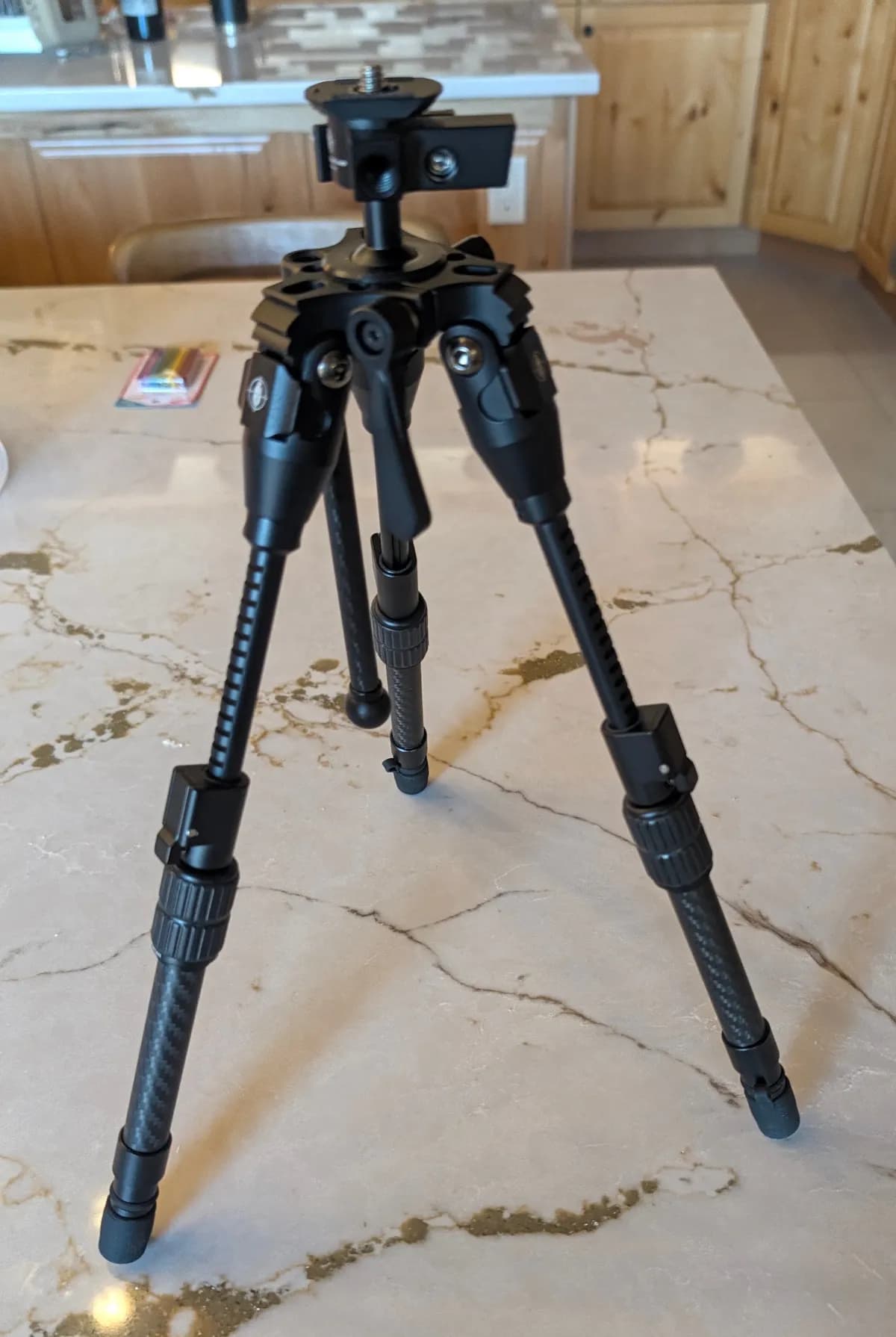
Spartan Hoplite Mini Tripod
$500.0025% off