
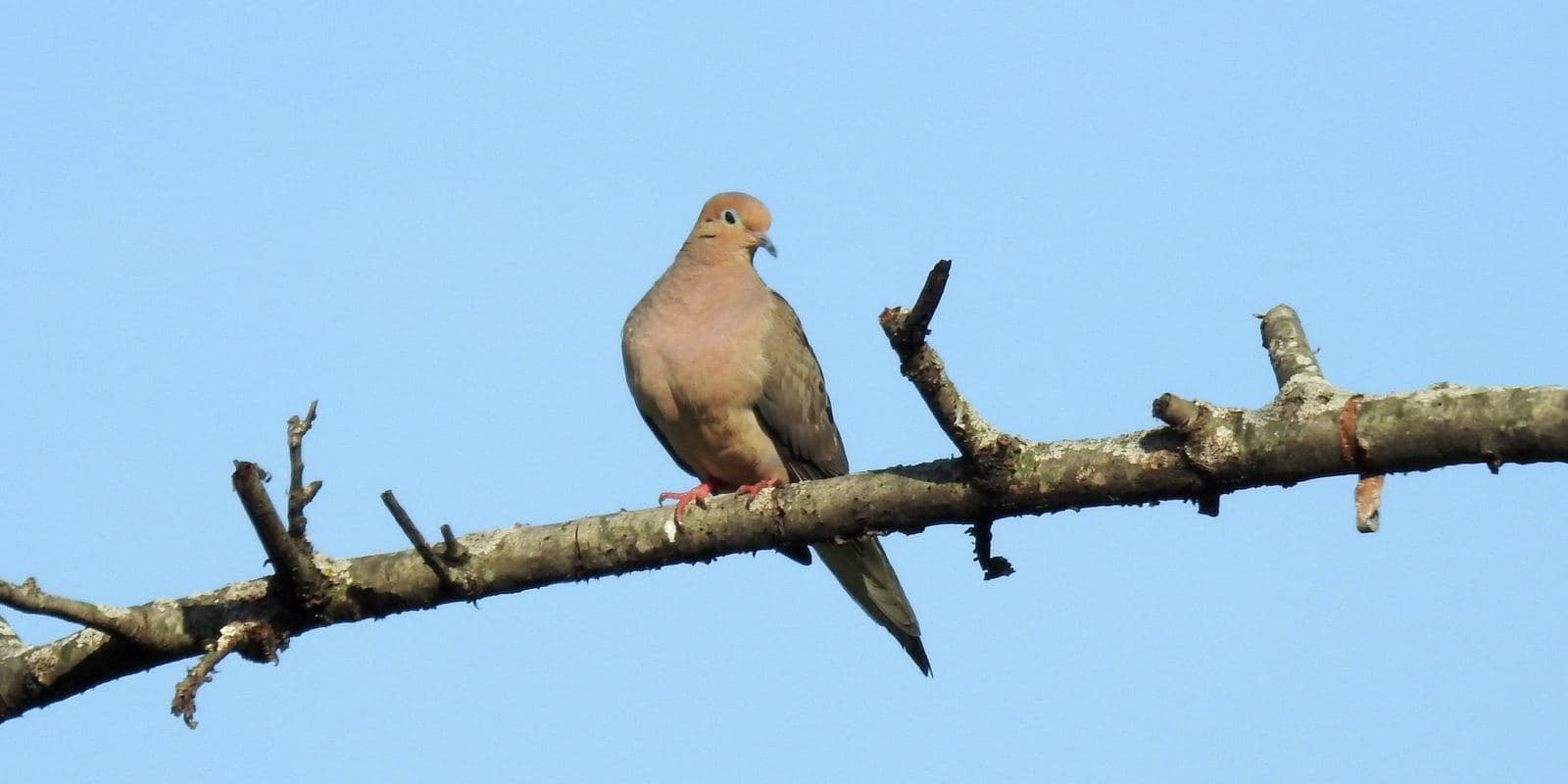
Dove Season 2026: When It Opens, What You Need, and Why September 1 Is Hunting's Real New Year
September 1 puts more hunters in the field than any other day on the calendar. Here's when seasons open, the two legal steps new hunters miss, and how to hit more than you miss.
Every fall tradition has to start somewhere, and for American hunters, it starts with doves. On and around September 1, more hunters take to the field than on any other single date on the calendar — standing on sunflower field edges in T-shirts, burning through shells at the fastest, most humbling target in the sky. Dove season is hunting's opening bell: the most social hunt of the year, the cheapest to get into, and the best possible on-ramp for a new hunter.
Here's your 2026 guide — when seasons open, what the rules require, what gear actually matters, and how to hit more than you miss (or at least miss less).
When Dove Season Opens
The pattern is consistent nationwide: most states open on or around September 1, with seasons typically split into two or three segments that run into the fall and sometimes return around the winter holidays.
| Region | Typical structure |
|---|---|
| Texas & the South | Sept. 1 opener (north/central zones), later openers in some southern zones; 60–90 total days across splits |
| Midwest | Sept. 1 openers are the norm; first split runs through October, often a late split in Nov–Dec |
| East | Sept. openers with two or three splits into January |
| West | Sept. 1 openers; some states run short, hot early seasons |
Exact dates, zones, and split structures are set by each state — check your state agency's migratory bird page before you go, because zone lines and second-split dates move year to year. Daily limits in most states run around 15 birds, which on a good field is a genuinely achievable number and on a bad day is a math problem involving three boxes of shells.
Two legal must-dos that trip up new dove hunters every year:
1. HIP registration. Doves are migratory birds, so you need Harvest Information Program certification on top of your hunting license in nearly every state. It's free and takes two minutes — but hunting without it is a ticket.
2. Know your shot rules. A growing number of public dove fields and wildlife areas require nontoxic shot. Check the area regs before you buy your case of ammo.
The Gear List: Refreshingly Short
Dove hunting's beauty is its simplicity. No treestand, no camo system, no 4 a.m. wake-up mandatory. The honest list:
A shotgun you can swing. 12 or 20 gauge, improved cylinder or modified choke. The 20 gauge with light loads is the sleeper pick — doves aren't hard to kill, they're hard to hit, and a lighter gun swings faster on your 75th shot of the afternoon.
Shells. More than you think. The national average runs several shells per dove. Buy the case, not the box — 7½ or 8 shot.
A bucket or stool. You'll sit for hours. A swivel-top bucket that holds shells and birds is the classic for a reason.
Drab clothing, not necessarily camo. Doves flare off movement and shine more than pattern. Earth-tone shirt and pants work; camo helps at the margins. September heat tip: this is exactly what lightweight early-season hunting clothing was built for — and it's the cheapest category on the used market all year.
Water, sunscreen, and eye/ear protection. It's a 90-degree hunt with a lot of shooting. Shades double as eye pro against falling shot on crowded fields.
Optional but excellent: a few spinning-wing or clip-on decoys on a fence line, and a cooler for birds — in September heat, get doves cooled fast.
Total buy-in for a new hunter, buying smart and used where it counts: comfortably under $150 beyond the shotgun. There is no cheaper entry into wingshooting. If doves hook you and you want to carry the momentum into waterfowl, our duck and goose gear list is the logical next stop.
How to Actually Hit Doves
The uncomfortable truth: doves make good shooters look average and average shooters look bad. They fly 40+ mph, change vector mid-flap, and seem to know exactly when you've committed your swing. What helps:
1. Scout the flight lines, not the field. Doves commute predictably between roost trees, feed (cut sunflowers, wheat stubble, millet), water, and grit. An evening of watching where birds cross tells you more than any amount of gear. Set up on the line, in shade, with the sun at your back if you can.
2. Pick one bird. Flocks bust shooters constantly. Lock onto a single dove and stay on it.
3. Swing through and keep swinging. Most misses are behind. Follow-through matters more on doves than on any clay you've ever shot.
4. Sit still until it's time. Doves see movement at absurd distances. Stand up early and the bird slides thirty yards off your barrel like it read your mind.
5. Mark your birds immediately. A downed dove in stubble is shockingly hard to find. Walk straight to the fall line, every time, and don't shoot a second bird before you've marked the first.
Why Dove Season Matters More Than It Gets Credit For
Dove hunting is the most effective recruitment tool the hunting world has. It's social — you hunt in groups, talking, within sight of each other. It's forgiving — no scent control, no silence, no predawn misery. It's productive — a new hunter can get more shooting in one dove afternoon than in five deer seasons. And it ends at a grill: doves wrapped in bacon with a jalapeño slice have converted more skeptics than any argument ever written.
That's the same doorway we wrote about in the field-to-table pipeline — food is how most adult-onset hunters actually arrive, and a dove field is the shortest version of that path.
If you've got a friend, spouse, or kid who's been curious about hunting, September 1 is the invitation. Hand them ear protection and a stool, let them watch the first hour, shoot the second. That's how most lifelong hunters actually start — and with hunting participation aging, every one of them counts.
The Bottom Line
Dove season is two weeks away as we publish this. Between now and then: buy your license and HIP registration, pattern-check the shotgun, find your field and its flight lines, and buy twice the shells you think you need. September 1 isn't just a season opener — it's the first day of the whole fall. Start it right.
Sources
- When Does Dove Hunting Season Start? — HuntWise
- Dove Regulations — Texas Parks & Wildlife
- The Great American Dove Hunt — Pheasants Forever
- Early Season Dove Hunting Ideas — Project Upland
- Dove Season Is on the Horizon — Outdoor Illinois Journal
Early-season heat calls for early-season gear — browse used lightweight hunting shirts, pants, and packs from Sitka, KUIU, and First Lite on Second Nature, and gear up for the whole fall while you're at it. Selling? September buyers are shopping right now.
In the market for gear?
Browse verified secondhand listings at 40–60% below retail — or turn the gear hanging in your closet into cash.
More Articles
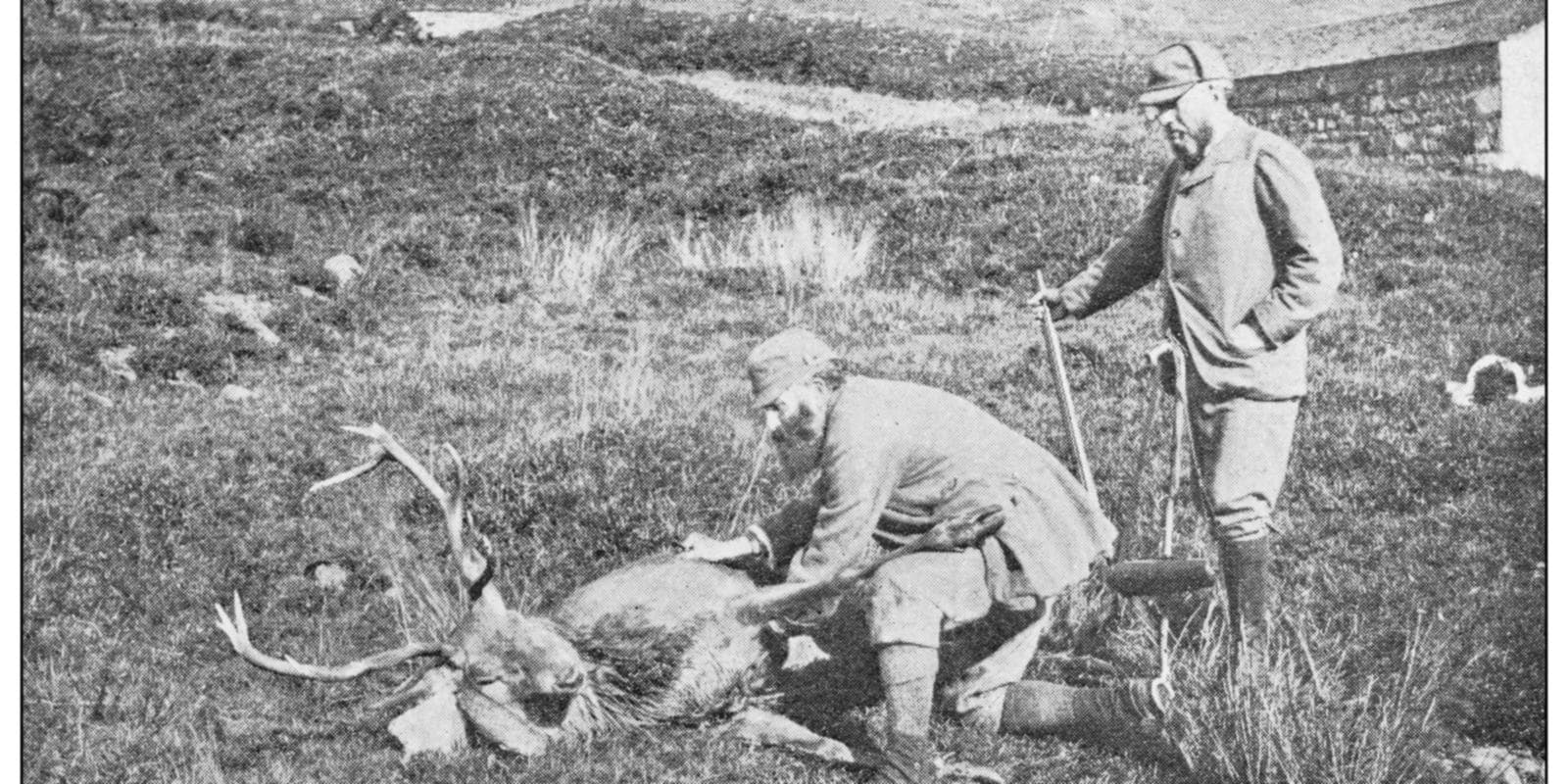
Process Your Own Deer: The Complete Field-to-Freezer Guide (and Why It's Worth It)
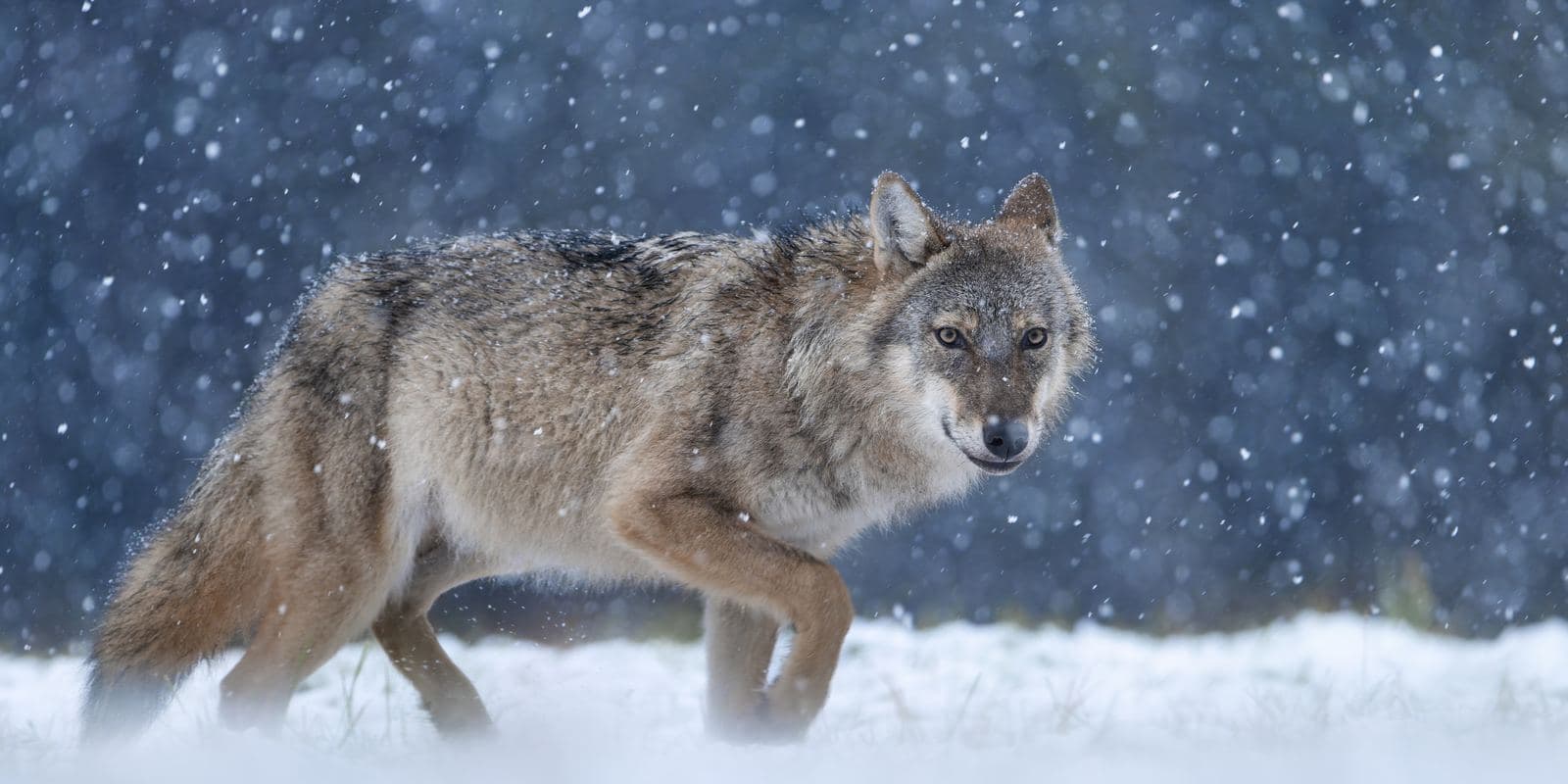
Colorado's Wolf War Goes Back to the Ballot: The August 27 Deadline That Could End Reintroduction
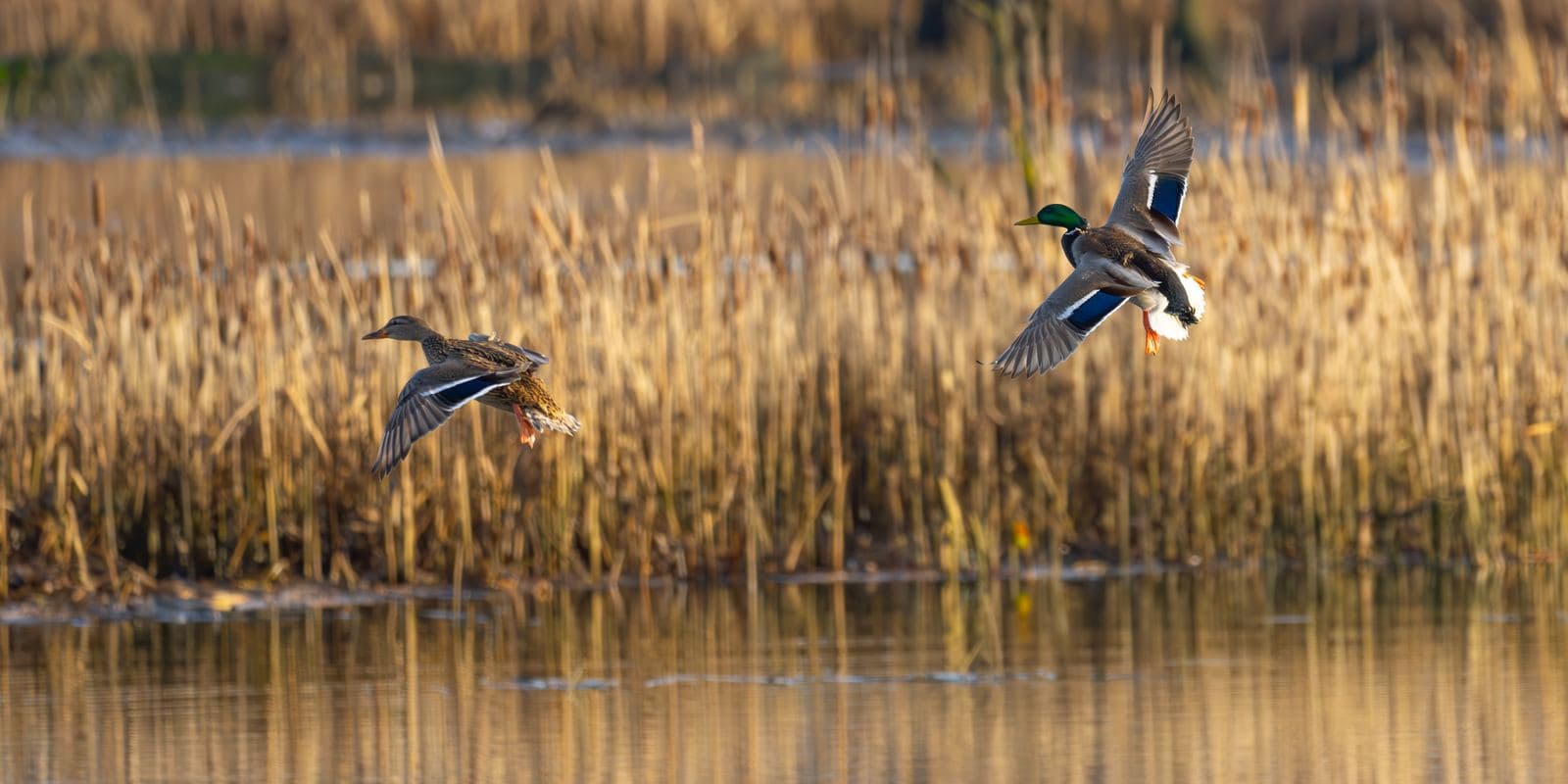
219,428 Comments in 14 Days: Duck Hunters Just Refused to Let the Duck Factory Drain Quietly
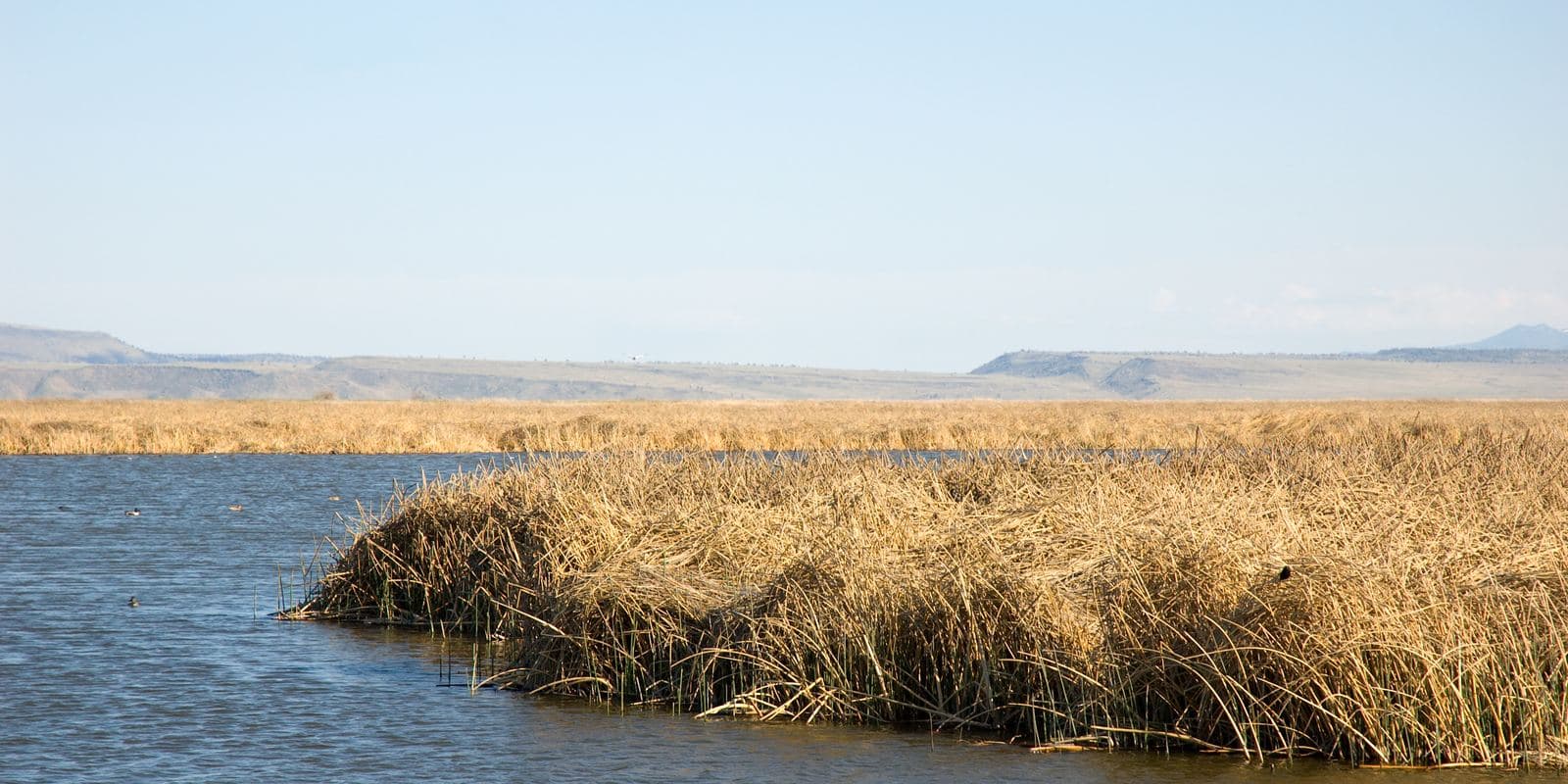
America's First Waterfowl Refuge Is Dying of Thirst: Inside the Klamath Basin Collapse
Ready to find your next deal?
Browse hundreds of used hunting gear listings from verified sellers.
The Second Nature Newsletter
The best used hunting gear deals and reads like this one, in your inbox. Free, no spam, unsubscribe anytime.
Fresh on the marketplace
Verified sellers, 40–60% below retail.
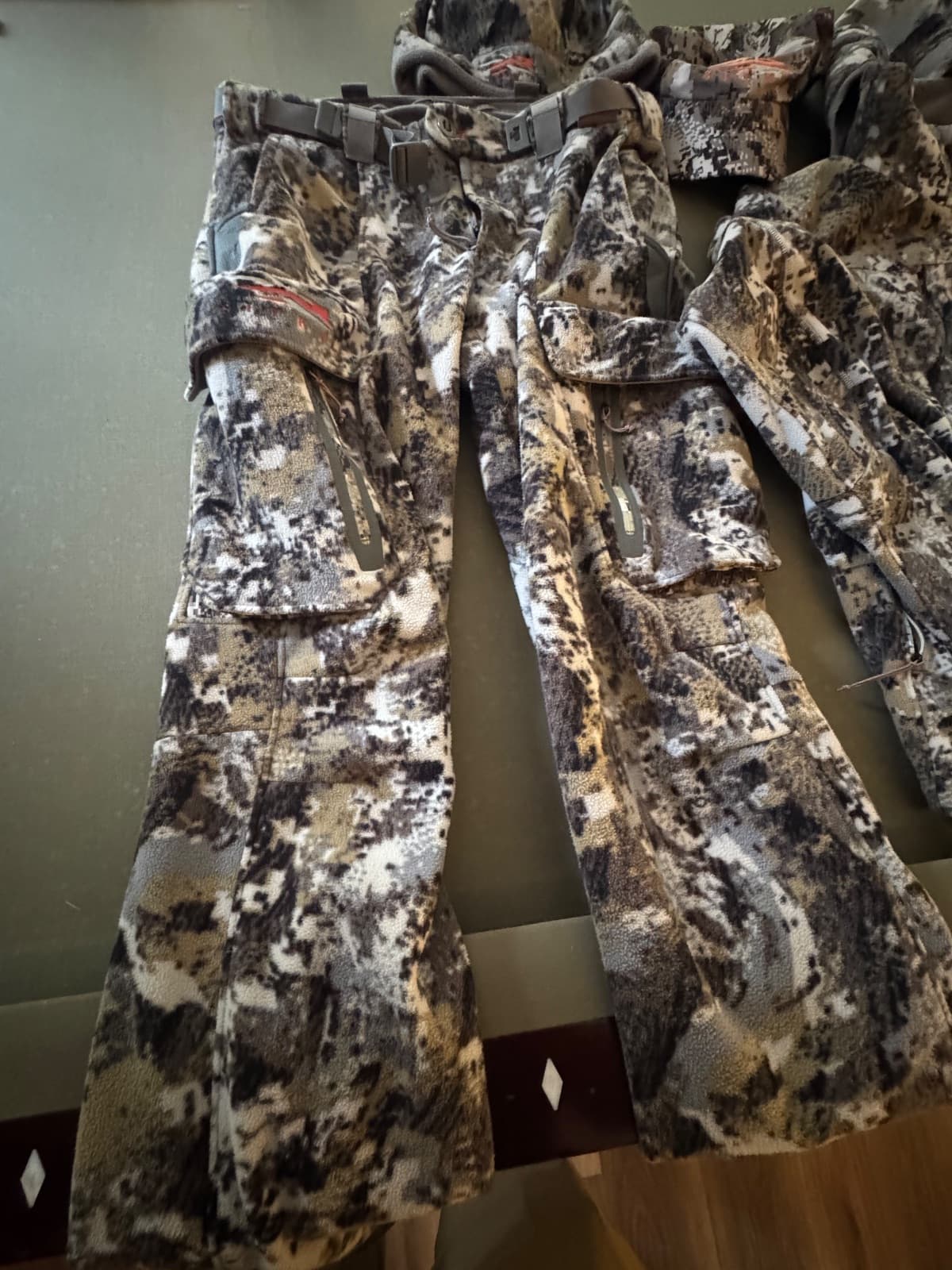
Sitka Stratus Pants
$160.0048% off
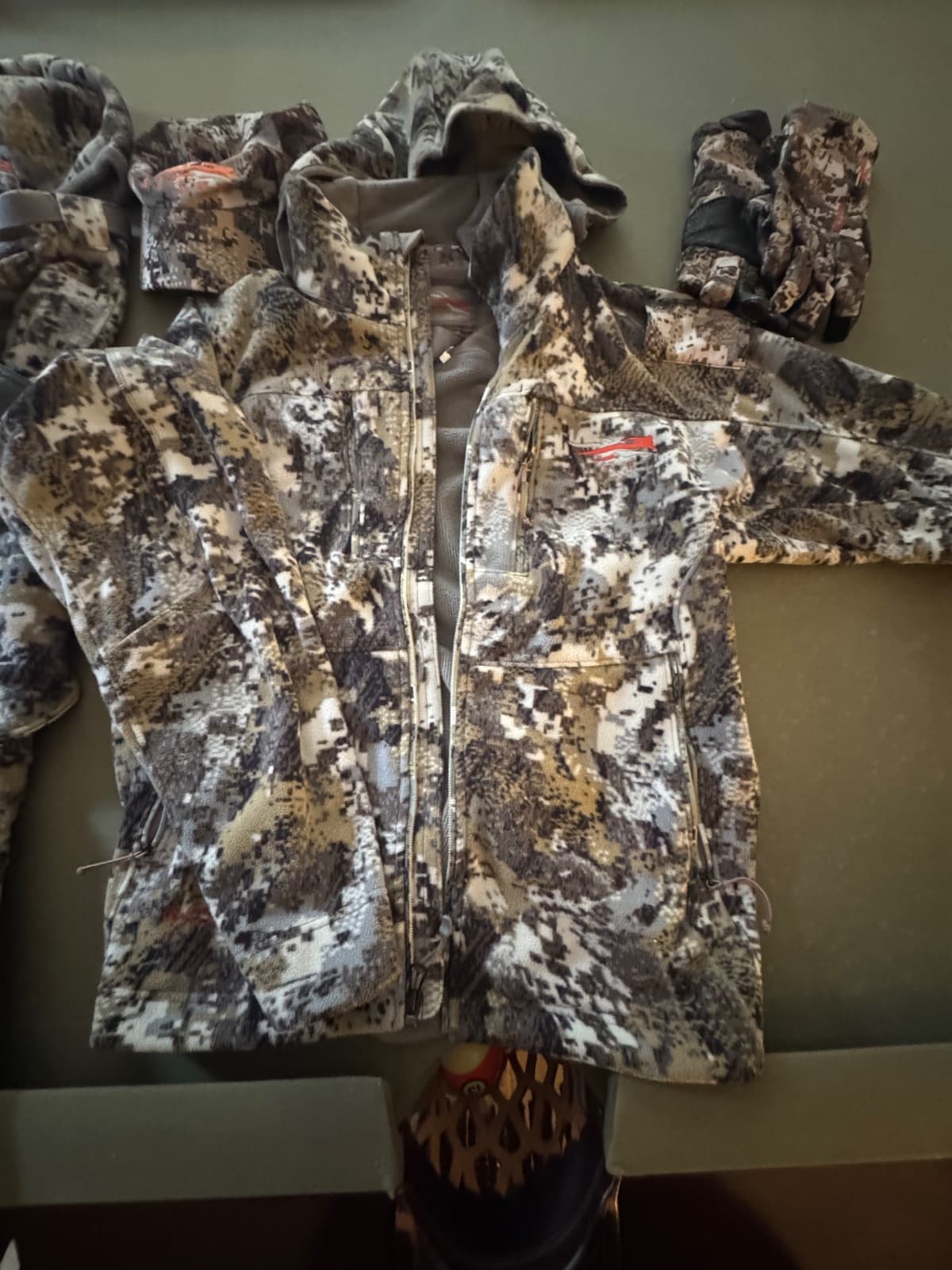
Sitka Stratus Jacket
$200.0044% off
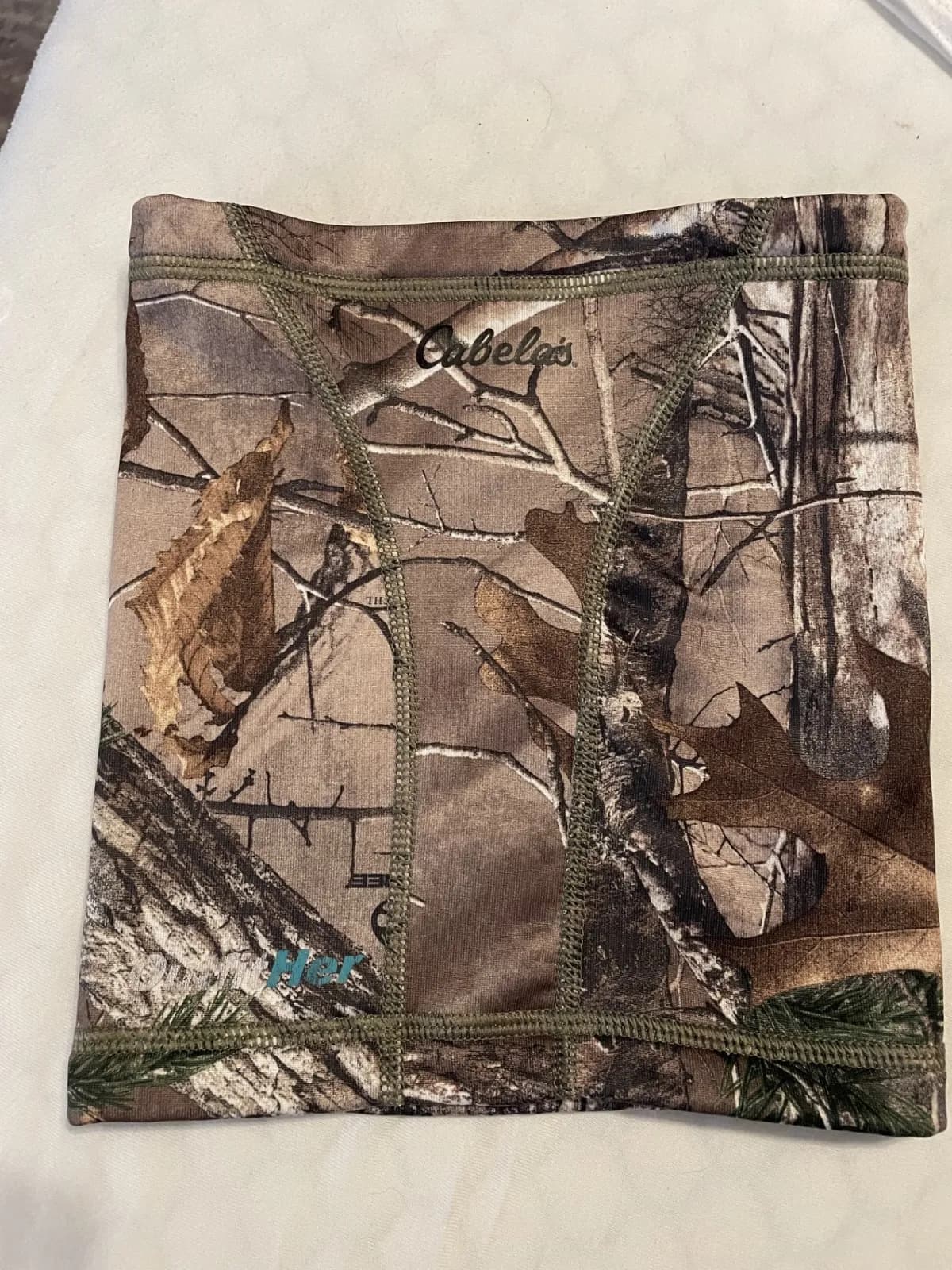
Cabella's Fleece Camo Gaiter
$18.0028% off