
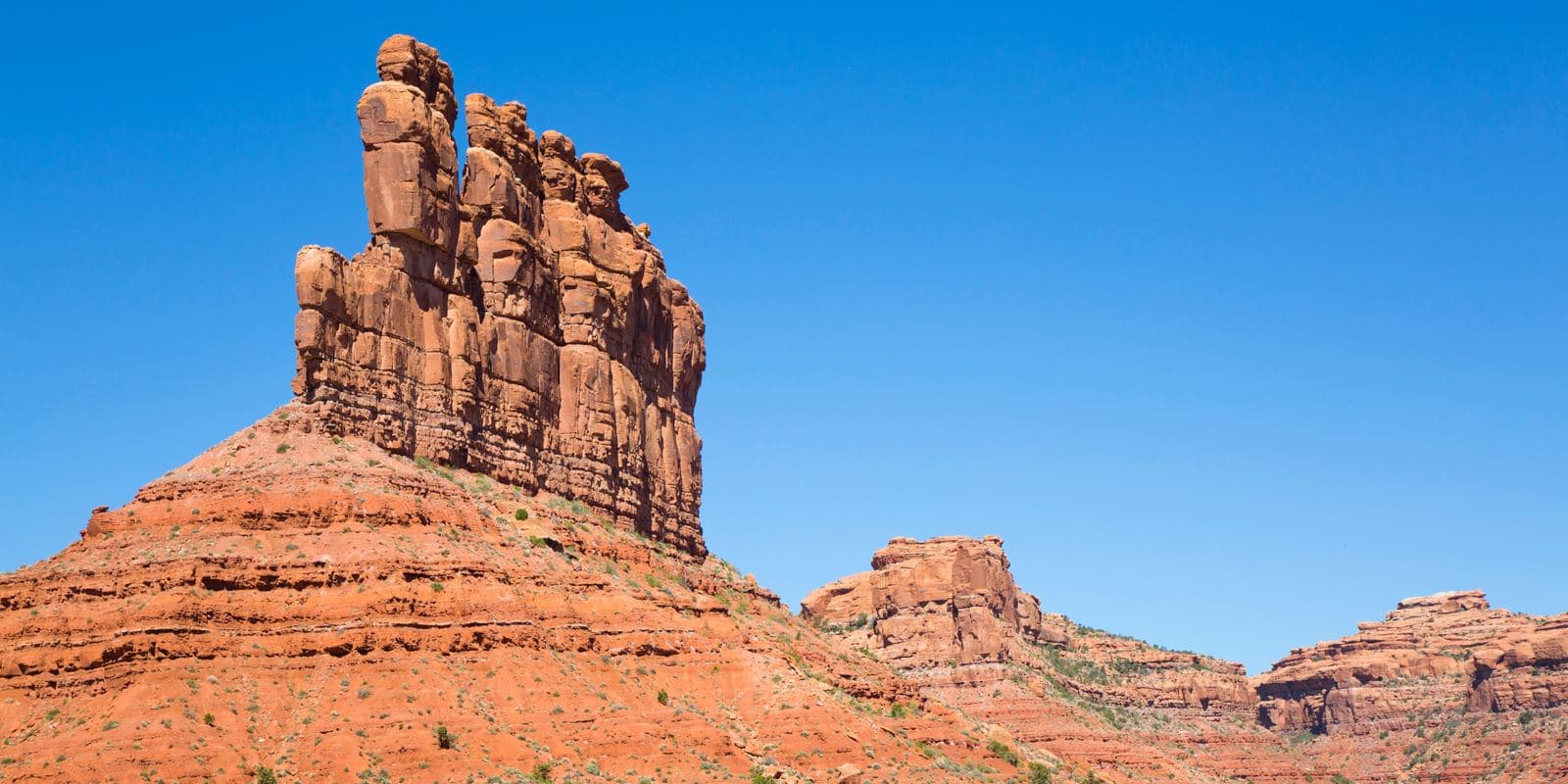
America's Parks and Monuments Are Shrinking: What It Actually Means for Hunters
Three million acres cut from two monuments, a quarter of the Park Service gone, and hundreds of millions of acres newly eligible for sale. None of it closes your spot this fall. All of it decides what your kids inherit.
This month, the boundaries of Bears Ears and Grand Staircase-Escalante National Monuments were cut by a combined three million acres — reductions so deep that critics say they virtually eliminate both monuments. At the same time, the National Park Service has lost nearly a quarter of its permanent workforce since January 2025, with parks cutting hours, closing visitor centers, and canceling programs heading into the busiest season of the year.
Headlines about "shrinking parks" tend to produce two lazy reactions in the hunting world: some hunters shrug because parks are closed to hunting anyway, and others panic as if every acre is disappearing tomorrow. The truth is more specific than either — and hunters have more skin in this game than almost anyone. Here's what's actually happening, and what it means where you hunt.
First, Get the Land Categories Straight
The word "parks" is doing a lot of blurry work in these headlines. The categories matter enormously to hunters:
| Land type | Can you hunt it? | What's happening |
|---|---|---|
| National Parks (Yellowstone, Yosemite) | Generally no | Staffing down ~25%, hours and services cut |
| National Monuments (Bears Ears, Grand Staircase) | Generally yes — most are BLM/USFS-managed and open to hunting | Boundaries cut by ~3 million acres this month |
| BLM / National Forest land | Yes — the backbone of western hunting | Hundreds of millions of acres proposed as eligible for sale |
| Wildlife Refuges | Often yes, unit by unit | Expansion of hunting opportunities continued in recent years |
Notice the irony: the lands making the most dramatic headlines — the monuments — are lands hunters can use. Bears Ears and Grand Staircase have always been open to hunting under their monument designations; the monument status mostly restricted mining, drilling, and disposal, not hunters. Some of Utah's best-known mule deer country, including units in the Grand Staircase region, sits inside those old boundaries.
So If Monuments Shrink, Does Hunting Change?
Not on day one — and that's exactly why hunters need to pay attention to day two.
When land comes out of a monument, it doesn't leave public ownership. It reverts to ordinary BLM or Forest Service management. You could still hunt it this fall, same as last fall. The change is in what else can now happen to it: mineral leasing, road building, development — and most importantly, eligibility for sale or transfer.
That last one is the whole ballgame. The current administration's public lands agenda includes making hundreds of millions of acres of federal land eligible for disposal. Monument status was one of the strongest shields against that. Strip the designation, and the land joins the pool of "ordinary" acreage that can be sold, traded, or transferred — and once public land goes private, no hunter gets it back. The country already loses tens of thousands of huntable acres a year to access closures and land turnover. Large-scale disposal eligibility turns that leak into a valve.
The honest framing for hunters isn't "they took our hunting land." It's "they removed the lock from the door." Whether anything walks out that door is the next fight.
The Park Service Cuts Hit Hunters Too — Just Sideways
You can't hunt Yellowstone, so why care that NPS lost a quarter of its workforce? Three reasons:
Wildlife doesn't read boundary signs. Park herds are the seed stock for some of the best hunting in America — the elk, deer, and pronghorn that migrate out of parks each fall onto the forests and BLM lands where hunters wait. Parks fund and staff much of the research, collaring, and disease monitoring (including CWD surveillance) that state game agencies rely on. Gut the staff, and the science that informs your unit's quotas gets thinner.
Understaffed parks push problems outward. Fewer rangers means less enforcement, slower conflict response, and deferred habitat work — burdens that shift onto the state agencies and adjacent national forests hunters actually use.
Precedent travels. The Forest Service and BLM — the agencies that manage nearly all huntable federal land — are subject to the same budget and staffing pressures, as we covered in our breakdown of the Forest Service overhaul. What happens to the highest-profile land agency first rarely stops there. Congress did push back in January, passing a bipartisan FY26 appropriations bill that spared the Park Service from the deepest proposed cuts — proof that public pressure moves these numbers.
The Uncomfortable Split in the Hunting World
Hunters don't line up neatly on this. Some hunting and ranching voices have long argued monument designations were federal overreach — that multiple-use BLM management serves hunters fine without the monument label, and some designations layered on access restrictions hunters disliked. Others — including most major sportsmen's conservation groups — argue that whatever the label's flaws, designation was the durable shield keeping intact, huntable landscapes intact, and that the real endgame of shrinkage is disposal.
Both camps share one interest, though, and it's the one worth organizing around: keeping public land public and huntable. You can think monuments were imperfect tools and still recognize that "eligible for sale" is a different, more permanent threat than any management label ever was.
What Hunters Can Actually Do
1. Know which category your spots are in. Ten minutes with your mapping app tells you whether you hunt former monument land, ordinary BLM, or forest. Disposal lists and land-use plan revisions are public — the parcels get named before anything moves.
2. Comment when the comment periods open. Boundary changes and land-use plans require public processes, and agencies tally hunters' comments separately from everyone else's. The January budget reversal showed the pressure works.
3. Back the groups doing the unglamorous work. The access battles hunters have won lately — from corner crossing to refuge expansions — were won by organized sportsmen's groups showing up in courtrooms and comment dockets for years.
4. Bring the new public-land users along. The record crowds discovering public lands are potential allies, not competition. Every camper who loves a BLM sunset is one more voice against selling it.
The Bottom Line
The parks-are-shrinking story is really three stories: monuments losing their shields, an agency losing its people, and a much larger pool of public land quietly losing its protection from sale. None of it closes your hunting spot this season. All of it decides whether your kids inherit the same map you did. Hunters have been the loudest voice for public land for a century — this is not the moment to go quiet.
Sources
- Defend America's National Monuments — Conservation Lands Foundation
- National Parks Face a Strained Summer as Staffing Shortages Deepen — Coalition to Protect America's National Parks
- Inside the FY26 National Park Service Budget — National Parks Conservation Association
- National Parks May Be Spared Deeper Cuts in 2026 — Forbes
- 2027 Budget Proposals Would Cut NPS Staff, Slash Budgets — GearJunkie
Public land hunting is the best deal in the outdoors — keep it cheap on the gear side too. Browse used Sitka, KUIU, and First Lite on Second Nature, and put the savings toward tags, fuel, and the groups fighting for your access.
In the market for gear?
Browse verified secondhand listings at 40–60% below retail — or turn the gear hanging in your closet into cash.
More Articles
The Field-to-Table Pipeline: How Wild Game Cooking Became Hunting's Best Recruitment Tool
The 2026 Duck Numbers Are In: Flat Counts, a Three-Pintail Limit, and What It Means for Your Season
The 8-Week Elk Fitness Plan: Get Mountain-Ready Before the September Opener
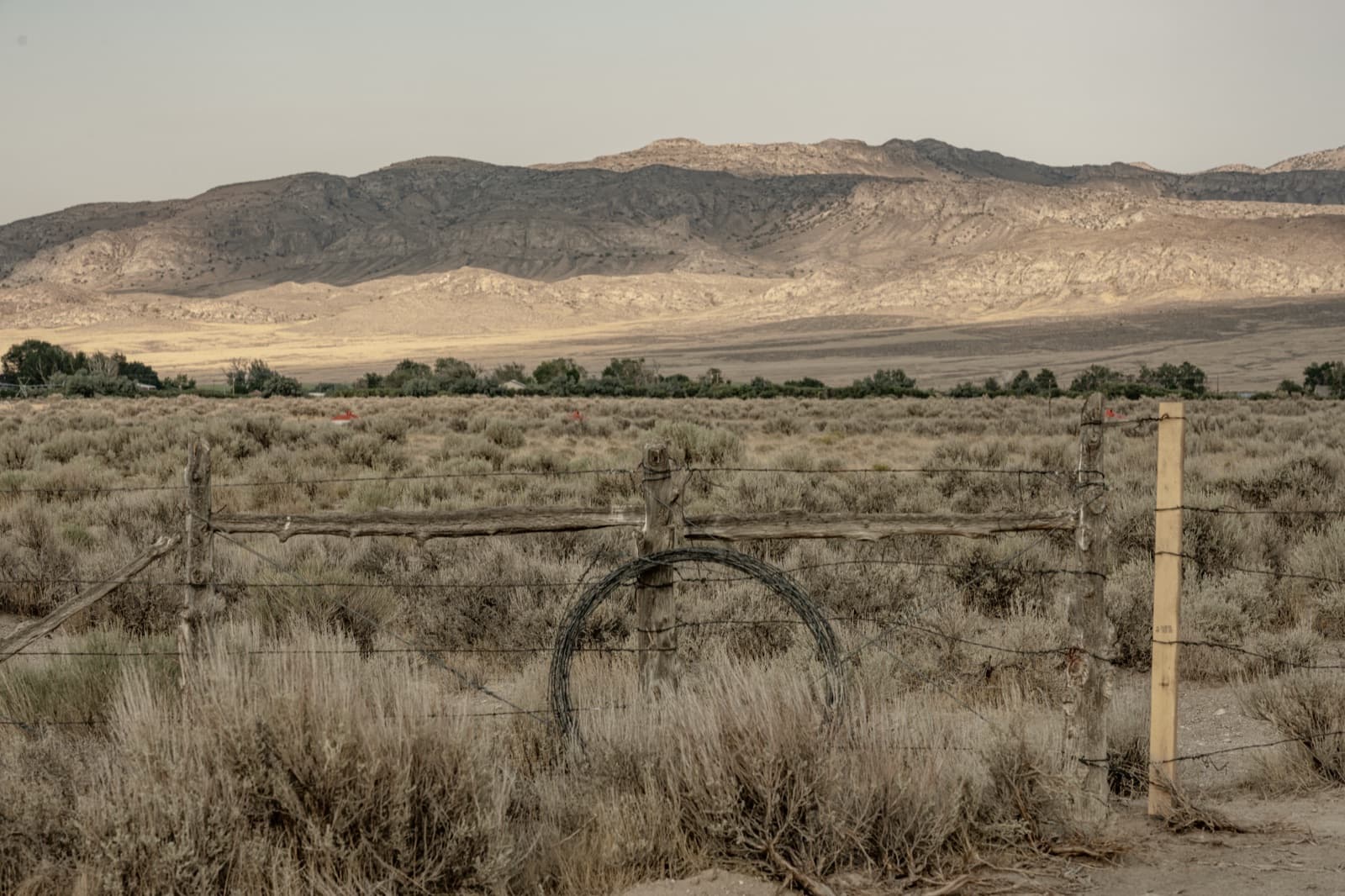
Corner Crossing in 2026: Legal in Six States, a Crime in Montana — Here's Where Things Stand
Ready to find your next deal?
Browse hundreds of used hunting gear listings from verified sellers.
The Second Nature Newsletter
The best used hunting gear deals and reads like this one, in your inbox. Free, no spam, unsubscribe anytime.
Fresh on the marketplace
Verified sellers, 40–60% below retail.
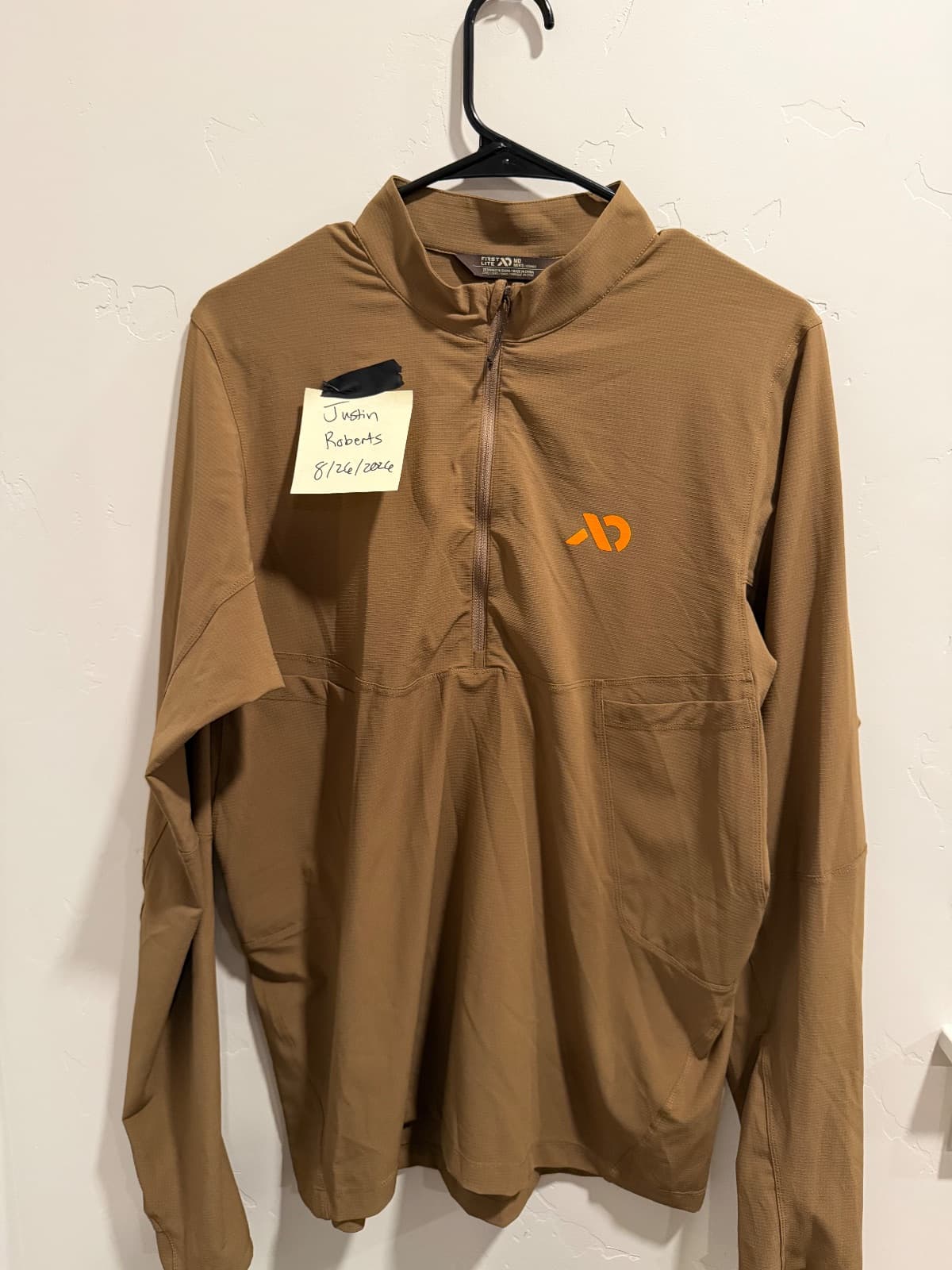
First Lite Trace Quarter Zip
$70.0030% off
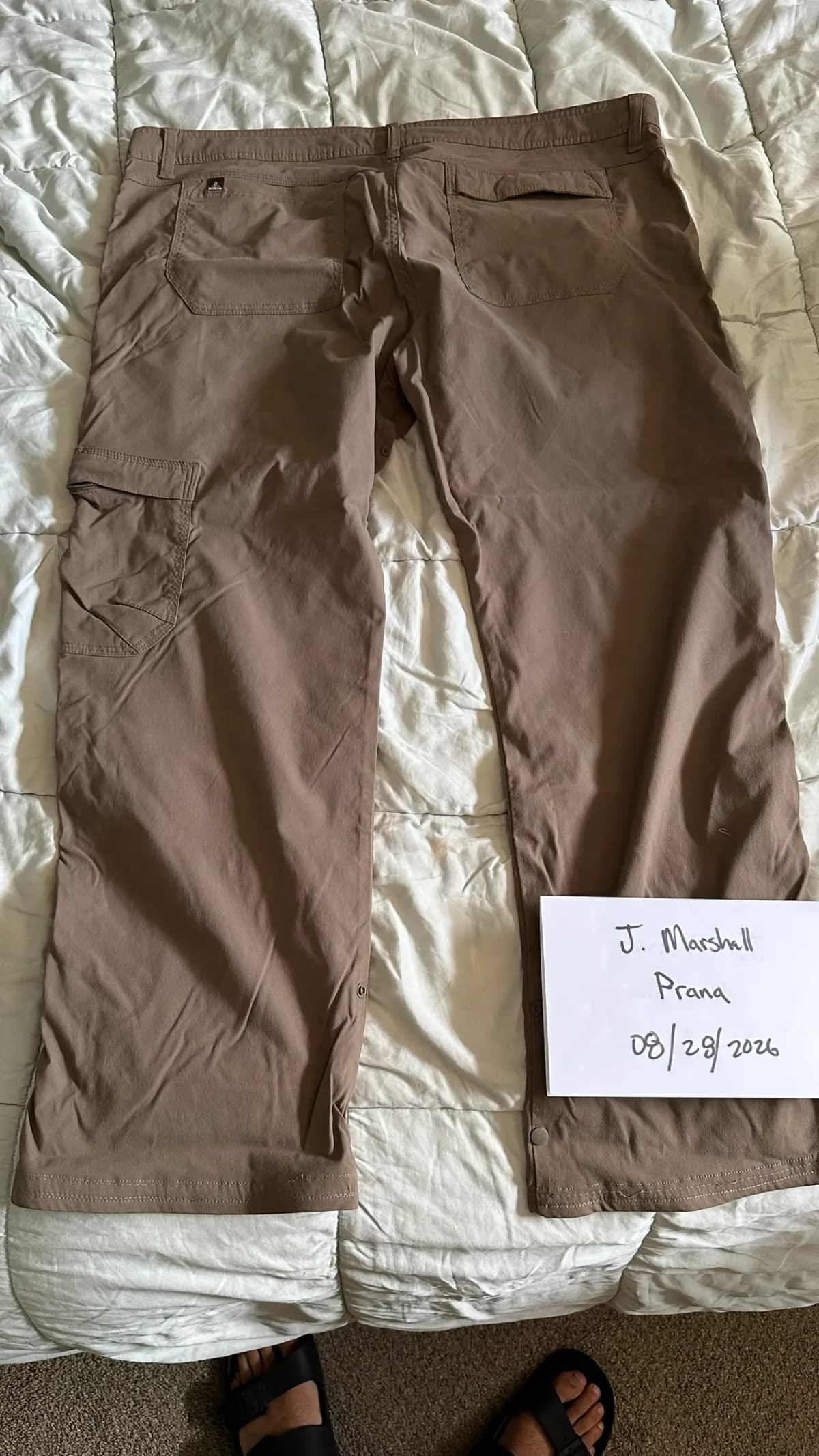
Prana Stretch Zion - Hemmed to 42x30
$55.00
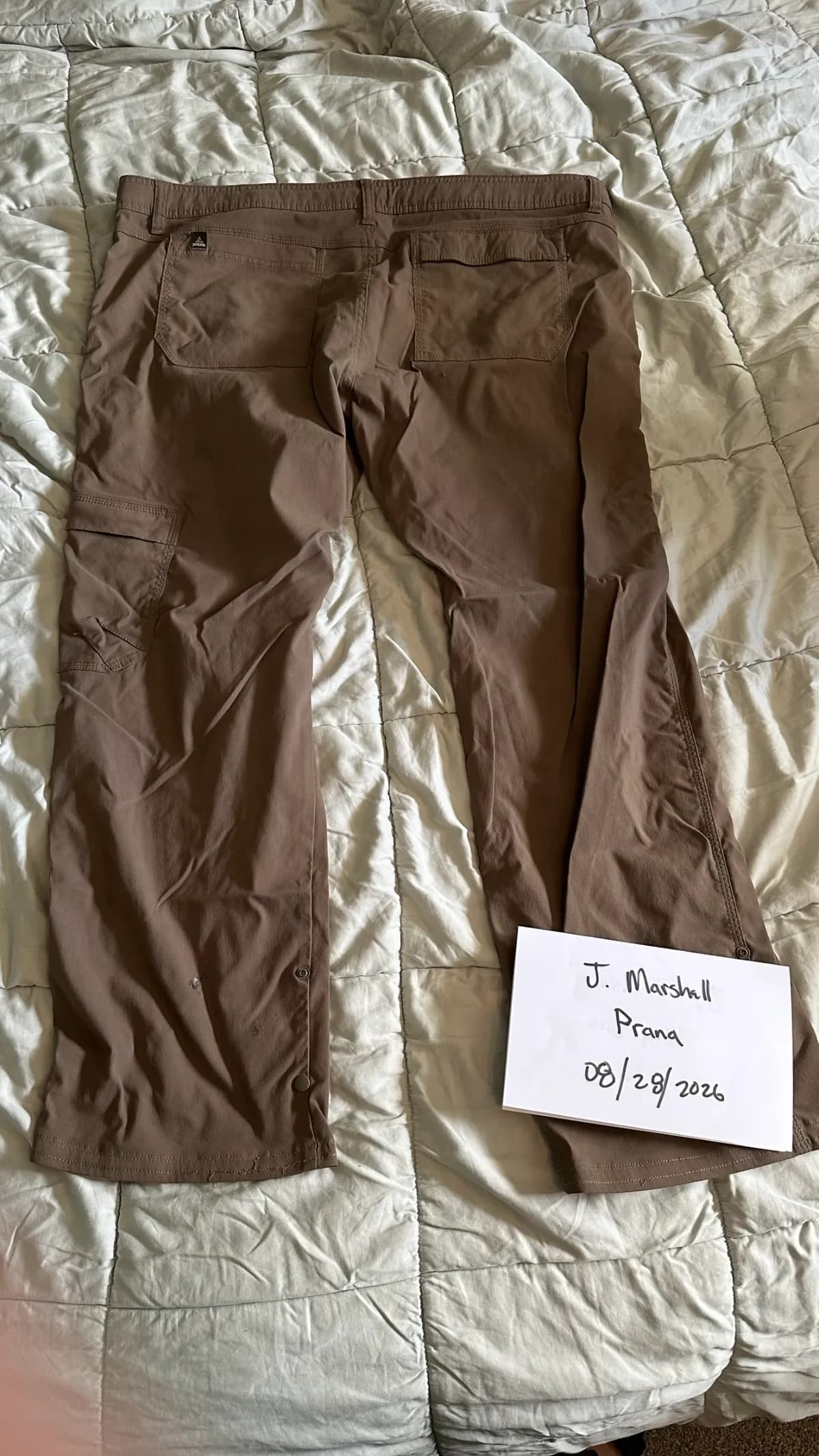
Prana Stretch Zion Hemmed to 42x30
$55.00