

Who Pays for Conservation? The Answer Might Surprise You
Ask the average person who funds wildlife conservation in America, and you'll usually hear some version of "the government" or "environmental groups." Both answers are mostly wrong. The single biggest, most reliable funding engine for wildlife conservation in the United States is the community of hunters and anglers — through license fees, tags, stamps, and a pair of self-imposed federal taxes that most people have never heard of. With a measure like Oregon's IP28 trying to criminalize hunting and fishing outright, it's worth being firm about the facts: if hunting and fishing go away, so does the money that keeps wildlife agencies running.
The system nobody learns in school
American wildlife conservation runs on something called the "user-pays, public-benefits" model. The people who use the resource — hunters and anglers — pay for its management, and everyone benefits: birders, hikers, photographers, and the wildlife itself.
The money comes from two main streams. The first is obvious: license sales. Every hunting license, fishing license, deer tag, elk tag, and duck stamp sold in America sends money directly to that state's fish and wildlife agency. Not to the general fund. Not to roads or schools. To wildlife management — it's legally protected for that purpose.
The second stream is the one that surprises people: excise taxes that hunters and anglers asked to pay.
Pittman-Robertson: the tax hunters wanted
In 1937, with America deep in the Depression and many wildlife populations at historic lows, sportsmen's groups and the firearms industry did something almost unheard of — they lobbied Congress to tax their own products. The result was the Pittman-Robertson Wildlife Restoration Act, which placed a federal excise tax (roughly 10–11%) on firearms, ammunition, and archery equipment.
Every time anyone buys a rifle, a box of shells, or a compound bow, a slice of that purchase flows into the Wildlife Restoration fund. The U.S. Fish and Wildlife Service then apportions that money to state wildlife agencies based on a formula that factors in the state's size and number of license holders.
In 1950, anglers followed suit with the Dingell-Johnson Sport Fish Restoration Act, which does the same thing for fishing rods, reels, tackle, and includes a portion of motorboat fuel taxes.
Here's the genius of the design: the money is mandatory, predictable, and protected. Congress can't easily raid it, and states only receive it if they keep their license revenues dedicated to wildlife. The system has quietly funded the restoration of whitetail deer, wild turkeys, elk, pronghorn, wood ducks, and striped bass — species that were scarce or collapsing a century ago and are now thriving.
The numbers, because numbers settle arguments
This isn't pocket change. In early 2026, the Fish and Wildlife Service announced over $1.2 billion in Wildlife and Sport Fish Restoration apportionments to states, commonwealths, and territories — generated by excise taxes manufacturers paid on ammunition, firearms, archery and angling equipment, and fuel. The program apportions roughly $1.6 billion annually across its programs in recent years.
For state wildlife agencies, this money is structural, not supplemental. On average, Pittman-Robertson funds provide about 15% of state agency revenues and Dingell-Johnson about 9% — and that's before counting license sales, which typically make up the largest share of agency budgets. Over the life of the program, states have matched federal apportionments with approximately $8.5 billion, primarily from hunting and fishing license revenues.
Zoom out to the people paying in: more than 39.9 million Americans fish and 14.4 million hunt, contributing over $144 billion annually to the U.S. economy according to the Fish and Wildlife Service's national survey. In Oregon alone — the state currently debating whether to criminalize all of this — hunting and fishing generate an estimated $1.9 billion a year in economic activity.
"But I donate to environmental groups"
Good — keep doing that. Nonprofit conservation work matters, and groups from land trusts to Audubon chapters do real good. But it's important to be honest about scale and function. Charitable donations fund projects; license dollars and excise taxes fund the system — the biologists who run population surveys, the game wardens who catch poachers, the hatcheries, the habitat acquisitions, the winter range studies. That's the unglamorous, year-after-year machinery of wildlife management, and it runs overwhelmingly on sportsmen's dollars.
This is also why the "just ban hunting" position has a math problem it rarely confronts. Eliminate hunting and fishing, and you don't just end an activity — you defund the agencies that manage wildlife, with no replacement revenue on the table. No state has solved that equation. The handful of proposals to replace sportsman funding with general taxes or "backpack taxes" on outdoor gear have gone nowhere, in part because the outdoor recreation industry has consistently opposed taxing its own products — the very thing the firearms and tackle industries volunteered for nearly a century ago.
The non-hunter's stake in this
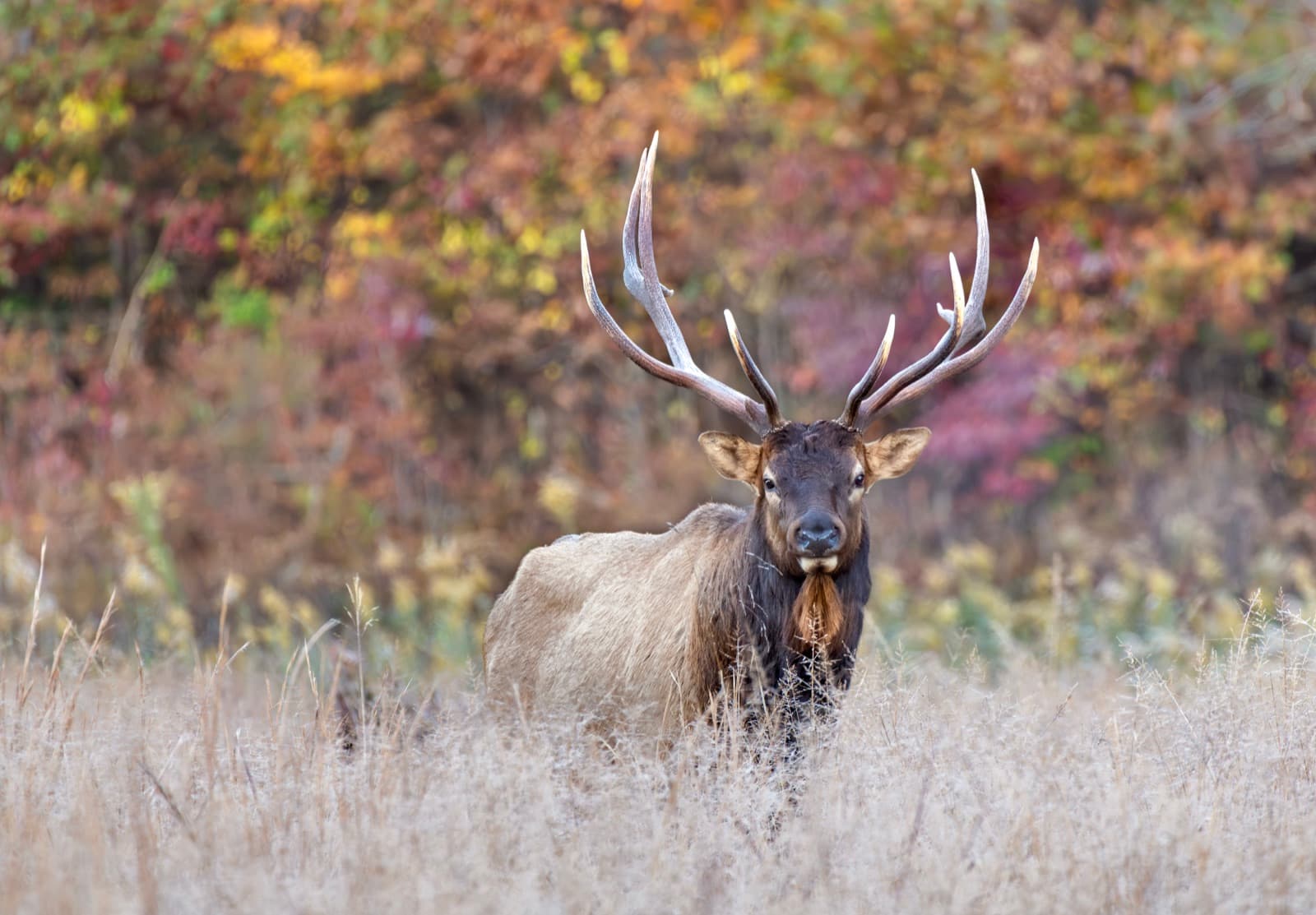
If you don't hunt or fish, this system is still working for you. The elk you photograph, the refuge trail you hike, the trout stream that stays cold and clean — odds are good that sportsman dollars bought the habitat, funded the biologist, or paid the warden protecting it. Hunters and anglers conserved these resources not instead of the public, but on behalf of it. That's the deal, and it has held for almost ninety years.
It's fair to debate how wildlife agencies should evolve, whether non-consumptive users should contribute more, and how to fund conservation as hunter numbers fluctuate. Those are legitimate conversations, and plenty of people inside the hunting world are having them. What's not legitimate is pretending that hunting and conservation are opposites. Historically and financially, they're the same project.
The bottom line
When someone asks who pays for conservation, the answer is concrete: the people buying licenses, tags, rifles, ammo, rods, and tackle. Over a billion dollars a year in excise-tax apportionments. Billions more in license revenue. A funding model so effective that it brought back species most Americans now take for granted.
So the next time hunting comes up at a dinner table — or on a ballot — bring the receipts. Conservation in America isn't funded by good intentions. It's funded by hunters and anglers, on purpose, by design, and at their own request. Anyone proposing to end hunting and fishing owes the public an answer to one simple question: what's your replacement plan for the money?
So far, nobody has one.
Sources
- U.S. Fish & Wildlife Service — Service Provides Over $1.2 Billion to Support Fish and Wildlife Conservation and Outdoor Access
- U.S. Fish & Wildlife Service — Wildlife Restoration Program (Pittman-Robertson)
- U.S. Fish & Wildlife Service — Final Apportionments for Wildlife Restoration and Sport Fish Restoration Funds
- Wildlife for All — Pittman-Robertson and Dingell-Johnson at a Glance
- Wikipedia — Pittman-Robertson Federal Aid in Wildlife Restoration Act
- Oregon Hunters Association — Oregon IP28: Hunting & Fishing Ban Explained
In the market for gear?
Browse verified secondhand listings at 40–60% below retail — or turn the gear hanging in your closet into cash.
More Articles



Ready to find your next deal?
Browse hundreds of used hunting gear listings from verified sellers.
The Second Nature Newsletter
The best used hunting gear deals and reads like this one, in your inbox. Free, no spam, unsubscribe anytime.
Fresh on the marketplace
Verified sellers, 40–60% below retail.
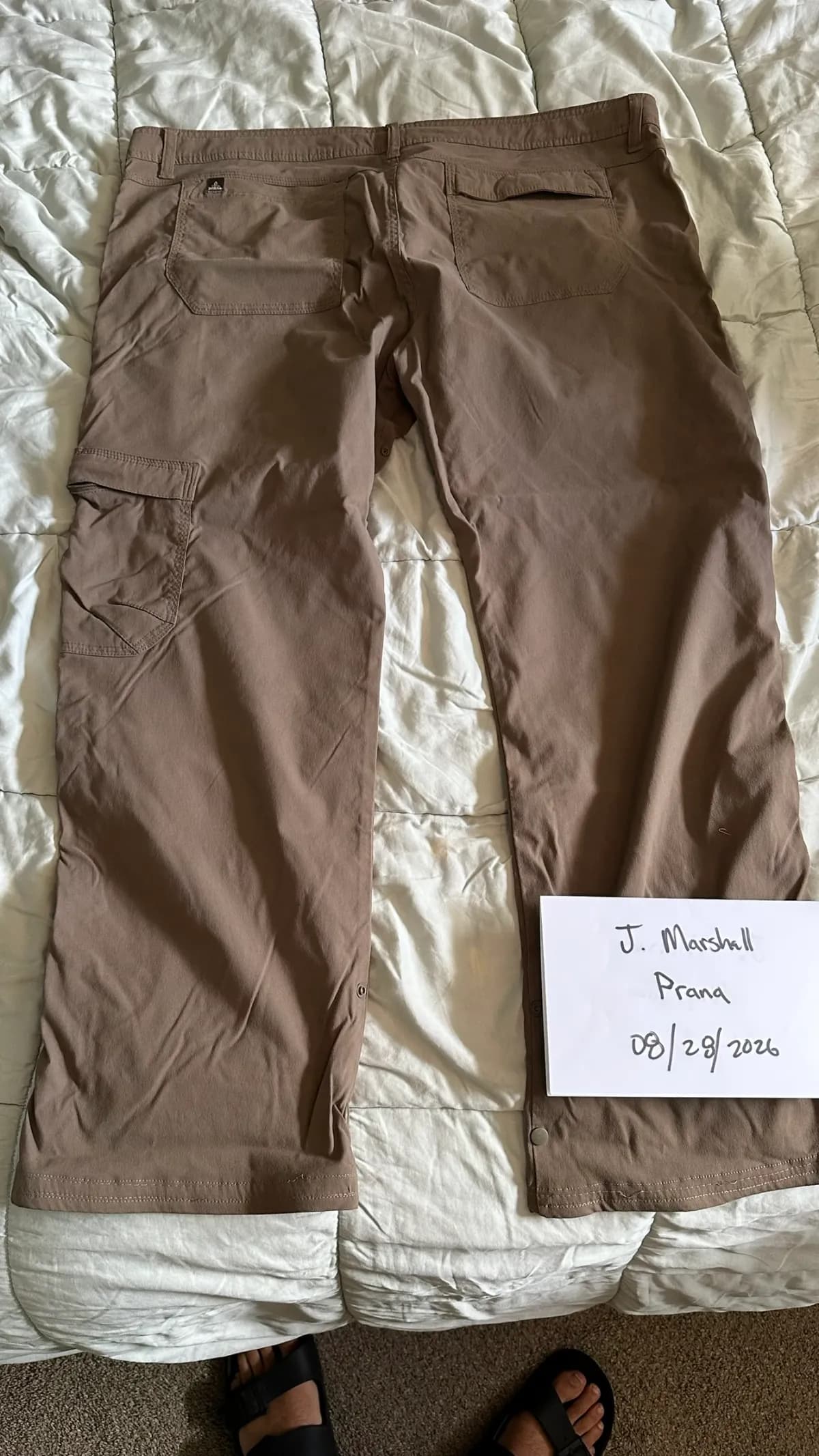
Prana Stretch Zion - Hemmed to 42x30
$55.00
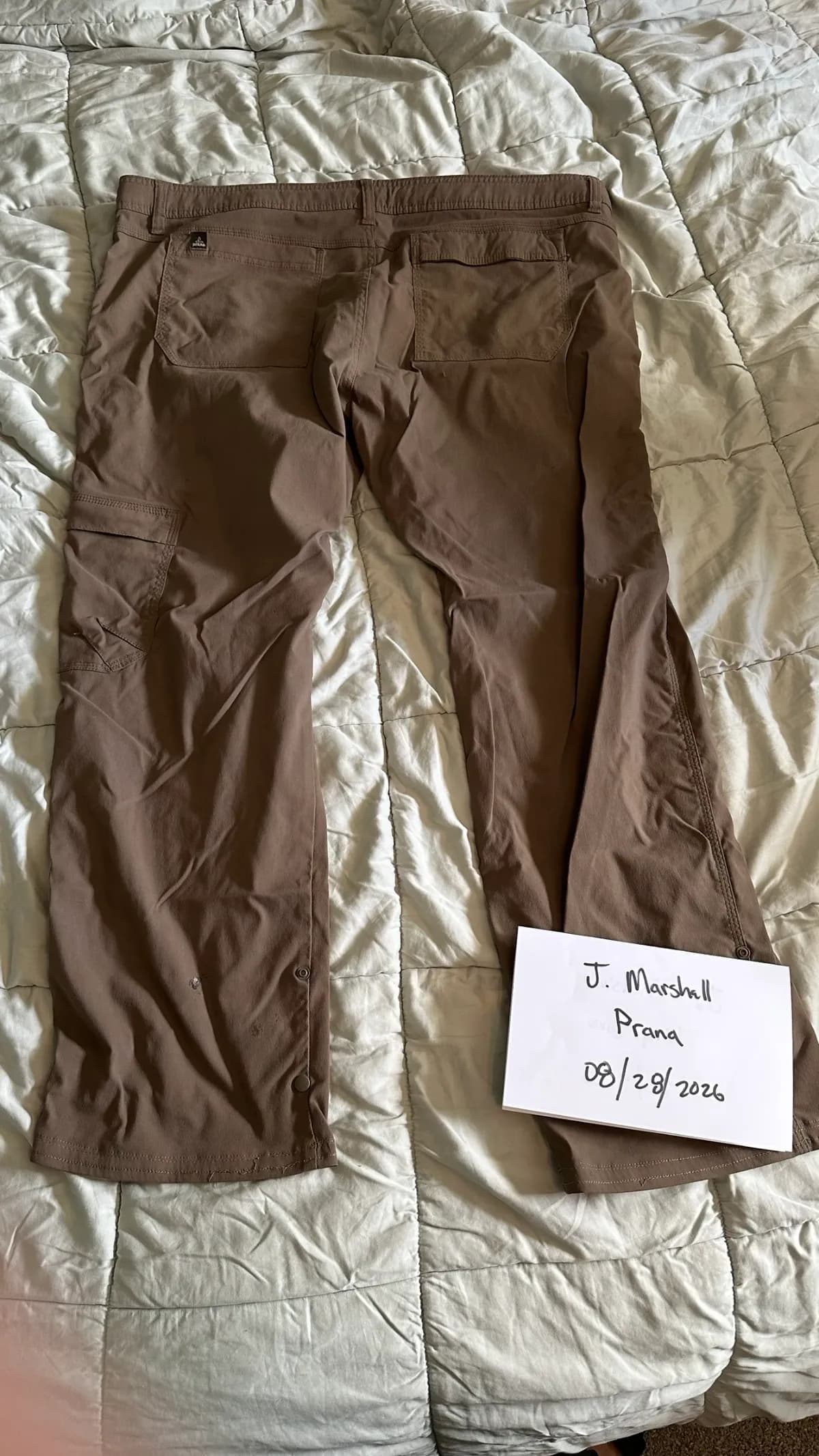
Prana Stretch Zion Hemmed to 42x30
$55.00
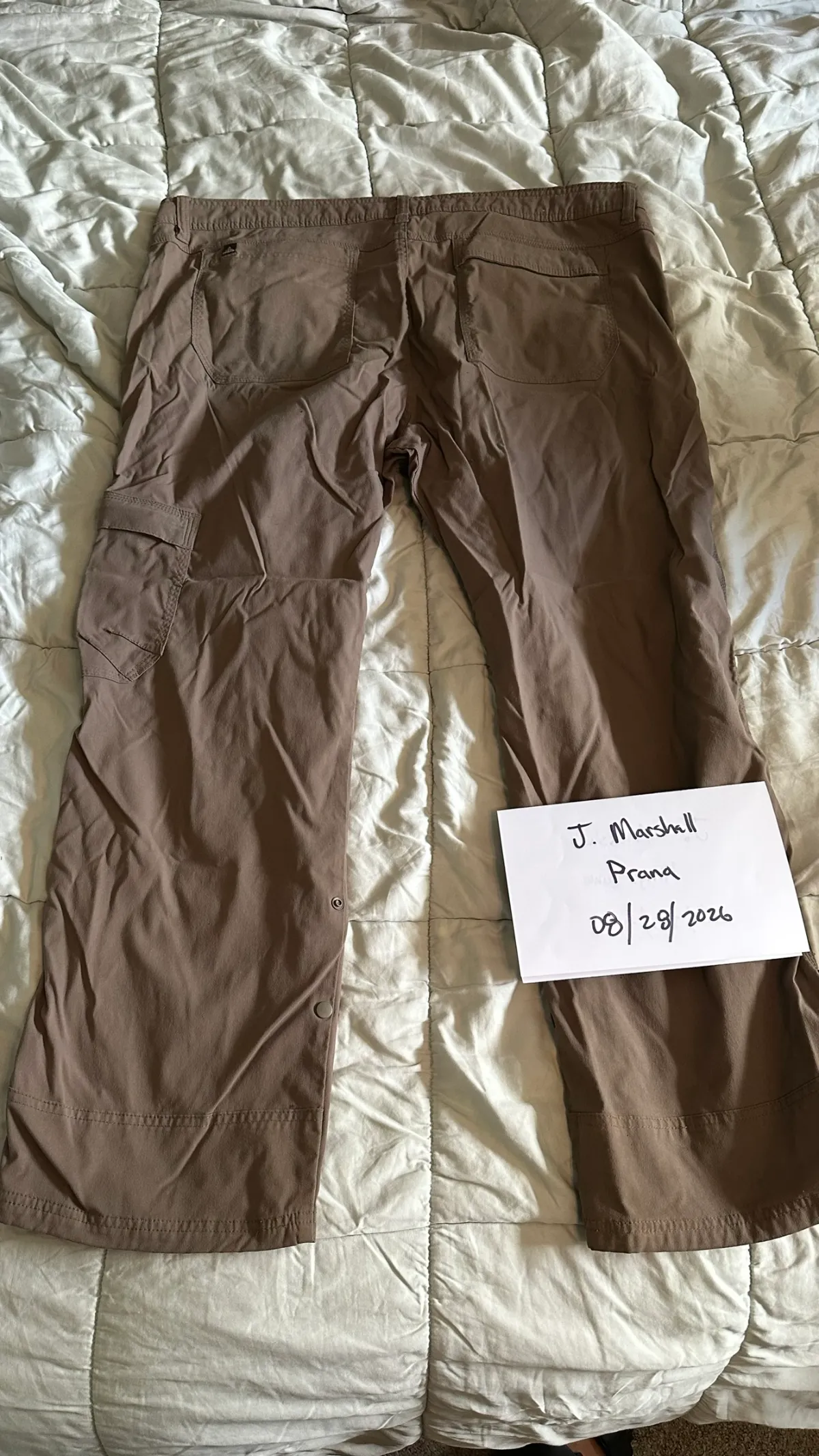
Prana Stretch Zion Pant
$60.00