
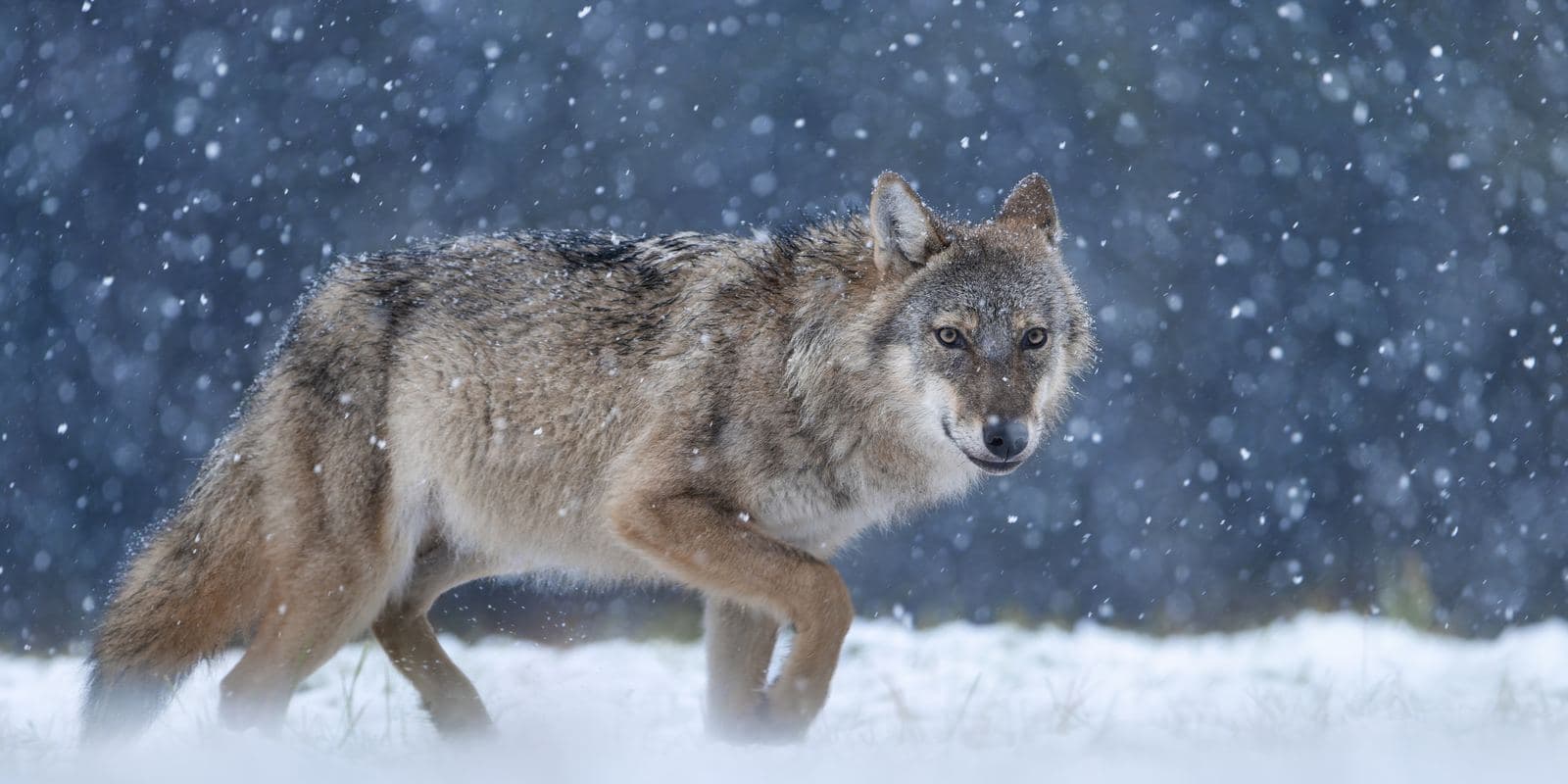
Colorado's Wolf War Goes Back to the Ballot: The August 27 Deadline That Could End Reintroduction
America's first voter-ordered wolf reintroduction could become its first voter-ordered repeal. Signatures are due August 27 — and the hunting community is genuinely split on which way to vote.
In 2020, Colorado voters did something no state had ever done: they ordered a wolf reintroduction at the ballot box. Proposition 114 passed by the thinnest of margins — powered by Front Range cities, opposed almost everywhere the wolves would actually live — and wildlife management by popular vote became a national story.
Six years later, the experiment might end exactly the way it began. Initiative 13, a ballot measure that would shut down the reintroduction program on December 31, 2026, is in its signature-gathering phase right now — and supporters must turn in roughly 125,000 valid signatures by August 27 to put it in front of voters this November.
Here's where things actually stand, what's happened since the wolves hit the ground, and why the hunting community — which you might expect to line up behind repeal — is genuinely divided.
The Story So Far
| When | What happened |
|---|---|
| Nov 2020 | Prop 114 passes 50.9%–49.1%, mandating reintroduction by end of 2023 |
| Dec 2023 | First 10 wolves from Oregon released in Grand and Summit counties |
| Jan 2025 | 15 more wolves from British Columbia released in Eagle and Pitkin counties |
| Jan 2026 | CPW commission rejects ranchers' petition to pause the program; Grand County depredation claims reach $582,000 |
| Feb 2026 | Initiative 13 cleared for signature gathering |
| Aug 27, 2026 | Signature deadline — ~125,000 valid signatures required |
| Nov 2026 | If it qualifies: statewide vote |
| Dec 31, 2026 | If it passes: reintroduction program ends |
Twenty-five wolves have been transplanted so far, and the population is establishing — denning, breeding, and doing what wolves do, including killing livestock. The $582,000 in Grand County claims is the number that launched a thousand headlines, though it comes with a footnote: most of that total involves indirect losses ranchers attribute to wolf pressure — underweight calves, missing animals, cows slow to conceive — rather than confirmed kills. Whether those indirect claims are legitimate economics or loose accounting is itself part of the fight.
What Initiative 13 Would — and Wouldn't — Do
The measure would end the reintroduction program: no more wolves imported, program wound down at the end of 2026. It would not — and constitutionally could not — round up the wolves already here. Colorado's existing wolves, and any pups they produce, would remain, still protected under state and federal law.
That's the awkward reality both sides tend to soft-pedal: repeal wouldn't make Colorado wolf-free, and continuation isn't an unlimited wolf faucet. The vote is really about whether the state keeps actively adding wolves, and about who controls wildlife decisions going forward.
Why Hunters Aren't Marching in Lockstep
You'd assume hunters would back repeal unanimously. The reality is messier, and more interesting.
The case hunters make for repeal: Wolves eat elk — that's not propaganda, it's biology. Colorado holds the largest elk herd on Earth, and outfitters and hunters in the northwest counties fear the long, grinding herd declines that parts of Idaho and Montana experienced. Beyond biology, many hunters see Prop 114 as the original sin: 51 percent of voters — mostly urban, mostly unaffected — imposed a predator on rural communities and called it democracy. Repeal, in this view, is the correction.
The case hunters make against Initiative 13: A coalition of hunters, anglers, ranchers, and community leaders has publicly opposed the repeal effort — and their argument is worth hearing. First, principle: hunters have spent decades arguing that wildlife should be managed by professional biologists, not ballot measures. "Ballot-box biology" was our complaint in 2020 — running our own ballot measure in response legitimizes the exact tool that will eventually be used against hunting itself. (Colorado hunters just lived this: the 2024 attempt to ban mountain lion hunting by initiative failed, but it won't be the last.) Second, leverage: CPW has been negotiating real concessions — depredation compensation, management flexibility, eventual hunting seasons once wolves are delisted — and coalition members argue a repeal campaign muddies those negotiations and hardens the other side. They asked the initiative's backers to pull the measures back in March. The backers declined.
Both positions are held by serious hunters acting in good faith. That's what makes this a genuinely hard vote rather than a tribal one.
What to Watch Between Now and November
1. August 27. Roughly 125,000 valid signatures is a high bar that usually requires paid circulators and serious money. If Initiative 13 makes the ballot, expect one of the most expensive wildlife campaigns in state history. If it falls short, the fight shifts back to the CPW commission and the legislature.
2. The companion measure. A second initiative (#35) has been challenged for violating Colorado's single-subject rule — a reminder that this fight is being waged by lawyers as much as by ranchers and activists.
3. The depredation ledger. Every confirmed kill between now and November is a campaign ad for one side; every quiet month is one for the other.
4. The precedent, either way. If repeal succeeds, it proves ballot-box wildlife decisions can be reversed by the same tool — which cuts both directions forever. If it fails, Colorado's reintroduction becomes effectively permanent, and other states' wolf advocates will take notes.
Where This Leaves the Rest of Us
Watch this one even if you'll never hunt Colorado. The state has become the national laboratory for deciding wildlife questions by popular vote — wolves in, lions (attempted) out, wolves (attempted) back out — and the results will shape how every contested species gets managed from here: grizzlies, lions, bears, and eventually seasons and methods you care about in your own state. It's the same question running underneath the grizzly management transfer: who actually decides, and by what process.
The uncomfortable lesson of the whole saga is that hunters are 4 percent of the population. In a ballot-measure world, we win by coalition and credibility, not headcount — which is why the hunter-angler groups choosing negotiation over repeal aren't being soft. They're counting votes. (If you've never seen how outsized hunters' funding share is next to that 4 percent, our breakdown of who pays for conservation is the context that makes the coalition argument land.)
The Bottom Line
By August 27 we'll know whether Colorado's wolves go back on the ballot, and by November we may know whether America's first voter-ordered reintroduction becomes its first voter-ordered repeal. Elk herds, ranch ledgers, and a much bigger question — who gets to decide what wildlife management means — are all riding on it. We'll cover the signature count when it lands.
Sources
- 2026 ballot measure that would overturn Colorado wolf reintroduction clears first hurdle — Colorado Public Radio
- Opponents of Colorado wolf reintroduction will start gathering signatures for 2026 ballot measure — Colorado Sun
- Colorado coalition of hunters, anglers opposes 2026 wolf reintroduction repeal efforts — Denver Gazette
- The Colorado Wolf Reintroduction Might End the Same Way It Started — MeatEater
- Could wolves be back on Colorado's ballot in 2026? — Summit Daily
Hunting the West this fall? Gear up smart — browse used Sitka, KUIU, and First Lite on Second Nature, and spend the savings where it counts: tags, fuel, and a seat at the table.
In the market for gear?
Browse verified secondhand listings at 40–60% below retail — or turn the gear hanging in your closet into cash.
More Articles
219,428 Comments in 14 Days: Duck Hunters Just Refused to Let the Duck Factory Drain Quietly
America's First Waterfowl Refuge Is Dying of Thirst: Inside the Klamath Basin Collapse

Don't Drain the Duck Factory: The Quiet Rule Change That Threatens Half of America's Ducks

America's Parks and Monuments Are Shrinking: What It Actually Means for Hunters
Ready to find your next deal?
Browse hundreds of used hunting gear listings from verified sellers.
The Second Nature Newsletter
The best used hunting gear deals and reads like this one, in your inbox. Free, no spam, unsubscribe anytime.
Fresh on the marketplace
Verified sellers, 40–60% below retail.
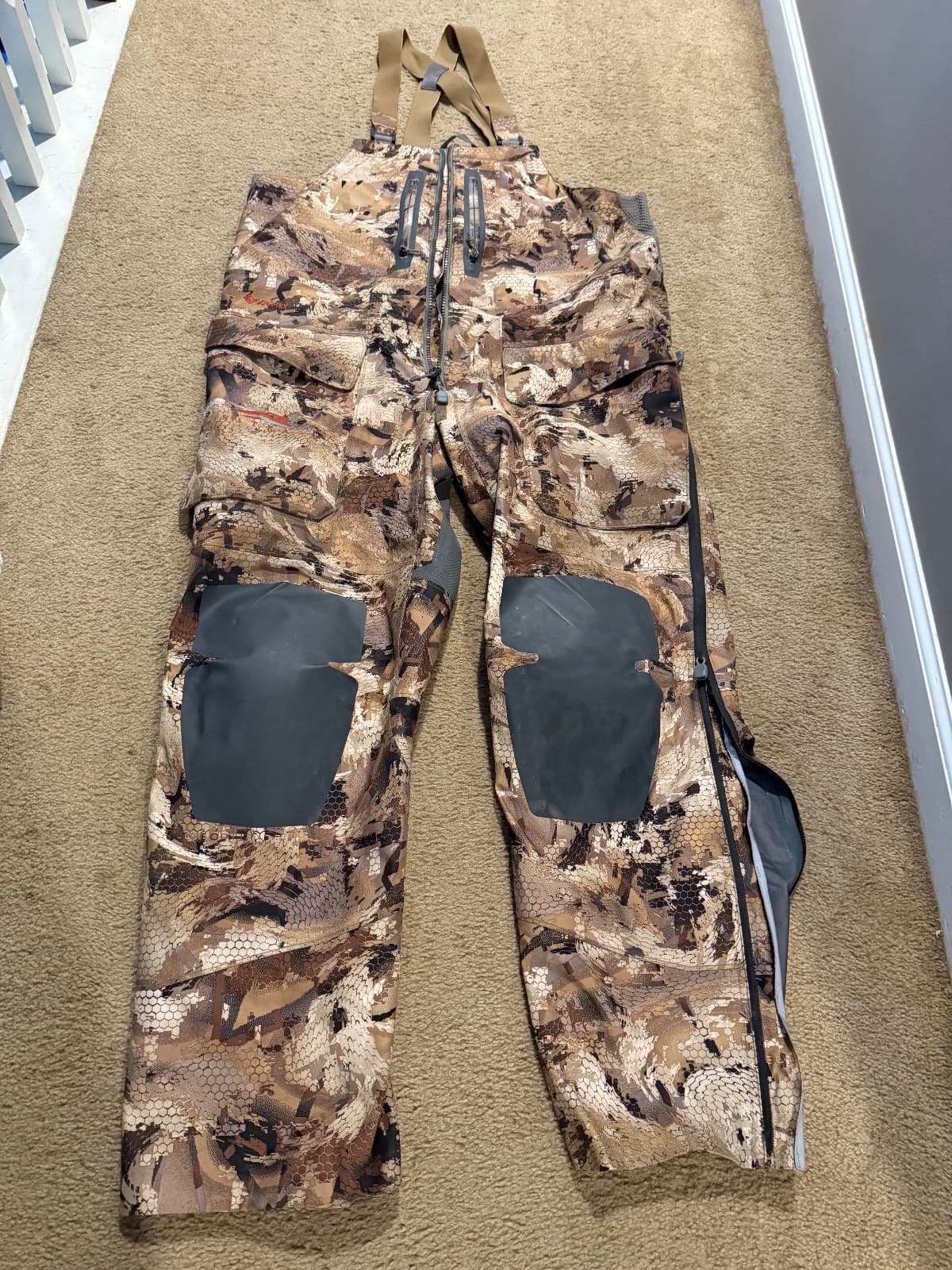
Sitka Hudson Bib
$299.0050% off
Sitka Delta Pro Wading Jacket
$374.0025% off
Sitka Hudson Jacket
$599.008% off