
Used Hunting Clothes
Camo jackets, insulated bibs, merino base layers, and waders — bought and sold by hunters who actually used them. Technical hunting apparel is built to survive seasons of abuse, which is exactly why buying it secondhand works: the same GORE-TEX shells and Primaloft insulation, at 40–60% off what the first owner paid.
172 hunting clothing listings available now
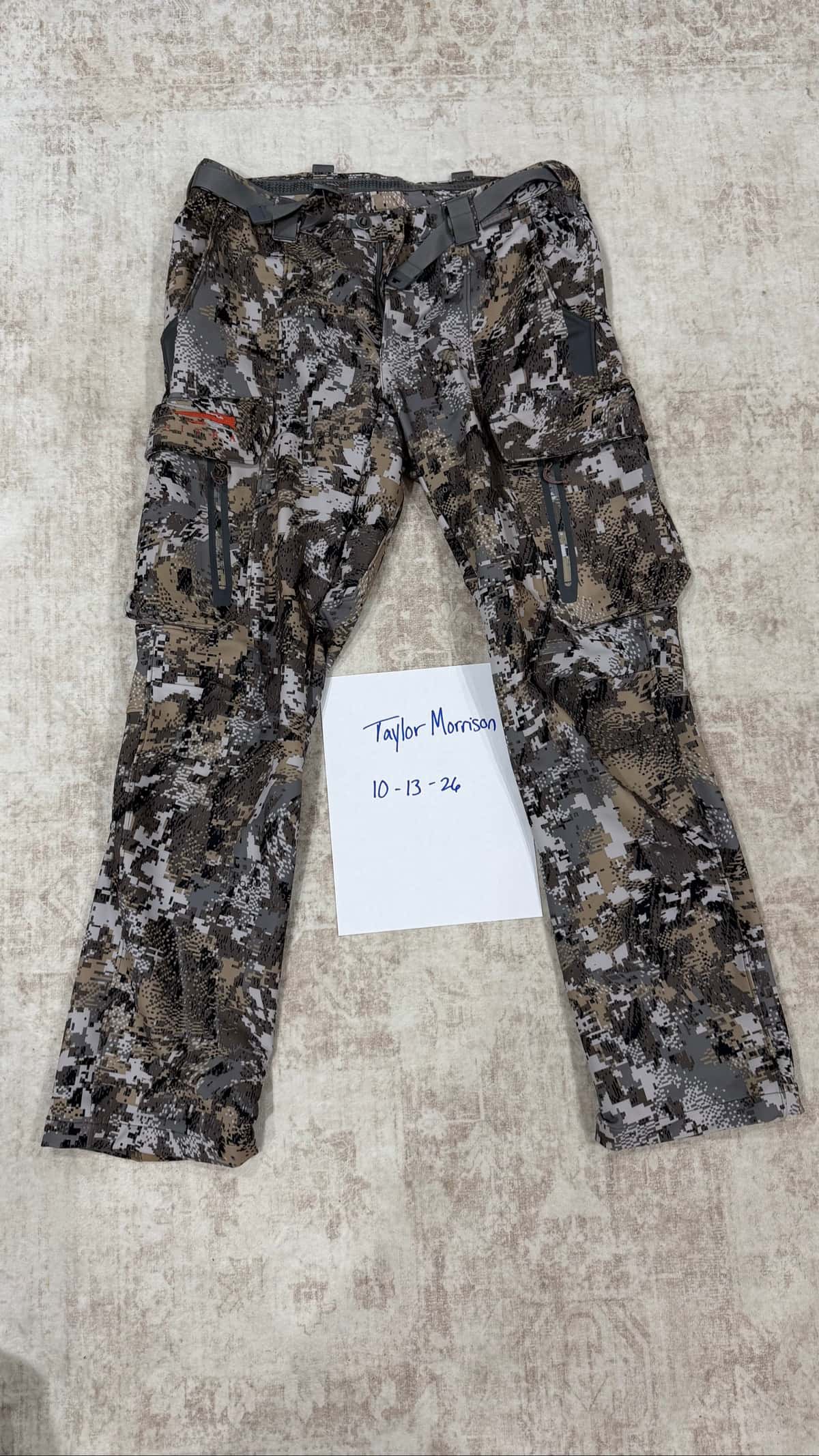
Sitka Equinox Guard Pant
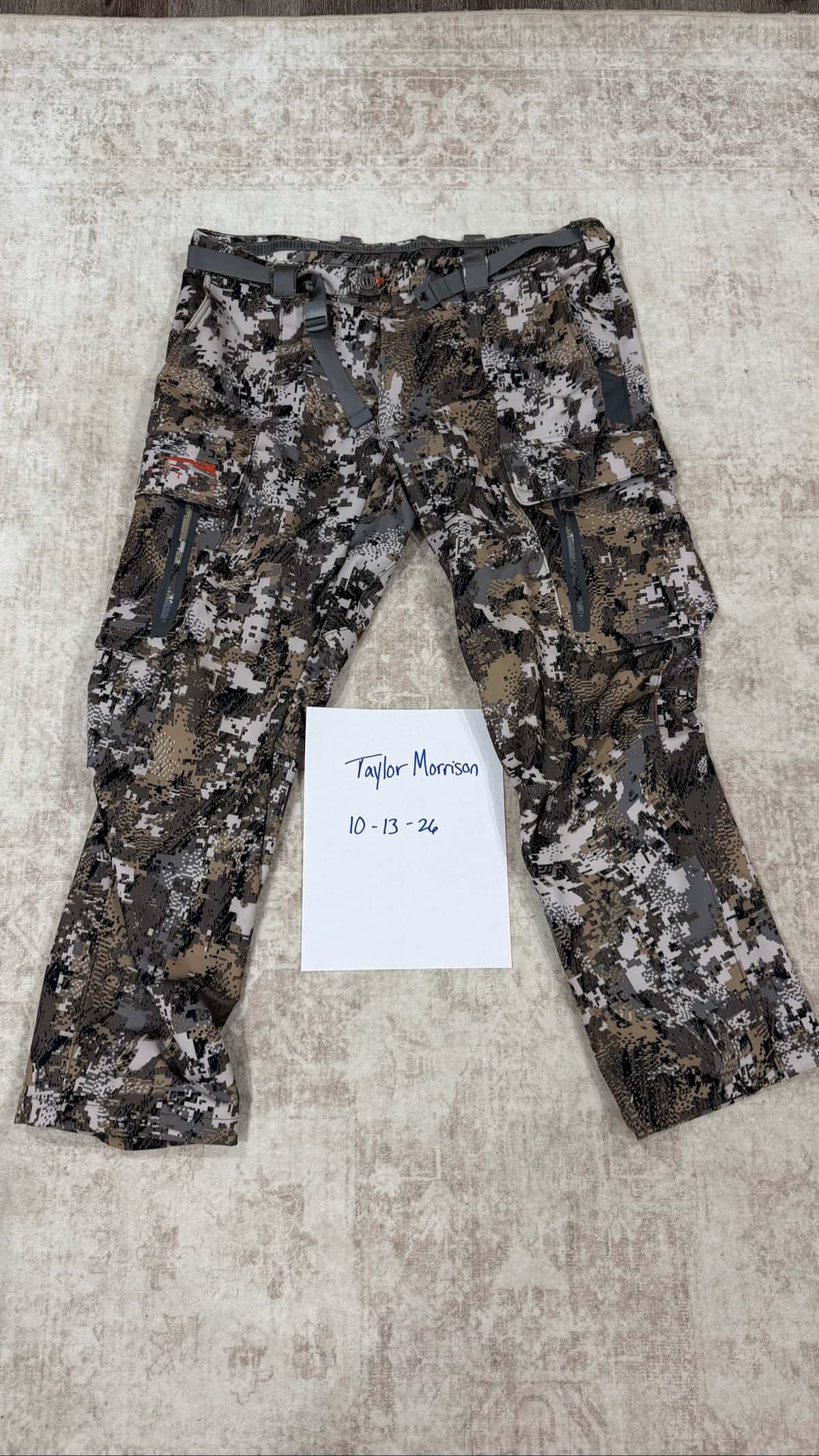
Sitka Equinox Guard Pant
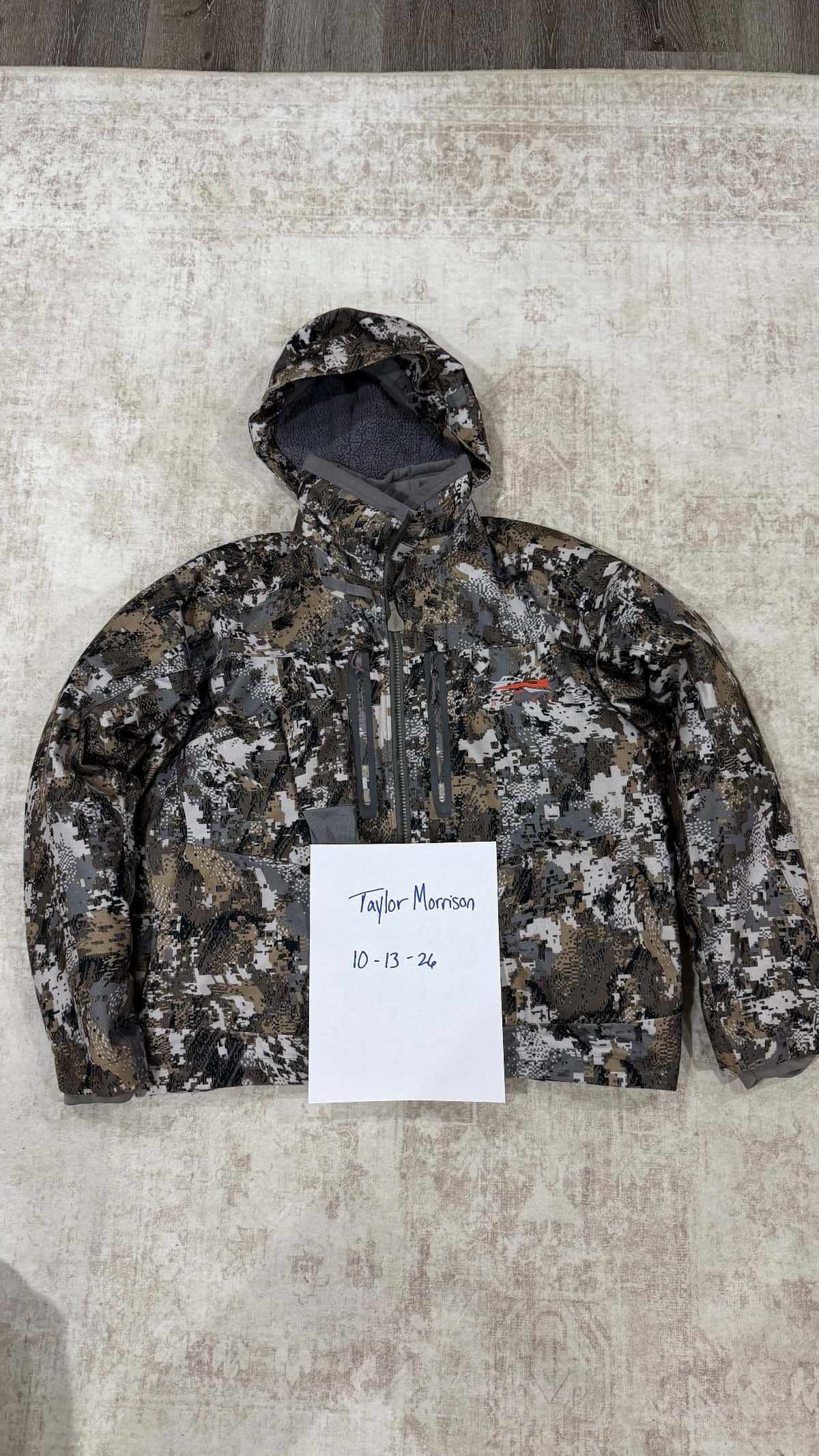
Sitka Incinerator Aerolite Jacket
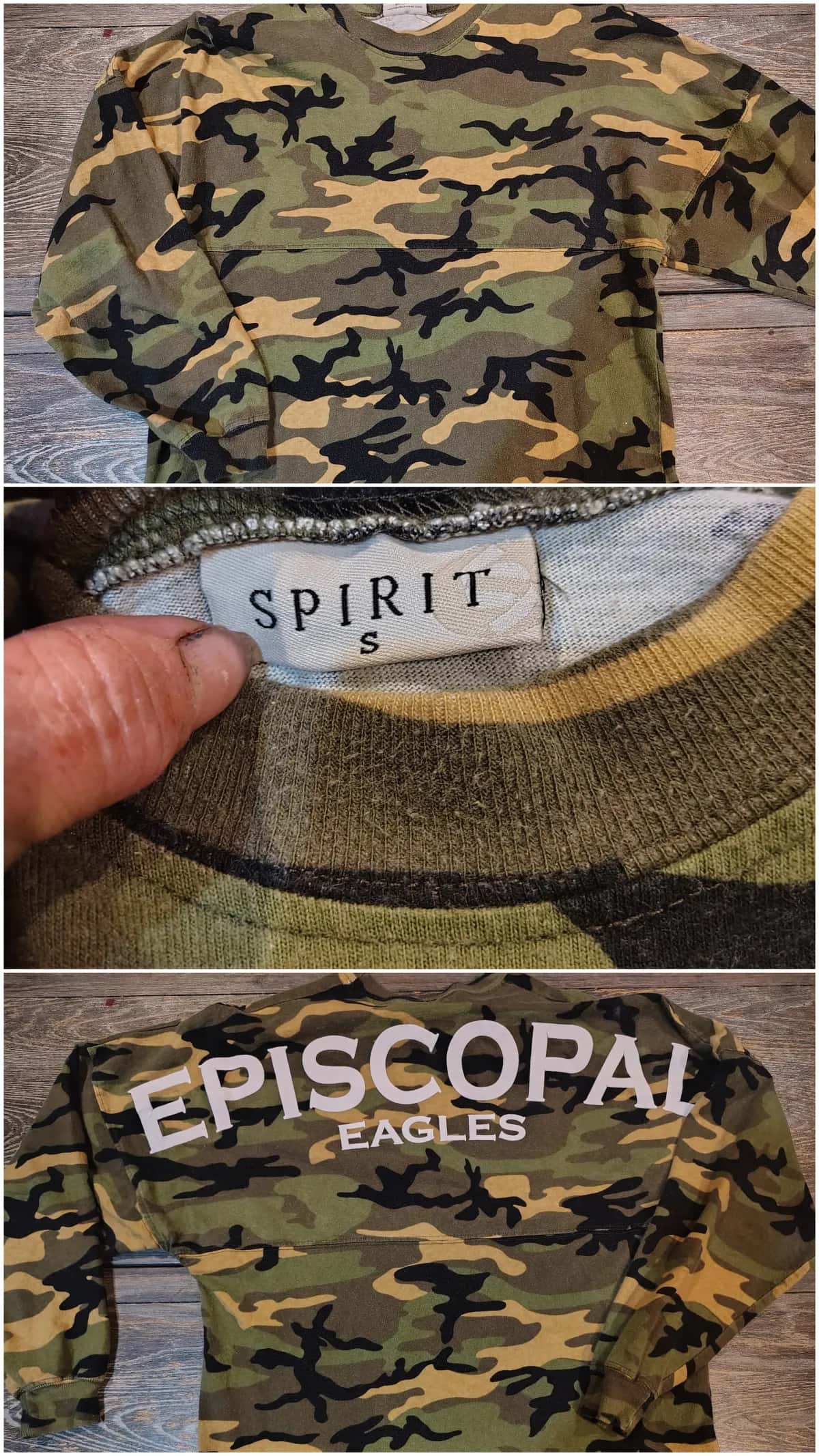
Youth small yet large camouflage sweatshirt
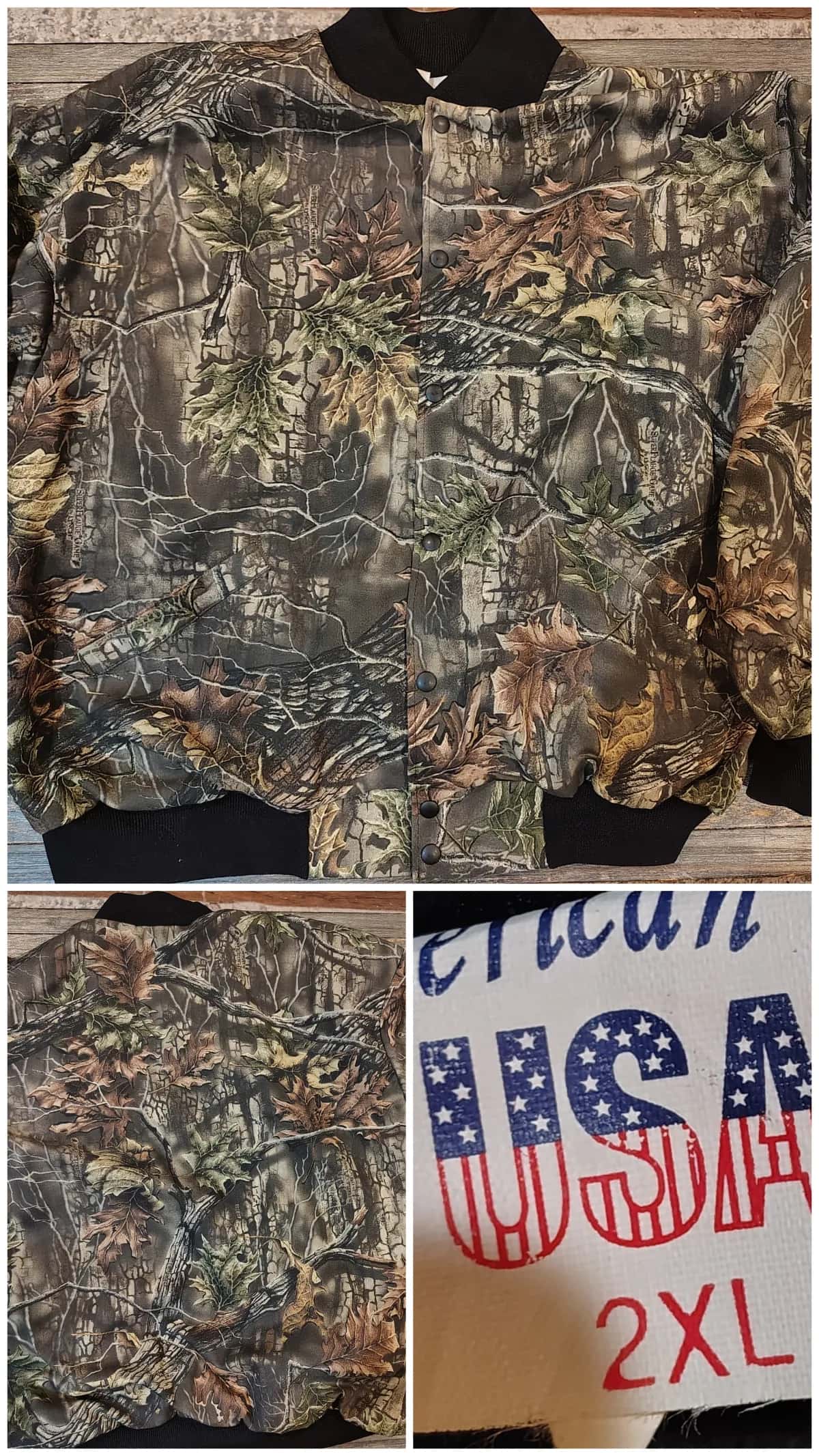
Vintage Camouflage Bomber Jacket 2 XL
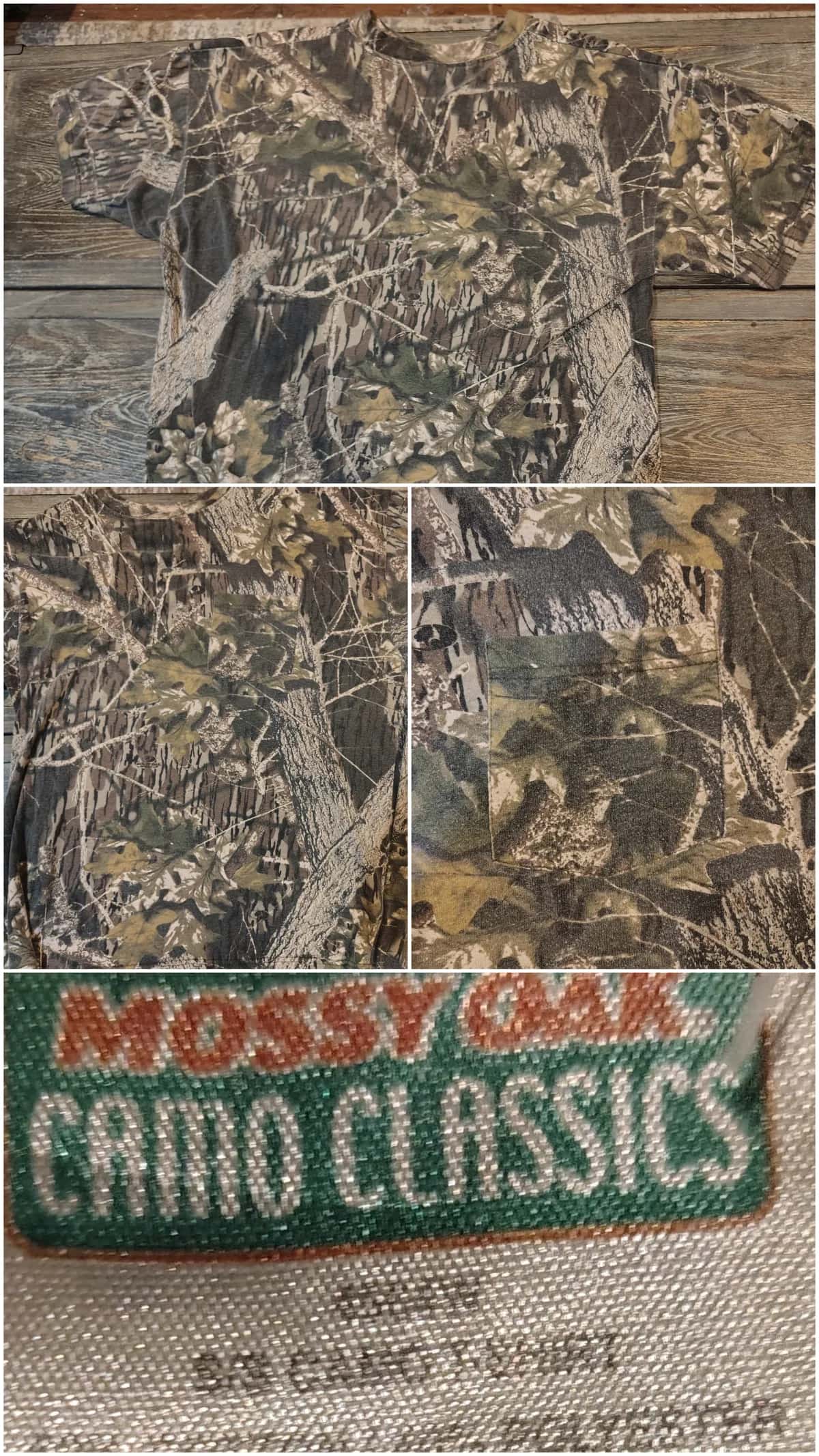
Mossy Oak Classic Xl Pocket Tee Shirt
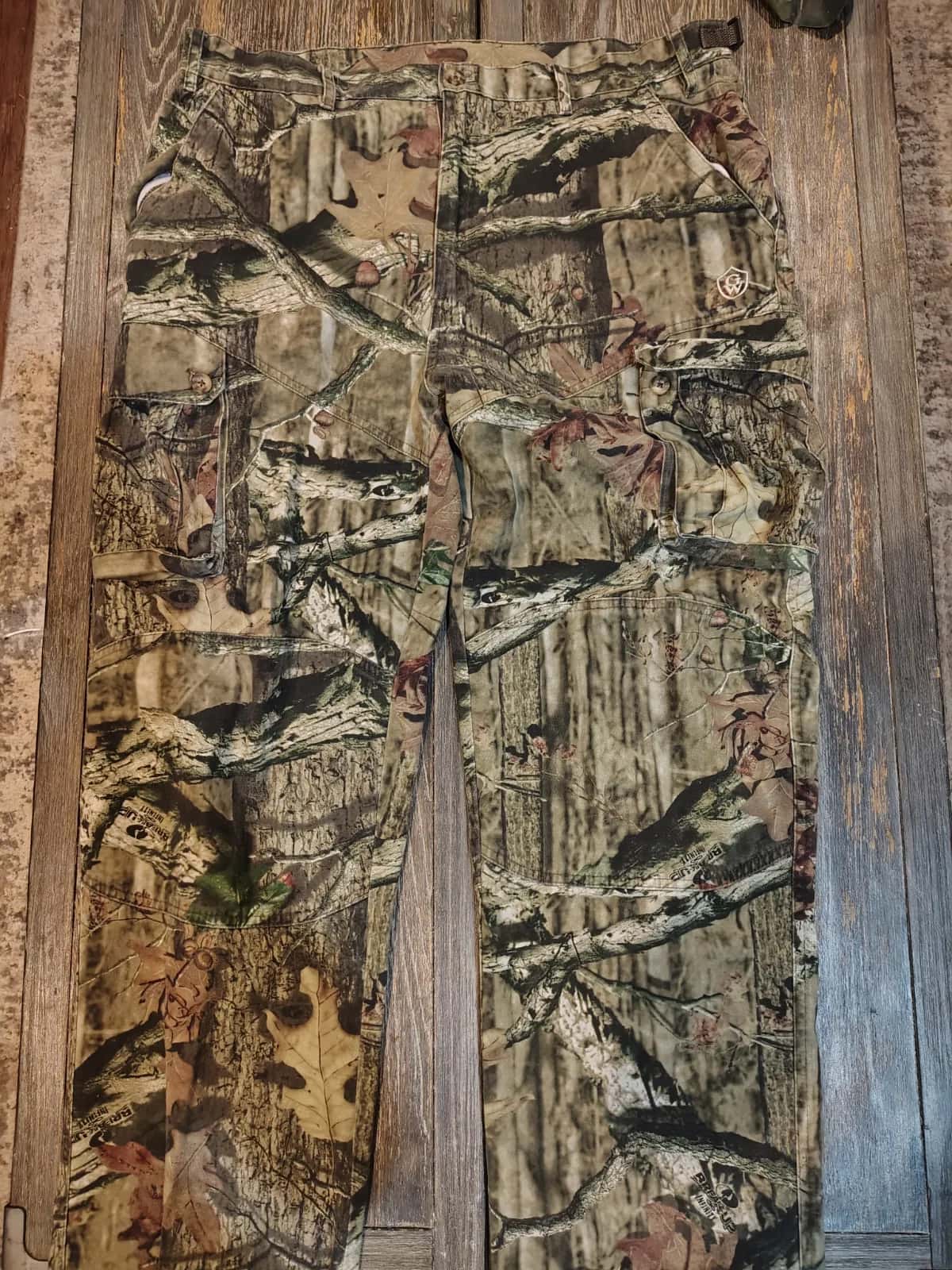
Large
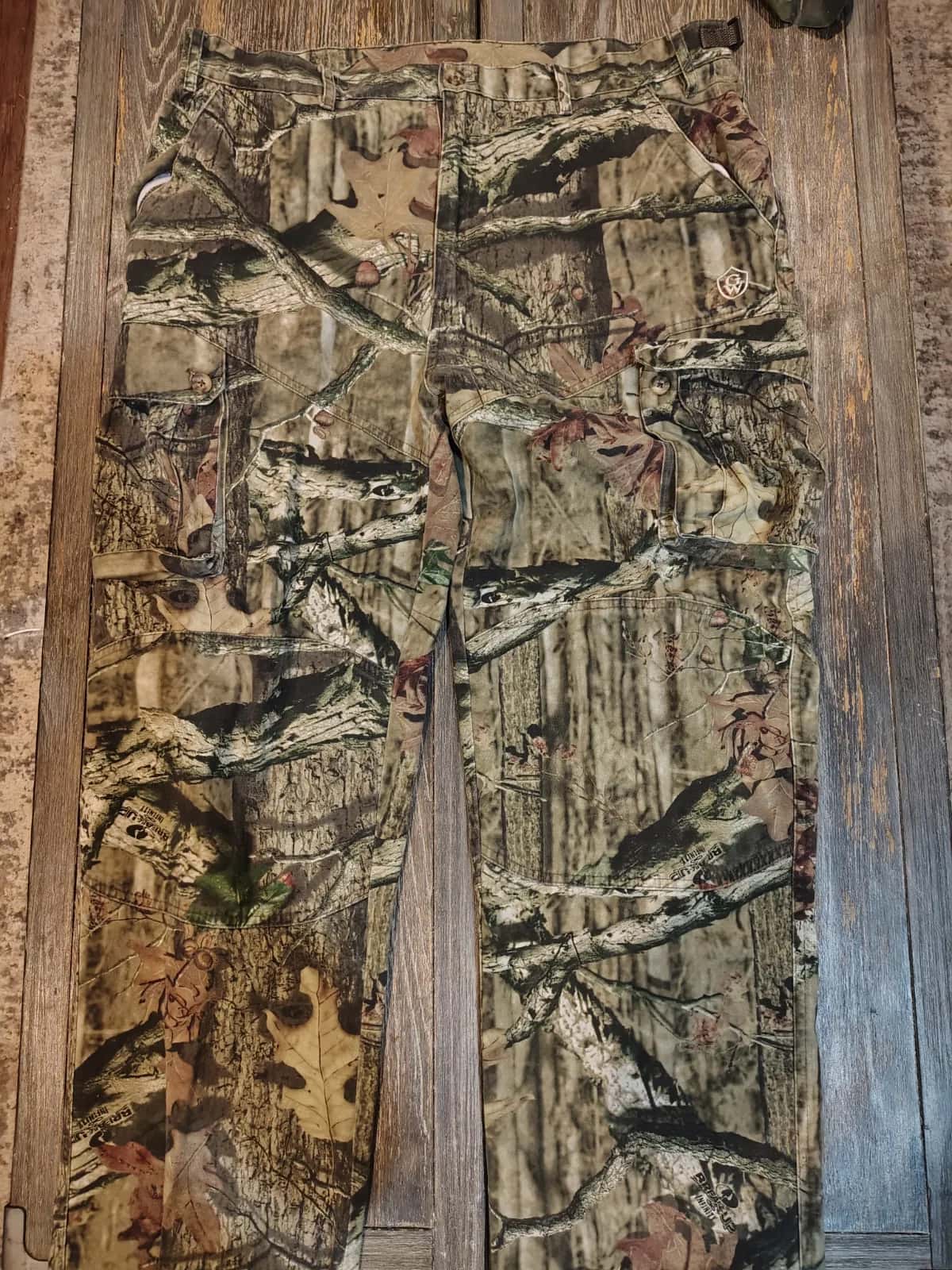
Large
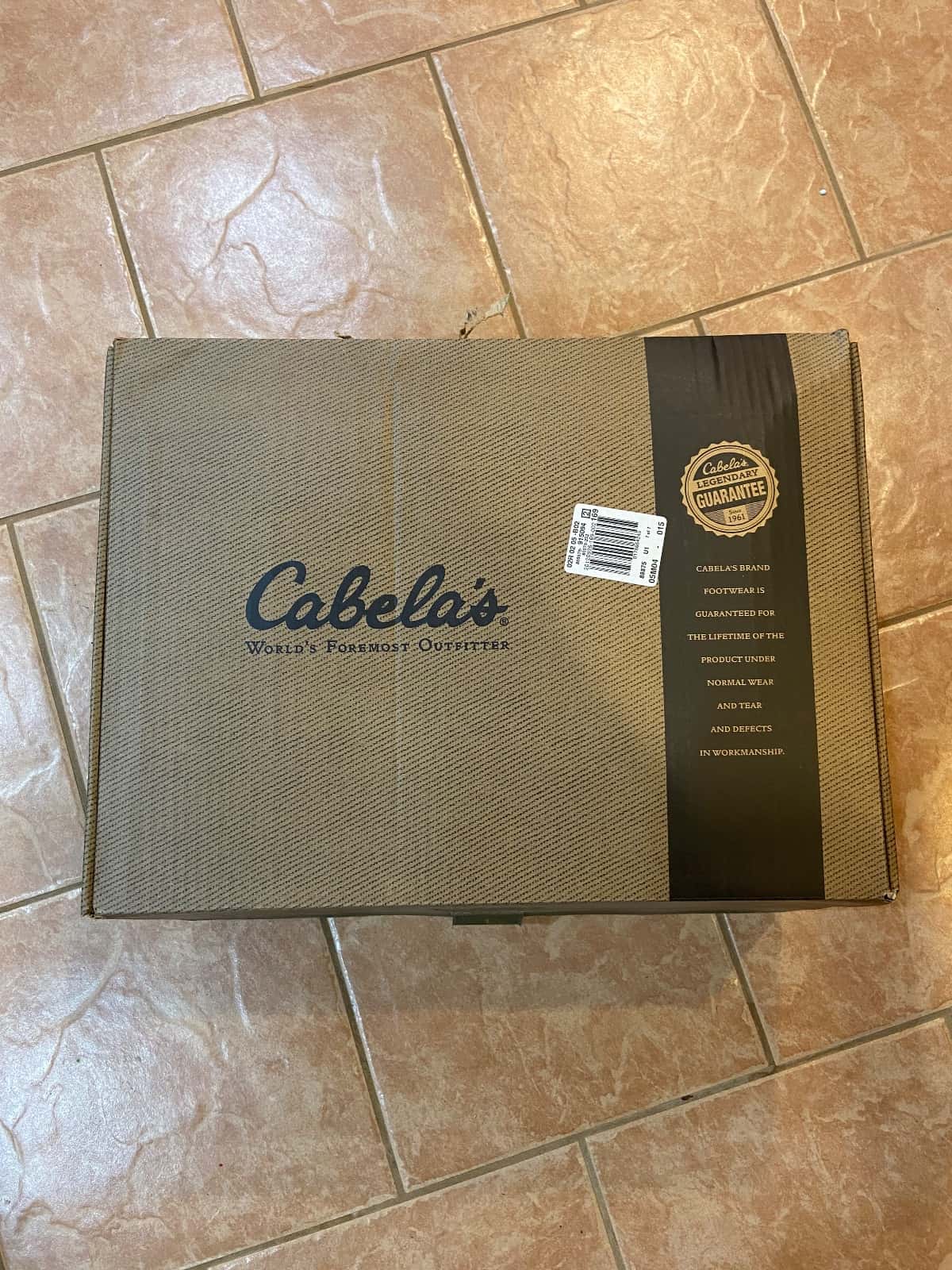
Cabela’s ultimate hunting chest waders waterproof camo boots men’s
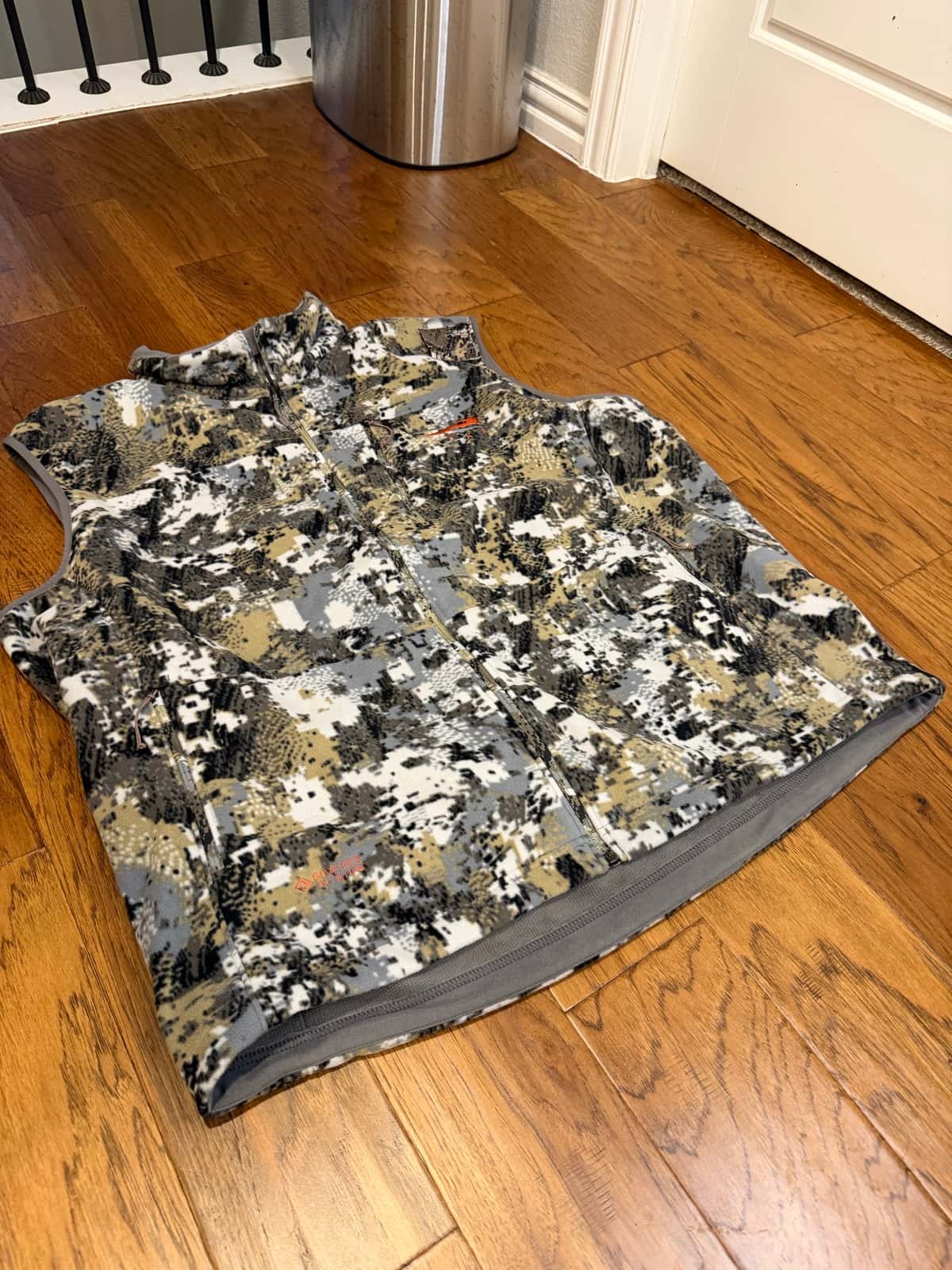
Sitka Stratus Vest
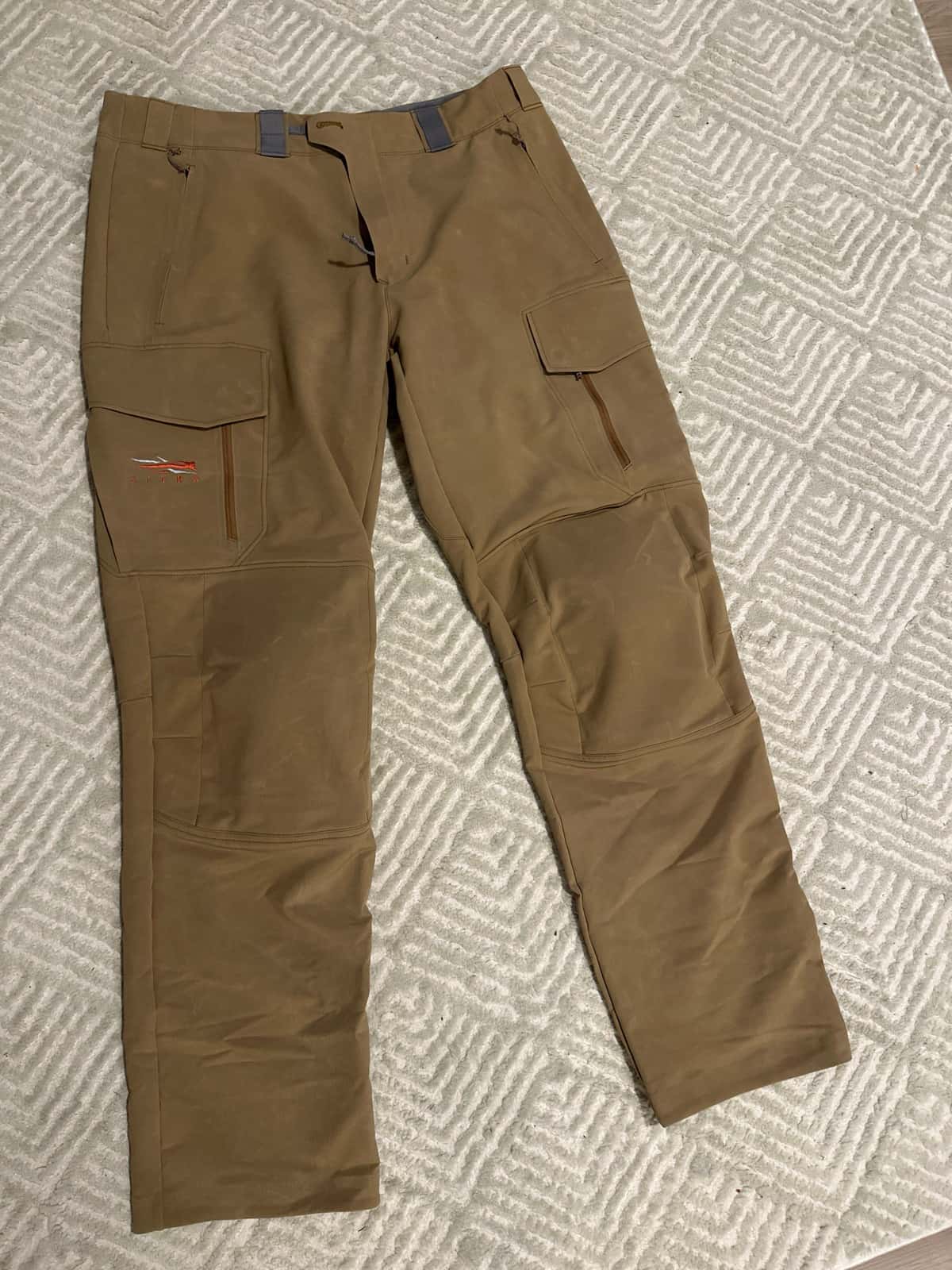
Sitka Mountain Pant
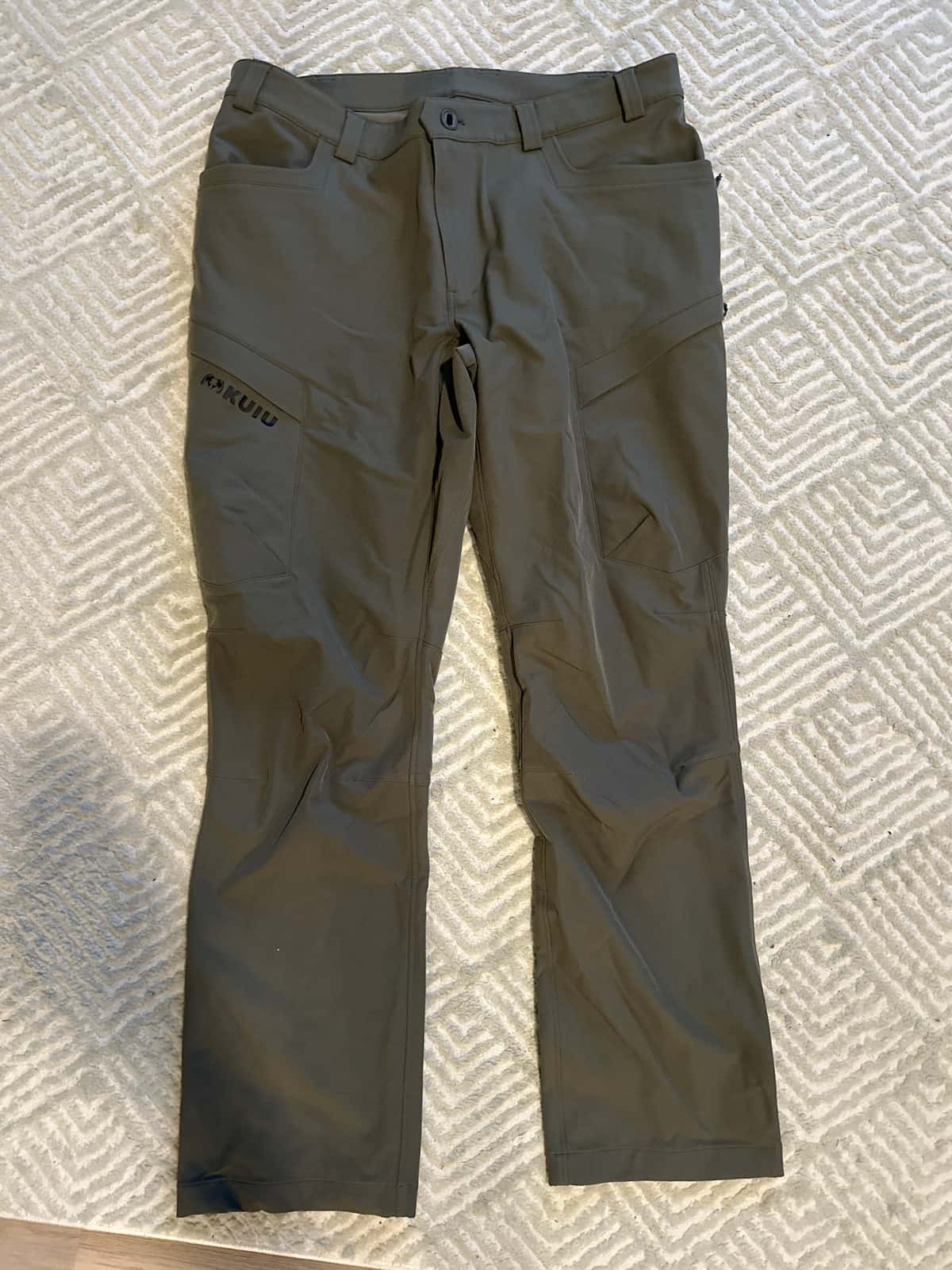
KUIU Attack Pant
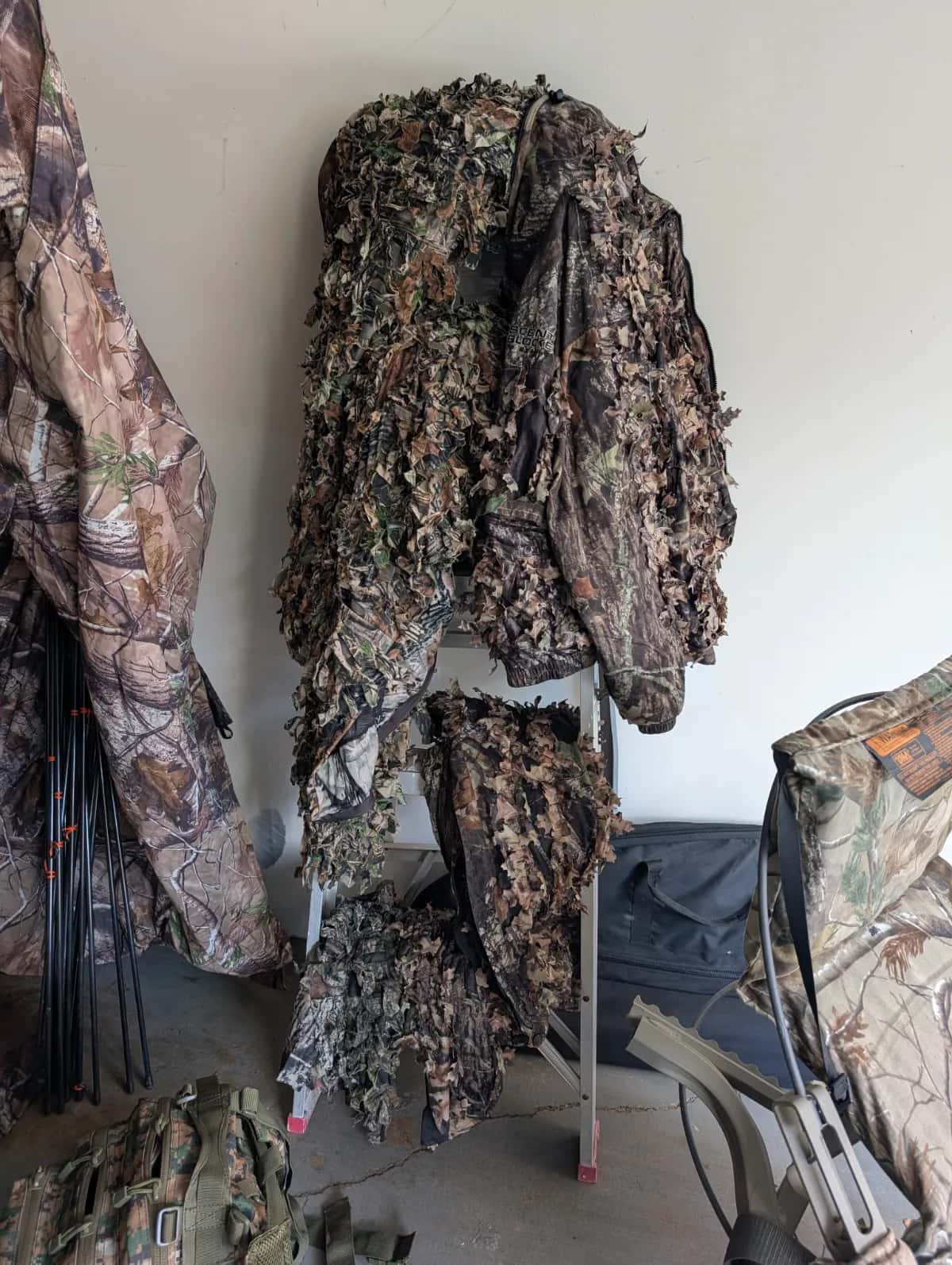
Scent Block Warm Weather Gilly Suit
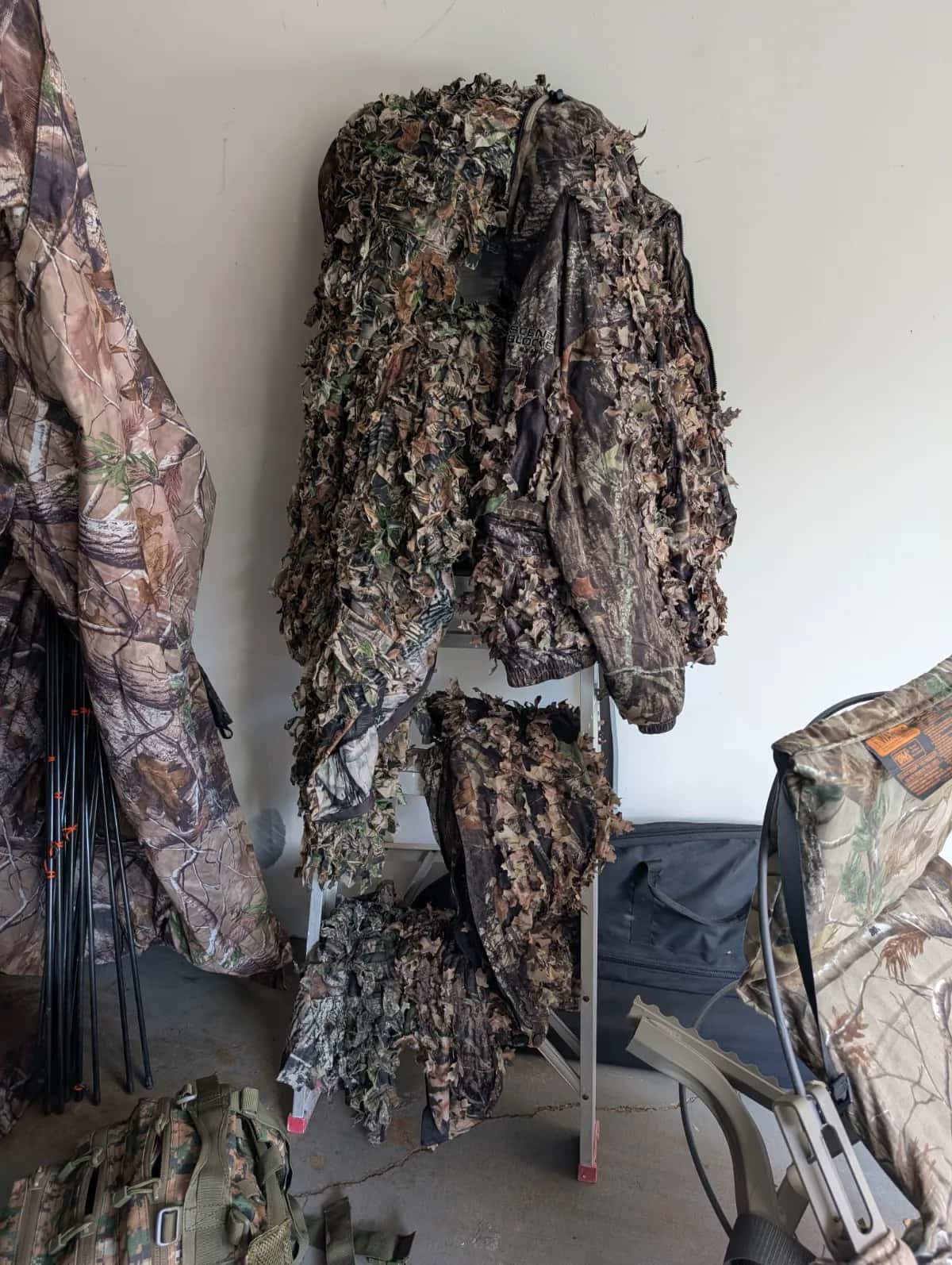
Scent Block Cold Weather Gilly Suit
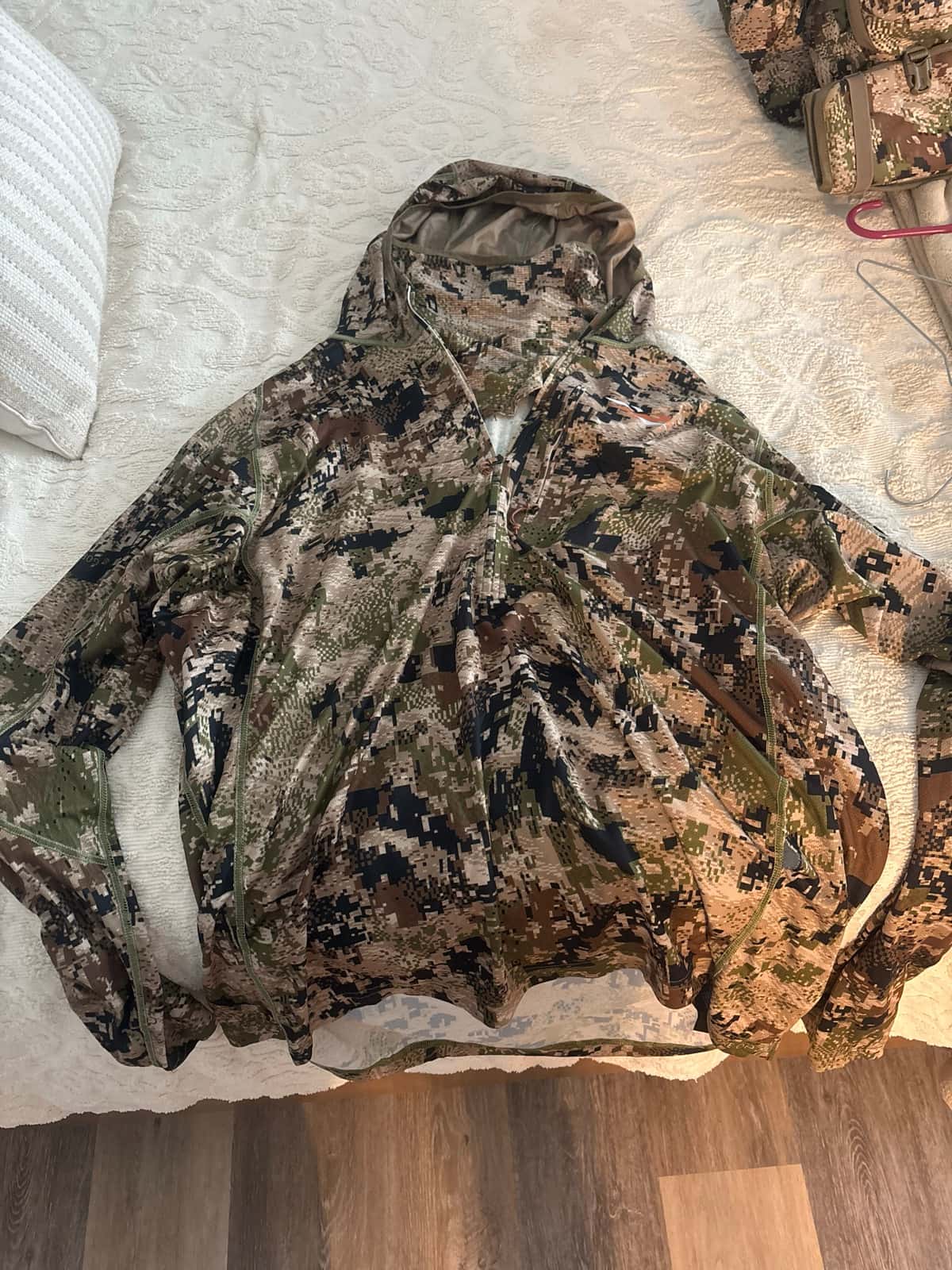
Sitka pullover shirt
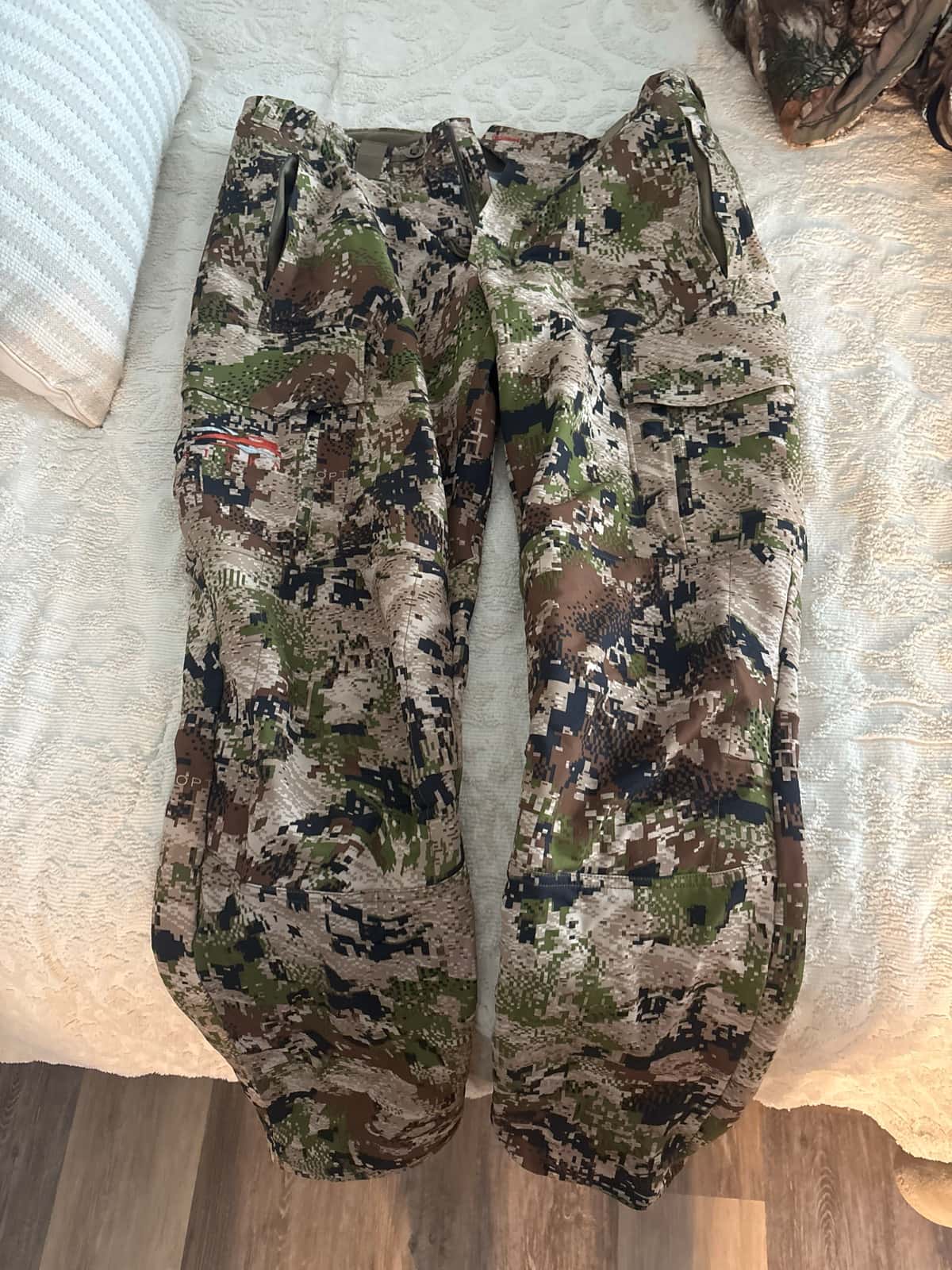
Sitka Optifade Subalipine Pants
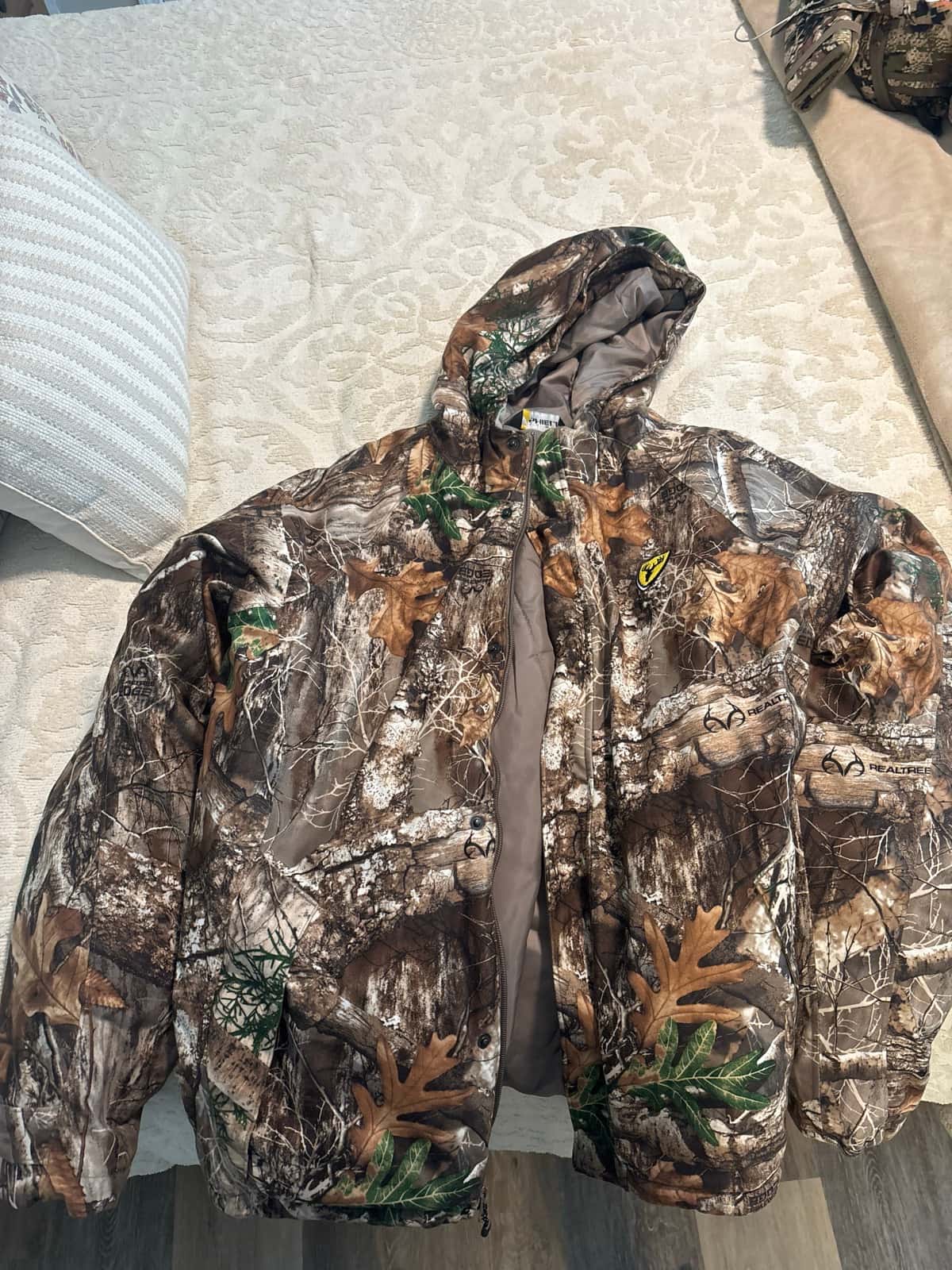
Scent blocker Drencher Jacket
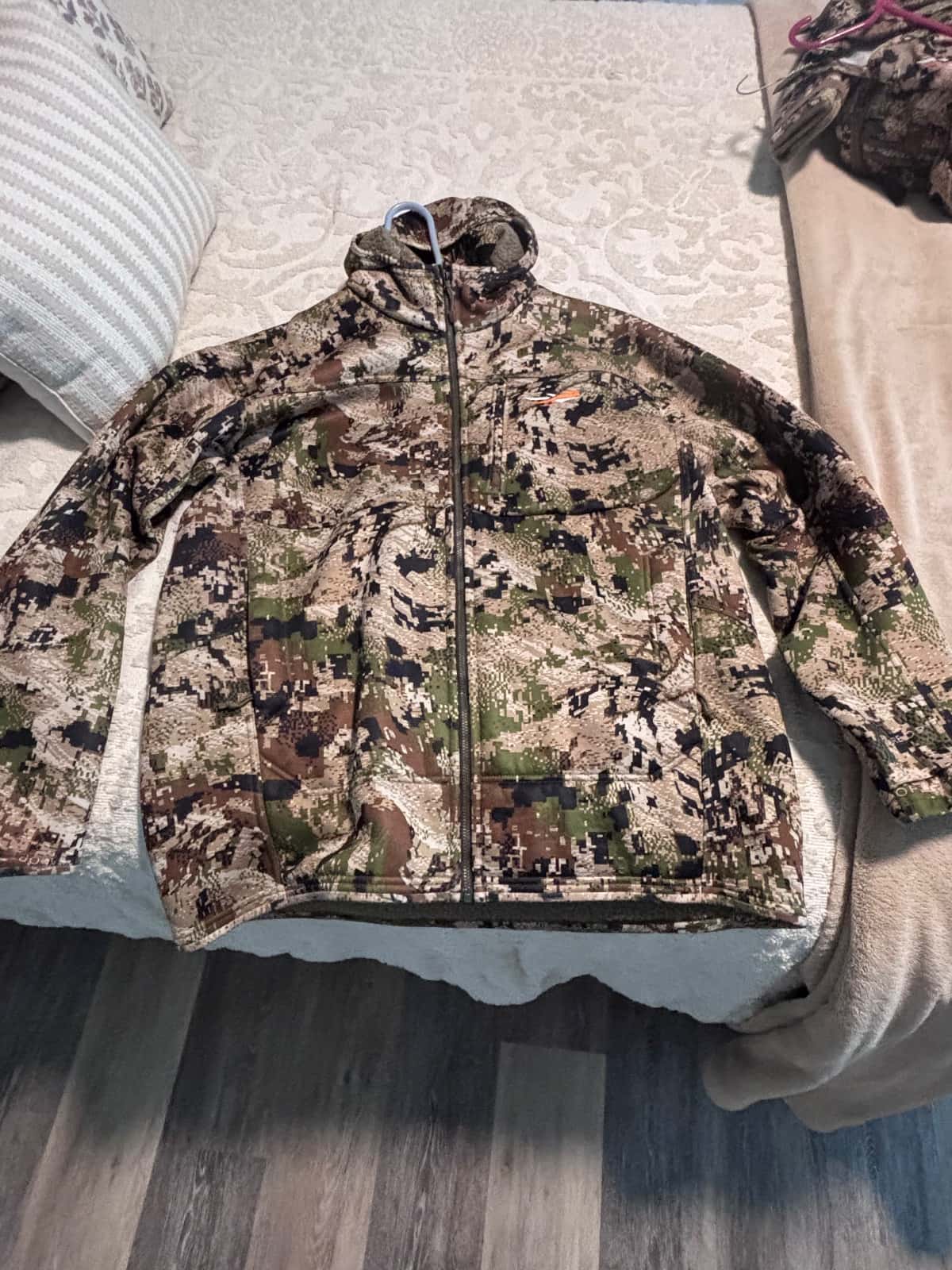
Sitka Optifade Subalpine Mens
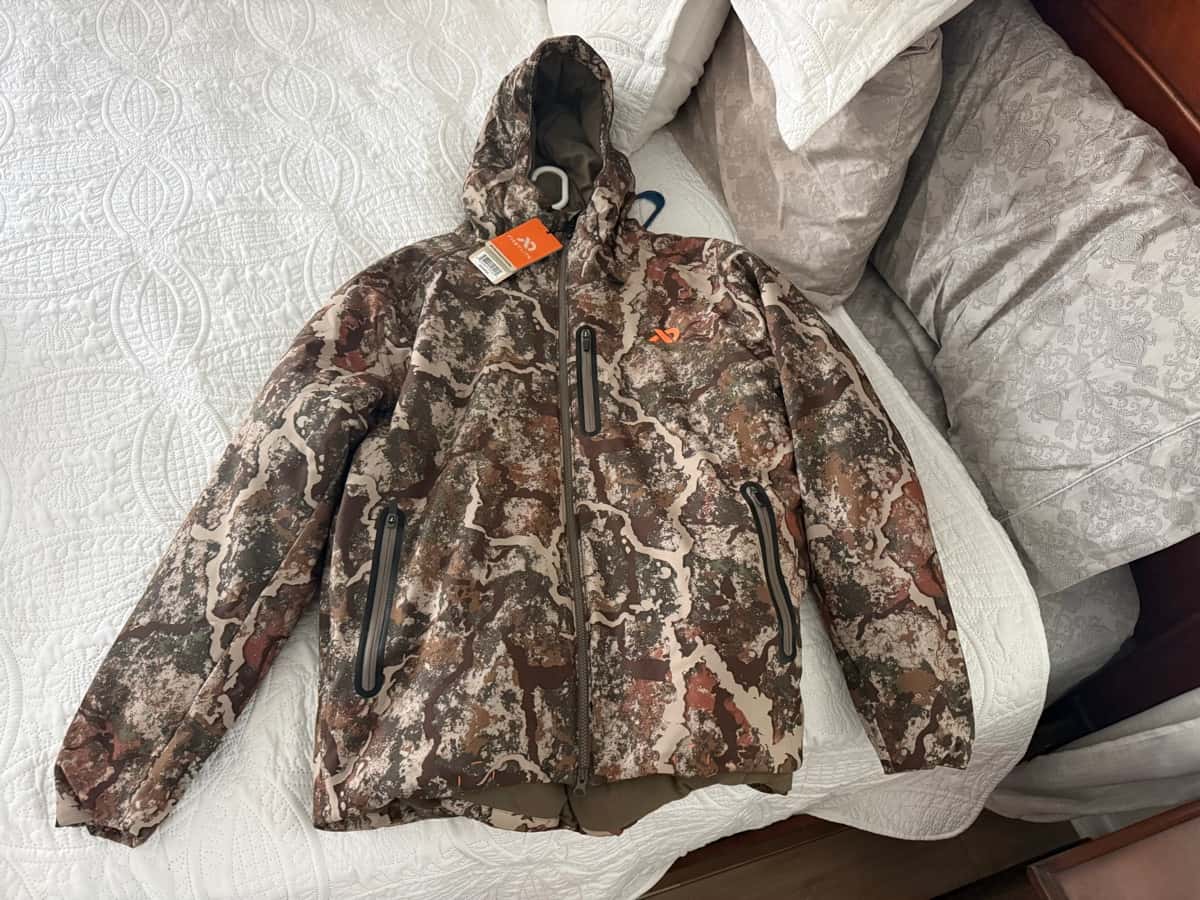
First Lite sanctuary 2.0 jacket
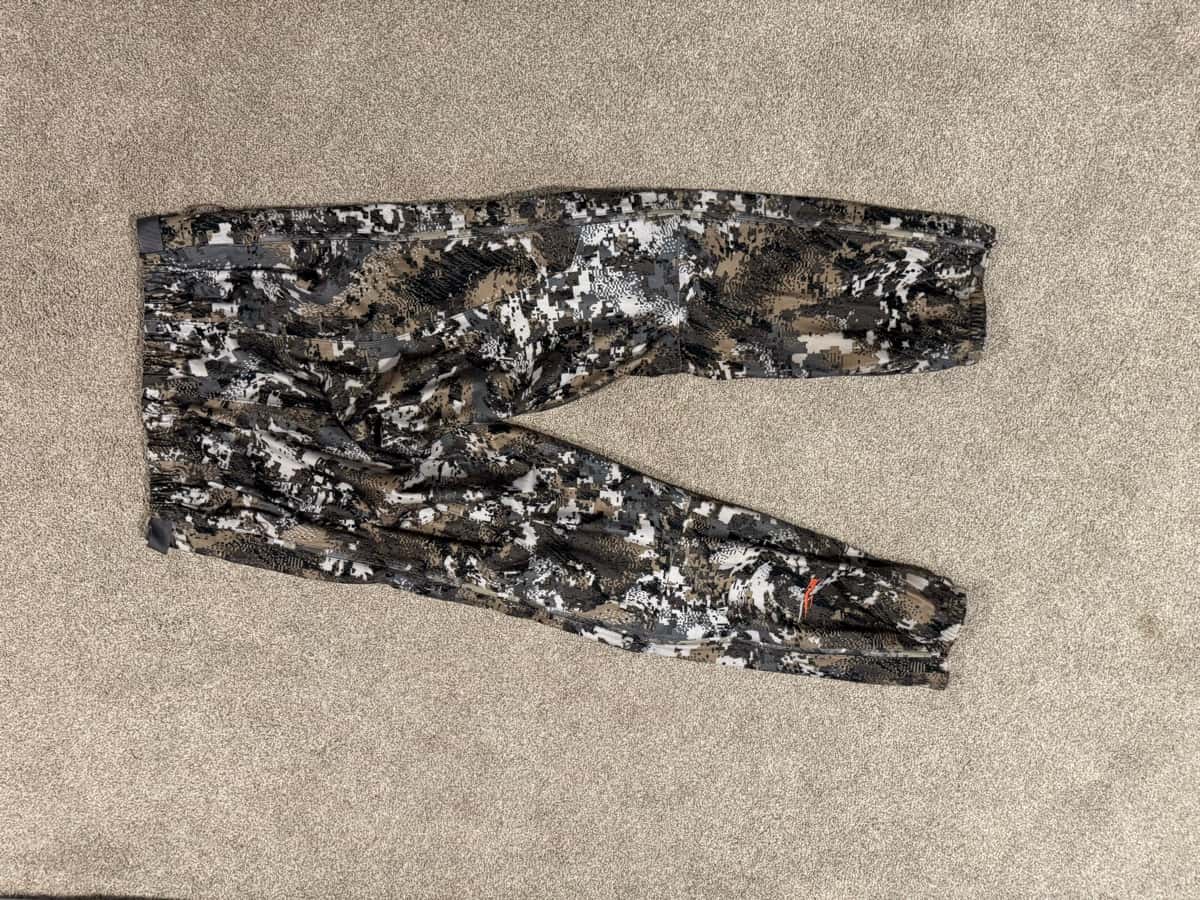
Sitka Downpour Pant
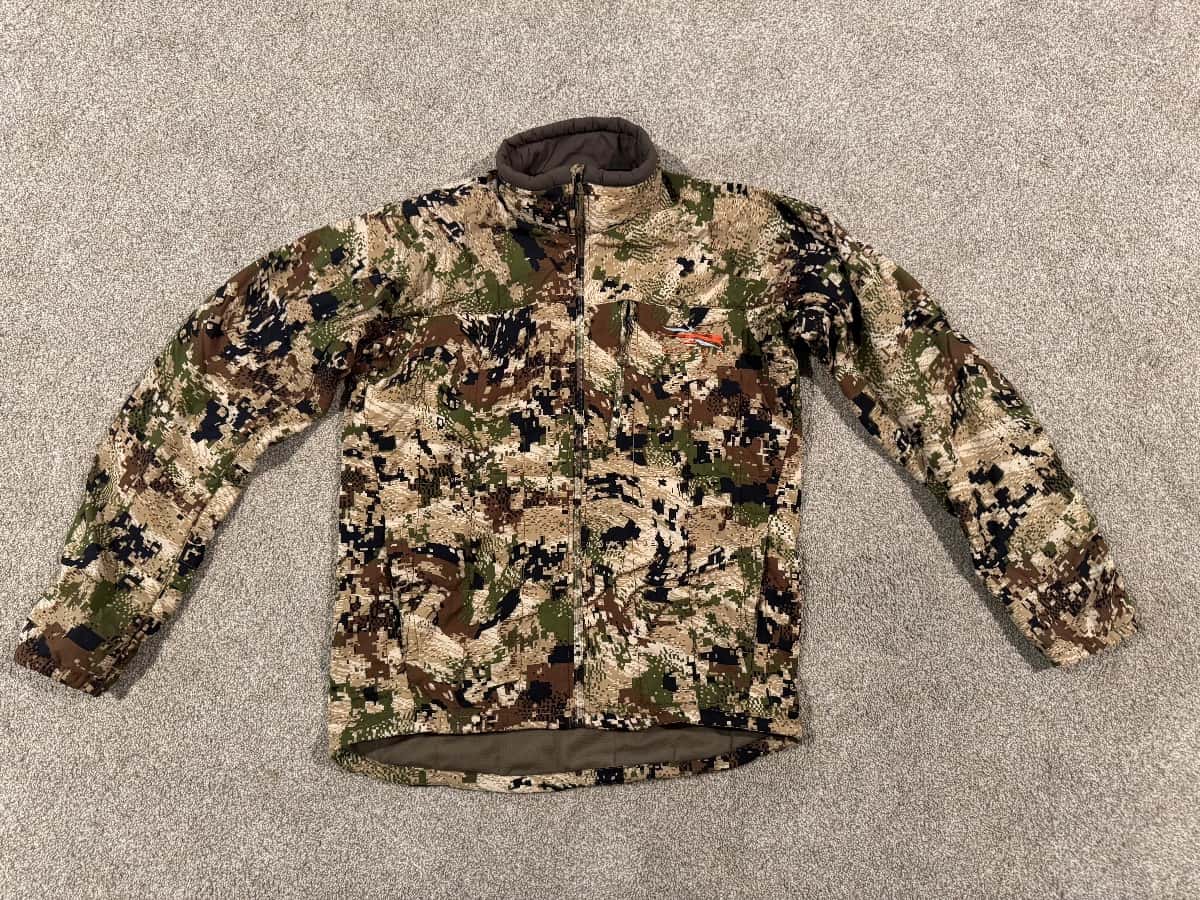
Sitka Kelvin Active Jacket
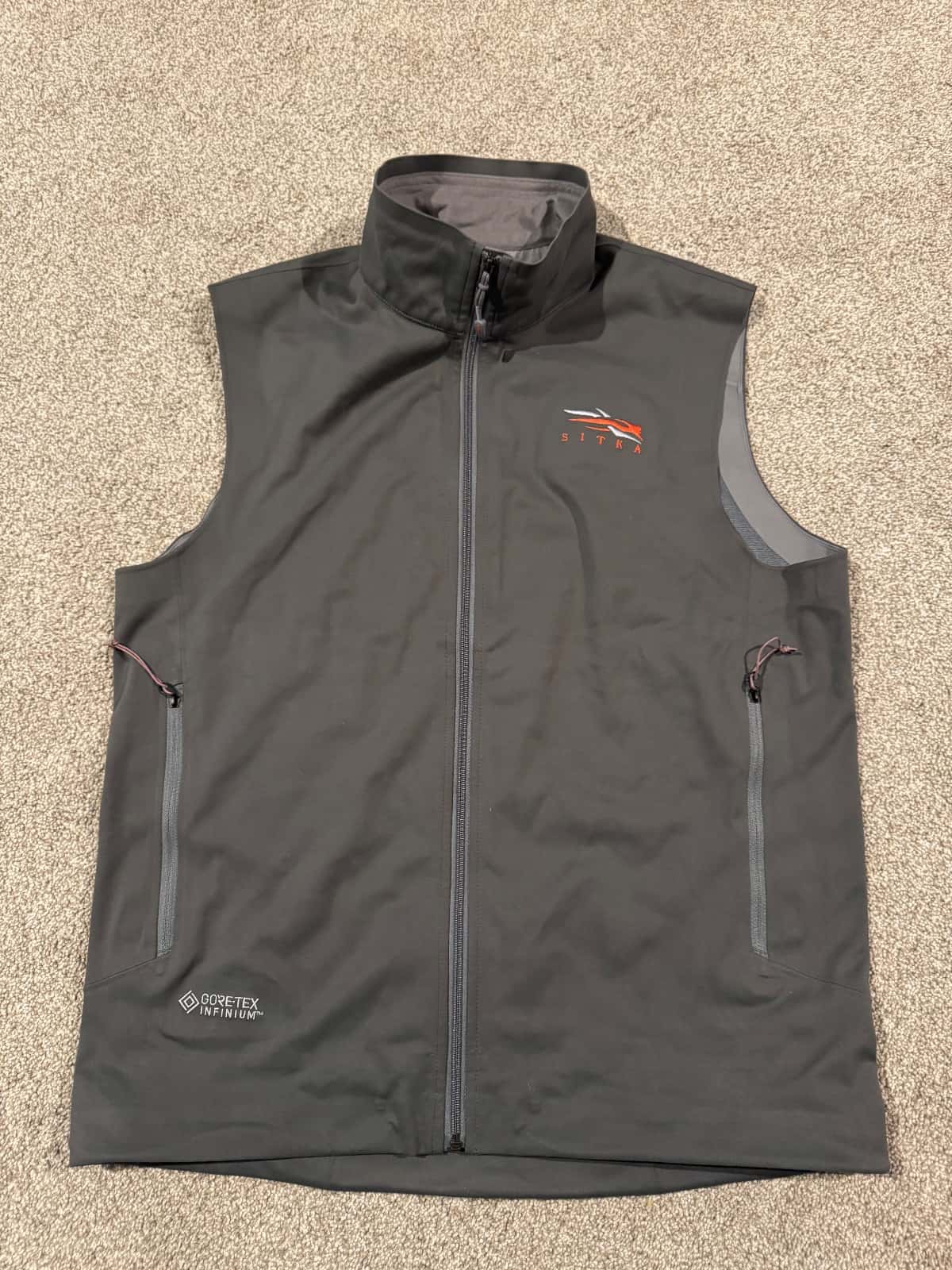
Sitka Mountain Vest
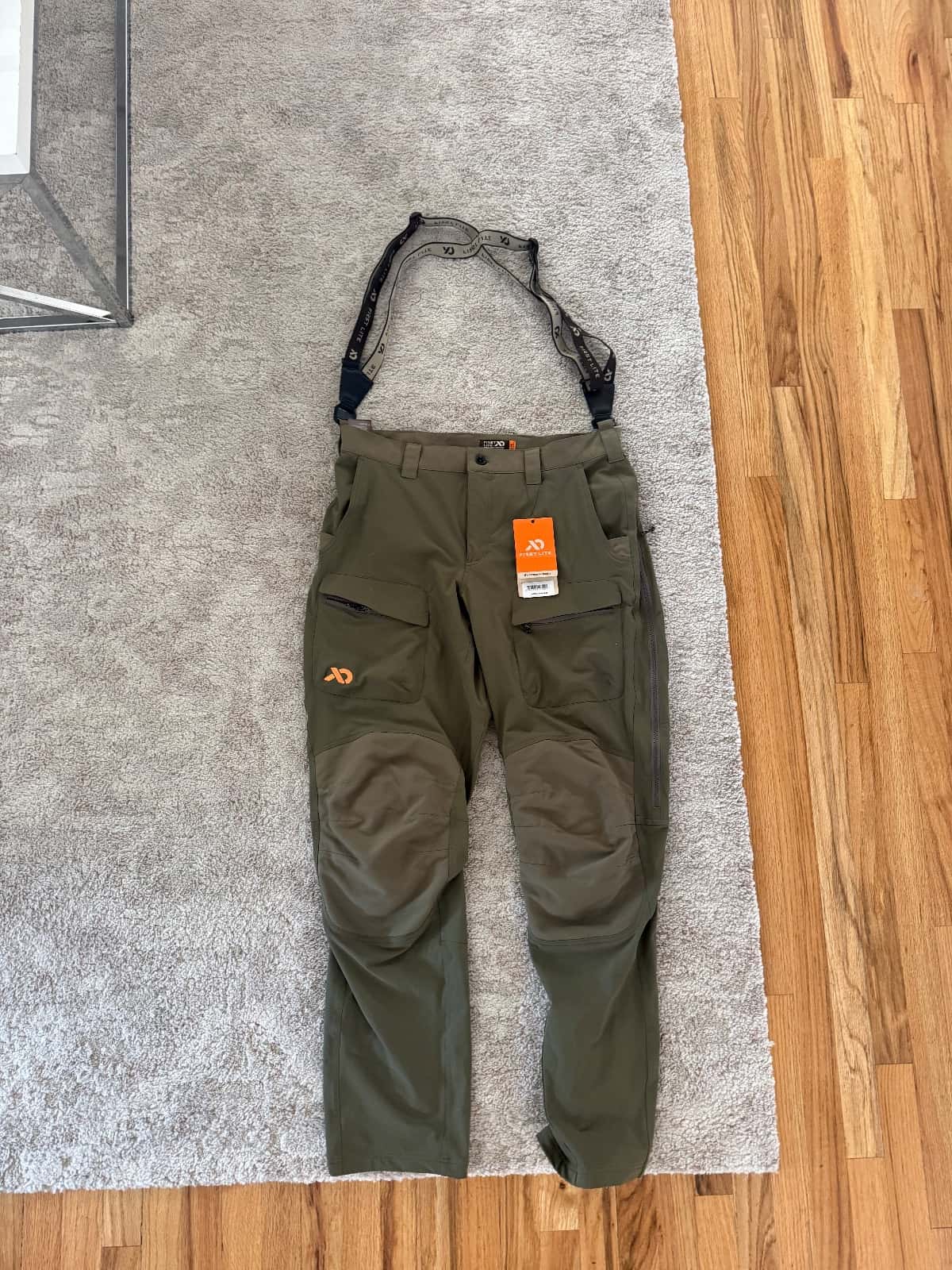
First Lite Corrugate Foundry Pant
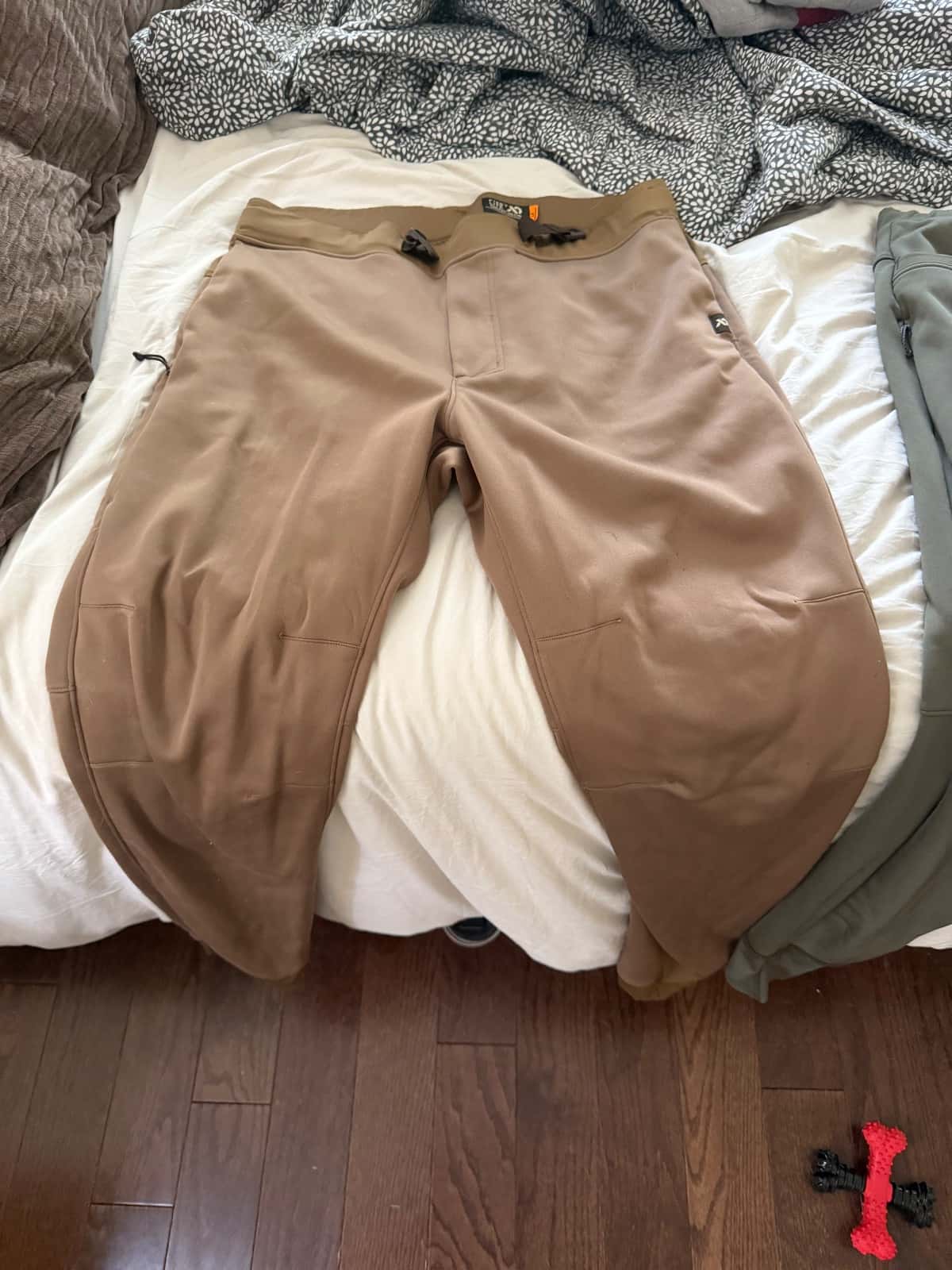
First Lite Origin Pant
Shop by Fit
Shop Used Hunting Clothes by Brand
Buying Used Hunting Clothes — What to Know
Hunting apparel is the single best category to buy secondhand, because the parts that cost the most money are the parts that wear out last. A GORE-TEX or Toray membrane, a Primaloft or down fill, a merino knit — none of those degrade meaningfully in a season or two of use, but the price drops by half the moment the tag comes off. Build a layering system rather than chasing one jacket: a merino or synthetic base, a fleece or insulated mid, and a weatherproof outer shell. There is no reason all three need to come from the same brand, and mixing is how most hunters afford a full technical kit.
Three checks before you buy. Fit — ask for chest, waist, and inseam measurements rather than trusting the size on the label, since sizing runs athletic at Sitka, trim at KUIU, and roomier at First Lite. Condition — look hard at cuffs, elbows, knees, and seat in the photos, confirm zippers run clean, and on shells ask whether water still beads on the face fabric. Camo and season — match the pattern to your terrain and the insulation weight to your hunt, and buy off-season if you can, because early-season camo is cheapest in the dead of winter and heavy insulation is cheapest in July.
Ready to shop? Browse jackets & shirts, pants & waders, and optics & accessories — or sell hunting clothes you no longer wear and turn them into cash.
Used Hunting Clothes — Frequently Asked
What counts as used hunting clothes?
Everything you wear in the field — camo jackets and shells, insulated bibs and pants, merino and synthetic base layers, vests, waders, hoodies, and beanies. Every listing here is pre-owned gear from a real hunter, graded Like New, Good, or Fair with photos, not factory seconds or closeouts.
How much can you save on second hand hunting clothes?
Typically 40–60% off retail. A Sitka or KUIU jacket that runs $350–$700 new regularly sells here for well under half, and the membranes and insulation in quality hunting apparel keep performing long after the first owner moves on.
Is used hunting clothing safe to buy?
Yes. Every listing is graded and photographed, orders ship tracked, and buyer protection covers you if an item arrives not as described. Most hunters wash technical layers in scent-free detergent before shipping — if scent control matters for your hunt, ask the seller directly before you buy.
What size should I order in used hunting apparel?
Sizing runs differently by brand — Sitka trends athletic, KUIU trim, First Lite closer to relaxed — so do not assume your usual size carries across. Ask the seller for chest, waist, and inseam measurements and compare them against a piece you already own. Most reply within a day.
Which hunting clothing brands hold up best secondhand?
Sitka, KUIU, and First Lite are the safest pre-owned buys: they are built for multi-season abuse, hold resale value, and their camo patterns stay current for years. Outerwear and insulation are the strongest values; heavily worn merino base layers are the one place to look closely for thinning and pilling.