
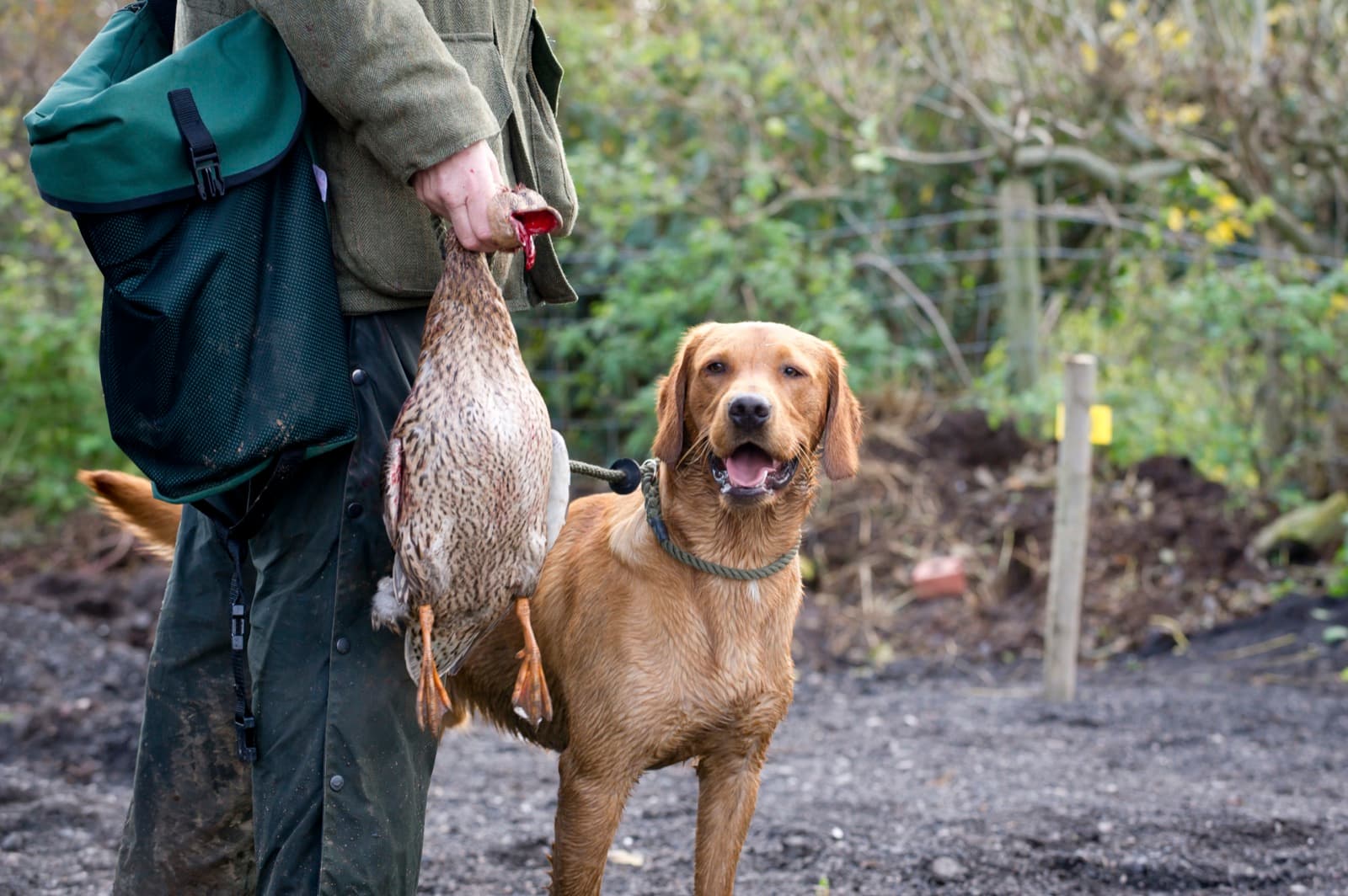
The Field-to-Table Pipeline: How Wild Game Cooking Became Hunting's Best Recruitment Tool
While traditional recruitment struggles, one doorway into hunting keeps getting wider — and it starts in the kitchen, not the treestand.
Ask a hunter over 50 why they hunt, and you'll usually hear about family tradition — a father, a grandfather, a deer camp that's been running since before they were born. Ask a new hunter in their late 20s the same question, and you're increasingly likely to hear a different answer: food.
Something interesting is happening at the edges of the hunting world. While traditional recruitment struggles — outdoor participation among 18-to-34-year-olds is actually declining even as overall outdoor recreation hits record numbers — one doorway into hunting keeps getting wider. It doesn't start with a rifle or a treestand. It starts in the kitchen.
The Numbers Behind the Movement
The clearest evidence comes from the growth of field-to-table education. Outdoor Solutions, one of the companies running hands-on courses that walk students through the entire process — shooting, tracking, field dressing, butchering, and cooking — started with just two events a few years ago. They now run 23 a year, and demand keeps growing.
More telling than the number of events is who's showing up. These aren't lapsed hunters knocking off rust. Attendees skew toward people in their 20s and 30s, many of them women, and many from urban and suburban backgrounds with no hunting in their family history at all. They're people who got serious about knowing where their food comes from and followed that question to its logical end.
It makes sense when you look at what modern food culture values: local, lean, free-range, hormone-free, sustainable. Wild game is all of those things by definition. A whitetail doe is the most local, most free-range protein an American can put in a freezer. The same cultural current that built farmers markets and backyard chicken coops flows naturally toward a deer tag.
Why Food Is a Better Front Door Than Trophies
For decades, hunting's public face was antlers — grip-and-grin photos, score sheets, shoulder mounts. That imagery resonates with people already inside the culture, but research on hunting recruitment has shown for years that food is the most broadly acceptable motivation for hunting among the general public, including people who don't hunt themselves.
That matters for two reasons. First, it lowers the barrier for curious outsiders. Telling a skeptical coworker you hunt "for the meat" starts a conversation; a trophy photo often ends one. Second, food-motivated hunters tend to stick. Someone who learns to break down a deer and feed their family from it has a reason to buy a license every single year, regardless of whether they ever see a wall-hanger.
The "adult-onset hunter" — someone who picks up hunting in their 20s, 30s, or 40s with no family tradition behind them — has gone from a curiosity to one of the most important demographics in conservation. Every one of them represents license dollars, Pittman-Robertson excise taxes from gear purchases, and a new voice that understands why habitat and access matter.
The Gap the Industry Hasn't Closed
Here's the problem: the pipeline has a missing section. Plenty of content exists for the moment of the shot, and plenty of recipes exist for the finished backstrap. The hard part is everything in between — and everything before.
A new adult hunter faces a wall of unknowns that a kid raised in deer camp never notices. Where do I take hunter education? How do I find a place to hunt without a family farm? What do I actually need to buy, and what's marketing nonsense? What happens in the 45 minutes after the deer goes down, when the meat is won or lost?
That last one is bigger than most veterans remember. Field dressing, keeping meat cool, aging, and butchering are skills, and botching them ruins the very thing that brought the new hunter in. This is exactly why the field-to-table courses are booming: they teach the whole chain, not just the exciting parts.
If you're a veteran hunter, this is where you come in. The single most effective recruitment tool ever measured isn't a program or an ad campaign — it's an invitation. Take the coworker who asks about your venison chili out to your lease. Let them stand next to you in a dove field. Walk them through their first gutting job so they don't have to learn it from a phone propped against a rock.
Getting Started Without Going Broke
For new hunters reading this, one piece of practical advice: the gear wall is not the price of admission. The industry's marketing can make it look like you need $3,000 of technical camo before you're allowed in the woods. You don't. A deer doesn't know what year your jacket came out.
Start with the things that actually matter — a well-fitted firearm or bow, a hunter education card, a license, and time in the field. For clothing and packs, the used market is your best friend: premium gear from brands like Sitka, KUIU, and First Lite is built to last a decade or more, which means secondhand pieces at a fraction of retail perform exactly like new ones. Spend the savings on a good knife, a cheap cooler, and processing classes — the things that turn a downed deer into a full freezer.
And learn to cook it properly. Wild game's bad reputation comes almost entirely from bad handling and overcooking. Treated right, venison, duck, and wild turkey aren't sacrifices you make for the lifestyle — they're the payoff.
Why This Matters for All of Us
Hunting's future funding model depends on hunters existing. Licenses and excise taxes on gear pay for the wildlife management and habitat work that benefit every species, hunted or not. With the traditional father-to-son pipeline narrowing, the field-to-table movement is quietly building a replacement — one built on the oldest reason humans ever hunted.
The tradition isn't dying. It's just entering through the kitchen door now. Hold it open.
Sources
- Hunting From Start to Finish: Field to Table With Outdoor Solutions — GearJunkie
- The Wild Game Movement: Hunting for Your Own Food — Dialed In Hunter
- 2025 Outdoor Participation Trends Report — Outdoor Industry Association
- 183 Million Outdoor Participants and a Retail Playbook Hiding in the Numbers — Shop Eat Surf Outdoor
- Intro to Wild Game Cooking — Nebraskaland Magazine
New to hunting and building your first kit? Browse quality used gear from Sitka, KUIU, and First Lite on Second Nature — proven equipment at a fraction of retail, so your budget goes toward tags, classes, and time in the field.
In the market for gear?
Browse verified secondhand listings at 40–60% below retail — or turn the gear hanging in your closet into cash.
More Articles
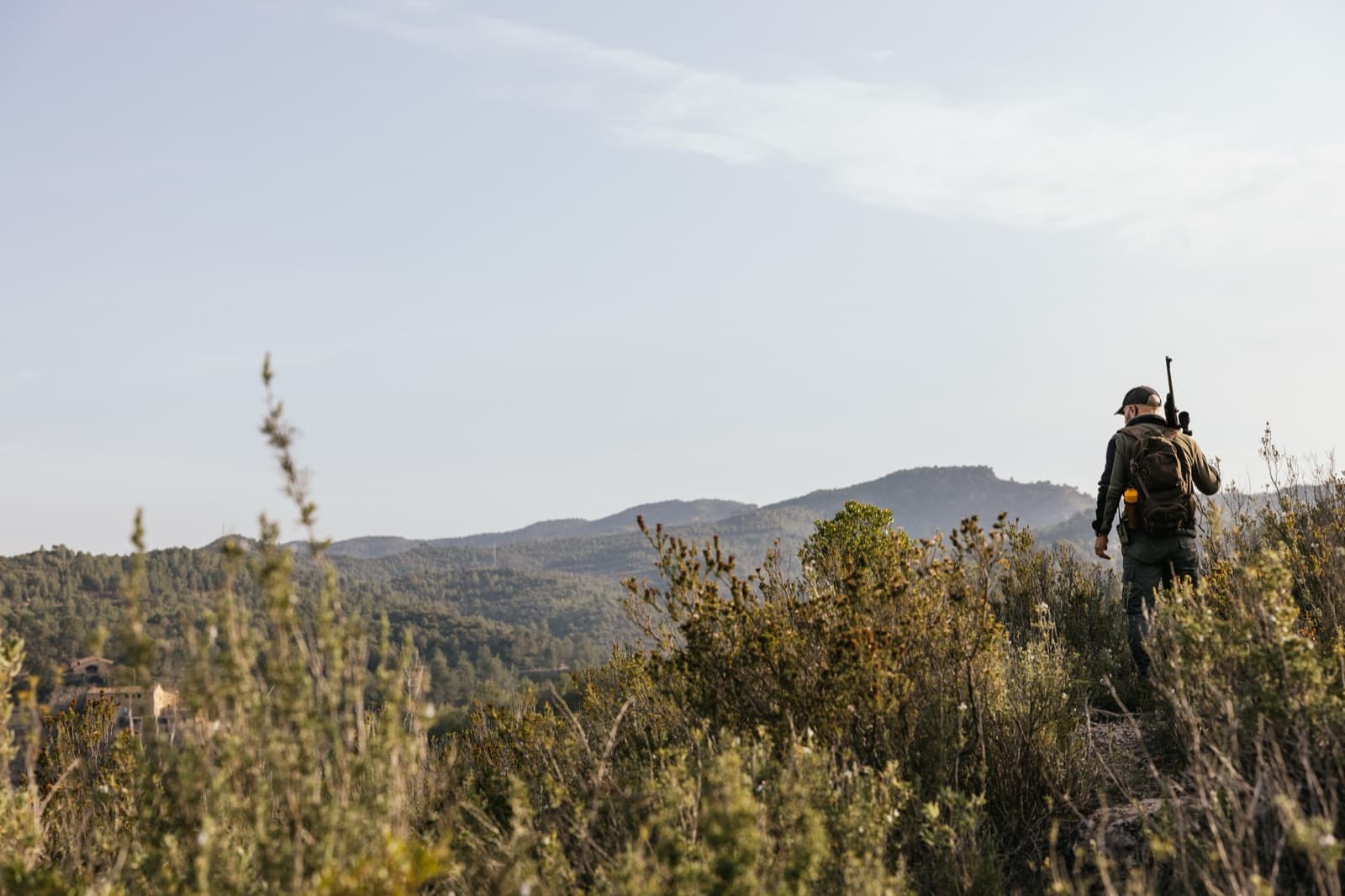
The 8-Week Elk Fitness Plan: Get Mountain-Ready Before the September Opener
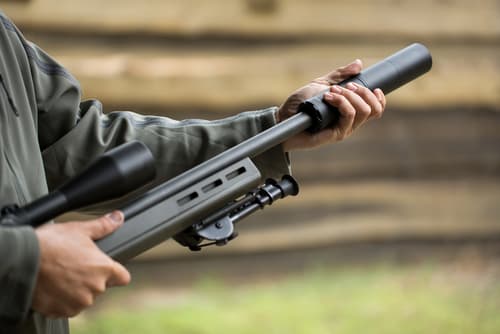
Hunting With a Suppressor in 2026: The Tax Stamp Is Free, the Wait Is Days, and the Excuses Are Gone
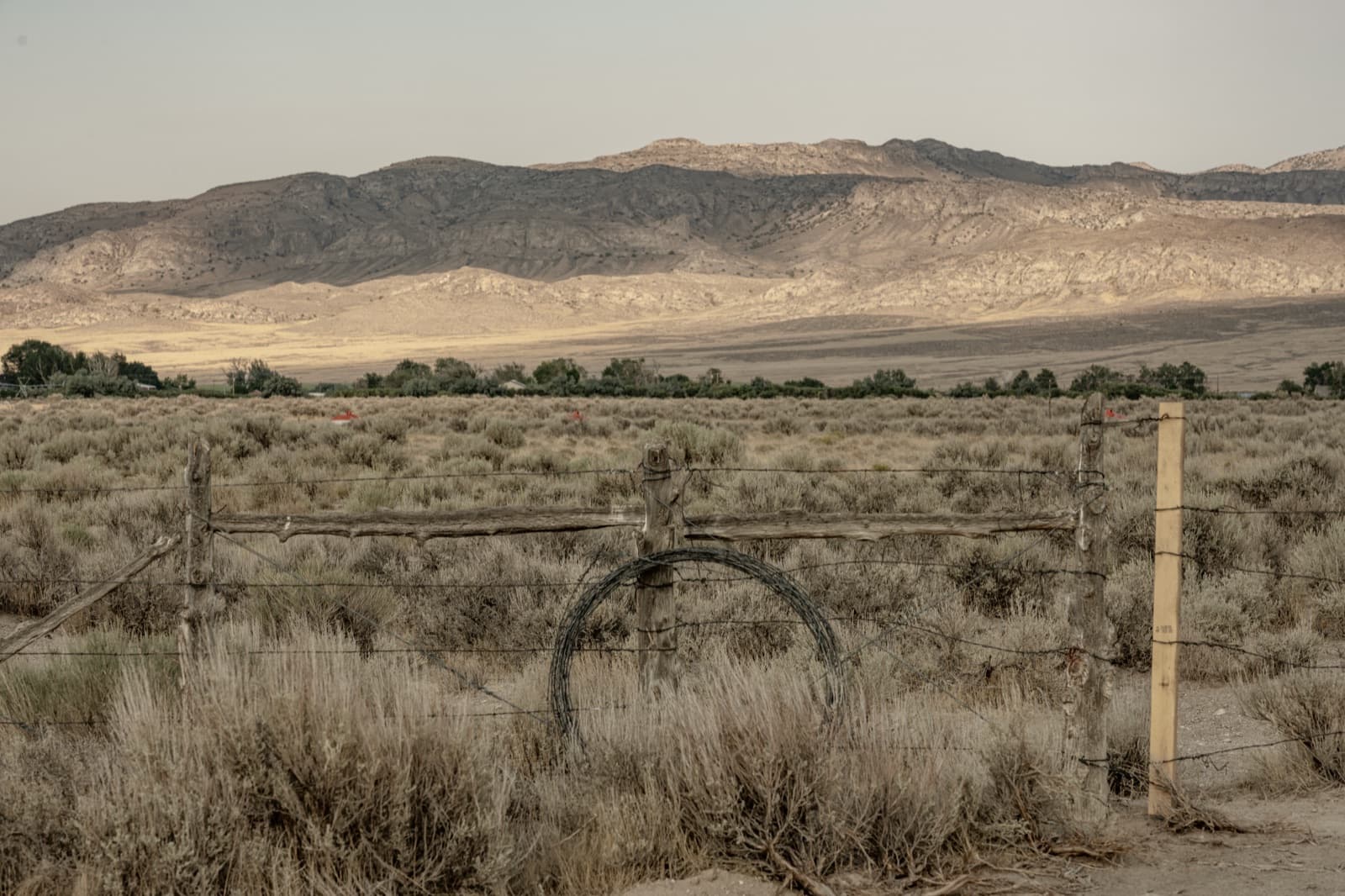
Corner Crossing in 2026: Legal in Six States, a Crime in Montana — Here's Where Things Stand
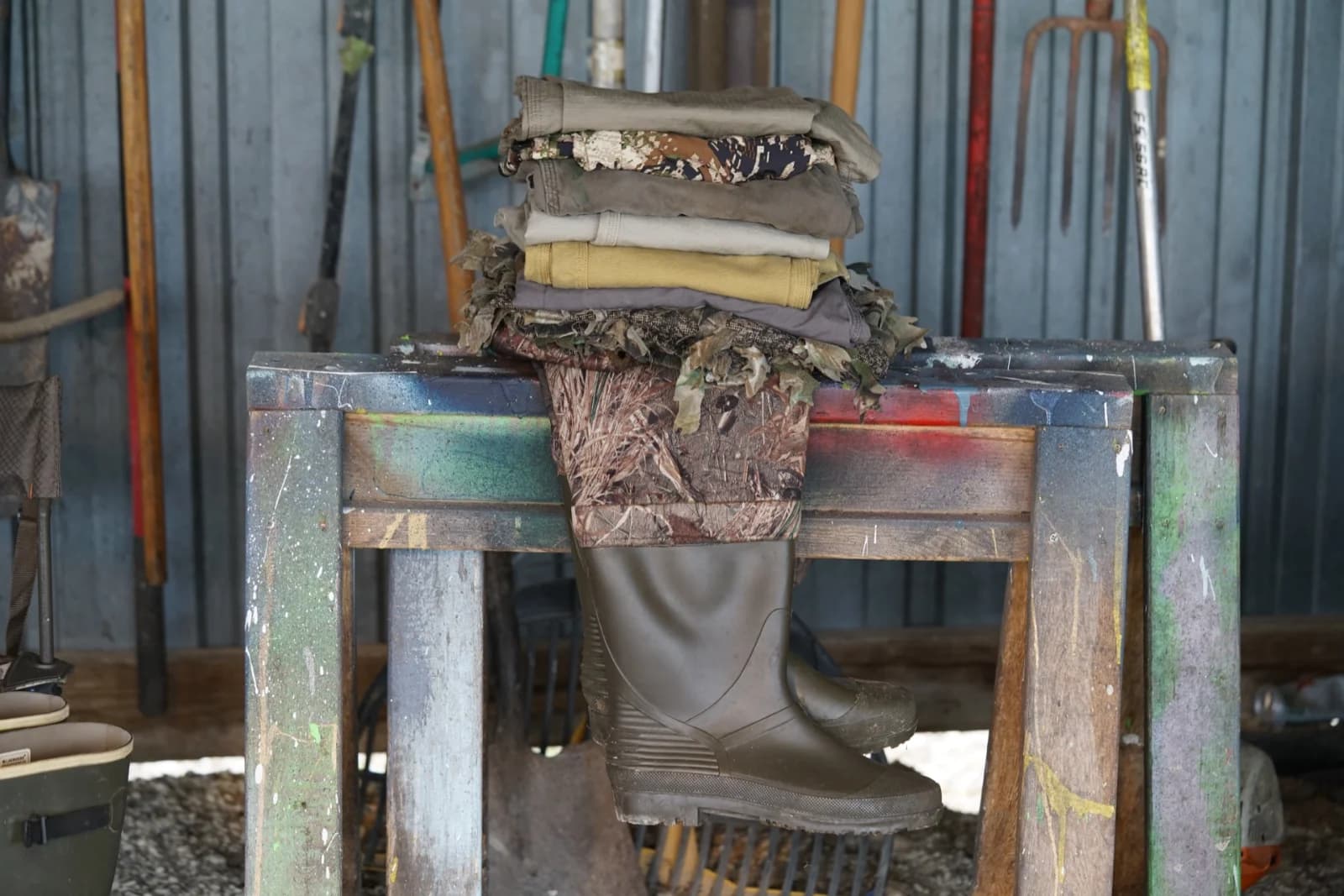
How to Buy Used Hunting Gear Without Getting Burned
Ready to find your next deal?
Browse hundreds of used hunting gear listings from verified sellers.
The Second Nature Newsletter
The best used hunting gear deals and reads like this one, in your inbox. Free, no spam, unsubscribe anytime.
Fresh on the marketplace
Verified sellers, 40–60% below retail.
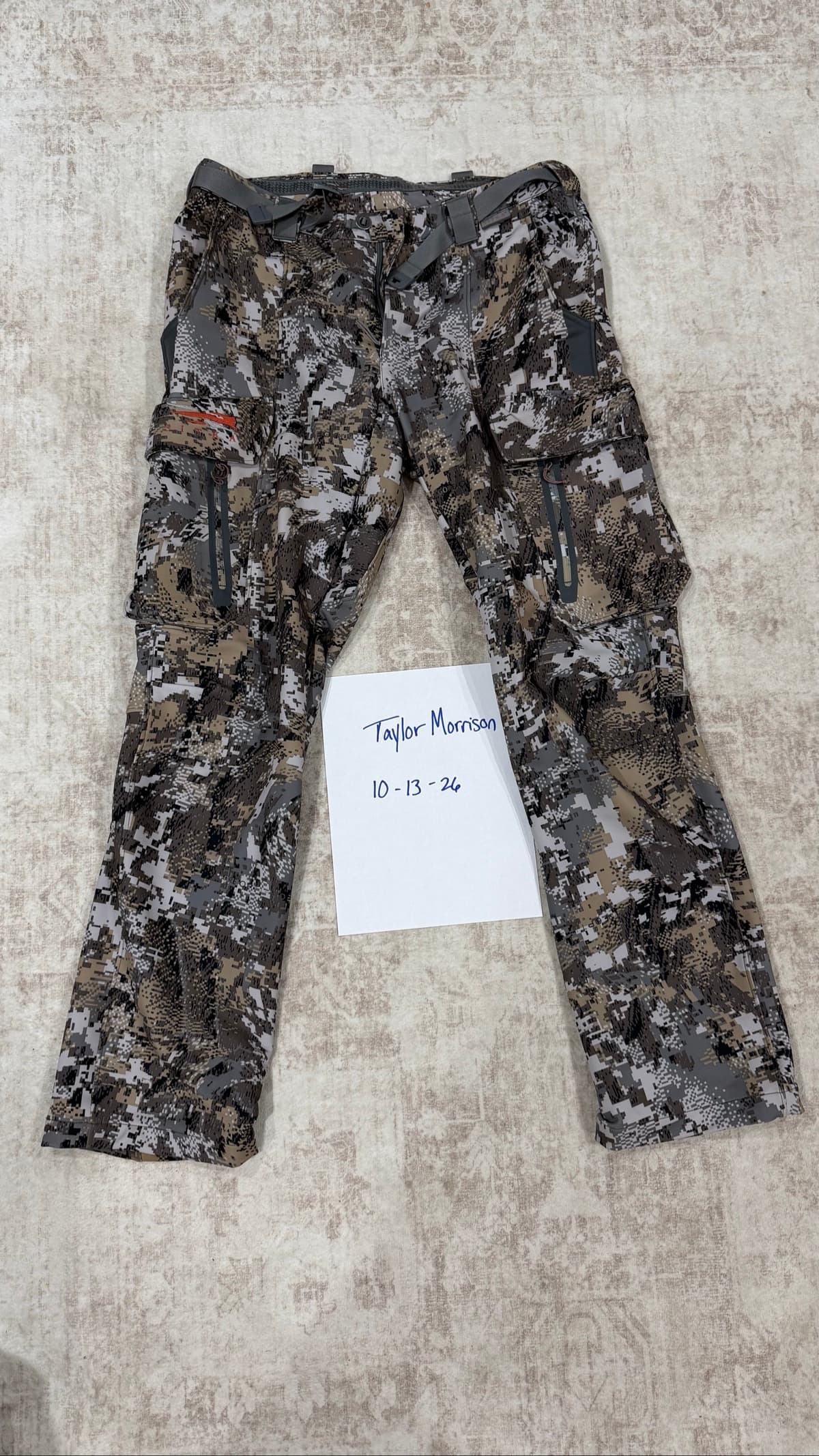
Sitka Equinox Guard Pant
$125.0037% off
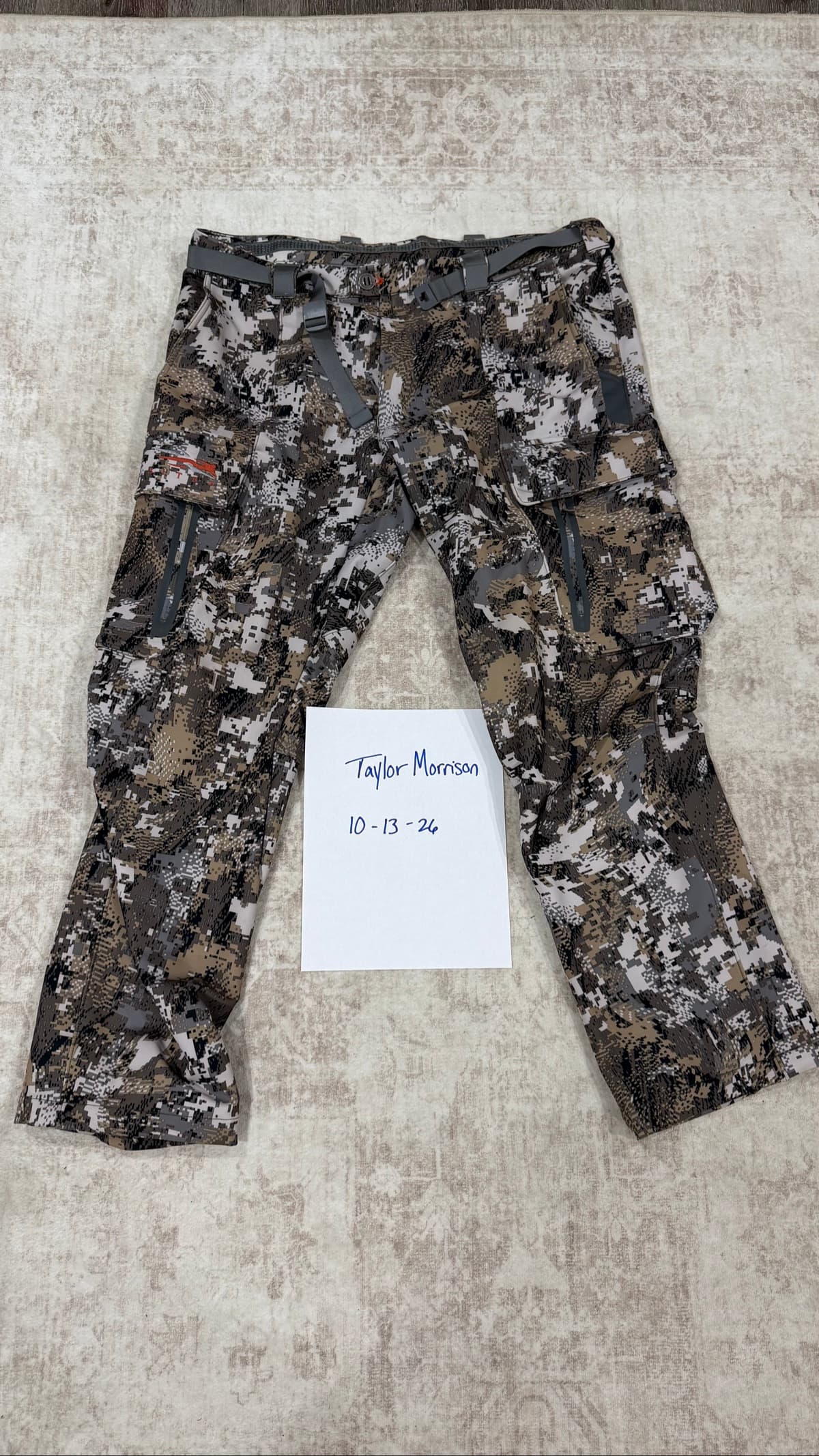
Sitka Equinox Guard Pant
$125.0037% off
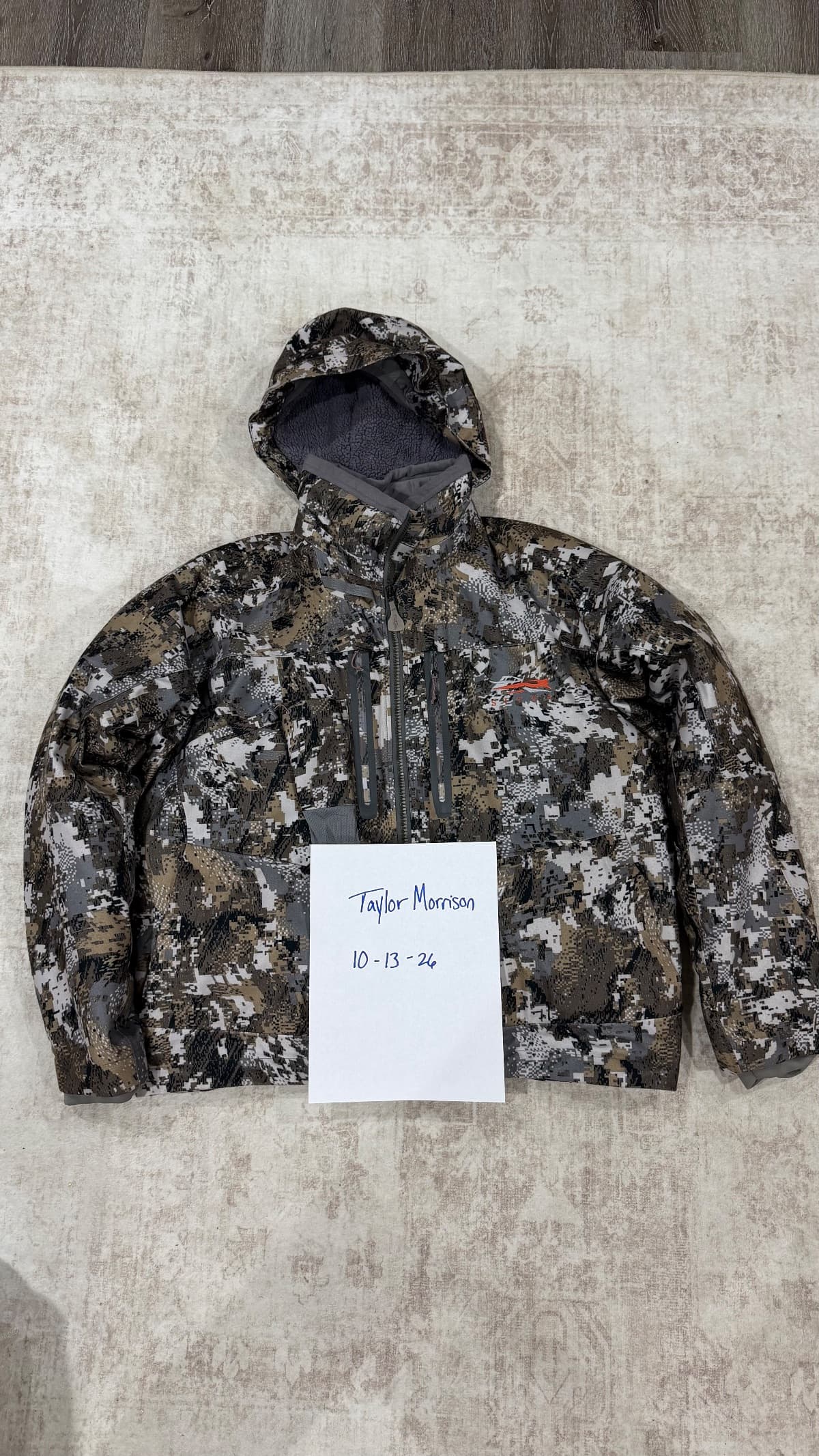
Sitka Incinerator Aerolite Jacket
$550.0027% off