
Don't Drain the Duck Factory: The Quiet Rule Change That Threatens Half of America's Ducks
More than half of North America's ducks are hatched in the Prairie Potholes. The rule keeping farm drainage from bleeding those wetlands dry is scheduled for withdrawal — and the comment window closes August 7.
Update (Aug. 10, 2026): The comment window closed August 7 with 219,428 comments submitted, and four waterfowl CEOs sent a joint letter to the Interior Secretary. Here's what happened next — and what still hasn't been decided.
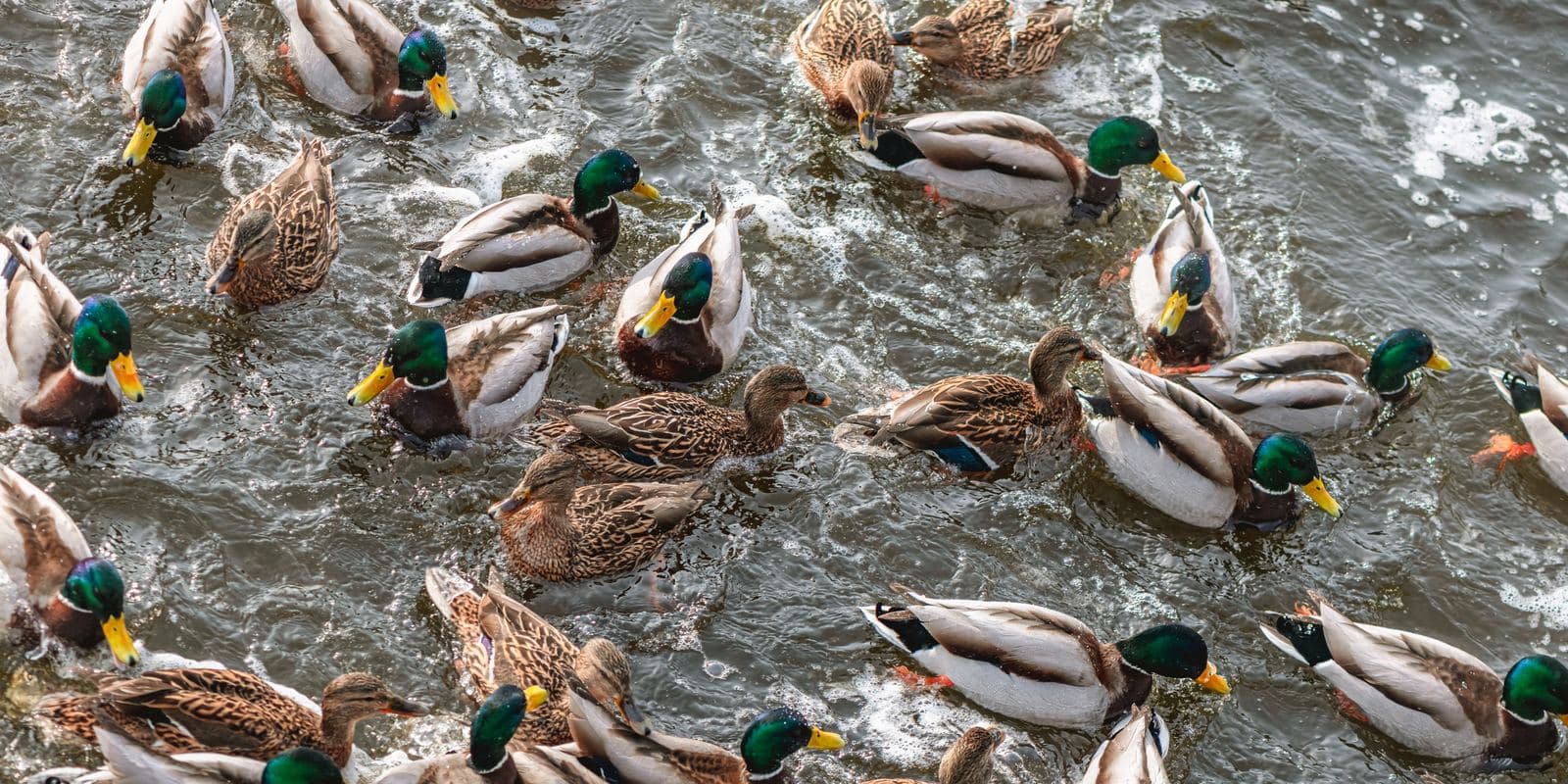
If you hunt ducks anywhere in America — Arkansas timber, a Dakota slough, a Chesapeake blind — the birds over your decoys were very likely hatched in one place: the Prairie Pothole Region, the glacier-carved band of millions of small wetlands stretching across the Dakotas, Montana, Minnesota, and Iowa into Canada. Biologists call it the Duck Factory because it produces more than half of North America's migratory waterfowl.
Right now, a federal rule protecting that factory is under review — and the agency's own paperwork says it plans to withdraw it. The public comment period closes August 7. Here's what's happening, why it matters more than the bland regulatory language suggests, and what you can do about it this week.
What the Rule Actually Does
The fight is over something unglamorous: drain tile setbacks.
Modern farm drainage uses buried plastic tubing — drain tile — to pull water out of fields. It's extraordinarily effective, and it doesn't stop at property lines drawn on a map. Tile installed near a wetland can drain that wetland from a distance, the way a straw at the edge of a puddle still empties the middle.
Across the Prairie Pothole Region, the U.S. Fish and Wildlife Service holds permanent conservation easements on millions of acres of wetlands — protections that hunters bought and paid for over decades through Duck Stamp dollars, license fees, and Pittman-Robertson excise taxes on guns and ammo. The 2024 setback rule answered a simple question: how far from a protected wetland does drain tile have to stay so that the "protected" wetland actually stays wet? It based those distances on drainage science.
On July 24, the Service opened a short comment window asking whether that rule should stand — while a separate entry in the federal regulatory agenda states the agency has determined withdrawal is "necessary." Conservation groups read that the way you'd expect: the decision is leaning toward repeal, and the comment record is one of the few levers left.
What Happens If the Setbacks Go
The likely replacement standard — aligning with the NRCS's looser Swampbuster distances — sounds like bureaucratic housekeeping. In practice, waterfowl groups warn it would green-light tile drainage close enough to bleed protected potholes dry across the region. The wetlands would still be "protected" on paper. They just wouldn't hold water.
Why that matters to your duck strap:
Production, not just habitat. The potholes aren't where ducks winter — they're where ducks are made. Pair density in the PPR tracks pothole water almost one-to-one. Drain the small, shallow wetlands (the first to go, and the most productive) and you cut the fall flight at its source.
The timing is terrible. This year's breeding survey already showed a flat 34 million ducks, mallards 17 percent below their long-term average, and blue-winged teal at a 20-year low. The Duck Factory is the engine that rebuilds those numbers in wet years — if the water is still there when the wet years come.
It unravels a paid-for promise. Hunters have invested billions in these easements on the understanding that "permanent" meant permanent. If setback protections can be quietly withdrawn, every conservation easement hunters fund going forward is worth less.
The Other Side, Fairly
Farm groups and some landowners argue the 2024 setbacks overreach — that they restrict drainage on private land beyond the easement boundaries landowners agreed to, complicate farming operations, and impose federal science where state and NRCS standards already exist. That's a real tension, and PPR agriculture and duck production have coexisted through decades of negotiated compromise.
But note what the disagreement is actually about: not whether wetlands should be protected, but whether the protection should work hydrologically or just cartographically. A setback that doesn't prevent drainage isn't a compromise — it's a map decoration.
What You Can Do Before August 7
This is one of the rare conservation stories where there's a concrete action with a deadline:
1. Submit a comment. The Sportsmen's Alliance and Ducks Unlimited both have guides walking through how to comment on the FWS drain-tile setback review before the August 7 close. Comments don't need to be long or technical — agencies tally who showed up and on which side. Identify yourself as a hunter and duck stamp buyer; that framing matters in the record.
2. Say the money part out loud. The most effective sentence a hunter can write: "I have funded these easements through Duck Stamps, licenses, and excise taxes for years, and I expect the protections I paid for to function."
3. Share it where waterfowlers gather. A 14-day summer comment window on a technical drainage rule is designed to pass quietly. It's already louder than intended — DU's "Don't Drain the Duck Factory" campaign is pushing hard — but numbers decide these records.
The Bigger Pattern
If you've followed our coverage this year — shrinking monuments, the Forest Service overhaul, refuge water crises — you'll recognize the shape of this story: the mechanisms protecting huntable habitat are being revised faster than most hunters can track, often through processes engineered to be boring. Nobody holds a press conference to drain a pothole. They publish a Federal Register notice in late July and give you two weeks.
The counterweight has always been the same: hunters noticing anyway. Duck hunters built the North American wetland conservation system — the Duck Stamp itself was hunters taxing themselves during the Dust Bowl, the last time the prairies dried up and the flights collapsed. The system works because every generation of waterfowlers has treated the Duck Factory as non-negotiable.
The Bottom Line
More than half of the ducks in every flyway trace back to a few million shallow wetlands in the northern prairies, and the rule keeping drainage away from the protected ones is scheduled for withdrawal unless the comment record argues otherwise. The window closes August 7. It costs nothing to comment, takes ten minutes, and it's the most direct thing a duck hunter can do for the fall flights of the next decade.
The blind will still be there in November. Make sure the ducks are.
Sources
- Feds Move to Scrap Wetland Rule Protecting America's 'Duck Factory' — GearJunkie
- America's Duck Factory Could Soon Lose Key Habitat Protections — Field & Stream
- FWS Drain Tile Setbacks: What You Need to Know and How to Comment — Sportsmen's Alliance
- Don't Drain the Duck Factory — Ducks Unlimited
- A Quiet Rule Review Could Drain the Prairie Pothole Region — Our Public Lands & Waters
- Prairies Under Siege: The Future of the Prairie Pothole Region — Ducks Unlimited
Every purchase and sale on Second Nature keeps hunters in the field — and hunters in the field are what keeps habitat funded. Gear up for duck season for less with used Sitka, KUIU, and First Lite on Second Nature, and put the savings toward a second Duck Stamp this year. The Factory can use it.
In the market for gear?
Browse verified secondhand listings at 40–60% below retail — or turn the gear hanging in your closet into cash.
More Articles
America's Parks and Monuments Are Shrinking: What It Actually Means for Hunters
Grizzlies Are Going Back to the States: What the New Rule Actually Means for Hunters
The Field-to-Table Pipeline: How Wild Game Cooking Became Hunting's Best Recruitment Tool
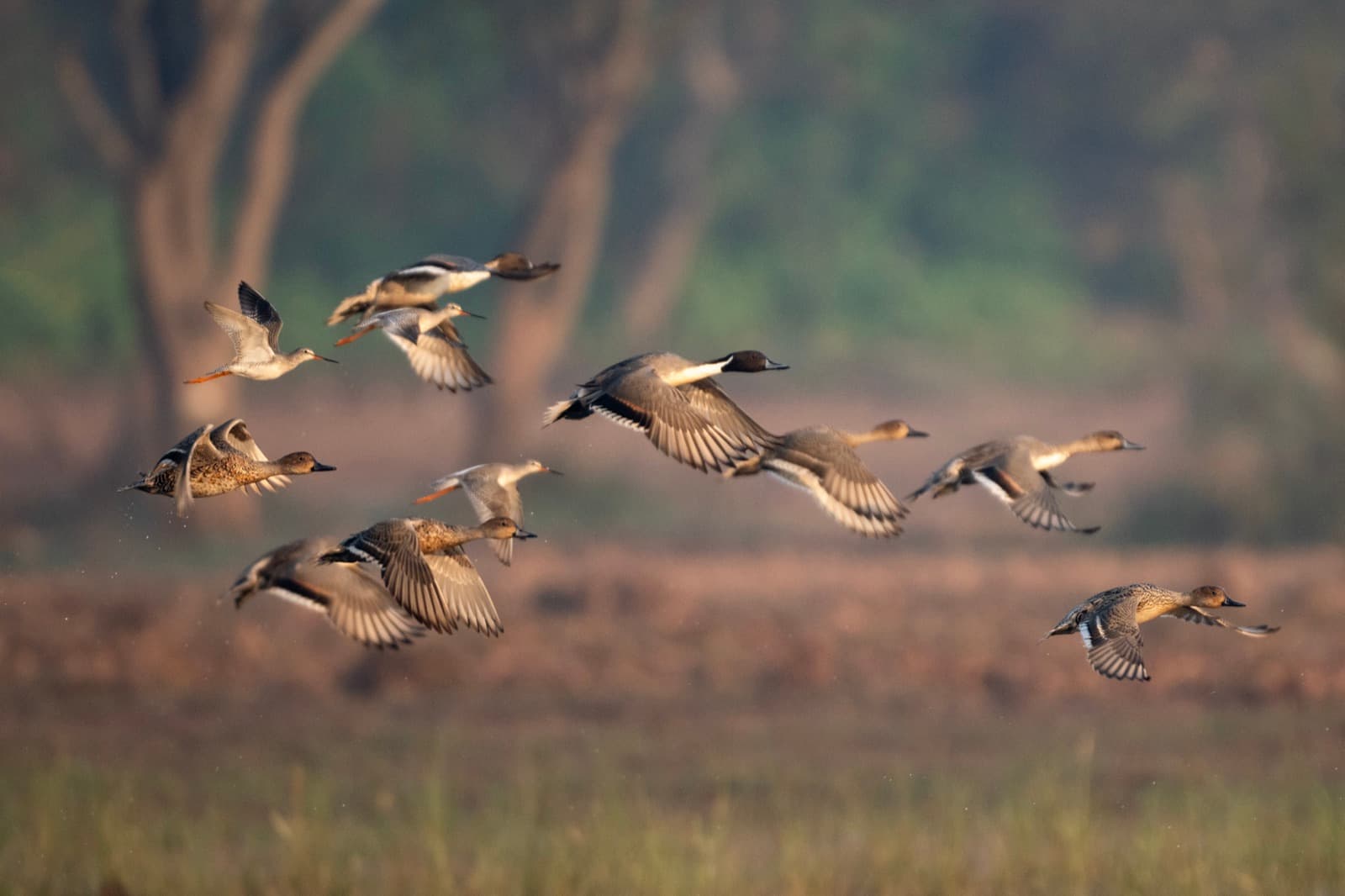
The 2026 Duck Numbers Are In: Flat Counts, a Three-Pintail Limit, and What It Means for Your Season
Ready to find your next deal?
Browse hundreds of used hunting gear listings from verified sellers.
The Second Nature Newsletter
The best used hunting gear deals and reads like this one, in your inbox. Free, no spam, unsubscribe anytime.
Fresh on the marketplace
Verified sellers, 40–60% below retail.
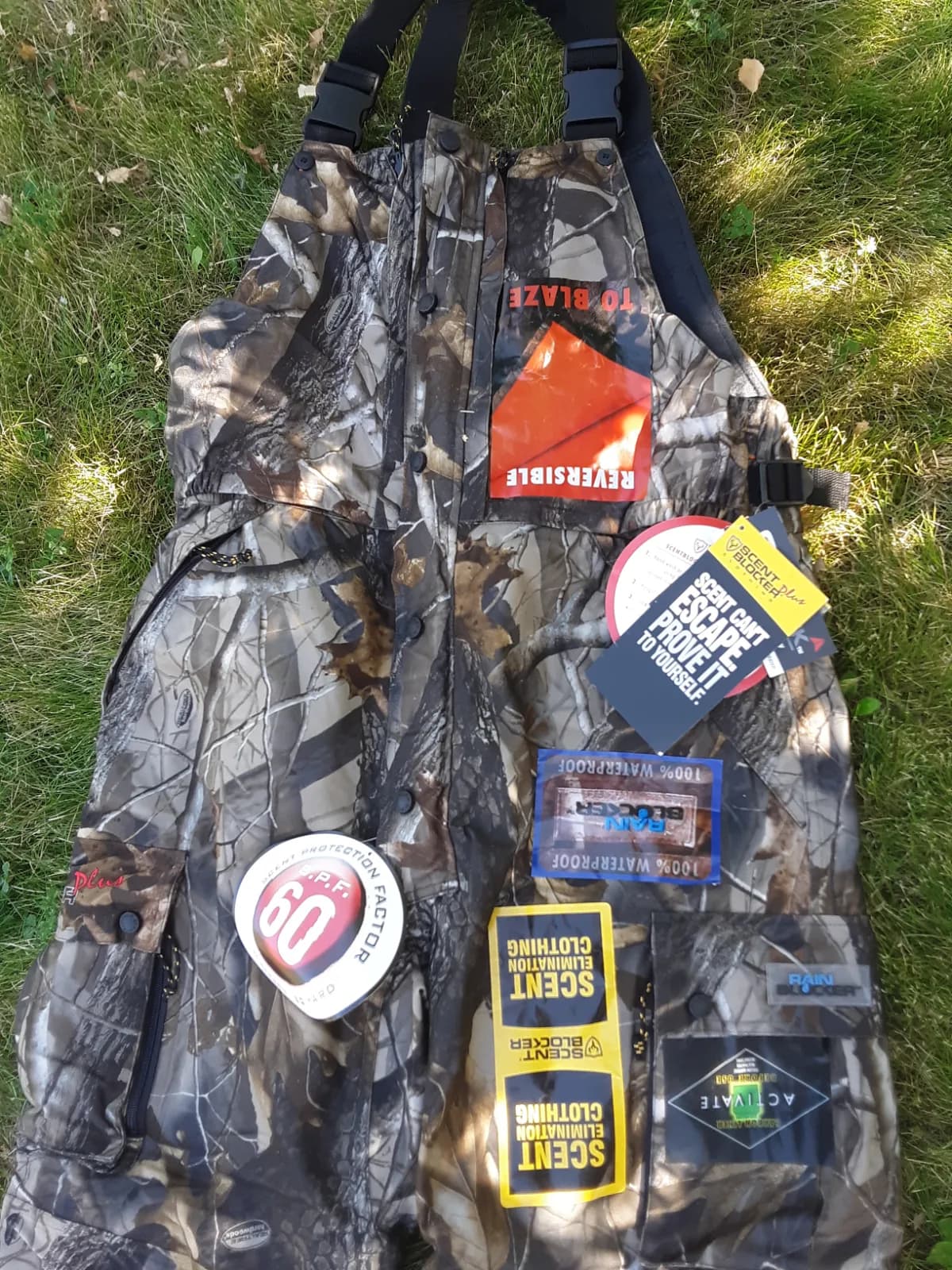
NEW! Scent Blocker Prohunter camo bib in Men's large
$119.00
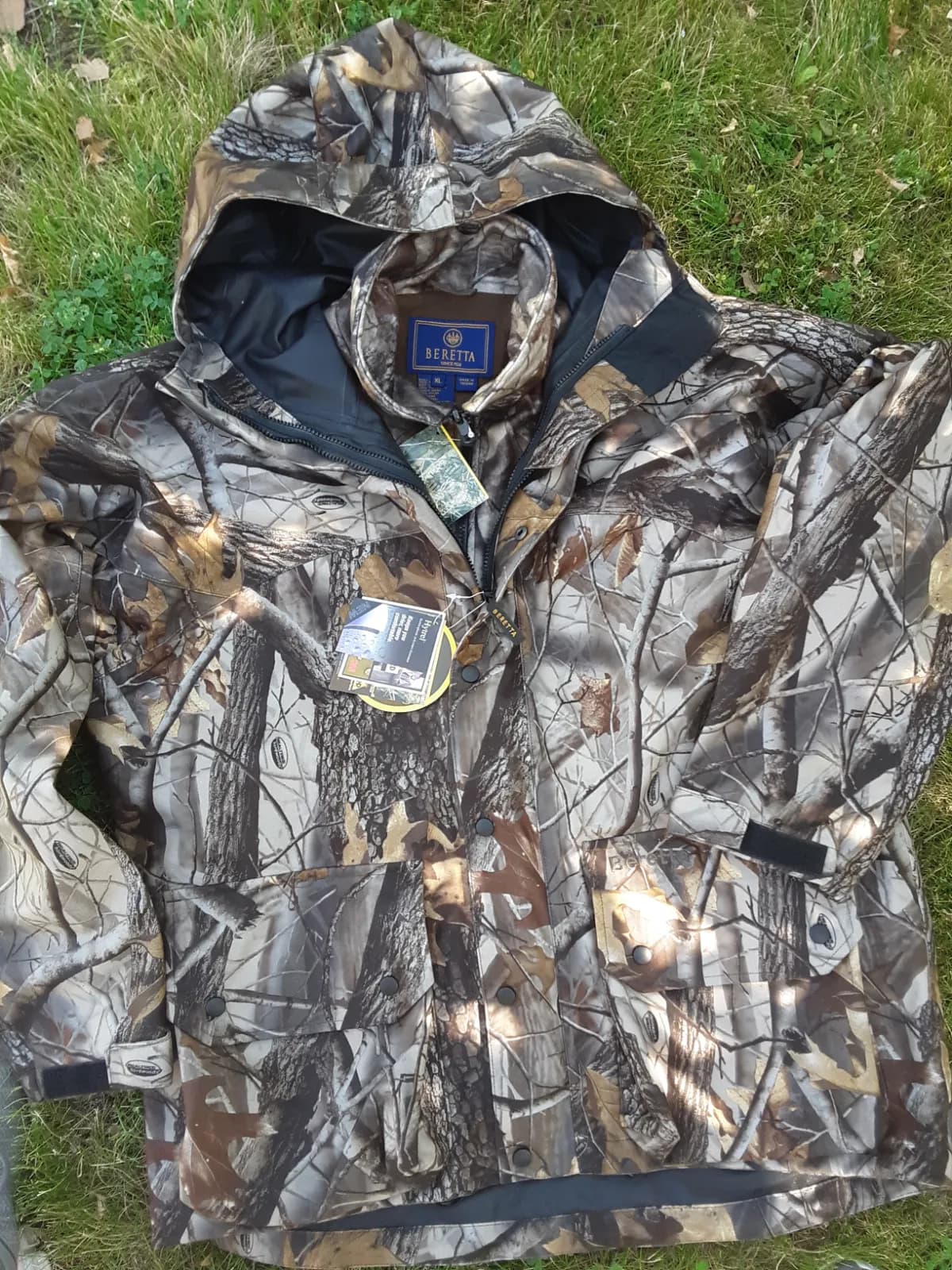
NEW Beretta heavy-weight rain coat with separate fleece jacket, men's XL
$225.00
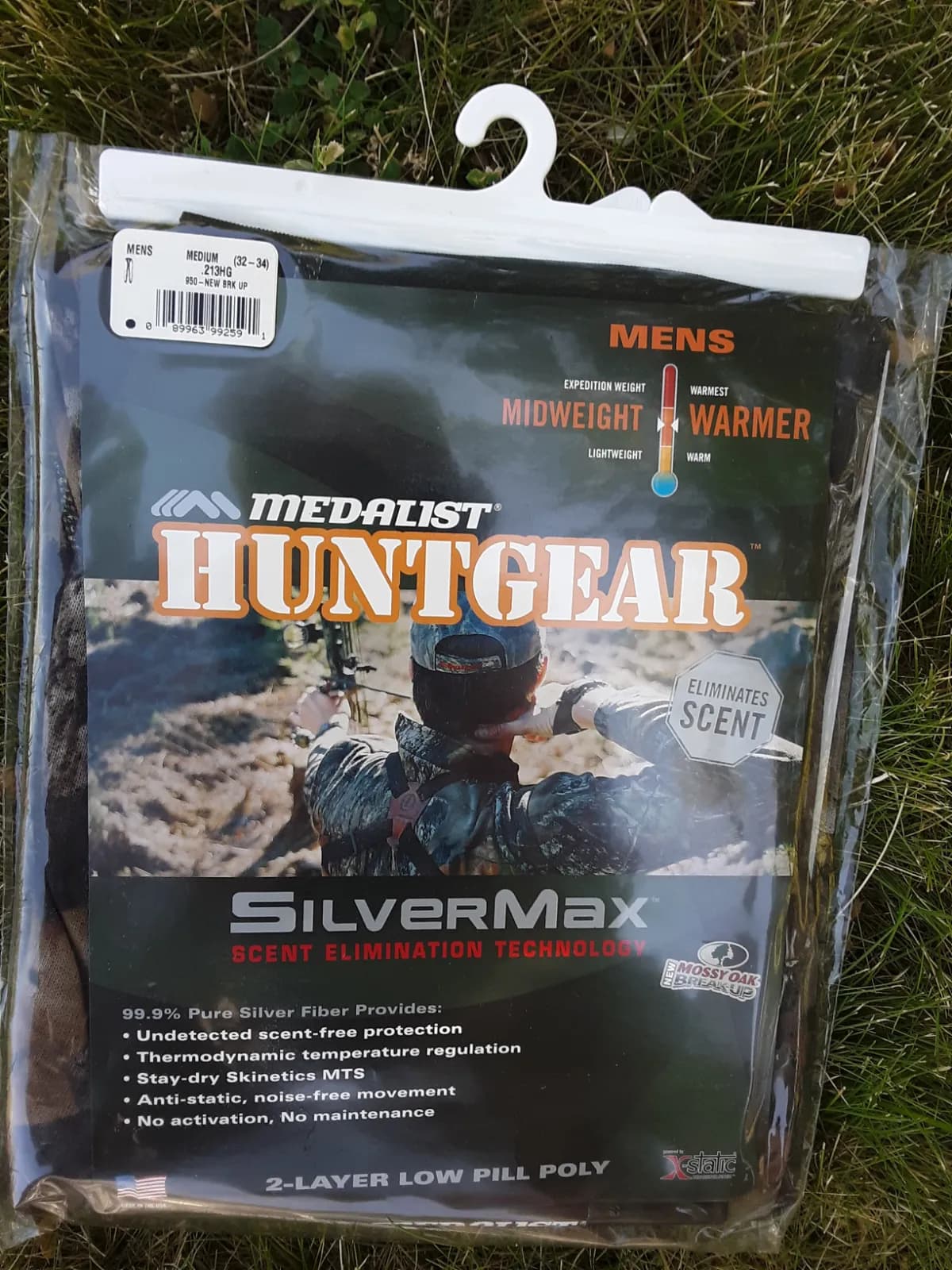
NEW Medalist Huntgear, level 1 warmer bottoms, men's medium
$20.0033% off