
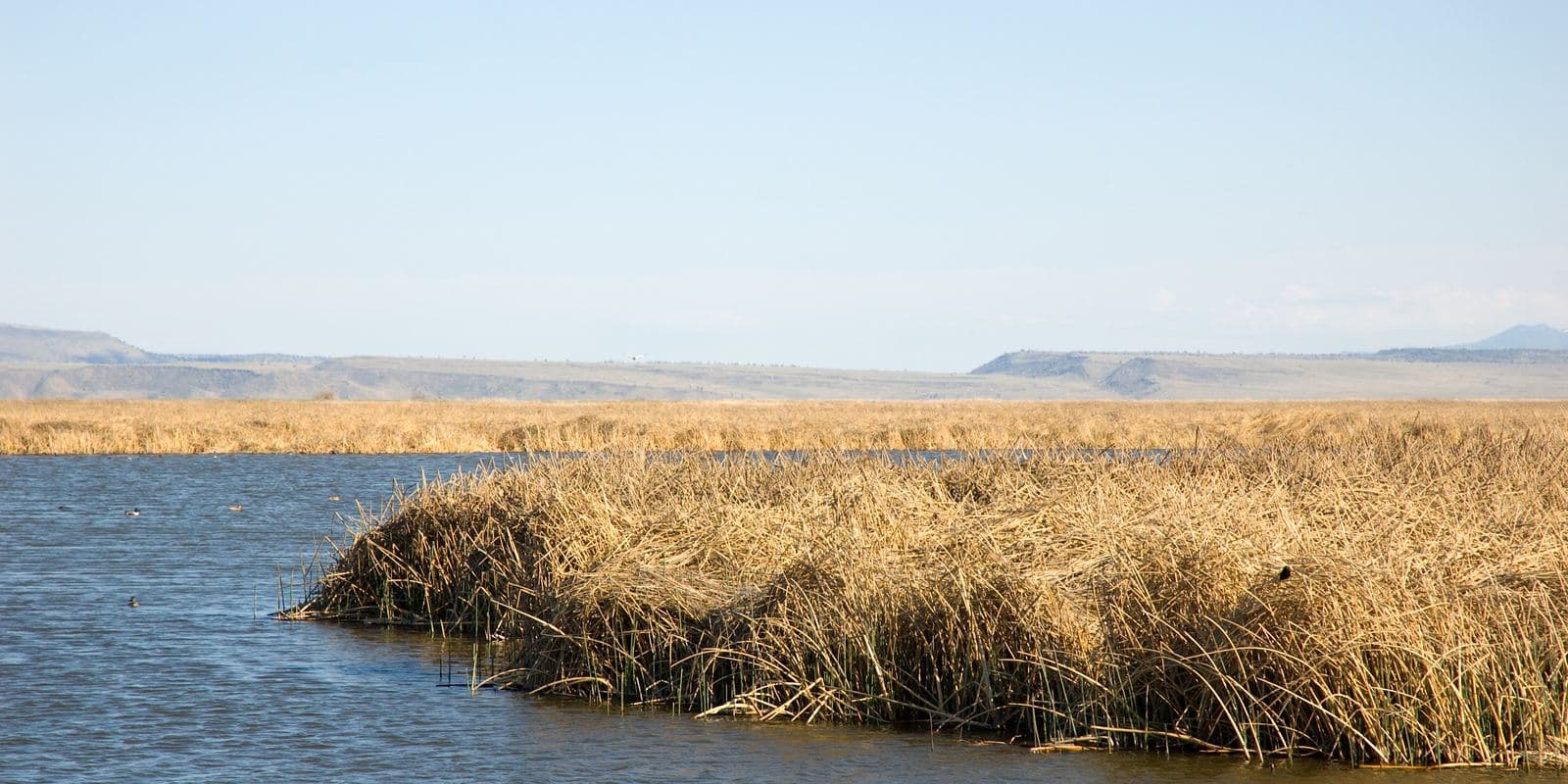
America's First Waterfowl Refuge Is Dying of Thirst: Inside the Klamath Basin Collapse
Lower Klamath — the first refuge America ever set aside for waterfowl — is bone dry. Next door, Tule Lake is burying 150 birds a day. And 80 percent of the Pacific Flyway is due to arrive within weeks.
In 1908, Theodore Roosevelt looked at the vast wetlands of the Klamath Basin on the Oregon-California border and created something that had never existed: the Lower Klamath National Wildlife Refuge, America's first refuge set aside specifically for waterfowl. For a century, the Klamath refuges were the beating heart of the Pacific Flyway — millions of ducks and geese funneling through twice a year, in numbers that turned the sky into weather.
This summer, Lower Klamath is largely bone dry. Next door at Tule Lake National Wildlife Refuge, wildlife managers are counting roughly 150 dead birds a day as avian botulism spreads through warm, stagnant water — thousands dead already, with officials warning the coming weeks could bring one of the largest bird die-offs in North American history.
This is the biggest waterfowl story in the country right now, and every duck hunter — not just West Coast hunters — should understand it.
Why the Klamath Matters to the Whole Flyway
The numbers are hard to overstate: an estimated 80 percent of the waterfowl in the Pacific Flyway pass through the Klamath Basin refuges during spring and fall migration. It's the great staging area — the place where birds rest, feed, and refuel between the northern breeding grounds and the wintering marshes of California's Central Valley.
Staging habitat works like an airport hub: lose it, and the failure cascades through the whole system. Birds arrive at the next stop in worse condition, crowd into less habitat, and — as Tule Lake is demonstrating in real time — crowding plus warm, stagnant water is exactly the recipe for botulism outbreaks. Refuge biologists have described current conditions bluntly: waterbird populations are the lowest in the refuges' history, basin-wide — "a collapse of the most important staging area in the Pacific Flyway."
For hunters, the ripple is direct. California's 2025-26 season already came in below average. When the staging hub fails, duck straps suffer from Washington to the Mexican border.
How a Wetland Paradise Ran Dry
The short version of a century-long story:
The plumbing was rebuilt for farms. Beginning in the early 1900s, the Klamath Reclamation Project drained most of the basin's historic wetlands for agriculture. The refuges became the last remnants — and crucially, they sit at the end of the water delivery line.
The water is over-promised. In dry years, there isn't enough for everyone: tribes with senior rights and endangered fish in the river, farmers with irrigation contracts, and the refuges. The refuges, lacking strong water rights of their own, routinely get whatever is left — which lately is nothing.
Dam removal helped the river, not the refuges. The recent removal of the Klamath River dams was a historic win for salmon, but the refuges' problem is a separate allocation issue that the dam story never solved.
Climate is tightening the vise. Longer, hotter, drier summers mean less snowpack upstream and faster evaporation on whatever water reaches the marshes — and warmer stagnant water is botulism's ideal habitat.
The result: America's first waterfowl refuge now depends, in bad years, on charity — conservation groups literally paying pumping costs to move water onto refuge land. California Waterfowl and partners have secured grants and covered pumping bills to keep some units wet through migration. That work is heroic. It is also an indictment: the crown jewel of the flyway is surviving on GoFundMe logic.
The Die-Off Happening Right Now
Avian botulism thrives in exactly the conditions the basin now produces every summer: shallow, warm, oxygen-poor water crowded with birds. The toxin paralyzes waterfowl; affected birds drown or die of exposure, and their carcasses breed more toxin, feeding a loop that accelerates until cold weather or fresh water breaks it.
Managers at Tule Lake estimate 150 birds dying daily this summer. Crews collect carcasses to slow the cycle, but with so little water to circulate, they're bailing against the tide. Without fresh water soon, wildlife officials warn this could eclipse the basin's grim 2020 outbreak, which killed an estimated 60,000 birds.
Ducks hatched this spring in the prairies — the birds in this fall's flight — will arrive at the basin in weeks. What they find when they get there is being decided right now.
What Would Actually Fix It
There's no mystery about the solutions — only about the will:
1. A real water right for the refuges. As long as Lower Klamath and Tule Lake stand last in line, every dry year produces this same story. Permanent, legally durable water allocations for the refuges are the structural fix every waterfowl group is pushing.
2. Infrastructure to move and circulate water. Pumps, canals, and re-plumbing that let managers get water where birds are — and keep it moving so botulism can't take hold.
3. Keep funding the bridge. Until the structural fix arrives, the grant-funded water deliveries from groups like California Waterfowl are the only thing standing between bad and catastrophic. Duck Stamp dollars, DU and CWA memberships, and refuge advocacy all flow directly into this fight.
4. Hunter voices in the room. Klamath water politics are dominated by agriculture, tribes, and fisheries — all with legitimate claims. Waterfowl get a seat at that table only when hunters and birders insist loudly enough. Historically, that's exactly how the refuges got what water they did.
The Bigger Story
Put this next to the fight over the Prairie Pothole drainage rules and a pattern comes into focus: the two ends of the duck's world — where they're hatched and where they stage — are both losing their water at once, one to policy and one to scarcity. The breeding survey's flat 34 million ducks isn't an abstraction; it's what happens when the water disappears from under the flyways, acre by acre, year by year.
Duck hunters built the refuge system, starting with this exact refuge, and hunters have pulled waterfowl back from the brink before — the Dust Bowl generation did it with the first Duck Stamps while the prairies blew away around them. The Klamath is this generation's version of that test.
The Bottom Line
America's first waterfowl refuge is dry, its neighbor is burying 150 birds a day, and 80 percent of the Pacific Flyway is scheduled to arrive within weeks. The fixes are known, the groups doing the work need fuel, and the story needs to stay loud enough that the water gets allocated on purpose instead of by leftovers. Roosevelt set this land aside 118 years ago because the skies over the Klamath were worth keeping. They still are.
Sources
- The Klamath Basin's Water Crisis Is a Growing Disaster for Waterfowl — Audubon
- Roosevelt's First Waterfowl Refuge Goes Bone Dry — MeatEater
- America's First Waterfowl Refuge Is Dry — American Hunter
- Save the Lower Klamath National Wildlife Refuge — California Waterfowl
- California Waterfowl and Partners Continue to Deliver Water to Klamath — California Waterfowl
- Klamath River Basin Conditions and Opportunities — U.S. Fish & Wildlife Service
- Before Another Wildlife Disaster, We Must Act Together — Capital Press
Hunters fund the fight — that's how it's always worked. Buy and sell your gear on Second Nature, keep more money in your pocket, and send some of it where the ducks need it: a CWA or DU membership, or a second Duck Stamp this fall.
In the market for gear?
Browse verified secondhand listings at 40–60% below retail — or turn the gear hanging in your closet into cash.
More Articles
Don't Drain the Duck Factory: The Quiet Rule Change That Threatens Half of America's Ducks
America's Parks and Monuments Are Shrinking: What It Actually Means for Hunters
Grizzlies Are Going Back to the States: What the New Rule Actually Means for Hunters
The Field-to-Table Pipeline: How Wild Game Cooking Became Hunting's Best Recruitment Tool
Ready to find your next deal?
Browse hundreds of used hunting gear listings from verified sellers.
The Second Nature Newsletter
The best used hunting gear deals and reads like this one, in your inbox. Free, no spam, unsubscribe anytime.
Fresh on the marketplace
Verified sellers, 40–60% below retail.
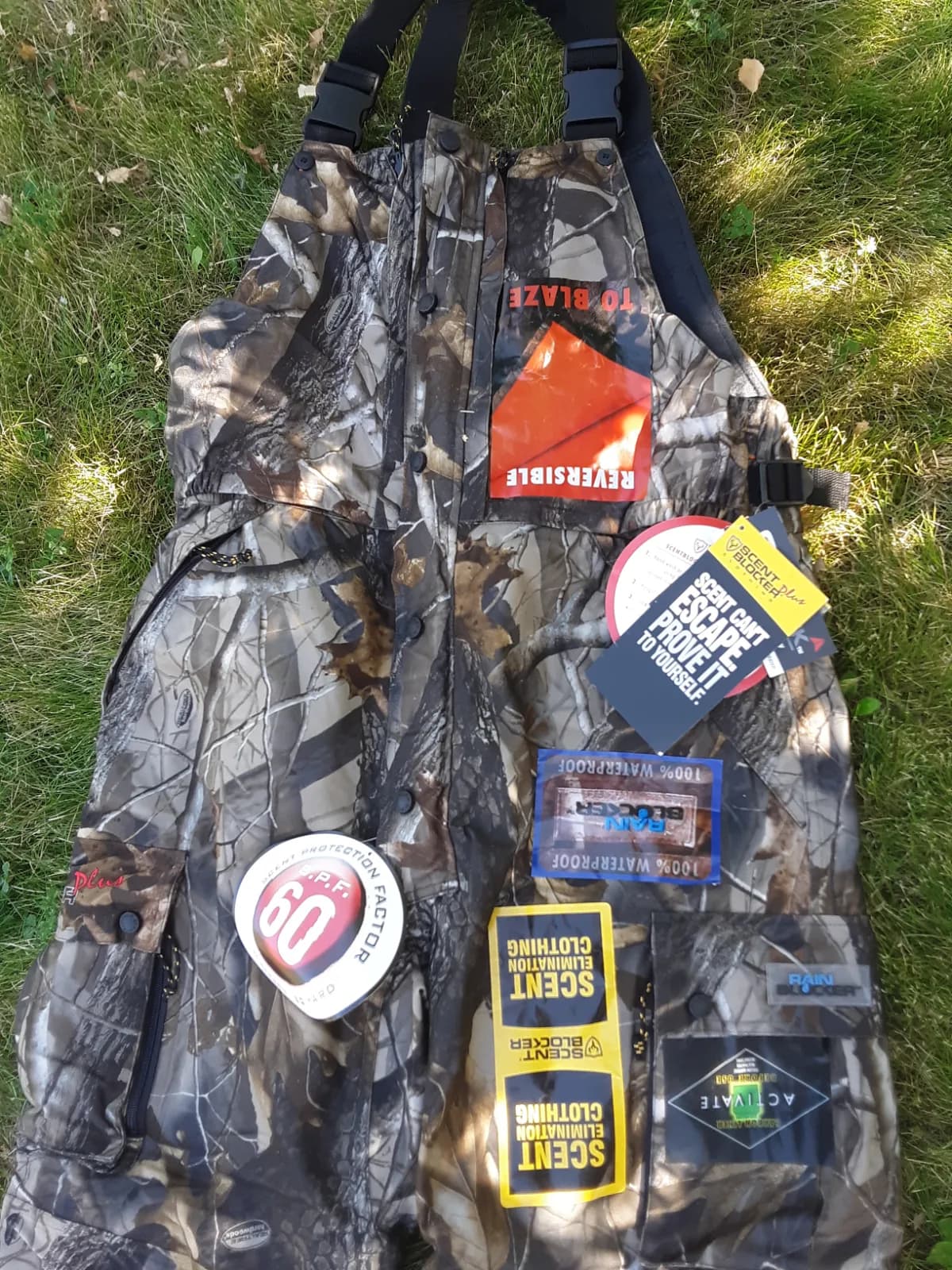
NEW! Scent Blocker Prohunter camo bib in Men's large
$119.00
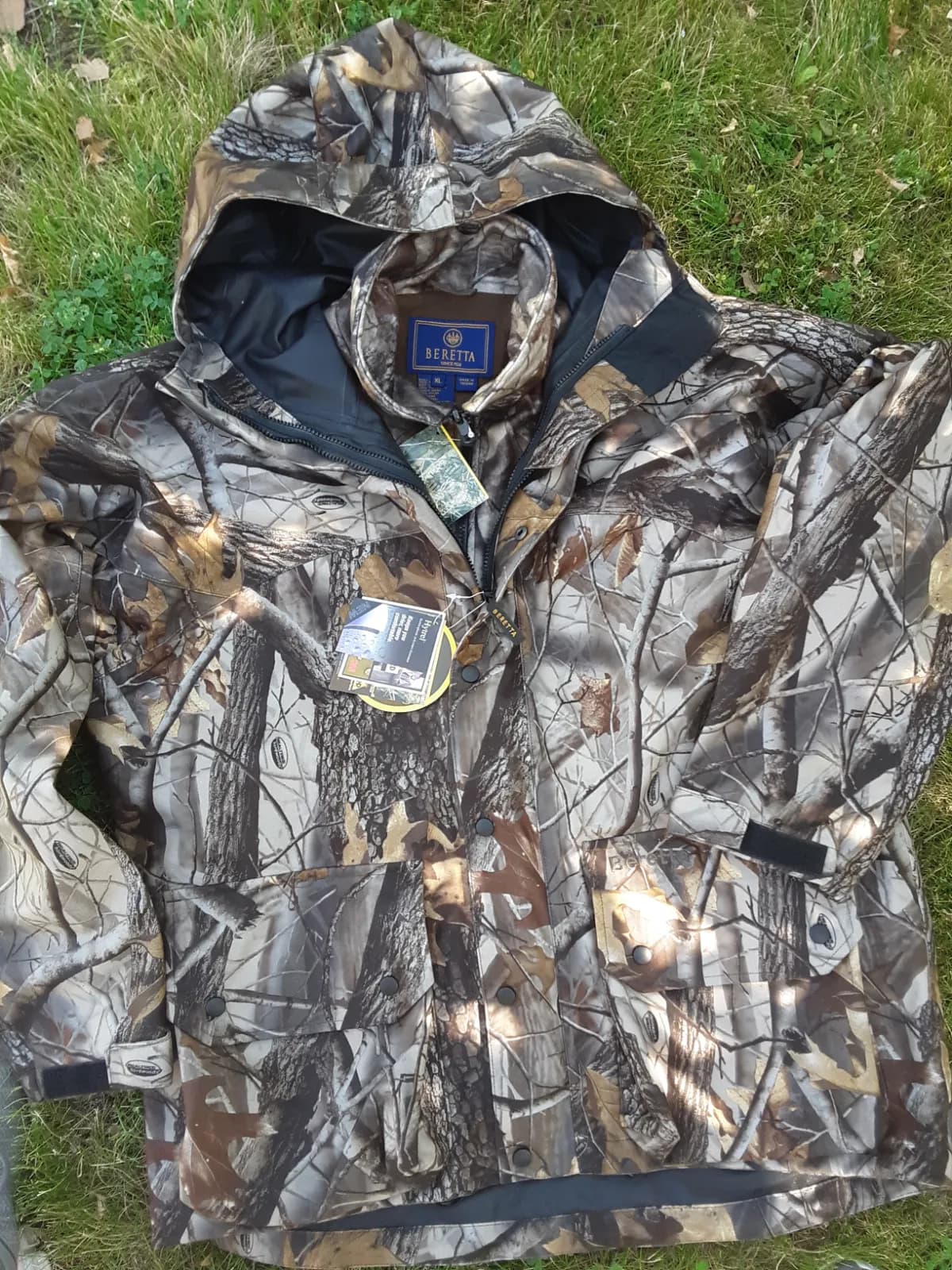
NEW Beretta heavy-weight rain coat with separate fleece jacket, men's XL
$225.00
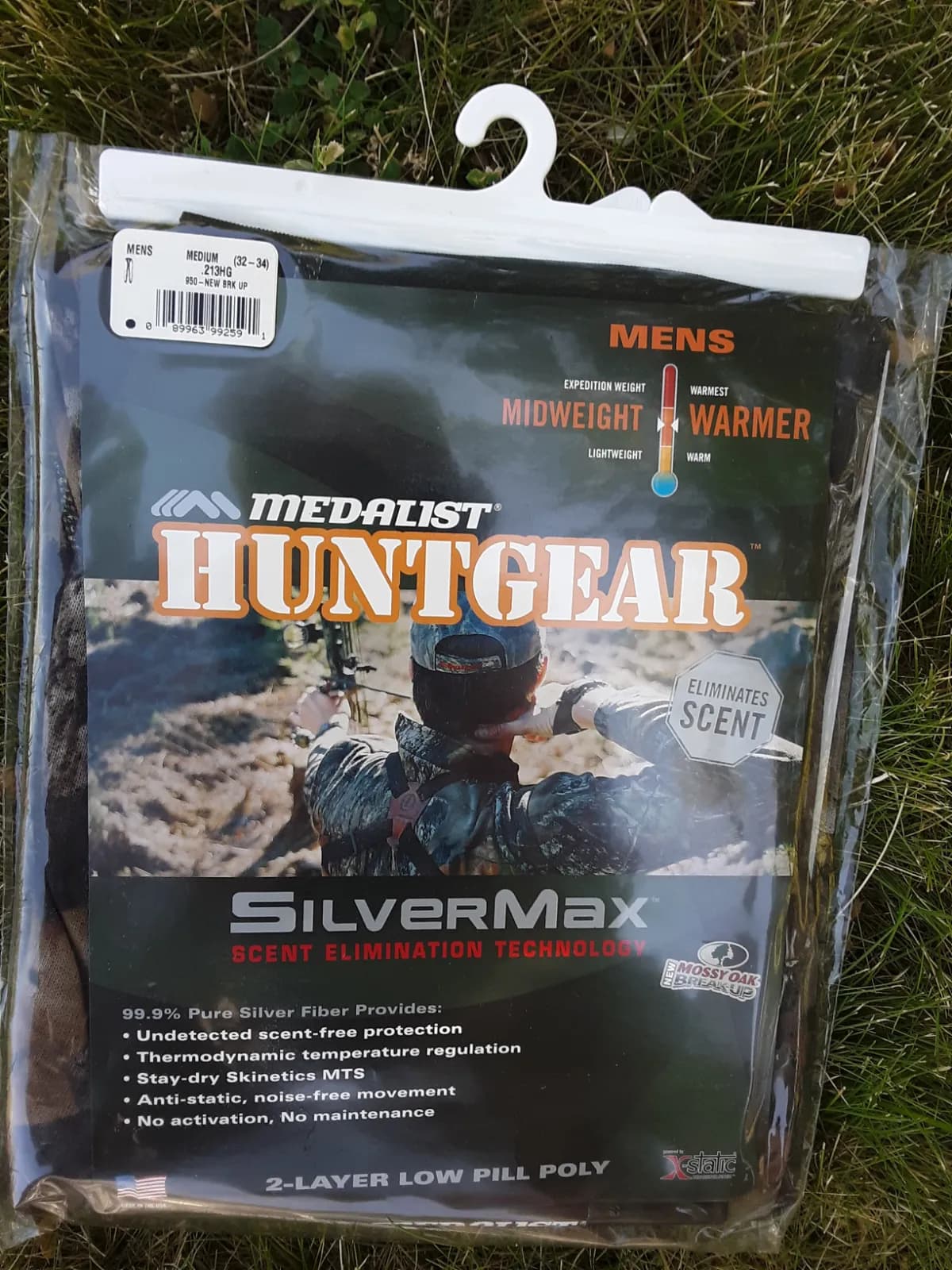
NEW Medalist Huntgear, level 1 warmer bottoms, men's medium
$20.0033% off