
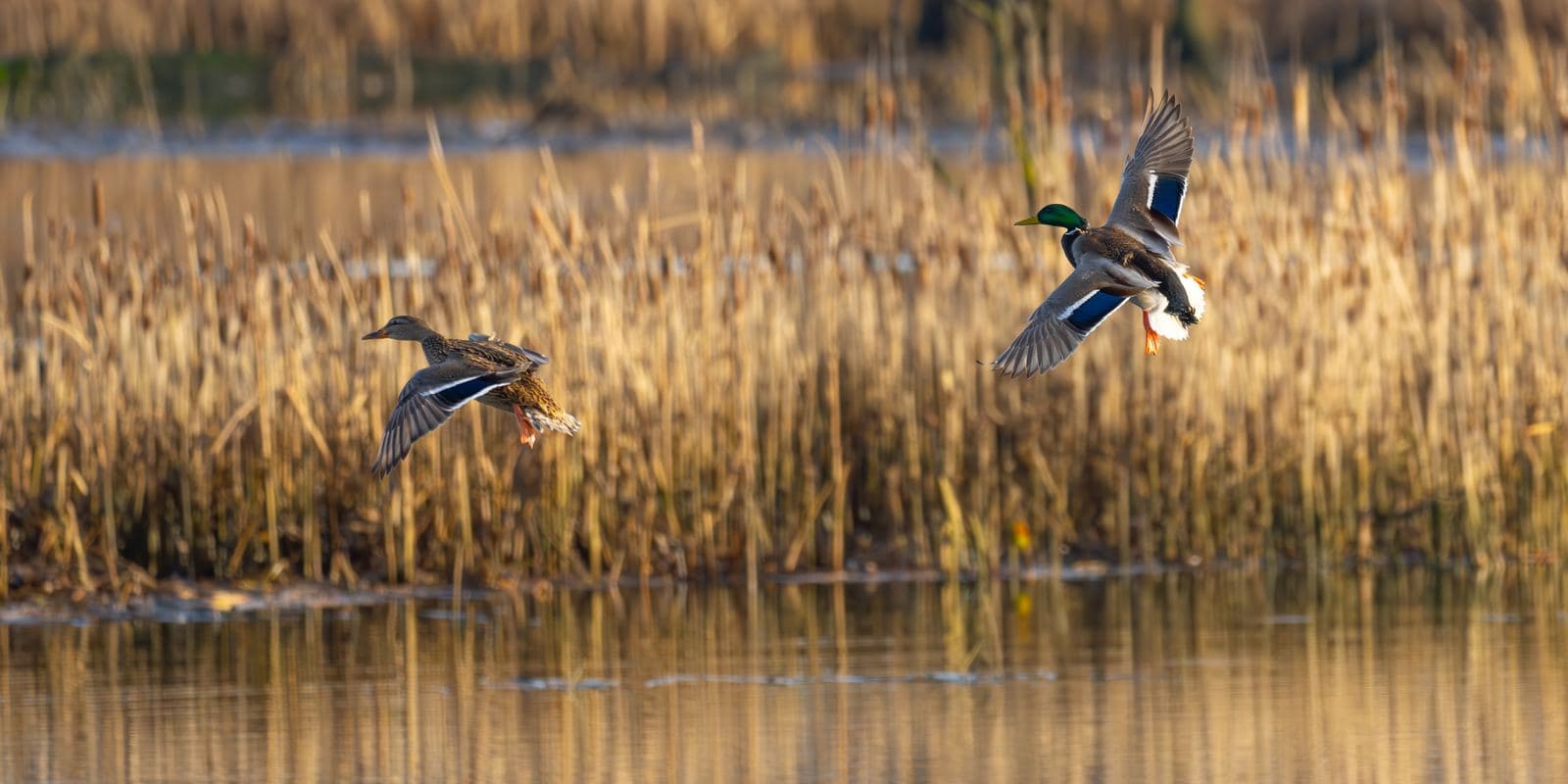
219,428 Comments in 14 Days: Duck Hunters Just Refused to Let the Duck Factory Drain Quietly
A 14-day summer comment window on a technical drainage rule was supposed to slide by unnoticed. It drew one of the largest responses to a Fish and Wildlife information request in memory — and four waterfowl CEOs went straight to the Interior Secretary's desk.
Two weeks ago, we wrote that the review of the Prairie Pothole drain-tile rule was "designed to pass quietly" — a 14-day summer comment window on a technical drainage regulation, the kind of thing that normally slides through while everyone's at the lake.
It did not pass quietly.
By the time the window closed at 11:59 p.m. on August 7, the docket had received 219,428 comments. For scale: technical reviews like this often draw a few dozen submissions. This one drew nearly a quarter million, on two weeks' notice, in the middle of summer, about buried plastic pipe.
If you were one of the hunters who commented after reading our first piece: that number is partly yours. Here's what happened, what it means, and — just as important — what hasn't been decided yet.
The Recap, in 60 Seconds
If you're just joining: the Prairie Pothole Region of the Dakotas, Montana, Minnesota, and Iowa is the "Duck Factory." By the Service's own numbers in this very notice, it produces 50 to 75 percent of the continent's primary duck species, hosts more than 60 percent of the breeding population, and supports an estimated 30,000 jobs and nearly $1 billion in economic activity through waterfowl hunting.
The Service holds permanent wetland easements across the region — protections funded by hunter dollars through the Duck Stamp program since 1958. The 2024 drain-tile setback rule governs how close farm drainage can be placed to those protected wetlands so that "protected" wetlands actually stay wet. On July 24, the Service opened a 14-day request for information on that rule — while the federal regulatory agenda already listed withdrawal as "necessary." Our full breakdown is here: Don't Drain the Duck Factory.
The Timeline of a Two-Week Firestorm
| Date | What happened |
|---|---|
| July 24 | FWS opens a 14-day request for information on the drain-tile setback rule |
| July 28 | FWS issues a correction — the original notice printed the wrong docket number; the real one is FWS-HQ-NWRS-2026-2641 |
| July 30 | CEOs of Ducks Unlimited, Delta Waterfowl, California Waterfowl, and South Carolina Waterfowl send a joint letter to Interior Secretary Doug Burgum, copied to Senate and House leadership |
| Aug 7, 11:59 p.m. | Comment window closes with 219,428 comments submitted |
| Next | No withdrawal published, no proposed rule yet — the decision is pending |
That July 28 correction deserves a moment. For the first four days of a fourteen-day window, the notice pointed commenters at the wrong docket. The Service fixed it — but a third of the comment period ran with a bad address on the envelope, which tells you something about how much attention this review was built to attract.
The comment flood was driven by Ducks Unlimited's "Don't Drain the Duck Factory" campaign, the Sportsmen's Alliance's how-to-comment push, and wall-to-wall coverage across the hunting press. Agencies genuinely tally these records, and a response this size gets briefed far up the chain.
The CEO letter matters more than a press release would. Adam Putnam (DU), Jason Tharpe (Delta), Jake Messerli (California Waterfowl), and David Wielicki (South Carolina Waterfowl), joined by longtime Delta director John Childs, went over the agency's head directly to the Secretary's desk — with congressional leadership on the cc line. Their ask: "maintain the 60 years of precedent" on Prairie Pothole easements. "We have invested hundreds of millions of dollars in these easements," the letter argued. Hunter money, spent on a promise. These organizations almost never escalate jointly like this; it signals they believe the decision is being made above the agency, and they intend to contest it there.
If Burgum's name sounds familiar, it should — he's the same Interior Secretary who announced the grizzly management transfer last month. Two of the summer's biggest wildlife stories now converge on one desk.
The Landowners' Side of This
It's worth being honest about why this review exists at all, because the notice itself lays out a real grievance. Many PPR landowners sold wetland easements decades ago believing the restrictions applied to the mapped easement acres — and only learned later that the Service's setback calculations restrict drainage on land outside those boundaries, without additional compensation. In many cases, setback distances weren't provided at the time of purchase. Farm groups commented in force too, and their core argument — "we agreed to protect the wetland, not to an expanding zone around it" — is the property-rights question the agency is genuinely wrestling with.
The waterfowl groups' response is that setbacks aren't an expansion of the easement; they're what makes the purchased easement function, because tile placed at the boundary line drains the wetland inside it. Both things can be sincerely held. That tension — not villainy — is what the eventual rule has to resolve, and pretending otherwise doesn't help hunters win the argument.
What Has NOT Happened
The celebratory posts skip this part, so let's be precise: no withdrawal has been published, no replacement has been proposed, and nothing has been decided. The only formal signal remains the regulatory-agenda entry calling withdrawal "necessary."
The 14-day window was a request for information, not a rulemaking. If the Service moves to actually withdraw or rewrite the setback rule, it must publish a proposed rule — which triggers a full public comment period, typically 30 to 60 days. In other words: the quiet path is now closed. Whatever happens next happens in daylight, in front of a community that just produced nearly 220,000 comments on two weeks' notice.
That's the real victory of August 7. Not a decision — a floodlight.
What to Watch From Here
1. The Federal Register. A proposed rule would be the next formal step, and that's the round that counts. It will come with a real comment window, not fourteen days in July.
2. The Secretary's response. Whether Burgum answers the CEOs' letter — publicly or through action — will telegraph where Interior stands.
3. Congress. With leadership copied on the letter, appropriations riders and oversight questions are live possibilities.
4. The bigger easement question. Whether "permanent" hunter-funded easements can be functionally weakened by administrative reinterpretation will outlast this rule — every conservation program hunters pay into has a stake in that answer.
We'll cover the proposed rule the day it lands. If you want the heads-up, the newsletter signup at the bottom of this page is the fastest way to get it — one email when the comment window opens, with a link to comment.
The Takeaway
Conservation stories rarely offer a scoreboard. This one does: a review built for silence drew 219,428 comments, four CEOs put their names on one letter to the Secretary, and a decision that could have been finalized quietly in August is now a contested, public, watched process.
And it's not the only water fight on the flyways — while the prairies argue over drainage policy, the Pacific Flyway's most important staging refuge is literally running dry in the Klamath Basin. Different threat, same lesson: the water under the ducks only stays there when waterfowlers make noise about it.
Round two is coming. This time the window won't be 14 days — and after August 7, nobody in that building thinks duck hunters aren't watching.
Sources
- National Wildlife Refuge System; Request for Information on Implementation of Drain Tile Setbacks — Federal Register
- Request for Information on Implementation of Drain Tile Setbacks; Correction — Federal Register
- 'We Have Invested Hundreds of Millions of Dollars in These Easements' — Waterfowl Groups Send Urgent Letter to Secretary Burgum — Outdoor Life
- Hunters Cry Fowl Over Trump Review They Fear Could Hammer Duck Populations — Daily Caller
- Feds Move to Scrap Wetland Rule Protecting America's 'Duck Factory' — GearJunkie
- FWS Drain Tile Setbacks: What You Need to Know and How to Comment — Sportsmen's Alliance
- Don't Drain the Duck Factory — Ducks Unlimited
The hunters who fund conservation are the ones still hunting. Gear up for duck season for less on Second Nature — used waders, jackets, and blind bags from Sitka, KUIU, and First Lite — and put the difference toward the organizations that just proved showing up works.
In the market for gear?
Browse verified secondhand listings at 40–60% below retail — or turn the gear hanging in your closet into cash.
More Articles
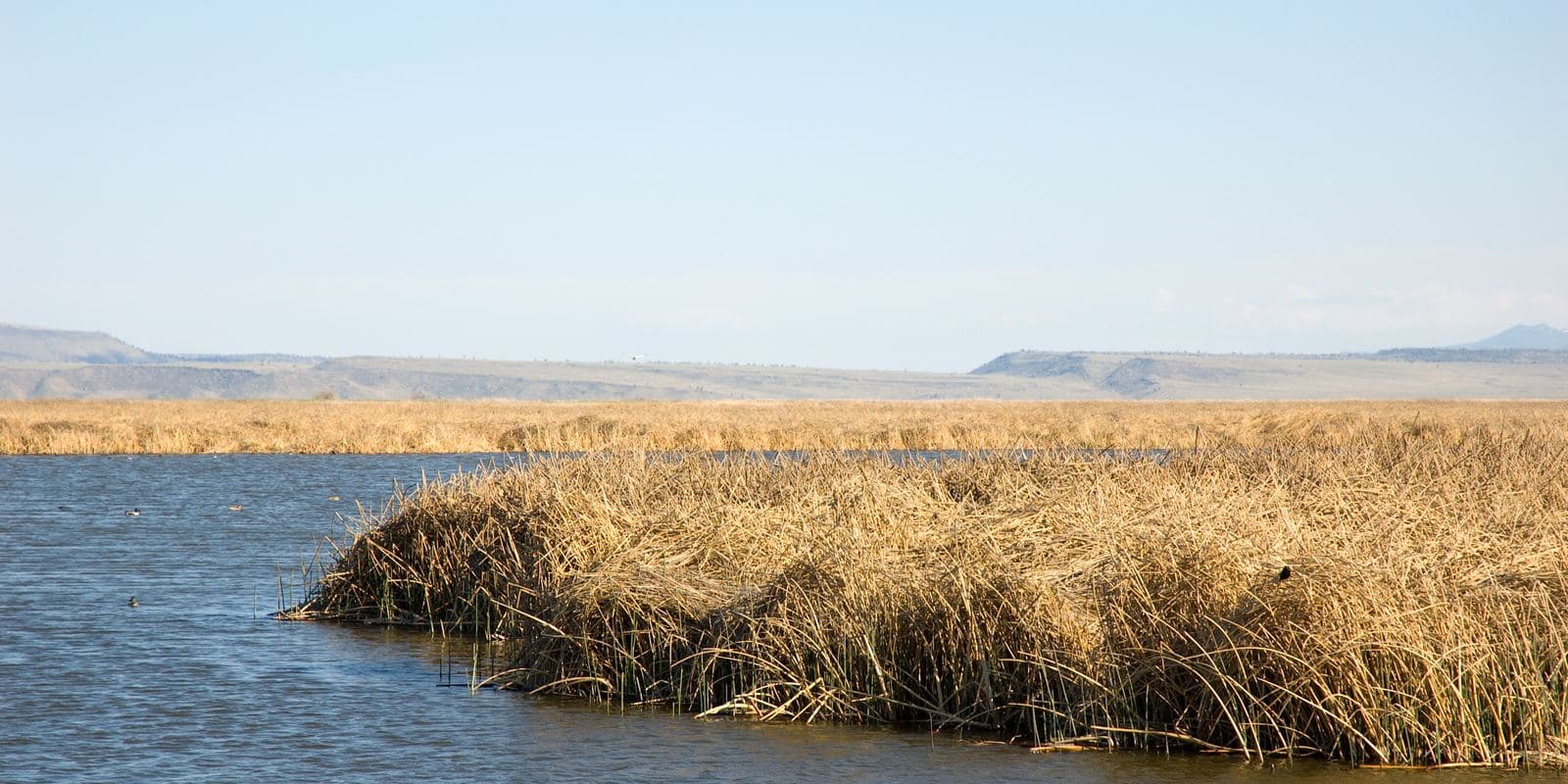
America's First Waterfowl Refuge Is Dying of Thirst: Inside the Klamath Basin Collapse
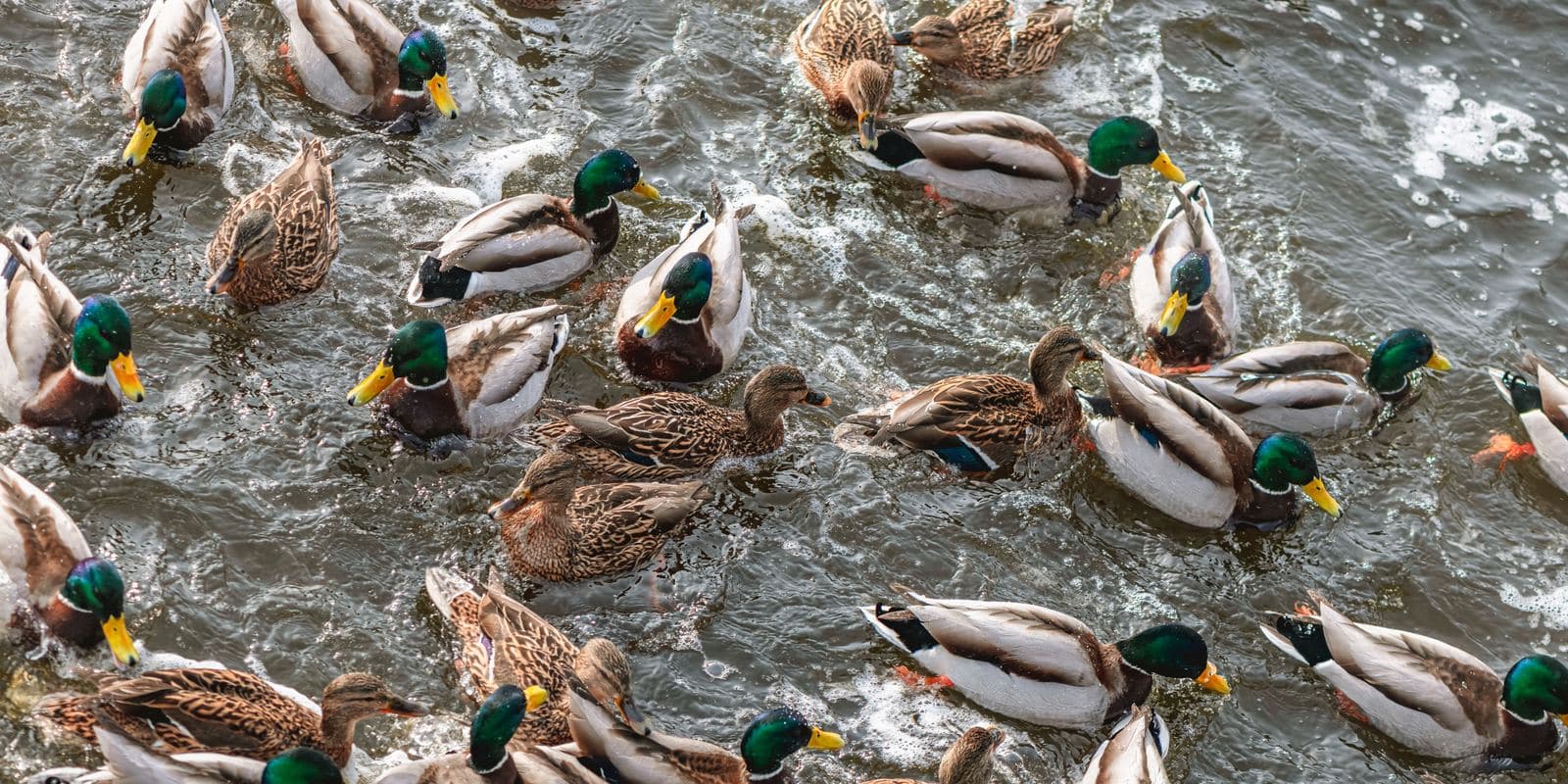
Don't Drain the Duck Factory: The Quiet Rule Change That Threatens Half of America's Ducks

America's Parks and Monuments Are Shrinking: What It Actually Means for Hunters
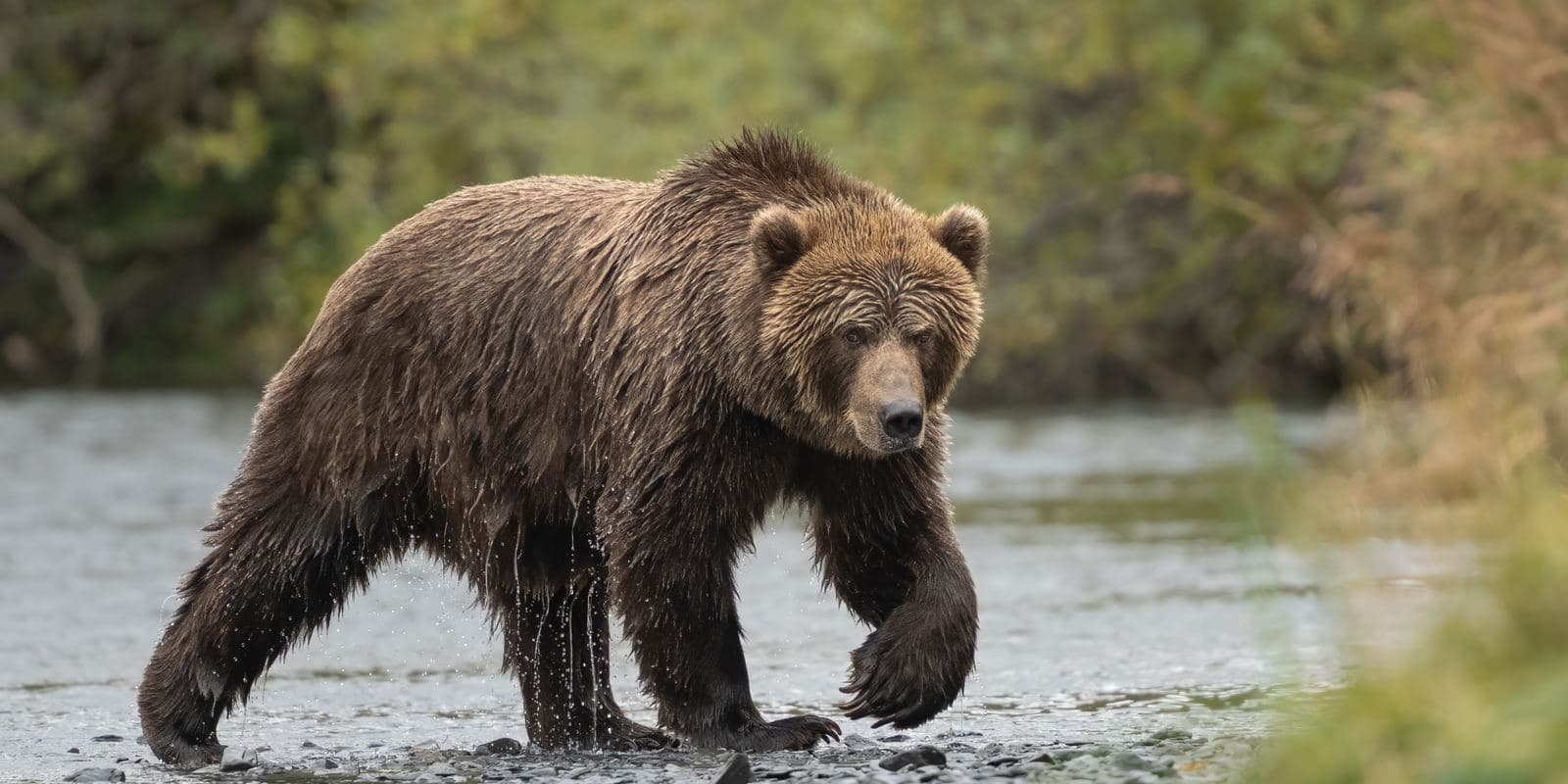
Grizzlies Are Going Back to the States: What the New Rule Actually Means for Hunters
Ready to find your next deal?
Browse hundreds of used hunting gear listings from verified sellers.
The Second Nature Newsletter
The best used hunting gear deals and reads like this one, in your inbox. Free, no spam, unsubscribe anytime.
Fresh on the marketplace
Verified sellers, 40–60% below retail.
Sitka Hudson Bib
$299.0050% off
Sitka Delta Pro Wading Jacket
$374.0025% off
Sitka Hudson Jacket
$599.008% off