
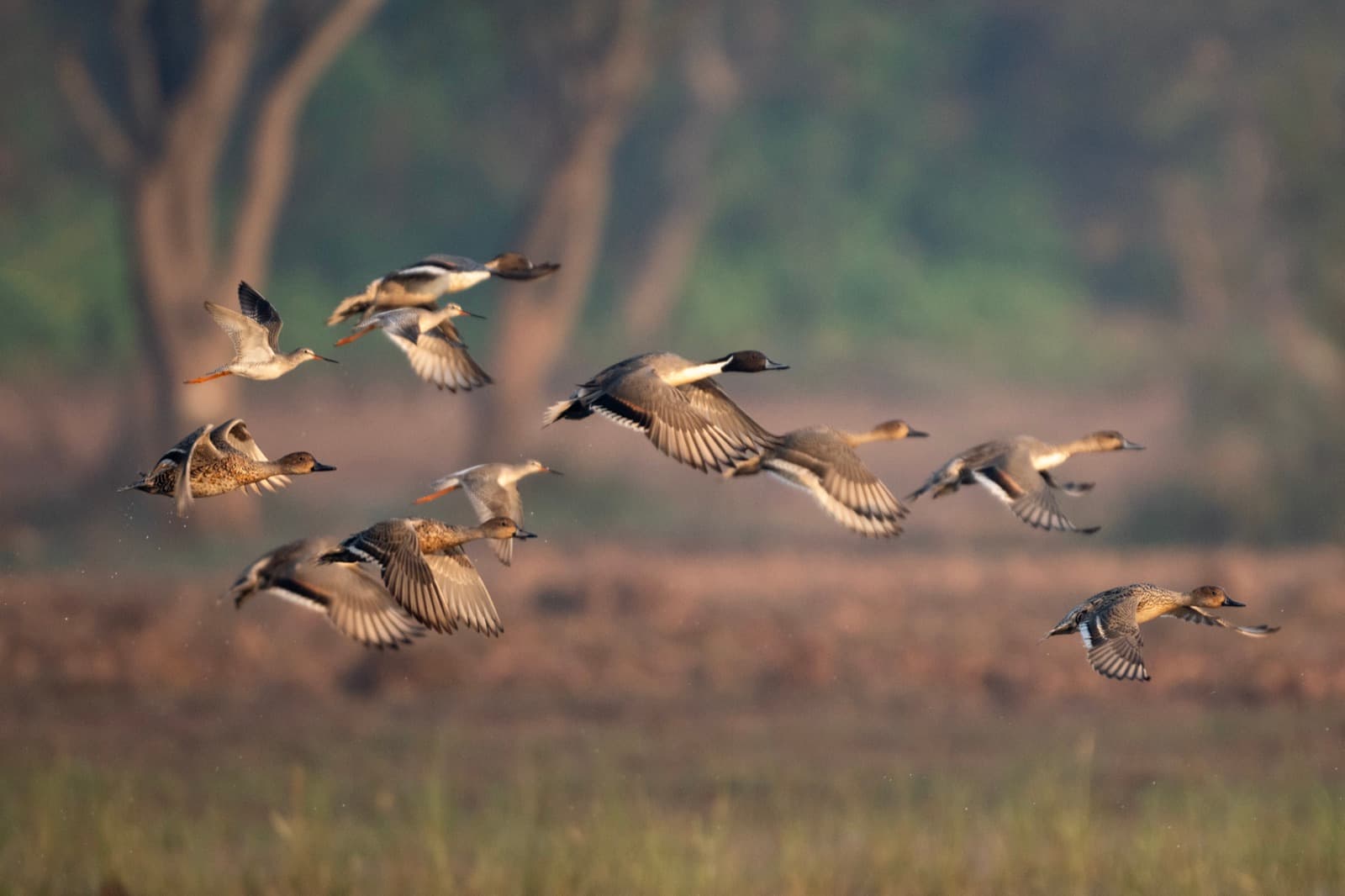
The 2026 Duck Numbers Are In: Flat Counts, a Three-Pintail Limit, and What It Means for Your Season
Flat overall counts, a 20-year low for bluewings, a bright spot for gadwall — and the three-pintail limit hunters have waited years for.
Every June, duck hunters get their first real look at the fall to come. The U.S. Fish and Wildlife Service's Waterfowl Breeding Population and Habitat Survey — the largest and longest-running wildlife survey in the world — sends crews across the prairies and boreal forests of the northern U.S. and Canada to count ducks and grade the water. The 2026 report dropped in late June, and it's a mixed bag: steady overall numbers, a few warning lights, one genuine bright spot, and a bag-limit change pintail hunters have waited years for.
Here's what the numbers say, and what they actually mean when you're standing in the marsh this fall.
The Big Number: 34 Million, Holding Steady
The total breeding duck estimate in the traditional survey area came in at 34 million birds — essentially unchanged from the last count and about 4 percent below the long-term average. After several years of drought-driven declines earlier this decade, "flat" is not a bad word. The bleeding has stopped. But we're also not in a boom, and the species-by-species breakdown matters more than the headline.
Species by Species
Mallards: 6.6 million, 17 percent below the long-term average. The most-hunted duck in North America is stable but still well under its historical norm. If your spread is built around greenheads, expect a season similar to last year — decent flights, but not the mallard numbers your dad remembers. Prairie water conditions during nesting will decide whether this fall's flight carries a good crop of young, decoy-friendly birds.
Pintails: 2.2 million, up 13 percent — and a rule change to match. Here's the headline for a lot of hunters. Pintails remain 41 percent below their long-term average, but the improvement matters because of how the Service now manages them. Under the interim pintail harvest strategy, this year's breeding count is expected to support a three-pintail daily bag limit in all four flyways for the 2026–27 season. For hunters who spent years passing on drake sprigs after shooting their one bird, that's a real change in how a day at the marsh plays out.
Blue-winged teal: 4.32 million, down 4 percent — the lowest count since 2004. This is the number that should raise eyebrows, especially in the South. Bluewings are the backbone of September teal seasons from the Dakotas to the Gulf Coast, and a two-decade low is worth watching. One soft count doesn't set a trend, but if you live for the early teal opener, temper your expectations and pay attention to how the September flights actually materialize.
Gadwall: 2.41 million, up 6 percent and 17 percent above the long-term average. The gray duck keeps quietly winning. Gadwalls are thriving while flashier species struggle, and hunters who've learned to love them — and their excellent table quality — will have plenty to work with again.
The Habitat Wild Card
Numbers only tell half the story; water tells the rest. This spring arrived late across much of the survey area — late enough that crews delayed their flights in many regions to match the survey window to actual nesting timing. Field reports described mixed habitat conditions across North America: decent water in some regions, dry pockets in others.
Why does that matter to you? Because breeding-population counts measure adult ducks, while habitat conditions predict duckling production. A flat adult count paired with mediocre nesting conditions usually means a fall flight with a lower share of juvenile birds — and juveniles are the ducks that finish into decoys without a second thought. Fewer young birds means smarter flocks, and smarter flocks mean your calling, concealment, and spread will matter more than they did in the fat years.
Liberal Seasons Are Coming Anyway
Despite the mixed report card, the companion Adaptive Harvest Management report points toward the Service recommending liberal season frameworks in all four flyways for 2026–27 — full-length seasons and standard six-duck daily limits, plus the improved pintail allowance. The models continue to show that regulated harvest isn't what drives duck populations; water and habitat are. Your state agency will set specific dates and any species restrictions later this summer, so watch for your flyway's final regulations before you build the calendar around a rumor.
What Smart Hunters Do With This Information
Scout harder, call better. With an older, warier age structure likely in the flight, the hunters who do well this fall will be the ones who find birds first and hide well. This is the year to fix the blind that flares birds and re-flock the spread that's gone shiny.
Don't skip teal season — but don't bank on it. A 20-year low doesn't mean no bluewings; it means the difference between a good morning and a bad one will come down to being on the X when the migration pushes through.
Enjoy the pintail change responsibly. A three-bird limit is a chance, not a guarantee — sprig are still far below their long-term average. Take your birds, but this is a good year to favor drakes.
Get your gear squared away now. July and August are when smart waterfowlers rebuild — patching waders, re-rigging decoys, and replacing what wore out last season, while there's still selection and time. It's also when the used market is deepest, since hunters are cleaning out gear closets before the fall rush. If you're building a kit from scratch, start with our complete duck and goose gear list.
The Bottom Line
The 2026 survey says the duck world is holding its ground: no collapse, no boom, one overdue piece of good news for pintail hunters, and one flashing yellow light on bluewings. Liberal frameworks mean the opportunity will be there. Whether your straps look good this fall will come down to the same things it always does — water, weather, and how much work you put in between now and opening day.
Sources
- 2026 Waterfowl Breeding Survey Is Out: What Duck Hunters Need to Know — OutdoorHub
- 2026 Waterfowl Breeding Population and Habitat Survey Field Reports — U.S. Fish & Wildlife Service
- USFWS Annual Breeding Waterfowl Survey Estimates — Delta Waterfowl
- 2026 Duck Survey Field Reports: Mixed Habitat Conditions Across North America — OutdoorHub
- Waterfowl Breeding Population and Habitat Survey — U.S. Fish & Wildlife Service
Waterfowl season will be here before you know it. Browse used waders, jackets, and blind bags from Sitka, First Lite, and more on Second Nature — or list the gear you're not using and put the cash toward shells and gas money.
In the market for gear?
Browse verified secondhand listings at 40–60% below retail — or turn the gear hanging in your closet into cash.
More Articles
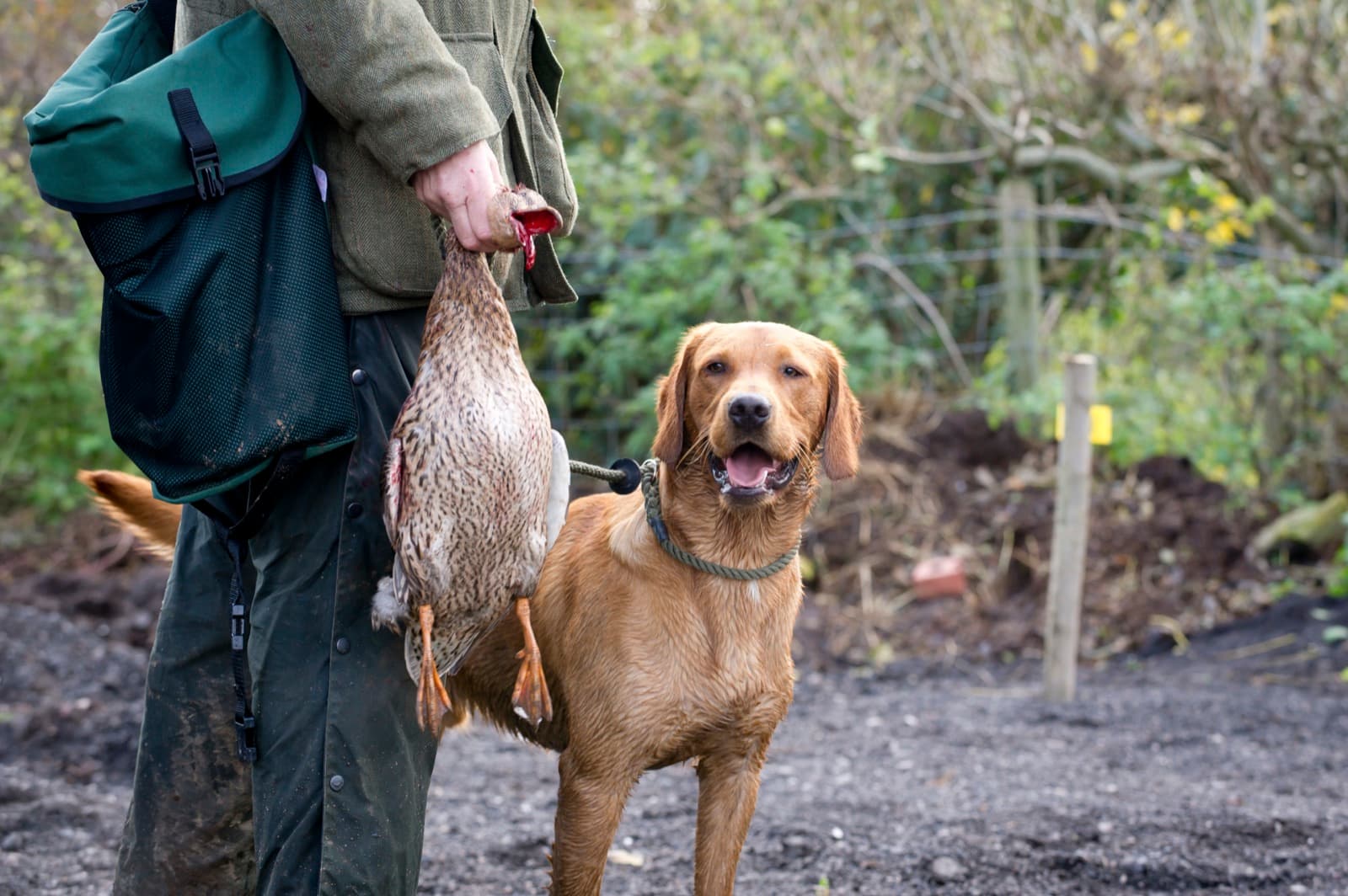
The Field-to-Table Pipeline: How Wild Game Cooking Became Hunting's Best Recruitment Tool
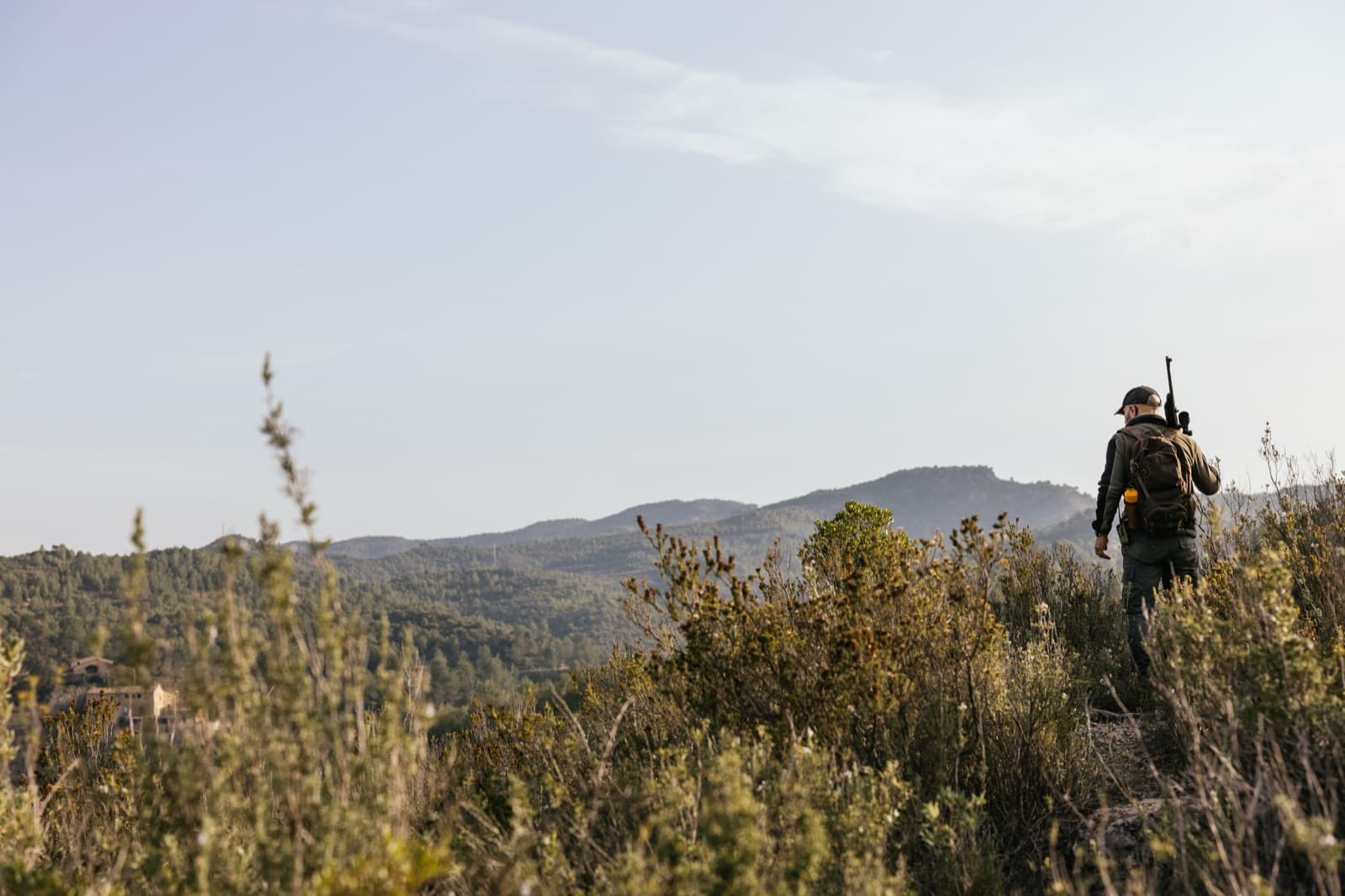
The 8-Week Elk Fitness Plan: Get Mountain-Ready Before the September Opener

Hunting With a Suppressor in 2026: The Tax Stamp Is Free, the Wait Is Days, and the Excuses Are Gone
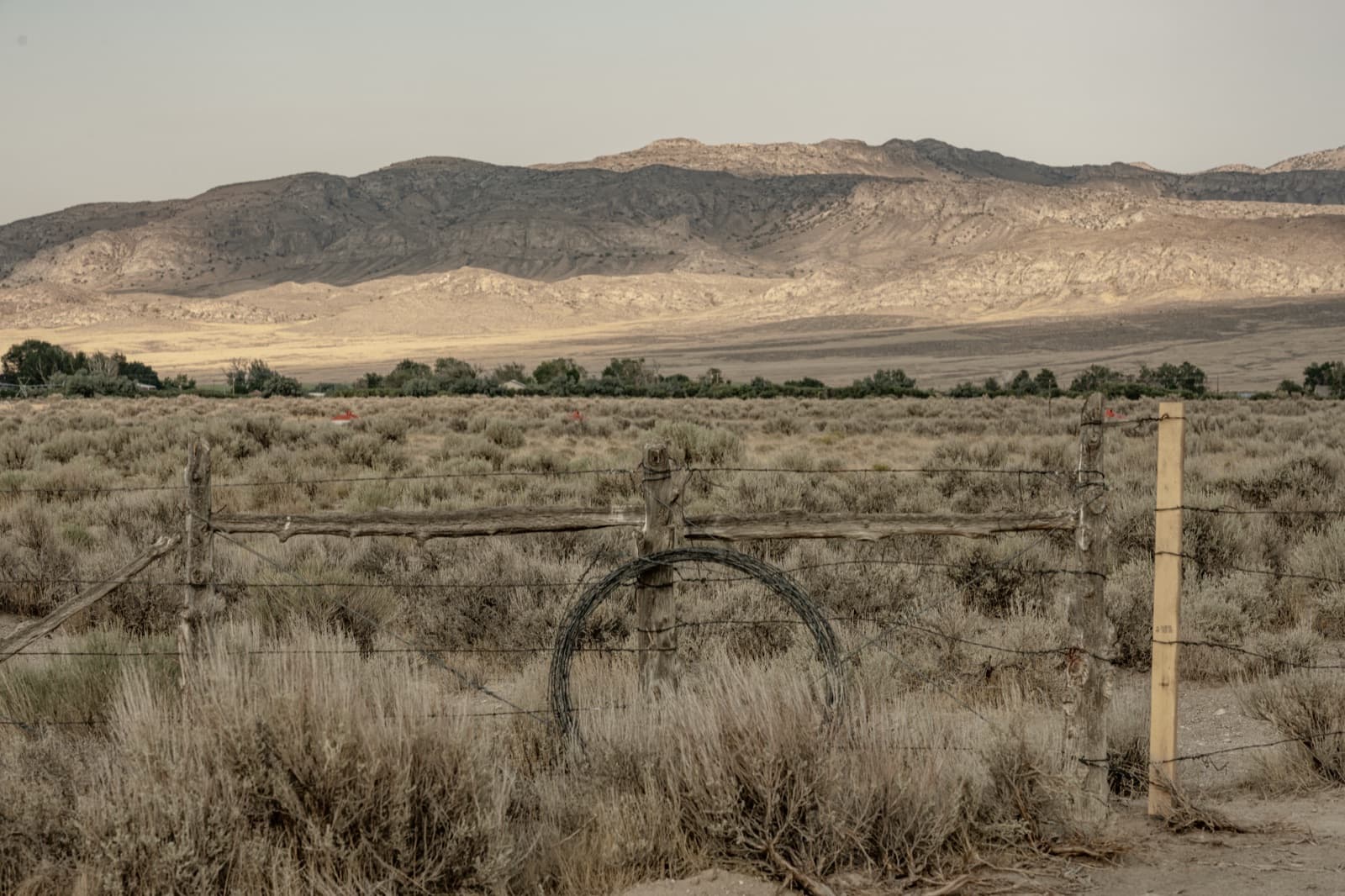
Corner Crossing in 2026: Legal in Six States, a Crime in Montana — Here's Where Things Stand
Ready to find your next deal?
Browse hundreds of used hunting gear listings from verified sellers.
The Second Nature Newsletter
The best used hunting gear deals and reads like this one, in your inbox. Free, no spam, unsubscribe anytime.
Fresh on the marketplace
Verified sellers, 40–60% below retail.
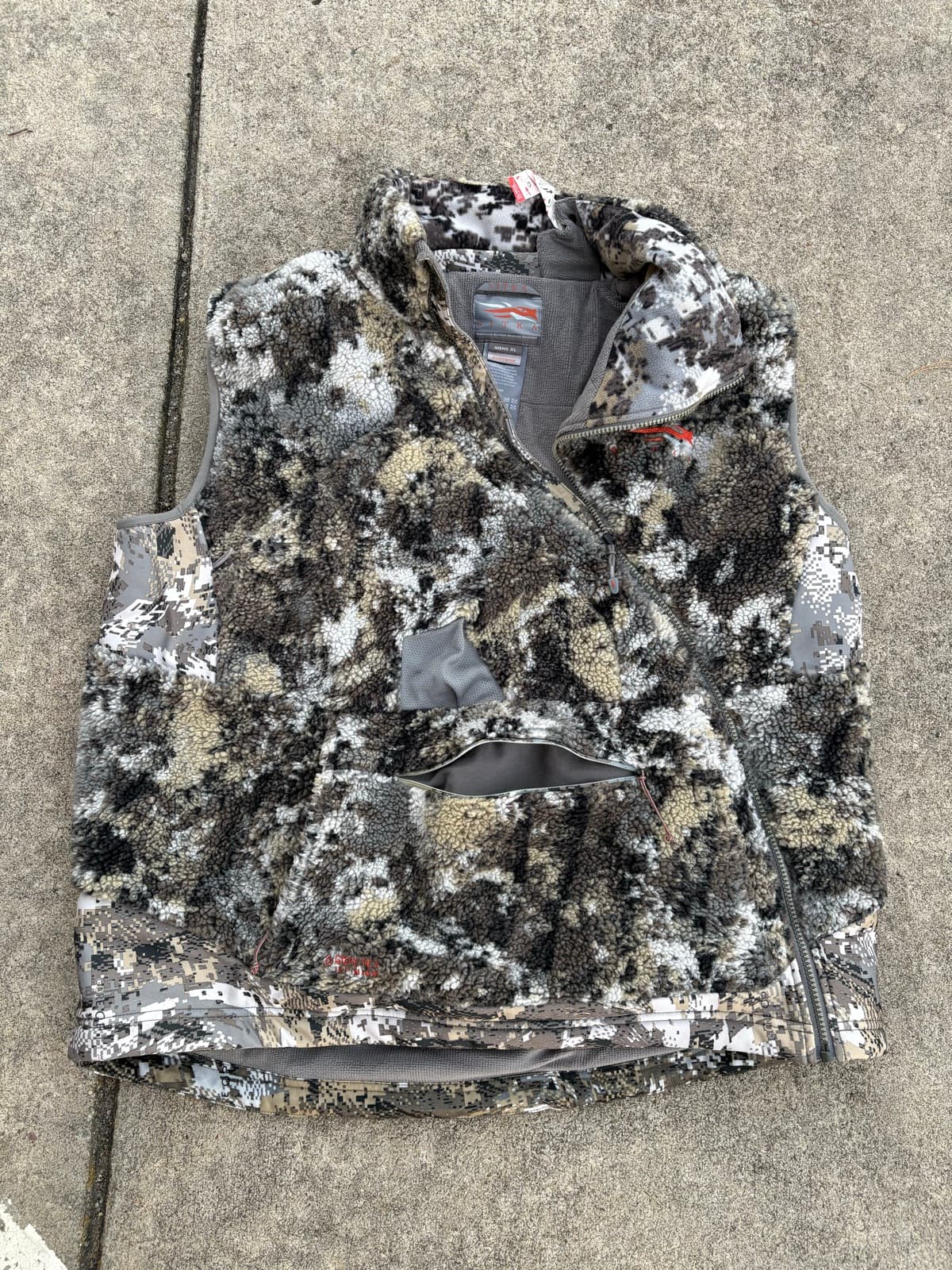
Sitka Fanatic Vest
$230.0020% off
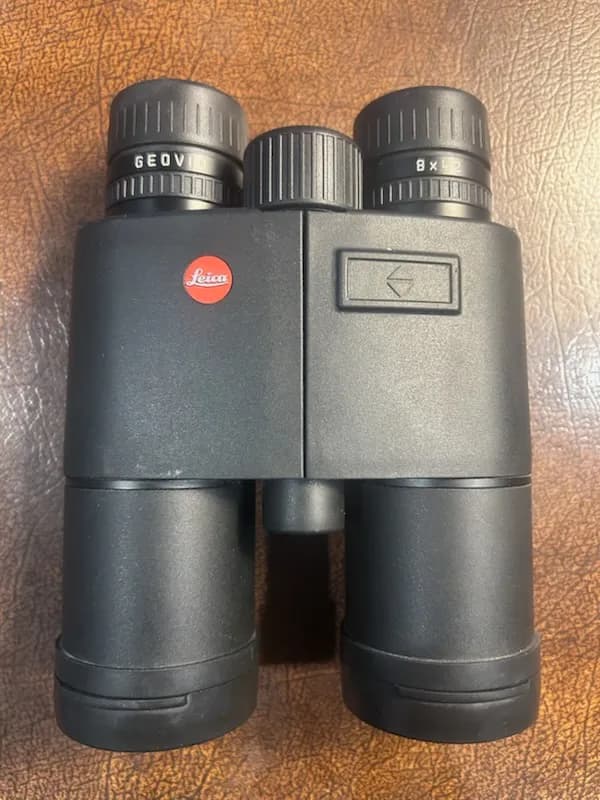
Leica Geovid 8 x 42 Binoculars with Rangefinder
$1,000.0060% off
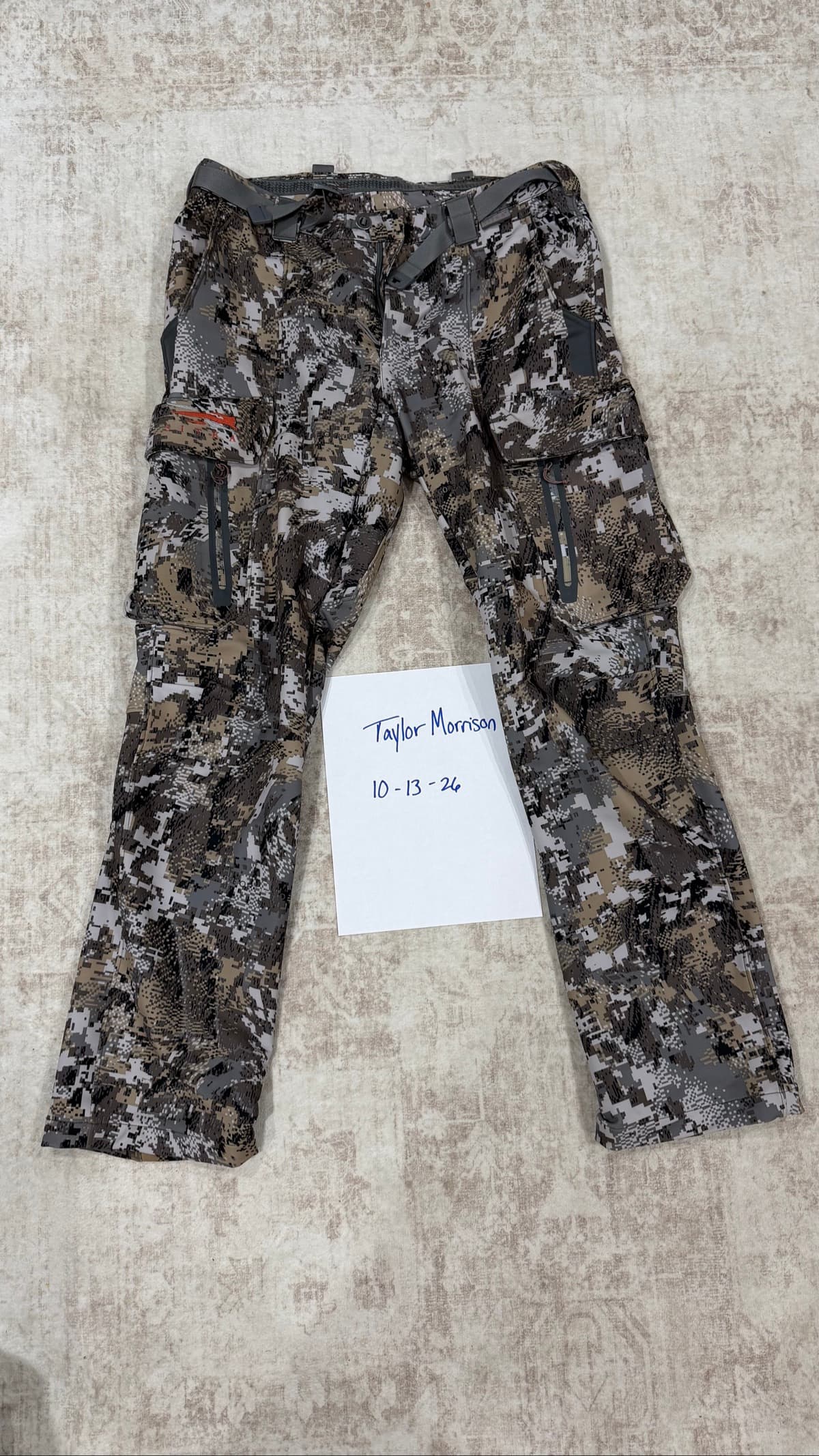
Sitka Equinox Guard Pant
$125.0037% off