
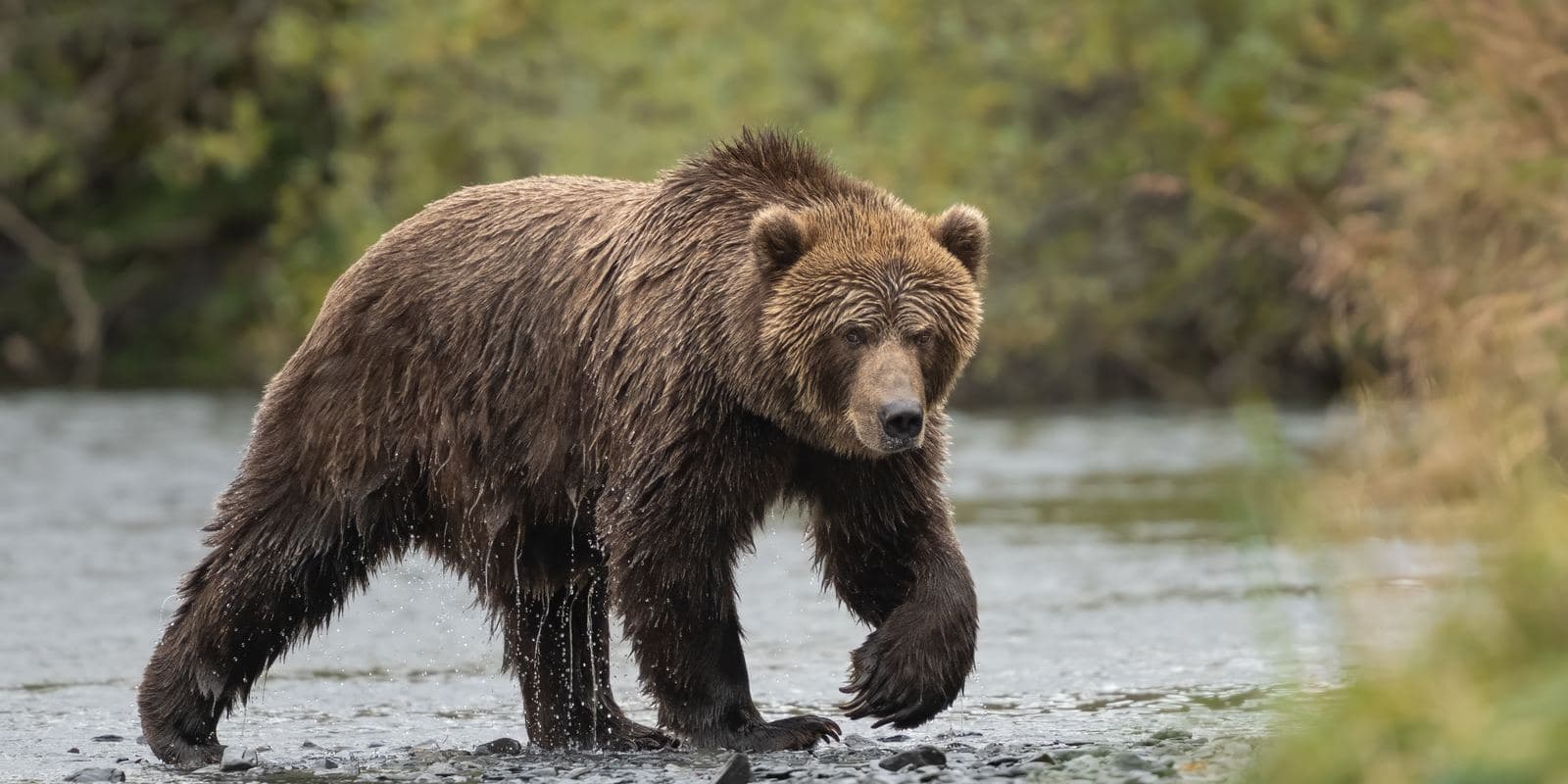
Grizzlies Are Going Back to the States: What the New Rule Actually Means for Hunters
The states get the wheel, the ESA stays in the car, and the decision that actually matters lands December 28. Here's what changed, what didn't, and why it matters even if you'll never draw a grizzly tag.
On July 14, 2026, the Interior Department announced the biggest shift in grizzly bear management in a generation: a proposed rule that would hand day-to-day management of roughly 2,000 grizzlies in Wyoming, Montana, Idaho, and Washington over to the states — while keeping the bears on the federal threatened species list.
"We're moving responsibility back to the states — not delisting, but moving responsibility back to the states because of the great recovery." — Interior Secretary Doug Burgum
If your first question is "does this mean a grizzly hunt?" — the short answer is no, not yet, and not soon. But this announcement matters to every western hunter anyway, and the details are worth understanding before the headlines distort them in both directions. Here's the full picture.
What Changed and What Didn't
| Before the proposal | Under the proposal | |
|---|---|---|
| ESA status | Threatened | Still threatened — no change |
| Who manages bears day-to-day | U.S. Fish & Wildlife Service | The states (WY, MT, ID, WA) |
| Hunting seasons | Not allowed | Still not allowed |
| Conflict bear decisions | Federal process | State wildlife agencies |
| Delisting question | Unresolved | Still pending — court deadline Dec. 28, 2026 |
The key point: this is a management transfer, not a delisting. The bears keep their federal protections. What changes is who runs the program — the same state agencies that already manage elk, deer, wolves, and mountain lions would handle grizzlies too.
How We Got Here
The grizzly story has been stuck in a legal loop for years. Populations in the Greater Yellowstone Ecosystem — where about half of these 2,000 bears live — and the Northern Continental Divide have met their recovery targets by most biological measures, which is why Wyoming, Montana, and Idaho have pressed for delisting for a decade. Two previous delisting attempts were reversed in court.
More recently: in early 2025, the Fish and Wildlife Service proposed rejecting delisting and combining the four-state population into a single distinct population segment. Then a court settlement forced a final delisting decision — a deadline that was pushed in February to December 28, 2026. April brought a flurry of Endangered Species Act activity around the bears, and in July came this announcement: states get the wheel, but the ESA stays in the car.
Read cynically, it's a compromise that lets everyone claim progress while the delisting question stays unanswered. Read generously, it's a genuine test run: states get to prove they can manage grizzlies responsibly before the bigger decision lands.
So Will There Be a Grizzly Hunt?
Not in the near term, and hunters should be clear-eyed about this rather than getting spun up by either side's fundraising emails:
The proposal itself doesn't allow hunting. Threatened status still prohibits it.
Even full delisting wouldn't mean an instant season. Montana has a five-year moratorium on grizzly hunts after any delisting, and Governor Gianforte confirmed the new rule permits no hunt.
Wyoming and Idaho would move faster post-delisting. Both drafted hunt frameworks after the 2017 delisting before courts reversed it — but that only becomes live if the December decision goes that way and survives the inevitable litigation. Nobody should pencil in a grizzly tag this decade with confidence.
The realistic near-term change isn't hunting — it's how conflict bears, relocations, and management removals get handled, with state agencies making those calls faster and closer to the ground.
Why This Matters Even If You'll Never Hunt a Grizzly
If you hunt elk or deer in the Northern Rockies, you hunt in grizzly country. Bear density shapes where and how you hunt — how you handle a carcass overnight, whether you pack out in the dark, what's on your hip or in your holster. Expanding grizzly populations have pushed into country that hasn't held bears in a century, and management decisions about where bears are tolerated will shape western hunting for decades.
It's the biggest test case for the ESA's endgame. The Endangered Species Act is excellent at protecting species and historically terrible at graduating them. Grizzlies are the highest-profile example of a recovered-by-the-numbers species that stays listed anyway. How this resolves — state management, delisting, or another decade of litigation — sets the template for wolves, and for every future recovery fight hunters have a stake in.
Hunter dollars are on the line. State management means state budgets. License-buying hunters fund the agencies that would take over grizzly work — conflict response, monitoring, compensation programs. That's an argument for hunters having a real seat at the table, and it's one the hunting community should make out loud. (If you've never seen the math on that, our breakdown of who actually pays for conservation is worth ten minutes.)
What Happens Next
1. The public comment period on the proposed management-transfer rule — expect record-volume comments from both directions. If you have a stake, comment; agencies do read the tallies.
2. December 28, 2026 — the court-ordered deadline for the actual delisting decision. The management transfer may preview the answer, or may be the consolation prize instead of one.
3. The lawsuits — whichever way December goes, litigation follows. Both previous delistings died in court; any third attempt will be built specifically to survive there.
The Bottom Line
July's announcement is neither the delisting hunters have waited for nor the meaningless shuffle critics claim. It's the federal government conceding, for the first time in this form, that the states are ready to manage recovered grizzly populations — while keeping the safety net in place. The real decision still lands December 28. Between now and then, expect noise; after it, expect lawyers.
We'll break down the December decision when it comes. In the meantime, if you're hunting grizzly country this fall: carry your spray, hang your meat, and hunt like the bears are already managing you.
Sources
- Feds transfer grizzly bear management to states — Montana Free Press
- Feds move to return threatened grizzly bear management to the states — Wyoming Public Media
- Grizzly bear delisting decision pushed to December — Montana Public Radio
- Feds pushing grizzly rules to December could be step toward delisting — Cowboy State Daily
- USFWS proposed rule rejects delisting, establishes single DPS — Columbia Basin Bulletin
- Feds push state management for threatened grizzly bear — WyoFile
Hunting the Northern Rockies this season? Gear up for less — browse used packs, layers, and optics accessories from Sitka, KUIU, and First Lite on Second Nature, and put the savings toward fuel and bear spray.
In the market for gear?
Browse verified secondhand listings at 40–60% below retail — or turn the gear hanging in your closet into cash.
More Articles
America's Parks and Monuments Are Shrinking: What It Actually Means for Hunters
The Field-to-Table Pipeline: How Wild Game Cooking Became Hunting's Best Recruitment Tool

The 2026 Duck Numbers Are In: Flat Counts, a Three-Pintail Limit, and What It Means for Your Season
The 8-Week Elk Fitness Plan: Get Mountain-Ready Before the September Opener
Ready to find your next deal?
Browse hundreds of used hunting gear listings from verified sellers.
The Second Nature Newsletter
The best used hunting gear deals and reads like this one, in your inbox. Free, no spam, unsubscribe anytime.
Fresh on the marketplace
Verified sellers, 40–60% below retail.
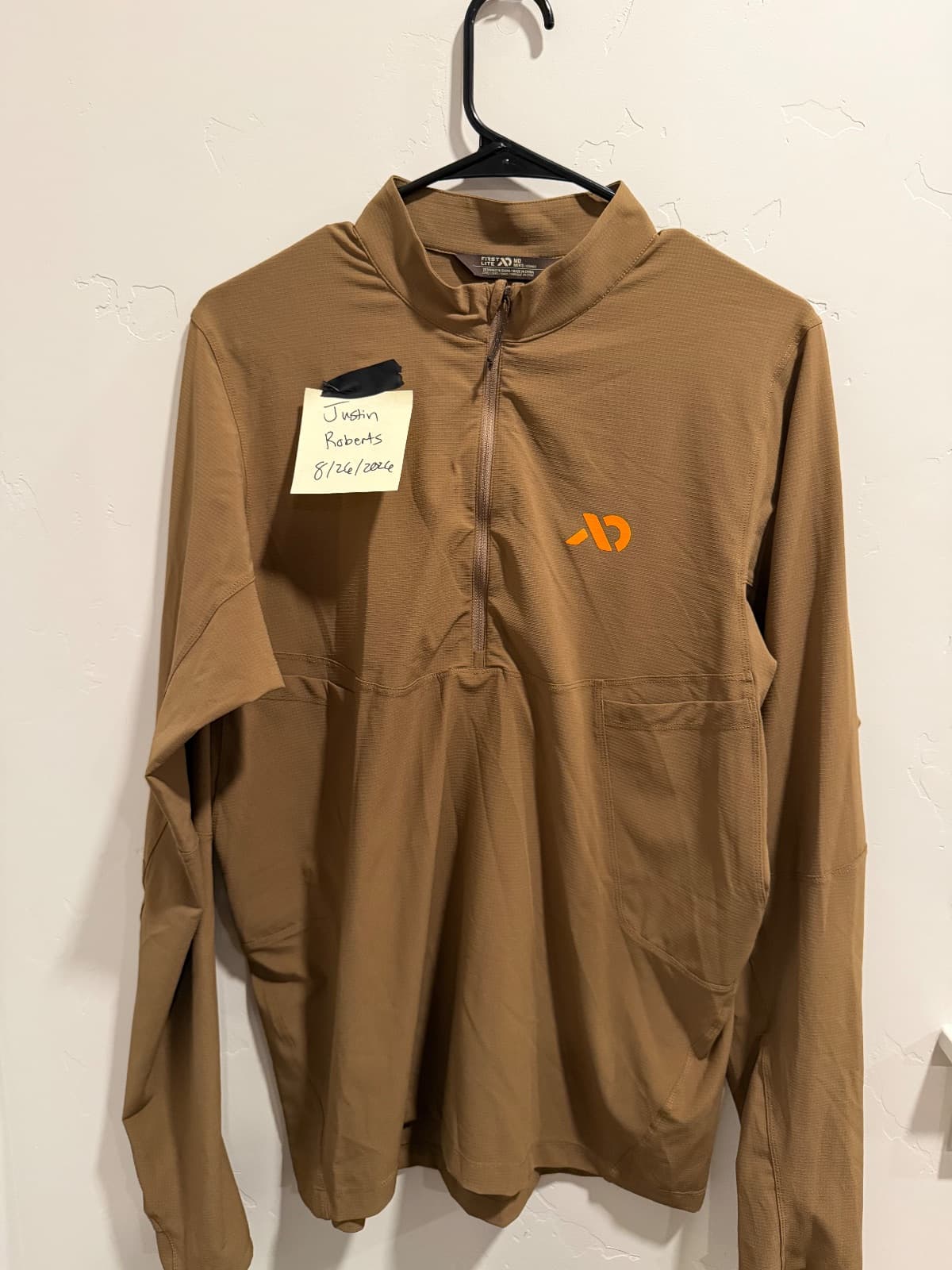
First Lite Trace Quarter Zip
$70.0030% off
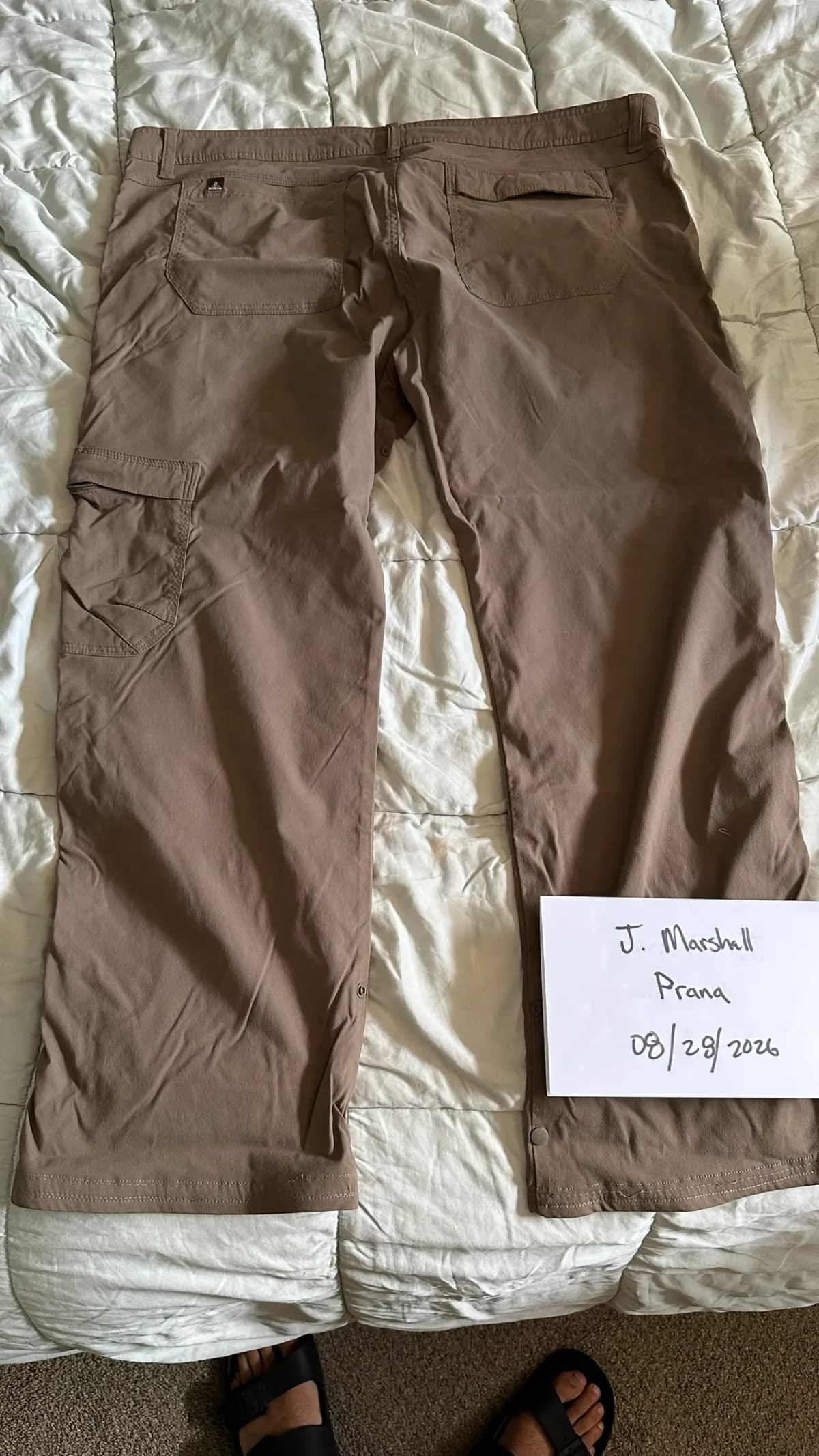
Prana Stretch Zion - Hemmed to 42x30
$55.00
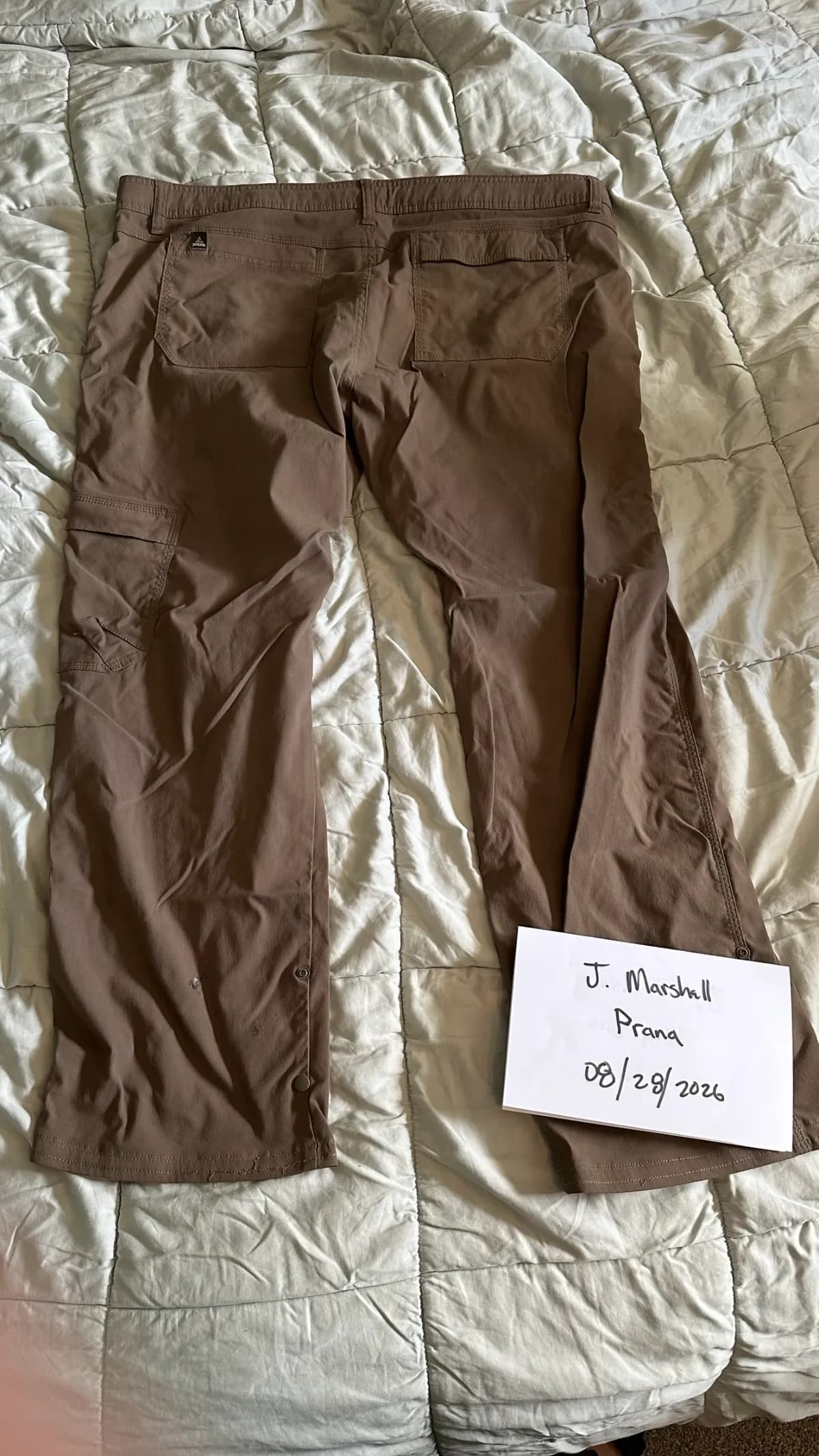
Prana Stretch Zion Hemmed to 42x30
$55.00