

The Complete Whitetail Deer Hunting Gear List: What You Actually Need
Whitetail deer hunting is defined by patience. Whether you’re sitting 20 feet up in a treestand at dawn or tucked inside a ground blind on the edge of a food plot, the majority of your hunt is spent waiting. That sounds simple until you’re three hours into a November sit, the wind is cutting through your jacket, and you can’t feel your toes.
Your gear has one job: keep you warm, quiet, and concealed long enough for a mature buck to walk within range. Every piece of equipment you carry should serve that purpose. Here’s what belongs on your whitetail gear list and what you can skip.
Insulated Outer Layer
This is the most important purchase for any treestand or ground blind hunter. When you’re sitting still in 20-degree weather, you need serious insulation. Mid-tier options like Under Armour’s Brow Tine jacket get the job done for around $200. Premium options like Sitka’s Fanatic Hoody ($299) or First Lite’s Sanctuary jacket ($365) use quieter fabrics and better insulation-to-weight ratios. The Fanatic line in particular was designed specifically for treestand hunters who need dead silence when they draw a bow.
On the used market, a Sitka Fanatic Hoody in Like New condition typically sells for $180 to $220. That’s top-tier treestand insulation at mid-tier pricing.
Base Layers
Merino wool is the standard for whitetail base layers, and for good reason. It regulates temperature, manages moisture, and controls odor naturally. That last point matters more for whitetail than any other species. A deer’s nose is its primary defense system, and synthetic base layers develop a permanent funk after a few wears that no amount of scent-control spray can fully mask.
Sitka’s Heavyweight Hoody ($199 retail) and Core Midweight Zip-T ($149) are popular choices. First Lite’s Chama QZ ($125) and KUIU’s Ultra Merino 210 ($119) offer similar performance. Used merino base layers sell for 40 to 60 percent off retail, and because merino resists odor buildup, buying secondhand doesn’t mean inheriting someone else’s smell.
Insulated Pants or Bibs
Bibs are the preferred choice for treestand hunters. They eliminate the cold gap between your jacket and waistband that regular pants create, and the chest coverage adds another layer of core insulation. Sitka’s Fanatic Bib ($329) and Stratus Bib ($379) are the benchmarks. Drake’s Non-Typical Silencer line offers a budget-friendly alternative at around $200.
Used bibs are one of the best deals in the secondhand market because hunters upgrade frequently. Expect to pay $100 to $200 for premium bibs that retail for $250 to $400.
Boots
Cold feet end hunts early. For sitting, you need heavily insulated boots with at least 800 grams of Thinsulate, and 1200 to 1600 grams for late-season sits. Rubber boots like the Lacrosse Alphaburly Pro ($180 to $250) have the added benefit of containing your scent, since rubber doesn’t absorb and release odor the way leather does.
Irish Setter’s Elk Tracker 1000G ($250) and Danner’s Pronghorn 800G ($250) are solid leather options. Used hunting boots in good condition sell for $80 to $160. Check the insoles and tread depth before buying.
The Quiet Factor
Here’s what separates whitetail gear from everything else: noise discipline. A whitetail buck at 30 yards will hear your jacket rustling when you raise your bow. He’ll hear a zipper pull. He’ll hear Velcro. Every piece of gear you wear needs to be tested for sound.
This is why brands like Sitka use micro-fleece face fabrics on their Fanatic and Stratus lines. The fleece deadens sound. Budget camo from big-box stores often uses nylon shells that crinkle with every movement. You can save money on a lot of whitetail gear, but not on noise. If it makes sound, don’t wear it in a stand.
Accessories That Matter
Hand warmers and muffs: Sitka’s Jetstream Insulated Muff ($129) keeps your hands warm and your bow grip ready. Disposable hand warmers work in a pinch. Cold fingers miss shots.
Face mask and gloves: Your face and hands are the most visible parts of your body. A quality face mask ($20 to $40) and thin, dexterous gloves ($30 to $60) are cheap insurance against getting busted by a deer’s eyes.
Rangefinder: Know your distances before the moment of truth. Vortex Impact 1000 ($200) or Leupold RX-1400i ($280) handle whitetail distances easily. Used rangefinders sell for 30 to 50 percent off.
What You Can Skip
You don’t need a $500 backpack for whitetail hunting. A basic daypack or even a five-gallon bucket works for getting gear to your stand. You don’t need a spotting scope at typical whitetail distances. You don’t need rain gear rated for mountain conditions. And you don’t need the latest camo pattern to kill a deer. Last year’s Optifade works exactly as well as this year’s.
Build the Setup for Less
A full whitetail treestand setup at retail runs $800 to $1,500 depending on how premium you go. On the used market, the same caliber of gear runs $400 to $800. Platforms like Second Nature USA let you filter specifically for whitetail-relevant gear by brand, size, and condition, so you’re not wading through elk packs and waders to find what you need.
A warm, quiet, scent-controlled hunter who sits long enough will eventually get his shot. Your gear’s job is to keep you in the stand until that moment comes.
In the market for gear?
Browse verified secondhand listings at 40–60% below retail — or turn the gear hanging in your closet into cash.
More Articles

The Complete Duck and Goose Hunting Gear List: What You Actually Need
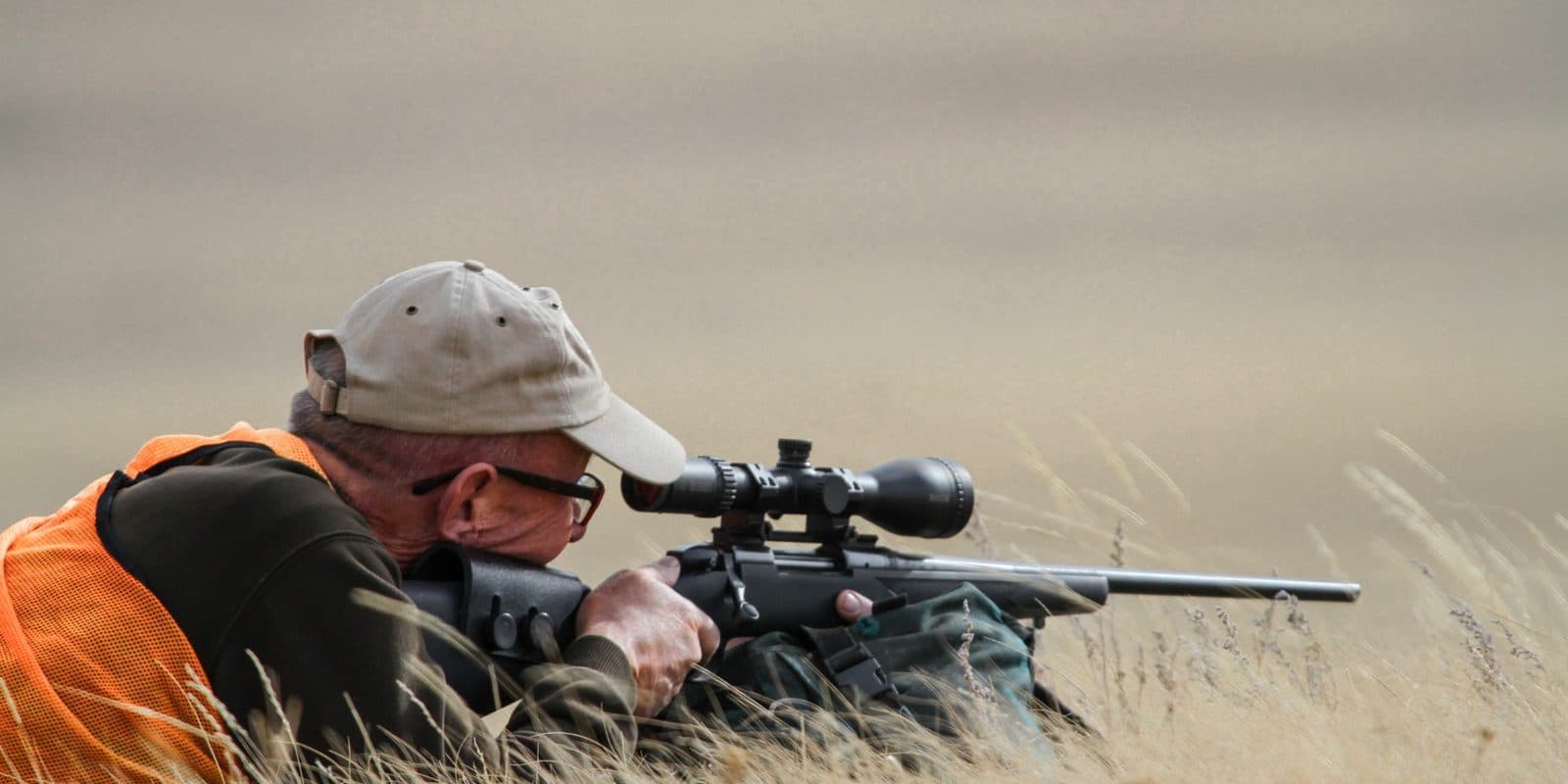
The 2026 Rifle Opener Guide: When Gun Seasons Start and How to Hunt the Most Pressured Day of the Year
The 2026 Gift Guide for Hunters: What They Actually Want, by Budget
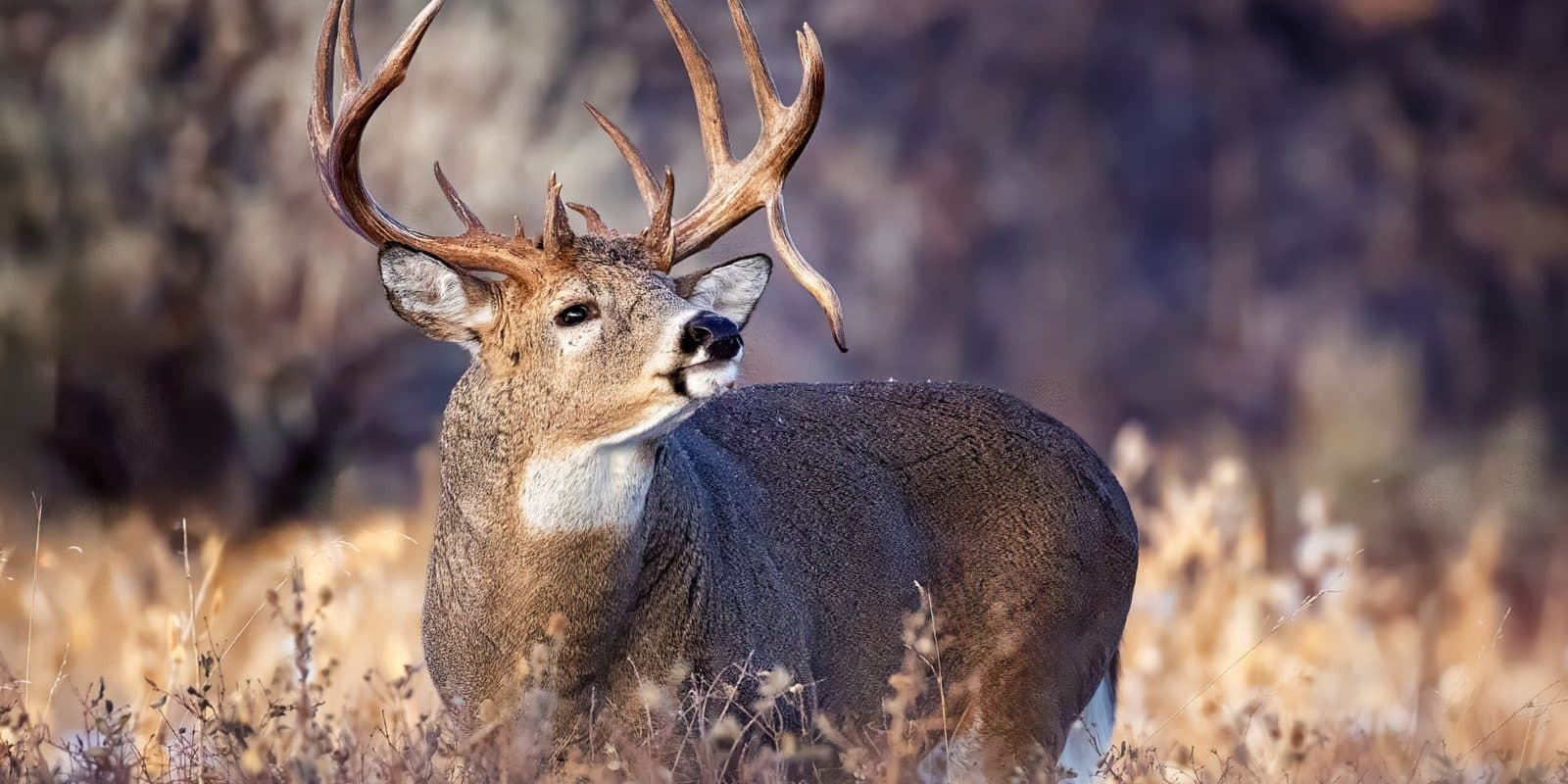
The October Lull Is Lying to You: What GPS Collars Say About Where the Deer Actually Went
Ready to find your next deal?
Browse hundreds of used hunting gear listings from verified sellers.
The Second Nature Newsletter
The best used hunting gear deals and reads like this one, in your inbox. Free, no spam, unsubscribe anytime.
Fresh on the marketplace
Verified sellers, 40–60% below retail.
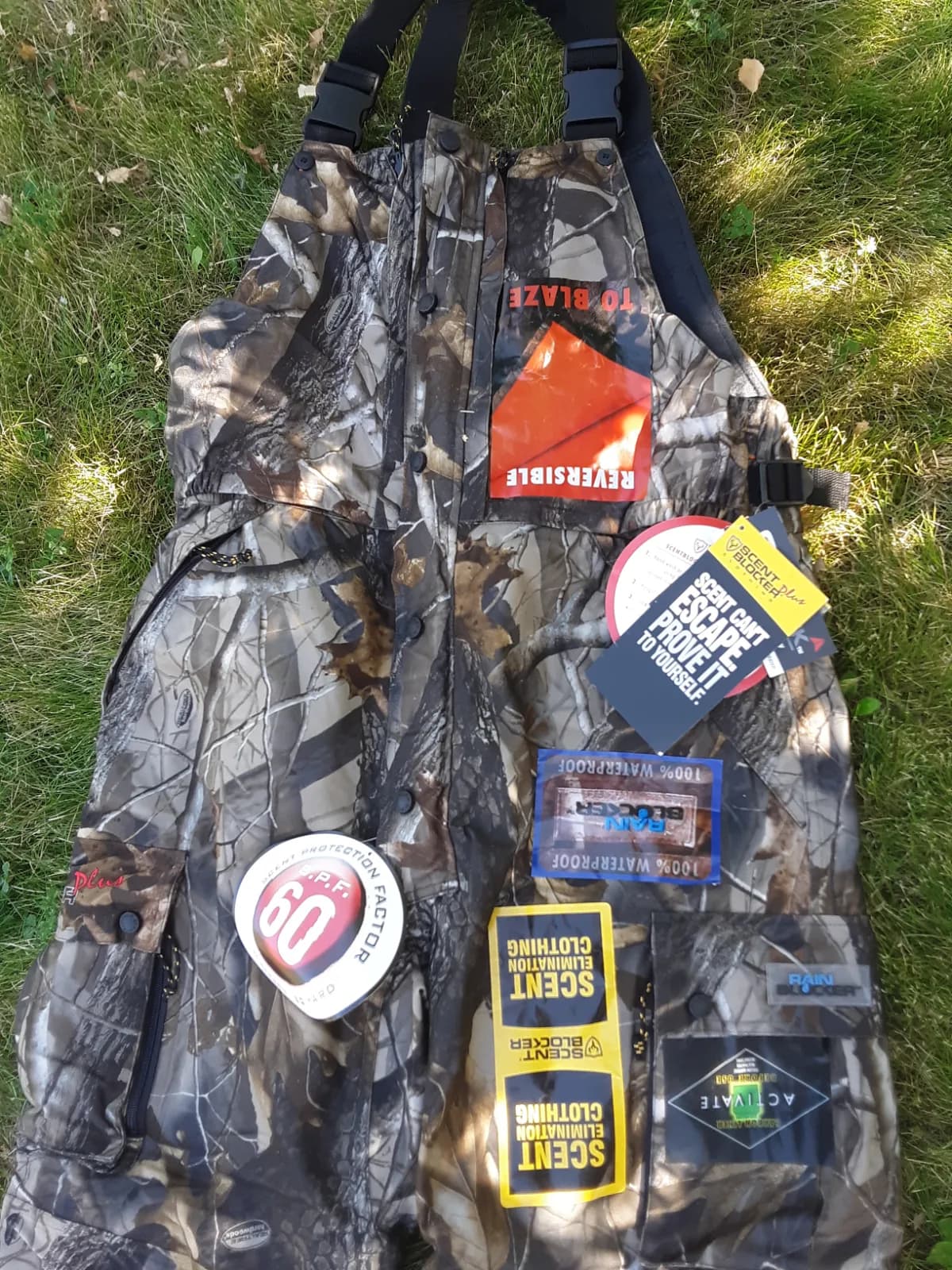
NEW! Scent Blocker Prohunter camo bib in Men's large
$119.00
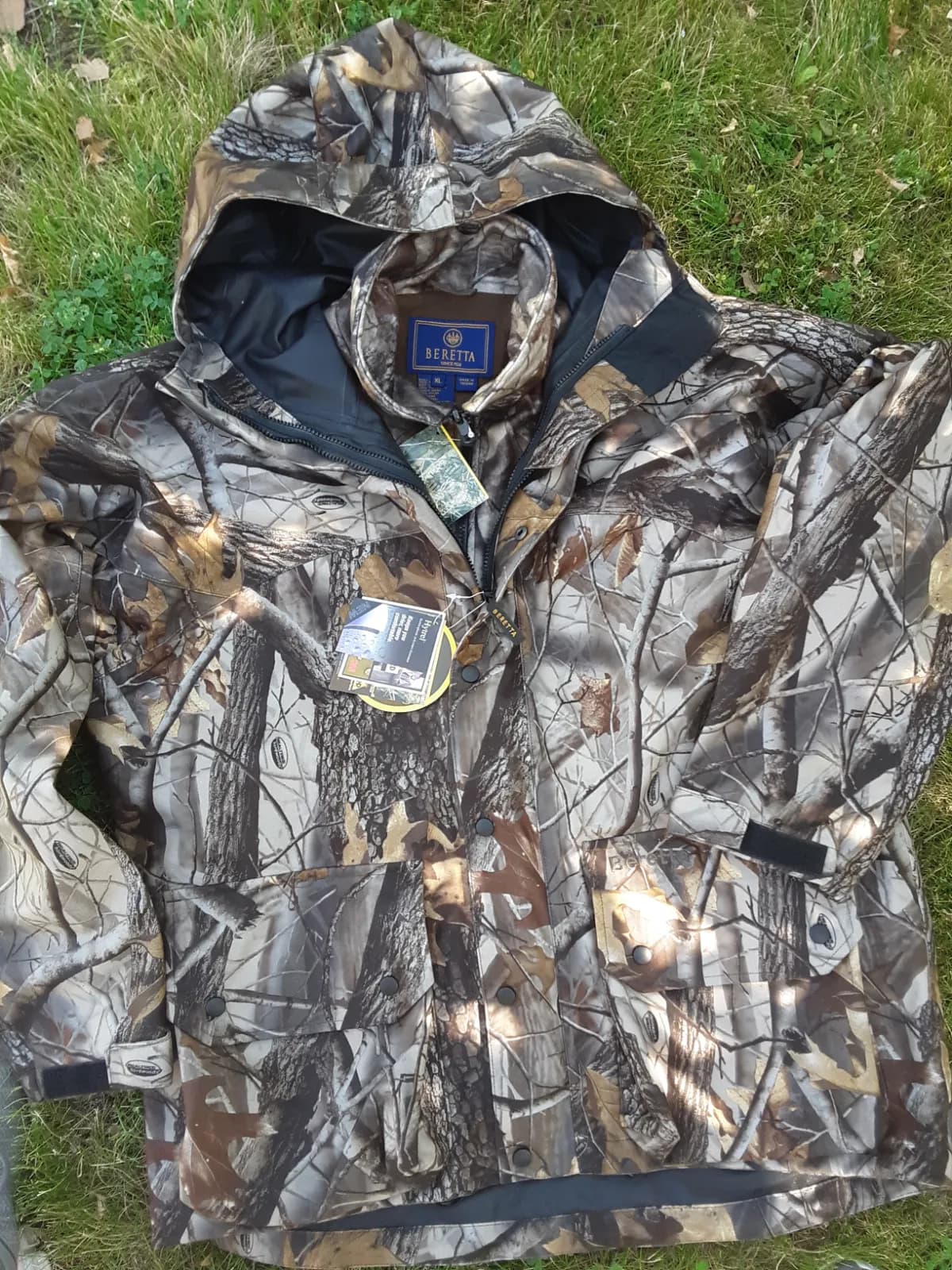
NEW Beretta heavy-weight rain coat with separate fleece jacket, men's XL
$225.00
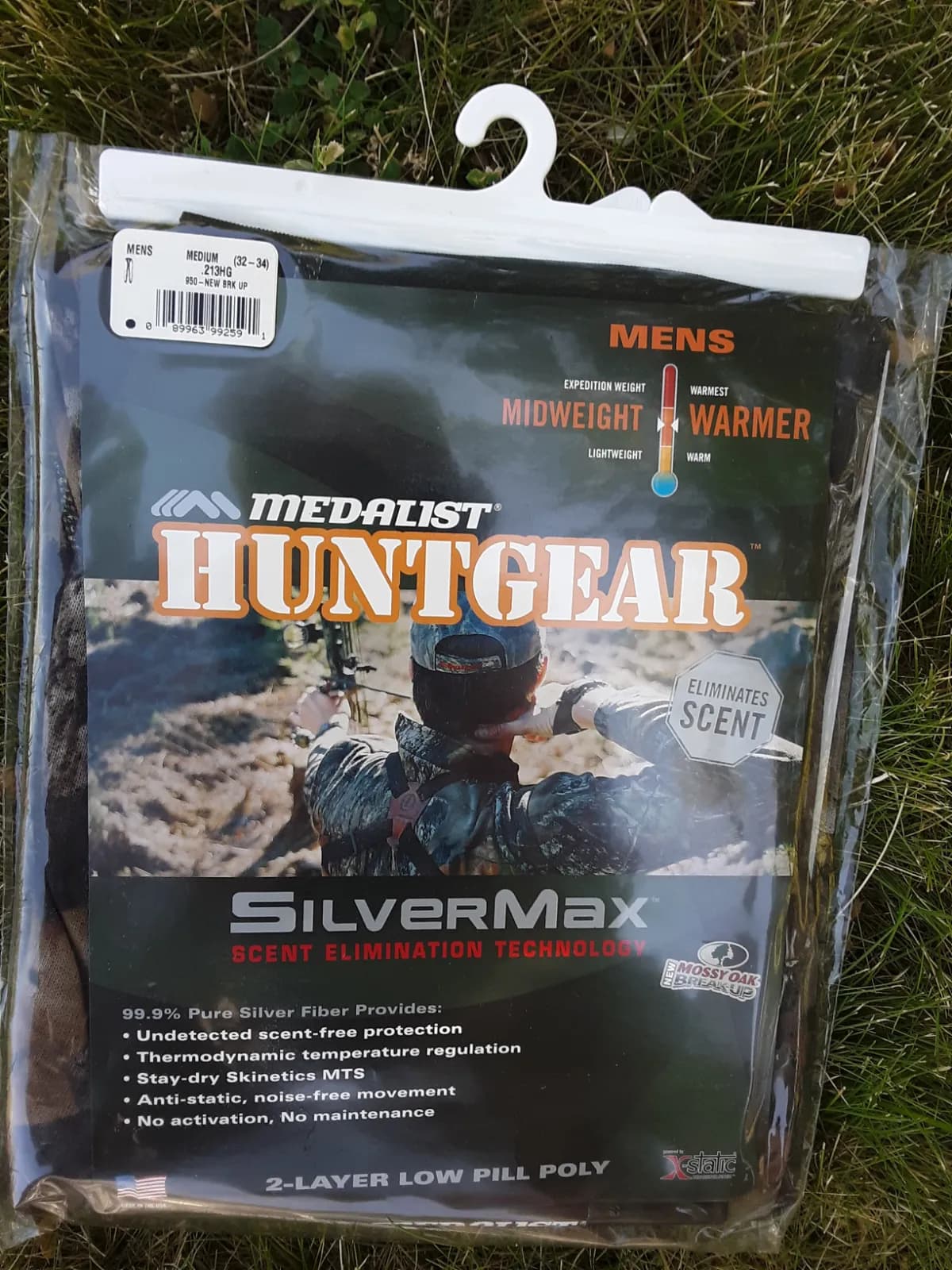
NEW Medalist Huntgear, level 1 warmer bottoms, men's medium
$20.0033% off