
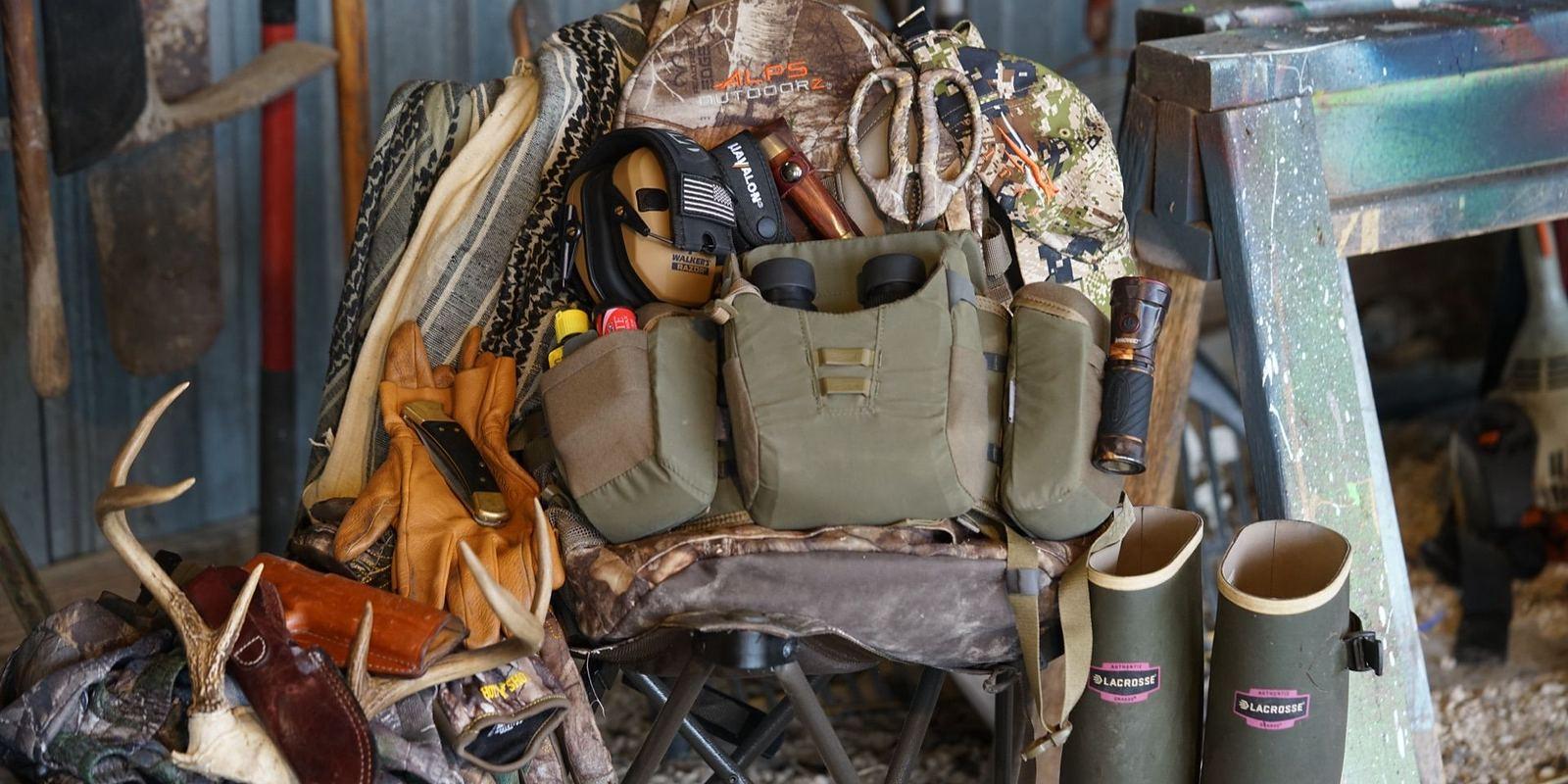
The January Gear Purge: Turn Your Closet's Dead Weight Into Next Season's Budget
Every January the gear closet gets shut and ignored until August, holding several hundred to several thousand dollars of equipment that will never be used again. Here's the one-weekend fix that funds next season.
Every January, two things happen in every hunter's house. The first is resolution season, the vague promises about organization and finances that mostly evaporate by February. The second is quieter: the gear closet, freshly abused by three months of season, gets shut and ignored.
This is the case for combining the two. The January Gear Purge is a one-weekend, systematic pass through everything you own that ends with a cleaner closet, a real number deposited toward next season, and better gear in the field, someone's field, instead of depreciating in the dark. We watch the used-gear market move all year, and January has quietly become one of its most interesting months. Here's the full playbook: what to sell, what to keep, how to price it, and why the timing works better than you'd think.
Why January, Specifically
The memory is fresh. Right now, not in August, you know exactly which jacket rode the truck seat all season because it never earned a spot in the pack, which calls never left the bag, which boots made your feet hate you, and which "essential" gadget was used once. By summer, nostalgia will have repainted all of it. January's honesty is the whole audit; sell while you still remember the truth.
The buyers are real. Conventional wisdom says sell in September when demand peaks, and peak season does bring the strongest prices. We tell sellers this all year. But January's market is deeper than its reputation: late-season and small-game hunters are still active, coyote hunters are gearing up for their best months, gift-money and gift-card holders are shopping with house money, early western planners are building kits around application season, and the smartest buyers specifically shop winter for deals. You may take 10–15% less than a September listing, in exchange for eight months of not storing, not forgetting, and not depreciating. For most gear, that trade favors January.
Depreciation doesn't hibernate. Every year a piece sits, the model cycle moves, the pattern ages, and the resale slides. The jacket you don't sell this January is worth less next January, every time. Gear is like trucks, not land.
The Audit: One Honest Hour
Pull everything out, everything, and sort it into four piles with one question per item: did this earn its place this season?
| Pile | The test | Verdict |
|---|---|---|
| The starters | Used regularly, works, fits | Keep: clean it, repair it, store it right |
| The bench | Used once or twice, genuinely situational | Keep if the situation is real (the wall tent earns its shelf; the third rangefinder doesn't) |
| The sell pile | Not used this season, and not for a defensible reason | Sell. This is the money |
| The teach pile | Outgrown, outskilled, or duplicated starter gear | Sell cheap or give to a new hunter: the recruitment play that costs you a closet hanger |
The sell pile builds itself if you're honest, and it's always the same suspects: the duplicate layers (nobody needs five mid-weights), the wrong-size pieces you kept meaning to exchange, the pattern that doesn't match the rest of your system, the pack that's 20 liters wrong for how you actually hunt, the boots that lost the war with your feet, the gadget drawer, and the entire category of aspirational gear: purchases for the hunter you planned to become (the sheep-hunt kit, the saddle setup tried twice) rather than the hunter you are. Selling aspirational gear isn't giving up the dream; it's agreeing to re-buy current-generation gear if the dream ever books the tag.
One special case deserves its own look: check your discontinued gear before you price it. Retired camo patterns and discontinued flagship pieces sometimes carry more value than the current catalog equivalent, and legacy rain shells can hold their price better than their age suggests. Five minutes checking recent sold listings for the exact model beats guessing in either direction. That's a price it properly decision, not a dump.
Pricing and Listing: The Ten-Minute Version
Price against the market, not your memory. What you paid is emotionally relevant and commercially meaningless. Search sold and active listings for your item and price within the range. Clean premium gear typically moves at 40–60% of retail depending on condition and how current the model is, and January pricing rewards realism: priced right moves in days; priced nostalgically sits until September anyway.
Condition honesty is a sales tactic, not a confession. Photograph in daylight, photograph the flaws deliberately (the worn cuff, the repaired seam), and state them in the listing. In the used-gear market, visible honesty raises prices: buyers pay premiums to sellers they trust and discount heavily for vagueness. The listing that says "DWR worn at shoulders, see photo, priced accordingly" outsells the one that says "great condition!!" every time.
Give the measurements. Flat-lay pit-to-pit and sleeve for tops, waist and inseam for bottoms. Sizing chaos is the used-apparel buyer's number-one fear, and two tape-measure numbers defuse it. Name the pattern correctly (buyers search by it), note the size tag and the fit, and bundle smart: a base-mid-shell system in one size sells faster and better than three orphan listings. Our step-by-step selling guide has the rest of the mechanics.
Then actually ship it. The difference between sellers who fund next season and hunters with a "to sell" pile aging in the garage is exactly one trip to the drop-off. Prepaid labels exist. Use the weekend.
What the Purge Buys You
Run honest numbers on a typical deer hunter's January: two duplicate mid-layers, one wrong-pattern jacket, the pack that didn't fit, a pair of barely-used boots, a drawer of gadgets. That's routinely $400–$800 of recoverable value at realistic prices. Deployed at used-market rates, that re-arms you with a flagship jacket upgrade, or a complete cold-weather system, or two states' worth of preference points plus a tank of scouting gas, or, the quiet best option, a new hunter's entire starter kit with your name on the invitation.
And the non-financial return is real: a closet that holds a system instead of an archaeology dig gets packed faster, forgets nothing at 4 a.m., and makes August prep a pleasure instead of a scavenger hunt. Every veteran hunter preaches "buy once, cry once"; the purge is the other half of that gospel. Own what you use, sell what you don't, and let the gear keep hunting.
The Bottom Line
The season taught you exactly what your gear is worth; the purge is just writing it down before you forget. One weekend in January: audit the closet with the four-pile test, photograph honestly, price against the market, measure everything, ship promptly. Pocket the $400–$800 the back of the closet was quietly burning, point it at next season (points, upgrades, or a new hunter's start), and walk into spring with a system instead of a pile.
The gear was never the trophy. The seasons it buys are.
This is literally what we're for: list your sell pile on Second Nature (prepaid shipping labels, buyer protection, and a marketplace full of January shoppers with gift money), and browse the other side while you're at it. The purge works best as a cycle: your dead weight is someone's starter kit, and theirs is your upgrade.
In the market for KUIU?
Browse verified secondhand listings at 40–60% below retail, or turn the gear hanging in your closet into cash.
More Articles

The Duck Factory Won: How 219,428 Hunters Stopped a Rollback in Three Weeks
The End of Over-the-Counter Elk? What Colorado's 2026 Changes Mean for Every Western Hunter
The Wild Game Thanksgiving: Venison and Wild Turkey Without a Family Mutiny

Every Big Game Draw Deadline You Need to Know for 2027: The Western Application Calendar
Ready to find your next deal?
Browse hundreds of used hunting gear listings from verified sellers.
The Second Nature Newsletter
The best used hunting gear deals and reads like this one, in your inbox. Free, no spam, unsubscribe anytime.
Used KUIU right now
Verified sellers, 40–60% below retail.
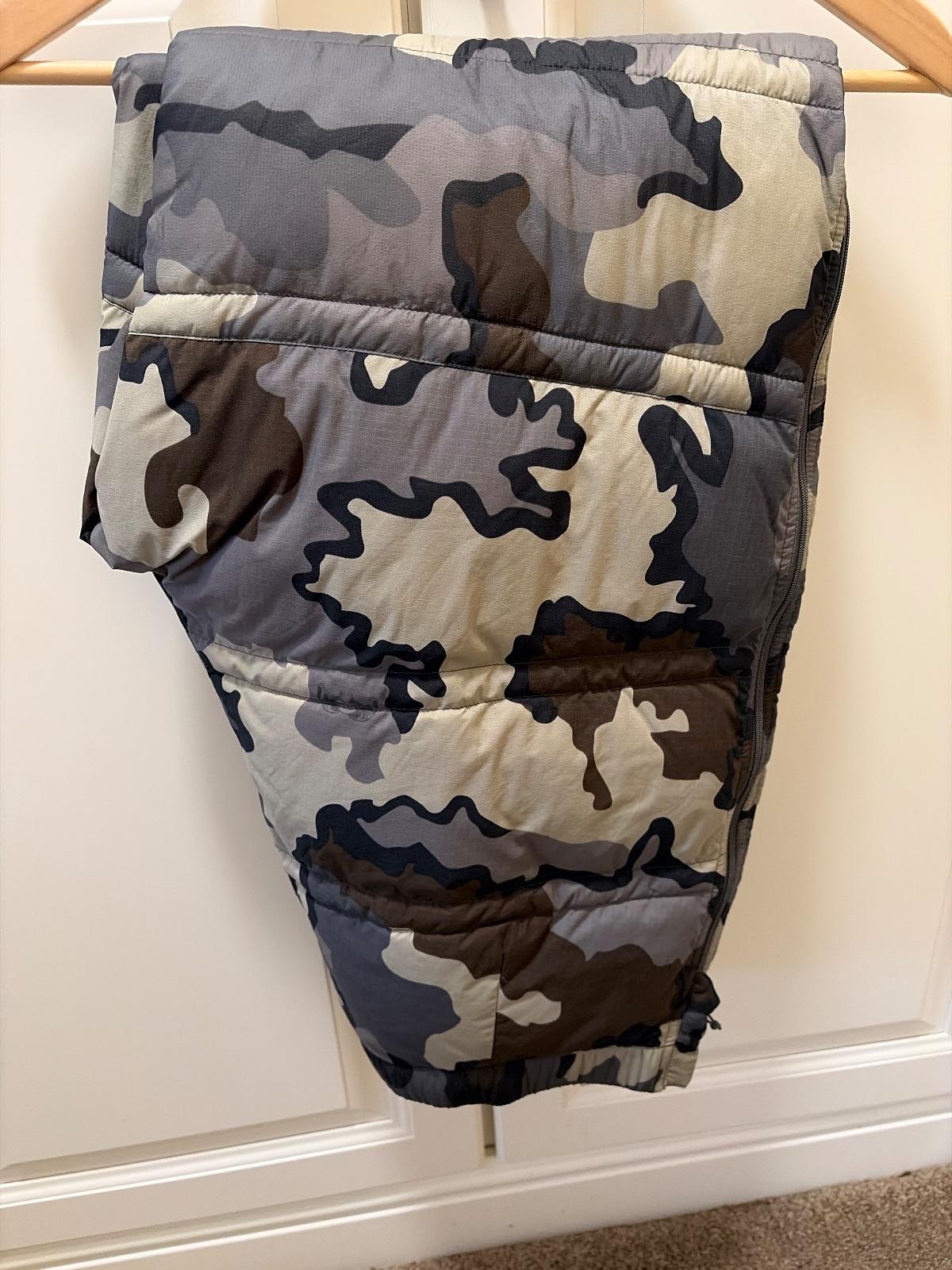
KUIU VYAS Men’s Super Down Ultra Pants
$295.0010% off
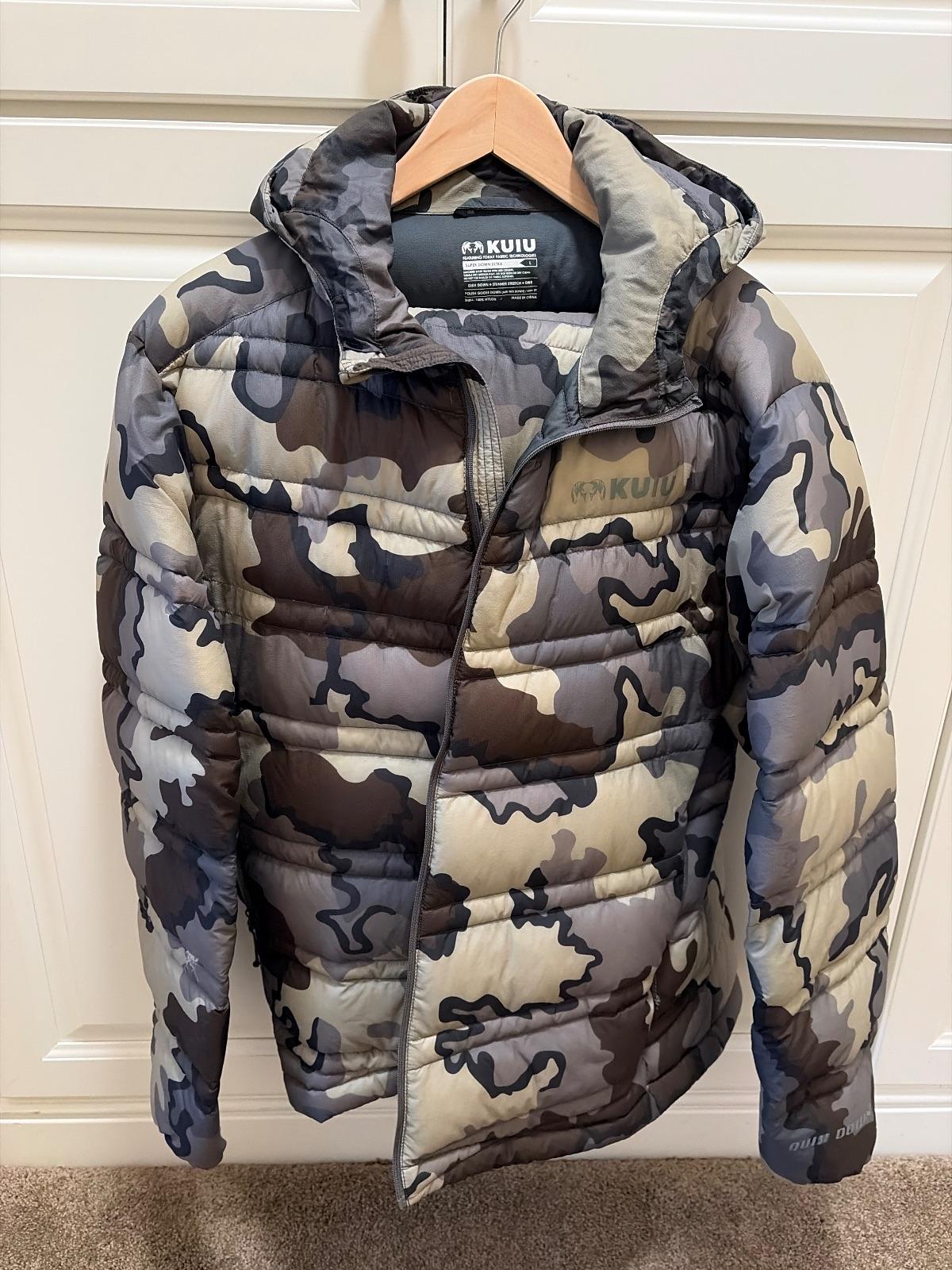
Men’s KUIU VYAS Super Down Pro Hooded Jacket
$335.0016% off
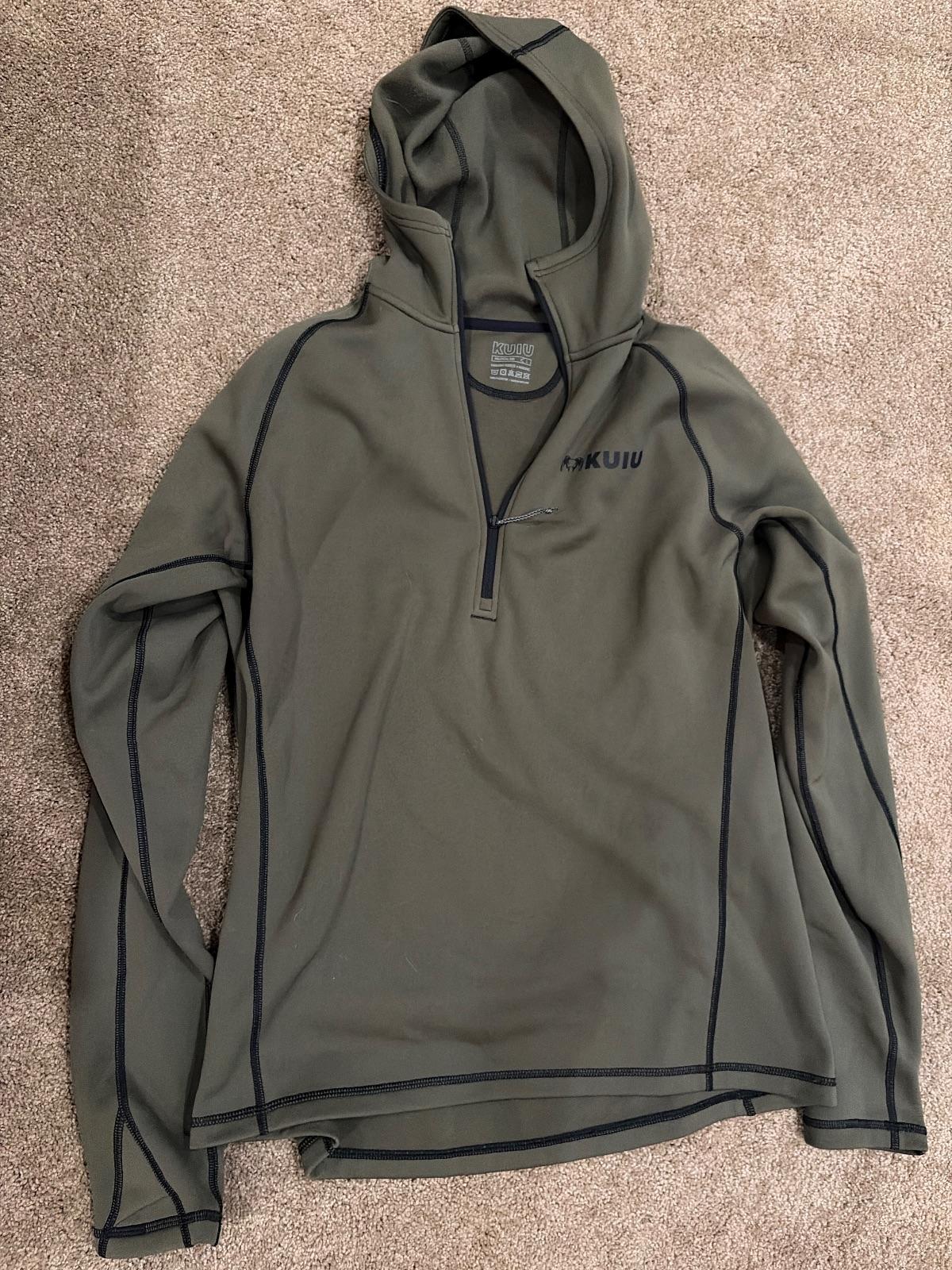
KUIU Peloton 200 Fleece Hoodie
$149.0025% off