
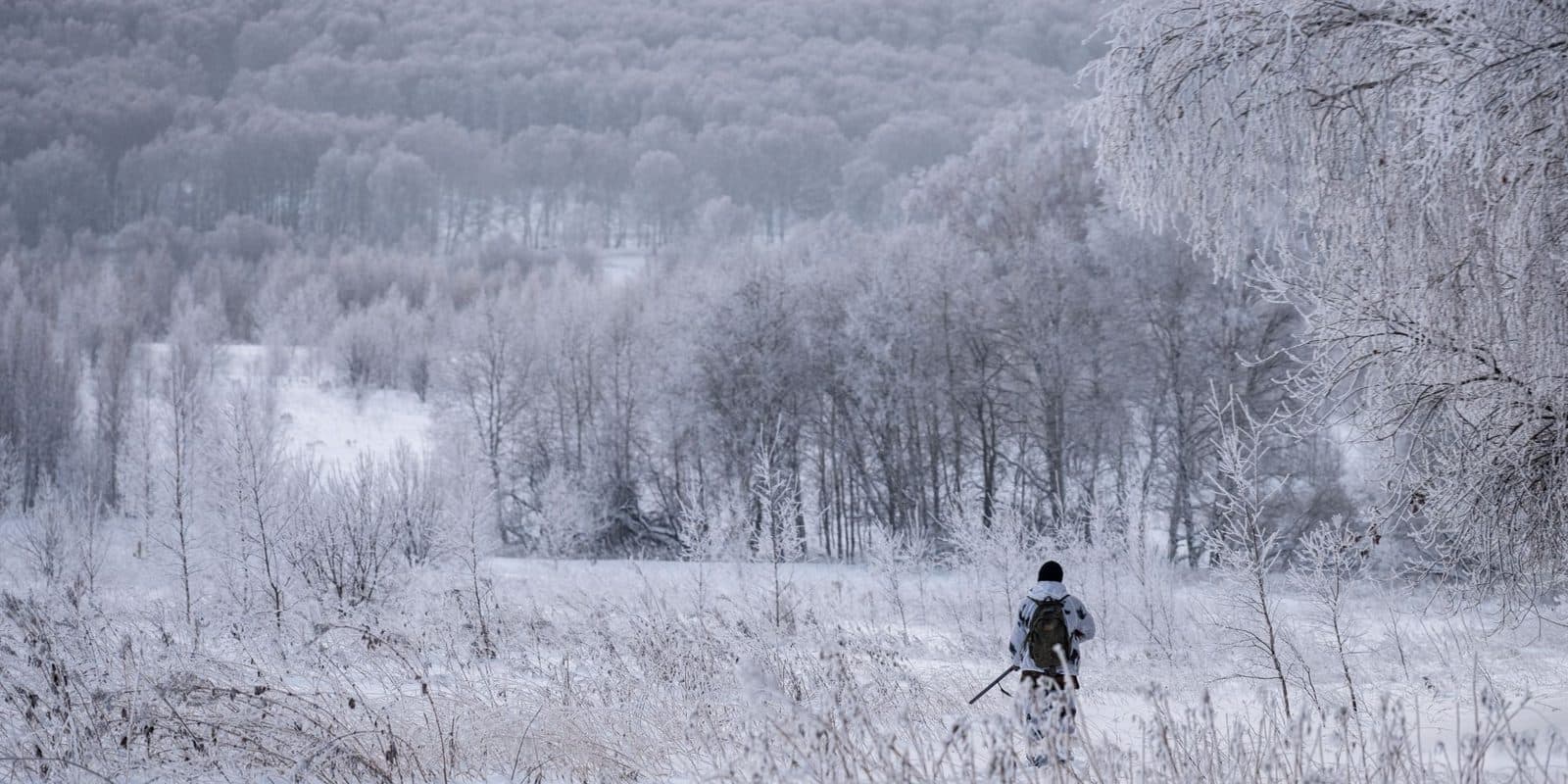
Cold-Weather Layering for Hunters: The System That Actually Keeps You on Stand
Nobody quits a cold sit because the temperature won. They quit because they sweated on the walk in, or because their hands gave out. Here's the system that fixes both — and which pieces are worth buying used.
Ask a hunter why they climbed down early and you'll rarely hear "it was too cold." You'll hear some version of: I got wet walking in and never warmed back up, or my hands were done by ten. Cold doesn't usually beat hunters. Moisture and extremities do, and both are solvable with gear you probably already half-own.
This is the companion to our warm-weather layering breakdown — same principles, opposite problem. Here's how a cold-weather system actually works, what each layer is for, and where to spend versus save.
The One Rule That Explains Everything
You are not dressing for the stand. You are dressing for the walk, the sit, and the pack-out — three different activity levels in one outfit.
Walking in generates enormous heat. If you're dressed for the sit while you hike, you sweat. That sweat soaks your base layer, and the moment you stop moving, it starts pulling heat out of you faster than any insulation can put it back. A soaked base layer in 20-degree air is how a six-hour sit becomes a two-hour sit.
Everything below follows from that one fact. The system isn't "wear more." It's wear less while moving, carry the warmth, put it on when you stop. Hike cold — genuinely a little uncomfortable for the first ten minutes — and you'll arrive dry.
The Four Layers and What Each One Actually Does
| Layer | Its one job | What works | What it is not |
|---|---|---|---|
| Base | Move moisture off your skin | Merino (quiet, odor-resistant, warm when damp) or synthetic (dries fastest, cheaper, holds odor) | Not a warmth layer. Not cotton — ever |
| Mid / active insulation | Warmth you can move in | Grid fleece or breathable synthetic — the piece you hike and still-hunt in | Not your puffy. This layer must breathe under load |
| Static insulation | Warmth when you stop | Down or synthetic puffy jacket, often bibs too — lives in the pack until you're on stand | Not something you walk in. Sweat it out once and it's useless all day |
| Shell | Stop wind and water | Windproof softshell for dry cold; waterproof-breathable hardshell when it's wet | Not insulation. A shell traps the warmth the other layers made |
Most hunters own three of these and are missing the third. The static puffy is the single most commonly skipped layer and the one that decides whether you're still sitting at 1 p.m. — which, during the rut's seeking-and-chasing window, is exactly when the good bucks walk.
Down vs. Synthetic: Pick by Weather, Not by Price
| Down | Synthetic | |
|---|---|---|
| Warmth per ounce | Best in the business | Good, not class-leading |
| Packs down | Smallest | Bulkier for the same warmth |
| When wet | Collapses — near-zero warmth until dried | Keeps most of its loft and warmth |
| Best for | Dry cold: late-season Midwest, western high country | Wet cold: the Southeast, the Pacific Northwest, anywhere near 32°F |
The honest rule: if you hunt where "cold" usually means "cold and damp," buy synthetic and don't agonize. If your cold is dry and you carry your camp, down earns its premium. Treated/hydrophobic down narrows the gap but doesn't erase it.
Two Systems, Not One
The stand hunter's problem is the sit. Short walk, long motionless stretch, often at the coldest hours. Build around heavy static insulation — insulated bibs plus a real puffy — and accept that you'll carry it in and put it on at the base of the tree. Bibs matter more than people think: a cold seat and cold thighs end sits faster than a cold torso.
The moving hunter's problem is the walk. Western hunts, still-hunting, late-season pushes. Here the mid layer is king — a grid fleece you can hike in all day — and your puffy is a glassing-and-breaks garment that lives in the pack. Carry less insulation than a stand hunter and more ability to dump heat: pit zips, a quarter-zip you can open, a hat you can pull off.
Same four layers. Completely different weighting.
Where Sits Are Actually Lost: Hands, Feet, Head
You can build a flawless torso system and still quit at ten o'clock. The extremities are where cold wins:
Hands. Thin liner gloves for everything that needs dexterity, plus an insulated hand muff at your waist. A muff beats heavy gloves because it keeps your hands warm and ready — and a chemical warmer inside one is the highest-return dollar in cold-weather hunting.
Feet. Boots rated well past the temperature you expect, sized to allow a real wool sock without compression. Tight boots are cold boots — if the sock crushes the air space, the insulation stops working. Overboots or pac boots for pure stand sitting are a genuine upgrade over walking boots.
Head and neck. A warm hat and a neck gaiter are the cheapest warmth you will ever buy, and the neck is where a shell's protection most often ends an inch too early.
What to Buy Used, and What Not To
This is where the math gets friendly. Insulation and shells are the best values on the secondhand market, because they're expensive new and they wear slowly:
Buy used with confidence: puffy jackets, insulated bibs, softshells, fleece mid layers, hard shells. Check the wear points — cuffs, seat, shoulders, knees — and on a hardshell, ask whether the face fabric still beads water (a DWR refresh is a $15 wash-in fix, not a defect).
Inspect carefully: merino base layers. Thinning and dryer shrinkage are invisible in photos and common in used wool. Ask for flat-lay measurements rather than trusting a tag — and know that sizing varies a lot between brands, which matters double when you're buying a layer that has to fit over other layers. Size your outer pieces for the system, not for a T-shirt.
Buy new, usually: boots (fit is personal and used soles lie about their remaining life) and anything whose waterproof membrane you can't inspect.
For which brand does what best — Sitka's whitetail and waterfowl systems, KUIU's weight discipline, First Lite's merino — see our brand-by-brand comparison. The practical answer for most hunters is a mixed closet.
The Five Mistakes
1. Hiking in your sit clothes. The original sin. Strip down, hike, re-dress at the stand.
2. Cotton anywhere. It holds moisture against your skin and stays wet. A cotton T-shirt under a $400 system cancels the system.
3. Sizing tight. Compressed insulation doesn't insulate. Every layer needs room over the one beneath it.
4. Ignoring the sit length. An hour of evening sitting and an all-day opener sit are different gear problems. Pack for the longer one.
5. Owning no static layer. If everything you own breathes, you have nothing that works when you stop moving.
The Bottom Line
A cold-weather system is four jobs, not four price tags: move moisture, insulate while moving, insulate while still, block the wind. Hike cold, carry your warmth, protect your hands and feet, and size everything to layer. Get that right and the temperature stops being the thing that decides how long you hunt — which, in November and December, is usually the whole difference between a season and a story.
The deer are out there at one in the afternoon. The question is whether you still are.
Sources
- Cold Weather Safety — National Weather Service
- Sitka Gear — layering systems by hunt type
- KUIU — backcountry layering
- First Lite — merino base and mid layers
- MeatEater — whitetail hunting
Insulation is the best deal on the used market — worn a season, sold at 40–60% off, warm for a decade. Browse used puffies, bibs, fleece, and shells from Sitka, KUIU, and First Lite on Second Nature, inspected and buyer-protected — or sell the layers you outgrew and fund the one you're missing.
In the market for gear?
Browse verified secondhand listings at 40–60% below retail — or turn the gear hanging in your closet into cash.
More Articles
The Biggest Typical Buck in American History Spent 32 Years in a Basement — and an Electrician Found It
Colorado's Wolf Repeal Is Dead for 2026 — and Money, Not Voters, Killed It
The Season Most Hunters Skip: Why December Muzzleloader Is the Best-Kept Secret in Deer Hunting
The 2026 Gift Guide for Hunters: What They Actually Want, by Budget
Ready to find your next deal?
Browse hundreds of used hunting gear listings from verified sellers.
The Second Nature Newsletter
The best used hunting gear deals and reads like this one, in your inbox. Free, no spam, unsubscribe anytime.
Fresh on the marketplace
Verified sellers, 40–60% below retail.
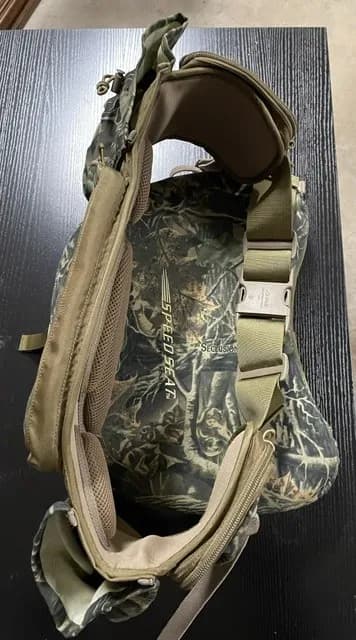
Cabela’s Speedseat Turkey Seclusion 3D Camo Vintage Hunting Built-In Seat
$60.00
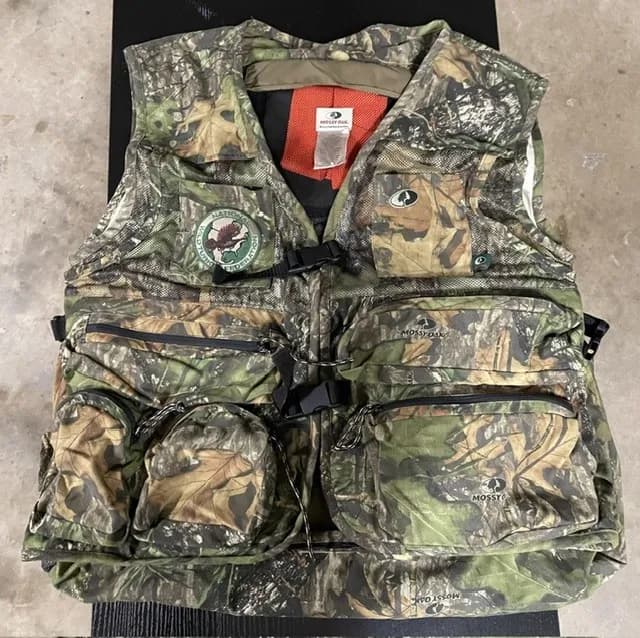
Russell Outdoors Treklite Super Elite III Turkey Vest
$100.0023% off
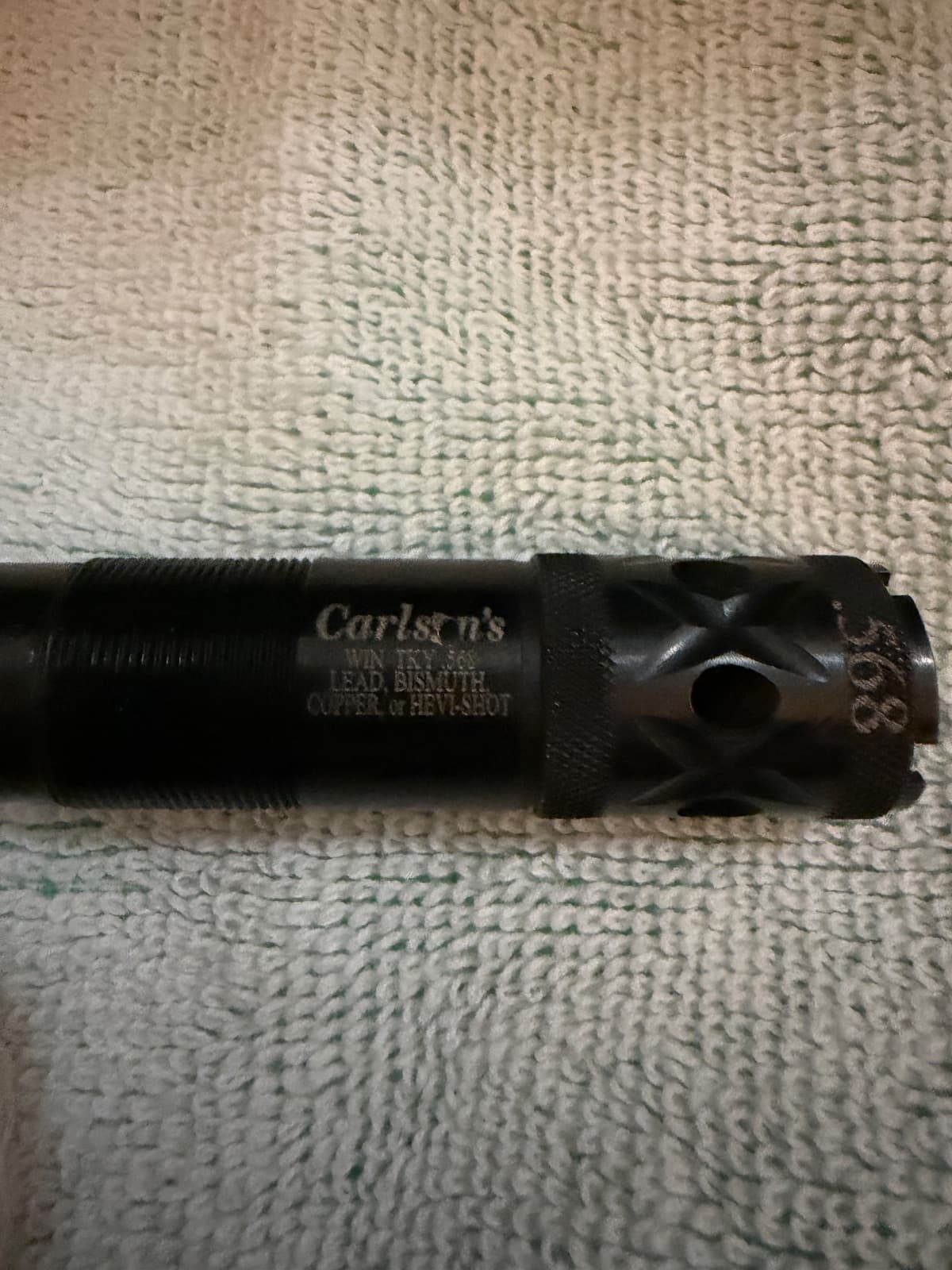
Carlsons Turkey choke .568
$40.0041% off