
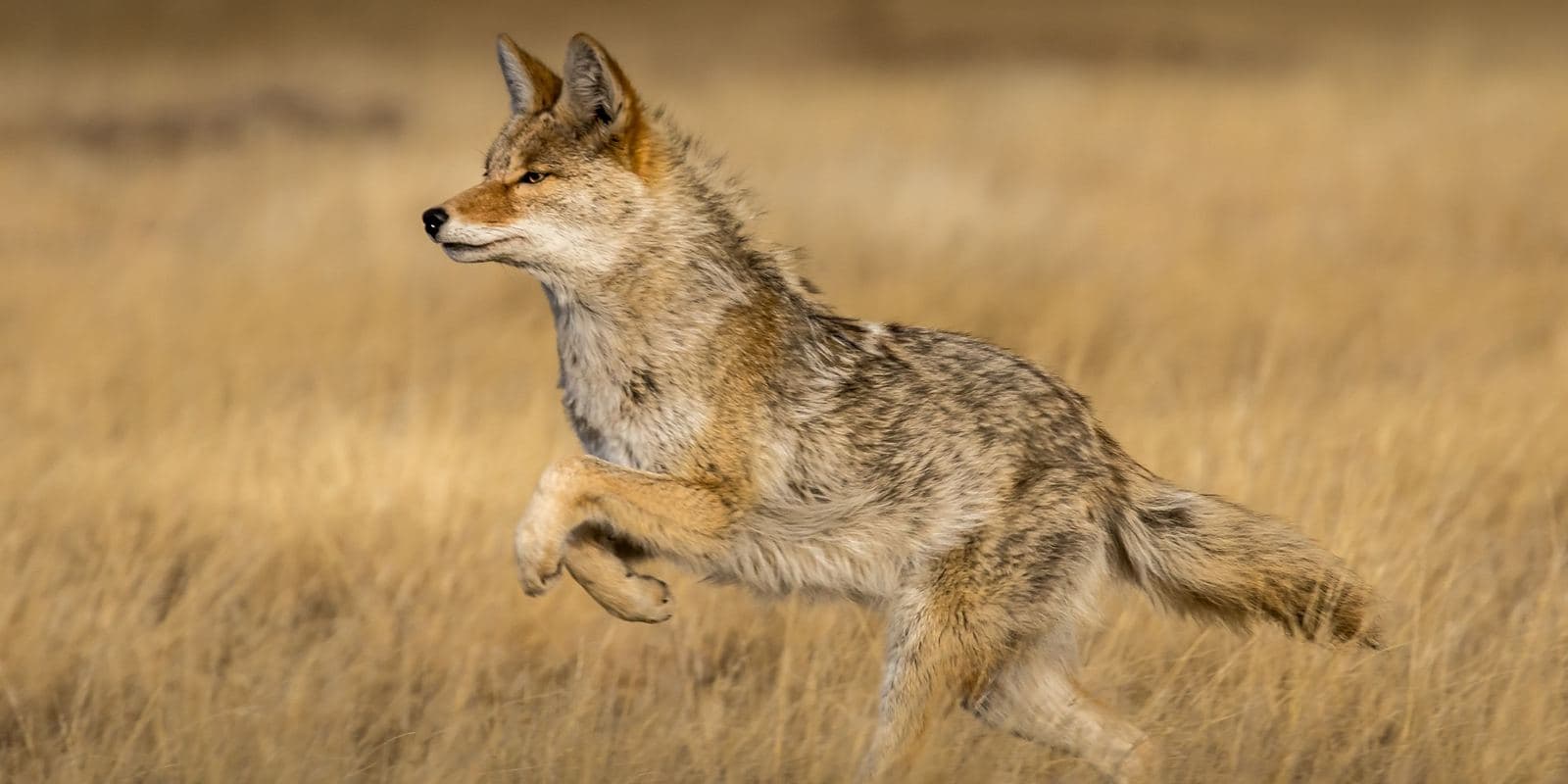
Coyote Hunting 101: The Season That Starts When Deer Season Ends
Deer season ends and most hunters winterize. The ones who don't are discovering the best predator hunting of the year — using gear that's already hanging in the closet.
Every January, the same quiet depression settles over deer camp: tags filled or not, the season's over, and the woods you lived in for three months are suddenly off-limits by calendar. Except they're not. While most hunters put their gear away, a growing crowd is finding out that the best predator hunting of the year is just beginning — and that almost everything needed for it is already in the deer hunter's closet.
Interest in coyote hunting climbs every December and peaks in January and February, and for good reason: it's the rare hunt that gets better in the dead of winter. If you've never made a stand with a call screaming into a frozen field, here's the complete starter guide.
Why Winter Is Coyote Season
The calendar works for you. In most states, coyotes can be hunted year-round or nearly so, with generous or nonexistent bag limits — but winter concentrates everything. Prey is scarce, so coyotes respond to calls with real urgency. Fur is prime. And from January into February, breeding season makes normally cagey dogs vocal, territorial, and movable in daylight.
Access gets easy. The same landowner who waitlists deer hunters will often say yes to a polite coyote hunter — many will practically ask you. Ranchers and farmers see coyotes as a calving-season and livestock threat, and winter predator hunters build the relationships that turn into deer permission later. It is, hands down, the easiest "yes" in hunting.
It keeps you sharp. Calling, wind management, shooting from field positions, reading terrain — coyote hunting is the off-season gym for every skill deer hunting uses. The hunters who are dangerous in November usually spent February on a hillside somewhere.
The Gear: You Mostly Own It Already
| Need | What works | What it costs you |
|---|---|---|
| Rifle | Your deer rifle is fine to start; flat-shooting varmint calibers (.223, .22-250, .243) are ideal eventually | $0 to start |
| Shotgun | 12-gauge with tight choke and big shot for thick-cover setups inside 50 yards | Probably $0 |
| Call | Electronic caller ($80–$200) or hand calls ($10–$25) | The one real purchase |
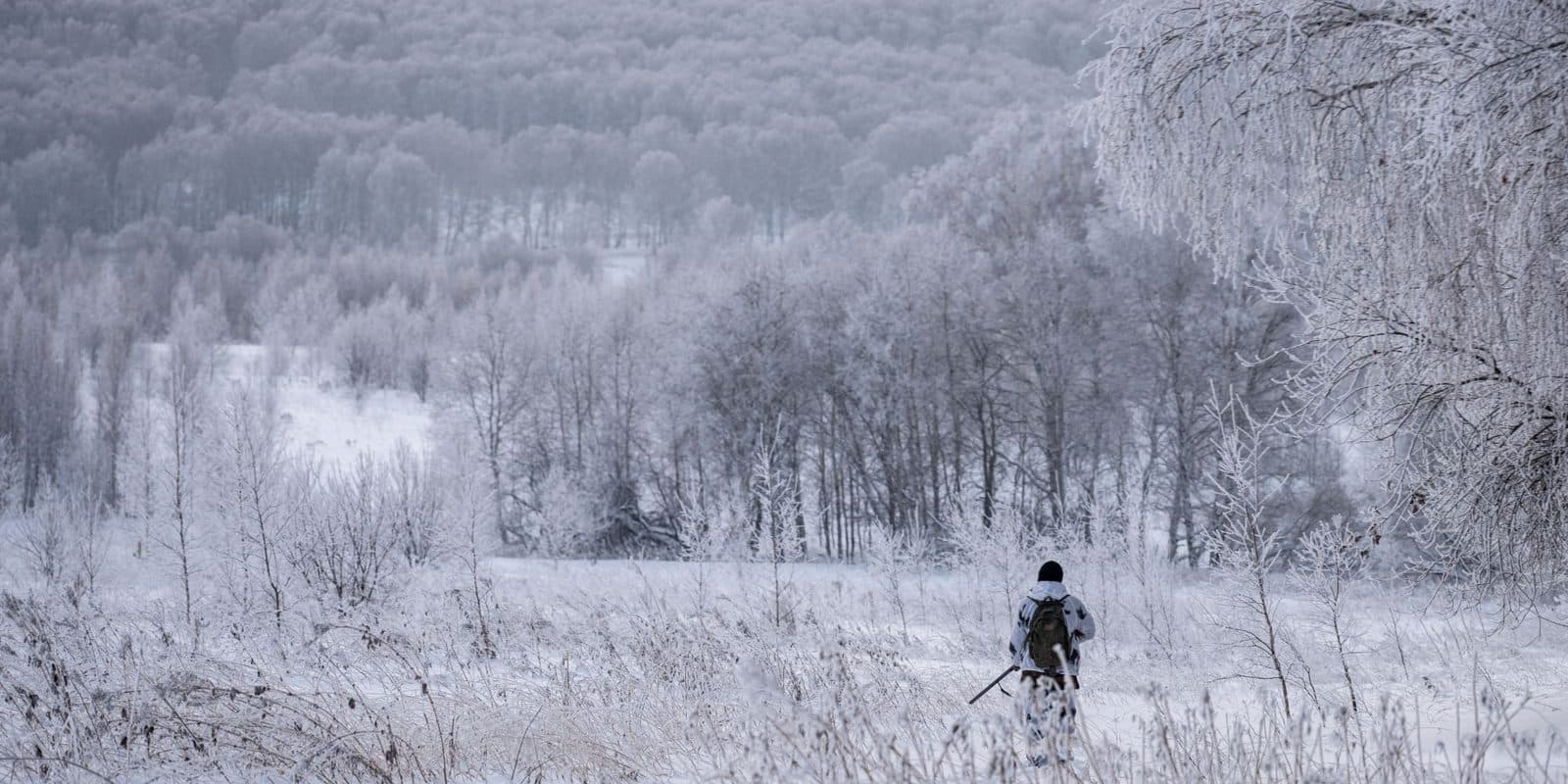
| Camo | Whatever you deer hunt in; snow cover (~$30 surplus whites) when the ground's white | ~$0 |
| Cold gear | Your layering system — stands are short but motionless | Already bought |
| Optics | Your deer binos; a rifle scope you can dial down for close, fast shots | Already bought |
The electronic caller is the honest upgrade worth making early: remote-controlled sound placed 30–50 yards upwind of you means the coyote's eyes lock on the speaker, not on your position. Hand calls work and cost nothing — they just put every approaching eyeball on you, which is a graduate-level problem for a first-timer.
One note on ammo in this pricey year: coyote hunting runs on practice calibers — a box of .223 goes a long way, and misses are free lessons, not lost freezers.
How a Stand Actually Works
Coyote hunting is a series of short, intense sits called stands — 15 to 25 minutes each, then move. The anatomy of a good one:
1. Get in clean and quiet. Park far, close doors softly, walk in with the wind in your face and terrain hiding your approach. A coyote that watched your truck arrive will not be attending today's performance.
2. Set up with the wind as your whole religion. Coyotes circle downwind of any sound before committing — always, like it's their job, because it is. Sit where you can see the downwind approach: your back to cover, facing where the circler must appear, sun behind you if possible, a little elevation if the country offers it.
3. Call like something's dying. Prey-distress sounds (rabbit is the classic) run in sequences — 20–30 seconds of agony, a minute of silence, repeat, building in desperation. In January and February, add coyote vocals: lone howls and challenge sounds work breeding-season territorial instincts that food sounds can't touch.
4. Be ready immediately — and stay ready to the end. Coyotes come on two schedules: sprinting in during the first ninety seconds, or materializing silently at minute eighteen from the exact direction you stopped watching. Rifle up, scanning, the whole stand. They don't announce themselves; they're simply there, judging you.
5. Give it 20 minutes, then move. No show, no shame — drive to the next spot and run another stand. A good day is four to eight stands across different wind setups. The run-and-gun rhythm is half the fun and the whole contrast with treestand life.
First-timer's shot advice: aim for the front third, center of the dog, and don't rush a moving shot — a stopped coyote (a sharp bark on your lips stops them, briefly) at 150 yards beats a sprinting one at 80.
The Rules and the Realities
Check your state's regulations before you assume anything. Most states are liberal with coyote seasons and methods, but night hunting, lights, and thermal or night-vision rules vary enormously — some states allow it all, some none, some only in certain months. Thermal is the fastest-growing corner of predator hunting and comes with its own fair-chase debate, which we dug into in our look at the 2026 hunting tech boom. Rules on rimfires versus centerfires, public-land predator hunting, and electronic calls also vary by state.
And one honest framing note: coyote hunting's management value is debated among biologists. Localized removal around fawning season and calving operations shows real benefit, while broad population reduction is nearly impossible because coyotes compensate with bigger litters. Hunt them as what the hunt actually is — legitimate predator management at local scale, landowner-relations gold, world-class off-season skill-building, and genuinely exciting hunting — not a herd-saving crusade.
The Bottom Line
When deer season ends, you don't have to. For the cost of a call — and gear you already own — the empty months become a second season: short, action-packed stands, easy permission, prime fur, and the best shooting practice money can't buy at the range. The learning curve is real (the wind will humble you; the circlers will embarrass you), but that's exactly what makes the first called-in coyote, committed and coming hard at 60 yards, one of hunting's genuine rushes.
February is coming. You can watch football, or you can argue with song dogs. We know which one makes you better by fall.
Winter stands are cold business — gear up from the used racks: browse insulation, bibs, packs, and camo from Sitka, KUIU, and First Lite on Second Nature, inspected and buyer-protected. And the deer gear you're done with? List it — January predator hunters are shopping right now.
In the market for gear?
Browse verified secondhand listings at 40–60% below retail — or turn the gear hanging in your closet into cash.
More Articles
Best Used Hunting Jackets Under $300 (2026): What Your Money Actually Buys
What Shooting Actually Costs in 2026: The Ammo Price Squeeze, Explained for Hunters
Colorado's Wolf Repeal Is Dead for 2026 — and Money, Not Voters, Killed It
Cold-Weather Layering for Hunters: The System That Actually Keeps You on Stand
Ready to find your next deal?
Browse hundreds of used hunting gear listings from verified sellers.
The Second Nature Newsletter
The best used hunting gear deals and reads like this one, in your inbox. Free, no spam, unsubscribe anytime.
Fresh on the marketplace
Verified sellers, 40–60% below retail.
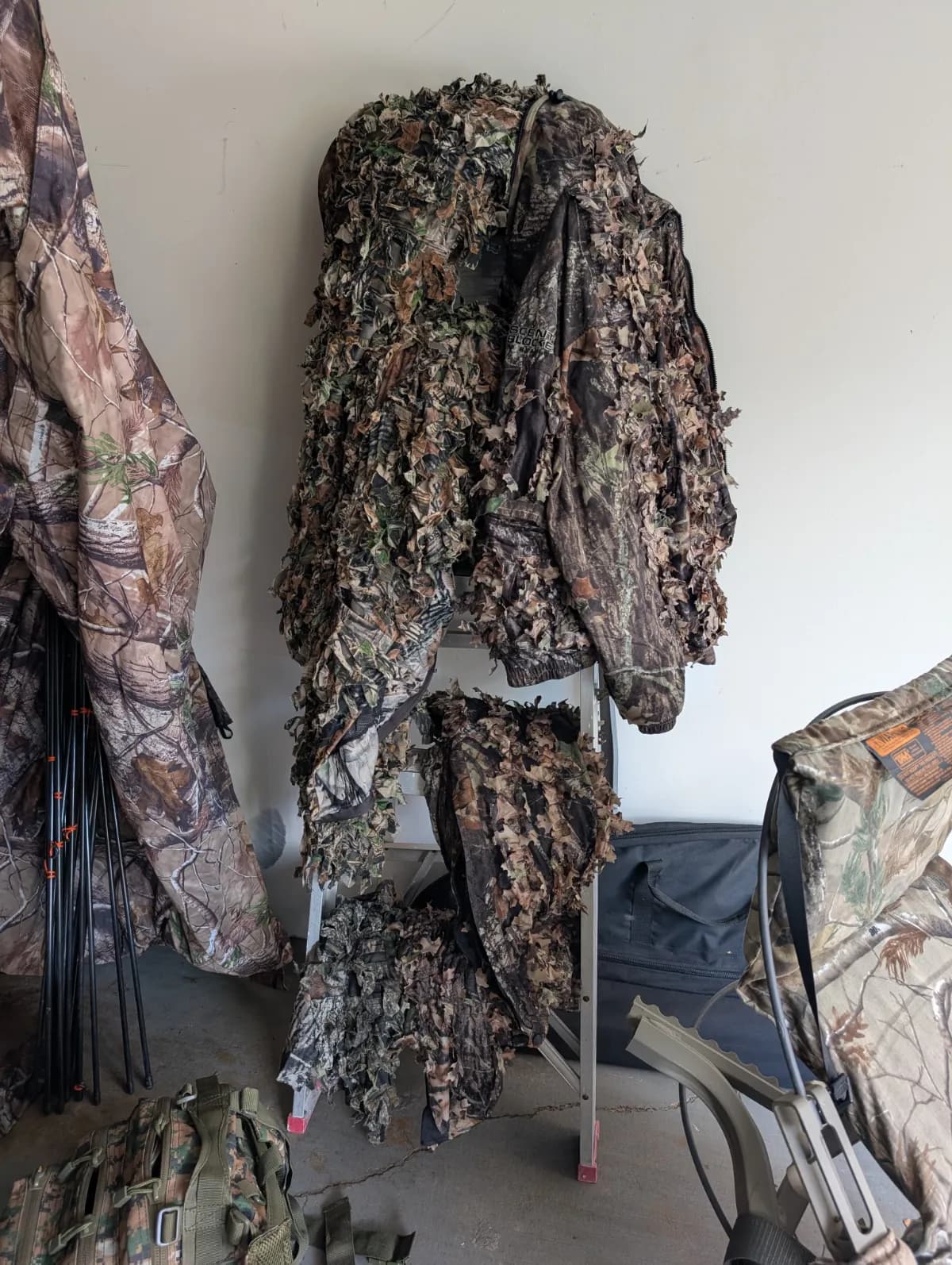
Scent Block Warm Weather Gilly Suit
$5.00
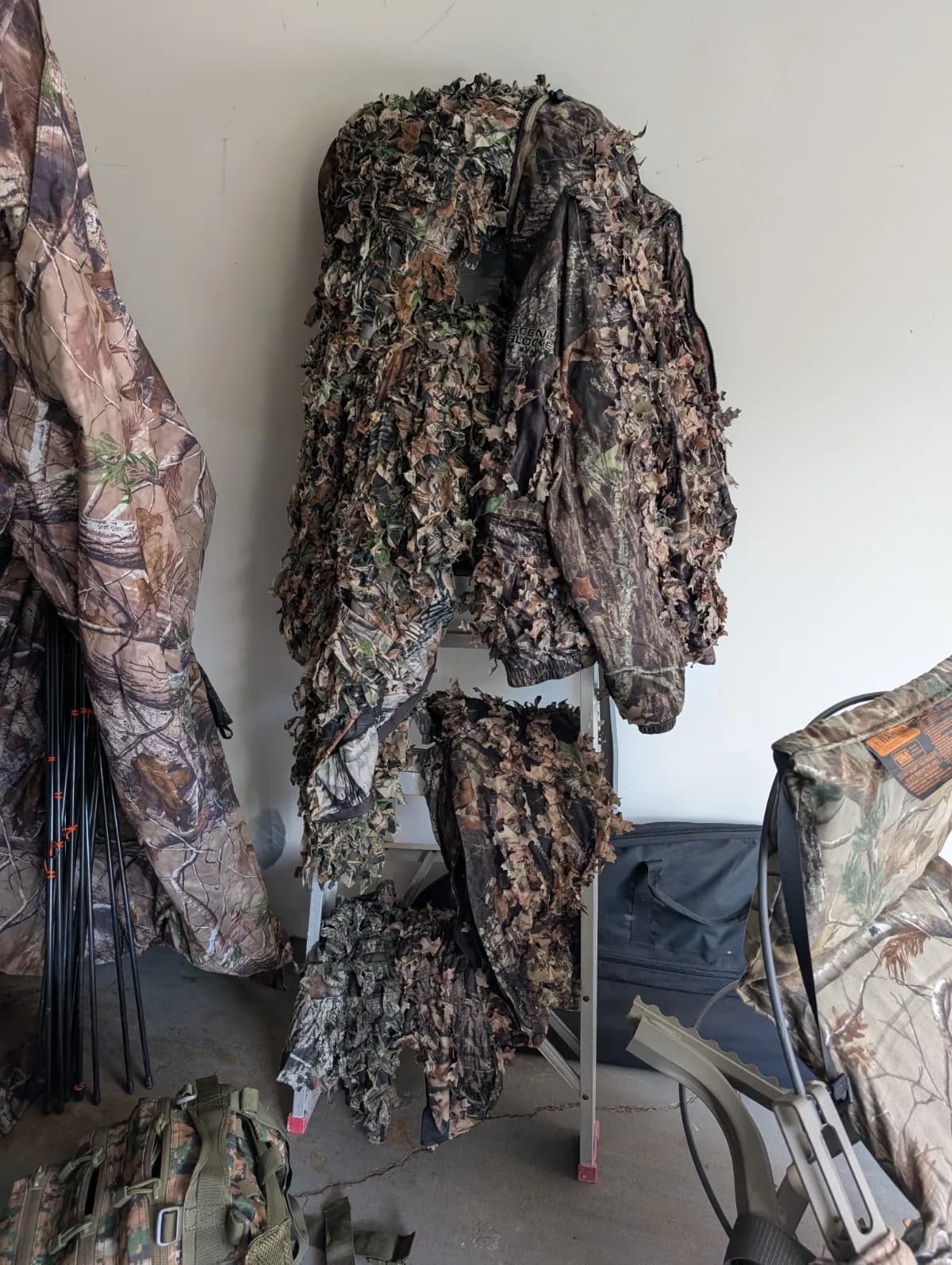
Scent Block Cold Weather Gilly Suit
$5.00
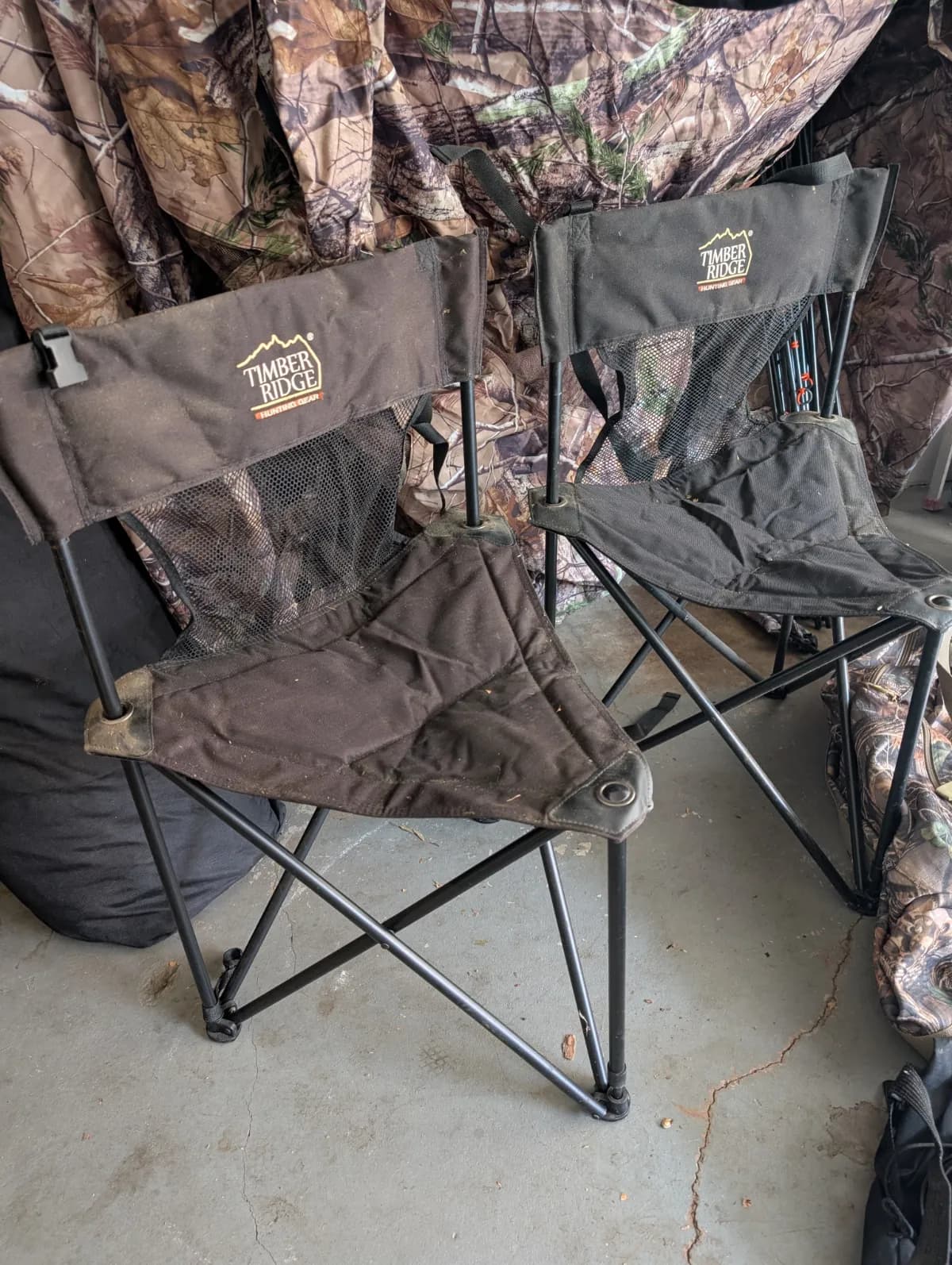
Timber Ridge heavy-duty folding bow hunting chair
$5.00