
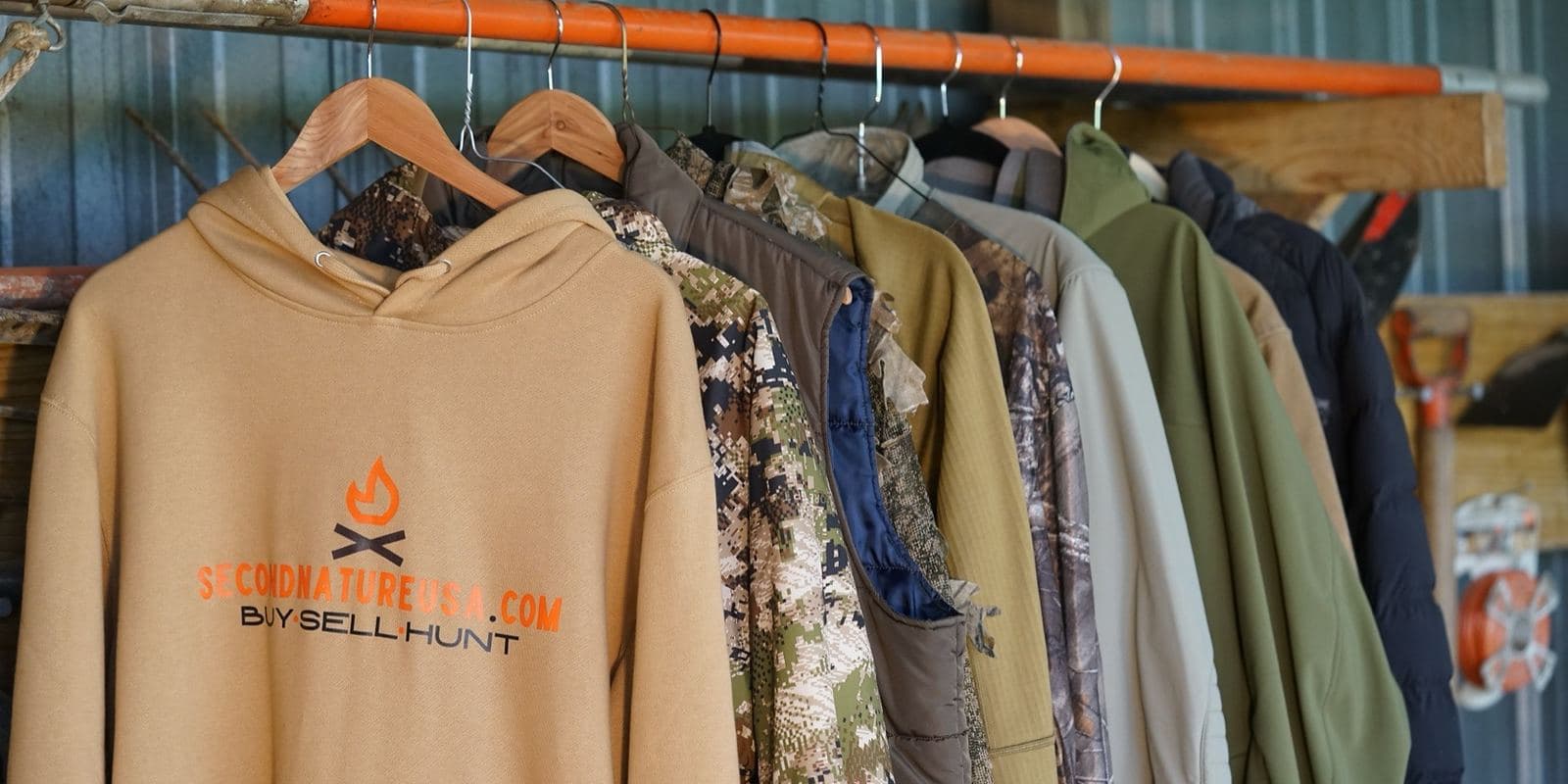
Best Used Hunting Jackets Under $300 (2026): What Your Money Actually Buys
Three hundred dollars is the most interesting number in hunting jackets. New, it buys the middle of the market. Used, it buys the top — here's what to hunt for, matched to how you hunt.
New, $300 buys you the middle of the market: decent, forgettable, fine. Used, it buys the flagship insulation pieces, GORE-TEX shells, and purpose-built systems that cost $400–$600 off the rack and perform identically after a season or two of careful use.
We inspect and move premium jackets every day, so this guide is built on what actually crosses our tables: which jackets are worth hunting for under $300, matched to how you hunt, plus the inspection checklist and sizing rules that protect the money. This updates our earlier jackets roundup — prices and the market have both moved since.
The Big Picture: What $300 Reaches
| Jacket type | New price | Typical used price | Under $300? |
|---|---|---|---|
| Flagship insulated (Sitka Fanatic, KUIU Super Down family) | $400–$600 | $200–$320 | Yes — the headline score |
| GORE-TEX rain shells (Sitka rain line, comparable) | $450–$650 | $180–$300 | Yes |
| Waterfowl systems (Sitka Duck Oven, insulated waterfowl jackets) | $350–$500 | $160–$280 | Yes |
| Mid/softshell workhorses (Jetstream-class, Celsius, Uncompahgre-class puffies) | $250–$400 | $110–$220 | Easily — often two for the budget |
| Merino and light early-season tops | $150–$250 | $60–$130 | Easily |
The rule that falls out of the table: under $300, never buy mid-tier new when flagship used is sitting right there. The premium jacket's fabrics, insulation, and construction were built for a decade; two seasons of prior use is a discount, not a defect.
The Best Jacket for the Way You Hunt
Treestand whitetail (cold sits). The insulated stand-hunting pieces — Sitka's Fanatic line is the category king — are the single best used-jacket value in hunting: expensive new, gently used by definition (nobody hikes in them), and routinely under $300 used. Look for the Elevated II pattern for stand hunting. If the budget needs to stretch to a full system, a used Celsius-class jacket plus a merino base often lands under $220 combined — and our cold-weather layering guide covers how those pieces should work together.
Western and mobile hunting. Prioritize a softshell workhorse (Jetstream-class wind-blocking softshells are the most versatile jacket in the West) plus a packable puffy — both used, both inside $300 together on a good day. KUIU's down pieces pack smallest for backpack hunters; remember the brand's trim cut and size accordingly.
Waterfowl. Insulated waterfowl-specific jackets (Duck Oven-class, marsh-pattern insulated pieces) run $160–$280 used and are built for exactly the wet-cold stillness that kills generic jackets. Marsh pattern suits most hunters, Timber if you hunt flooded green timber — and pair it with waders bought on the same logic.
Rain, anywhere. A used GORE-TEX shell under $300 is the quiet steal of the whole market — rain gear is bought aspirationally, worn rarely, and sold barely used. Which shell actually suits you is its own question; we broke down the tiers in our Thunderhead vs. Cloudburst vs. Stormfront comparison. If you find a clean one priced normally, move fast.
Early season and all-arounder. If you only buy one jacket, buy the softshell — wind-blocking, quiet, versatile from 40 to 70 degrees — and spend the leftover on a base layer. The hunters who regret purchases bought for the coldest day; the hunters who don't bought for the most days.
The Jacket Inspection Checklist
Condition is the whole price difference. Five checks, two minutes.
1. Zippers — main, pit, pockets — cycled end to end. The most common jacket failure and the most annoying repair. Waterproof zippers should run smooth, not gritty.
2. Loft, on insulated jackets. Squeeze and release: insulation should rebound fat and even. Flat spots, clumping (washed wrong), or cold spots mean the warmth is already gone no matter how clean it looks.
3. DWR and fabric face, on shells. Shiny, dark wet-out zones at shoulders and forearms mean the coating's done — restorable with a $12 re-treatment, so it's a negotiating point, not a dealbreaker. Delamination (bubbling inside) is a dealbreaker.
4. Cuffs, hem, and pack-wear points. Fraying cuffs and fuzzy shoulders tell you the real mileage regardless of the listing's "like new."
5. Smell and burn holes. Campfire jackets and heater-hole jackets exist. Photos hide both; questions don't — ask.
And the sizing rule that governs everything: know the brand's cut before you buy — Sitka roomy, KUIU trim, First Lite in between (our sizing guide has the numbers) — and when in doubt, ask the seller for a pit-to-pit flat measurement against a jacket you already love. Two numbers beat twenty photos.
Timing the Buy
Right now, in October, is peak selection: sellers list hardest before and during early seasons. Prices firm up as November demand arrives, then the week after Black Friday brings the year's second wave, when upgraded hunters sell their replaced jackets. If you need it for a November hunt, buy now; if you're building next year's system, the post-holiday lull in January is the bottom of the price curve — with the thinnest selection. Our guide to saving money on hunting gear walks through the rest of the seasonal math.
The Bottom Line
Under $300, the used market doesn't just compete with new — it's playing a different sport: flagship insulation for mid-tier money, GORE-TEX for softshell money, and two-piece systems for the price of one mediocre jacket. Match the jacket to your actual hunt, run the five-point inspection, respect the brand's cut, and the only thing anyone will know about your jacket's history is that it shows up to work.
The deer certainly can't tell. Your bank account can.
Every jacket in this guide crosses our tables weekly: browse used jackets and shirts on Second Nature — searchable by brand, size, and pattern, inspected before listing, buyer protection included. And the jacket this one's replacing? List it — October buyers are reading this too.
In the market for gear?
Browse verified secondhand listings at 40–60% below retail — or turn the gear hanging in your closet into cash.
More Articles
What Shooting Actually Costs in 2026: The Ammo Price Squeeze, Explained for Hunters
Colorado's Wolf Repeal Is Dead for 2026 — and Money, Not Voters, Killed It
Cold-Weather Layering for Hunters: The System That Actually Keeps You on Stand
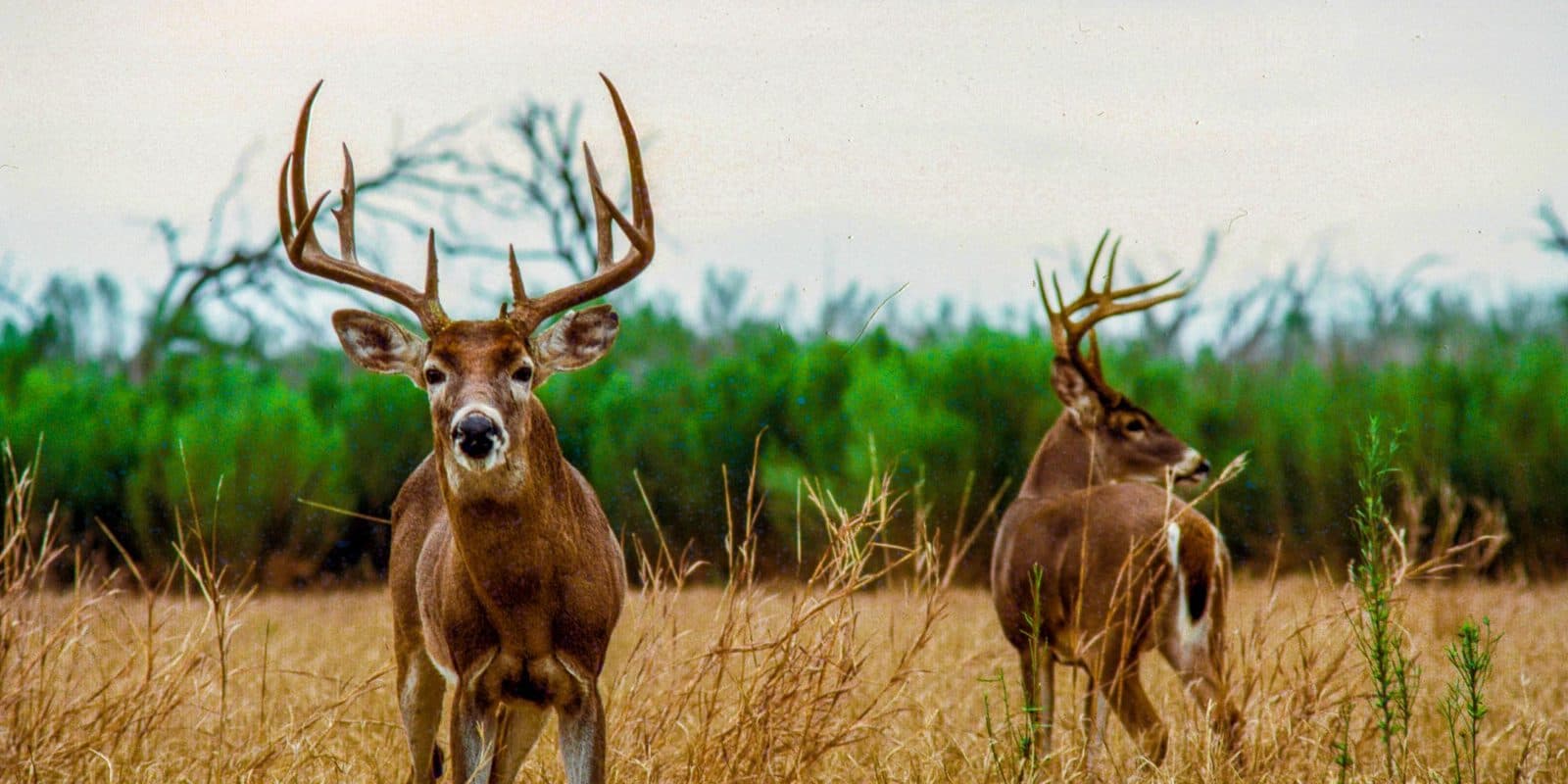
The Biggest Typical Buck in American History Spent 32 Years in a Basement — and an Electrician Found It
Ready to find your next deal?
Browse hundreds of used hunting gear listings from verified sellers.
The Second Nature Newsletter
The best used hunting gear deals and reads like this one, in your inbox. Free, no spam, unsubscribe anytime.
Fresh on the marketplace
Verified sellers, 40–60% below retail.
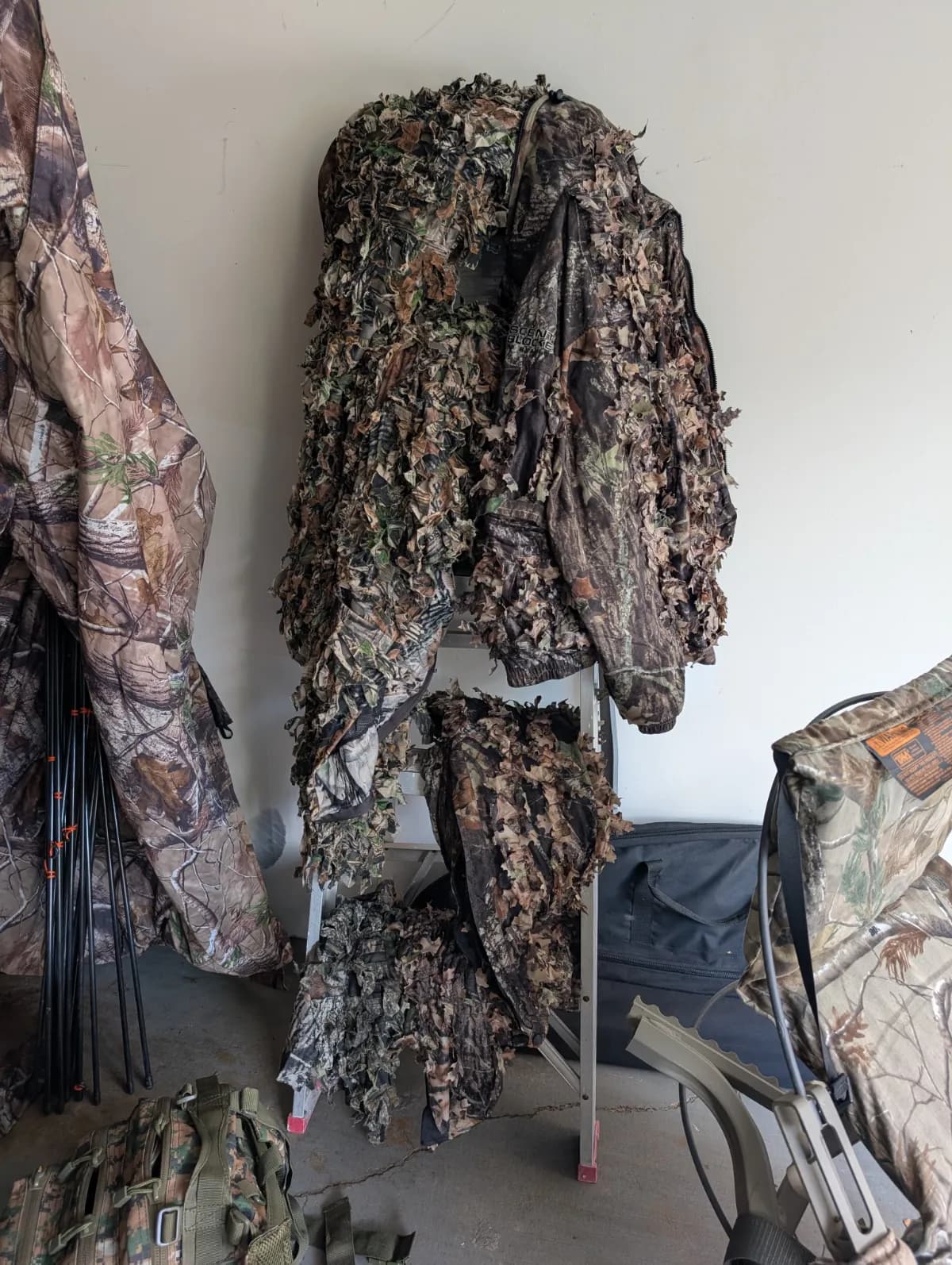
Scent Block Warm Weather Gilly Suit
$5.00
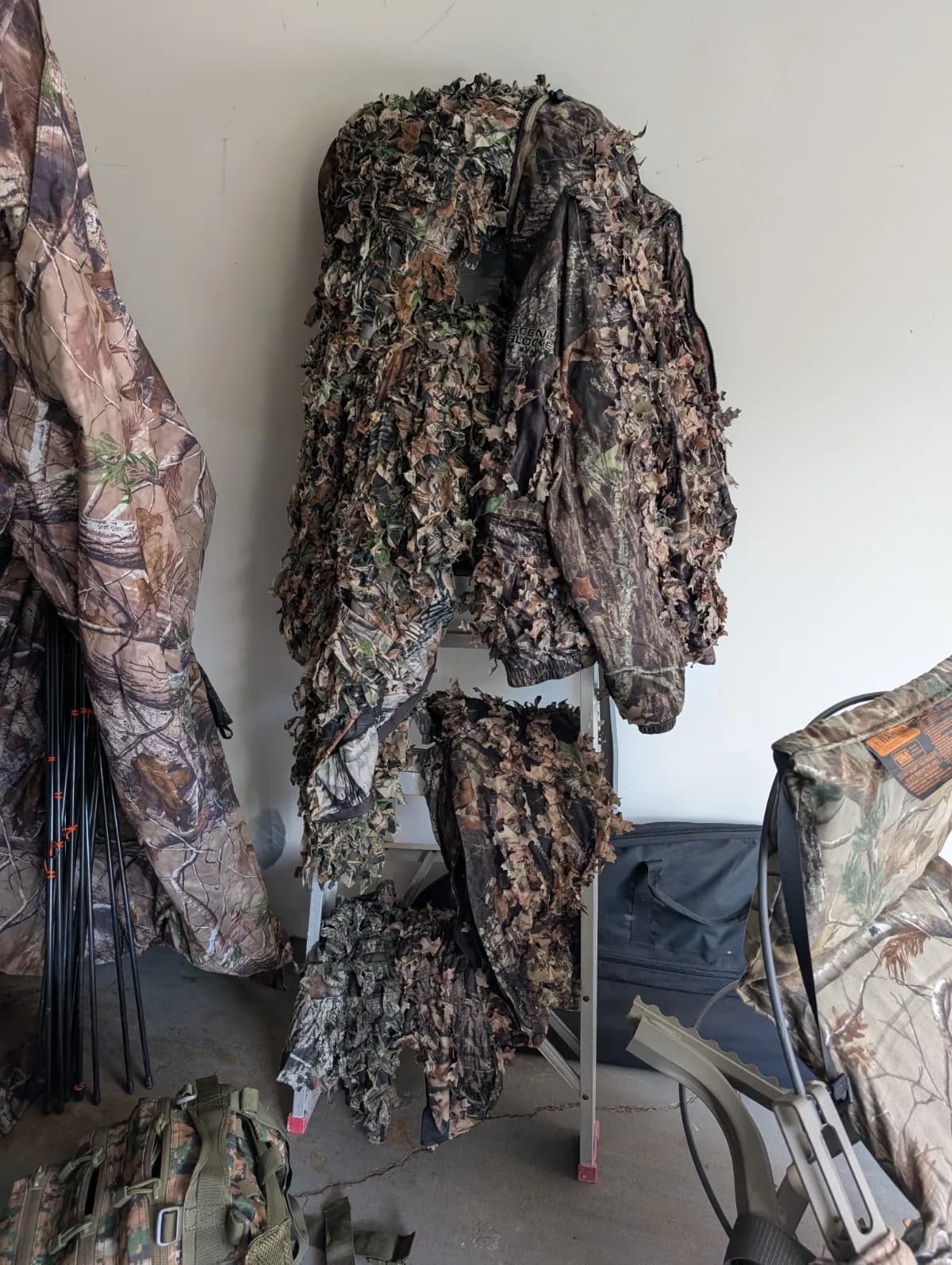
Scent Block Cold Weather Gilly Suit
$5.00
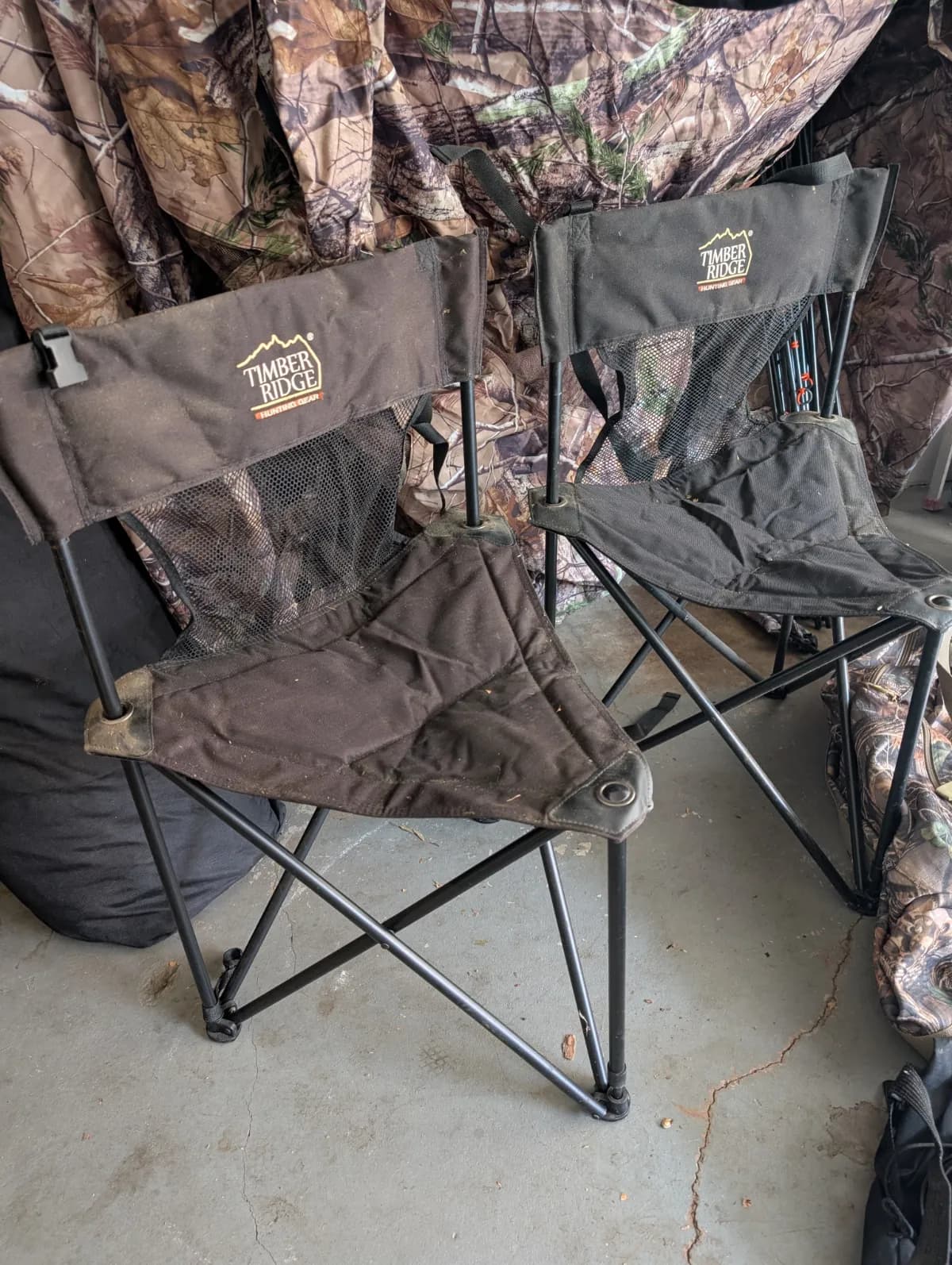
Timber Ridge heavy-duty folding bow hunting chair
$5.00