
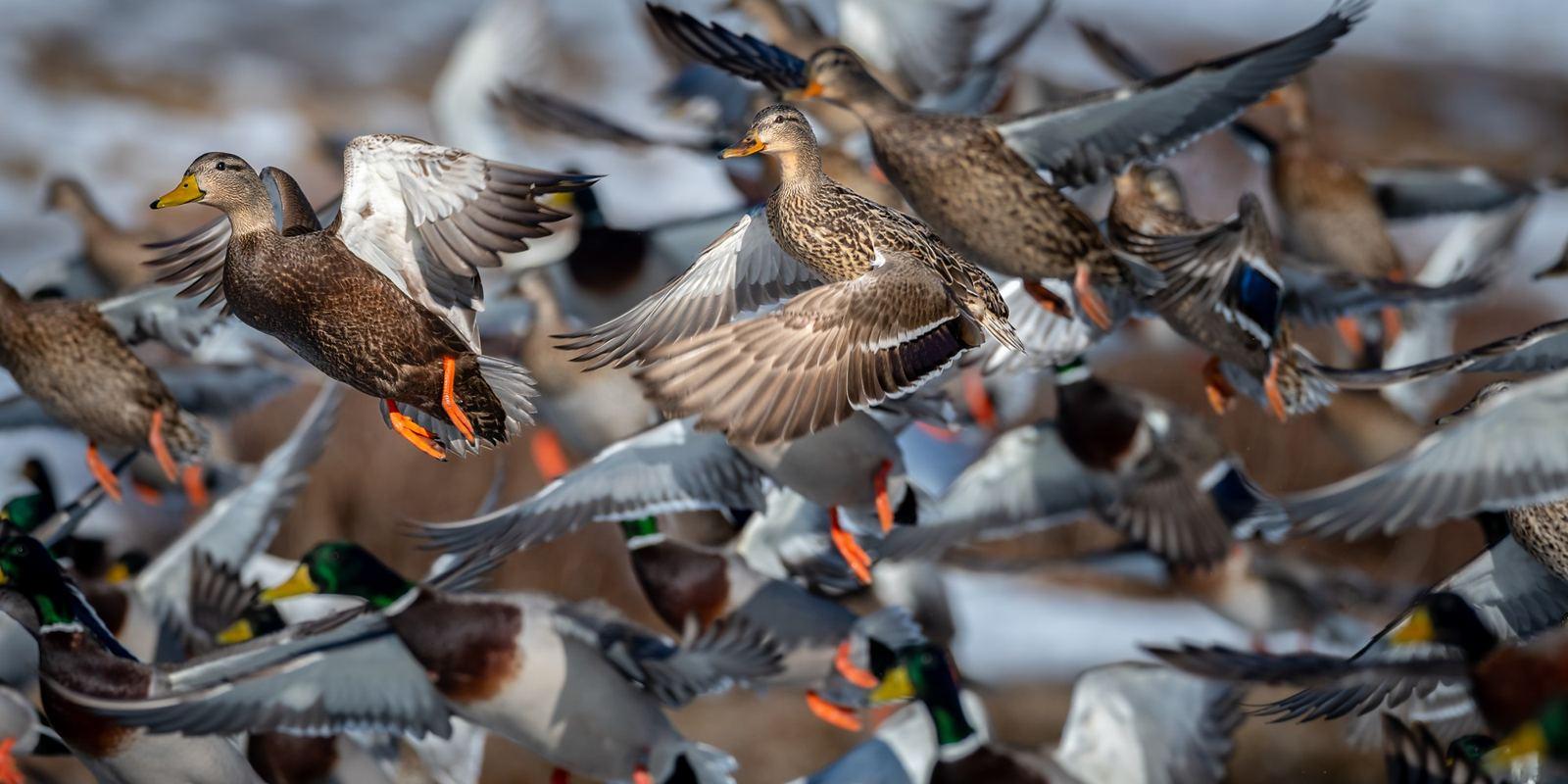
The Duck Factory Won: How 219,428 Hunters Stopped a Rollback in Three Weeks
We covered the Duck Factory fight twice this summer and never published the ending. With seasons in full swing and those birds in the flyways, it's time to close the loop, on what was won, what wasn't, and why this is now the playbook.
Some stories deserve their ending told properly. This past summer we followed the fight over the Prairie Pothole drain-tile rule across two articles, first the warning, then the explosion of public comments. What we never published, because the news cycle moved on and duck season arrived, was the ending.
Here's how the fight ended, what was actually won, what wasn't, and why this episode is now the playbook for every habitat fight that comes next.
The Ninety-Day War, Recapped
| Date | What happened |
|---|---|
| Late July | FWS opens a quiet 14-day "request for information" on the 2024 drain-tile setback rule protecting Prairie Pothole wetland easements, while the federal regulatory agenda already listed withdrawal of the rule as necessary |
| Late July | Ducks Unlimited launches "Don't Drain the Duck Factory"; the Sportsmen's Alliance publishes comment guides; hunting media picks it up |
| Days later | Ducks Unlimited, Delta Waterfowl, California Waterfowl, and South Carolina Waterfowl send a joint letter to Interior Secretary Doug Burgum, urging him to maintain the current setback rules |
| Aug 7 | Comment window closes with 219,428 comments on the docket |
| Aug 14 | FWS publicly thanks the commenters and announces: "At this time, no further action is planned as we review the information received" |
Read that last row again, because it's the sentence hunters earned. An agency that had already written withdrawal into its regulatory agenda publicly paused the plan within a week of the comment window closing. The easements protecting the wetlands that produce more than half of North America's ducks, paid for by nearly seven decades of Duck Stamp dollars, remain intact, under the 2024 setback rule, functioning as purchased.
The scale of the response stunned even the people who organized it. Brad Bortner, former chief of the FWS Migratory Bird Division, called the comments and the joint letter "unprecedented," adding that in fifty years as a waterfowl hunter and forty as a biologist, he had "never seen such a unified movement."
What Was Actually Won: Being Precise
Honesty made our first two pieces credible, so let's keep the standard. Three things were won, and one thing wasn't.
Won: the rule stands. The 2024 drain-tile setbacks, the science-based distances that keep farm drainage far enough from protected wetlands that "protected" means wet, remain in force. No withdrawal was published. No replacement was proposed.
Won: the quiet path is closed. The original review was engineered for silence: fourteen days, midsummer, technical subject. That play failed so publicly that any future attempt now faces a mobilized, educated constituency with the comment portal bookmarked. Agencies notice when a docket draws a hundred times its expected response; so do the political appointees above them.
Won: the precedent about precedent. The joint letter framed the stakes exactly right. This was never just about drainage pipe. It was about whether "permanent" conservation easements, bought with hunter dollars on a promise of perpetuity, can be functionally weakened by administrative reinterpretation. The answer, this round, was no. Every easement program hunters fund is stronger for it.
Not won: permanence. And this part matters more than the celebration. The FWS statement says "at this time, no further action is planned," which is a pause, not a treaty, and the 2026 Unified Regulatory Agenda still lists an action to withdraw the 2024 setback rule. The file is open on the agency's own paperwork. North Dakota Senator Kevin Cramer, a longtime critic of the setbacks, went further than objecting: he threatened to hold every administration nominee over the decision, saying there would not be "another nominee confirmed until something changes." A North Dakota farmer's lawsuit challenging the 2024 rule was still working through the courts as of late September, meaning the same question could return through a judge's ruling rather than an agency docket. And the underlying tension (landowners who feel the setbacks restrict land beyond the easement boundaries they sold, versus the hydrological reality that drainage at the boundary drains the wetland inside it) hasn't gone anywhere. It will be back. The watch continues.
Why This Worked: The Anatomy of a Win
Conservation fights fail quietly all the time. This one succeeded loudly, and the reasons are worth engraving, because they're repeatable.
Speed beat the clock. The window was fourteen days. The response began within hours of the Federal Register notice, because organizations and media treated a technical notice as the news it was. The lesson: the boring-sounding stuff is the fight. By the time a threat has a dramatic name, the comment window is usually closed.
The ask was specific and easy. DU and the Sportsmen's Alliance didn't ask hunters to "care about wetlands." They provided a docket number, a deadline, a two-minute pathway, and suggested talking points, and hundreds of thousands of people used them. Specificity converts outrage into records.
The money argument led. The most effective framing wasn't ecological, it was contractual. We bought these easements. Hundreds of millions of dollars, over sixty years, through stamps and taxes we levied on ourselves. We expect what we paid for. Agencies and politicians can argue biology; arguing with paying customers is harder.
The coalition was total. Four waterfowl organizations on one letterhead, congressional leadership on the cc line, industry brands amplifying. There was no seam to split, no "hunters are divided" story to write.
And the numbers were real. Nothing substitutes for 219,428. Agencies genuinely tally; a hundredfold overshoot of an expected response gets briefed to the top. Every single commenter was, literally, counted.
The Season Connection
There's a footnote worth sitting with this month. The ducks hatched in those contested potholes last spring are right now in the flyways, decoying into spreads from the Dakotas to the Gulf.
And the 2026 numbers make the habitat argument sharper, not softer. The breeding survey estimated 33.4 million ducks in the traditional survey area: down 1.6% from 2025, and about 6% below the long-term average of 35.4 million. That's not a crisis, but it isn't a cushion either. When the flight is trending gently downward, the acres that produce it stop being an abstraction. Every prairie-hatched bird in that number is an argument for what 219,428 people defended in August.
The fight's legacy is already compounding: the mobilized list DU built, the educated commenters, the proven playbook. The Klamath's water crisis, the next easement question, the next quiet docket, the infrastructure of response now exists, tested once, at scale.
The Bottom Line
The Duck Factory fight ended the way conservation fights almost never do: quickly, clearly, and in the hunters' favor. A rollback paused in three weeks by the largest unified response a waterfowl issue has ever drawn. The win is real, the rule stands, the easements hold, and the quiet path is burned. The win is also probationary: "no further action at this time," a withdrawal still sitting on the regulatory agenda, a senator holding nominees over it, and a pending lawsuit all mean the file stays open.
So keep the lesson where you can reach it. The whole system (the stamps, the easements, the potholes, the flights) was built by hunters who showed up when it mattered and paid when it counted. This summer proved the current generation still does both.
The ducks are flying. The Factory is intact. And 219,428 people know exactly what to do next time.
Sources
- Feds Cave to Hunter Backlash After Considering Conservation Rollbacks in Prairie Potholes, Field & Stream
- Wetland easement drain tile setback rules stir fight over drainage, Agri-Pulse
- Request for Information on Implementation of Drain Tile Setbacks, Federal Register
- Waterfowl Population Status and Breeding Survey, U.S. Fish & Wildlife Service
Hunters fund the fight; it's always worked that way. Gear up for the rest of the season for less on Second Nature: used waders, jackets, and cold-weather systems from Sitka, KUIU, and First Lite, inspected and buyer-protected, and put a slice of the savings where the ducks live: a second Duck Stamp, a DU or Delta membership, or the conservation group of your choice. The next docket won't announce itself.
In the market for gear?
Browse verified secondhand listings at 40–60% below retail, or turn the gear hanging in your closet into cash.
More Articles
The End of Over-the-Counter Elk? What Colorado's 2026 Changes Mean for Every Western Hunter
The Wild Game Thanksgiving: Venison and Wild Turkey Without a Family Mutiny
Every Big Game Draw Deadline You Need to Know for 2027: The Western Application Calendar
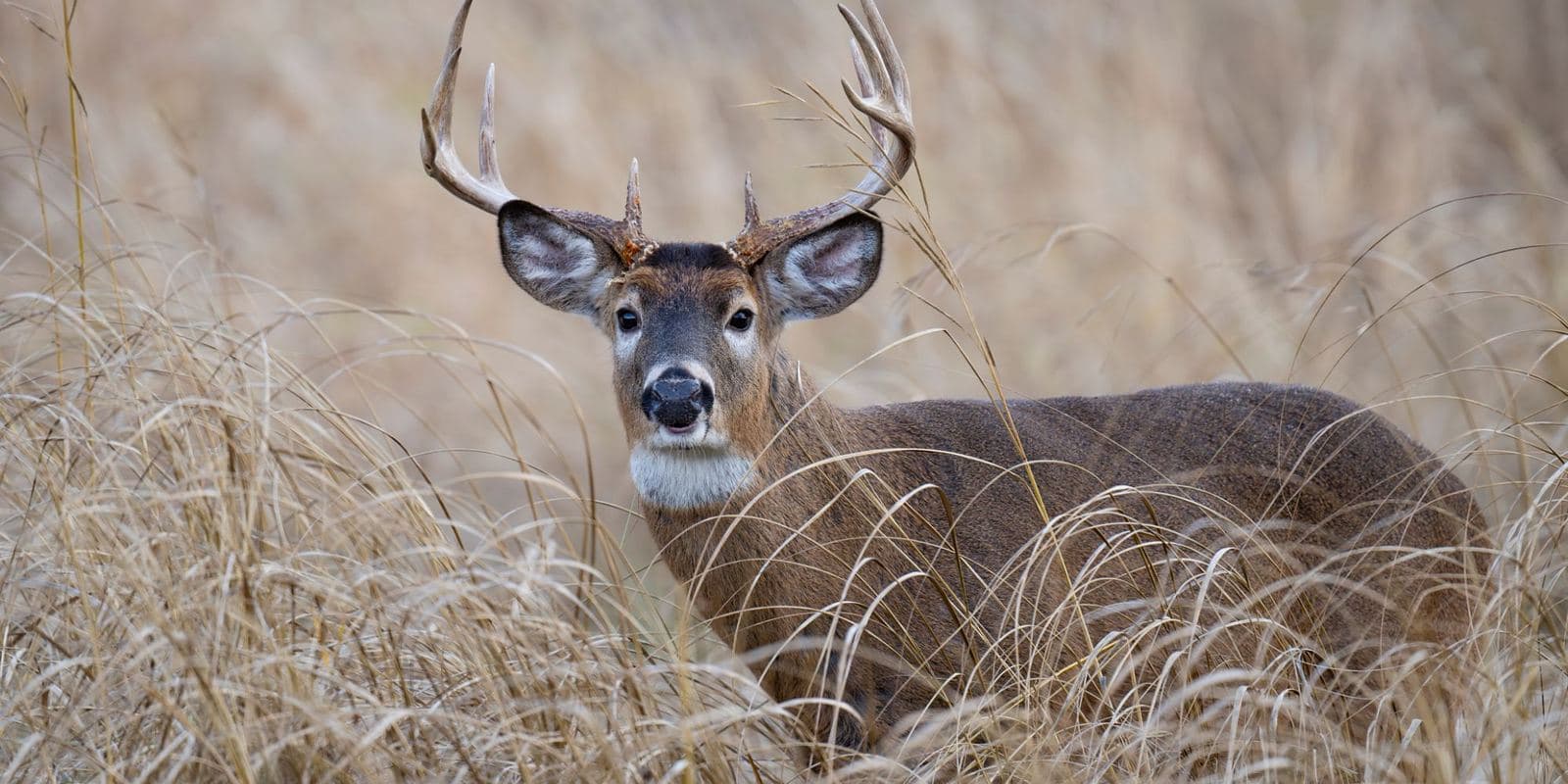
Late-Season Whitetails: The December Playbook (and the Truth About the Second Rut)
Ready to find your next deal?
Browse hundreds of used hunting gear listings from verified sellers.
The Second Nature Newsletter
The best used hunting gear deals and reads like this one, in your inbox. Free, no spam, unsubscribe anytime.
Used Sitka right now
Verified sellers, 40–60% below retail.
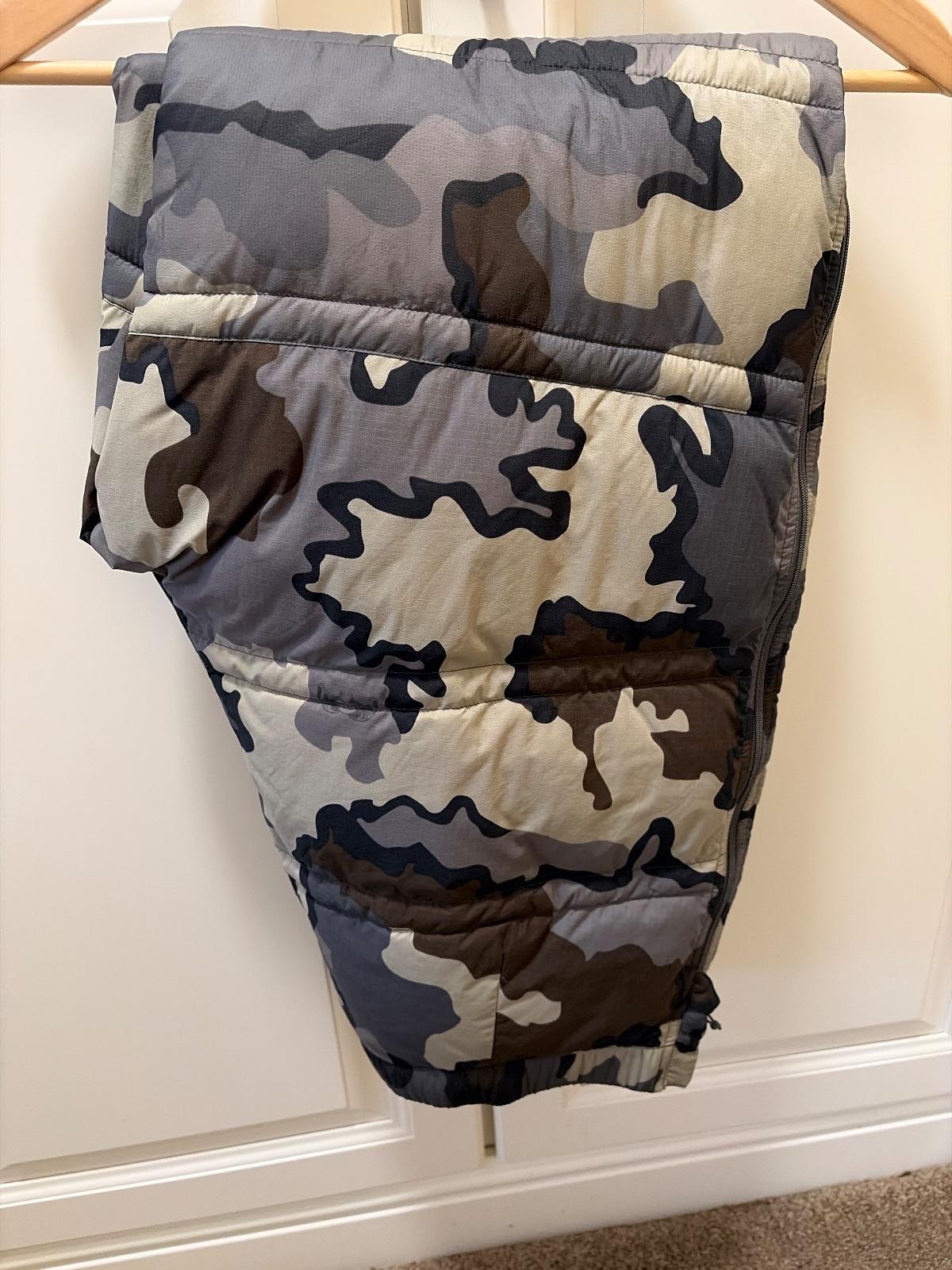
KUIU VYAS Men’s Super Down Ultra Pants
$295.0010% off
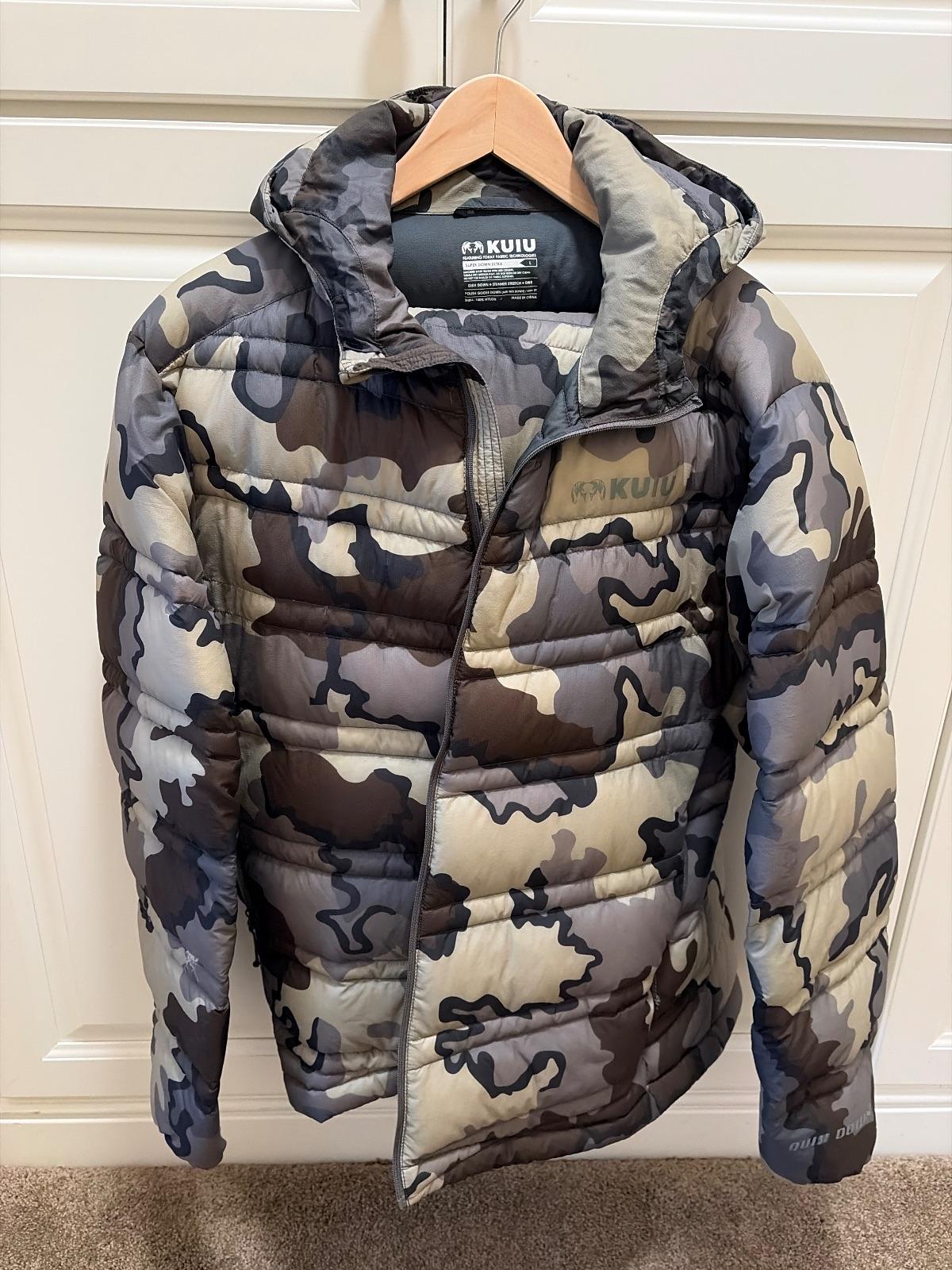
Men’s KUIU VYAS Super Down Pro Hooded Jacket
$335.0016% off
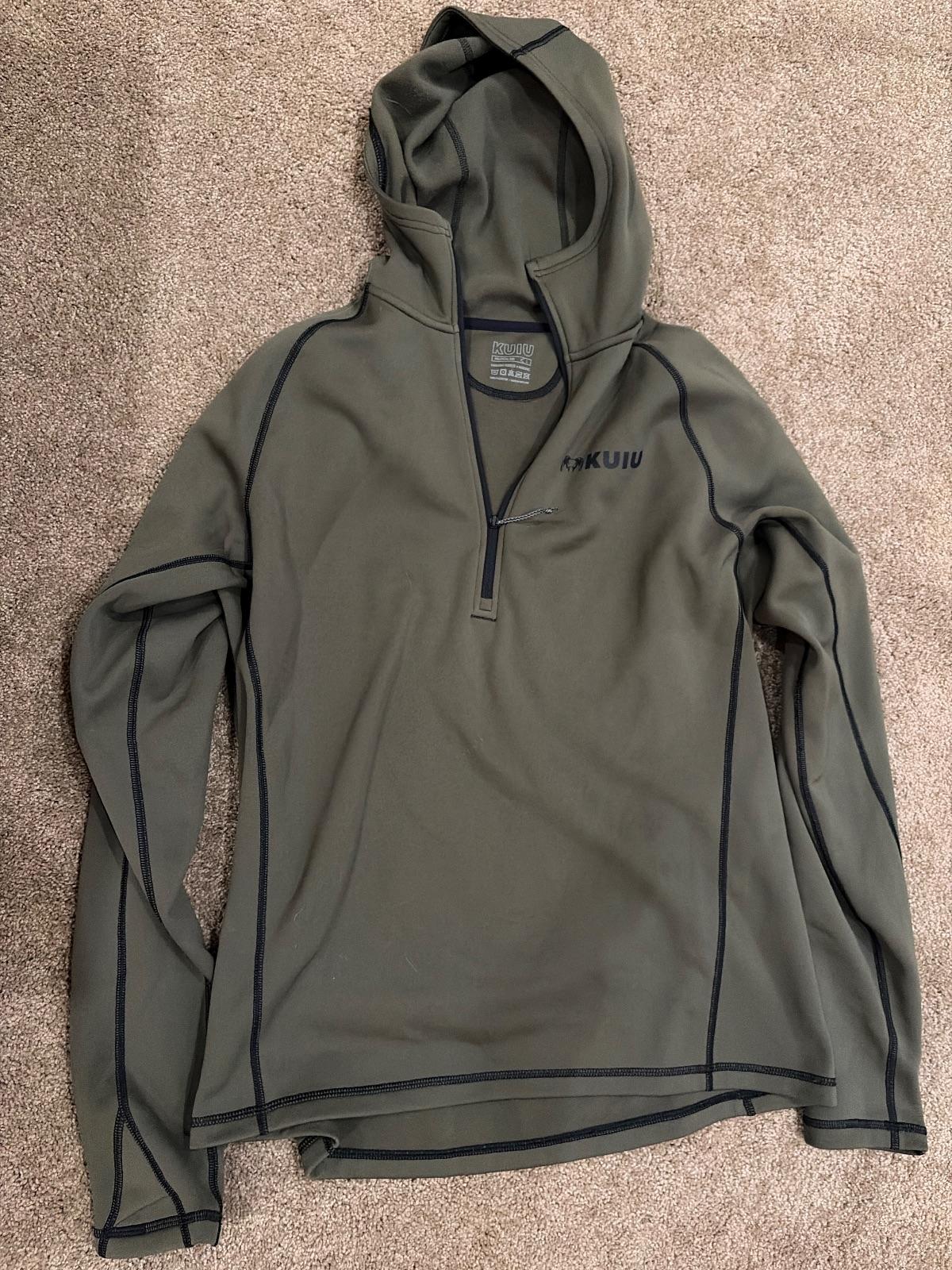
KUIU Peloton 200 Fleece Hoodie
$149.0025% off