
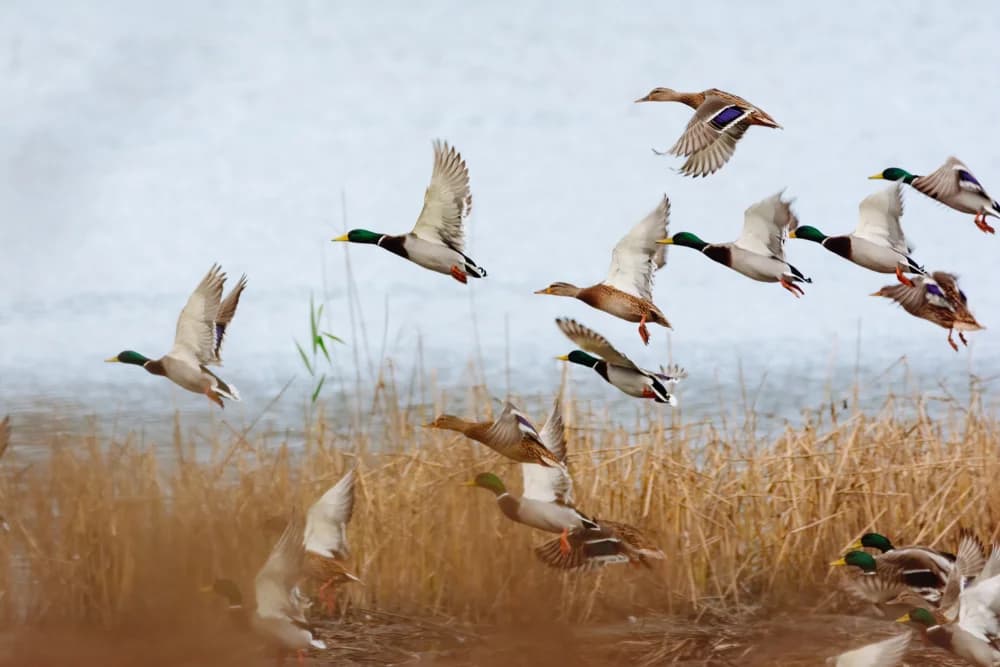
The Complete Duck and Goose Hunting Gear List: What You Actually Need
Waterfowl hunting is the only form of hunting where you voluntarily stand in freezing water before sunrise, get rained on, and call it a great morning. It’s also the most gear-intensive. Between waders, decoys, calls, blinds, and specialized waterproof clothing, a duck or goose setup involves more individual pieces of equipment than almost any other hunt.
The good news is that waterfowl gear is built to take a beating, which means it holds up well on the used market. The bad news is that if you buy the wrong stuff, you’ll be wet, cold, and miserable by 7 AM with four more hours of shooting light ahead of you.
Here’s what you actually need.
Waders: The Non-Negotiable
If you hunt ducks or geese near water, you need chest waders. They keep you dry while setting decoys, wading to your blind, and retrieving birds. There are two main types: neoprene and breathable.
Neoprene waders (3.5mm to 5mm) provide built-in insulation and are the standard for cold-water late-season hunts. They’re heavier and hotter in early season. Breathable waders are lighter and work across a wider temperature range when paired with proper layering underneath. Most serious waterfowl hunters own both.
Drake’s EST Refuge ($350 to $500), Sitka’s Delta Zip ($599), Banded’s Black Label ($220 to $350), and Lacrosse’s Alpha Agility ($250) are top options. Used waders sell for $80 to $300, but they require careful inspection. Fill them with water before buying to check for leaks at seams, knees, and the boot-to-leg junction. A pinhole leak at the knee will ruin every hunt until you patch it.
Waterproof Jacket
Waterfowl jackets are built differently than hunting jackets for other species. They prioritize full waterproofing with sealed seams, high collars that block wind-driven rain, and reinforced shoulders and forearms for mounting a shotgun hundreds of times per season. Breathability takes a backseat to keeping water out.
Drake’s Guardian Elite ($300) is the workhorse of duck blinds across America. Sitka’s Delta Deek ($349) brings premium construction. Banded’s Calefaction Elite ($280) offers strong value. For extreme cold, look for jackets with integrated insulation rather than relying entirely on layering underneath. When you’re standing in a flooded timber hole, you want your warmth built into your shell.
Used waterfowl jackets sell for $120 to $220. Check that the DWR coating still beads water, and verify the sealed seams aren’t peeling. A DWR refresh with Nikwax is easy, but delaminated seam tape means the jacket’s waterproof days are numbered.
Insulated Bibs or Pants
For field hunting geese or hunting from a blind over dry ground, insulated bibs replace waders. Drake’s Guardian Elite Bib ($280), Sitka’s Hudson Bib ($399), and Banded’s Catalyst Bib ($300) provide full-body waterproof insulation without the bulk and weight of waders. Some hunters wear bibs over breathable waders for maximum protection on the coldest days.
Used bibs run $100 to $250 and hold up well since they don’t take the same knee-and-boot abuse that waders do.
Decoys: Quantity Matters
This is where waterfowl hunting gets expensive fast. Unlike a turkey hunt where you need two or three decoys, a duck spread typically runs 12 to 36 decoys and a goose spread can easily hit 50 to 100 or more. Even at $5 to $15 per duck decoy and $15 to $30 per goose decoy, those numbers add up.
Avian-X, GHG (Greenhead Gear), and Dakota make the most popular options. A dozen quality mallard decoys retail for $80 to $200. Full-body goose decoys are $25 to $50 each.
This is the single best category to buy used. Decoys are literally designed to sit in water, mud, and weather. They’re nearly indestructible. Faded paint? Turkeys and ducks don’t care. Scratches from transport? Irrelevant. Used decoys sell for 40 to 60 percent off retail, and buying a full spread secondhand can save you $200 to $500 compared to building one from new.
Calls
A quality duck call is essential. You don’t need a $200 competition call, but you do need something that produces clean, consistent sound. RNT’s Original ($135), Echo’s Timber ($100), and Zink’s Power Hen ($80) are proven performers. For geese, a short-reed goose call from Tim Grounds, Zink, or Foiles handles most situations.
Used duck calls sell for $40 to $80 and arguably sound better broken in. The barrel and insert develop a “seasoned” tone that many callers prefer. Check that the insert isn’t cracked and the reed hasn’t warped.
Layout Blind
Field hunting for geese requires a layout blind that lets you lie flat in a harvested field and sit up when birds are in range. Avery’s Finisher series ($250 to $400) dominates this category. Rogers and Final Approach also make solid options. Used layout blinds sell for $80 to $200 and have very little to go wrong mechanically. Check the hinge pins and stubble straps.
Accessories
Gloves: Waterproof neoprene gloves ($20 to $40) for decoy work, lighter gloves for shooting. Your hands will be in and out of water all morning.
Headwear: A fleece-lined beanie or bomber hat. Your head is the only thing sticking above the blind and it loses heat fast. $20 to $50 new, $10 to $25 used.
Blind bag: A waterproof gear bag that holds shells, calls, snacks, hand warmers, and your thermos. Avery, Drake, and Rig’Em Right all make good ones. $50 to $120 new, $25 to $60 used.
Build Your Spread for Less
A full waterfowl setup runs $900 to $2,500 at retail depending on how big you build your decoy spread. On the used market, the same quality of gear runs $400 to $1,200. The biggest savings come from decoys and layout blinds, which are practically immune to wear.
Second Nature USA carries waterfowl-specific gear from Drake, Sitka, Banded, and more. Filter by the Waterfowl category and you’ll find waders, jackets, bibs, and accessories from hunters who’ve upgraded or stepped away from the sport. Their gear still has seasons of life left in it. Your job is to give it a new duck blind to live in.
In the market for gear?
Browse verified secondhand listings at 40–60% below retail — or turn the gear hanging in your closet into cash.
More Articles
The 2026 Rifle Opener Guide: When Gun Seasons Start and How to Hunt the Most Pressured Day of the Year
The 2026 Gift Guide for Hunters: What They Actually Want, by Budget

The October Lull Is Lying to You: What GPS Collars Say About Where the Deer Actually Went

EHD Is Killing Deer by the Hundreds Right Now: What the 2026 Outbreak Means for Your Season
Ready to find your next deal?
Browse hundreds of used hunting gear listings from verified sellers.
The Second Nature Newsletter
The best used hunting gear deals and reads like this one, in your inbox. Free, no spam, unsubscribe anytime.
Fresh on the marketplace
Verified sellers, 40–60% below retail.
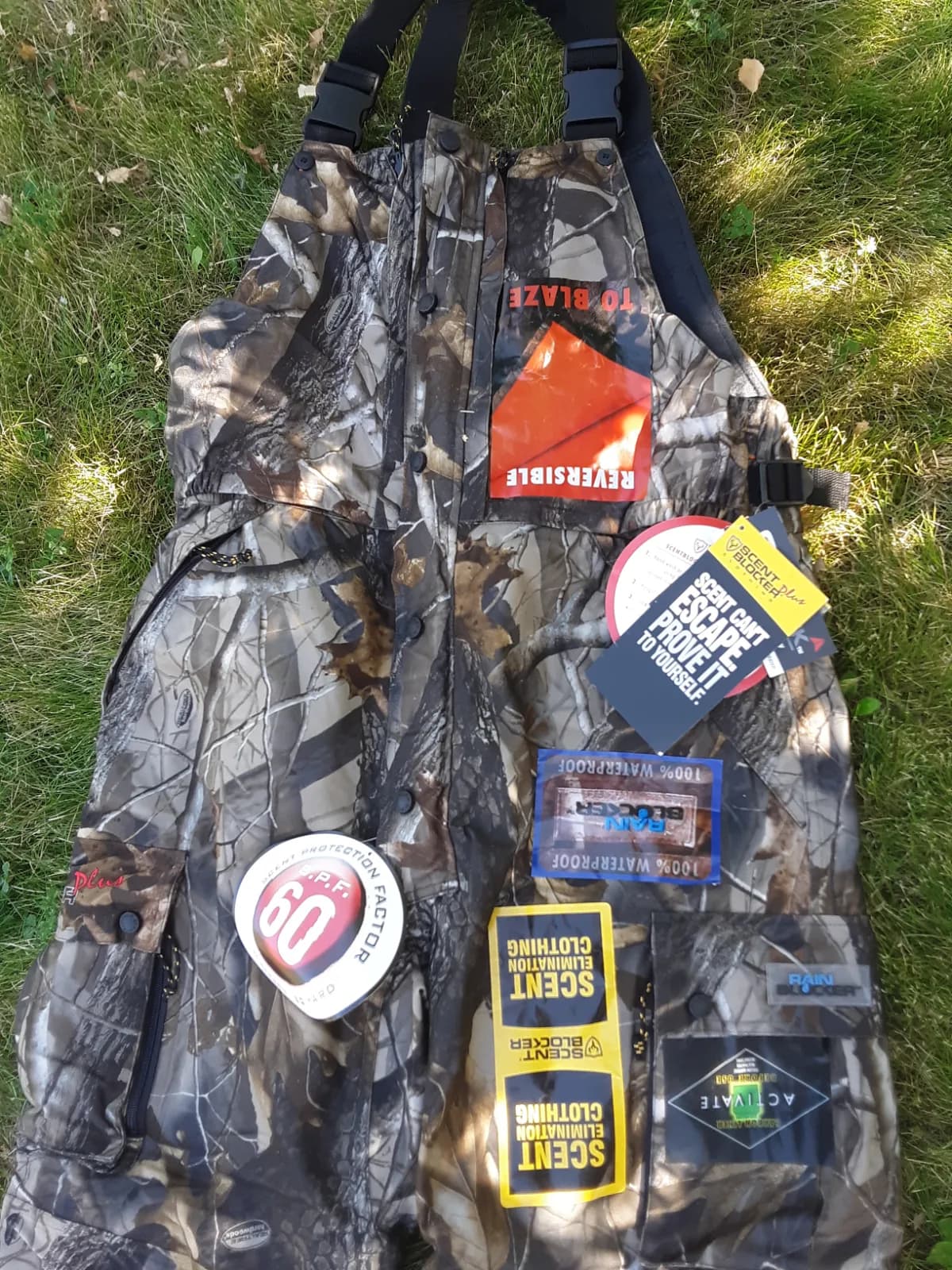
NEW! Scent Blocker Prohunter camo bib in Men's large
$119.00
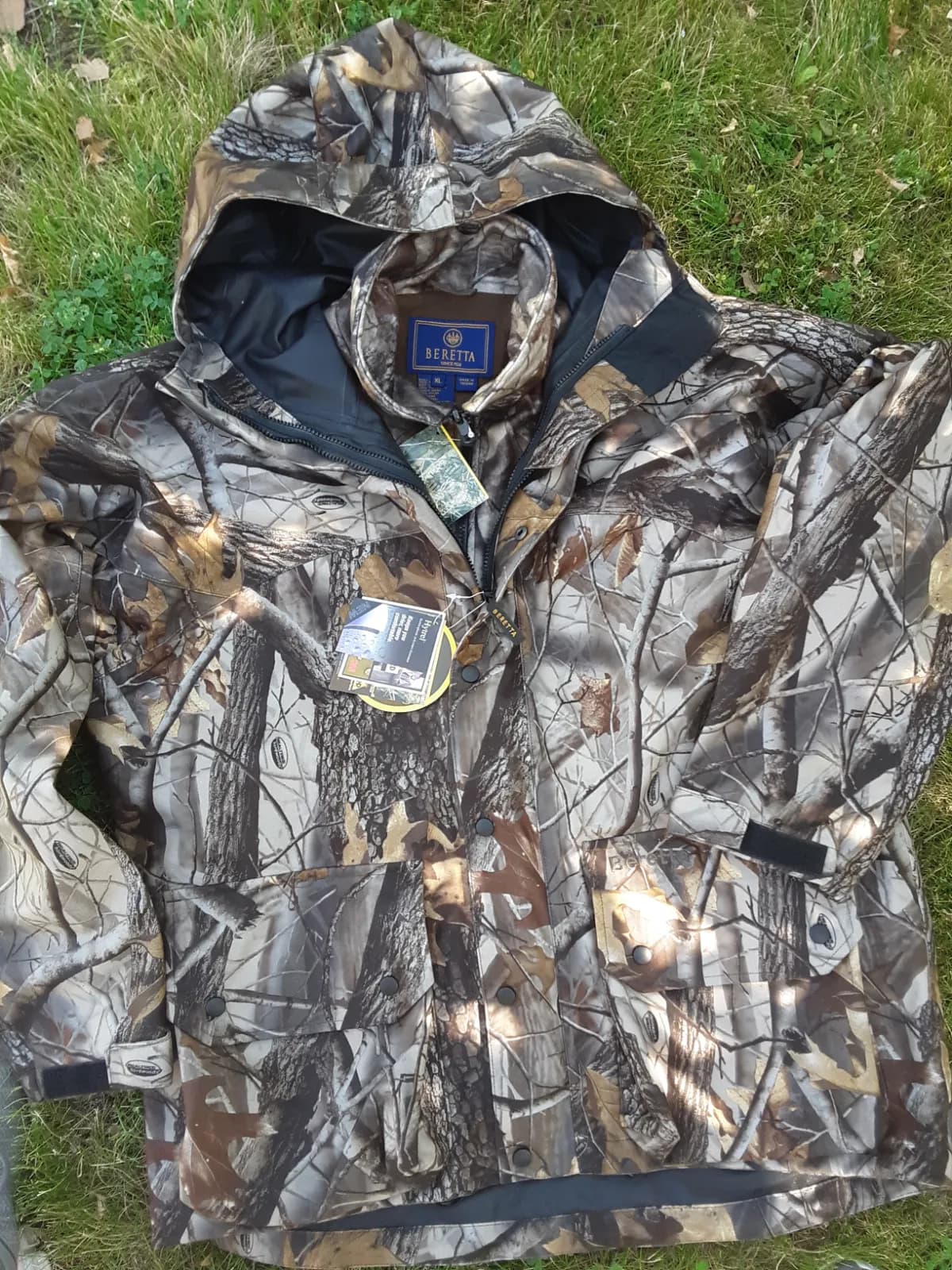
NEW Beretta heavy-weight rain coat with separate fleece jacket, men's XL
$225.00
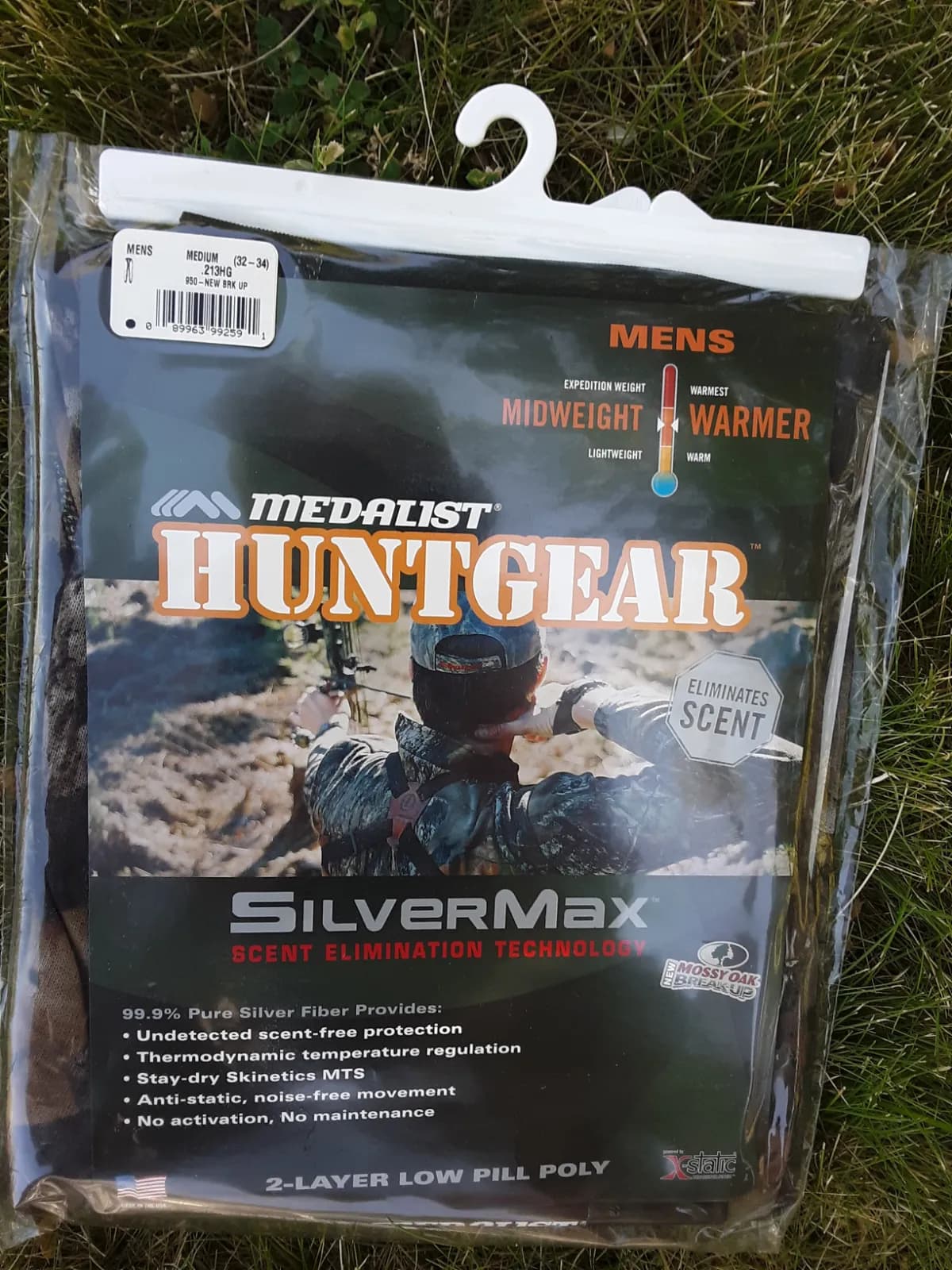
NEW Medalist Huntgear, level 1 warmer bottoms, men's medium
$20.0033% off