
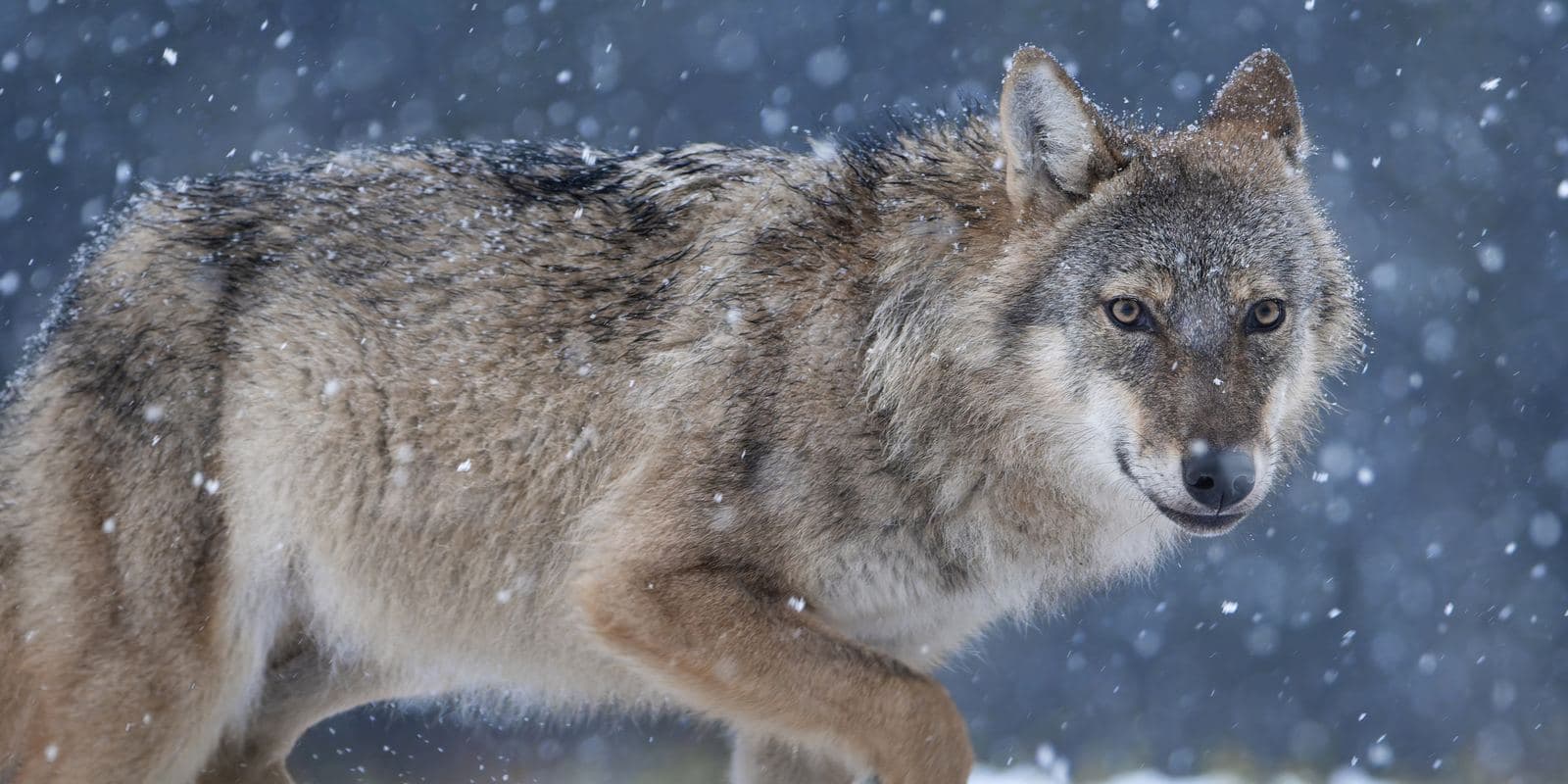
Colorado's Wolf Repeal Is Dead for 2026 — and Money, Not Voters, Killed It
We said we'd cover the signature count when it landed. There isn't one — and the reason the repeal of America's only voter-ordered wolf reintroduction never reached voters has almost nothing to do with wolves.
In August we wrote about Initiative 13, the ballot measure that would have ended Colorado's gray wolf reintroduction on December 31, 2026, and we promised to report the signature count when it came in.
There is no count to report. The measure is not on the November 3, 2026 ballot, no signatures were submitted, and the campaign had stopped gathering them months before the deadline. Colorado's wolves stay, the reintroduction program stays, and the most consequential wildlife question in the state never went to the voters who were promised it.
Here's what actually happened — including a correction to our own reporting — and why the real story is about money and timing rather than about wolves.
First, Our Correction
Our August piece said signatures were due August 27 and that collection was underway. Both were wrong, and we've corrected that post.
The deadline for an initiated statute on the November 3, 2026 Colorado ballot was August 3, 2026, and the requirement was 124,238 valid signatures. August 27 was the deadline for the campaign's first attempt, a year earlier, in 2025. By the time we published, the 2026 window had already closed — and the campaign had been paused since January. We should have verified the date against the Secretary of State's calendar rather than carrying it forward from earlier coverage.
What Actually Happened
| When | What happened |
|---|---|
| Aug 27, 2025 | First attempt's deadline. Colorado Advocates for Smart Wolf Policy had gathered just over 25,000 of the ~125,000 needed — and chose not to submit them |
| Sept 12, 2025 | Backers refile draft language, aiming at the November 2026 ballot |
| Jan 2026 | The second attempt pauses signature collection, pending federal and state developments |
| Apr 3, 2026 | Last day to submit measures for title-setting for the November ballot |
| Aug 3, 2026 | Signature deadline — 124,238 valid signatures. None submitted |
| Nov 3, 2026 | No wolf measure on the ballot |
The Real Reason: It Cost Too Much
The 2025 attempt is the clearest window into why this failed, because the organizers said it plainly. Lead organizer Patrick Davis explained the shortfall in one sentence: they weren't able to raise the roughly $1 million it would have taken to hire a professional petitioning operation to collect 100,000-plus signatures.
State campaign finance records put what they did raise at about $38,897 as of mid-July 2025, with just over $30,000 spent.
Sit with those two numbers. A measure to overturn a statewide wildlife decision — one with real rural constituencies, real economic stakes, and a genuine grievance behind it — died at roughly four percent of the money required to put it in front of voters. Not because the argument lost. Because the signature-gathering industry costs a million dollars and the campaign raised thirty-nine thousand.
Davis also acknowledged that opposition from northwest Colorado commissioners and agriculture groups — who objected that the measure was drafted without input from the communities most affected — "hurt our fundraising dramatically." The repeal effort was wounded by the rural interests it claimed to speak for.
Why They Stopped in January
The second attempt didn't fail at a deadline; it paused in January and never restarted. The stated reasoning was strategic: the organizers wanted to see how several outside developments landed first — the federal Fish and Wildlife Service's move toward taking over wolf management, congressional delisting efforts, the effect of halted wolf releases on the program, and state budget decisions in the 2026 legislative session.
Read generously, that's discipline: why spend a million dollars repealing a program that federal action or budget pressure might hollow out for free? Read plainly, it's an admission that the money was never going to be there.
Davis framed a future measure as conditional — contingent on whether Colorado can keep or regain management of its reintroduced wolves against the federal government's pending response. Which means the next repeal attempt, if there is one, depends on a decision being made in Washington rather than in Colorado.
What This Says About Ballot-Box Biology
Our August piece laid out the split inside the hunting world: one camp seeing repeal as the overdue correction to a 2020 vote that imposed wolves on rural counties, the other — including most organized hunter-angler groups — arguing that fighting a ballot measure with a ballot measure legitimizes the exact tool that will eventually be used against hunting itself.
That second camp got the outcome it wanted without spending a dollar opposing the measure. It died of its own fundraising.
The uncomfortable lesson cuts both ways, and hunters should sit with it rather than celebrate:
Ballot-box wildlife management is a money contest, not an argument contest. Prop 114 passed in 2020 because its backers could fund a campaign. Initiative 13 failed in 2026 because its backers couldn't. Neither outcome turned on biology, and neither will next time. The same $1 million barrier that stopped a repeal hunters were split on will stop a defense hunters are united on.
Signature thresholds are the real gatekeeper. 124,238 valid signatures in a six-month window is not a grassroots exercise; it is a purchased service. Any wildlife question that reaches Colorado voters has, by definition, been funded by someone with a million dollars and a reason.
Hunters are 4 percent of the population and a far larger share of the funding. As we covered in the participation paradox, hunter dollars carry the conservation system. In a ballot-measure world, that funding share is leverage only if it's organized before a campaign starts, not after.
Where the Fight Actually Went
Nothing about the wolves was settled — the venue just changed. The live questions now sit with the Colorado Parks and Wildlife commission, the legislature, and the federal government:
Federal management. The Fish and Wildlife Service's posture toward wolf management is the single biggest variable, and it's the one the repeal campaign is explicitly waiting on. It's the same desk that drove the grizzly management transfer — state-versus-federal control is the thread running through both stories.
Funding and the legislature. Western Slope lawmakers have already tried to pause reintroduction funding, settling instead for a deal with the governor to redirect money elsewhere. Budget pressure is a quieter lever than a ballot measure and considerably cheaper to pull.
Depredation and compensation. Every confirmed livestock kill and every compensation claim shapes the politics of the next attempt more than any campaign ad would.
The Bottom Line
America's first voter-ordered wolf reintroduction survived its first repeal attempt, and the reason is neither a vote nor an argument: the people who wanted it gone raised $38,897 against a $1 million entry fee. No signatures were submitted, no ballot question was asked, and the program continues.
Hunters on both sides of this one should take the same lesson from it. The ballot box decides wildlife questions in Colorado now, and the ballot box runs on money. The time to organize is before someone else files the paperwork — not after.
Sources
- Group looking to end wolf reintroduction fails to collect enough signatures — Colorado Sun
- Initiative seeking to stop Colorado wolf releases fails to collect enough signatures — Post Independent
- Citizen effort pursuing a ballot measure to halt wolf reintroductions takes a step back — Post Independent
- Colorado End Gray Wolf Reintroduction Initiative (2026) — Ballotpedia
- Signature requirements for ballot measures in Colorado — Ballotpedia
Hunting the West this fall? Gear up for less — browse used Sitka, KUIU, and First Lite on Second Nature, and spend the savings where it counts: tags, fuel, and the groups that show up before the paperwork gets filed.
In the market for gear?
Browse verified secondhand listings at 40–60% below retail — or turn the gear hanging in your closet into cash.
More Articles
The Season Most Hunters Skip: Why December Muzzleloader Is the Best-Kept Secret in Deer Hunting
The 2026 Gift Guide for Hunters: What They Actually Want, by Budget
The 2026 Rifle Opener Guide: When Gun Seasons Start and How to Hunt the Most Pressured Day of the Year
The October Lull Is Lying to You: What GPS Collars Say About Where the Deer Actually Went
Ready to find your next deal?
Browse hundreds of used hunting gear listings from verified sellers.
The Second Nature Newsletter
The best used hunting gear deals and reads like this one, in your inbox. Free, no spam, unsubscribe anytime.
Fresh on the marketplace
Verified sellers, 40–60% below retail.
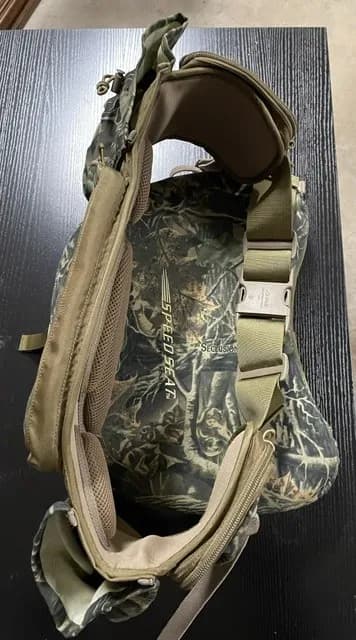
Cabela’s Speedseat Turkey Seclusion 3D Camo Vintage Hunting Built-In Seat
$60.00
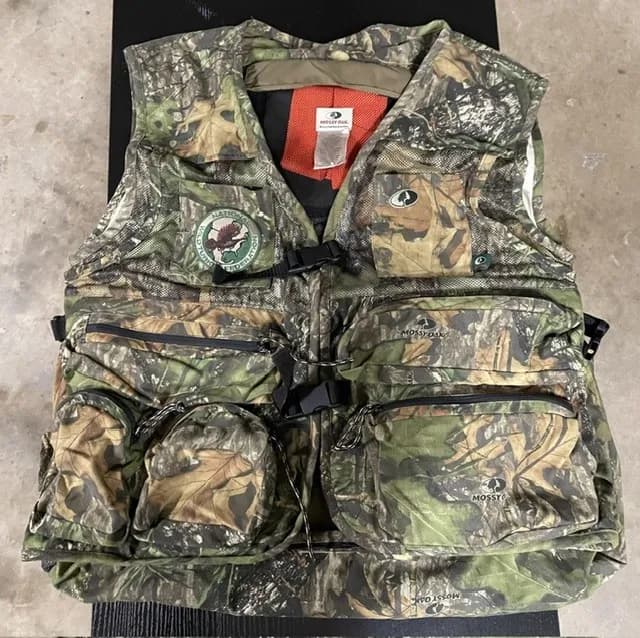
Russell Outdoors Treklite Super Elite III Turkey Vest
$100.0023% off
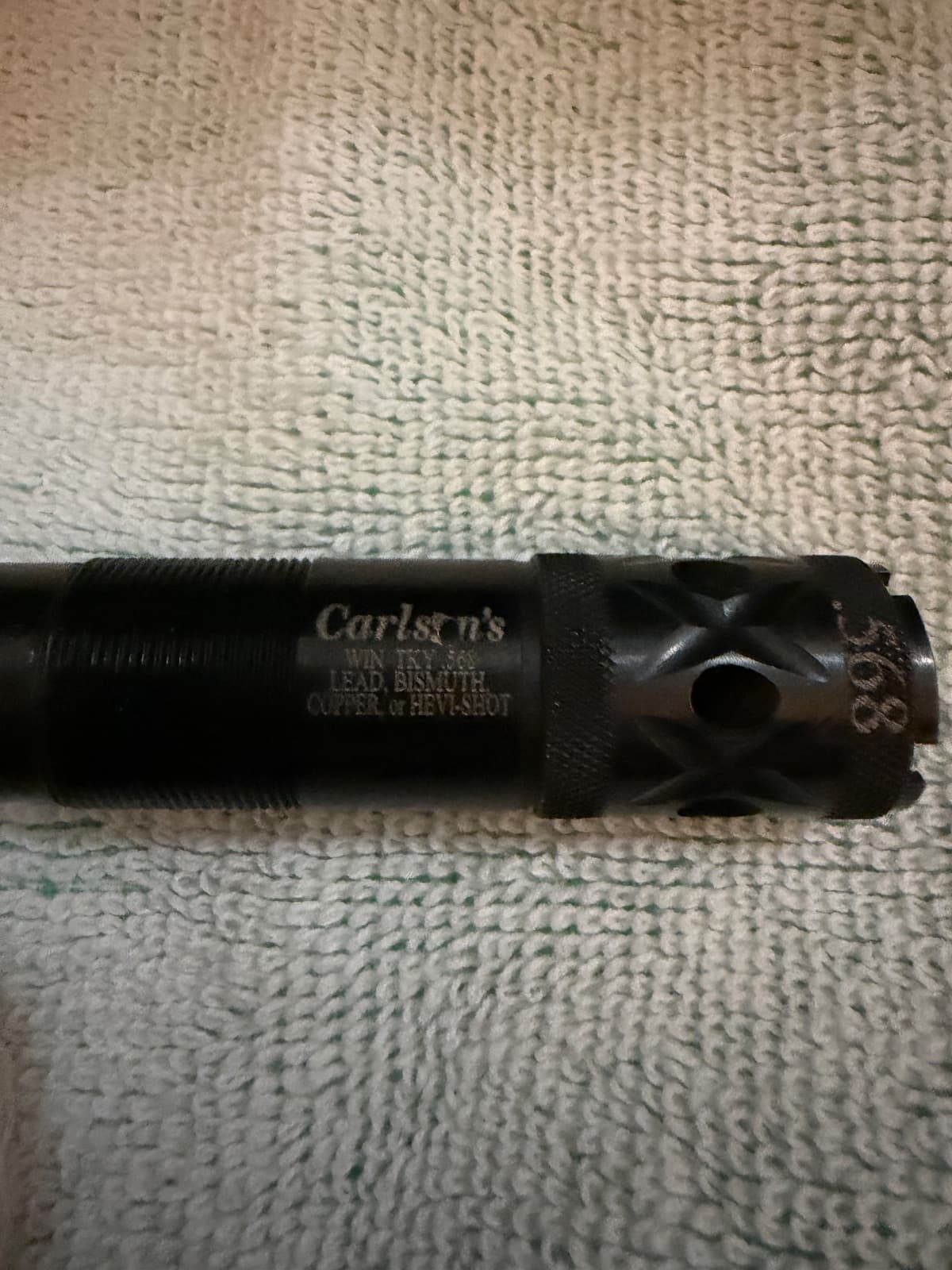
Carlsons Turkey choke .568
$40.0041% off