
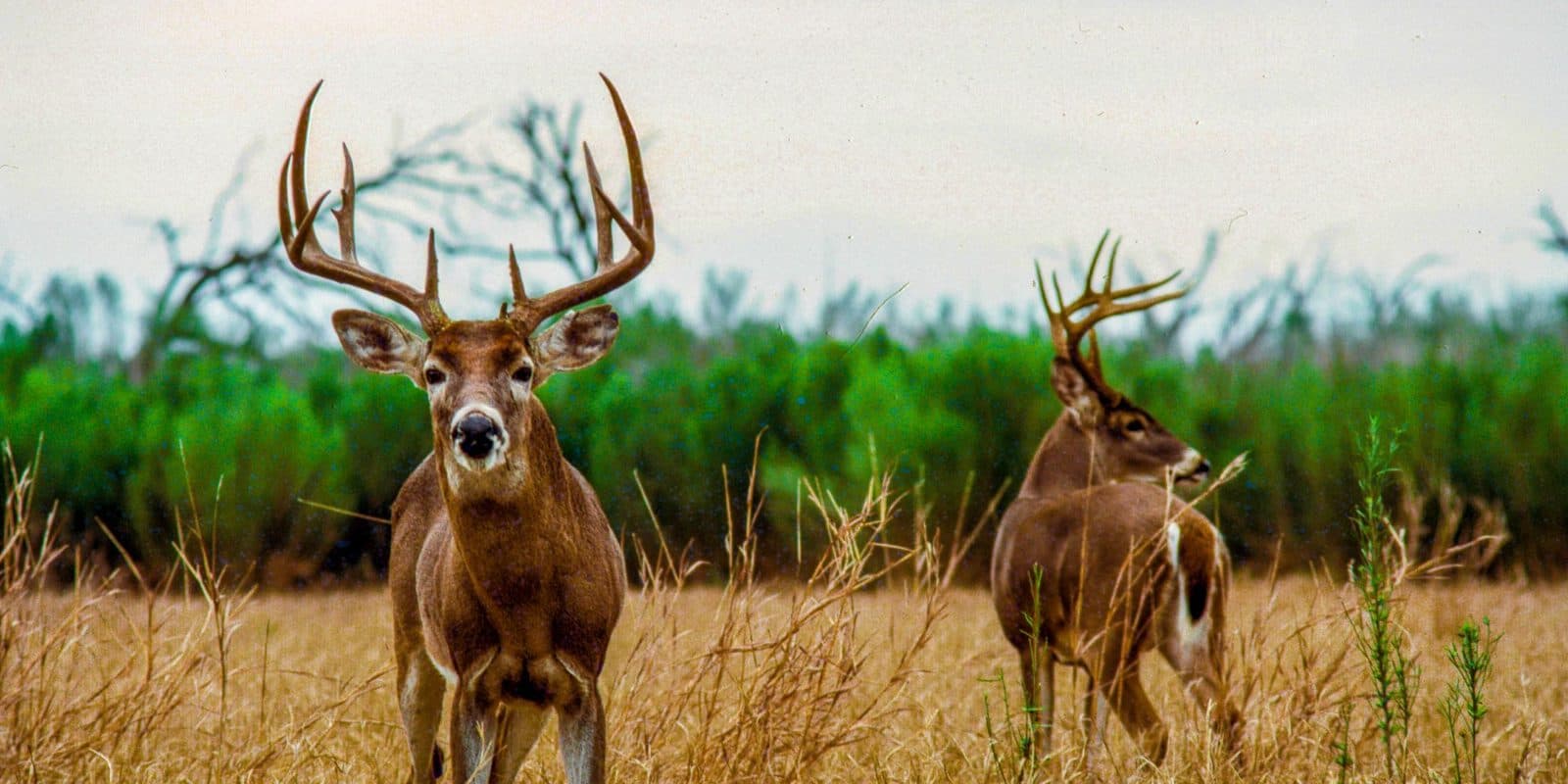
The Biggest Typical Buck in American History Spent 32 Years in a Basement — and an Electrician Found It
Boone and Crockett just verified a 207⅞-inch typical that sat on a plaque in an Illinois basement for 32 years. An electrician spotted it. Here's the story — and the genuinely useful lesson inside it.
Every deer hunter has heard some version of the legend: the giant rack gathering dust in a barn, a garage, a grandparent's attic — unmeasured, unrecognized, priceless. It's usually just that, a legend.
Last month it came true. The Boone and Crockett Club has officially verified a whitetail rack that sat on a plaque in an Illinois basement for more than three decades as the largest typical whitetail ever taken in the United States — scoring 207⅞ inches, dethroning a buck that had held the American crown for generations, and rewriting the top of the most-watched record book in hunting.
Here's the story, why it matters, and the genuinely useful lesson hiding inside the best hunting yarn of the year.
A Pheasant Hunt, a Plaque, and 32 Years of Dust
In late November 1991, Sam Aiuppa was in LaSalle County, Illinois on a pheasant hunting trip when he killed a massive whitetail buck. By every account, he did what countless hunters have done with a nice rack: mounted the antlers on a simple plaque and put them in his basement.
And there they stayed. For 32 years.
No entry forms, no score sheets, no magazine covers. The biggest typical whitetail in American history hung in a residential basement through five presidents, the rise of the internet, and the entire modern era of whitetail mania — completely unknown to the record books.
The rediscovery is the part Hollywood would reject as too convenient: an electrician, working in the basement, noticed the rack's absurd dimensions — including eye-guards (brow tines) more than a foot long — and understood he was looking at something extraordinary. The rack was eventually acquired by antler collector James Martin, and the verification machinery began to turn.
How a Record Gets Verified
Boone and Crockett doesn't hand out history casually, and the process here shows why the score will stick. The rack was measured by B&C Official Measurer Dave Boland, then independently re-measured by two additional official measurers. The completed charts went to Dr. Jon McRoberts, chairman of B&C's Records of North American Big Game Committee, who confirmed the final number: 207⅞ inches, typical.
Where that lands in the pantheon:
| Rank (typical whitetail) | Buck | Score | Story |
|---|---|---|---|
| World record | Milo Hanson, Saskatchewan, 1993 | 213⅝ | The untouchable king, 30+ years and counting |
| New U.S. record | Aiuppa buck, Illinois, 1991 | 207⅞ | 32 years in a basement |
| Previous U.S. record | Jordan buck, Wisconsin, 1914 | 206⅛ | Lost for 50 years after the taxidermist vanished; now owned by Bass Pro |
The Aiuppa buck beats the legendary Jordan buck by 1¾ inches — and there's a poetry to that particular changing of the guard, because the Jordan buck's story is nearly as strange: shot in 1914, its antlers disappeared with a taxidermist and weren't recognized as the American record until six decades later.
Apparently the biggest typical whitetails in U.S. history simply refuse to be discovered on schedule. Both of the top two American typicals spent longer lost than most hunters spend hunting.
Why This Story Hits So Hard
Beyond the novelty, the Basement Buck says three true things about deer hunting:
The record book is older than the fame machine. The Aiuppa buck died in 1991 — before trail cameras, before social media, before a 200-inch deer meant sponsorships and named-deer drama. A giant could live, die, and vanish into a basement without the world ever knowing. The record books are still quietly correcting for that era, one attic at a time.
Illinois earns its reputation — again. LaSalle County sits in the prairie-state corn belt that serious whitetail hunters already revere. The biggest typical in American history coming from Illinois farm country surprises exactly no one who studies the record book — genetics, agriculture, and age structure built the Midwest's crown, and this nails it on.
The giants mostly die unknown. For every famous buck with a nickname and a hit list, the record book keeps proving the inverse: world-class deer live out their lives unphotographed, get killed by hunters who weren't even deer hunting that day — Aiuppa was there for pheasants — and hang in basements. There are almost certainly more of them out there right now, on plaques, in barns, wearing dust.
The Useful Part: Go Check the Barn
Which brings us to the practical takeaway, and we mean this sincerely: old racks are worth a second look.
If your family has antlers from decades back — a grandfather's buck, the rack in the machine shed, the mount nobody remembers the story of — it costs nothing to look closer. What made the Aiuppa rack jump out was proportion: foot-long brow tines, mass that doesn't quit, a frame that dwarfs normal deer. You don't need to be a scorer to spot "not normal." If one stops you in your tracks, find a Boone and Crockett or Pope and Young official measurer through their websites — scoring is inexpensive, often free at measuring events, and there's a mandatory drying period only for new racks. Sixty-year-old antlers are, shall we say, sufficiently dry.
The odds your family's barn holds a top-five typical are long. But they are provably not zero — that's the entire point of this story. And even a 140-inch family heirloom with its story recovered and its score on paper is worth more to the next generation than an anonymous dusty rack.
The Bottom Line
The new biggest typical whitetail in American history wasn't found on a cell camera or a hit list. It was found by an electrician, in a basement, 32 years after a pheasant hunter killed it — and it bumped a 1914 buck that was itself lost for half a century. Whitetail hunting's greatest records keep teaching the same lesson: the woods still keep secrets, and so do basements.
Go check grandpa's barn. Seriously.
Sources
- Historic Whitetail Verified as Largest U.S. Typical in Boone and Crockett Records — Boone and Crockett Club
- A 207⅞-Inch Whitetail Rack Was Hiding in a Basement for Decades — Outdoor Life
- "Basement Buck" Ousts Jordan Buck from No. 2 B&C Typical Spot — Realtree
- Boone and Crockett Confirms Largest Typical Whitetail Ever Taken in U.S. — Hook & Barrel
- Solving the 65-Year Mystery of the Jordan Buck — Outdoor Life
The Basement Buck's rack survived 32 years because good things, stored right, last — same reason premium hunting gear holds up for decades. Browse used Sitka, KUIU, and First Lite on Second Nature, and turn your own basement's unused gear into this season's budget.
In the market for gear?
Browse verified secondhand listings at 40–60% below retail — or turn the gear hanging in your closet into cash.
More Articles

Colorado's Wolf Repeal Is Dead for 2026 — and Money, Not Voters, Killed It
The Season Most Hunters Skip: Why December Muzzleloader Is the Best-Kept Secret in Deer Hunting
The 2026 Gift Guide for Hunters: What They Actually Want, by Budget

The 2026 Rifle Opener Guide: When Gun Seasons Start and How to Hunt the Most Pressured Day of the Year
Ready to find your next deal?
Browse hundreds of used hunting gear listings from verified sellers.
The Second Nature Newsletter
The best used hunting gear deals and reads like this one, in your inbox. Free, no spam, unsubscribe anytime.
Fresh on the marketplace
Verified sellers, 40–60% below retail.
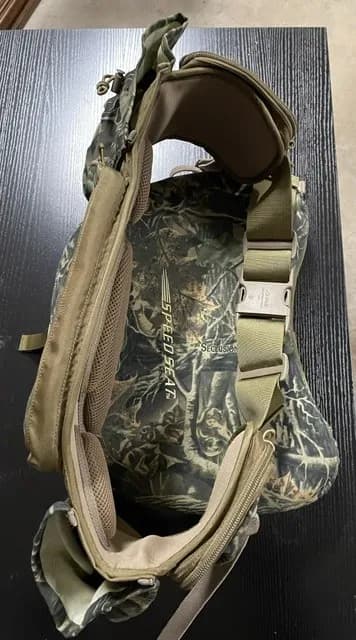
Cabela’s Speedseat Turkey Seclusion 3D Camo Vintage Hunting Built-In Seat
$60.00
Russell Outdoors Treklite Super Elite III Turkey Vest
$100.0023% off
Carlsons Turkey choke .568
$40.0041% off