
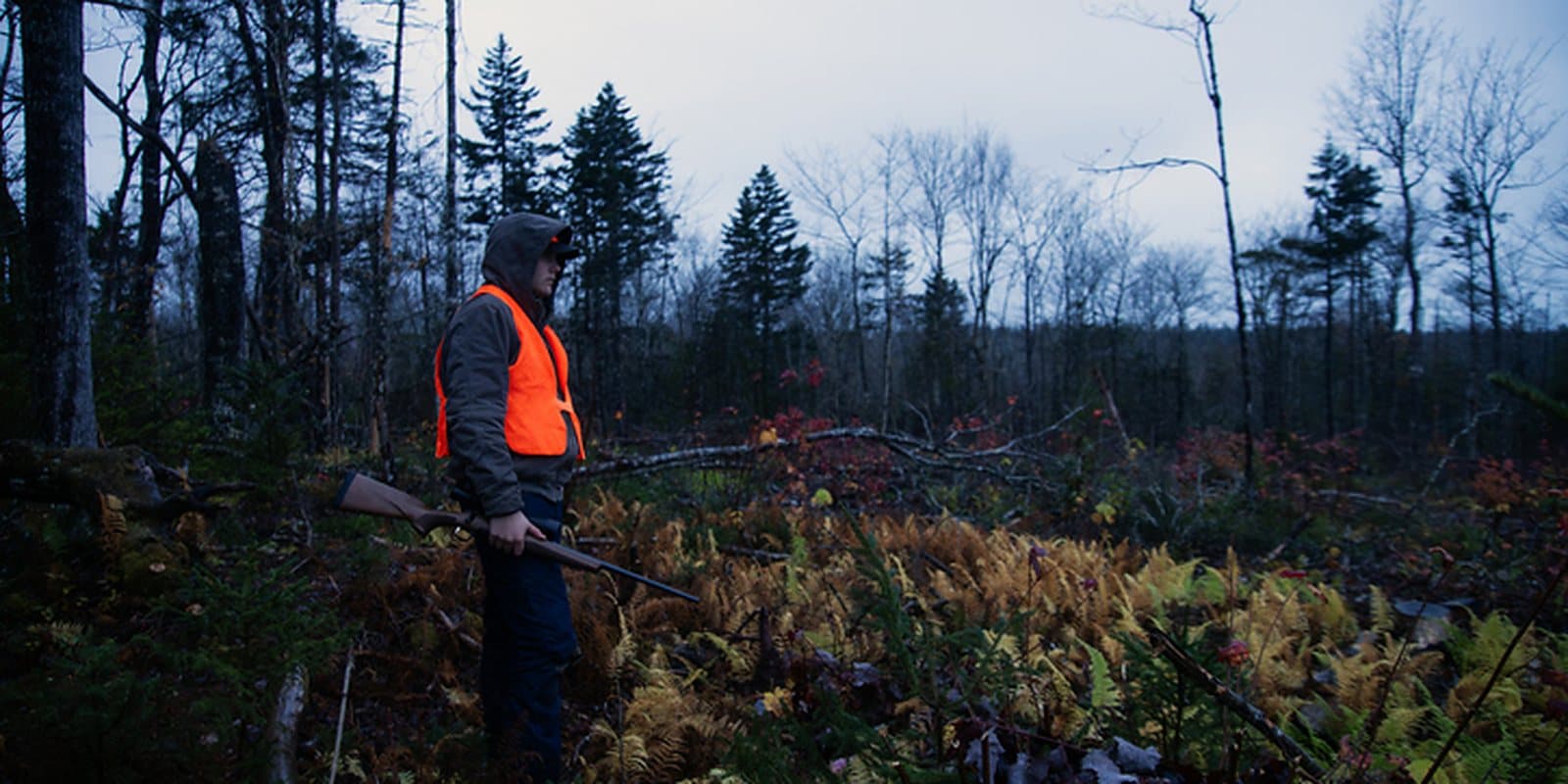
The Season Most Hunters Skip: Why December Muzzleloader Is the Best-Kept Secret in Deer Hunting
Interest in muzzleloaders peaks the first week of December every year — and the seasons themselves stay empty. Here's the full case for the smokepole season, plus everything to know before you buy one.
Here's a pattern worth knowing: every year, interest in muzzleloaders builds through October, surges in November, and peaks the first week of December — bigger than searches for European mounts, coyote hunting, and most other post-rut topics combined. And every year, the actual muzzleloader seasons stay strangely uncrowded.
That gap is your opportunity. By early December, most deer hunters are done — tagged out, burned out, or back to football. The woods empty exactly when a whole category of seasons opens: late muzzleloader hunts that offer quality tags, predictable deer, and solitude that November hunters can't imagine. If you've never hunted the smokepole season, this is the full case for starting this year — plus everything you need to know before you buy one.
Why December Muzzleloader Hunts Are Quietly Excellent
The woods are yours. License data and parking lots tell the same story: participation craters after the Thanksgiving gun seasons. Late muzzleloader hunters routinely have entire public tracts to themselves — the same ground that held a truck at every pull-off three weeks earlier.
The deer are predictable again. The rut's chaos is over. December deer are slaves to two things: food and thermal cover. Find the best remaining food source — standing corn, cut beans, brassicas, acorn flats that still hold — and the evening pattern writes itself. It's September-style patterning, minus the crowds and the heat.
Cold is your friend. Post-rut bucks are worn down and must feed, and a December cold front puts them on food in daylight as reliably as anything in hunting. December sits are won by warmth, so your layering system earns its keep here. Meat care is also effortless: the whole outdoors is a walk-in cooler, the easiest conditions of the year for a DIY processing job.
Tags are available. Late muzzleloader seasons frequently come with leftover or discounted antlerless tags, bonus opportunities, and in many states, less draw competition for quality units. It's the cheapest freezer-filling window on the calendar.
Know Your State's Flavor of "Muzzleloader"
The word covers wildly different rules depending on where you hunt — check your regs on three questions before buying anything:
| Question | The range of answers |
|---|---|
| What ignition is legal? | Most states: any muzzleloader, including modern 209-primer inlines. A few restrict further — Pennsylvania's famous after-Christmas flintlock season is flintlock-only, open sights, a genuine traditional challenge |
| Are scopes allowed? | Many states: yes. Several western states: iron sights or limited magnification only |
| What projectiles/propellants? | Most allow saboted bullets and pelletized powder; a handful require loose powder or full-bore conical bullets |
The practical takeaway: in most of the country, a modern inline muzzleloader hunts essentially like a 100–150 yard rifle with one shot. In the traditional-rules states, it's a different (and wonderful) game entirely.
The Starter Setup: Simpler and Cheaper Than You Think
A complete, deer-ready muzzleloader kit:
A .50-caliber inline with 209 primer ignition — the standard for good reason: reliable, accurate, and widely legal. Quality new options start in the $250–$500 range, and used muzzleloaders are one of the best bargains in the gun rack because most saw a box or two of shots a year.
Powder: pelletized black-powder substitute for convenience (two pellets = the standard 100-grain load), or loose powder for consistency and cost.
Projectiles: saboted bullets (where legal) shoot flat and hit hard; full-bore conicals where required.
Primers, a capper, speed loaders — two or three pre-measured reloads in your pocket replace a box of ammo.
A cleaning kit — non-negotiable (see below).
Optionally, a scope where legal — a simple fixed or low-power variable is plenty for a 100-yard gun.
Total buy-in, bought smart: under $500, less used. And one happy side effect of the tariff-era ammo prices everyone's complaining about this fall: muzzleloader shooting is largely insulated — your cost per shot is powder, primer, and bullet, and a season's worth of practice costs less than two boxes of premium rifle ammo.
The Three Rules That Keep It Fun
1. Clean it the same day you shoot it. Every time. Black powder and most substitutes are corrosive — a fired, uncleaned muzzleloader starts rusting its bore within a day. Hot soapy water or modern solvents, breech plug out, ten minutes. Skip this once and you'll learn why used muzzleloaders deserve a careful bore inspection.
2. Treat every muzzleloader as loaded until proven empty. There's no ejection port and no magazine to check — an unfired charge stays in the barrel indefinitely. Mark your ramrod for the empty-bore depth, use it to verify, and discharge or pull the load at the end of the day rather than storing one "for tomorrow."
3. Practice the second shot you'll probably never get. One shot is the whole ethic of the season. Know your honest effective range (for most hunters with most loads: 100–150 yards), practice from field positions, and pass shots you'd attempt with a rifle. The one-shot discipline is exactly what makes a muzzleloader deer feel like two tags' worth of accomplishment.
A December Game Plan
Keep it simple, because December deer are simple: find the food, watch the weather, hunt the fronts. Glass food sources from a distance midday, slip into a downwind ambush for the last two hours of light, and save your all-day heroics for the day after a front or fresh snow — snow turns December into an open book of tracks and trails. Mornings are optional; December is an afternoon game.
The Bottom Line
The hunters filling tags in December aren't tougher than everyone else — they just know the season exists. A muzzleloader buys you weeks of extra opportunity, empty woods, patternable deer, and the particular satisfaction of one well-placed shot from a gun you loaded yourself. Interest peaks the first week of December every year; the smart move is being sighted in and ready before it does.
One shot, empty woods, full freezer. Some secrets deserve to stay secrets — but we never could keep our mouth shut.
Sources
- Hunting Seasons Calendar 2026–2027 — HuntingLicenseUSA
- The Best Muzzleloaders of 2026 — Field & Stream
- Pennsylvania Game Commission — seasons
- Ammo Prices 2026: Tariffs and Increases — Bulk Ammo Finder
Extend your season for less: browse cold-weather systems, packs, and bibs from Sitka, KUIU, and First Lite on Second Nature. And if your November gear is done for the year, December buyers are still shopping — list it now.
In the market for gear?
Browse verified secondhand listings at 40–60% below retail — or turn the gear hanging in your closet into cash.
More Articles
The 2026 Gift Guide for Hunters: What They Actually Want, by Budget
The 2026 Rifle Opener Guide: When Gun Seasons Start and How to Hunt the Most Pressured Day of the Year
The October Lull Is Lying to You: What GPS Collars Say About Where the Deer Actually Went
How to Get Your Deer Tested for CWD: The Practical Guide Nobody Gives You
Ready to find your next deal?
Browse hundreds of used hunting gear listings from verified sellers.
The Second Nature Newsletter
The best used hunting gear deals and reads like this one, in your inbox. Free, no spam, unsubscribe anytime.
Fresh on the marketplace
Verified sellers, 40–60% below retail.
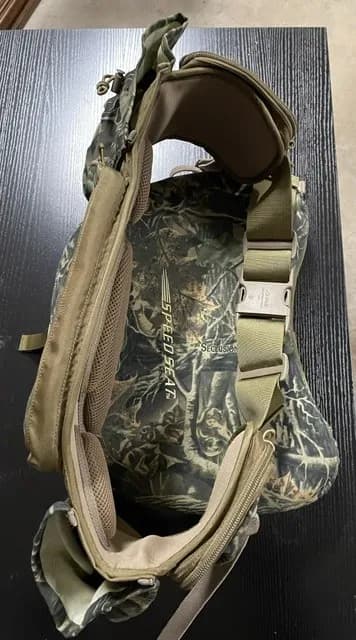
Cabela’s Speedseat Turkey Seclusion 3D Camo Vintage Hunting Built-In Seat
$60.00
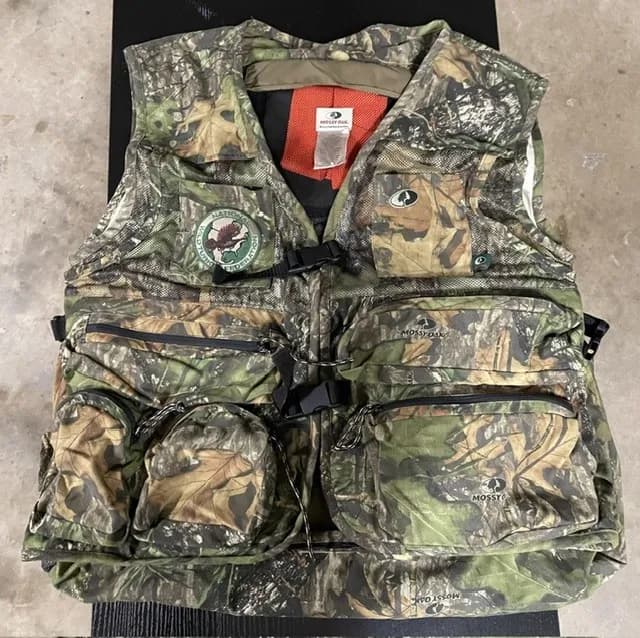
Russell Outdoors Treklite Super Elite III Turkey Vest
$100.0023% off
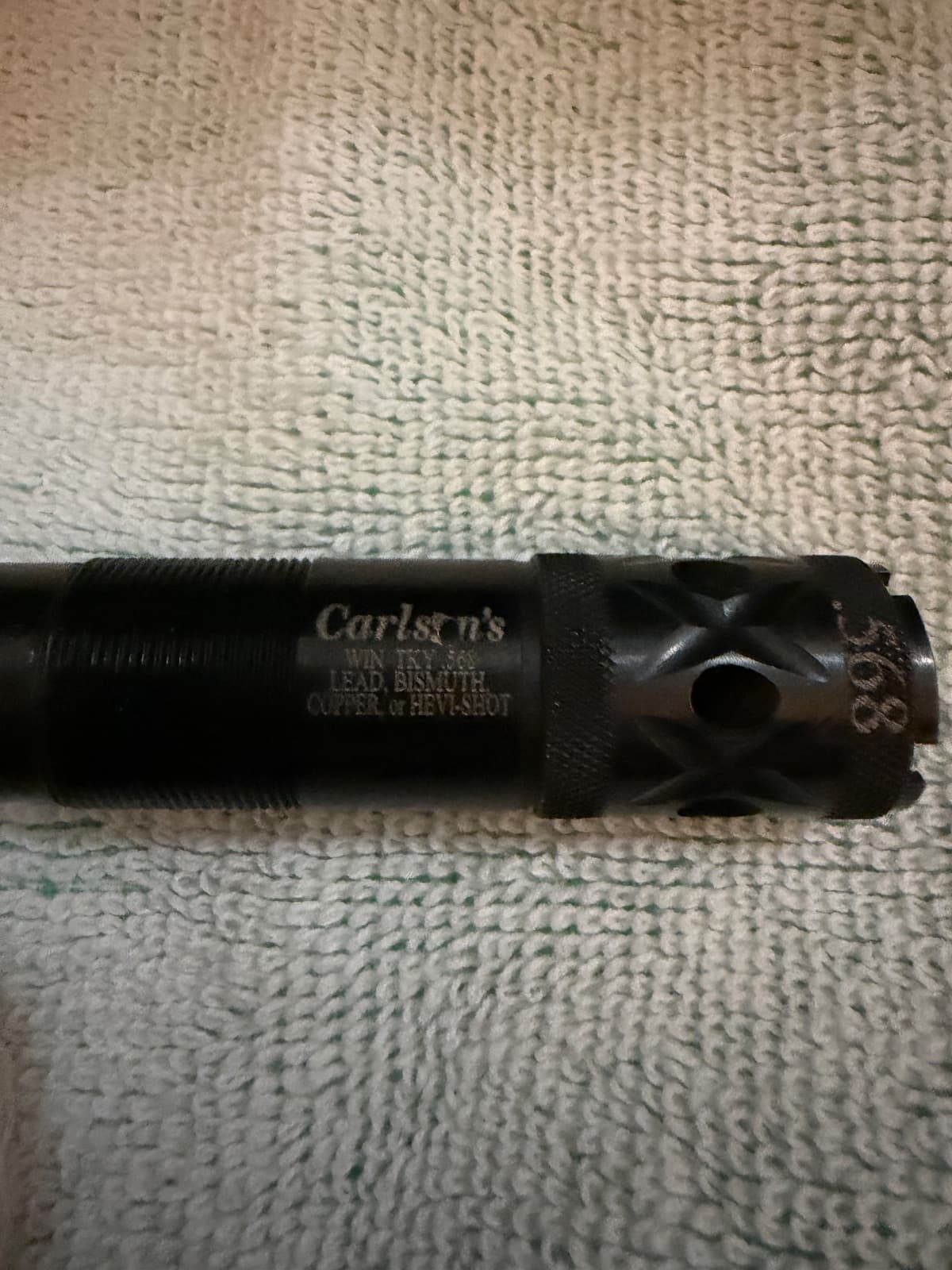
Carlsons Turkey choke .568
$40.0041% off