
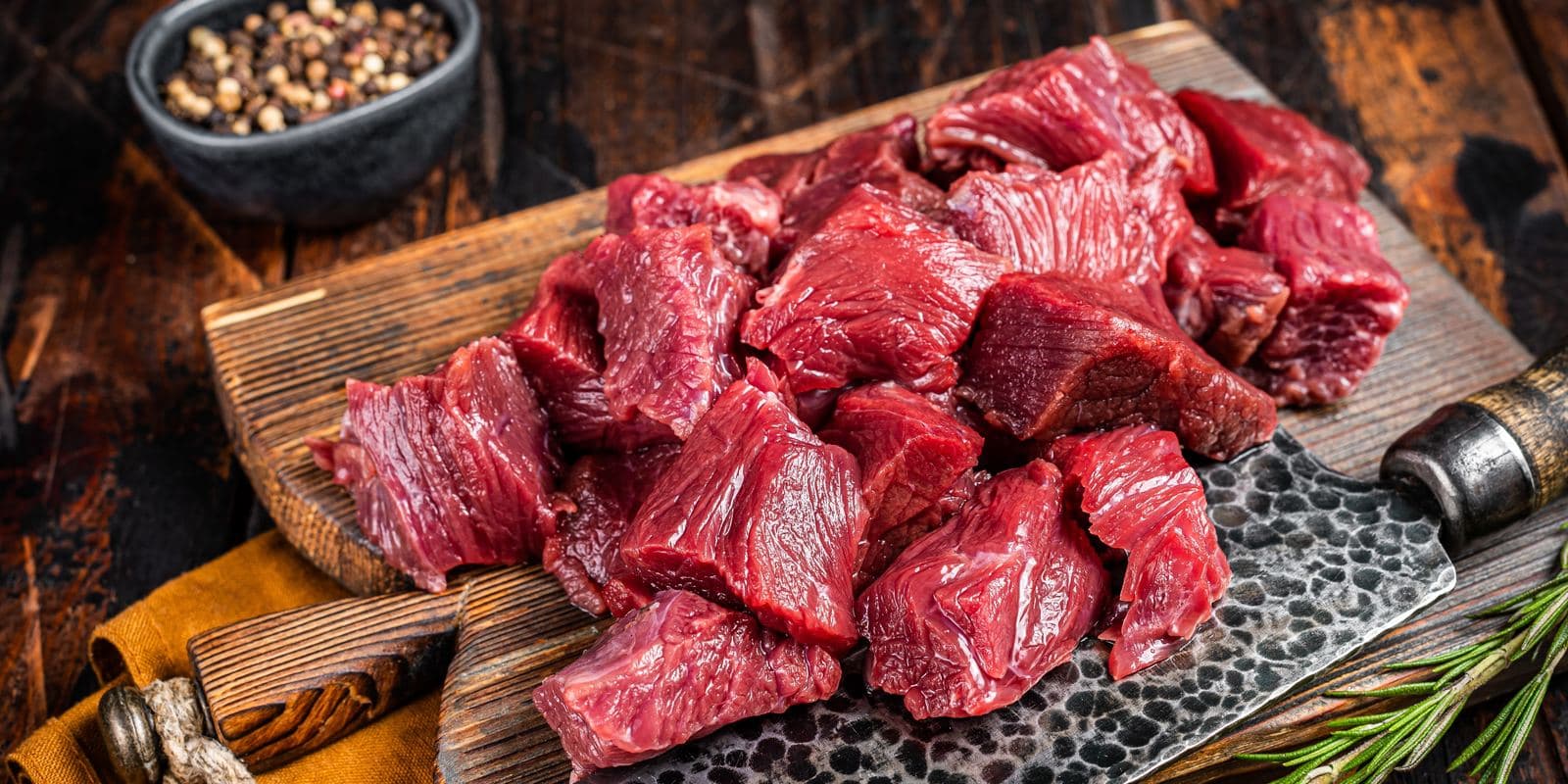
The Five Venison Mistakes Everyone Makes (and How to Cook Deer Like It's the Best Meat in the House)
Venison isn't gamey — mistreated venison is gamey. Five mistakes stand between a whitetail and the best meat in your freezer, and four of them happen before the pan gets hot.
Somewhere along the way, "gamey" became venison's middle name — the flavor people apologize for, drown in cream-of-mushroom soup, or feed to guests only with a warning. Here's the truth every good wild-game cook knows: venison isn't gamey; mistreated venison is gamey. A properly handled, properly cooked deer produces meat that outclasses anything at the grocery store — leaner, cleaner, and with more honest flavor than corn-finished beef.
The difference comes down to five mistakes, most of them made between the shot and the plate. You've done the hard part — put in the season, made the shot, maybe broken the deer down yourself. Don't lose it in the kitchen. Here are the five, in the order they usually happen.
Mistake #1: Overcooking It (The Big One)
If venison has one enemy, it's the well-done reflex. Deer is radically leaner than beef — there's no marbling to bail you out — so the window between perfect and shoe leather is narrow and unforgiving.
The rule: tender cuts — backstraps, tenderloins, hindquarter steaks — get cooked hot and fast to medium-rare, 125–135°F internal, then rested. That's it. That's the secret the entire wild-game cooking world agrees on. Past 140°F, the muscle fibers wring themselves dry and the livery, metallic notes people call "gamey" bloom.
Buy an instant-read thermometer. It's a $15 tool that fixes the single biggest venison complaint in America. Pull the meat 5 degrees early, tent it with foil for ten minutes, and serve.
(The exception that proves the rule: tough cuts want the opposite — see Mistake #3.)
Mistake #2: Leaving the Fat and Silverskin On
Beef fat is flavor. Deer fat is not. Venison tallow has a waxy texture and a strong flavor that coats the roof of your mouth and goes rancid-tasting fast in the freezer — it, along with the pearlescent silverskin membrane, is responsible for most of the rest of the "gamey" reputation.
Trim aggressively: fat, silverskin, anything bloodshot, and any hair or dried surface from field handling. Yes, you'll lose a little weight off the cut. What remains is the clean, dark, pure muscle that makes venison special. If your burger needs fat (it does — venison grinds too lean to bind), add 10–20% beef or pork fat at the grinder instead. That's the professional trade: deer flavor, domestic fat.
Mistake #3: Treating Every Cut the Same
The deer that gave you butter-soft tenderloin also gave you shanks full of connective tissue — and cooking them the same way ruins one of them, every time.
| Cut | Method | Why |
|---|---|---|
| Tenderloin, backstrap | Hot & fast — sear, grill; medium-rare | Tender already; heat past 135°F destroys them |
| Hindquarter roasts/steaks | Hot & fast, or roast to med-rare | Tender when not overcooked; slice thin across the grain |
| Shoulder, neck | Low & slow — braise, smoke, slow-cooker | Connective tissue needs hours to melt into richness |
| Shanks | Braise whole, osso buco style | The most underrated cut on the animal |
| Trim, flank, rib meat | Grind (with added fat), sausage, chili, stock | Where the burger lives |
The mistake in the wild: grinding the whole deer "to be safe," or slow-cooking a backstrap into gray sadness. Match the method to the cut and one whitetail yields four different excellent dinners.
Mistake #4: Blaming the Kitchen for Field Mistakes
Some venison problems can't be cooked away because they didn't happen in the kitchen. Meat that ran hot for hours before field dressing, rode a tailgate through a 70-degree afternoon, or aged in a 55-degree garage carries flavors no marinade will rescue — and none of them are the deer's fault.
The fix list is short and it's all upstream: cool the animal fast (especially in warm early seasons), keep it clean and dry, and age only with real temperature control — 34–40°F or don't age at all. We cover the whole chain in the field-to-freezer guide; the kitchen can only protect quality that field care already saved. If a package from a badly handled deer tastes off, that's your chili and jerky tier — heavy seasoning has saved worse.
Mistake #5: Freezer-Burning a Year of Protein
The last mistake happens in slow motion: butcher paper loosely wrapped, packages unlabeled, and by August you're throwing out gray-edged mystery meat. Venison is a year of clean protein — package it like it matters. A vacuum sealer keeps venison excellent for 2–3 years; label every package with cut and date; portion by meal, not by bulk. And organize the freezer so the grind doesn't bury the backstraps — the good stuff should be the first thing you reach for, not the trophy you're saving for an occasion that never comes.
Cook the good cuts. The occasion is Tuesday.
The Payoff: Three No-Recipe Recipes
Proof of how simple this is once the five mistakes are gone:
1. Backstrap, the only way it needs. Salt heavily, room temp 30 minutes, sear in a screaming cast iron with butter 2–3 minutes a side to 130°F, rest ten, slice thick. Serves skeptics.
2. Shoulder, walk-away style. Whole shoulder, slow cooker, onions, stock, salt, eight hours. Shred. Tacos all week.
3. The 85/15 burger. Your grind with 15% beef fat, smashed thin, hard sear, cheese. Nobody at the table says "gamey." Ever.
The Bottom Line
Venison's bad reputation was earned by overcooked, untrimmed, badly stored meat — not by deer. Cook the tender cuts fast to medium-rare, trim like you mean it, match method to cut, respect the field work, and seal what you store. Do those five things and you'll understand why the field-to-table movement keeps pulling new people into hunting: the payoff was never the antlers. It's Tuesday dinner, and it's better than the store sells.
Sources
- Wild Game Recipes — Outdoor Life
- Intro to Wild Game Cooking — Nebraskaland Magazine
- Wild Game Cooking: From Field to Table — American Hunter
The freezer's full — now fund next season: sell the gear you didn't wear this year on Second Nature, or upgrade for late season at half retail. Used Sitka, KUIU, and First Lite, inspected and buyer-protected.
In the market for gear?
Browse verified secondhand listings at 40–60% below retail — or turn the gear hanging in your closet into cash.
More Articles
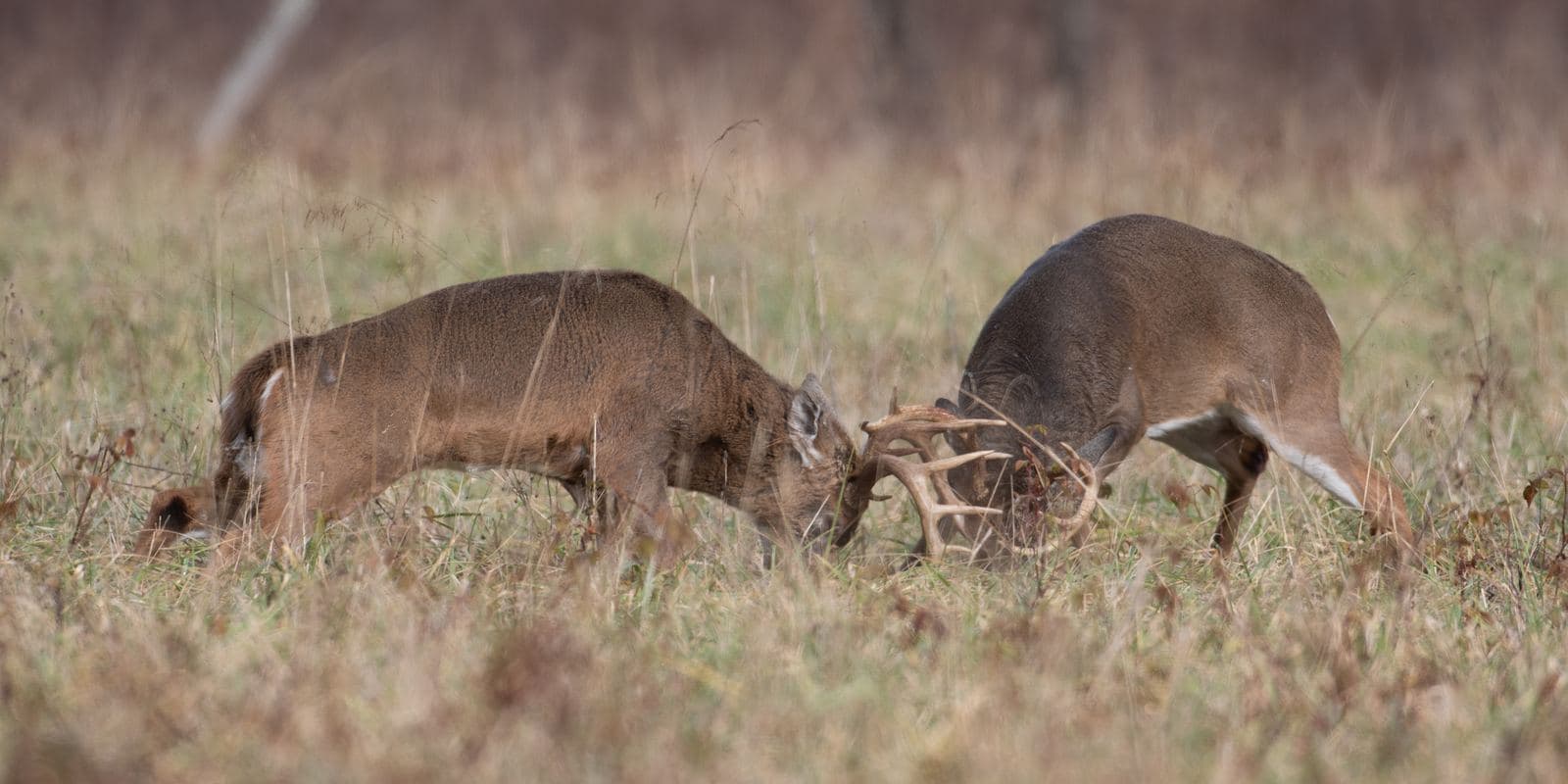
The 2026 Whitetail Rut Forecast: Real Dates by Region — and Why the Moon Keeps Losing to Science

Does KUIU Run Small? The Honest Sizing and Fit Guide
KUIU vs Sitka vs First Lite: Which Brand Is Actually Worth It?
The Flesh-Eating Parasite America Beat 60 Years Ago Is Back — and Texas Deer Are in Its Path
Ready to find your next deal?
Browse hundreds of used hunting gear listings from verified sellers.
The Second Nature Newsletter
The best used hunting gear deals and reads like this one, in your inbox. Free, no spam, unsubscribe anytime.
Fresh on the marketplace
Verified sellers, 40–60% below retail.
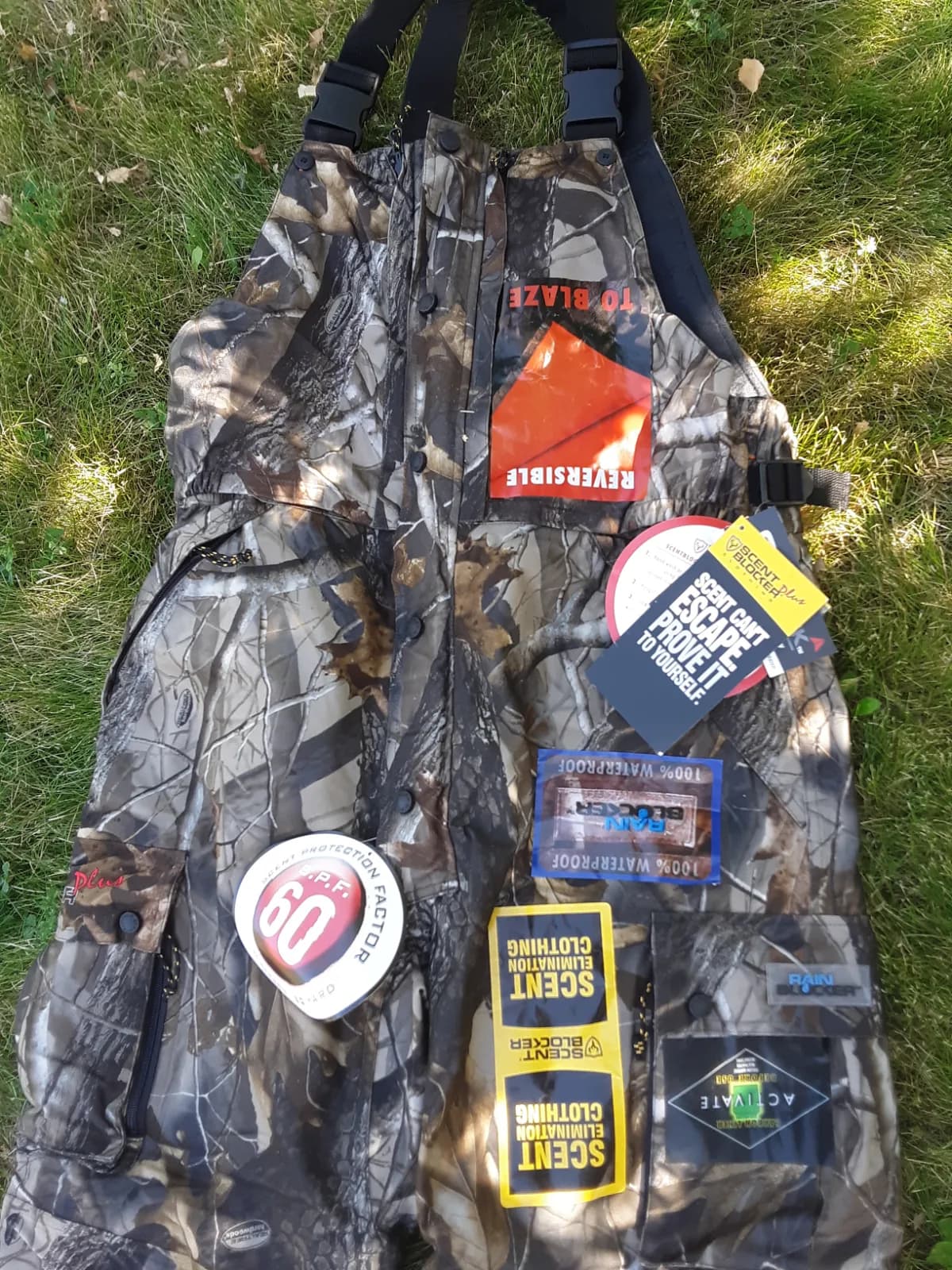
NEW! Scent Blocker Prohunter camo bib in Men's large
$119.00
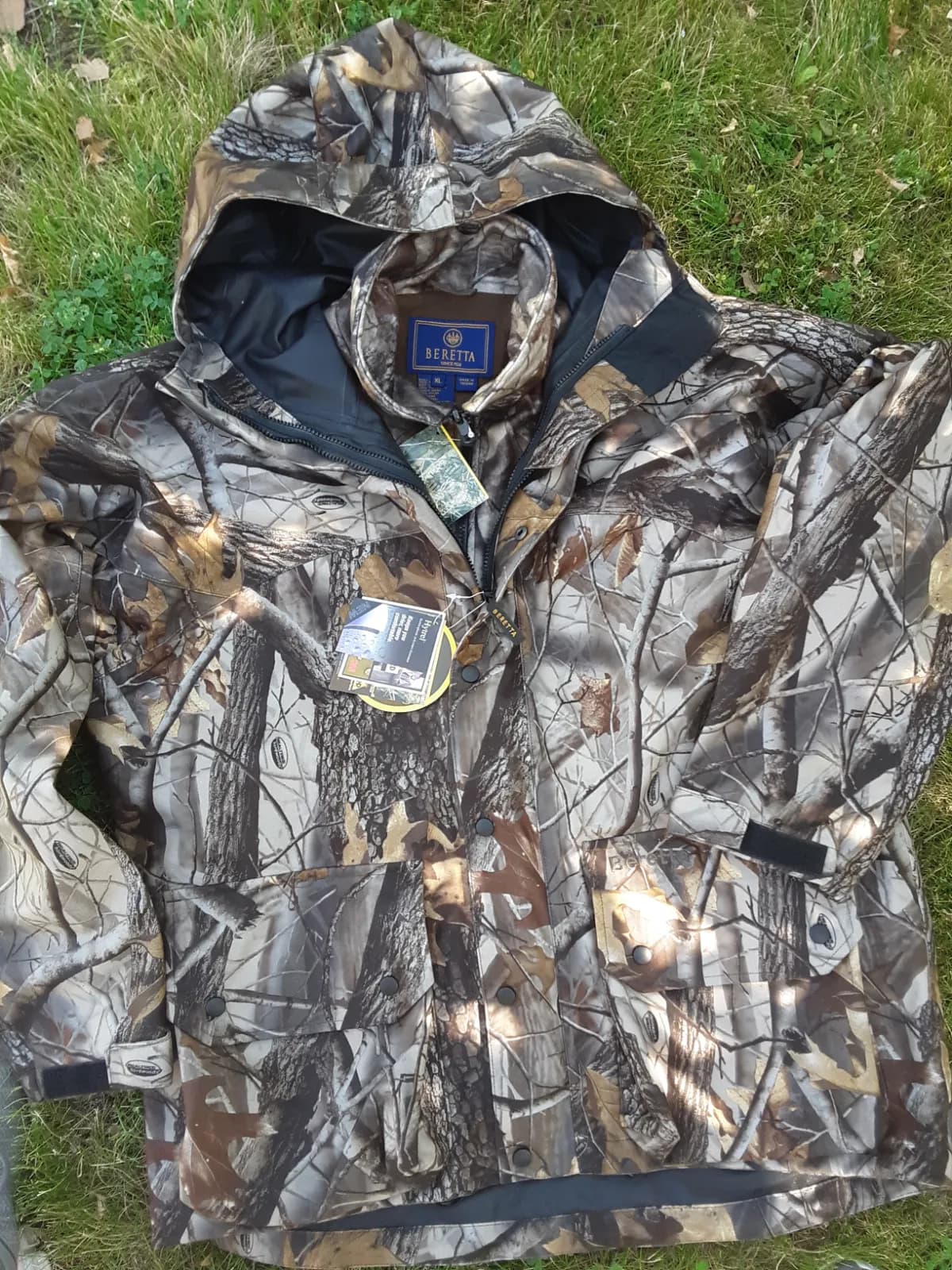
NEW Beretta heavy-weight rain coat with separate fleece jacket, men's XL
$225.00
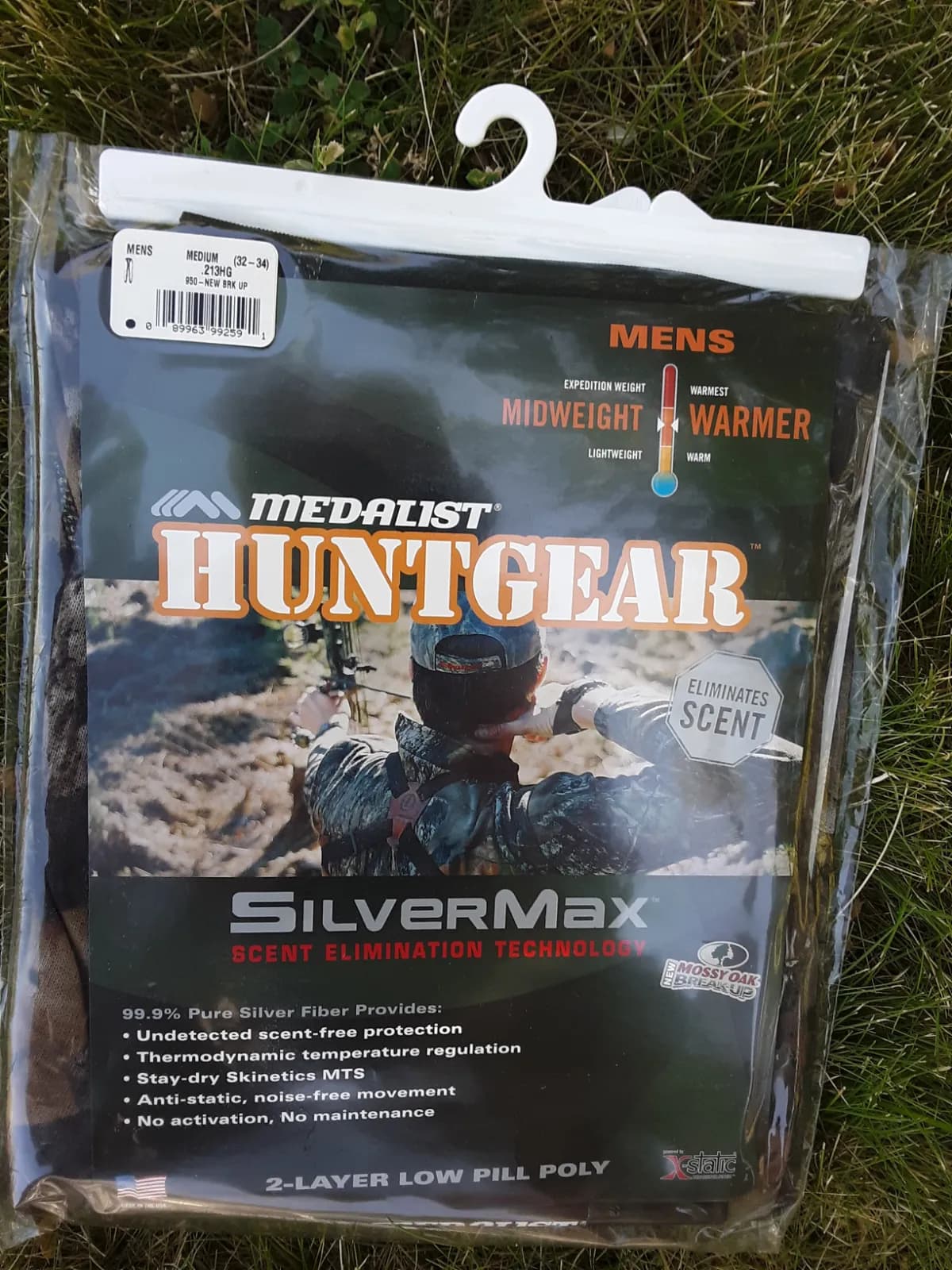
NEW Medalist Huntgear, level 1 warmer bottoms, men's medium
$20.0033% off