
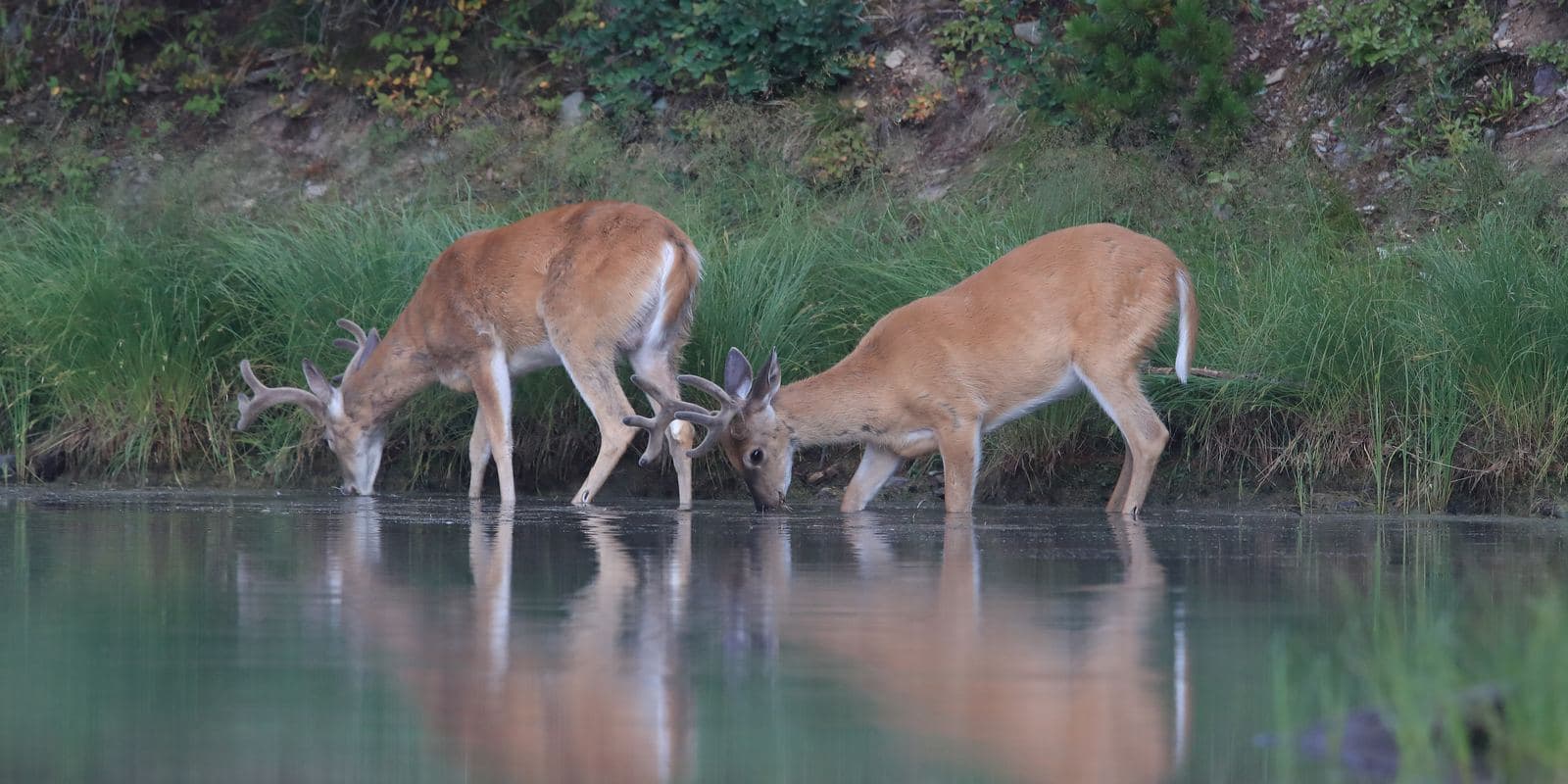
EHD Is Killing Deer by the Hundreds Right Now: What the 2026 Outbreak Means for Your Season
Nearly 900 whitetails are believed dead in southeastern Wisconsin's worst EHD outbreak since 2002. What the virus is, why it's nothing like CWD, and what it actually means for your season.
Southeastern Wisconsin is watching its worst deer die-off in a generation. Nearly 900 whitetails are believed dead in an epizootic hemorrhagic disease (EHD) outbreak that state biologists are calling the worst since the virus first appeared there in 2002 — with more than 600 reports from Washington County alone, plus another hundred-plus from neighboring Waukesha. New York has confirmed cases in Putnam and Orange counties. And because EHD season runs until the first hard frost, the map is still filling in.
If you hunt whitetails anywhere, this is worth ten minutes — because EHD is the deer disease most hunters half-know, it gets confused with CWD constantly, and what it means for your season is completely different. Here's the outbreak, the disease, and the honest answers to the questions hunters are asking right now.
What EHD Is (and Isn't)
EHD is a virus, spread not deer-to-deer but by the bite of tiny midges — the no-see-ums that swarm mud flats and pond edges in late summer. That transmission route explains everything about the disease's behavior:
It's seasonal. Outbreaks run late summer through early fall, when midges peak — and end abruptly with the first hard frost, which kills the bugs. Every EHD outbreak has an expiration date; we just don't know the exact night.
It clusters around water. Infected deer run high fevers and seek water to cool off, which is why die-offs are discovered as dead deer in and around creeks, ponds, and marshes. It's also where the midges live, completing the grim loop.
It's fast. Deer typically die within days of infection — often in good body condition, sometimes literally in the water. There's no wasting, no long decline.
It's drought-fueled. Dry summers concentrate deer and midges around shrinking water sources; that's why hot, dry years produce the bad outbreaks.
Northern herds get hit hardest. In the South, where EHD circulates regularly, many deer carry antibodies and survive exposure. Northern deer — like Wisconsin's — see the virus rarely, have little immunity, and die at much higher rates when it arrives. That's part of why this outbreak is so severe.
EHD vs. CWD: Stop Confusing Them
Every EHD outbreak produces a wave of "deer disease" panic that blurs two completely different problems. The comparison matters, because the right responses are nearly opposite:
| EHD | CWD | |
|---|---|---|
| Cause | Virus, spread by biting midges | Prion (misfolded protein), spread deer-to-deer and via environment |
| Speed | Kills in days | Fatal over months to years |
| Season | Late summer–fall; ends at first frost | Year-round, permanent once established |
| Herd impact | Sharp local die-offs, then recovery over a few years | Slow, permanent prevalence creep |
| Human health guidance | Not transmissible to humans | No documented transmission; testing recommended in zones |
| What hunters do | Report dead deer; adjust local expectations | Test harvests, follow carcass rules (our guide) |
The one-line version: CWD is the slow, permanent problem; EHD is the fast, temporary one. An EHD-hit area can look apocalyptic in September — and produce a normal deer season three years later. Local herds rebuild. That's not spin; it's the documented pattern across two decades of outbreaks.
The Questions Hunters Are Actually Asking
"Is the meat safe?" EHD doesn't infect humans — you can't get it from midges, deer, or venison. Standard rule applies to any species: don't harvest an animal that's visibly sick or found dead. A healthy-looking deer you kill in an EHD county is fine to eat.
"Will this ruin my season?" Locally, maybe; regionally, no. EHD die-offs are patchy — brutal in one drainage, invisible two ridges away. If you hunt inside an outbreak pocket, expect fewer deer and adjust expectations (and consider passing does this year to speed the rebound). If you hunt the same county but different water, you may notice nothing. Scouting tells you which situation you're in — and this is a year where an October camera check around water sources earns its keep.
"Should I report dead deer?" Yes — this is the one concrete thing hunters can do. Wisconsin's DNR, New York's DEC, and every affected agency are mapping this outbreak from public reports. A GPS pin and a photo of a dead deer near water is exactly the data they need. Multiple carcasses at one water source is textbook EHD sign; call it in.
"Does anything stop it?" Frost. That's the honest answer. There's no vaccine, no treatment, and no management action that halts an active outbreak — agencies track it, adjust tags where losses warrant, and wait for the first freeze. If you're looking for a silver lining in the forecast this year, it's a cold night in October.
"Will my state cut tags?" Where losses are severe, agencies sometimes reduce antlerless quotas in affected units the following year — worth watching your state's announcements this winter if you hunt a hit area.
The Bigger Pattern
Put this outbreak next to the rest of 2026's deer-health news — CWD's continued spread, the screwworm's return to Texas — and a theme emerges: deer herds are managing more disease pressure than at any point in modern history, and hotter, drier summers are tilting the field toward the bugs. EHD outbreaks that were once a Southern story now hit Wisconsin, Michigan, and New York with regularity.
The other constant: hunters are the surveillance system. Agencies found out about this outbreak because people who spend time on the land reported dead deer. Between EHD reports, CWD samples, and screwworm watches, the 2026 hunter is doing more wildlife-health fieldwork than ever — unpaid, unthanked, and genuinely essential.
The Bottom Line
The 2026 EHD outbreak is bad — historically bad for Wisconsin — but it's the recoverable kind of bad. It ends at first frost, it doesn't touch your venison, and hit herds rebuild in a few seasons. Between now and the freeze: report what you find, scout your water sources before building your November plan around last year's deer numbers, and if your spot took the hit, let the does walk and take the long view.
The rut is still coming (our forecast here) — in most of the country, on deer that never saw a midge.
Sources
- EHD Deer Outbreak Hits Washington, Waukesha Counties — Hoodline
- DNR Confirms Epizootic Hemorrhagic Disease in Wild Deer in Washington County — Wisconsin DNR
- Epizootic Hemorrhagic Disease (EHD) — New York State DEC
- Epizootic Hemorrhagic Disease in White-Tailed Deer — Cornell Wildlife Health Lab
Season's here — gear up without the retail markup. Browse used Sitka, KUIU, and First Lite on Second Nature, inspected and buyer-protected, and put the savings toward more days on stand this fall.
In the market for gear?
Browse verified secondhand listings at 40–60% below retail — or turn the gear hanging in your closet into cash.
More Articles
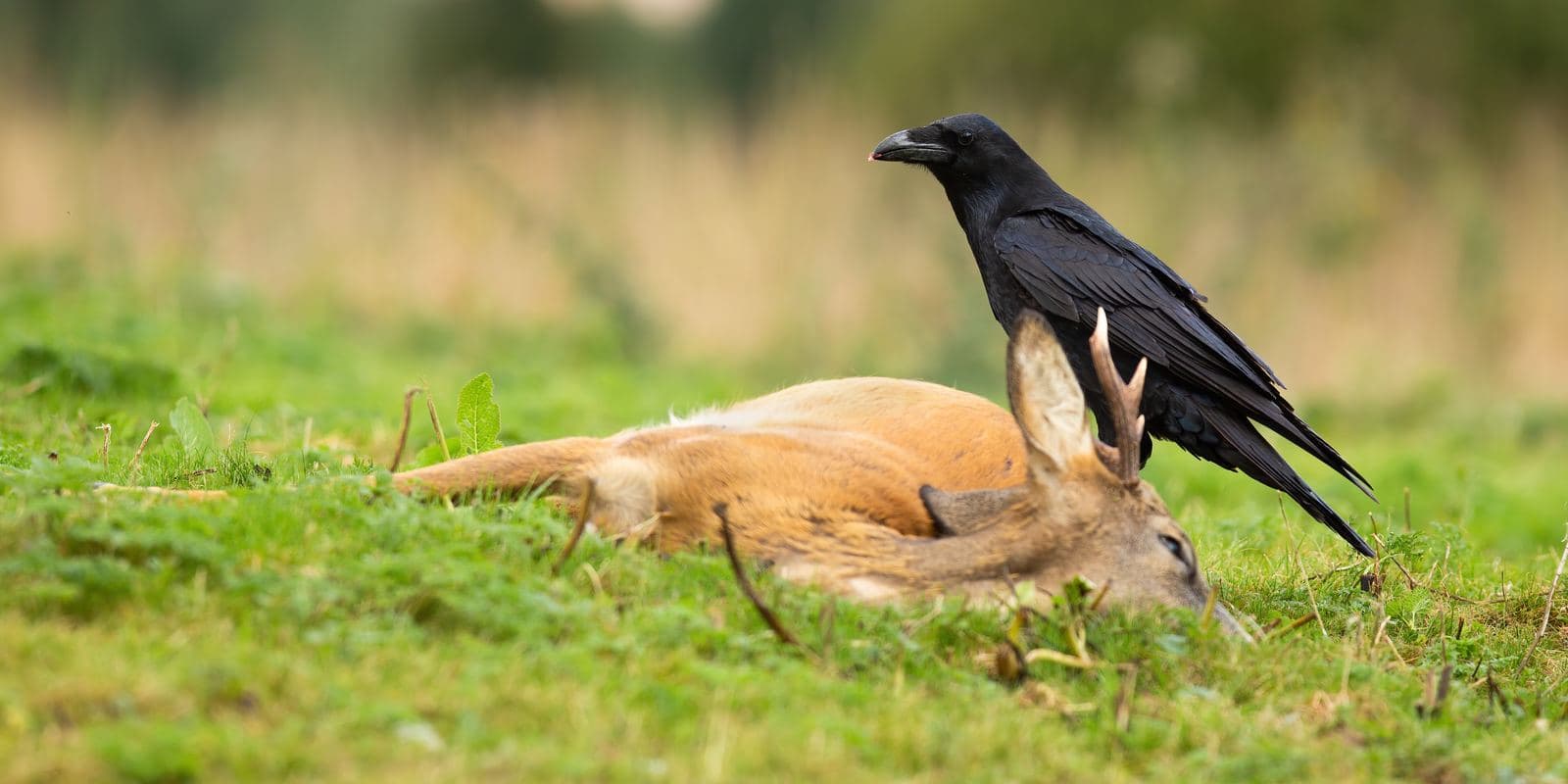
How to Get Your Deer Tested for CWD: The Practical Guide Nobody Gives You
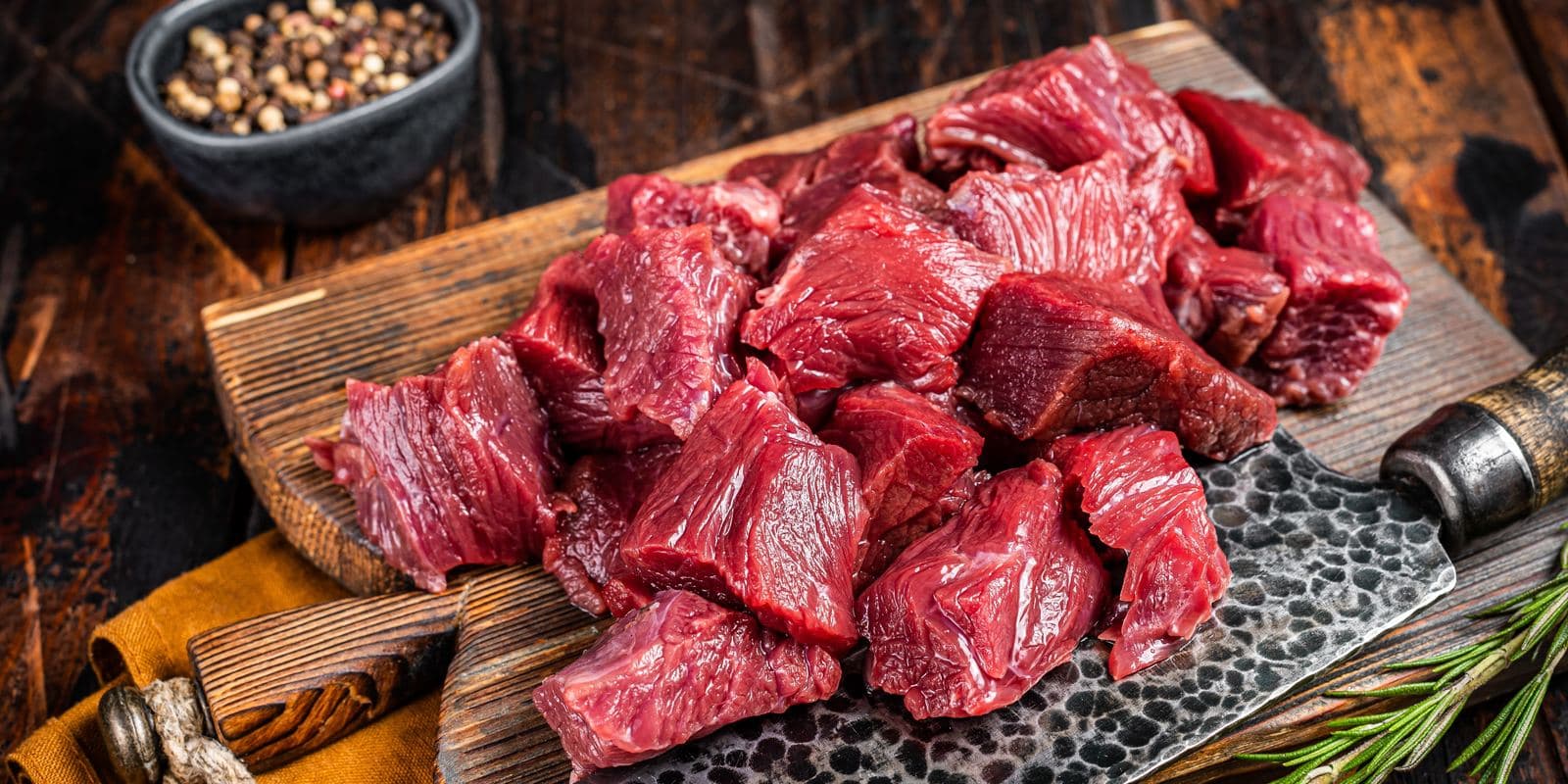
The Five Venison Mistakes Everyone Makes (and How to Cook Deer Like It's the Best Meat in the House)
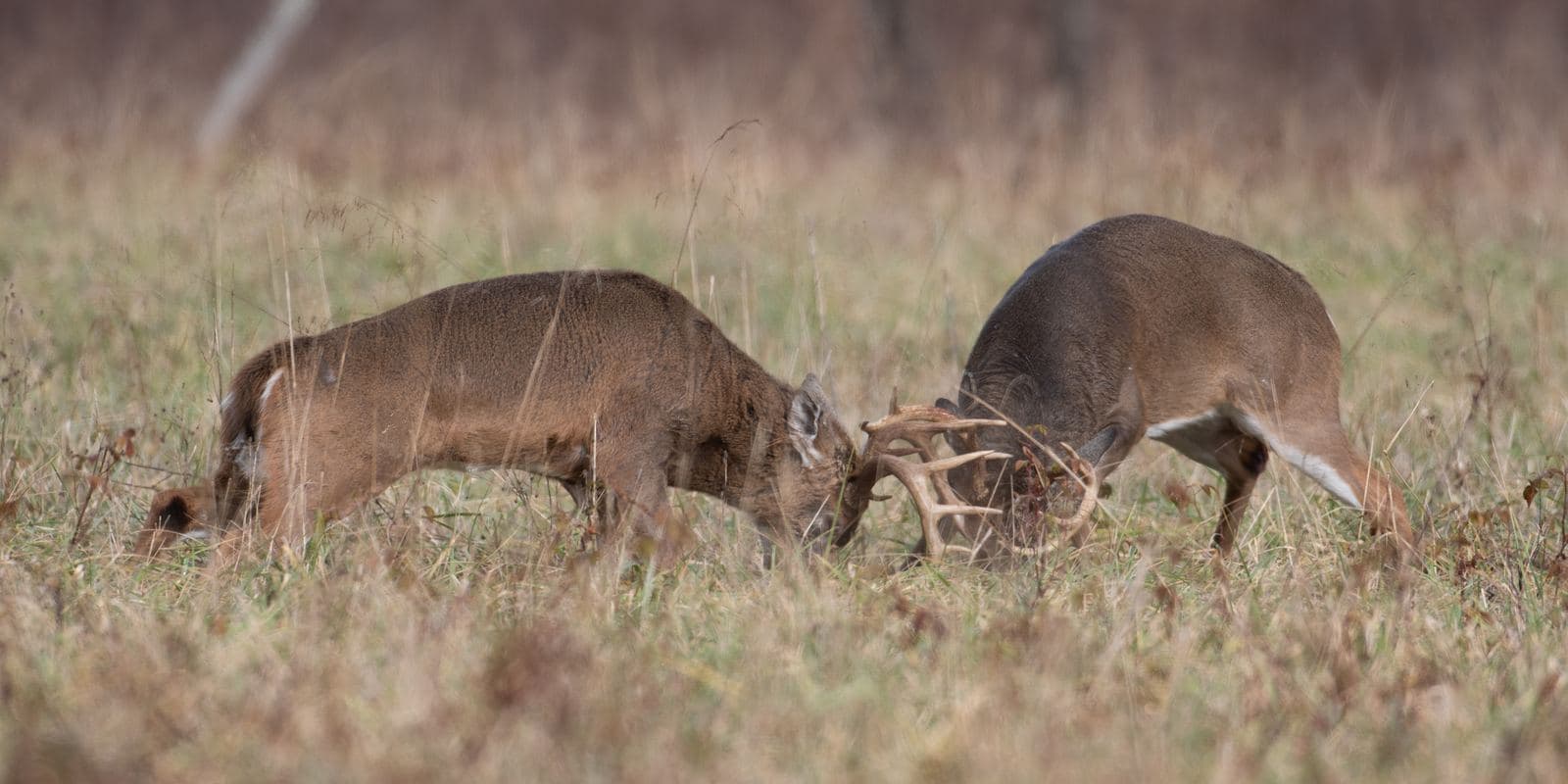
The 2026 Whitetail Rut Forecast: Real Dates by Region — and Why the Moon Keeps Losing to Science

Does KUIU Run Small? The Honest Sizing and Fit Guide
Ready to find your next deal?
Browse hundreds of used hunting gear listings from verified sellers.
The Second Nature Newsletter
The best used hunting gear deals and reads like this one, in your inbox. Free, no spam, unsubscribe anytime.
Fresh on the marketplace
Verified sellers, 40–60% below retail.
NEW! Scent Blocker Prohunter camo bib in Men's large
$119.00
NEW Beretta heavy-weight rain coat with separate fleece jacket, men's XL
$225.00
NEW Medalist Huntgear, level 1 warmer bottoms, men's medium
$20.0033% off