
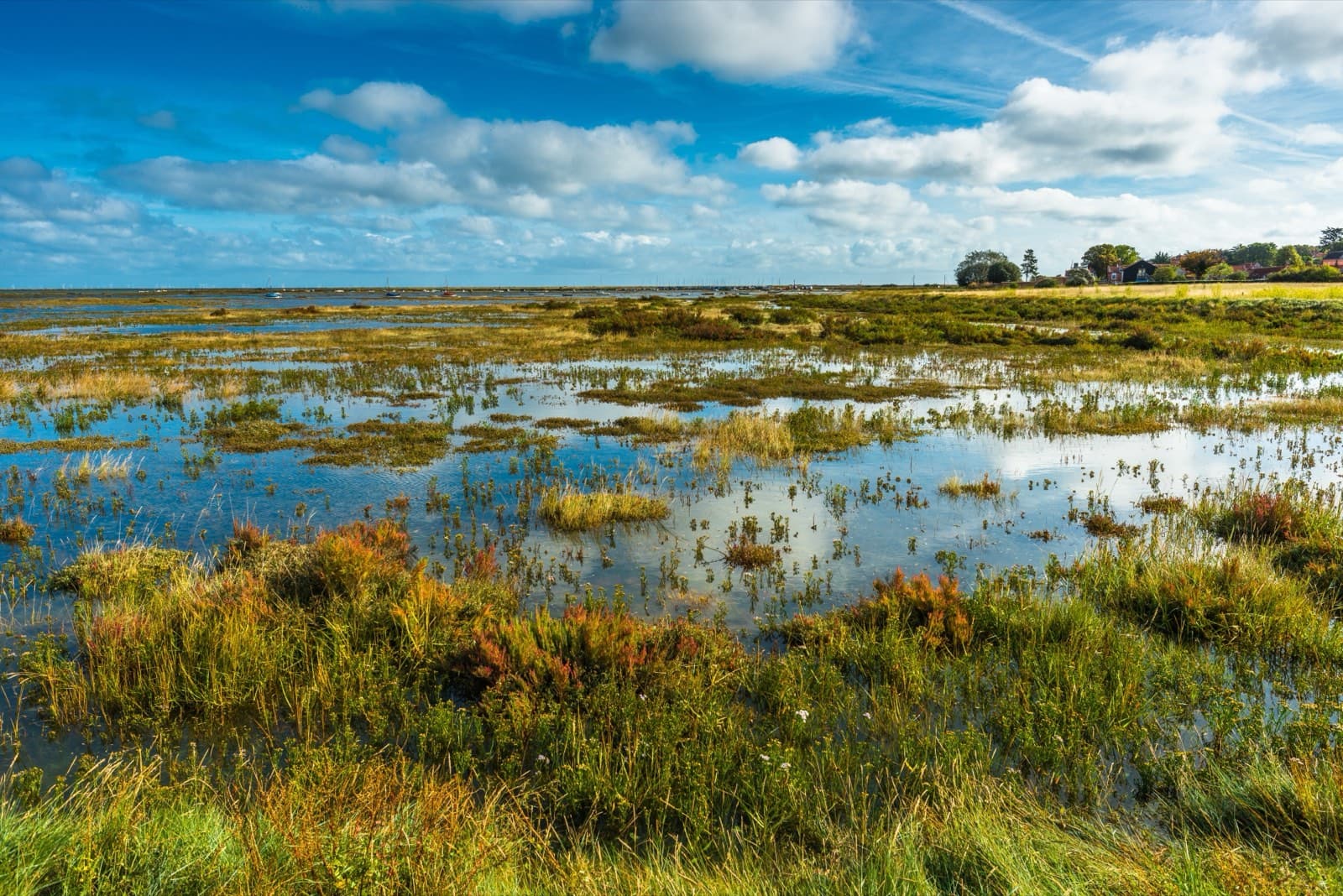
New Refuge Hunting Opportunities Near You: What the 2026 Expansion Actually Means
The federal government just proposed the largest expansion of hunting and fishing access in the history of the U.S. Fish and Wildlife Service — more than 1,450 new opportunities across 111 stations in 32 states, putting over 95% of National Wildlife Refuge System lands (92+ million acres) on the table for hunting. If you hunt or fish anywhere near a national wildlife refuge, this affects you. Here's what's actually in the proposal, where the new access is coming from, and what you should do before the comment window closes.
The short version
On May 26, 2026, the Department of the Interior announced the 2026–2027 station-specific hunting and sport fishing rule. The headline numbers:
- More than 1,450 new or expanded opportunities. An "opportunity" means the ability to hunt or fish a specific species at a specific location — so opening deer and turkey at one refuge counts as two.
- 111 field stations affected: 107 national wildlife refuges and 4 national fish hatcheries.
- 32 states see new or expanded access.
- First-ever hunting or fishing at 14 refuges and 3 hatcheries that have never allowed it before.
- Over 500 regulatory revisions and deletions aimed at simplifying refuge-specific rules and aligning them with state regulations.
This implements Secretarial Order 3447, which Interior Secretary Doug Burgum signed in January 2026. The order flips the default question on Interior lands: instead of asking whether hunting should be allowed on a parcel, agencies now have to show a clear, legally defensible reason to close it.
What kinds of access are being added
The proposal covers four broad categories of change. First, brand-new programs at refuges and hatcheries that have never hosted hunting or fishing. Second, expansions of existing programs — more acres open for upland game, migratory birds, and big game at refuges that already allow some hunting. Third, new sport fishing access, including at previously closed locations. Fourth, housekeeping: updating station-specific regulations so they match current conditions and, in many cases, simply defer to state law instead of layering on separate federal rules.
That last category matters more than it sounds. Anyone who has hunted refuges knows the frustration of rules that differ from the state regs by small, easy-to-miss details — different shooting hours, different shot requirements, different bag limits. The 500+ revisions are aimed at killing that confusion. Where a federal rule duplicated or contradicted state law without a good conservation reason, the proposal removes it and lets the state framework govern.
One more notable change: the proposal rescinds previously finalized non-lead ammunition and tackle requirements at nine national wildlife refuges. Whatever your view on lead, know that the planned phase-outs at those stations are being rolled back under this rule.
Where the opportunities are
The expansion touches 32 states, with the Fish and Wildlife Service publishing the full station-by-station list in the Federal Register notice (Docket No. FWS-HQ-NWRS-2026-1223). Coverage so far has highlighted significant additions across the Mountain West's refuge systems, and the wildlife refuge system's footprint means most regions of the country see something: the system spans 573 refuges and 38 wetland management districts nationwide.
A state-by-state rundown follows below. To run down the exact species, units, and permit rules near you:
- Pull up the Federal Register notice (linked below) and search the document for your state's name. Each station entry lists exactly which species and methods are being opened or expanded.
- Check your local refuge's page on FWS.gov. Stations update their hunt pages as rules are finalized, including maps of open units and permit requirements.
- Remember the timing. This is the 2026–2027 rule — if finalized on schedule, new opportunities would come online for the fall 2026 seasons. Don't show up opening day based on a proposal; confirm the final rule first.
What's changing in each state
Here's where the 111 stations fall across all 32 states, per the Service's Attachment A station list. "First-ever" means the station would open to hunting or sport fishing for the very first time; "new species" means a species is being added at an already-open station; "expanded" means more acres, longer seasons, or added hunts at an existing program. A handful of refuges straddle two states and appear under each.
Alabama — Cahaba NWR (expanded upland and big game) and Grand Bay NWR, shared with Mississippi (expanded migratory bird, upland, big game, and fishing).
Arkansas — Cache River and Felsenthal NWRs (broad expansions across hunting and, at Cache River, fishing) plus Holla Bend NWR (expanded big game and fishing).
California — Guadalupe-Nipomo Dunes NWR opens to sport fishing for the first time; Lower Klamath NWR (shared with Oregon) and Tule Lake NWR add or expand upland and migratory bird hunting.
Colorado — Rocky Flats NWR opens to big game hunting for the first time.
Idaho — Grays Lake NWR opens to sport fishing for the first time and adds migratory bird, upland, and big game; Bear Lake, Kootenai, and Minidoka NWRs add or expand opportunities.
Illinois — Ten stations, including first-time sport fishing at Kankakee NWR Conservation Area, plus new or expanded hunting at Chautauqua, Crab Orchard, Cypress Creek, Two Rivers, and the multi-state Clarence Cannon, Great River, Hackmatack, Middle Mississippi, and Port Louisa refuges.
Indiana — Patoka River NWR expands migratory bird, upland, big game, and fishing.
Iowa — First-time sport fishing at Neal Smith NWR, plus new or expanded access at Driftless Area, Union Slough, Port Louisa, and the Iowa-Minnesota Northern Tallgrass Prairie NWR.
Kentucky — Ohio River Islands NWR (shared with Pennsylvania and West Virginia) adds upland game.
Louisiana — Ten stations: Atchafalaya, Bayou Cocodrie, Bayou Sauvage Urban, Big Branch Marsh, Bogue Chitto, Cat Island, D'Arbonne, Delta, Red River, and Upper Ouachita NWRs see new or expanded hunting and fishing.
Maine — Craig Brook and Green Lake National Fish Hatcheries open to hunting for the first time.
Maryland — Blackwater NWR expands migratory bird and big game hunting.
Michigan — Pendills Creek NFH opens to hunting and fishing for the first time; Detroit River IWR, Jordan River NFH, and Shiawassee NWR add or expand access.
Minnesota — Six stations: Agassiz, Big Stone, Glacial Ridge, Minnesota Valley, Rydell, and the multi-state Northern Tallgrass Prairie NWR, with new species and expansions across hunting and some fishing.
Mississippi — Nine stations, including first-ever hunting and fishing at Theodore Roosevelt NWR, plus new or expanded access at Grand Bay, Hillside, Holt Collier, Mathews Brake, Morgan Brake, Panther Swamp, St. Catherine Creek, and Yazoo NWRs.
Missouri — Clarence Cannon, Great River, and Middle Mississippi NWRs (all shared with Illinois) add or expand hunting and fishing.
Montana — Grass Lake NWR opens to hunting for the first time; Hailstone and Medicine Lake NWRs add big game.
Nebraska — Crescent Lake NWR expands upland and big game hunting.
New Jersey — Cape May NWR expands sport fishing.
New Mexico — Sevilleta NWR opens to sport fishing for the first time and adds or expands hunting.
North Dakota — The biggest single-state footprint with 15 stations. First-ever hunting at Florence Lake, McLean, Stewart Lake, and White Lake NWRs, plus added upland and big game at Arrowwood, Audubon, Des Lacs, J. Clark Salyer, Lake Alice, Lake Nettie, Long Lake, Lostwood, Slade, Tewaukon, and Upper Souris NWRs.
Ohio — Cedar Point and Ottawa NWRs add new species and expand hunting and fishing.
Oklahoma — Deep Fork NWR expands big game hunting.
Oregon — Nine stations: Bandon Marsh, Hart Mountain NAR, Julia Butler Hansen Refuge, Lower Klamath, Malheur, Tualatin River, Umatilla, Upper Klamath, and Wapato Lake, mostly migratory bird and upland expansions.
Pennsylvania — Erie NWR adds migratory bird hunting; Ohio River Islands NWR (shared with Kentucky and West Virginia) adds upland game.
South Dakota — Karl E. Mundt NWR opens to big game hunting for the first time.
Texas — Balcones Canyonlands, Laguna Atascosa, and Neches River NWRs add and expand migratory bird, upland, and big game hunting.
Virginia — Five stations: Elizabeth Hartwell Mason Neck, James River, Occoquan Bay, Presquile, and Rappahannock NWRs add upland and big game. (James River also proposes closing 160 acres of one unit for safety near housing.)
Washington — Seven stations: Billy Frank Jr. Nisqually, Columbia, Little Pend Oreille, Ridgefield, Turnbull, Umatilla, and Willapa NWRs add or expand migratory bird, upland, and big game.
West Virginia — Canaan Valley NWR adds migratory bird and expands hunting (and is the station FWS is asking whether to make lead-free); Ohio River Islands NWR (shared with Kentucky and Pennsylvania) adds upland game.
Wisconsin — Hackmatack NWR (shared with Illinois) adds and expands hunting and fishing.
Wyoming — Bamforth, Cokeville Meadows, and Seedskadee NWRs add migratory bird, upland, and big game opportunities.
The catch — and it's a real one
Now the firm part. This proposal isn't without legitimate concerns, and pretending otherwise doesn't help hunters.
The government's own environmental review flags risks: wildlife displacement, noise disturbance, and crowding that could push out other refuge users like birders and photographers. More pointed is the staffing problem — the Fish and Wildlife Service lost nearly 1,800 employees between 2024 and 2025. Fewer rangers means thinner enforcement and less capacity to manage expanded programs well. Refuges that open new hunts without staff to run them risk creating exactly the kind of bad experiences — and bad press — that hurt hunting access in the long run.
Hunters should care about this, not shrug at it. The North American conservation model works because regulated hunting is well-managed hunting. If you want this expansion to stick, it's in your interest to be the user group that follows the rules, reports violations, and treats shared refuges like the public trust they are.
It's also worth saying: hunting on refuges isn't new or controversial in principle. Refuges have hosted compatible hunting for decades, and hunters and anglers are among the system's biggest funders. More than 39.9 million Americans fish and 14.4 million hunt, contributing over $144 billion annually to the economy — and excise taxes on their gear bankroll a huge share of wildlife conservation. The debate is about scale and management capacity, not legitimacy.
How to make your voice count
The public comment period is short — 30 days from publication on May 27, 2026, which puts the deadline at June 26, 2026. Comments go through regulations.gov under Docket Number FWS-HQ-NWRS-2026-1223.
If you comment, be specific. "I support hunting" doesn't move the needle. "I hunt Refuge X and support the proposed waterfowl expansion in Unit Y, and here's why the access point on Road Z works" does. Same goes if you have concerns about a specific station — site-specific, experience-based comments are the ones agencies actually weigh.
Bottom line
This is the biggest access proposal the refuge system has ever seen, and for most hunters it's a clear win: more land, more species, simpler rules. But it lands at a moment when the agency managing it is stretched thin, so the quality of the rollout will depend partly on the people using it. Read the docket, find your refuge, comment before June 26 — and if new ground opens near you this fall, hunt it like you want to keep it.
Sources
- U.S. Fish & Wildlife Service — Department of the Interior Announces Proposed Expansion of Hunting and Fishing Opportunities
- Federal Register — National Wildlife Refuge System; 2026–2027 Station-Specific Hunting and Sport Fishing Regulations
- FWS Attachment A — Proposed Openings and Expansions for the 2026–2027 Hunting/Sport Fishing Season (station-by-station list)
- U.S. Department of the Interior — Interior Expands Hunting and Fishing Access Across Federal Lands
- GearJunkie — Feds Propose Huge Hunting, Fishing Expansion on Wildlife Refuges: Here's the Catch
- Utah Public Radio — Most National Refuge Lands Could Allow More Hunting Soon
- NRA-ILA — Secretary of the Interior Issues Order Expanding Hunting Access Nationwide
In the market for gear?
Browse verified secondhand listings at 40–60% below retail — or turn the gear hanging in your closet into cash.
More Articles
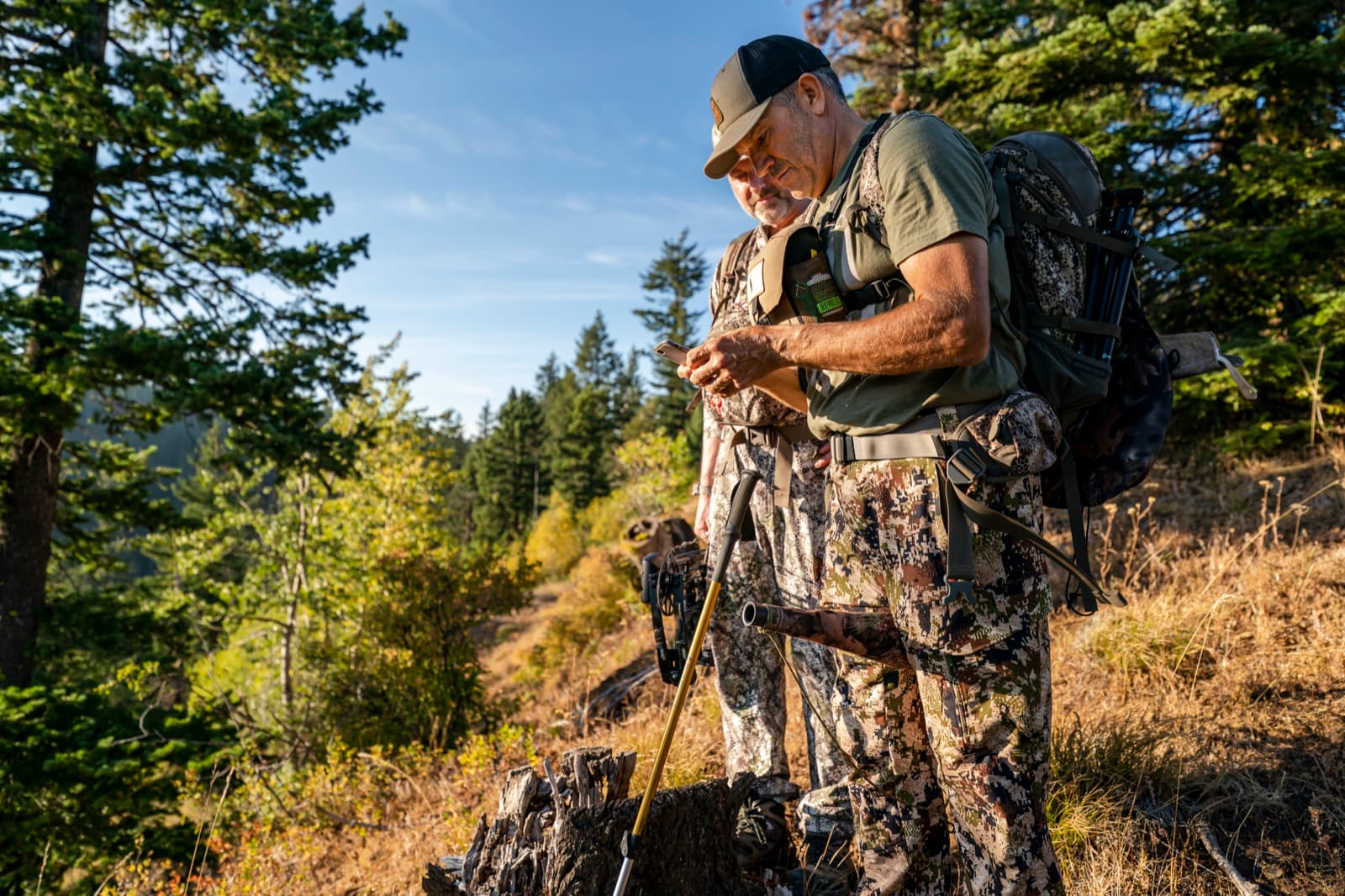
Ready to find your next deal?
Browse hundreds of used hunting gear listings from verified sellers.
The Second Nature Newsletter
The best used hunting gear deals and reads like this one, in your inbox. Free, no spam, unsubscribe anytime.
Fresh on the marketplace
Verified sellers, 40–60% below retail.
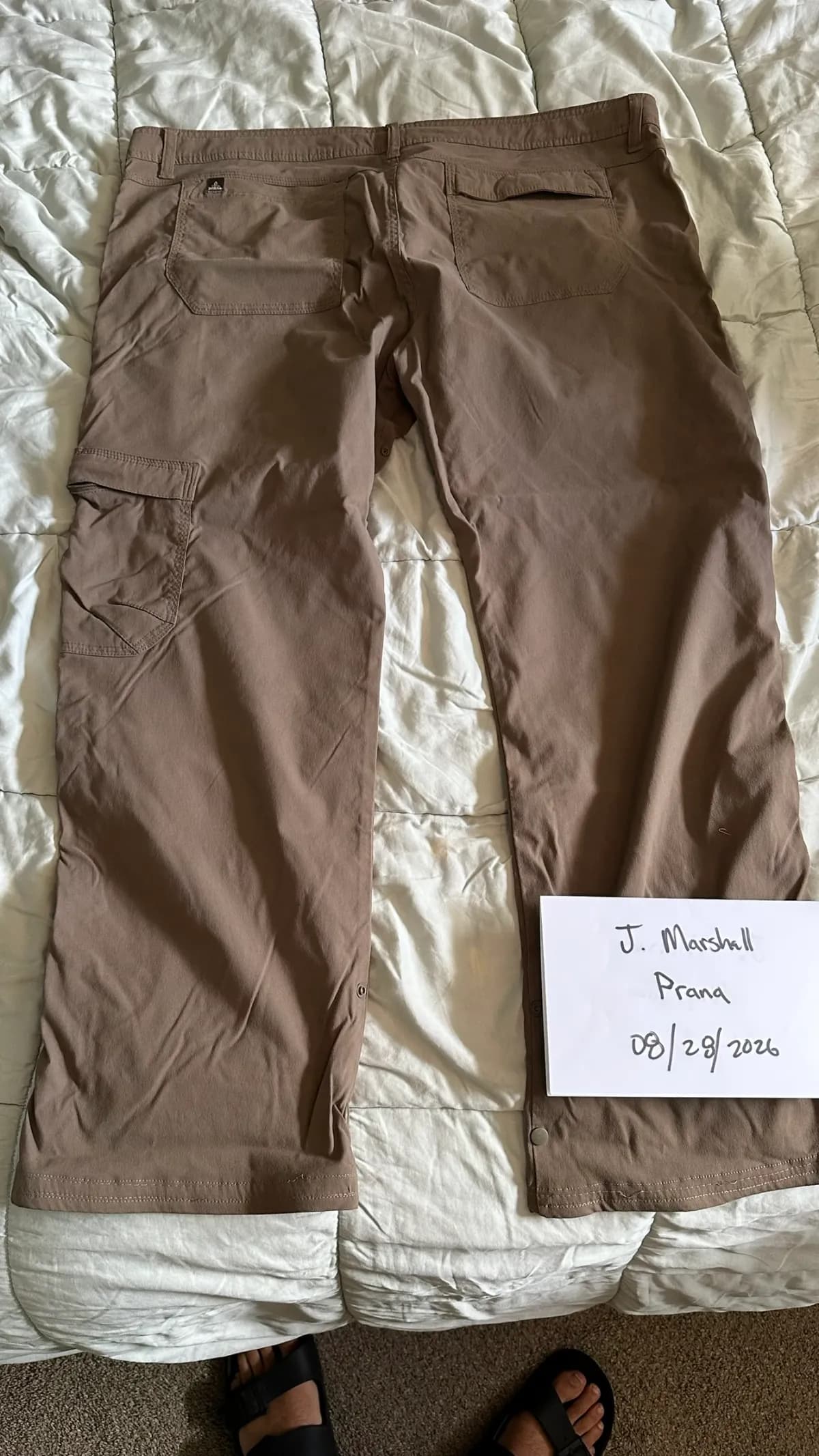
Prana Stretch Zion - Hemmed to 42x30
$55.00
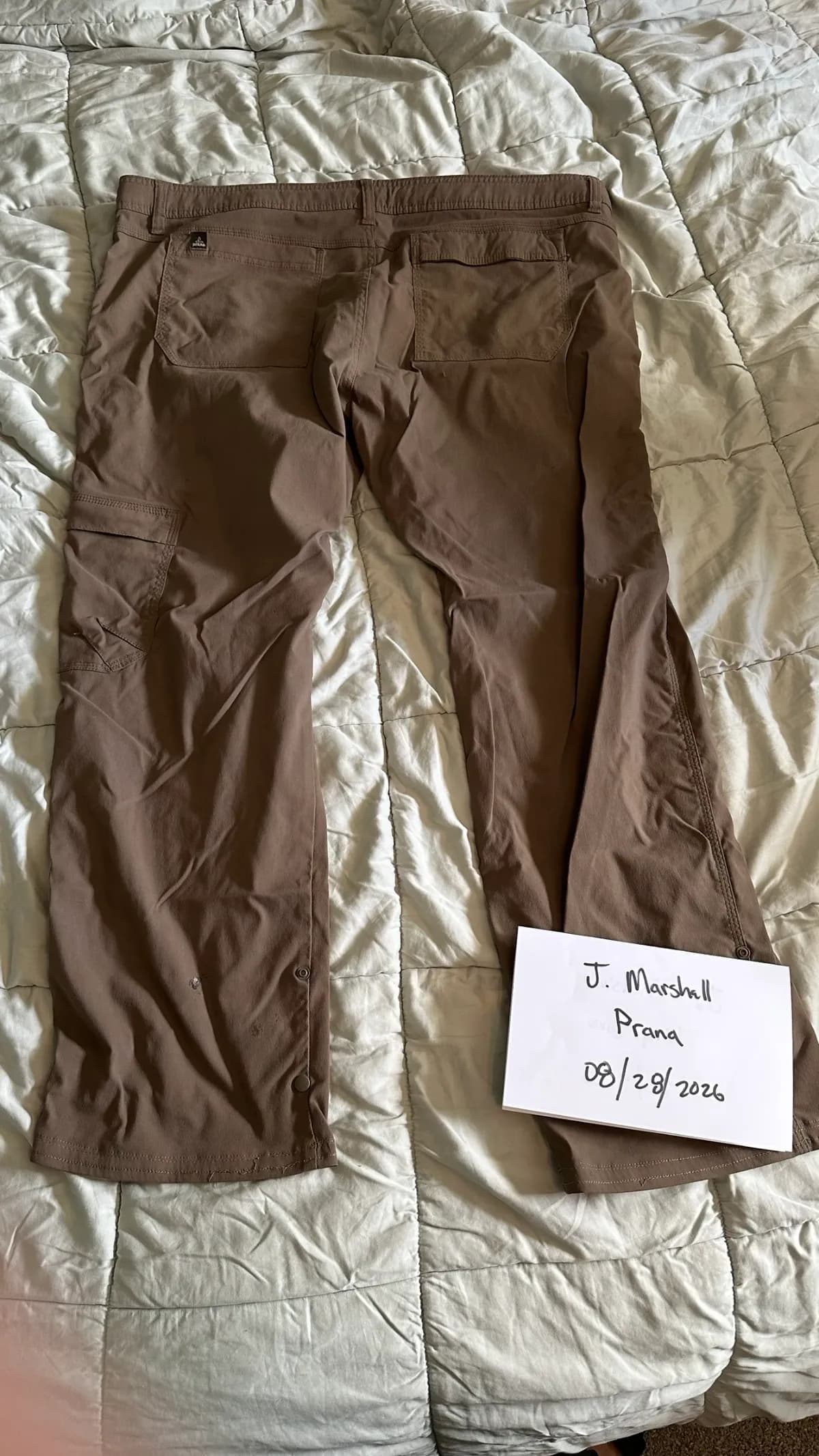
Prana Stretch Zion Hemmed to 42x30
$55.00
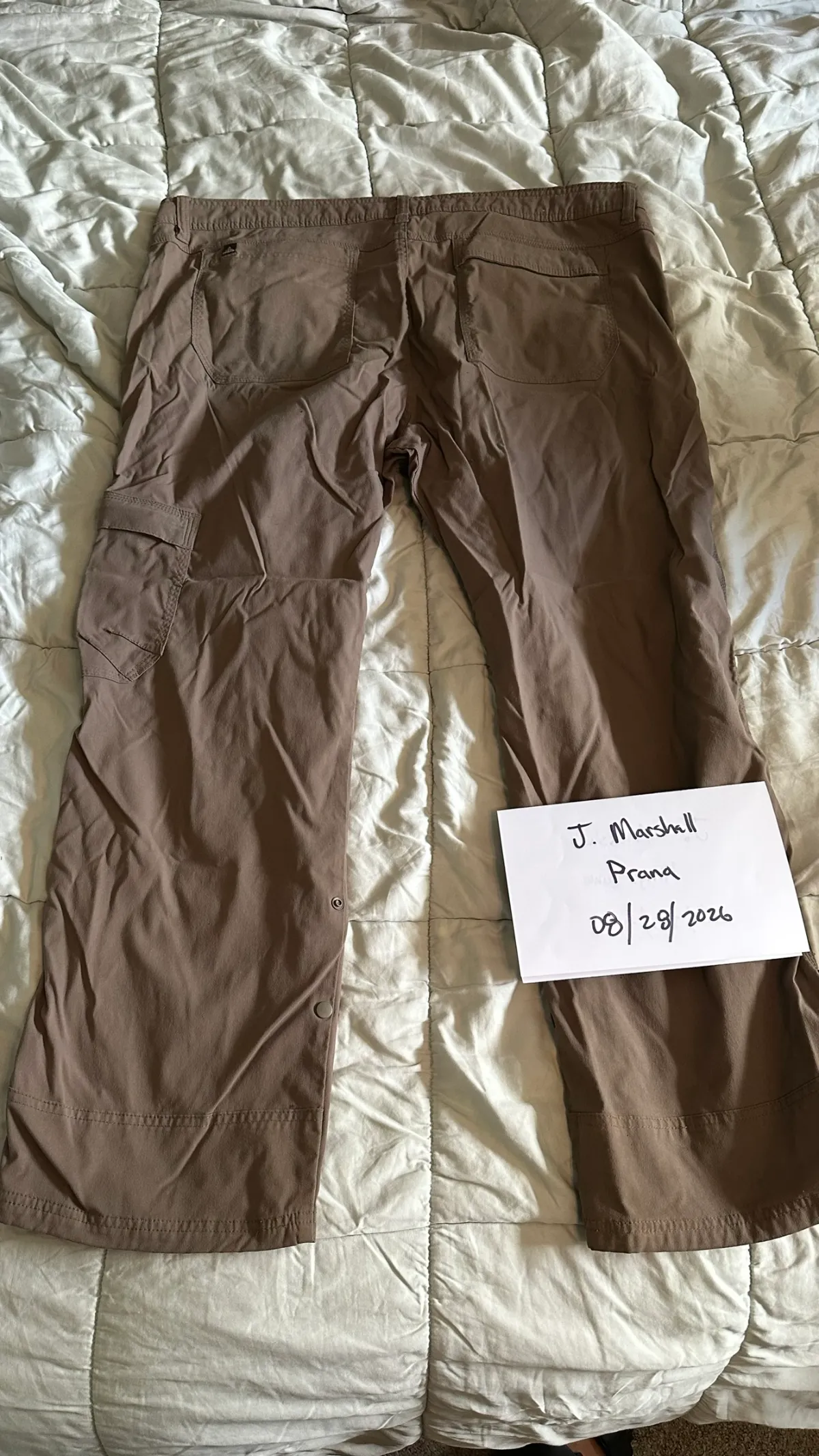
Prana Stretch Zion Pant
$60.00