
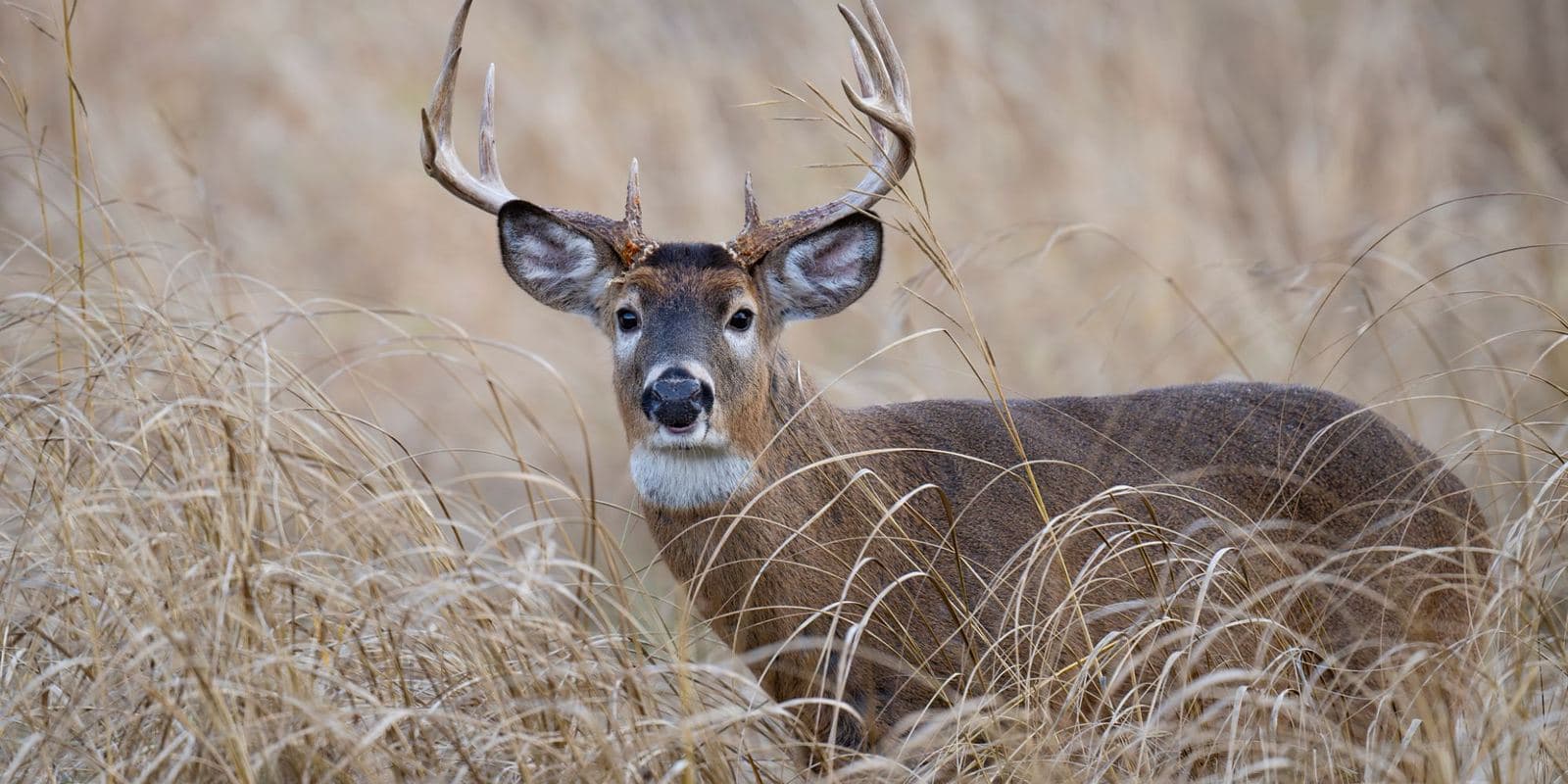
Late-Season Whitetails: The December Playbook (and the Truth About the Second Rut)
Most hunters are done by mid-December. That's the opportunity — late season is the most predictable hunting of the year, and the most unforgiving when you break its rules. Plus an honest answer on the second rut.
By the second week of December, the deer woods have been through a war. The rut burned the bucks down to their last reserves, orange armies marched through every block of timber in the county, and the survivors — including, statistically, some of the biggest bucks of the year — are still out there, hungry and paranoid in equal measure.
Most hunters are done by now, which is exactly the opportunity. Late season is the most predictable hunting of the year once you understand the three rules that govern it. Here's the full December playbook, plus an honest answer on the "second rut" everyone asks about.
What December Deer Care About (It's a Short List)
1. Calories. A post-rut buck may have lost 20–25% of his body weight and winter is arriving. Nothing else in his world competes with food now. The best remaining groceries — standing corn or beans, brassica plots, cut grain with waste, lingering acorns — concentrate every deer in the neighborhood.
2. Thermal cover. Cold deer bed where the physics help: south-facing slopes that catch sun, conifer stands that block wind, cattails and brushy low ground out of the weather. Find the warm bedroom near the best kitchen and you've found the December herd.
3. Not dying. These deer have been hunted for three months. Every survivor has a graduate degree in avoiding pressure — daylight movement shrinks near anything that smells like boots and trucks. The hunter who ignores this rule un-finds the deer the first careless afternoon.
That's the whole animal: food, warmth, safety. December strategy is just arranging yourself around those three without violating the third.
The December Playbook
Hunt afternoons, almost exclusively. The classic late-season pattern is bed-to-feed, with deer hitting food in the last 90 minutes of light. Morning hunts risk bumping deer off food fields in the dark on your way in — the fastest way to kill a spot. Sleep in, shoot your rifle, glass the food midday, hunt 2 p.m. to dark.
Live by the thermometer. Weather drives everything now, even more than in November. The best late-season sits, in order: the first afternoon after a front drops temperatures hard; any day with fresh snow (deer feed heavily after storms, and tracks turn scouting into arithmetic); and the coldest daylight highs of the forecast. A 40-degree bluebird afternoon is for errands; a 12-degree afternoon after six inches of snow is for being in the stand no matter what.
Treat your one spot like fine china. Late-season deer forgive nothing, so entry and exit matter more than stand choice. Approach food fields from the downwind edge the deer can't see; leave after dark, or have someone drive in to bump deer off the field "naturally" — vehicles spook deer far less than walking humans. One perfect sit a week out-kills four sloppy ones. This is October-lull discipline, December edition.
Bring the warmth or go home early. The buck shows up at last light on the coldest day — that's the whole deal. This is what your layering system was built for: walk in light, insulate at the stand, and be functional at minute 170, because he's coming at minute 175.
Use the seasons nobody else does. December's quiet secret is weapon seasons with no crowds — late muzzleloader and late archery run through some of the best patterning weather of the year, often with discounted antlerless tags. The woods are empty, and the deer calm down measurably within days of gun season ending.
The Second Rut: Honest Answers
Every December, hope springs: "the second rut's coming." Here's what's actually true.
It's real biology. Does that weren't bred in November cycle again about 28 days later, and in well-fed herds a share of doe fawns reach breeding weight and come into their first estrus in December. Bucks absolutely respond; December scrape hits and chasing happen every year.
It's not a plannable event. Unlike the November rut's photoperiod-driven reliability, the second rut is scattered, brief, and local — a flicker, not a flame. It happens around food (that's where the does are), to a small fraction of the doe population, on no particular day.
The play: don't hunt "the second rut" — hunt the food, where any second-rut action will come to you. If a doe gets hot on your field edge, you'll know it when a buck you've never seen crosses three fences to get there. That's a lottery ticket you collect by already being in the right stand, not a strategy you schedule.
| November rut | "Second rut" | |
|---|---|---|
| Trigger | Photoperiod — fixed, reliable | Unbred does + mature doe fawns |
| Timing | Same window every year | Scattered through December |
| Where | Doe bedding, funnels, everywhere | Food sources, period |
| Plan around it? | Absolutely | No — hunt food; accept the bonus |
The Case for Not Quitting
Beyond the tactics, the late-season argument is simple: the biggest bucks that survived the season are concentrated, patternable, and hungry; the woods are empty; tags are cheap; and the cold that keeps other hunters home is precisely what puts deer on their feet in daylight. Add the practical perks — processing weather is perfect, and a December doe is the best venison of the year — and the only real obstacle is the thermometer. That's a gear problem, and gear problems are solvable.
The season isn't over until the calendar says so. Most years, the hunter still out there in the third week of December has the best odds-per-hour of anyone since opening week — they just have them alone.
The Bottom Line
Late-season success is three decisions executed with discipline: find the best food with the warmest cover, hunt only afternoons and only when the weather says go, and protect your spot like it's the last one on earth — because in December, it is. Forget scheduling the second rut; be on the food and let it find you. The buck that outlasted everybody is out there right now, standing in a cut cornfield at last light, daring somebody to still be hunting.
Be somebody.
Sources
- Penn State Deer-Forest Study — hunting pressure and deer movement research
- National Deer Association — whitetail biology and management
December sits are won by insulation — browse used cold-weather systems, bibs, and packs from Sitka, KUIU, and First Lite on Second Nature, inspected and buyer-protected. And when your season does end: January is coming, and your unused gear is someone's next season — list it.
In the market for gear?
Browse verified secondhand listings at 40–60% below retail — or turn the gear hanging in your closet into cash.
More Articles
The Wild Game Thanksgiving: Venison and Wild Turkey Without a Family Mutiny
Every Big Game Draw Deadline You Need to Know for 2027: The Western Application Calendar
The End of Over-the-Counter Elk? What Colorado's 2026 Changes Mean for Every Western Hunter
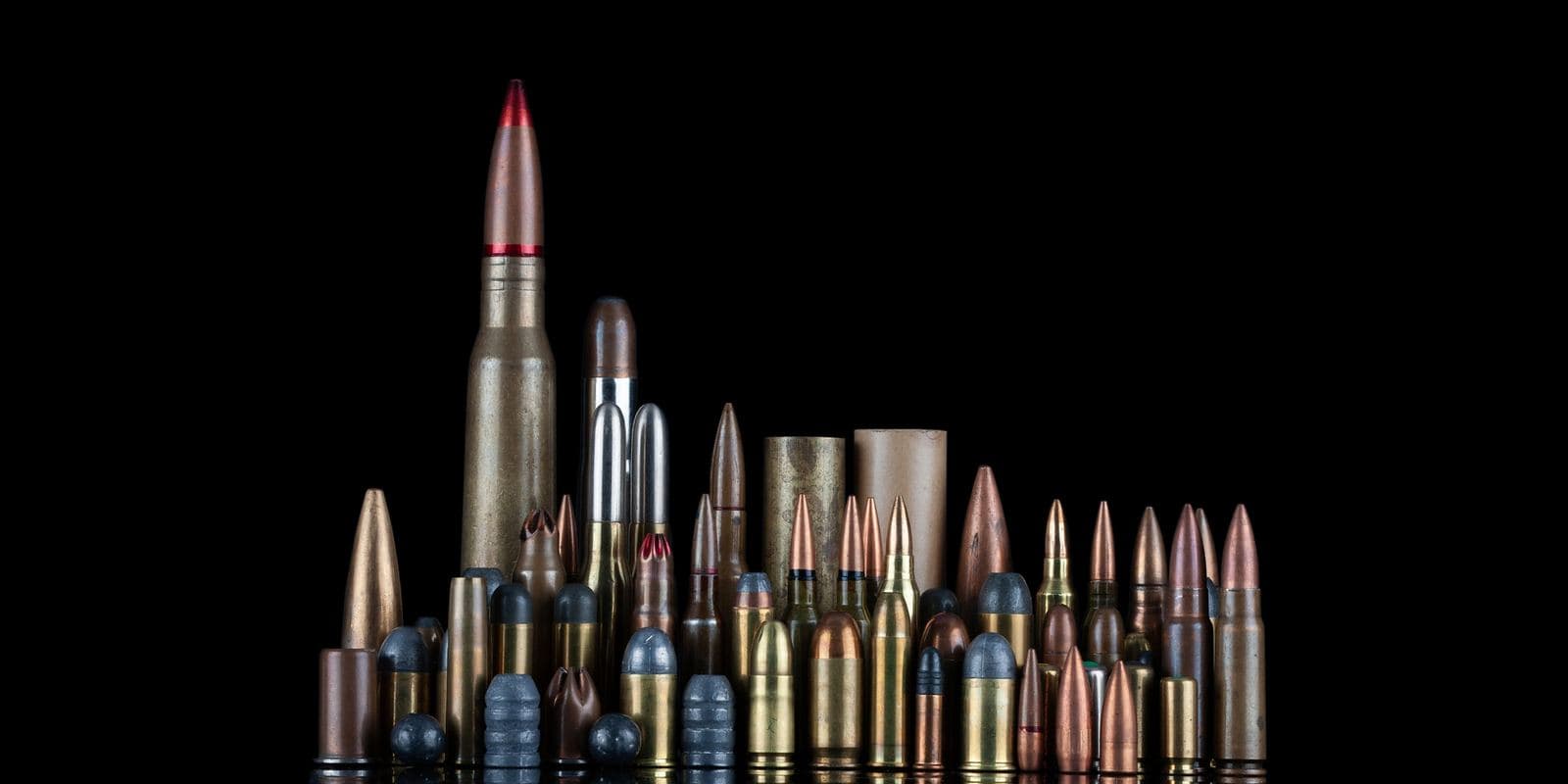
What Shooting Actually Costs in 2026: The Ammo Price Squeeze, Explained for Hunters
Ready to find your next deal?
Browse hundreds of used hunting gear listings from verified sellers.
The Second Nature Newsletter
The best used hunting gear deals and reads like this one, in your inbox. Free, no spam, unsubscribe anytime.
Fresh on the marketplace
Verified sellers, 40–60% below retail.
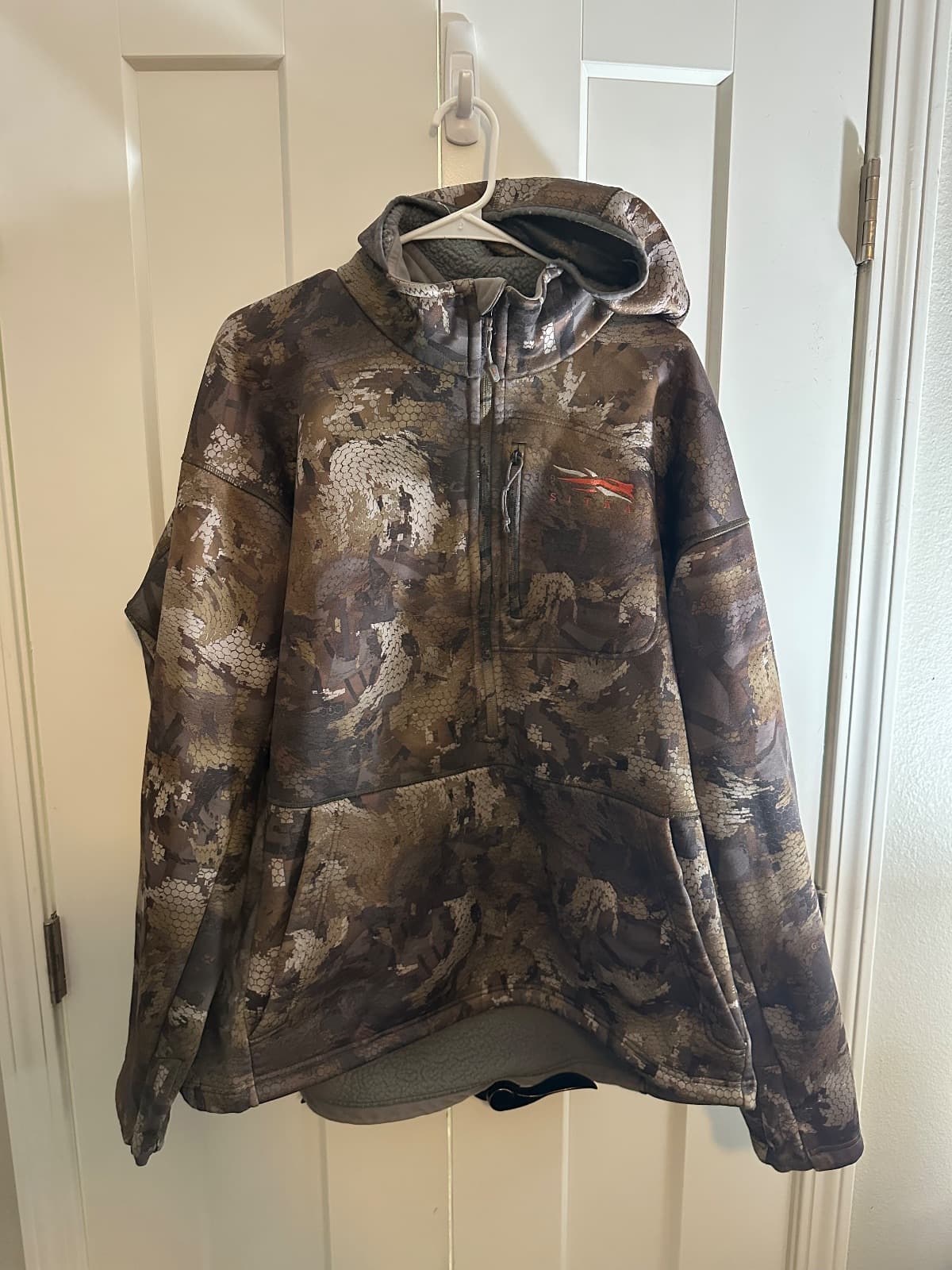
Sitka Gradient Hoodie
$140.0030% off
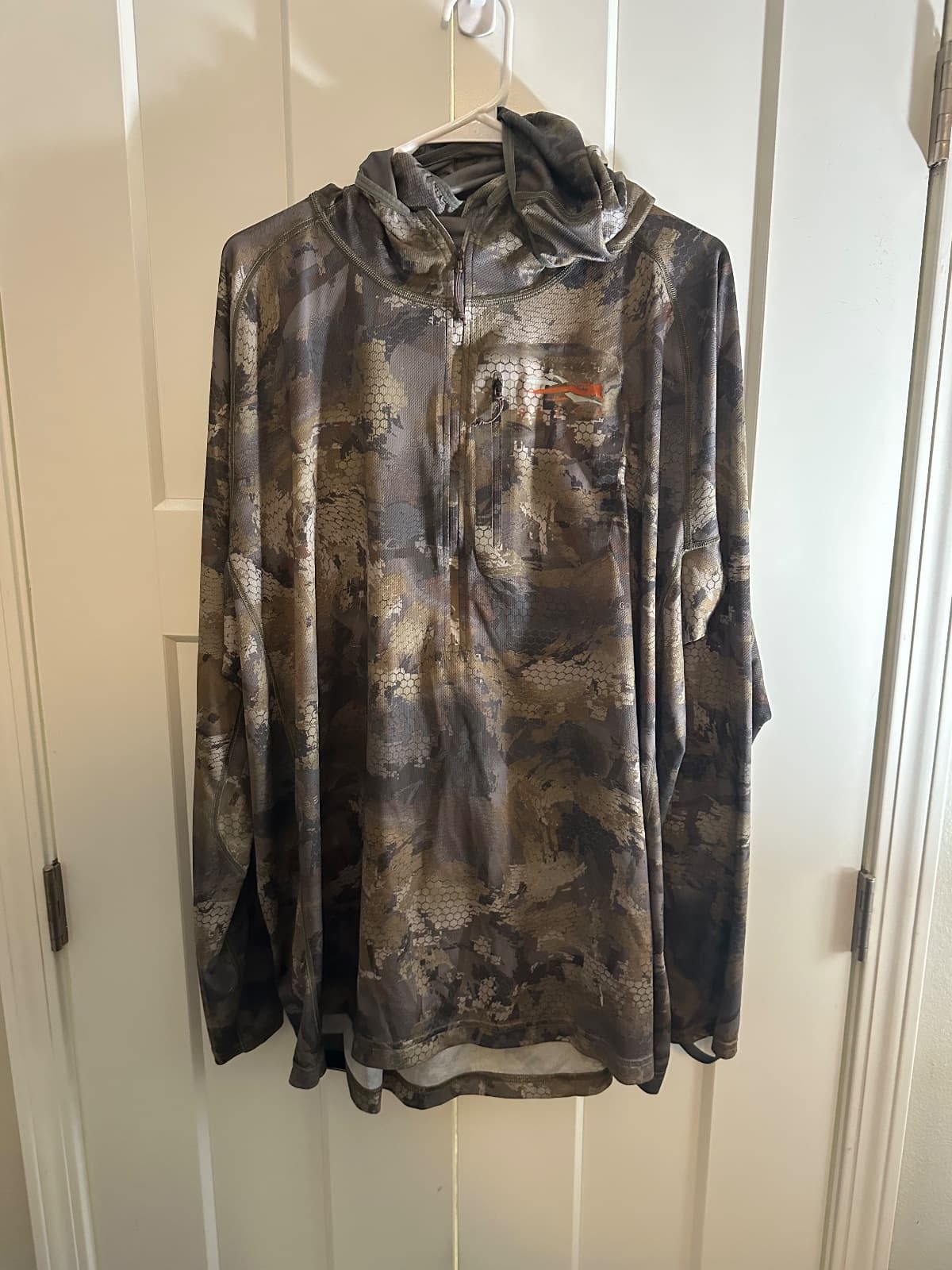
Sitka Core Lightweight Hoodie
$110.0019% off
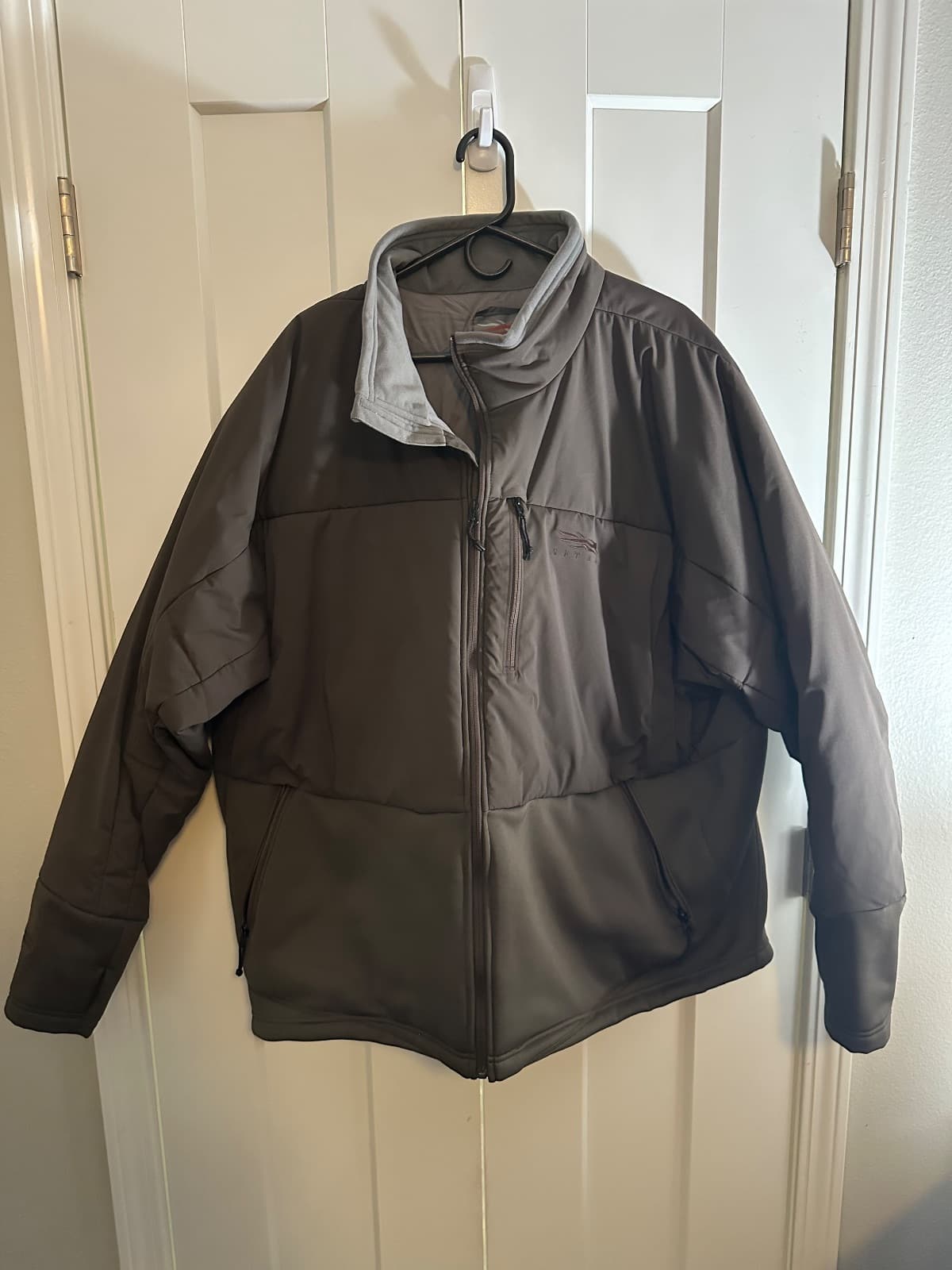
Sitka Duck Oven Jacket
$295.0015% off