
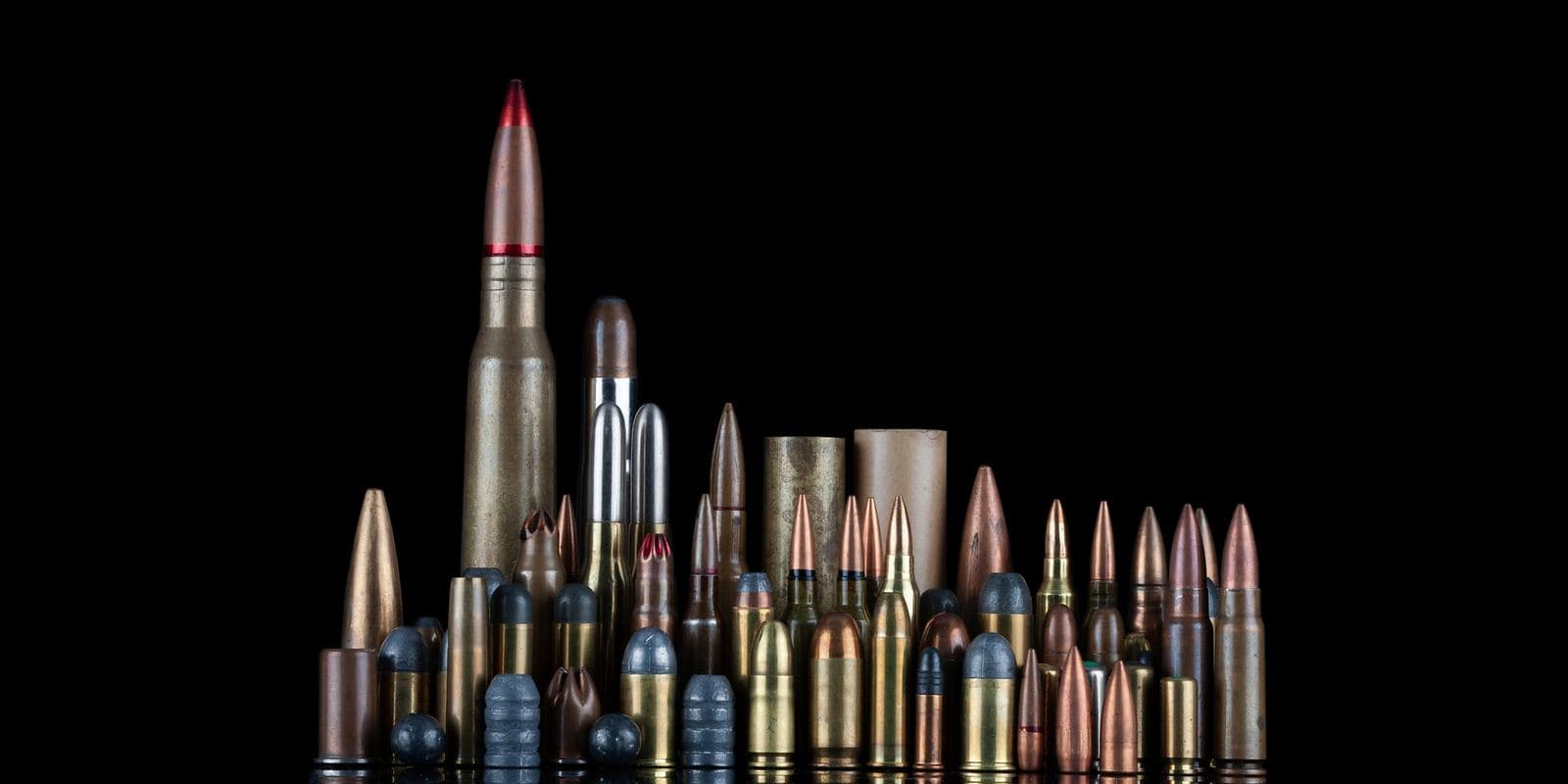
What Shooting Actually Costs in 2026: The Ammo Price Squeeze, Explained for Hunters
2026 wasn't an ammo shortage — it was a price squeeze. Here's what's driving it, which cartridges got hit hardest, and why the hunter is the least-squeezed shooter in America right now.
Every hunter has had the moment this year: you grab a box of the ammo you've bought for a decade, look at the sticker, and do a double-take. You're not imagining it. 2026 has been the year of the quiet ammo squeeze — not a shortage, the industry is clear on that point, but a steady, compounding price problem that hits different calibers very differently.
Here's what's actually driving it, which ammo is getting hit hardest, what it means for your fall, and the honest playbook for keeping your shooting budget intact without hoarding like it's 2020 again.
What's Driving Prices Up
Three forces stacked on top of each other this year.
Manufacturer increases, now arriving monthly. Federal, CCI, Speer, Remington, Blazer, Fiocchi, and Winchester all announced price increases of 2% to 12% effective April 1, and the industry has shifted from the traditional twice-a-year price adjustment to changes arriving essentially month to month. Each bump is small; the compounding isn't.
Tariffs on imported ammo, 10% to 37%. New tariffs hit ammunition imported from Brazil, Serbia, Bosnia, South Korea, and Europe — which matters more than most hunters realize, because imports are the budget end of the market. The cheap practice ammo that kept range days affordable is exactly the ammo most exposed.
The import bans grinding forward. The Russian ammo ban means steel-case 7.62x39 supply is finite and dwindling — the hardest-hit cartridge in the market, with no replacement source at comparable prices once existing inventory sells through.
The result, as of this fall: common range calibers like 9mm and 5.56 up moderately (5–10%), imported budget lines up sharply, and specialty imports in genuine trouble. Availability is fine — shelves are stocked. The sticker is the problem.
What It Means for Hunting Ammo Specifically
Some genuinely good news: the hunter is the least-squeezed shooter in America right now.
| Ammo type | 2026 squeeze level | Why |
|---|---|---|
| Premium hunting rifle loads (.30-06, .308, 6.5 CM, .270) | Mild | Mostly US-made; was already premium-priced; you shoot one box a year |
| Budget and imported practice ammo | Heavy | Tariff-exposed; this is where the pain concentrates |
| Steel-case 7.62x39 | Severe | Finite supply, no replacement source |
| Waterfowl steel shot | Moderate | High-volume shooting meets rising component costs |
| Rimfire (.22 LR) | Mild | Still the cheapest trigger time in existence |
| Muzzleloader components | Minimal | Powder, primer, bullet — largely insulated (one more reason for December) |
Translation: the box of premium .30-06 that kills your deer costs a few dollars more and that's survivable — you need twenty rounds a season. The real hit lands on practice volume: the high-volume shooting that keeps you sharp is what got expensive. Which reframes the whole problem. This isn't a hunting-cost crisis, it's a practice-cost crisis. So solve that one.
The Hunter's Playbook
1. Buy your hunting ammo for next season now — one case, not ten. With increases arriving monthly rather than seasonally, waiting costs money and panic-buying wastes it. A single case of your deer load is years of hunting at today's price. Then stop; empty shelves in 2020 were caused by carts, not factories.
2. Lock your lot number. When you find the load your rifle shoots well, buy enough of the same lot for the season plus zeroing. Lot-to-lot variation is real, and re-zeroing for a new lot at $3 a trigger pull is the hidden tax of buying small.
3. Move practice volume to cheaper platforms. The skills that kill deer — position, breathing, trigger press, wind — transfer. A .22 trainer, dry-fire work at home (free, and more valuable than most hunters admit), and fewer-but-deliberate centerfire sessions beat burning $60 of fuel through your deer rifle. Many of the best shots you know built the skill on rimfire and spend centerfire like it's ammunition for an argument: sparingly and on target.
4. Waterfowlers: buy shells by the flat, in the offseason. Steel shot by the case in late winter — when demand dies — has become one of the most reliable savings plays in hunting. The duck doesn't know what the shell cost, but your February self will.
5. Reloaders, keep components stocked ahead of need. The same monthly-increase logic applies to powder and primers, and component prices follow loaded-ammo prices with a lag.
6. Don't let the price excuse a skipped zero. The worst ammo economy of all is wounding a deer to save $15 of confirmation shots. One box: zero check, a couple of field-position groups, done. That's the non-negotiable spend.
The Bigger Picture
There's a conservation footnote worth knowing: every one of those painful ammo dollars carries the Pittman-Robertson excise tax — 11% of the manufacturer price on ammunition — straight into state wildlife funding. Rising prices are no fun, but hunters and shooters remain the only outdoor users who fund conservation automatically with every purchase. You were donating all along; the receipts just got bigger.
And zoom out on the budget as a whole: ammo is a few hundred dollars of a hunting year. The thousand-dollar line items are gear and access — which is exactly where the used market claws back what the ammo shelf takes. Save $250 buying your jacket used and you've covered the entire year's price increases with money left for a case of steel shot.
The Bottom Line
2026's ammo market is a price problem, not a supply problem — driven by tariffs on imports, monthly manufacturer increases, and dying cheap-import supply lines. Hunting loads are the least affected corner of the market; practice volume is the most. Buy a season ahead (not a decade), keep your lot consistent, shift volume to rimfire and dry-fire, and never skip the zero. The deer still only requires one well-placed shot — and that one has barely gotten more expensive at all.
Sources
- Trump's Tariffs Are Driving Up Ammo Prices — The Trace
- Ammo Prices 2026: Tariffs, Price Increases & When to Buy — Bulk Ammo Finder
- Ammo Shortage Tracker: The 2026 Ammunition Market — Popular Ammo
- Ammo Prices in 2026: What to Expect and When to Buy — Buy More Ammo
- Wildlife and Sport Fish Restoration Program — U.S. Fish & Wildlife Service
Balance the budget where the big money lives: browse used Sitka, KUIU, and First Lite on Second Nature — inspected, buyer-protected, 40–60% under retail — and let the gear savings buy the shells.
In the market for gear?
Browse verified secondhand listings at 40–60% below retail — or turn the gear hanging in your closet into cash.
More Articles

Colorado's Wolf Repeal Is Dead for 2026 — and Money, Not Voters, Killed It
Cold-Weather Layering for Hunters: The System That Actually Keeps You on Stand
The Biggest Typical Buck in American History Spent 32 Years in a Basement — and an Electrician Found It
The Season Most Hunters Skip: Why December Muzzleloader Is the Best-Kept Secret in Deer Hunting
Ready to find your next deal?
Browse hundreds of used hunting gear listings from verified sellers.
The Second Nature Newsletter
The best used hunting gear deals and reads like this one, in your inbox. Free, no spam, unsubscribe anytime.
Fresh on the marketplace
Verified sellers, 40–60% below retail.
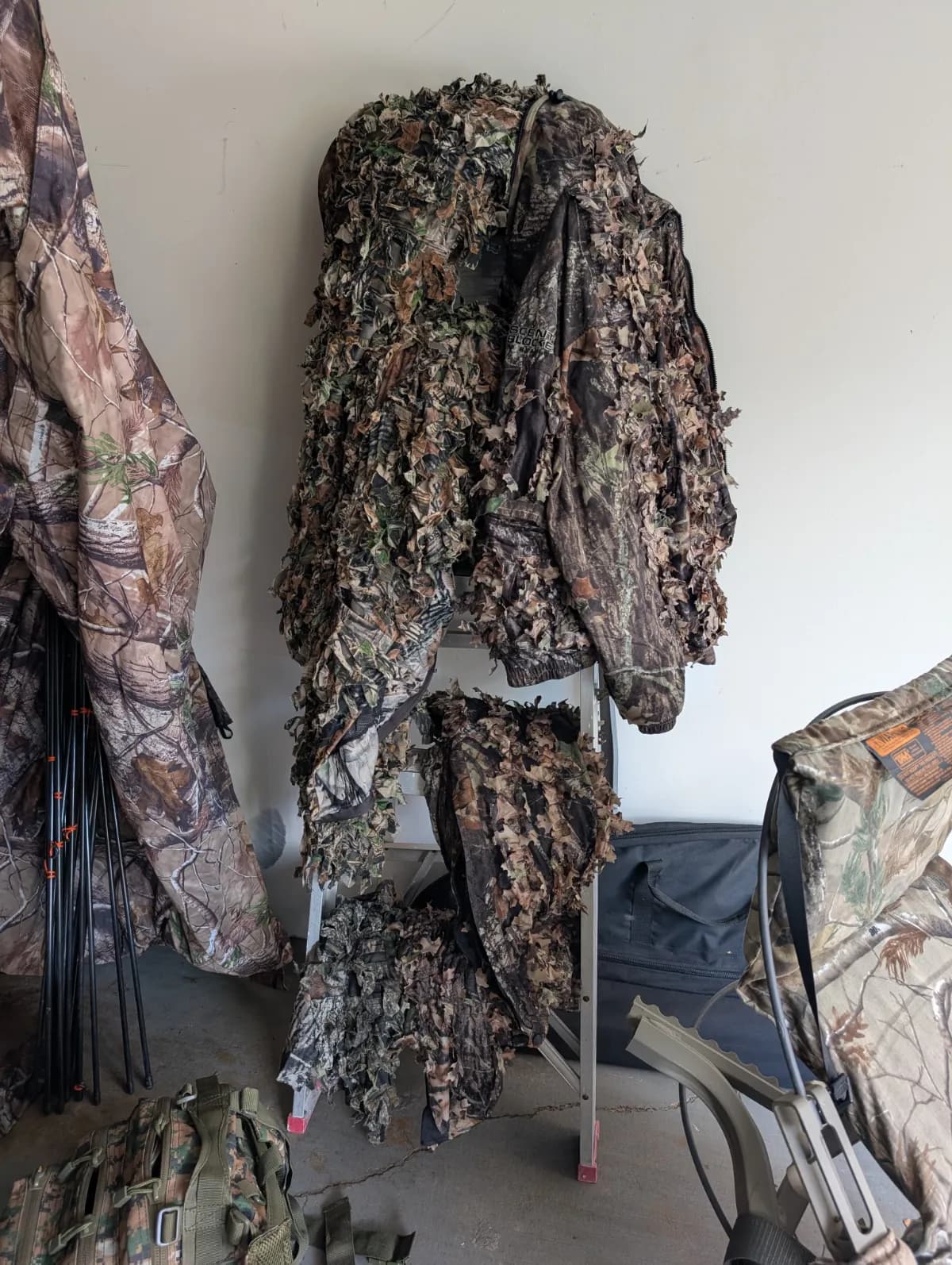
Scent Block Warm Weather Gilly Suit
$5.00
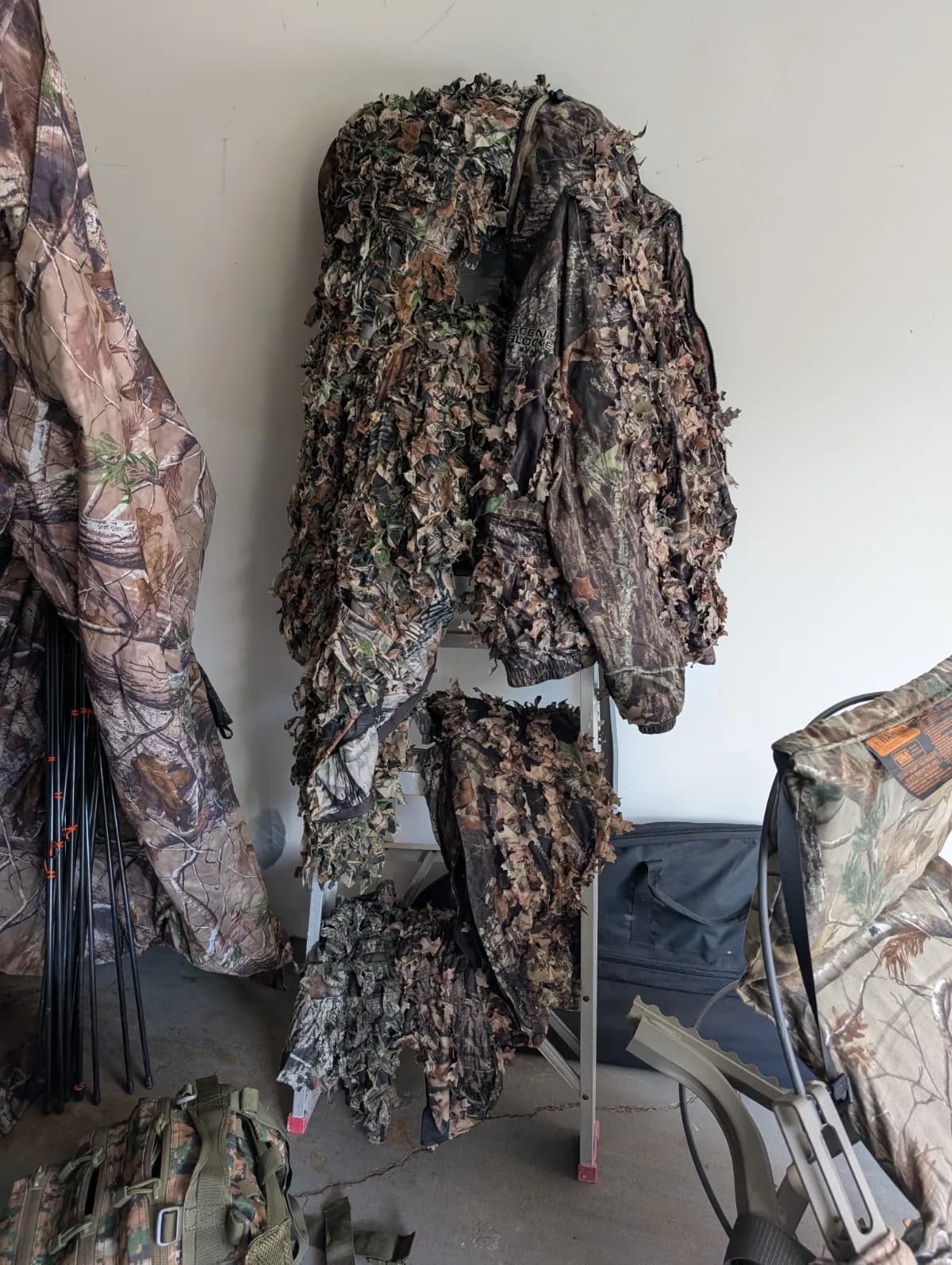
Scent Block Cold Weather Gilly Suit
$5.00
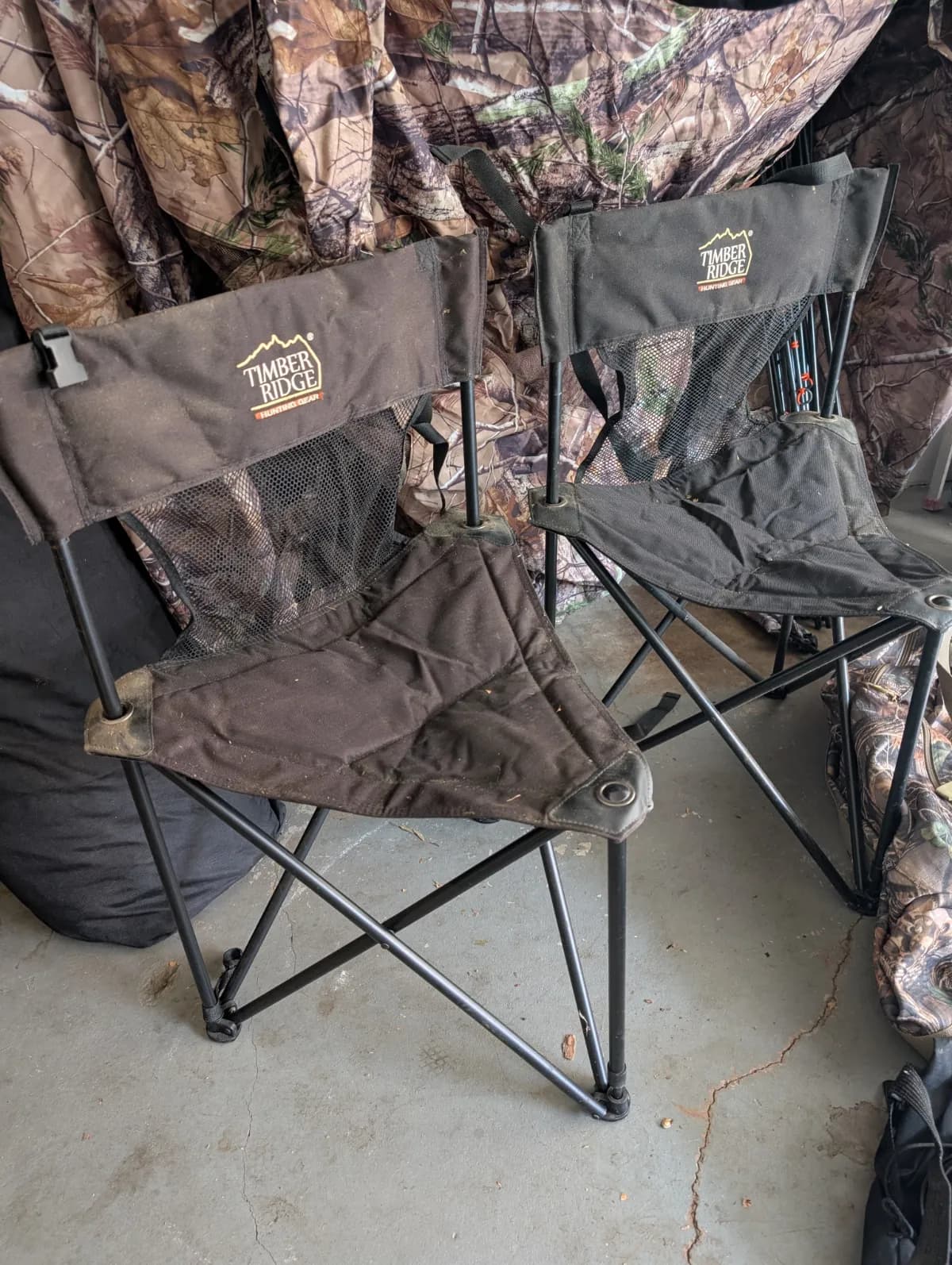
Timber Ridge heavy-duty folding bow hunting chair
$5.00