
The 2026 Hunting Tech Boom: When Does "Smarter" Become "Too Easy"?
If you walked the aisles at SHOT Show in Las Vegas this past January, you saw the future of hunting. You also heard the argument about it.
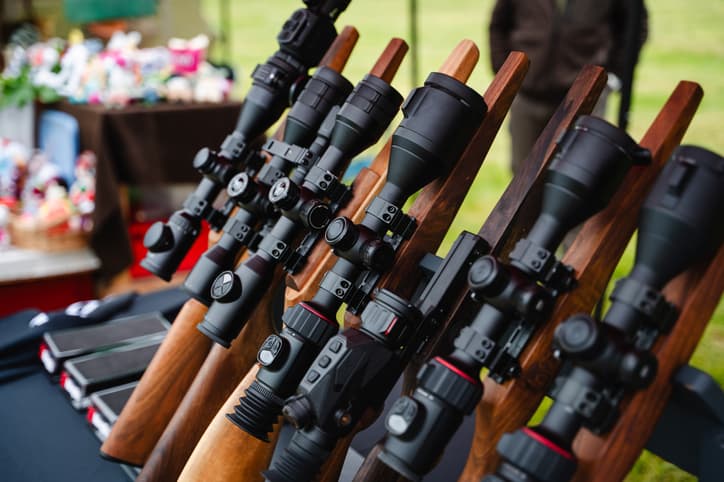
Every other booth had some version of the same pitch. Smarter optics. Longer-range cellular cameras. Ballistic apps that talk directly to your rifle scope. Artificial intelligence overlays that claim to tell you where the deer are going to be at 4:47 p.m. on Saturday. 2026 is the year the technology stopped being an add-on and became the default configuration. It is also the year a lot of lifelong hunters started asking, out loud, whether we have finally crossed a line.
What actually changed this year
Three shifts moved from premium luxury to shelf standard in 2026, and any one of them would have been a major story on its own.
The first is cellular trail cameras. In 2022, a cellular camera was a splurge for the hunter with the expensive lease. Rural connectivity has finally caught up. Entry-level cellular kits now retail under a hundred dollars. Monthly data plans are cheap. You can get real-time pictures from public land in most of the eastern United States and across much of the Mountain West. For a lot of hunters, checking trail cameras has become a phone habit, something you do on a coffee break, rather than a weekend ritual that involves a long walk and a memory card reader.
The second is the merger of rangefinding and ballistic calculation inside a single optic. The newest smart scopes and rangefinding binoculars combine laser rangefinding, onboard ballistic math, wind input, and Bluetooth sync to a phone or smartwatch — all in one unit. A decade ago, that kind of system was four thousand dollars of military-adjacent gear. In 2026, it sits on the shelf at Scheels for around twelve hundred.
The third is artificial intelligence in scouting apps. Several brands launched apps this spring that ingest your trail camera history, local weather, moon phase, barometric pressure, and wind direction, and then produce a probability heat map for your property. Whether those predictions work as well as the marketing claims is a separate question. What is not in dispute is that this is now the feature hunters are being sold on.
The case for: this is just the next chapter
Hunting has always adopted new technology. The compound bow was controversial when it showed up in the 1970s. The laser rangefinder was controversial in the 1990s. GPS was controversial in the 2000s. In each of those cases, adoption normalized. Nobody today seriously argues that a sixty-yard compound bow shot is somehow cheating because you cannot reasonably do it with a longbow.
There is also a real efficiency argument. A lot of 2026 hunters have one weekend to hunt. Not one season. One weekend. Cell cameras, mapping apps, and route-planning tools let working parents, shift workers, and travel hunters make genuine use of a limited window. Gatekeeping the sport behind the idea that a person should have more free time before they are allowed to use modern tools is a terrible recruitment strategy, and hunter recruitment is the single biggest long-term conservation problem the country faces. Every hunter who buys a license helps pay for habitat work, wildlife management, and access. Fewer licenses sold means less money for the land and the animals. The math does not care about your feelings on trail cameras.
The case against: at some point it stops being hunting
The strongest version of the critique is not that new is bad. It is that all of these tools, stacked together, shift the activity from hunting to locating. If you know where the deer is to the meter, what it weighs, and what it will probably be doing in two hours, and you then shoot it from six hundred yards with a scope that does the ballistics for you, it is fair to ask which of the verbs in that sentence still qualifies as hunting.
State agencies are starting to ask the same question. Several states have either banned or restricted real-time cellular trail camera use during the hunting season, and more are expected to follow in 2027. A handful of Western states are now having the same conversation about smart scopes for the same reason. At some point, the argument goes, the technology is running the hunt and the hunter is just along for the ride.
The quiet counter-trend: conservation-first gear
Here is what makes 2026 strange and, honestly, a little hopeful. This is also the year the conservation-first gear movement is having its loudest commercial moment. Manufacturers are leaning hard into recycled fabrics, PFAS-free water repellents, repair-over-replace programs, and carbon-offset shipping. You can argue about how much of that is real versus a marketing veneer, but the shelf reality is that ethical sourcing is now a selling point right next to high-tech capability. The same customer is often buying both.
That is not actually a contradiction. A lot of younger hunters want the modern tools and a clear conscience, and they want both in the same pack. Brands are racing to meet them there.
What this means for different kinds of hunters
If you are new to the sport, do not let gear marketing convince you that you need six thousand dollars of optics and an AI subscription to shoot a doe. You do not. You need a three-hundred-dollar rifle, a two-hundred-dollar scope, a mentor, and time in the woods. Buy the technology later, when you have earned an opinion about whether you actually want it.
If you are a veteran, the new tools are genuinely useful in scouting. They are also genuinely addictive. A reasonable compromise looks like this: scout with the technology, hunt without the phone. Treat the actual sit as a screen-free zone. A lot of the "the woods used to feel different" complaint is really a screen-time complaint wearing outdoor clothes.
If you are in the industry, the 2026 buyer wants capability and a story about restraint, in the same breath. The brands that thread that needle — sell me the smartest optic in your lineup while telling me honestly that it is a tool, not a crutch — are the ones running away with the category this year.
The quiet decision
The best writing on this subject right now makes a simple point. Hunting was never really about the gear. It is a series of quiet decisions: where to sit, when to draw, whether to shoot, when to pass. Technology can make some of those decisions for you. It cannot make them better. That part is still yours.
Use the tools. Keep the decisions.
What is in your pack this season, and what did you leave out on purpose? Tell us in the comments, and share this with the hunter in your life who needs to hear it.
In the market for gear?
Browse verified secondhand listings at 40–60% below retail — or turn the gear hanging in your closet into cash.
More Articles

The Boundary Waters at a Crossroads: What Last Week's Senate Vote Actually Means for Hunters, Anglers, and Paddlers
Sunday Hunting Laws in 2026: The State-by-State Fight Explained
The Yellowstone Cougar Trail Cam Footage: What It Tells Us About Western Predator Density
When Does Turkey Season End? A 50-State Guide for the 2026 Spring
Ready to find your next deal?
Browse hundreds of used hunting gear listings from verified sellers.
The Second Nature Newsletter
The best used hunting gear deals and reads like this one, in your inbox. Free, no spam, unsubscribe anytime.
Fresh on the marketplace
Verified sellers, 40–60% below retail.
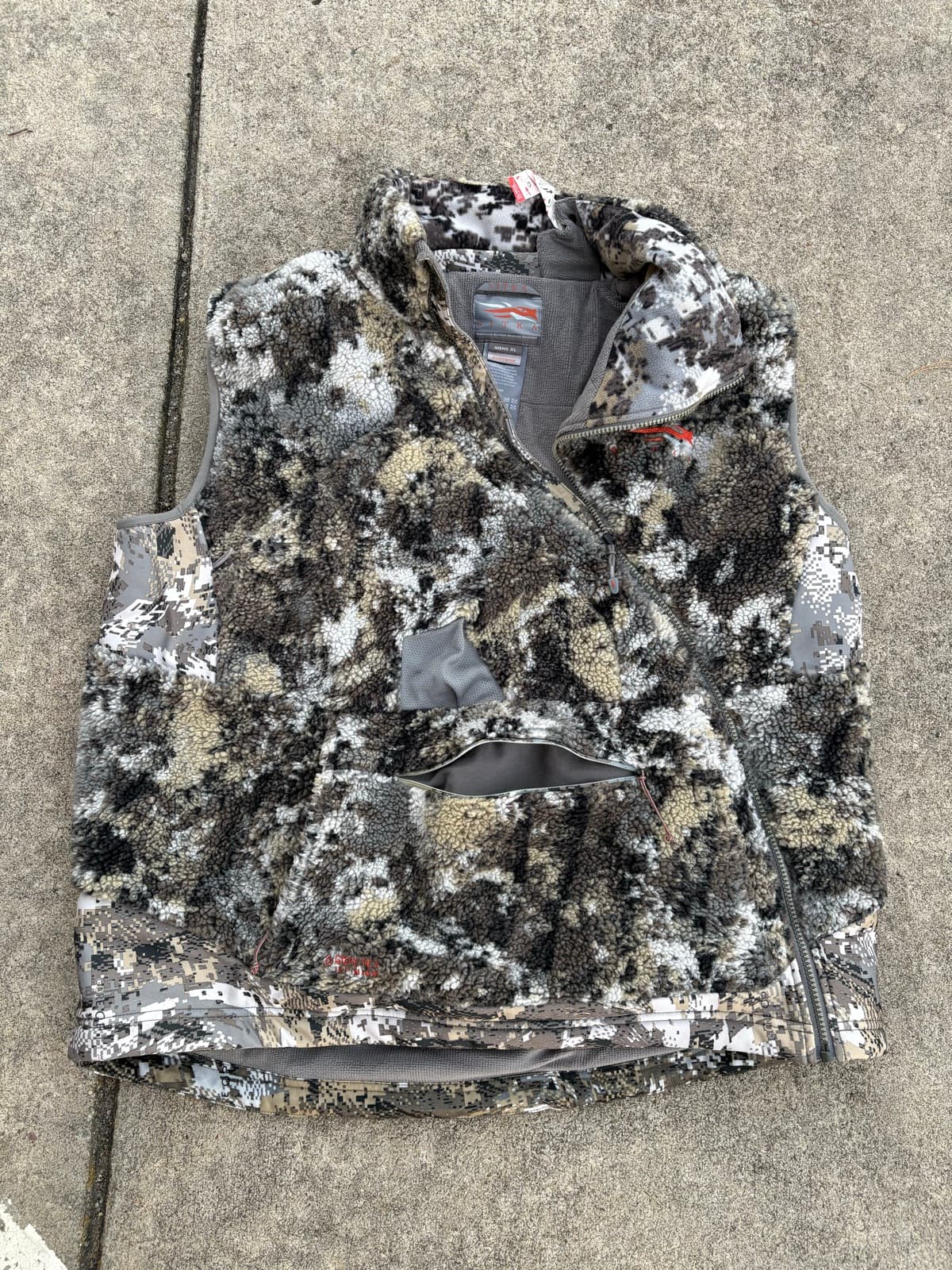
Sitka Fanatic Vest
$230.0020% off
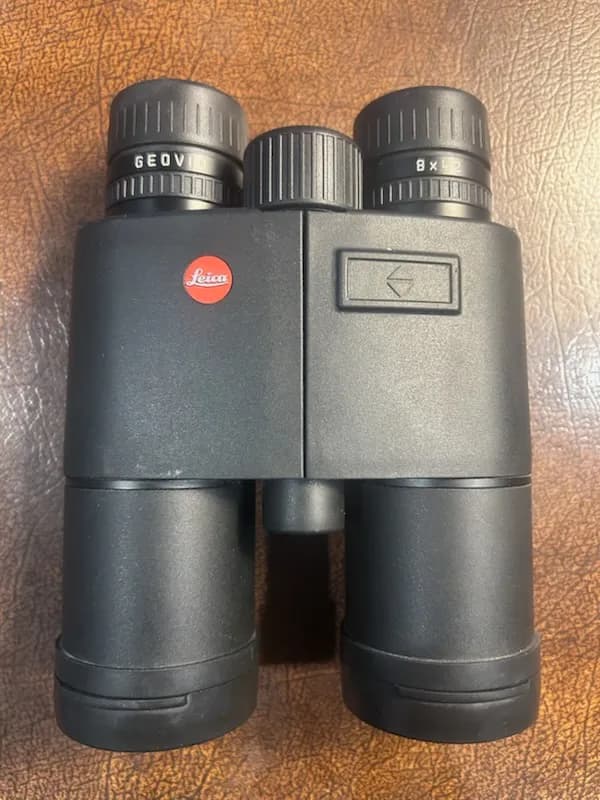
Leica Geovid 8 x 42 Binoculars with Rangefinder
$1,000.0060% off
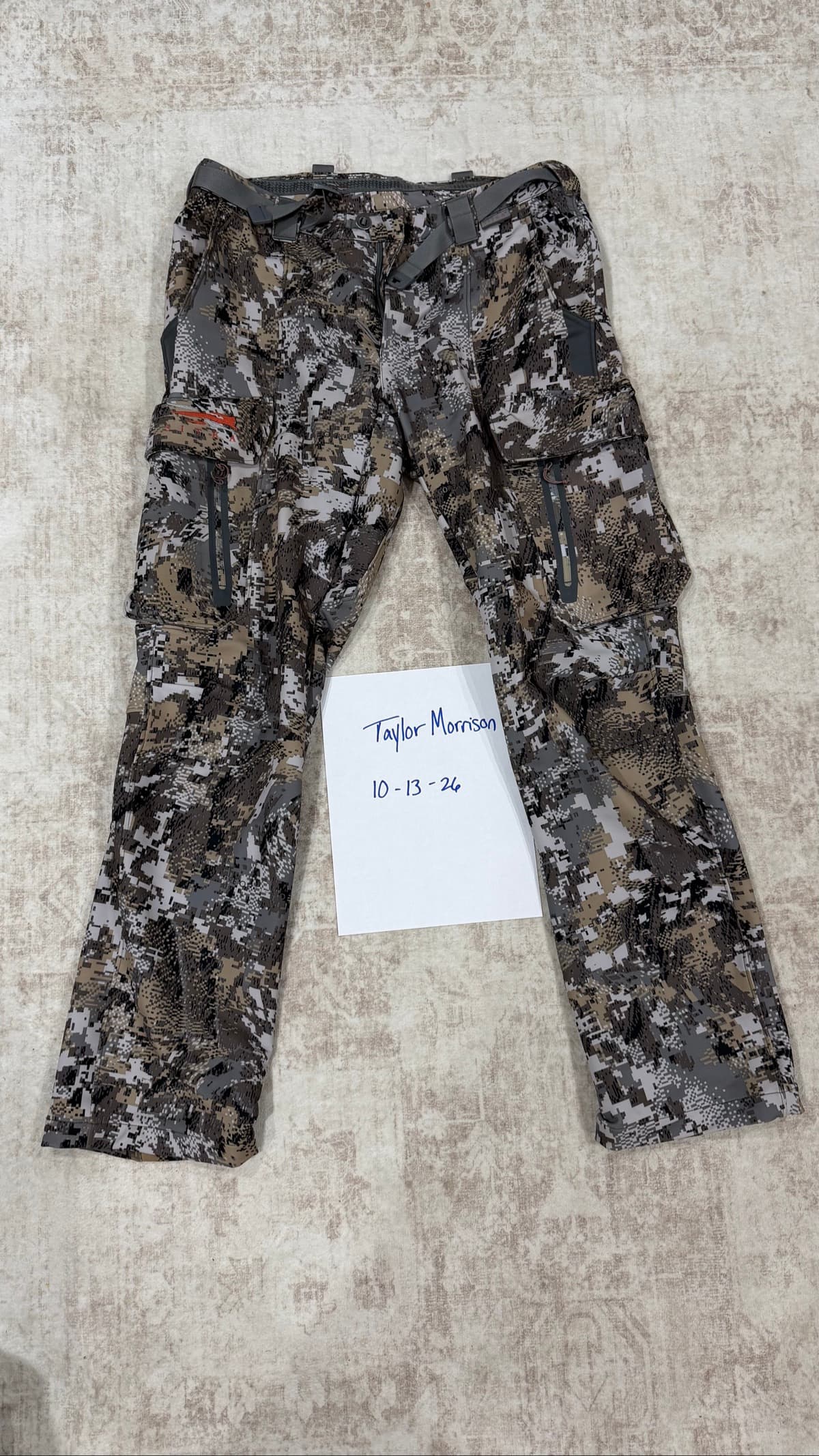
Sitka Equinox Guard Pant
$125.0037% off