
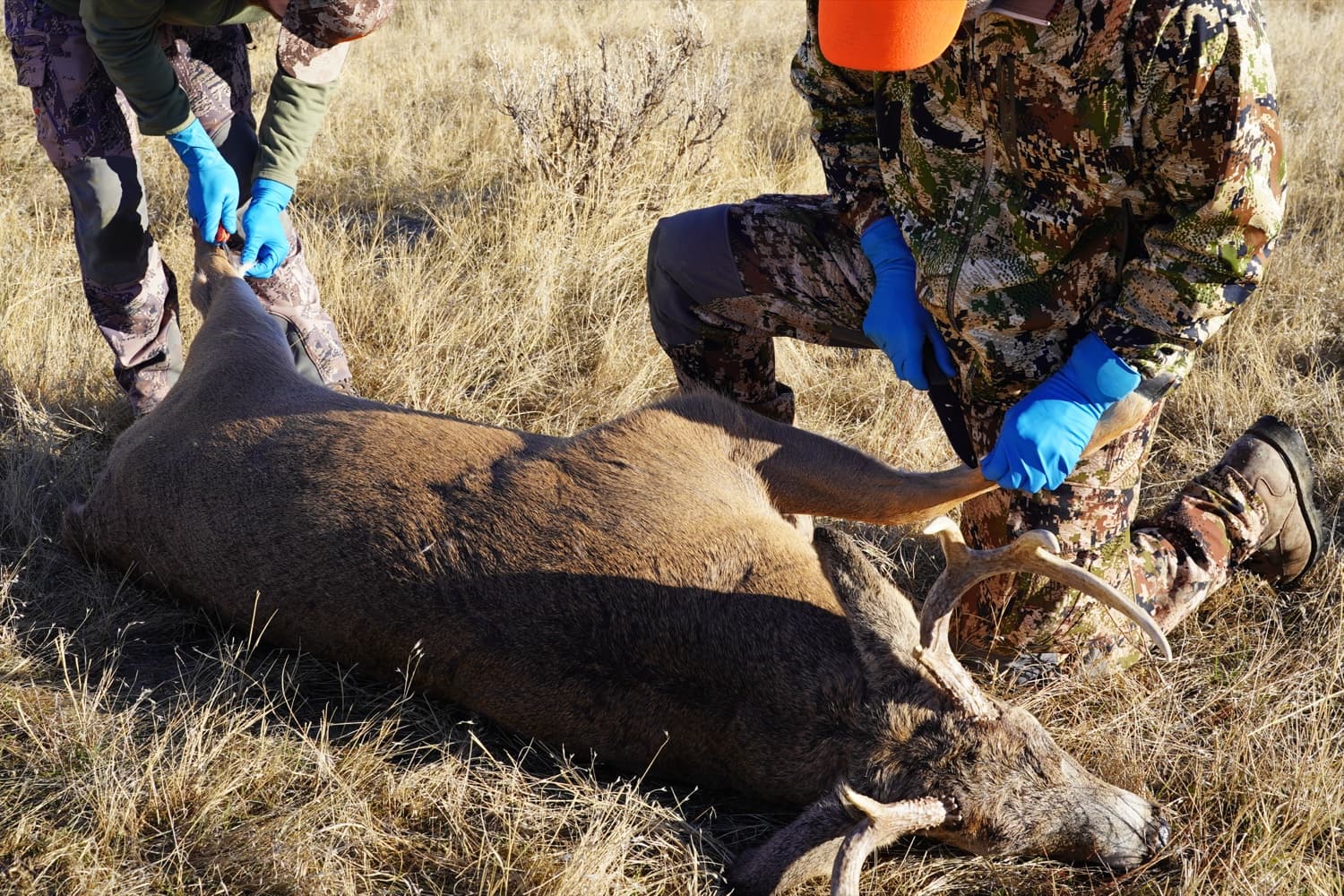
Hot-Weather Hunting: How Sitka, KUIU, and First Lite Build for the Early Season
Most hunting clothing conversations revolve around staying warm. The internet is full of arguments about which puffy holds the most heat and which insulated bib will get you through a December sit. But the reality is that a huge share of the season happens in heat, not cold. Early archery openers, September elk, southern whitetail hunts, and warm-weather scouting all take place when the thermometer is climbing, not falling. Hunting in the heat is its own discipline, and the gear that handles it well looks nothing like the gear built for a frozen tree stand.
The three premium brands hunters argue about most, Sitka, KUIU, and First Lite, each have a distinct philosophy for warm weather. Understanding how they think about hot-weather performance helps you build a smarter system, and it explains why a layering approach that works in October mountains can leave you soaked and miserable in September heat. Here's a deep look at what each brand offers, how their flagship hot-weather pieces actually perform, and how to put together a system that keeps you cool, dry, and in the field.
Why Warm-Weather Layering Is Its Own Skill
Cold-weather layering is mostly about trapping heat. You add insulation, you block wind, and you manage moisture so sweat doesn't freeze against your skin. Warm-weather layering flips the priorities. Now the enemy is your own sweat, and the goal is to move it off your body and into the air as fast as possible so you stay dry, comfortable, and as scent-controlled as conditions allow.
That changes everything about fabric choice. In the heat you want breathability above almost all else, fabrics that let air pass through and dry quickly once they're damp. You want lighter weights, looser weaves, and materials that don't hold water against your skin. You also have to think about things that simply don't matter in the cold, like sun protection on exposed ridges and insect defense in tick-heavy and mosquito-heavy environments. A good early-season system is built around moving moisture and air, not trapping warmth, and the best brands design specifically for that problem rather than just making thinner versions of their cold-weather gear.
There's one more wrinkle worth naming. In hot weather, your "layering system" is often a single well-chosen layer worn on its own, plus a light insulation or wind piece stashed in your pack for the cool of early morning or a long glassing session. The art is picking that one workhorse layer correctly.
Sitka: Modular Systems Built for Bugs and Brush
Sitka built its reputation on treating clothing as an engineered system rather than a pile of separate garments, and that philosophy carries into its warm-weather lineup. For early-season hunters, two systems stand out: Equinox and Apex.
The Equinox line is Sitka's answer to the realities of hunting in warm, buggy environments, and it's especially popular with turkey hunters and early-season whitetail hunters who spend long hours sitting in tick country. The Equinox Guard Hoody is a quarter-zip synthetic piece designed to dry extremely fast and hold up to seasons of abuse. Synthetic fabric is a deliberate choice here, because it sheds moisture quickly and resists the wear that comes from crawling through brush and leaning against rough bark. The standout feature of the Equinox Guard line, though, is its built-in insect defense. The Guard Pant is treated with permethrin that's bonded to last the life of the garment rather than washing out after a few cycles, and it includes built-in gaiters designed to be worn under your socks to create a physical barrier against crawling ticks. For anyone who hunts the South or the Midwest in early fall, that tick protection alone can justify the system.
The Apex line leans toward the mobile, mountain-oriented hunter who needs to move and stalk in the heat. The Apex Hoody is a mid-weight layer built from a merino and nylon blend, combining merino's natural odor resistance with nylon's durability and quick drying. The Apex pants are lightweight, breathe well, and feature a tapered leg cut that's designed for stalking without fabric flapping or snagging. Hunters who've used the Apex pants describe them as staying cool when it's warm and surprisingly comfortable when temperatures dip, which is exactly what you want from a versatile early-season pant.
The Sitka approach in the heat is to wear a breathable base layer on its own through the warmest part of the day, then keep a midlayer and a wind-blocking shell in your pack for cold mornings and stationary glassing. It's a modular mindset: dress light, carry smart, and add only what the moment demands.
First Lite: Merino Science Tuned for Heat
First Lite made its name on merino wool, and the brand has spent years engineering merino to perform in conditions where pure wool would normally struggle. Nowhere is that more obvious than in its hot-weather offerings, where First Lite has arguably the most refined warm-weather fabric story of the three brands.
The flagship hot-weather system is the Wick collection, built around a proprietary fabric called Aerowool. This is where the engineering gets interesting. Ultralight 150 Aerowool combines some of the finest merino wool available, at 17.5 microns, with 37.5-activated nylon fibers. The merino brings natural odor resistance and comfort against the skin, while the nylon adds durability and supercharges moisture movement. The result is a fabric First Lite says performs across a wide temperature window, roughly 45 degrees up past 80, which makes the Wick Hoody one of the most versatile single layers you can own for variable early-season conditions. A hoody that handles a cool dawn and a hot midday without a clothing change is exactly the kind of do-it-all piece warm-weather hunting rewards.
When the heat turns genuinely brutal, First Lite's Trace line takes over. The Trace Pant is purpose-built for hunts where both humidity and temperature crest 90 degrees, the kind of conditions that make most hunting pants unbearable. It's constructed from a porous, durable fabric called KineticGrid and treated with HeiQ Pure odor-control technology, delivering maximum breathability and scent control in a silent, ultralight package. Hunters who've worn the Trace Pant compare its breathability to linen, light and airy, but unlike linen the synthetic fabric dries wildly fast and wicks moisture aggressively. For the hottest, stickiest early-season sits, the Trace line is hard to beat, and First Lite also offers a Trace quarter-zip and other pieces to round out a head-to-toe hot-weather kit.
The First Lite philosophy in heat is to let advanced fabric do the heavy lifting. Rather than relying purely on layering, the brand engineers single garments that manage a wide range of temperatures and conditions on their own.
KUIU: Lightweight, Durable, and Built to Move
KUIU approaches warm weather the way it approaches everything: with an obsession over weight and packability. The brand's early-season lineup is built around lightweight, breathable apparel in both solid colors and camo, designed specifically for hot summer scouting and warm-weather backcountry hunts. For multi-day early-season backpack hunts, where every ounce on your back matters, KUIU's featherweight pieces are arguably the standard.
For warm-weather bottoms, KUIU points hunters toward the Tiburon pants in hot conditions, with the Kutana pants recommended when it gets even warmer. Both prioritize breathability and freedom of movement, which suits the spot-and-stalk and steep-country hunting KUIU's customers tend to do. The brand's whole identity is built around the backcountry hunter who covers ground, and its warm-weather gear reflects that, light, tough, and made to keep moving.
On base layers, KUIU offers merino options, but it's worth knowing the trade-off. KUIU's merino tends to be more durable than First Lite's but isn't quite as soft against the skin, and some hunters find it doesn't wick sweat or feel as comfortable as First Lite's merino on the hottest days. That durability-versus-comfort balance is a fair summary of KUIU's whole approach. You're buying gear engineered to survive hard, abrasive backcountry use, and that ruggedness sometimes comes at a small cost in next-to-skin comfort.
A Note on Merino vs. Synthetic in the Heat
This is worth pausing on, because it's the central fabric debate for warm-weather hunting. Merino wool has genuinely excellent natural odor control, which is why it's so popular for multi-day hunts where you can't do laundry. But on truly hot, sweat-soaked days, merino can hold moisture and dry more slowly than synthetics, and the scent-control benefit may not be worth the trade-off in raw comfort. That's exactly why brands have moved toward blends, First Lite's Aerowool mixes merino with nylon, and Sitka's Apex blends merino with nylon for the same reason. The blend tries to keep merino's odor resistance while borrowing the speed and durability of synthetic fibers. If you run hot and sweat heavily, lean toward synthetic-heavy or blended pieces. If odor control on long hunts is your priority, a merino blend earns its place.
Building Your Own Hot-Weather System
Pulling it all together, a smart early-season setup follows a few simple principles regardless of which brand you choose. Start with one breathable workhorse layer, something like First Lite's Wick Hoody or Sitka's Apex Hoody, that you'll wear on its own through the heat of the day. Choose bottoms matched to your hunt: the Trace Pant or a KUIU Tiburon for genuine heat, or a permethrin-treated Equinox Guard Pant if ticks and bugs are your bigger enemy. Keep a light insulating layer and a wind shell in your pack for cold mornings and long, motionless glassing sessions. Prioritize breathability and fast drying over everything else, and don't forget sun protection and insect defense, the two things warm-weather hunters most often overlook.
The Smart-Money Angle: Buy It Used
Here's the part most gear guides skip. All three of these brands sit at the premium end of the market, and a head-to-toe early-season kit from any of them can run into serious money at retail. The good news is that hot-weather pieces are some of the best values on the used market. Hunters constantly cycle through early-season gear as they refine their systems, sizes change, and last year's models get sold to fund this year's. Because these layers see fewer brutal, abrasive conditions than late-season insulation, they often show up secondhand in excellent shape.
The early summer off-season is the ideal time to shop, when demand is lower and listings are plentiful, well before the fall rush drives prices back up. Buying a proven piece like a Trace Pant, an Equinox Guard Hoody, or a set of KUIU Tiburons used can cut your cost dramatically while getting you into the exact gear the pros rely on. If you've been curious whether premium early-season clothing is worth it, the secondhand market is the lowest-risk way to find out, and the off-season is the moment to look.
In the market for gear?
Browse verified secondhand listings at 40–60% below retail — or turn the gear hanging in your closet into cash.
More Articles


Ready to find your next deal?
Browse hundreds of used hunting gear listings from verified sellers.
The Second Nature Newsletter
The best used hunting gear deals and reads like this one, in your inbox. Free, no spam, unsubscribe anytime.
Fresh on the marketplace
Verified sellers, 40–60% below retail.
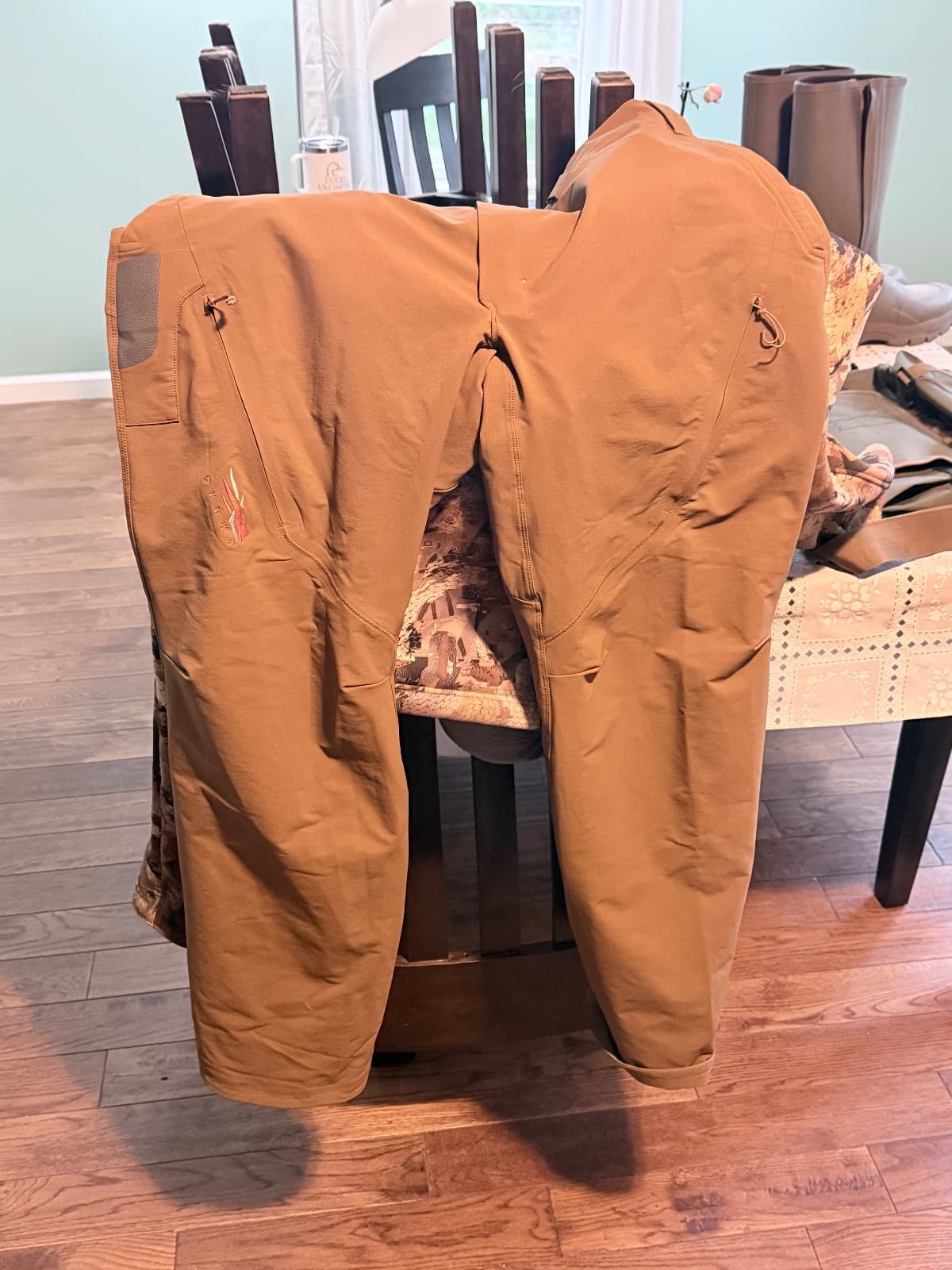
SITKA Grinder Pant (Mud) Size 42
$100.0050% off
KUIU Guide Pro Hooded Jacket
$237.0015% off
Skree Guardian
$300.00