
Sitka Thunderhead vs Cloudburst vs Stormfront: Which Rain System for Which Hunter
Sitka makes three distinct rain systems, and they're not just different price tiers of the same thing. The Thunderhead, Cloudburst, and Stormfront are built for fundamentally different conditions, different hunting styles, and different levels of exposure. If you're shopping used and trying to figure out which one is actually right for your season and your terrain, this guide will sort it out.
The Quick Version
The Thunderhead is Sitka's lightest rain system — built to pack small, shed unexpected rain, and breathe well enough to hike in. The Cloudburst is the midweight option — more waterproof, more durable, and designed for hunters who expect to spend full days in steady rain. The Stormfront is the heavy-duty system — built for waterfowl hunters and anyone sitting in a boat, a blind, or the kind of sustained downpour that would overwhelm the other two.
They all keep you dry. The question is how much rain, for how long, doing what.
Thunderhead: The Mountain Hunter's Emergency Shell
The Thunderhead is Sitka's entry point for rain protection, and it's by far the most popular of the three on the used market. It uses Gore-Tex with a 2.5-layer construction, which makes it lightweight and highly packable. You can stuff the jacket into its own chest pocket, throw it in the top of your pack, and forget about it until the weather turns.
Best for: Spot-and-stalk hunters, backcountry elk hunts, early season whitetail sits, and anyone who wants rain protection without the weight or bulk of a dedicated storm system. The Thunderhead also breathes better than the Cloudburst or Stormfront, so it works as an active hiking layer in light to moderate rain.
Limitations: The 2.5-layer construction is lighter-duty than the other two systems. In sustained heavy rain — the kind you'd see on a multi-day coastal blacktail hunt or a November waterfowl setup — the Thunderhead will eventually wet out on the shoulders and high-wear areas. It's not a failure of the jacket; it's just not what it was designed for. The face fabric is also thinner, so it's less resistant to abrasion from pack straps and brush.
What to look for used: Check the shoulders and hood brim for signs of delamination or a worn DWR coating (water will soak into the face fabric instead of beading up). These areas take the most abuse. DWR can be restored with a wash-in treatment like Nikwax TX.Direct, but delamination is permanent. Also check the seam tape inside — if it's peeling, the jacket will leak at the seams regardless of the Gore-Tex membrane condition.
Used price range: $80–$140 depending on condition and colorway. Optifade patterns hold value better than solids.
Cloudburst: The All-Day Rain Jacket for Serious Conditions
The Cloudburst steps up to a 3-layer Gore-Tex construction, which means the membrane is bonded to both an outer face fabric and an inner liner. This makes it more durable, more waterproof over long exposure, and more resistant to the kind of sustained pressure that breaks down lighter shells. It's noticeably more robust in hand than the Thunderhead — stiffer, heavier, and more structured.
Best for: Western rifle hunters who deal with multi-day weather systems, late-season mountain hunts, coastal blacktail, and anyone hunting in the Pacific Northwest where rain isn't a surprise — it's the forecast. The Cloudburst is also a strong choice for treestand hunters who sit all day in cold rain without generating body heat through movement.
Limitations: It's heavier and bulkier than the Thunderhead, so it's not ideal as a "just in case" packable layer. It also doesn't breathe as well during high-output activity. If you're hiking hard uphill in moderate rain, you'll build condensation inside faster than you would in a Thunderhead. The Cloudburst works best when you're moving at a moderate pace or sitting still.
What to look for used: The 3-layer construction is more durable than the Thunderhead's 2.5-layer, so used Cloudbursts tend to hold up better over time. Check the same areas — shoulders, hood, seam tape — but also look at the cuffs and hem, which can show wear from repeated adjustment. The zippers on older Cloudbursts can get stiff; make sure they run smoothly. A sticky main zipper is annoying in the field and hard to fix.
Used price range: $120–$200. These hold value well because they last longer and the demand for a serious 3-layer Gore-Tex hunting shell stays consistent.
Stormfront: The Waterfowl and Extreme Exposure System
The Stormfront is a different animal entirely. It's built with Gore-Tex Pro, which is Sitka's most waterproof and most durable membrane. The cut is different too — it's longer in the body, roomier through the chest for bulky insulating layers underneath, and designed to keep you dry while sitting in a layout blind with rain pooling on your chest or waves splashing over the gunwale of a duck boat.
Best for: Waterfowl hunters, period. Also late-season goose hunters in field layouts, sea duck hunters, and anyone who needs to stay bone dry while stationary in extreme wet conditions. If your hunting involves sitting in or near water for hours, the Stormfront is the right system.
Limitations: This is not a hiking jacket. It's heavy, it doesn't breathe well during activity, and the longer cut can feel restrictive if you're moving through brush or climbing terrain. The Stormfront is purpose-built for low-movement, high-exposure situations. Using it for a backcountry elk hunt would be like wearing chest waders to a treestand — technically waterproof, but wrong for the job.
What to look for used: Waterfowl gear takes a beating. Check for mud stains that haven't been cleaned (dried mud can degrade DWR coatings over time), dog claw marks on the chest and arms, and any punctures or tears from decoy stakes or blind frames. Stormfront jackets that have been well-maintained are excellent used buys because the Gore-Tex Pro membrane is extremely durable. Ones that have been stuffed in a wet blind bag after every hunt and never washed are a gamble.
Used price range: $150–$250. Condition varies widely in this category because of how hard waterfowl gear gets used.
Which One Should You Buy?
| Factor | Thunderhead | Cloudburst | Stormfront |
|---|---|---|---|
| Weight | Lightest | Medium | Heaviest |
| Packability | Excellent | Moderate | Low |
| Waterproof Duration | 2–4 hours moderate rain | All-day heavy rain | Sustained extreme exposure |
| Breathability | Best | Moderate | Lowest |
| Durability | Good | Very Good | Excellent |
| Best Use | Backcountry, spot-and-stalk | All-day mountain, PNW | Waterfowl, marine |
If you hunt one way, the decision is straightforward. If you hunt multiple seasons and styles, the Cloudburst is the most versatile single jacket — it handles more conditions adequately than either of the other two. But if you primarily chase elk in September or ducks in December, get the tool that matches the job. The Thunderhead and Stormfront are both better at their specific thing than the Cloudburst is at either.
On the used market, all three are solid buys as long as you check the seam tape, DWR condition, and zippers before committing. A well-maintained Sitka shell has years of life in it, and buying used is one of the smartest ways to get into Gore-Tex rain gear without paying retail.
In the market for Sitka?
Browse verified secondhand listings at 40–60% below retail — or turn the gear hanging in your closet into cash.
More Articles
Ready to find your next deal?
Browse hundreds of used hunting gear listings from verified sellers.
The Second Nature Newsletter
The best used hunting gear deals and reads like this one, in your inbox. Free, no spam, unsubscribe anytime.
Used Sitka right now
Verified sellers, 40–60% below retail.
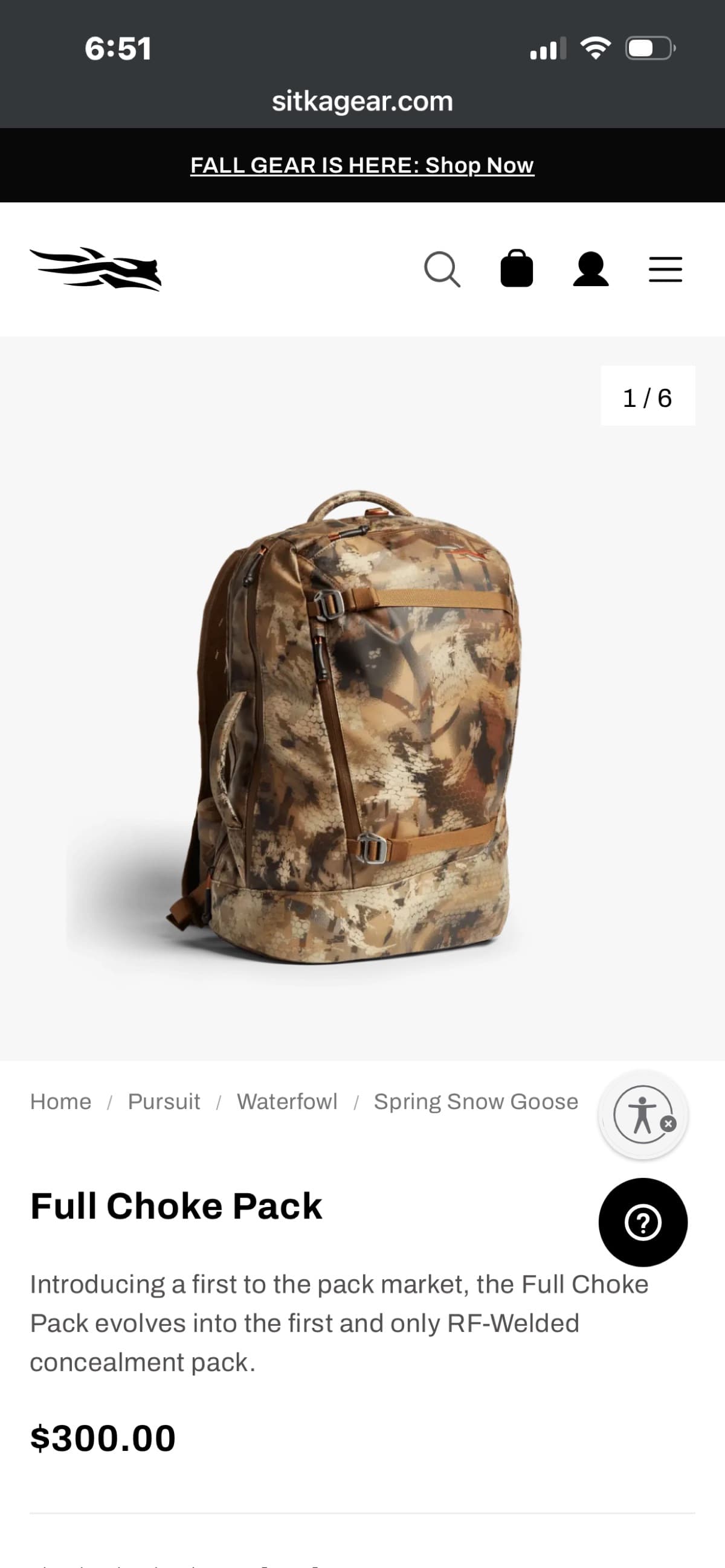
Sitka Gear Full Choke Pack
$225.0025% off
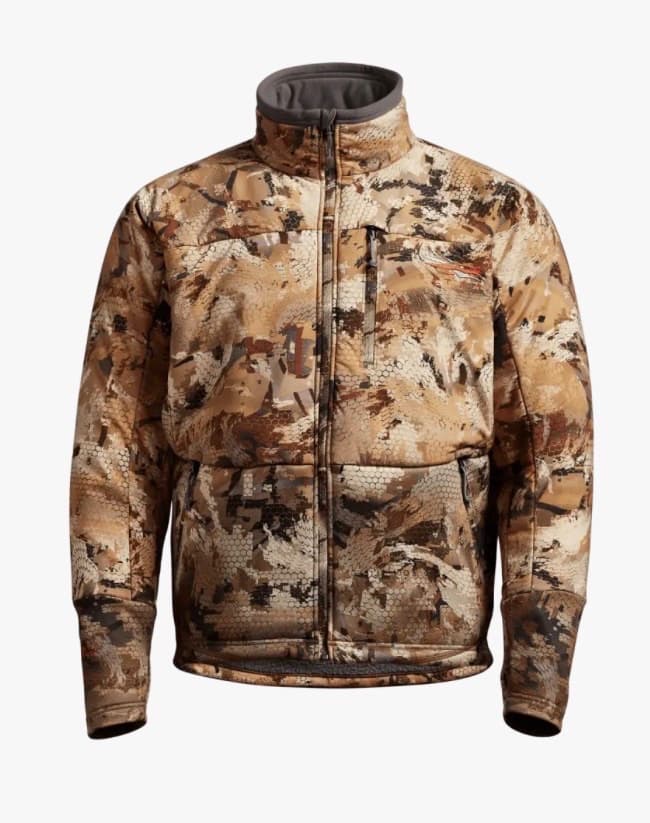
Sitka Gear Duck Oven | NEW | Optifade Marsh | Large
$325.0016% off
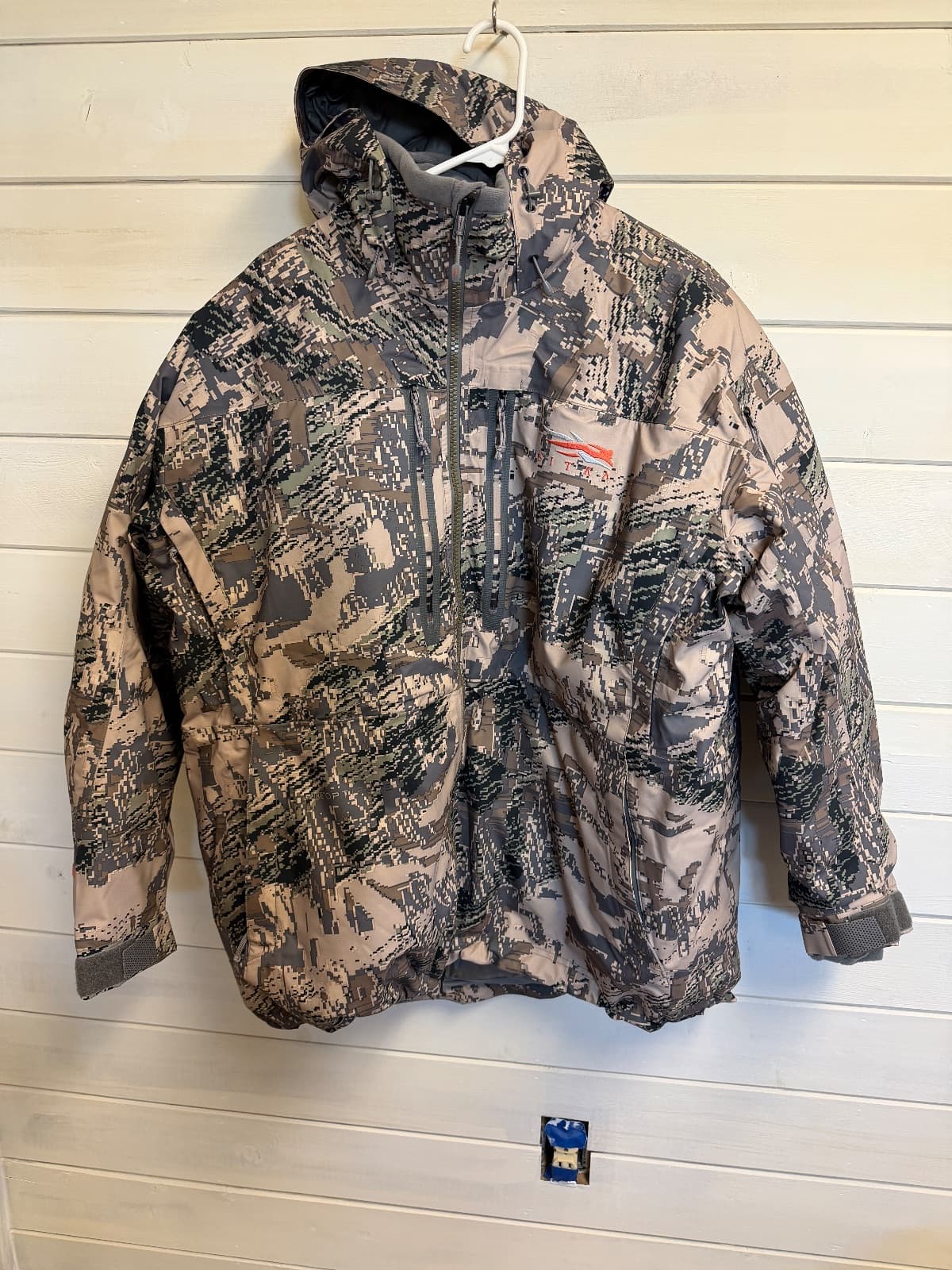
Sitka Blizzard Parka XL
$675.00