
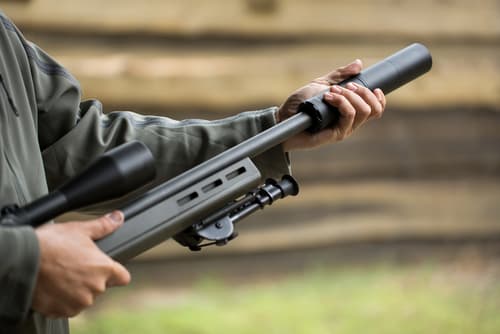
Hunting With a Suppressor in 2026: The Tax Stamp Is Free, the Wait Is Days, and the Excuses Are Gone
The $200 tax stamp is gone, approvals take days instead of a year, and rifle makers now ship threaded barrels standard — suppressed hunting has quietly gone mainstream.
For decades, hunting with a suppressor meant three things: a $200 tax, a wait that could stretch past a year, and a stack of federal paperwork thick enough to scare most people off. In 2026, two of those three barriers are essentially gone — and the gun industry has noticed. Walk the aisles of any gear showcase this year and you'll see threaded barrels shipping as a standard feature on new hunting rifles, not a custom upgrade. Suppressed hunting has quietly gone mainstream.
Here's what changed, why it matters for hunters specifically, and how the buying process actually works now.
What Changed in 2026
The $200 tax stamp is now $0. As of January 1, 2026, the federal transfer tax on suppressors dropped from $200 to zero. You still file the same application and pass the same background check — the registration process itself didn't go away — but the fee that added $200 to every purchase is gone.
Approval times collapsed. Not long ago, ATF Form 4 approvals routinely took 8 to 12 months. Today, electronically filed individual applications are averaging single-digit days, with recent industry data showing approvals in under a week for individuals and a few weeks for trusts. The days of your suppressor gathering dust at the dealer for a year are over.
The rifles are ready out of the box. Manufacturers now treat threaded barrels as standard equipment on hunting rifles. The market has decided suppressed is the default direction, and new-for-2026 product lines reflect it.
Why Hunt Suppressed?
If you've never shot suppressed, the appeal is simple and practical.
Your hearing. A centerfire rifle produces around 165 decibels — well past the threshold for instant, permanent hearing damage. Most hunters don't wear ear protection in the field because they need to hear game, wind, and hunting partners. A quality suppressor cuts the muzzle blast by 25 to 35 decibels, bringing many rifles down near the level of hearing-safe. It's the only form of hearing protection that doesn't take your ears out of the hunt.
Less recoil, better shots. A suppressor tames recoil and muzzle rise noticeably. Shooters flinch less and stay on target through the shot, which means better shot placement and faster follow-ups — an ethical win, not just a comfort one.
Less disturbance. A suppressed shot is still loud, but it carries less, spooks game less dramatically, and is easier on landowner relationships in areas where hunting pressure and noise complaints go hand in hand.
Where It's Legal
Suppressors are legal to own in 42 states. Of those, 41 allow hunting with them — Connecticut is the lone holdout, where you can own a suppressor but not hunt with it. Vermont, long the other exception, legalized suppressed hunting in 2024.
The eight states where civilian ownership remains banned outright: California, New York, New Jersey, Massachusetts, Illinois, Delaware, Hawaii, and Rhode Island.
Always check your state's current game regulations before the season. State rules can change, and a handful of states have species-specific quirks.
How Buying One Actually Works Now
The process is far simpler than its reputation. Here's the current version:
- Pick your can and your dealer. Suppressors must transfer through a licensed dealer (an FFL with a Special Occupational Tax, or SOT). Big online retailers and kiosk-based services have made this nearly as easy as ordering boots.
- File the eForm 4. You'll submit fingerprints, a photo, and your application electronically. The dealer usually walks you through all of it in one sitting.
- Pass the background check and wait. With individual eForm 4 approvals now averaging days rather than months, many buyers pick up their suppressor within a couple of weeks of purchase.
- Pick it up at the dealer. Suppressors can't ship to your door. The can stays at the shop until your approval comes back.
One decision worth thinking through: buying as an individual is fastest, while buying through a trust takes a bit longer but lets multiple people (like family members) legally possess the suppressor.
What to Buy for Hunting
A few practical pointers if you're shopping your first hunting can:
Buy for your biggest caliber. A .30-caliber suppressor handles everything from .223 up through .300 Win Mag. You give up a few decibels versus a dedicated smaller-bore can, but one suppressor covers your whole safe.
Weight matters more than you think. On a mountain rifle, an 8-ounce titanium can feels very different from a 16-ounce steel one after a week of carrying. Backcountry hunters should prioritize lightweight models.
Direct-thread is fine for hunters. Quick-detach mounts are great for tactical use, but a simple direct-thread suppressor is lighter, cheaper, and plenty secure for a rifle that gets shot a few dozen times a season.
Budget realistically. Quality hunting suppressors run roughly $400 to $1,100. With the $200 tax gone, that's the whole cost — and the used market for threaded-barrel rifles means upgrading your setup doesn't have to break the bank either.
The Bottom Line
For years, the honest answer to "should I hunt suppressed?" was "yes, but the hassle is real." In 2026, the hassle is mostly gone. The tax is zero, the wait is measured in days, and rifle makers are building for it. Your hearing doesn't grow back, and a suppressor is the one piece of gear that protects it without costing you awareness in the field.
If you've been putting it off, this is the year the math finally works.
Sources
- Buying a Suppressor in 2026: $0 Tax Stamp Step-by-Step — Silencer Shop
- No More $200 Tax Stamps for Suppressors — SilencerCo
- The $0 Federal Stamp and the simplest way to buy a suppressor — Silencer Central
- ATF Form 4 Wait Times — FastBound
- Suppressor Laws by State 2026 — World Population Review
- Everything You Need to Know About Hunting with a Suppressor — MeatEater
- SHOT Show 2026 reveals the gear trends hunters will see everywhere this fall — The Avid Outdoorsman
Adding a can to your setup? Sell the gear you've outgrown and fund the upgrade — list your used hunting clothing, packs, and optics on Second Nature and get back in the field for less.
In the market for gear?
Browse verified secondhand listings at 40–60% below retail — or turn the gear hanging in your closet into cash.
More Articles



Ready to find your next deal?
Browse hundreds of used hunting gear listings from verified sellers.
The Second Nature Newsletter
The best used hunting gear deals and reads like this one, in your inbox. Free, no spam, unsubscribe anytime.
Fresh on the marketplace
Verified sellers, 40–60% below retail.
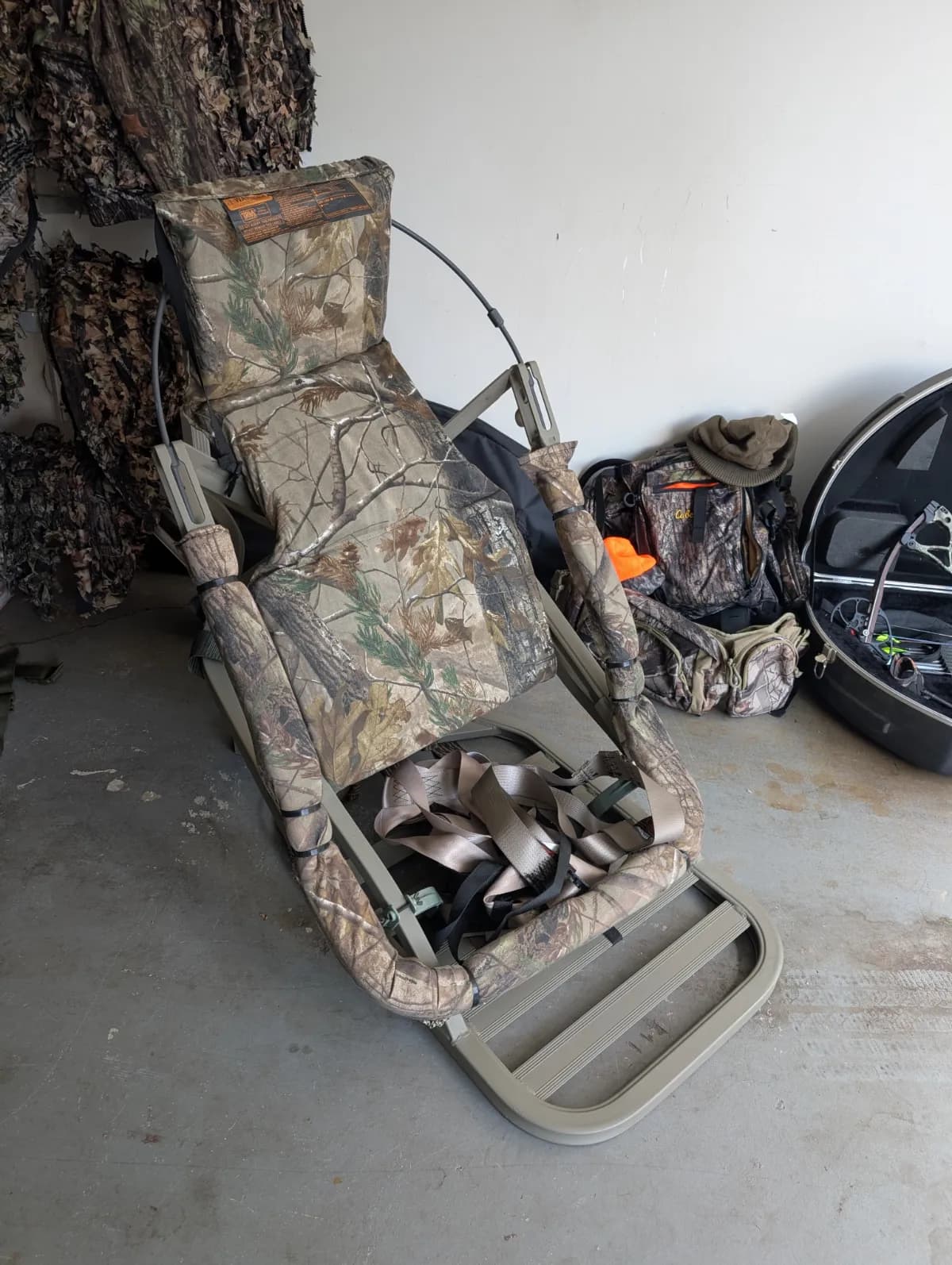
Summit Viper SD - Mossy Oak Country Treestand
$300.0025% off
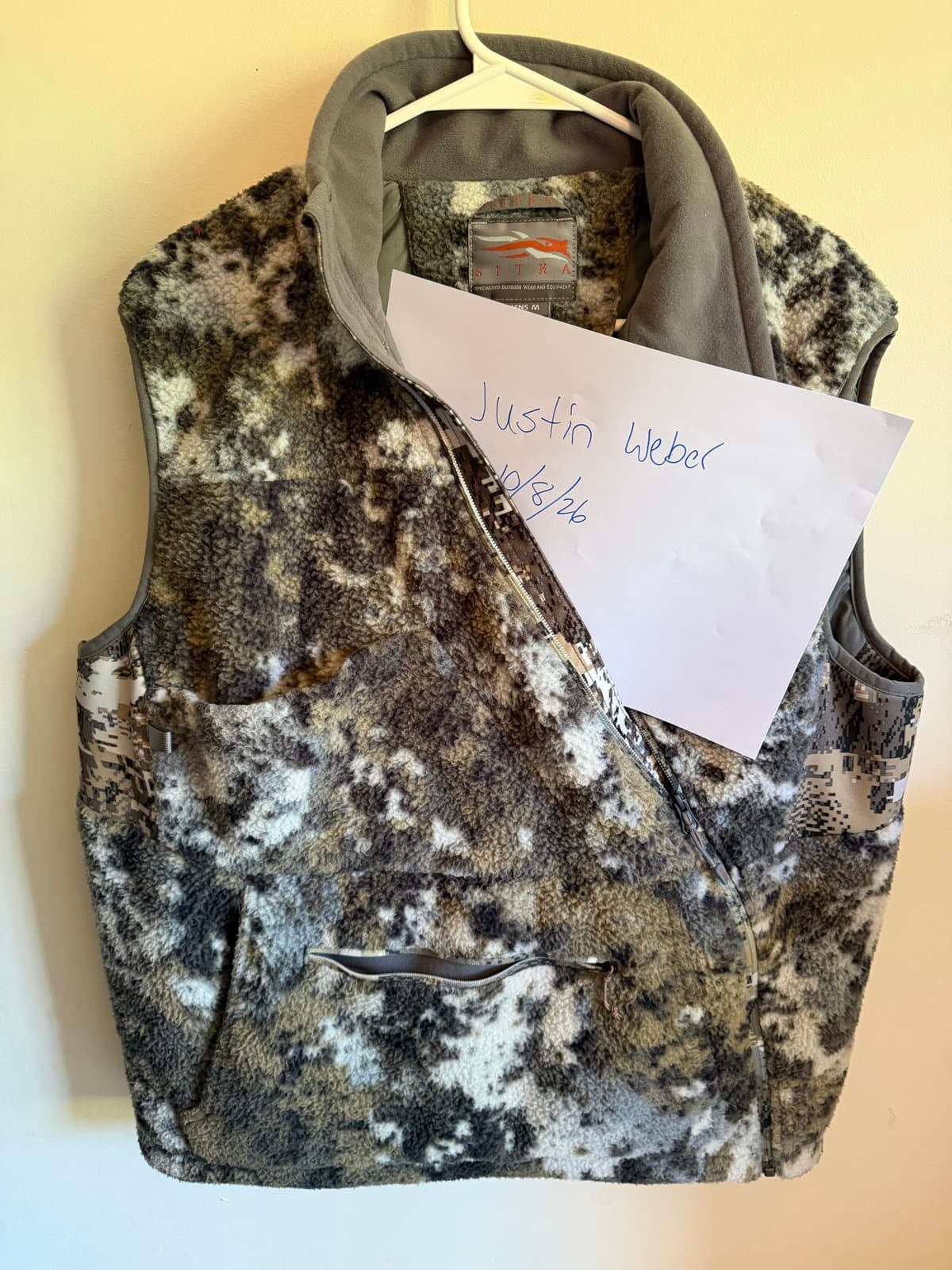
Sitka Fanatic Vest
$185.0036% off
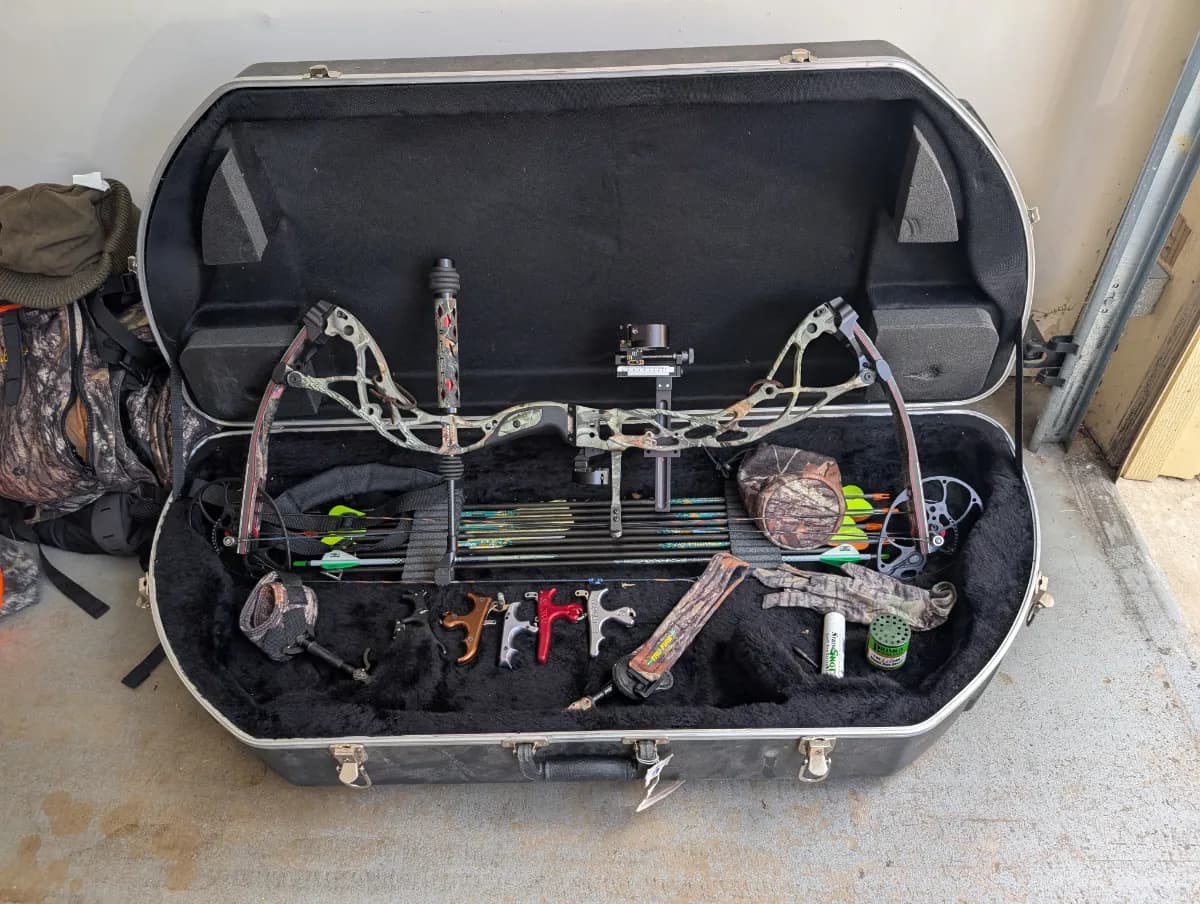
Bowtech Destroyer 340 Compound Bow and Case
$600.0052% off