
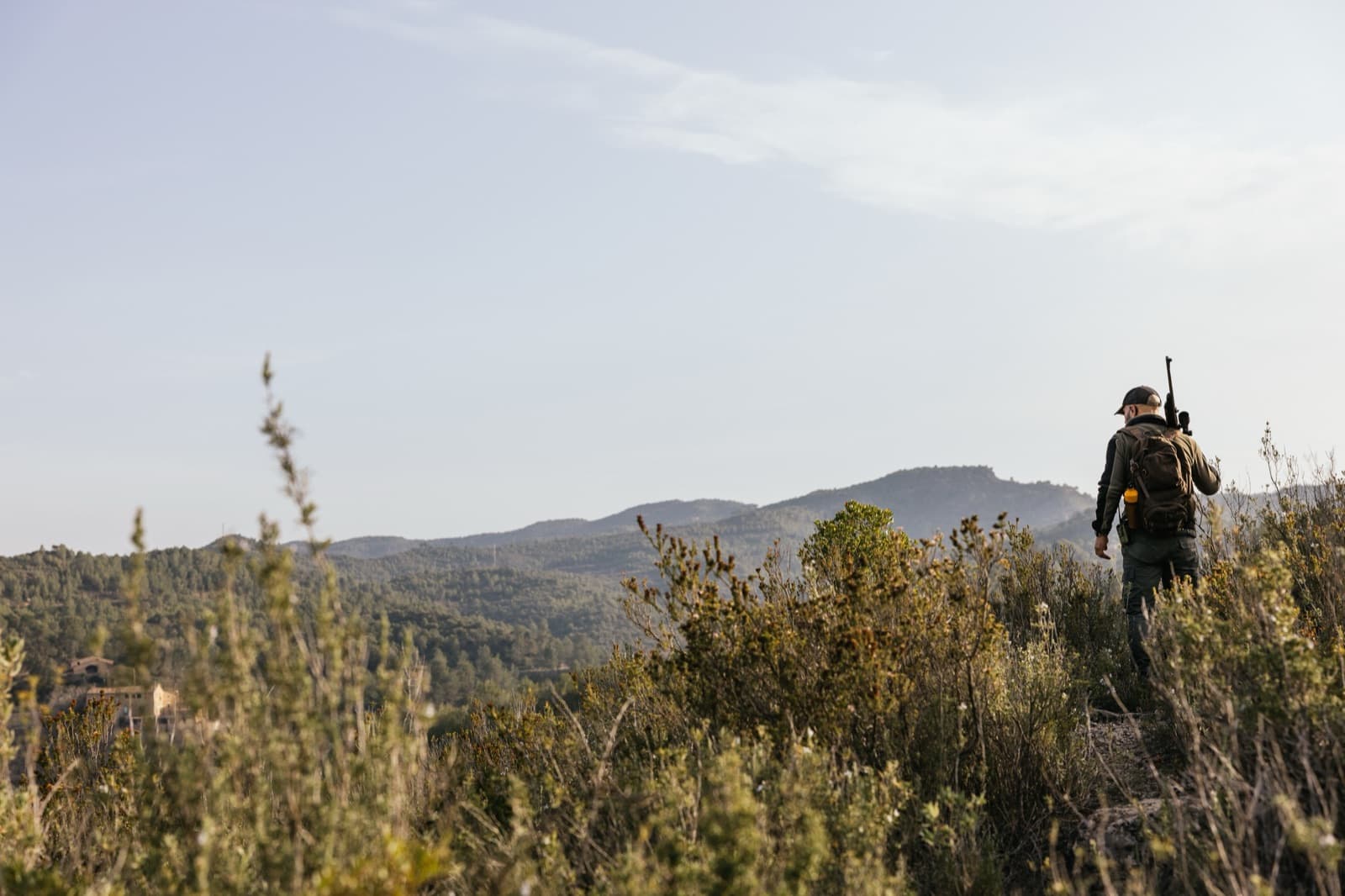
The 8-Week Elk Fitness Plan: Get Mountain-Ready Before the September Opener
Roughly eight weeks separate mid-July from most western archery openers — enough time to show up in genuinely different shape, if you start this week.
Every September, the same story plays out across the West. A hunter with good gear, a good tag, and a good plan gets two ridges deep on opening morning — and discovers his legs and lungs didn't get the memo. Elk live in steep, high, unforgiving country, and no rangefinder or rain shell can fix a body that isn't ready for it.
Here's the good news: if you're reading this in mid-July, you have roughly eight weeks before most western archery openers. That's enough time to show up in genuinely different shape — if you start this week. This plan requires no gym membership, just a pack, some weight, and consistency.
Why Elk Hunting Breaks People
Understand what you're training for. A typical backcountry elk hunt means hiking 5 to 10 miles a day on grades that would be labeled "difficult" at any trailhead, often between 8,000 and 11,000 feet where the air holds noticeably less oxygen. You'll do it carrying 30 to 50 pounds — and if you're successful, you'll haul loads of 70 pounds or more, multiple trips, over the same country.
Fitness isn't about vanity here. It's about ethics and safety. A gassed hunter rushes shots, makes bad decisions in the dark, and can't get meat out before it spoils. The single best piece of "gear" you can bring to elk camp is a body that still works on day four.
The Foundation: Pack Training
If you do only one thing from this article, do this: walk with a weighted pack, three times a week, on the steepest terrain you can find.
Weighted pack walks (rucking) are the closest thing to actually elk hunting, and they train exactly the muscles and joints the mountain will test — legs, hips, core, and the stabilizers in your ankles and knees that flat-ground jogging never touches.
Start with 35 to 45 pounds in a real hunting pack, the same one you'll carry in September. Use water jugs or sandbags, not loose gear that shifts. Begin with 2 to 3 miles and build from there, adding distance and elevation gain each week. Hills, stadium stairs, or a steep trail are ideal. If you live somewhere flat, a stair machine or repeated laps on a highway overpass will do the job — elevation gain is the currency that matters.
The Weekly Framework
Structure each week around four kinds of work:
Three pack walks. Your bread and butter, as described above. One should be your "long" day, stretching toward 5+ miles by late August.
Two strength sessions. Keep it simple and focused on the movements elk hunting demands. Weighted step-ups onto a knee-high box or bench (with your pack on) are the king — they directly mimic climbing under load. Add squats or lunges, and rows. Rows deserve special mention for bowhunters: they strengthen the same back muscles you use to draw and hold a bow, which matters when you're at full draw, shaking, waiting for a bull to take one more step.
One or two cardio sessions. Hiking, trail running, cycling, or stairs — anything that keeps your heart rate up for 30 to 45 minutes. This builds the aerobic engine that lets you recover between climbs.
One full rest day. Adaptation happens during recovery, not during workouts. Skipping rest is how 40-year-olds end up injured in week three.
The 8-Week Progression
Weeks 1–2: Build the base. Pack walks at 35 pounds, 2 to 3 miles, moderate hills. Strength sessions with bodyweight or light load. The goal is establishing the habit and letting your feet, knees, and shoulders adapt. Sore is fine; injured is not.
Weeks 3–4: Add load and climb. Bump the pack toward 40 to 45 pounds. Seek out more elevation gain — aim for 500 to 1,000 feet per walk. Add weight to your step-ups. Your long walk should reach 4 miles.
Weeks 5–6: Peak volume. This is your hardest block. Long pack walk of 5 to 6 miles with sustained climbing. If you can, do one weekend hike at genuine altitude with a full 45-pound load. Practice shooting your bow or rifle immediately after a pack walk, while your heart rate is still up — because that's exactly the condition you'll shoot under in September.
Weeks 7–8: Taper and sharpen. Cut volume by about a third but keep some intensity. Your body should be absorbing the work now, not accumulating fatigue. Use the extra time to shoot daily, dial in your boot-and-sock system on shorter walks, and finalize gear. Arrive at the trailhead rested, not wrecked.
Details That Make the Difference
Train in your boots. Break in the exact boots you'll hunt in. Blisters end more hunts than bears do.
Train with your actual pack. Eight weeks of rucking will teach you everything about how your pack fits — where it rubs, how it rides loaded. If it's not working, replace it now, not opening week. (A quality used pack from Mystery Ranch, Stone Glacier, KUIU, or Sitka costs a fraction of retail and is already proven.)
Respect altitude. If you live low and hunt high, arrive a day or two early to acclimate, hydrate aggressively, and plan easier miles on day one. Fitness helps, but nobody out-trains 10,000 feet.
Don't out-eat your training. Eight weeks of rucking with a poor diet is a half-measure. You don't need anything fancy — just protein at every meal and fewer beers than usual.
Start Today
The hunters who kill bulls in dark timber miles from the truck aren't necessarily better callers or better shots. They're usually just the ones still moving comfortably when everyone else is done. Eight weeks is enough time to become that hunter — but the plan only works if week one starts now.
The mountain doesn't care what you meant to do in July.
Sources
- Your 12-Week Plan to Get in Shape for Elk Hunting Season — Outdoor Life
- Hunting Fitness: In-Season Performance Starts Off-Season — MTNTOUGH
- How to Train for High Elevation Elk Hunts & Heavy Pack-Outs — Slayer Calls
- Fitness Prep for Hunting Season — BlackOvis MTN Journal
- The Fitness Regimen That Will Prepare You for Elk Hunting — Coffee or Die
Need a pack that can handle the training and the pack-out? Browse used packs from Stone Glacier, Mystery Ranch, KUIU, and Sitka on Second Nature — broken in, field-proven, and hundreds less than retail.
In the market for gear?
Browse verified secondhand listings at 40–60% below retail — or turn the gear hanging in your closet into cash.
More Articles

Ready to find your next deal?
Browse hundreds of used hunting gear listings from verified sellers.
The Second Nature Newsletter
The best used hunting gear deals and reads like this one, in your inbox. Free, no spam, unsubscribe anytime.
Fresh on the marketplace
Verified sellers, 40–60% below retail.
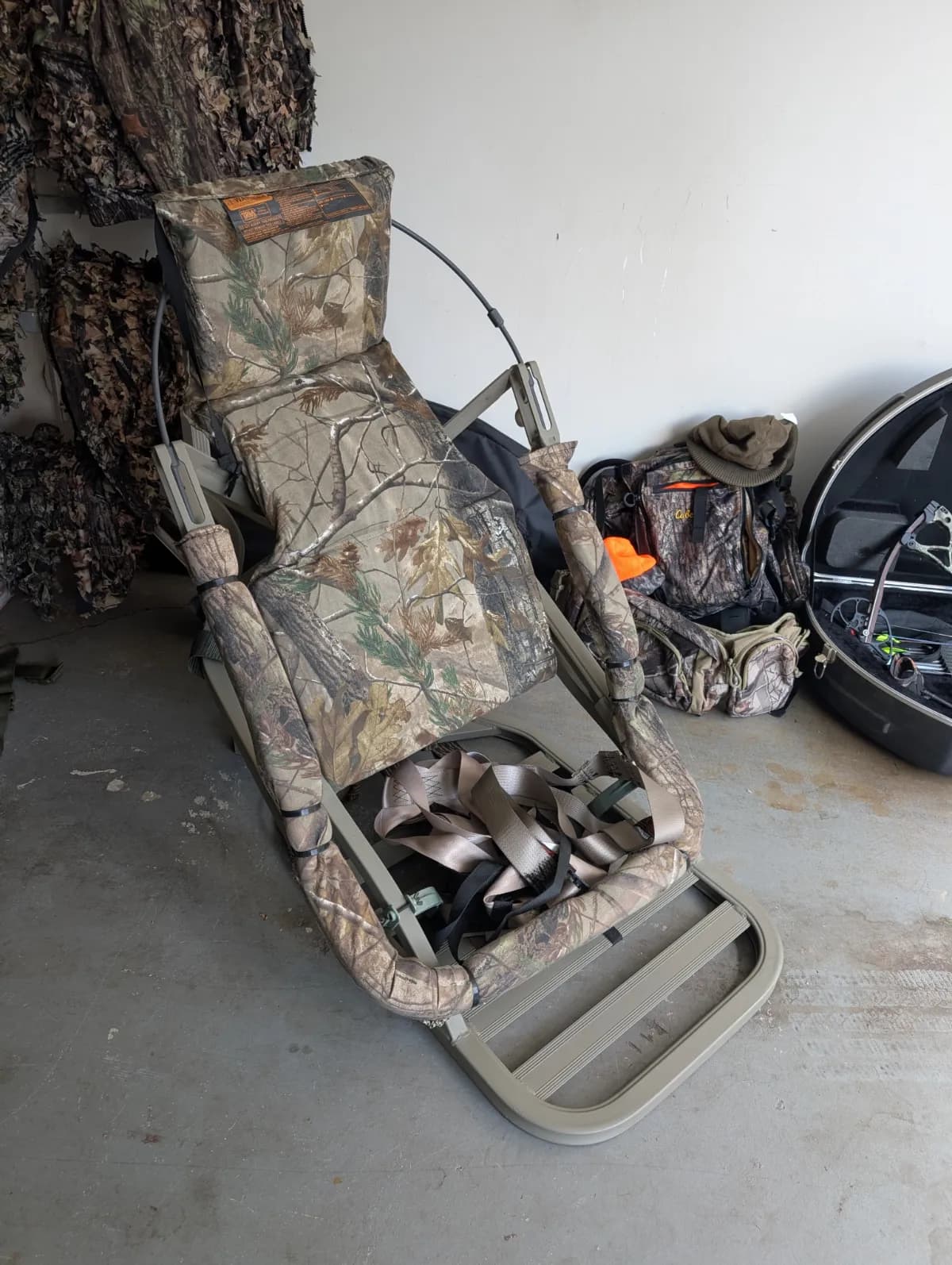
Summit Viper SD - Mossy Oak Country Treestand
$300.0025% off
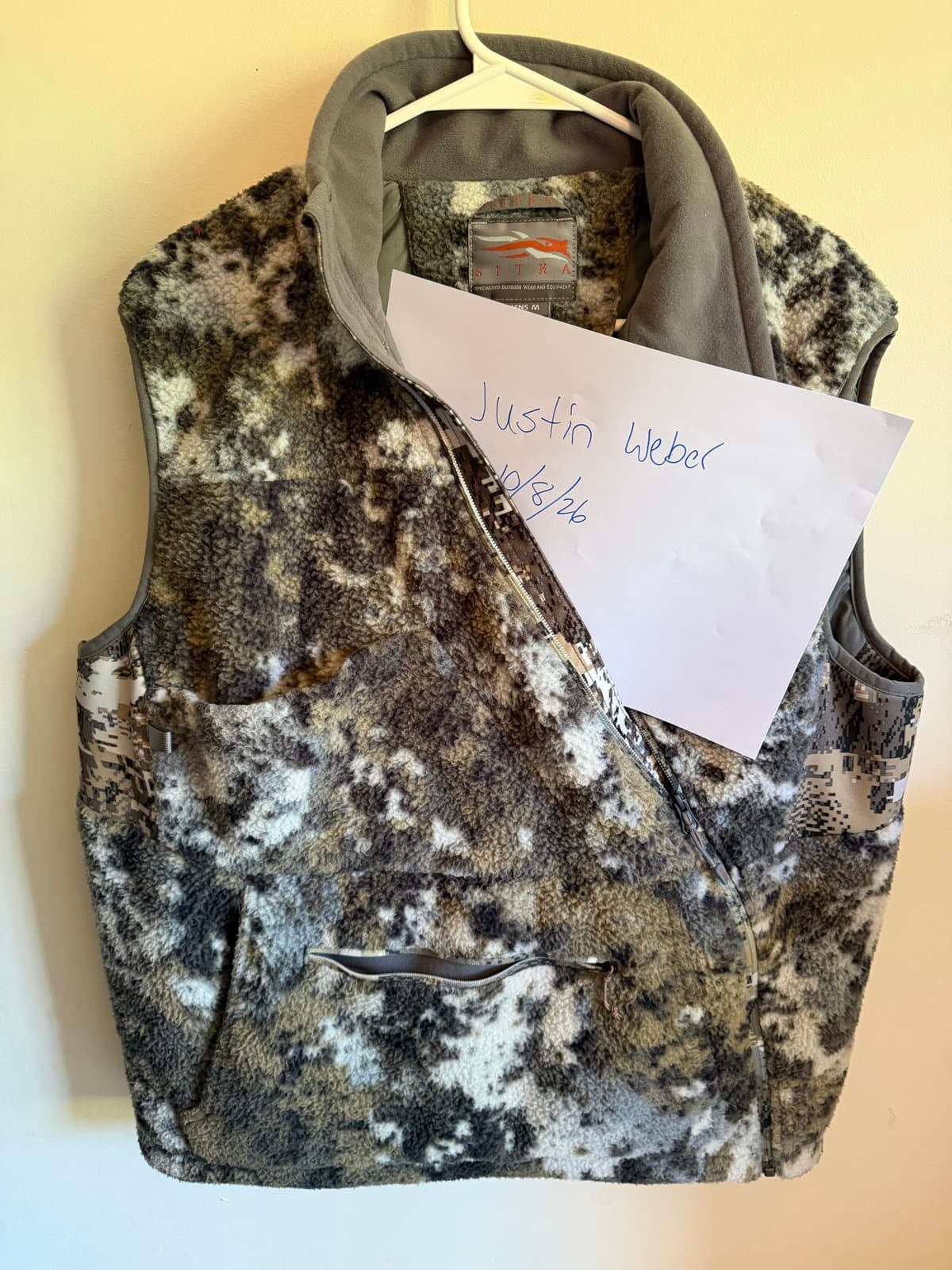
Sitka Fanatic Vest
$185.0036% off
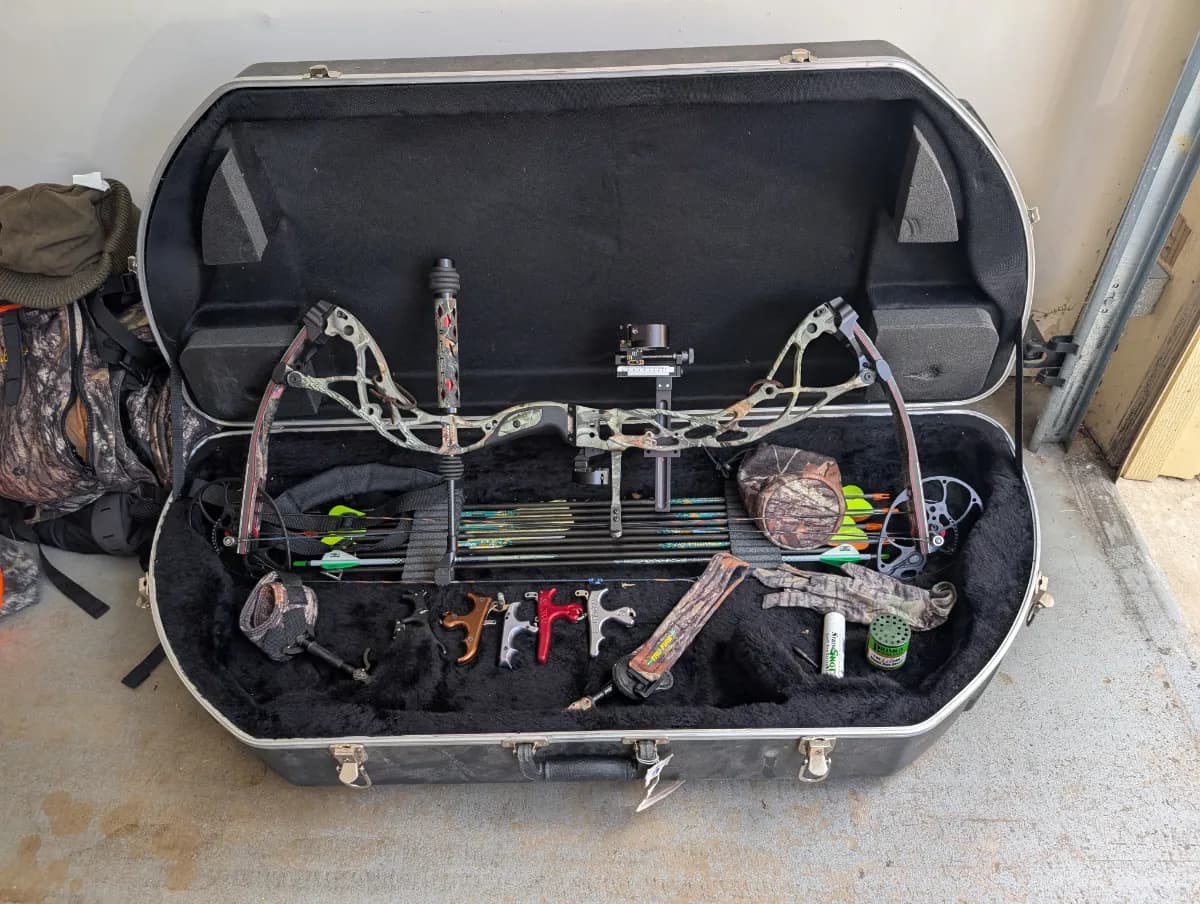
Bowtech Destroyer 340 Compound Bow and Case
$600.0052% off