
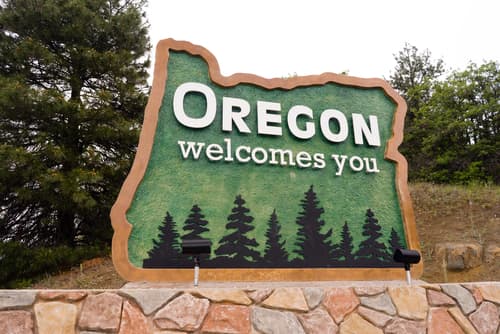
IP28 Explained: The Oregon Measure That Would Criminalize Hunting and Fishing
There's a ballot measure moving through Oregon right now that would do something no state has ever done: make legal, licensed hunting and fishing a crime. It's called Initiative Petition 28 — backers call it the PEACE Act — and as of early June 2026, its supporters have submitted more than 126,000 signatures, putting it within reach of the November ballot. Whether you hunt, fish, or just care about how wildlife gets managed, you should understand what this measure actually says, because there's a lot of noise around it on both sides.
What IP28 actually does
Oregon, like every state, has animal cruelty laws. Those laws have always included exemptions for lawful activities — hunting, fishing, trapping, farming, ranching, and animal research. The exemptions exist because cruelty statutes were written to punish abuse and neglect, not to outlaw activities the state separately licenses and regulates.
IP28 removes those exemptions. That's the whole mechanism, and it's why the measure's reach is so broad. It doesn't say "hunting is banned" in so many words. Instead, it makes the existing cruelty statutes apply to everyone, which means injuring or killing an animal — even legally, even with a license, even for food — becomes prosecutable. The certified ballot title is blunt about the scope: it "criminalizes breeding practices, injuring/killing animals, including for food, hunting, fishing."
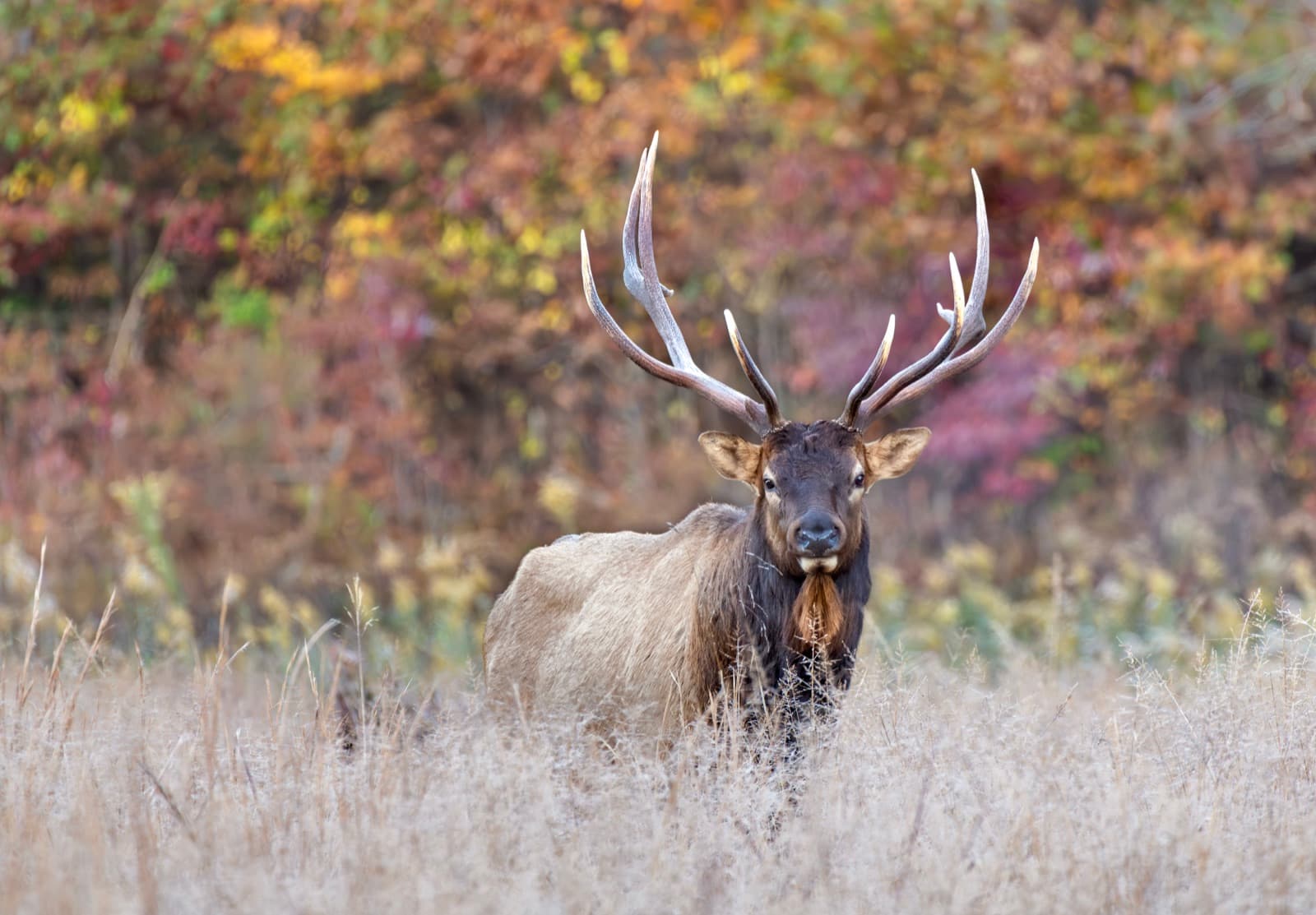
So under IP28, a licensed elk hunter, a fly angler keeping a trout, a rancher branding cattle, and a farmer raising hogs would all be exposed to criminal liability for activities that are legal everywhere in America today. Supporters frame the measure as closing "loopholes" in cruelty law. Opponents point out that calling the legal foundation of hunting, fishing, and agriculture a "loophole" is doing a lot of work in that sentence.
Where it stands right now
Here's the procedural reality. To qualify for the ballot, IP28 needs 117,173 valid signatures by July 2, 2026. The campaign submitted more than 126,000 signatures to the Oregon Secretary of State in early June. Signature batches always contain invalid entries — duplicates, non-registered voters, bad addresses — so submission doesn't guarantee qualification. But a cushion of roughly 9,000 signatures means this is genuinely close, and the Secretary of State's validation process will decide it.
If it qualifies, Oregonians vote on it in the November 3, 2026 general election. A simple majority would make it law.
Worth knowing: this isn't the campaign's first attempt. The same basic measure was filed as IP13 in 2020 and again as IP3 for the 2024 cycle, and failed to qualify both times. Third time reaching the signature-submission stage tells you the organization behind it is getting better at this, even if — as fact-checkers have noted — some of the measure's own supporters doubt it can pass a statewide vote.
What it would mean in practice
Start with the obvious: all forms of licensed hunting would become criminal acts under Oregon law, along with fishing and trapping. But the second-order effects are where it gets serious for everyone else.
Oregon's wildlife management system is funded almost entirely by the people IP28 would criminalize. License fees, tags, and federal excise taxes on sporting goods bankroll the Oregon Department of Fish and Wildlife's conservation programs — habitat restoration, fish hatcheries, population surveys, poaching enforcement. Cut off hunting and fishing, and you cut off the funding that pays for wildlife conservation, with no replacement identified in the measure.
The economic stakes are bigger than license counters. ODFW estimates hunting and fishing generate over $1.9 billion annually in economic activity for Oregon communities — guides, outfitters, rural motels, gear shops, processors. Coastal and eastern Oregon towns where fall hunting seasons and salmon runs are economic anchors would absorb the hit hardest.
And then there's wildlife management itself. Regulated hunting is the primary tool states use to keep deer, elk, and predator populations balanced with available habitat. Take it away and the state would need to manage overabundant herds with paid government sharpshooters — killing the same animals, minus the license revenue and the freezer full of meat. There's also the farming and research side: the measure's reach into breeding practices and animal research has drawn opposition far beyond the hunting community.
The case supporters make
In fairness, here's the argument from the other side, stated straight. Supporters of IP28 believe that animals have a right not to be intentionally harmed, and that carving exemptions into cruelty law for hunting and agriculture is a moral inconsistency — if it's a crime to harm a dog, they argue, it shouldn't be legal to harm a deer or a pig. They see the measure as a step toward a society that doesn't kill animals for food or sport at all, and they're transparent about that being the goal. If you want to engage this debate honestly, that's the position you're engaging with — not a cartoon of it.
The counterargument is equally straightforward: hunting and fishing in America operate under a science-based regulatory system that has restored wildlife populations for a century, funds the majority of conservation work, and feeds families with wild protein. Treating that system as equivalent to animal abuse misunderstands both the law and the ecology.
What to watch, and what to do
Three dates matter. July 2, 2026: the signature validation deadline — this decides whether IP28 makes the ballot. November 3, 2026: Election Day, if it qualifies. And everything in between is the campaign.
If you're an Oregonian who opposes the measure, the practical moves are simple: make sure you're registered to vote, talk to non-hunting friends about what actually funds wildlife conservation (most people have no idea), and support the organizations mounting the opposition campaign. If you're outside Oregon, don't dismiss this as someone else's problem. Ballot measure campaigns are iterative — IP13 became IP3 became IP28 — and what reaches the ballot in one state becomes the template for the next.
This measure probably faces an uphill statewide vote, and even some supporters concede that. But "probably fails" is not "ignore it." A hundred and twenty-six thousand Oregonians signed this petition. The conversation it represents — about who manages wildlife, who pays for it, and whether hunting belongs in the modern world — is one hunters need to be in, calmly, factually, and on the record.
Sources
- Oregon Hunters Association — Oregon IP28: Hunting & Fishing Ban Explained
- Oregon Secretary of State — Initiative Petition 28 Full Text (PDF)
- Oregon Capital Chronicle — Oregon Petition to Ban Hunting and Fishing Moves Closer to November Ballot
- Snopes — Yes, Oregon Proposal to Ban Hunting, Fishing Could End Up on Ballot
- Deseret News — Oregon Voters Could Decide Whether to Outlaw Hunting, Fishing
In the market for gear?
Browse verified secondhand listings at 40–60% below retail — or turn the gear hanging in your closet into cash.
More Articles
Ready to find your next deal?
Browse hundreds of used hunting gear listings from verified sellers.
The Second Nature Newsletter
The best used hunting gear deals and reads like this one, in your inbox. Free, no spam, unsubscribe anytime.
Fresh on the marketplace
Verified sellers, 40–60% below retail.
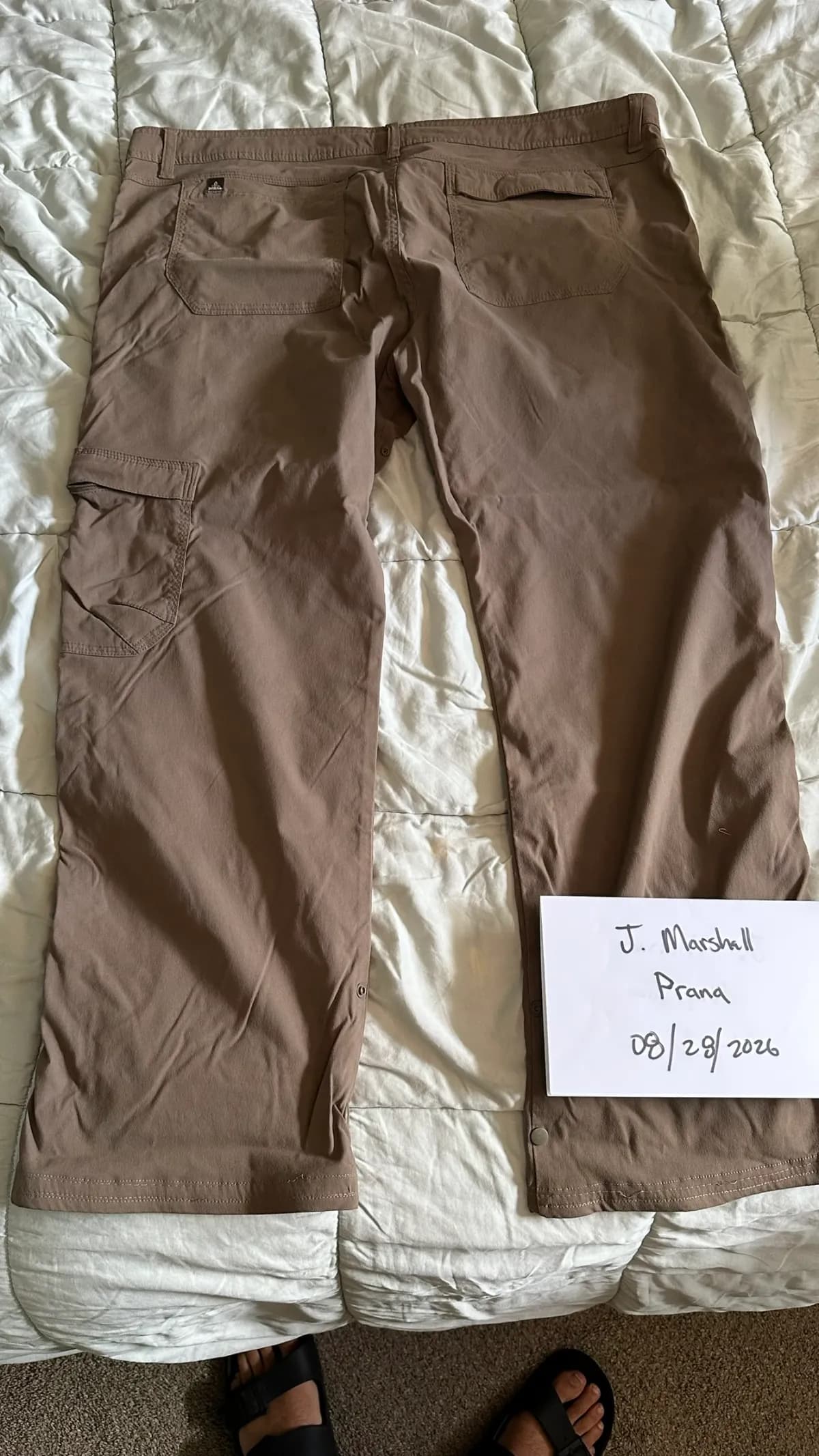
Prana Stretch Zion - Hemmed to 42x30
$55.00
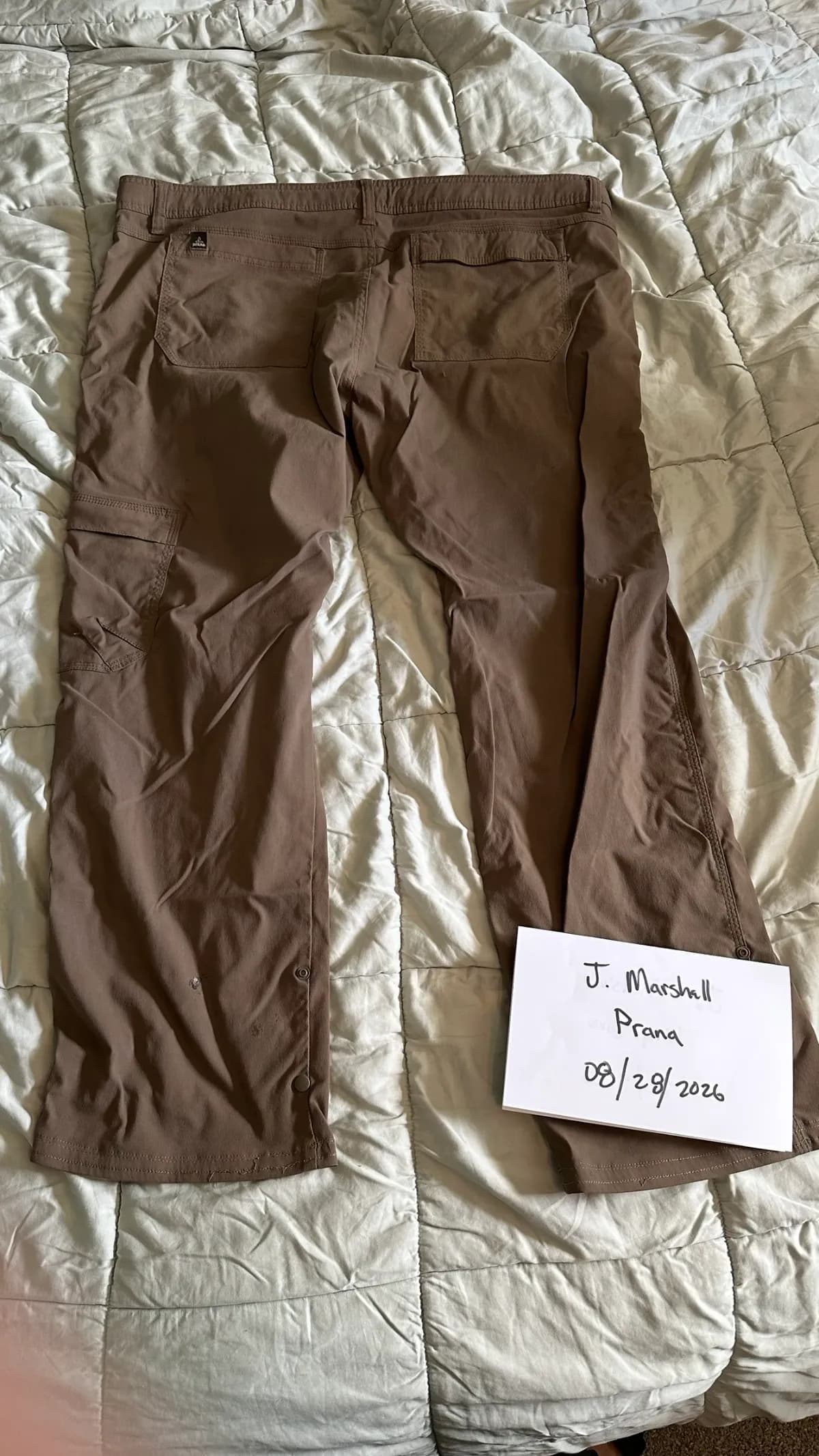
Prana Stretch Zion Hemmed to 42x30
$55.00
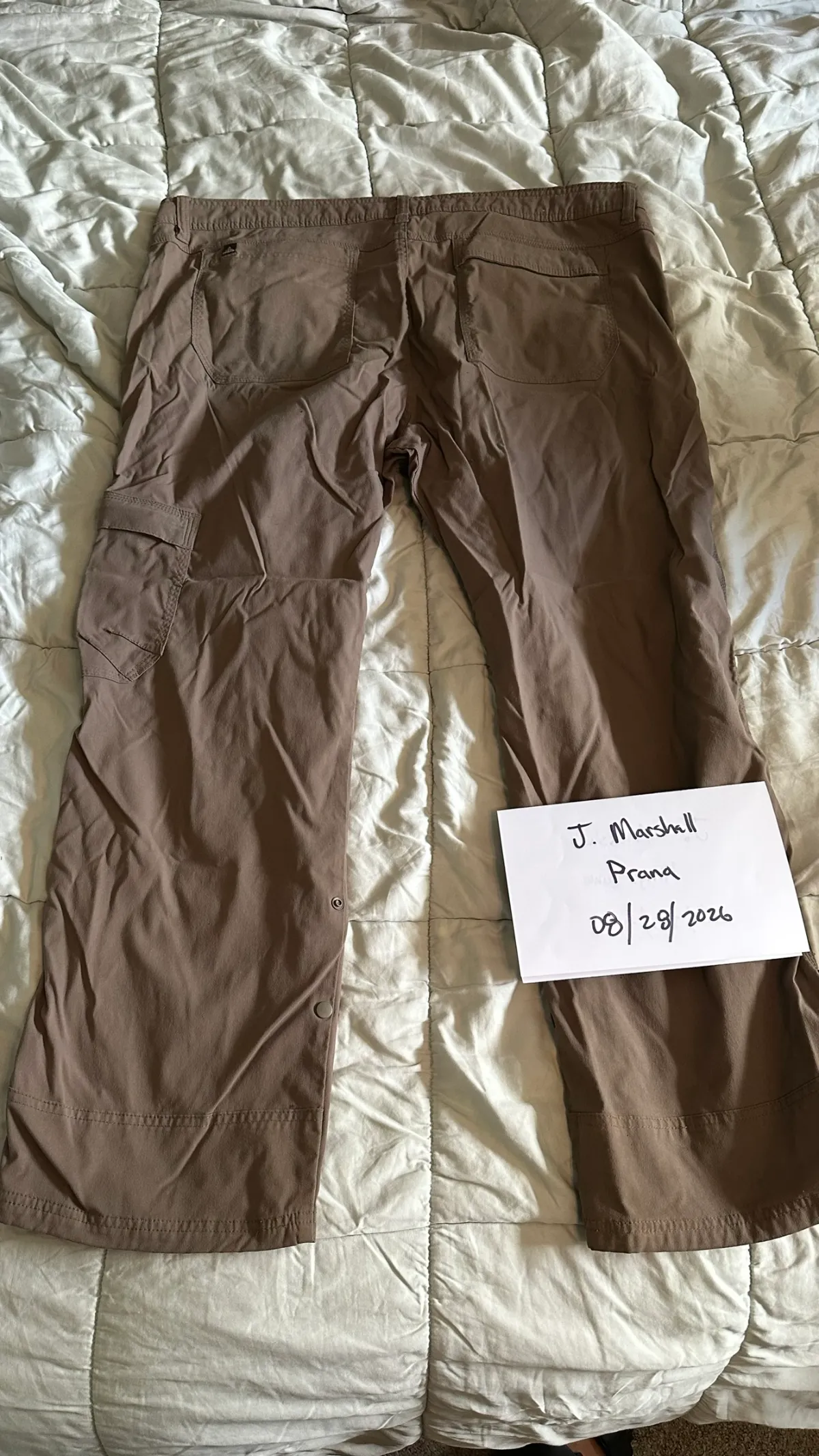
Prana Stretch Zion Pant
$60.00