

How Much Do Florida Python Hunters Get Paid? (2026 Rates)
If you've ever joked that you'd hunt snakes for a living, Florida would like a word. The state is dead serious about removing Burmese pythons from the Everglades, and it's putting real money behind the effort — hourly pay, per-snake bounties, monthly bonuses, and a statewide competition with $25,000 in prizes. Searches for "Florida python hunting program pay" have exploded recently, so let's break down exactly how these programs work, what they actually pay, and whether you have a realistic shot at getting in.
Python pay at a glance (2026)
| What | Pay |
|---|---|
| Hourly rate while actively hunting (SFWMD) | $14, $20, or $30/hr by area, up to 10 hrs/day |
| Hourly rate while actively hunting (FWC PATRIC) | $13, $18, or $30/hr by area, up to 10 hrs/day |
| First 4 feet of each python | $50 |
| Every foot beyond 4 feet | $25/ft |
| Verified active nest (SFWMD) | $200 |
| Monthly "most pythons" bonus (SFWMD) | $600 |
| Monthly "longest python" bonus (SFWMD) | $400 |
| Variable monthly capture-goal bonuses (SFWMD) | $300–$1,500 |
| Florida Python Challenge grand prize | $10,000 ($25,000 total purse) |
The money comes from Florida's two paid contractor programs — the South Florida Water Management District (SFWMD) Python Elimination Program and the FWC's Python Action Team (PATRIC) — plus the public Florida Python Challenge. Rates verified against the official program pages in August 2026.
Why Florida pays people to hunt snakes
First, the why. Burmese pythons aren't supposed to be in Florida. They're native to Southeast Asia and ended up in the Everglades through the exotic pet trade — escaped or released snakes that found a warm, wet paradise with no natural predators. Decades later, they've established a breeding population that has devastated native wildlife. These snakes eat rabbits, raccoons, deer, wading birds, and even the occasional alligator. In parts of the Everglades, small mammal populations have dropped by staggering amounts.
The state can't eradicate them — biologists are honest about that. The population is too large and the terrain too vast and inaccessible. But every python removed means fewer eggs laid and more native animals that survive. So Florida has built a system that turns python removal into paid work.
The two paid contractor programs
There are two main programs that pay people to hunt pythons year-round, and they work in tandem.
The South Florida Water Management District's Python Elimination Program is the one most people have heard about. Removal agents are paid hourly — $14, $20, or $30 per hour depending on the area they're working — for up to 10 hours a day while actively searching designated district lands. The higher rates apply to areas that are harder to access or higher priority.
On top of the hourly rate, there's a per-snake payment: $50 for a python up to four feet, plus an extra $25 for every foot beyond that. Catch a 12-footer and that's a $250 snake before you count your hourly pay.
Then come the bonuses. The District awards $600 each month to the agent who removes the most pythons and $400 for the longest python caught that month. There are also variable monthly capture-goal bonuses ranging from $300 to $1,500. A productive hunter who puts in serious hours can stack hourly pay, bounties, and bonuses into a meaningful income — though for most agents, it's a side gig fueled by passion as much as profit.
The Florida Fish and Wildlife Conservation Commission (FWC) runs its own contractor effort, the Python Action Team Removing Invasive Constrictors — PATRIC. FWC has contracted Quintessence Marine to help manage day-to-day operations, and the program coordinates closely with the Water Management District so contractors aren't tripping over each other on the same lands.
PATRIC agents are paid on the same shape of deal, at slightly different rates: $13, $18, or $30 per hour depending on the area, up to 10 hours a day, plus the same $50-per-snake and $25-per-additional-foot incentives. FWC does not pay for pythons outside of PATRIC contracts and Python Challenge prizes.
The catch: getting in is competitive
Here's the firm truth — these are not jobs you just sign up for. The programs maintain a limited roster (the Water Management District keeps up to 50 contractors), and openings are rare and competitive. Thousands of people apply. Selection favors applicants with documented python-catching experience, comfort working alone at night in remote swamp, a clean record, and the ability to humanely dispatch large constrictors.
You apply online, and qualified applicants receive detailed program information if a slot opens. If you have zero experience handling large snakes, your odds are slim — but there's a better entry point.
The Florida Python Challenge: the everyman's shot
The 2026 Florida Python Challenge runs from 12:01 a.m. on Friday, July 10 through 5 p.m. on Sunday, July 19. This is the state's annual competition, open to the public, and it's designed for exactly the person who's curious but not yet a professional.
The numbers worth knowing: the Ultimate Grand Prize is $10,000 for the registered participant who removes the most pythons, with a total of $25,000 in prizes across professional, novice, and military categories. Registration is open now and stays open through the final day of the competition at FLPythonChallenge.org.
Before you hunt, you're required to complete an online training course covering python identification (so you don't kill a native snake by mistake) and humane dispatch methods. The Challenge site also offers optional in-person training and resources for planning a trip to South Florida.
Be realistic about what you're signing up for. July in the Everglades means heat indexes over 100, mosquitoes in clouds, and hunting mostly at night when pythons move. Most participants catch zero snakes. But every year, regular people — including first-timers — pull double-digit numbers and cash checks. And several of today's paid contractors got their start at the Challenge.
What it actually takes to catch a python
Python hunting isn't glamorous. The standard method is "road cruising" — driving levee roads slowly at night, scanning the shoulders and canal banks with lights, then jumping out to grab a snake by hand. Yes, by hand. Burmese pythons aren't venomous, but a big one is an absolute handful of muscle, and bites are bloody even if they're not dangerous.
Successful hunters log enormous hours. The pros will tell you the hourly pay matters precisely because finding pythons is hard — you might search three or four nights for one snake. That's why the District pays for search time, not just captures. The state knows that effort, not luck, is what suppresses the population.
Is it worth it?
As a career? For a handful of top contractors, it's a real income stream. For most, it's paid passion work — meaningful money for something they'd half-do for free. As an experience? That's where the value is. You're getting paid (or competing for prizes) to do hands-on conservation in one of the wildest ecosystems in North America. Every snake you remove genuinely matters to the rabbits, wrens, and wood storks that are trying to hang on out there.
If you want in: register for the July Python Challenge, take the training seriously, and treat it as your audition. If you find out you love it — and you're good at it — the contractor application is your next move.
The pythons aren't going anywhere. Florida's checkbook is open. The question is whether you can handle the swamp.
Frequently asked questions about python hunting pay
How much does Florida pay per python?
Contracted removal agents earn $50 for the first four feet of each python, plus $25 for every additional foot. A 10-foot python pays a $200 incentive on top of your hourly wage; a 16-footer pays $350. Both the SFWMD and FWC programs use this same per-foot structure.
How much do python hunters make per hour?
The South Florida Water Management District pays $14, $20, or $30 per hour depending on which designated lands you are working, for up to 10 hours a day of active searching. The FWC's PATRIC program pays $13, $18, or $30 per hour under the same 10-hour cap. The higher rates apply to areas that are more remote or harder to access.
Does Florida pay for python nests and eggs?
Yes. SFWMD agents earn $200 for each verified active nest, on top of the per-snake incentive. Removing a nest is some of the highest-impact work in the program, since a single clutch can hold dozens of future pythons.
Can you make a living hunting pythons in Florida?
A few top contractors approach full-time income during peak season by stacking hourly pay, per-snake incentives, and monthly bonuses — but most agents treat it as serious side income. The work is grueling: hot nights, long drives, and hours of searching per snake. Veteran hunters will tell you the hourly rate is what makes the math work, not the bounties.
How do you become a paid python removal agent?
Apply through the SFWMD Python Elimination Program or the FWC Python Action Team (PATRIC). Both keep limited rosters — the District maintains up to 50 contractors — and both favor applicants with documented python-catching experience. Applications are accepted year-round, and qualified applicants hear back when a slot opens. Anyone can also enter the annual Florida Python Challenge, which awards cash prizes and requires no contractor status.
Do you need a hunting license to hunt pythons in Florida?
No. Pythons can be humanely killed year-round on private land with the landowner's permission, and on 32 FWC-managed public areas under Executive Order 23-16 — no permit, no hunting license, and no bag limit. Area-specific regulations still apply on managed lands, pythons must be killed humanely on site, and transporting a live python is prohibited. Paid contractor positions are separate and require acceptance into one of the programs.
Sources
- South Florida Water Management District — Python Elimination Program
- FWC — Python Action Team Removing Invasive Constrictors (PATRIC)
- FWC — Registration Open for the 2026 Florida Python Challenge
- Florida Python Challenge — Official Rules
- Florida Python Control Plan — Contractor Removal Program
- OutdoorHub — 2026 Florida Python Challenge Dates Announced
In the market for gear?
Browse verified secondhand listings at 40–60% below retail — or turn the gear hanging in your closet into cash.
More Articles

Best Cellular Trail Cameras Under $100 (2026 Buyer's Guide)
2026 Western Draw Results: What To Do Whether You Drew or Not

Always Watching: The Rise of Cellular Trail Cameras—and the Backlash Redrawing Where You Can Use Them

The November Spike: What Search Trends Reveal About America's Whitetail Obsession—and the Off-Season Edge Most Hunters Ignore
Ready to find your next deal?
Browse hundreds of used hunting gear listings from verified sellers.
The Second Nature Newsletter
The best used hunting gear deals and reads like this one, in your inbox. Free, no spam, unsubscribe anytime.
Fresh on the marketplace
Verified sellers, 40–60% below retail.
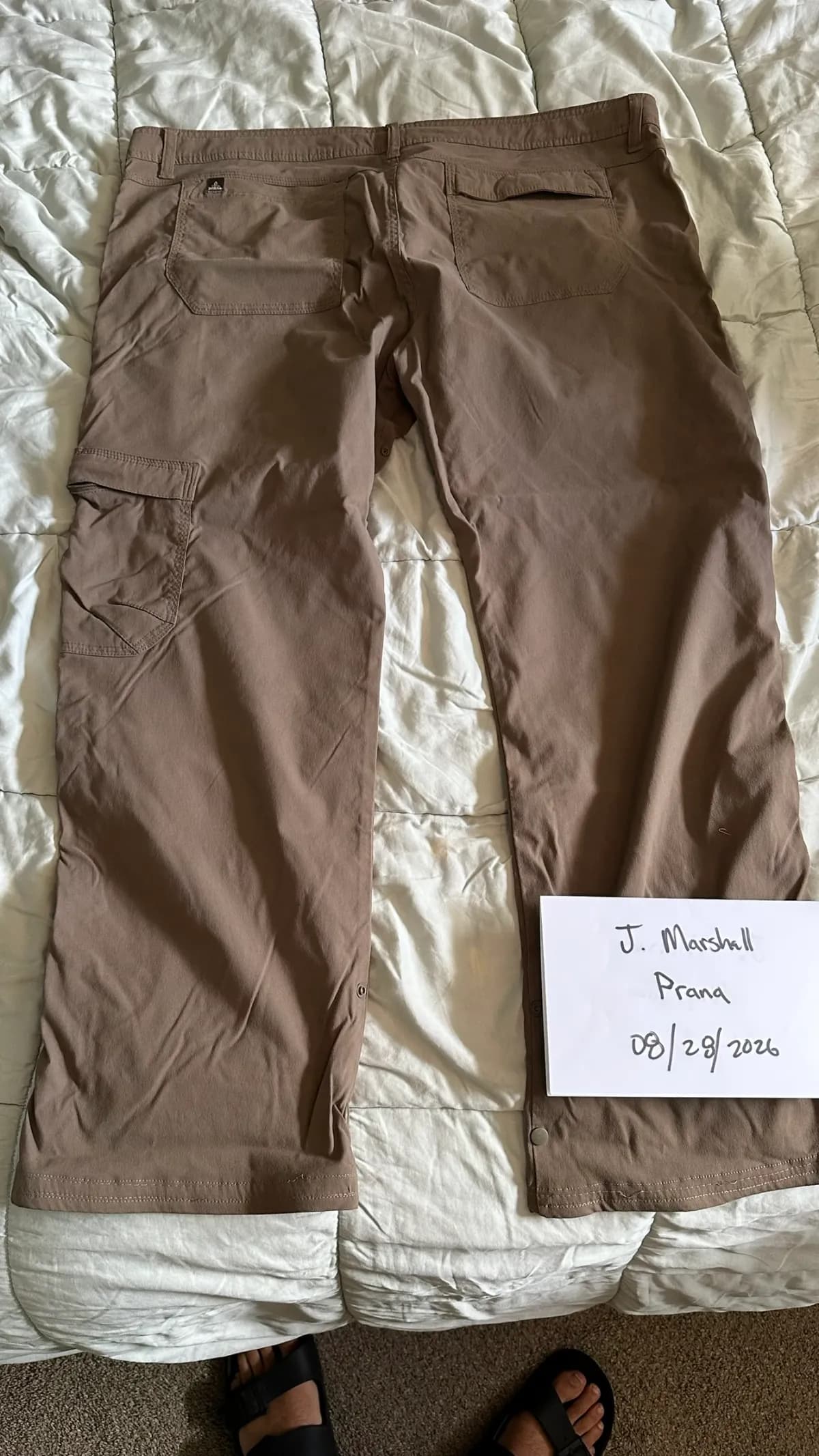
Prana Stretch Zion - Hemmed to 42x30
$55.00
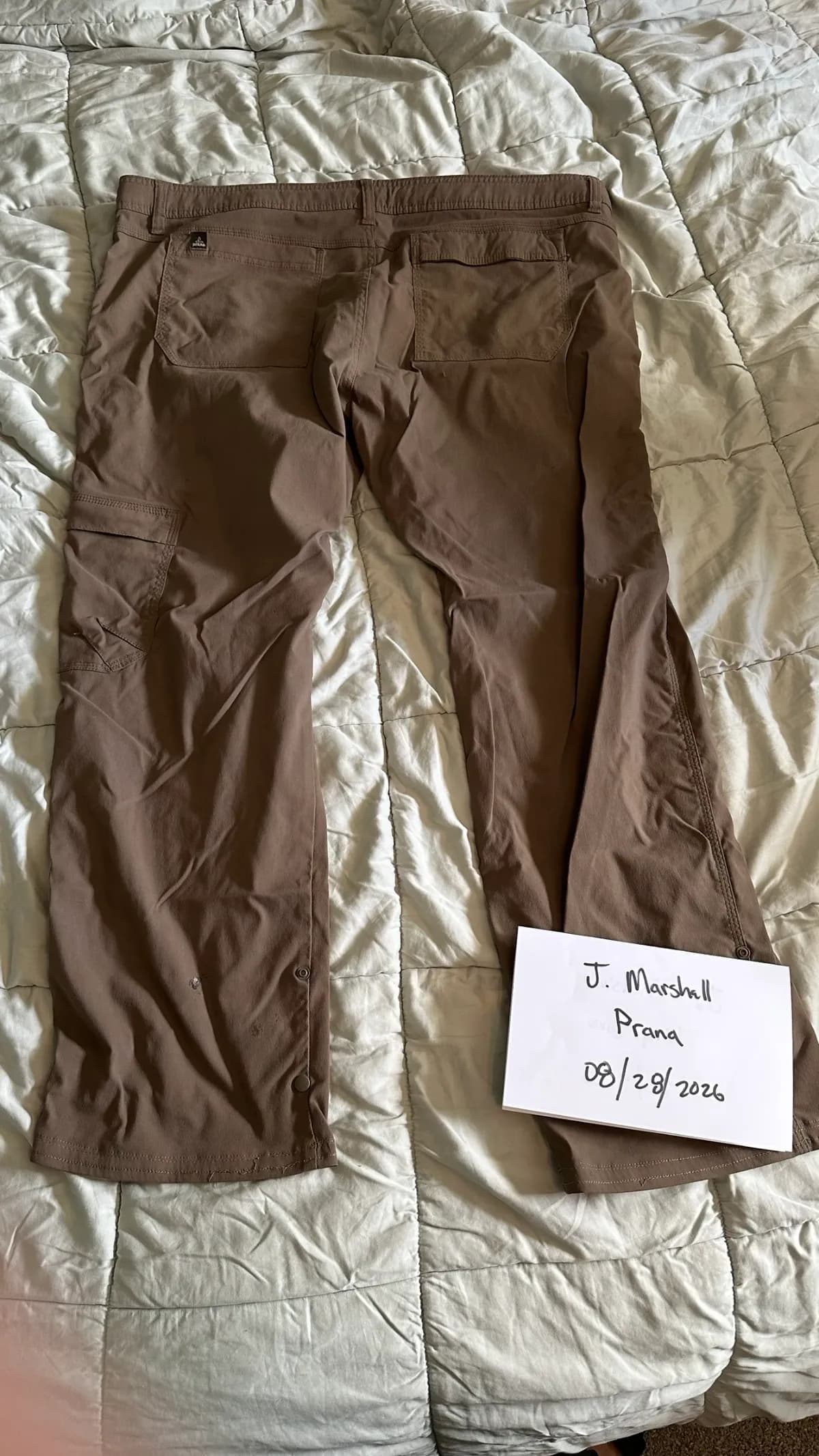
Prana Stretch Zion Hemmed to 42x30
$55.00
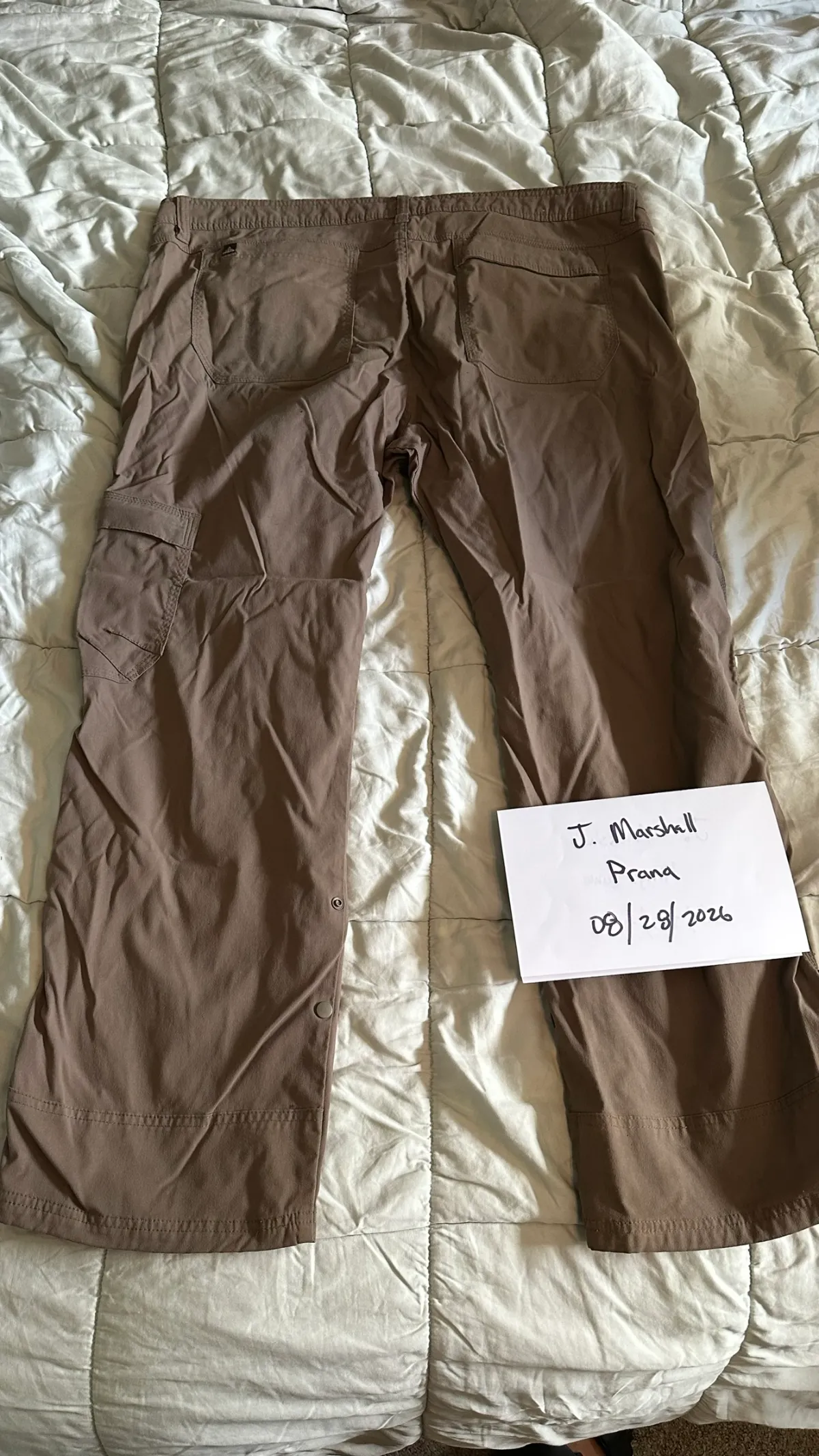
Prana Stretch Zion Pant
$60.00