

Best Cellular Trail Cameras Under $100 (2026 Buyer's Guide)
For years, cellular trail cameras were a luxury item. The cameras that beamed photos straight to your phone cost two or three times more than a standard SD-card model, and the monthly data plans piled on top of that. In 2026, that barrier has finally cracked. You can now buy a capable cellular trail camera for under $100—sometimes less than a basic non-cellular unit cost just a few seasons ago. If you've been waiting for the price to make sense, this is the year.
This guide breaks down what "under $100" actually gets you, which models lead the budget category right now, and the hidden costs you need to factor in before you check out. Spend ten minutes here and you'll avoid the two mistakes that sink most first-time buyers.
Why Cellular Is Worth It Now
A traditional trail camera makes you walk in to pull the SD card, which means your scent and presence hit the area every time you check it. A cellular camera sends images over a cell network to an app on your phone, so you can scout from your couch and leave the woods undisturbed for weeks. That reduced pressure is the real advantage—mature bucks notice intrusion, and the less you bump them, the more natural their movement stays.
Until recently, that convenience carried a steep premium. Today, improvements in cheaper cell modules and fierce competition between brands have pushed entry-level prices below the $100 mark without gutting the features that matter.
What "Under $100" Gets You in 2026
At this price point, you should expect a genuinely usable camera, not a toy. Look for these baseline specs:
- Image quality: A real-world resolution that produces clear daytime photos and usable nighttime infrared shots. Marketing megapixel numbers are often inflated, so trust independent test photos over the box.
- Trigger speed: Around half a second or faster, so animals don't walk out of frame before the shutter fires.
- Detection range: Roughly 80 feet or more, which covers most field edges and trails.
- Battery flexibility: Support for AA batteries or an external solar panel, so you aren't constantly hiking in to swap power.
- A workable app: Reliable delivery and an interface that doesn't fight you every time you log in.
What you typically give up at this tier is dual-network flexibility, the highest-end night photo clarity, and advanced extras like onboard GPS theft tracking. For most hunters running a few cameras on familiar ground, those trade-offs are easy to live with.
Top Picks Under $100
SpyPoint Flex-M is the standout budget choice in 2026, often selling around $80—less than many non-cellular cameras. In independent testing, its trigger speed, detection range, and picture quality all performed above its price class, and it earned top value honors among cellular models. Just as important, SpyPoint offers a free plan that delivers up to 100 photos per month, which means a truly cost-conscious hunter can run this camera with no monthly bill at all.
Moultrie Edge 3 is the feature-rich option that still sneaks in under $100. It carries a higher-resolution sensor, a live-aim function that helps you position the camera correctly during setup, a battery-life estimator, and built-in GPS. For a hunter who wants more tech without crossing the $100 line, it's a strong value.
GardePro and other value brands round out the field. These newer entrants compete hard on price and bundle features, but app reliability and customer support can be less consistent than the established names. Read recent reviews before committing, since the budget cellular space changes fast.
If you can stretch slightly past your budget, the Tactacam Reveal X sits around $125 and adds full GPS and mapping integration—worth knowing about if your cap is flexible.
The Hidden Cost: Data Plans
Here's the part that catches new buyers off guard. The camera's sticker price is only half the equation. Nearly every cellular camera requires a monthly or annual data plan to actually send photos, and those fees add up across a season and across multiple cameras.
Before you buy, compare plan costs the same way you compare cameras. Some brands charge per camera, while others offer multi-camera discounts. SpyPoint's free 100-photo tier is genuinely useful for a single camera on a tight budget, though it skips perks like data sharing and multi-camera savings. If you plan to run several cameras, the cheapest body can quickly become the most expensive system once data fees stack up. Always price the camera and a full season of data together.
How To Choose the Right One
Start with how you'll actually use it. If you want one camera on a single trail and the lowest possible cost, the SpyPoint Flex-M on its free plan is hard to beat. If you want sharper images and setup helpers and don't mind a modest plan fee, the Moultrie Edge 3 earns its keep. If you're building a multi-camera network, ignore the body price for a moment and choose the brand with the friendliest multi-camera data pricing—that decision will save you the most money over time.
Two final tips. First, check that your chosen brand has solid signal on your property's carrier; even a great camera is useless with no bars. Second, buy a quality set of lithium batteries or a small solar panel from the start, because dead batteries in mid-November are the fastest way to miss the photo you've been waiting for.
The Bottom Line
The sub-$100 cellular trail camera is no longer a compromise—it's a smart entry point. The SpyPoint Flex-M leads on pure value, especially paired with its free photo plan, while the Moultrie Edge 3 packs the most features under the cap. Just remember to budget for data, confirm your carrier's coverage, and power your camera for the long haul. Do that, and you'll be scouting from your phone all season for less than the cost of a good pair of boots.
Running a budget cellular setup that's working for you? Tell us the model and your data plan in the comments—and bookmark this guide, since we update our picks as new 2026 models drop.
In the market for gear?
Browse verified secondhand listings at 40–60% below retail — or turn the gear hanging in your closet into cash.
More Articles

2026 Western Draw Results: What To Do Whether You Drew or Not

Always Watching: The Rise of Cellular Trail Cameras—and the Backlash Redrawing Where You Can Use Them

The November Spike: What Search Trends Reveal About America's Whitetail Obsession—and the Off-Season Edge Most Hunters Ignore
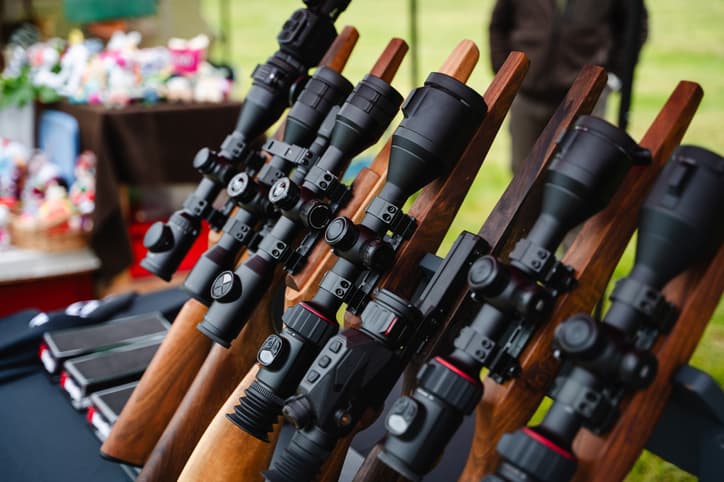
The 2026 Hunting Tech Boom: When Does "Smarter" Become "Too Easy"?
Ready to find your next deal?
Browse hundreds of used hunting gear listings from verified sellers.
The Second Nature Newsletter
The best used hunting gear deals and reads like this one, in your inbox. Free, no spam, unsubscribe anytime.
Fresh on the marketplace
Verified sellers, 40–60% below retail.
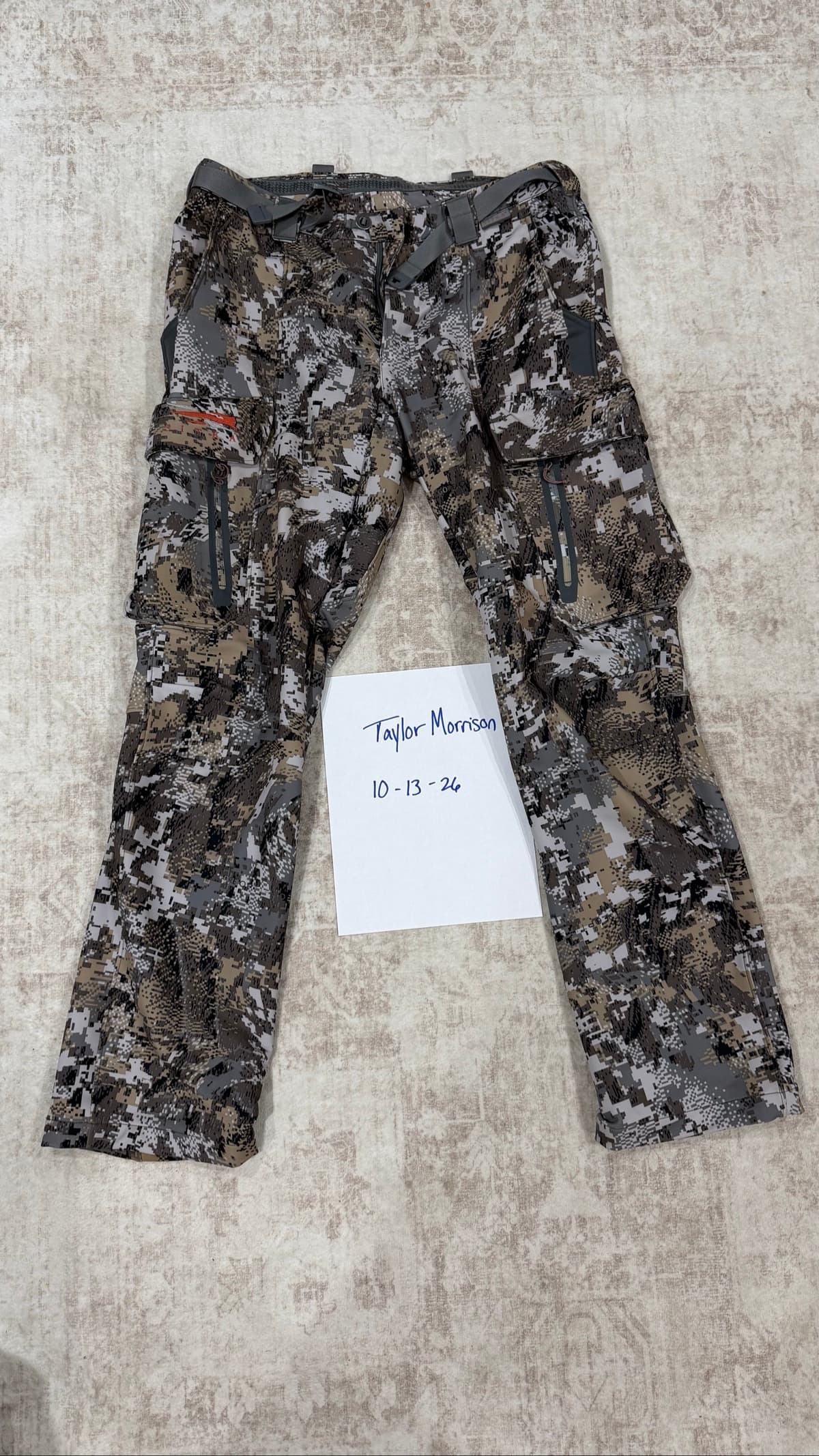
Sitka Equinox Guard Pant
$125.0037% off

Sitka Equinox Guard Pant
$125.0037% off
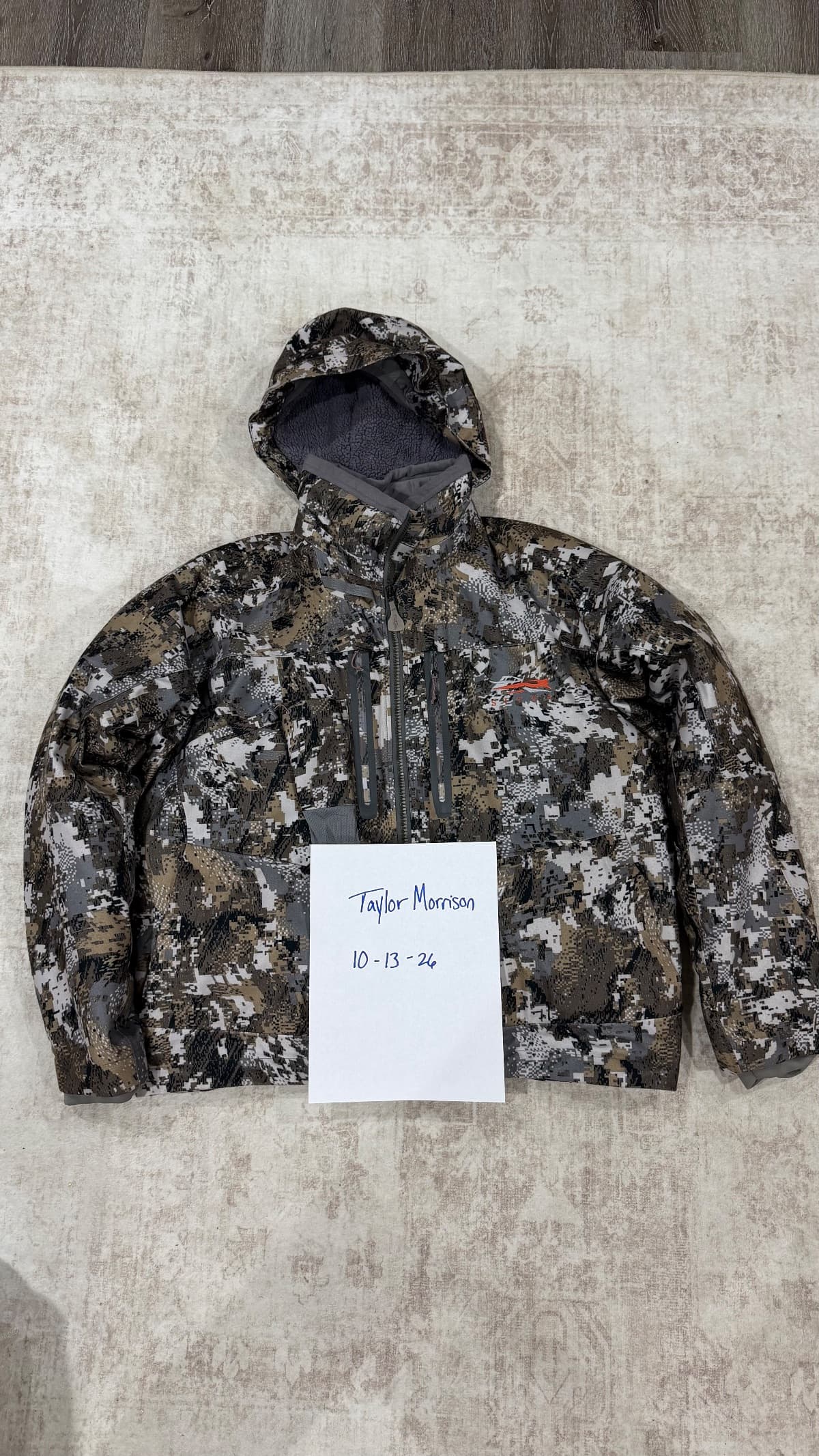
Sitka Incinerator Aerolite Jacket
$575.0023% off