
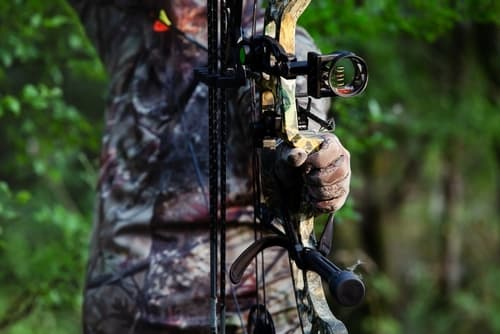
New Broadheads and Bow Tech for 2026: What's Actually Worth Your Money
Every winter the archery industry rolls out a fresh wave of bows, broadheads, and accessories, and every spring bowhunters try to figure out which of it is real innovation and which is just a new paint job. The 2026 lineup is genuinely one of the more interesting in recent memory. Manufacturers leaned hard into two things this year: bigger, more reliable mechanical broadheads, and bows built around smarter, faster tuning. Here's a clear-eyed look at what's new, what the specs actually mean, and where you should think twice before opening your wallet.
The Broadhead Arms Race Keeps Climbing
If there's a single theme in 2026 broadheads, it's cutting diameter. Companies are pushing mechanical heads to wound channels that would have sounded reckless a decade ago, and the engineering has finally caught up to the marketing.
Rage, the brand most responsible for popularizing big-cut mechanicals, introduced the Tyrant 3-Blade. It opens to a cutting diameter north of two inches, which puts it among the largest three-blade designs on the market. Three blades mean three entry points and a wound channel that's hard for an animal to seal, but they also demand more kinetic energy to deploy and drive through bone. If you shoot a modern bow at a reasonable draw weight, that's not a problem. If you're a youth hunter or you pull a lighter setup, it's something to weigh.
For hunters chasing maximum cut, the LRP (Long Range Precision) two-blade mechanical takes things even further with a 2.5-inch cutting diameter. A cut that wide leaves very little room for error on a marginal hit, but it also asks a lot of your arrow's flight and your bow's energy. Two-blade mechanicals like this tend to fly truer at distance than larger multi-blade heads, which is part of the pitch behind the "long range" name.
The Swhacker #307 takes a more measured approach. It's a 100-grain, two-blade mechanical with a two-inch cutting diameter and the brand's Blade-Lock Technology, which keeps the blades closed in flight and deploys them consistently on impact. At an MSRP around $48, it sits in the middle of the pack on price, and Swhacker's reputation for reliable deployment makes it an easy recommendation for hunters who want a big cut without rolling the dice.
The Sevr Titanium rounds out the mechanical category with the most flexibility. It comes in 100- or 125-grain weights and in 1.5-, 1.75-, or 2.0-inch cutting diameters, so you can match the head to your setup and your quarry. Sevr's practice-lock feature, which lets you shoot the actual broadhead into a target without deploying the blades, remains one of the smartest ideas in the category. Being able to tune with the same head you'll hunt with takes a lot of guesswork out of broadhead flight.
If you're skeptical of mechanicals entirely, you're not alone, and the hybrid category exists for you. The Muzzy Trocar HB Hybrid pairs two mechanical blades that open to 1.5 inches with two fixed blades that cut a one-inch swath. The idea is to get the forgiving flight and bone-busting reliability of a fixed head up front while still opening a wider wound channel on the way through. Hybrids are a reasonable compromise, though they're never going to fully satisfy a die-hard in either camp.
Fixed vs. Mechanical: The Debate Isn't Over
No broadhead roundup is complete without acknowledging the oldest argument in bowhunting. Fixed-blade heads are simpler, tougher, and have no moving parts to fail, which makes them the choice for hunters chasing heavy-boned game or shooting lower-energy setups. Mechanicals fly more like field points and open dramatic wound channels, which is why they dominate the whitetail world.
The honest answer is that both work when matched correctly to your bow. A 70-pound compound launching a well-tuned arrow can drive almost any head on this list through a deer's vitals. A lighter setup, a crossbow, or a hunt for elk and other large game tilts the math back toward fixed or heavier mechanical options. Match the tool to the job rather than chasing whatever won the most awards.
The Bows: Speed, Weight, and Smarter Tuning
On the bow side, 2026 brought real platform changes rather than minor refreshes.
Mathews unveiled an all-new ARC platform, offered in the ARC 30 and ARC 34. The ARC 30 is the headline grabber: a compact 30-inch axle-to-axle frame that weighs under four pounds while still producing serious speed. That combination of a short, light, fast bow is exactly what mobile and tree-saddle hunters have been asking for, since a shorter axle-to-axle measurement is easier to maneuver in tight quarters and a sub-four-pound bow is far less punishing on long hikes.
Bowtech made the biggest splash, launching its new flagship, the Alliance, at the ATA show in Indianapolis and walking away with the Best New Bow award. The Alliance is built around a reimagined riser and an updated DeadLock cam system, which is Bowtech's approach to letting hunters fine-tune arrow flight without a press. The specs are strong across the board: an IBO speed of 338 feet per second, a 30.5-inch axle-to-axle length, a 6.437-inch brace height, a draw-length range of 26 to 31 inches, draw weights from 60 to 75 pounds, and a weight of just over four pounds. That brace height and speed combination makes it forgiving enough for real-world hunting while still hitting respectable velocity.
Hoyt, meanwhile, focused its 2026 message on an all-new tuning system. The brand has long had a reputation for shootable, accurate bows, and the emphasis on easier tuning reflects where the whole industry is heading. The takeaway across all three brands is the same: speed numbers have largely plateaued, so manufacturers are competing on how easy it is to get your bow shooting perfectly.
Where to Spend and Where to Save
Here's the practical part. New broadheads are genuinely worth buying fresh, because they're a consumable, blades dull, and a clean, sharp head is one of the few pieces of gear where cutting corners can cost you an animal. Pick a design that matches your draw weight, then practice with it until you trust it.
Bows are a different story. The 2026 flagships are excellent, but last year's flagship was excellent too, and the year before that. The biggest performance gains for most hunters come from proper tuning, a quality rest, and consistent practice, not from the newest riser. If a new bow fits your hand and your budget, enjoy it. But if you're shooting a solid bow from the last few seasons, your money is better spent on arrows, a good sight, and range time. A well-tuned older bow with a quality broadhead will out-hunt a brand-new rig you haven't dialed in, every single time.
In the market for gear?
Browse verified secondhand listings at 40–60% below retail — or turn the gear hanging in your closet into cash.
More Articles

Hot-Weather Hunting: How Sitka, KUIU, and First Lite Build for the Early Season

The Half-Acre Food Plot: How to Build One by Hand With No Tractor

New Refuge Hunting Opportunities Near You: What the 2026 Expansion Actually Means

IP28 Explained: The Oregon Measure That Would Criminalize Hunting and Fishing
Ready to find your next deal?
Browse hundreds of used hunting gear listings from verified sellers.
The Second Nature Newsletter
The best used hunting gear deals and reads like this one, in your inbox. Free, no spam, unsubscribe anytime.
Fresh on the marketplace
Verified sellers, 40–60% below retail.
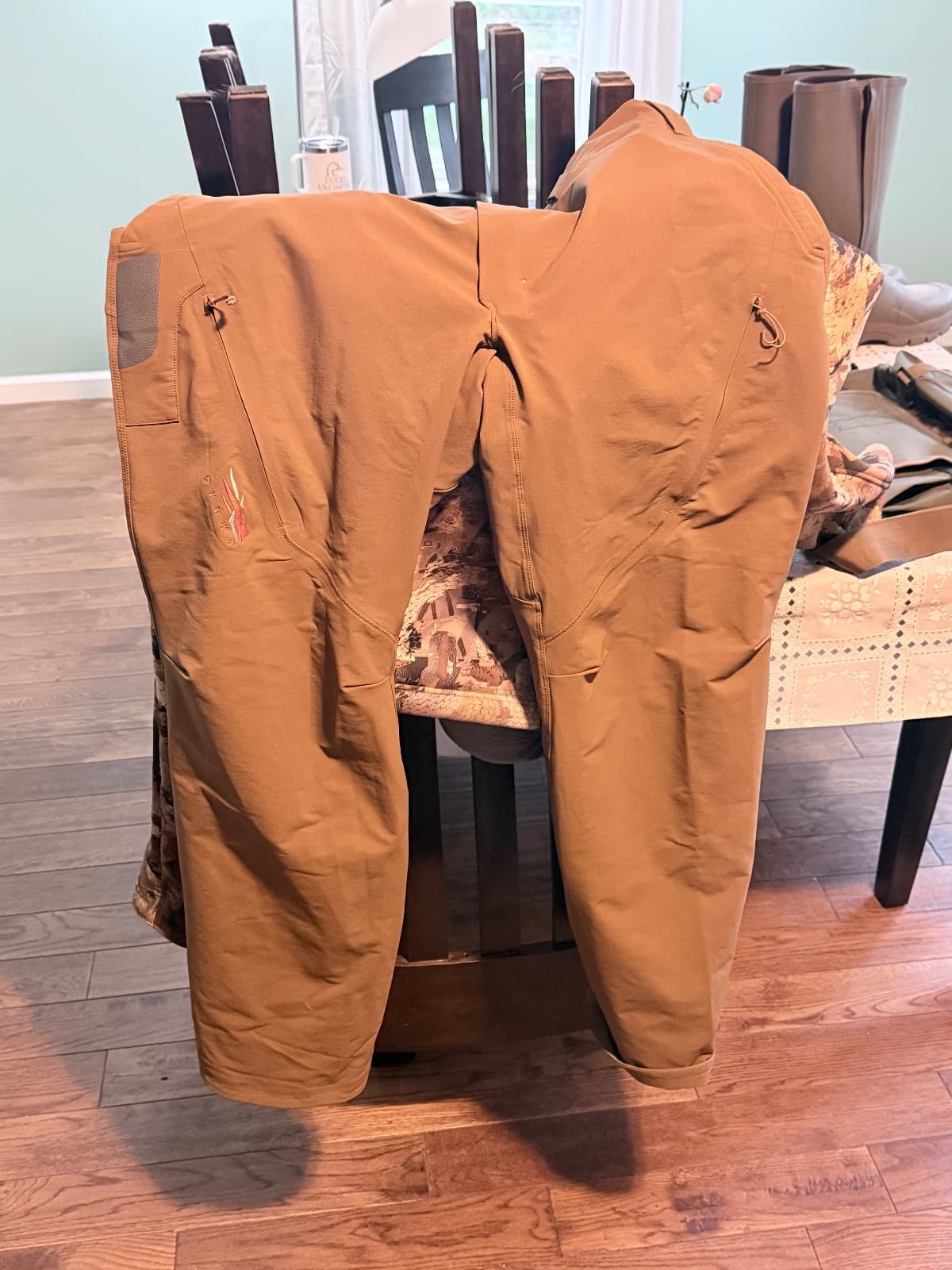
SITKA Grinder Pant (Mud) Size 42
$100.0050% off
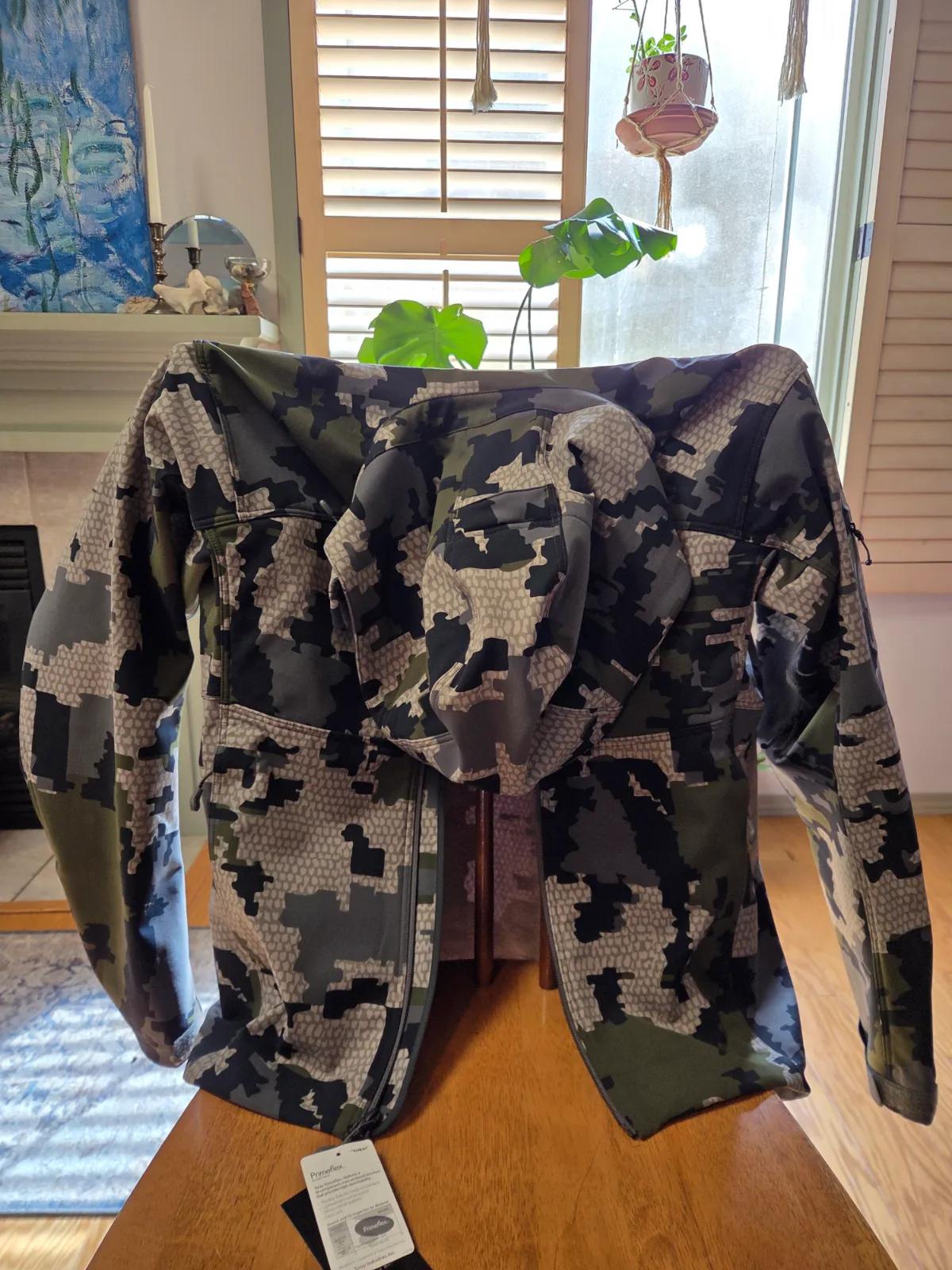
KUIU Guide Pro Hooded Jacket
$237.0015% off
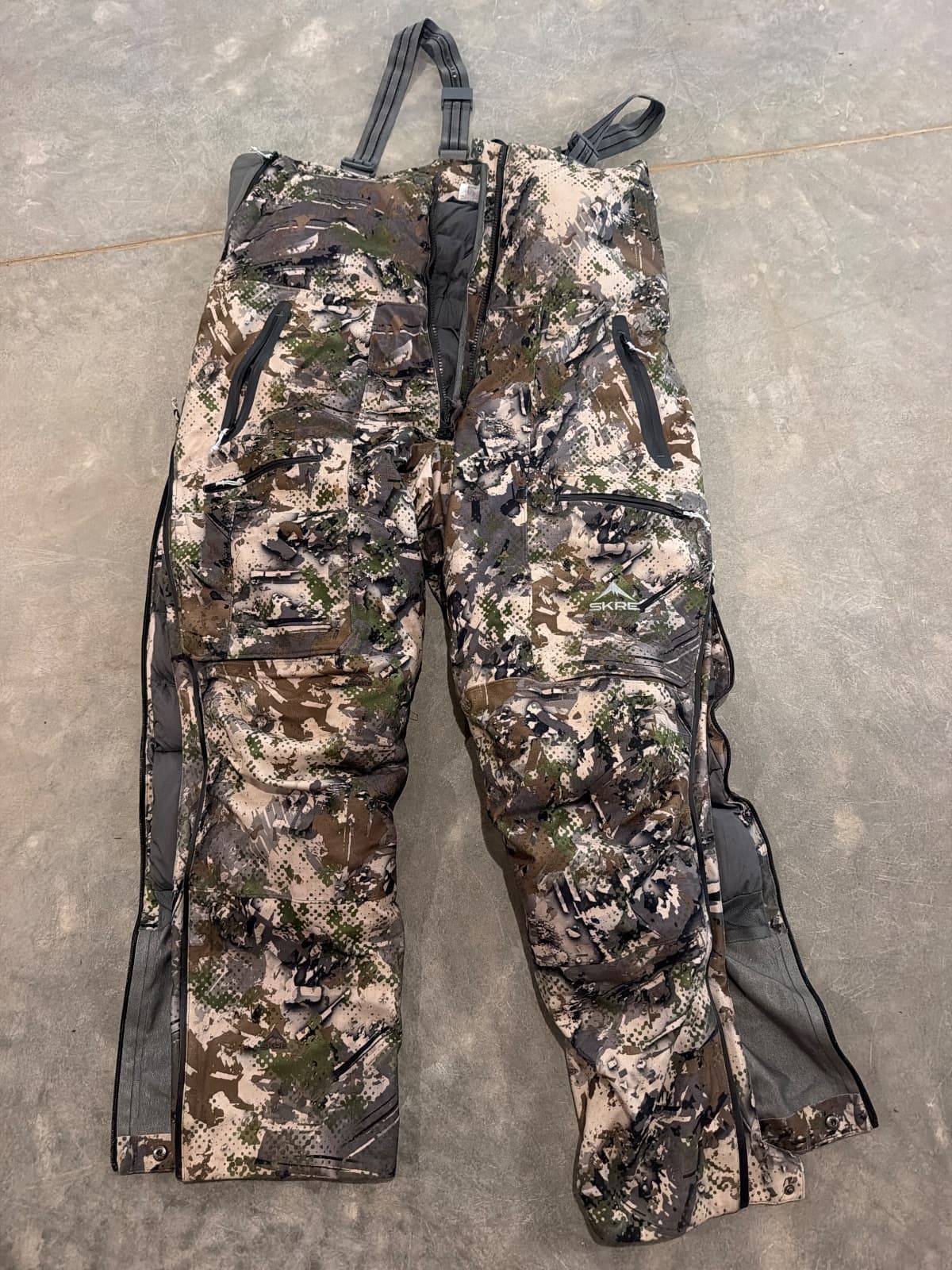
Skree Guardian
$300.00