
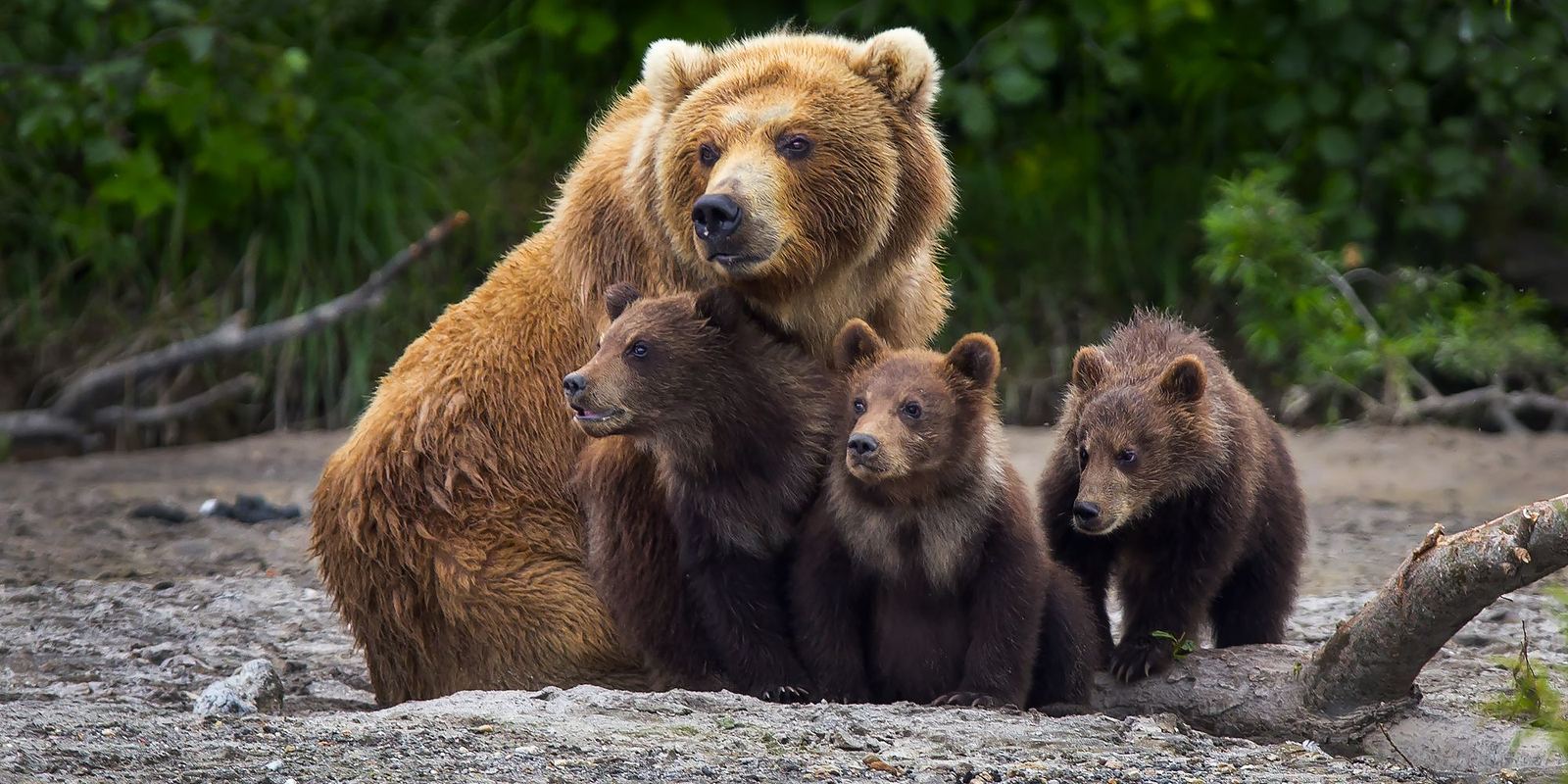
December 28: The Grizzly Decision That Will Define the Next Decade of Western Wildlife Policy
Circle December 28. By court order, the Fish and Wildlife Service must decide whether lower-48 grizzlies keep ESA protection, the most consequential listing decision in a generation, landing in the dead week when almost nobody is watching.
By court order, the U.S. Fish and Wildlife Service must deliver its final decision on whether grizzly bears in the lower 48 keep their Endangered Species Act protections on or before December 28, 2026.
We're watching. We covered the July announcement that transferred day-to-day grizzly management to the states; this is the companion piece for the main event. Whatever happens (delisting, continued listing, or another lawyer-built hybrid) it will shape elk camps, backcountry protocols, state wildlife budgets, and the future of the Endangered Species Act itself for the next decade. Here's what a hunter needs to understand before the news breaks, so when it does, you'll know exactly what you're reading.
How We Got to December 28
Grizzlies in the lower 48 were listed as threatened in 1975, when perhaps 700 to 800 bears survived south of Canada. The recovery that followed is, by any biological measure, one of the ESA's crown jewels: roughly 2,000 bears now roam Wyoming, Montana, Idaho, and Washington, with about half concentrated in the Greater Yellowstone Ecosystem and most of the rest in the Northern Continental Divide around Glacier. Both core populations have met their recovery targets for years. Bears are expanding into country that hasn't seen a grizzly track in a century, which is precisely why ranchers, hunters, and rural communities keep asking when "recovered" starts meaning what the dictionary says.
Delisting has been tried twice, in 2007 and 2017, and both times courts reversed it, finding procedural and scientific gaps. The states fumed, the feds regrouped, and the bears kept expanding. In early 2025 the Service proposed rejecting delisting while consolidating the four-state population into a single distinct population segment, a technical move with big implications, since a single DPS makes piecemeal delisting of just the recovered cores harder. Then came a court settlement requiring a final, up-or-down ruling, with the deadline extended in February to December 28, 2026.
And in July, the plot twisted. Interior Secretary Doug Burgum announced a proposed rule transferring grizzly management responsibility to the four states, explicitly without delisting. Montana's governor confirmed the arrangement permits no hunt. Observers across the spectrum read it the same way: a dress rehearsal, testing whether states can run the program before the court-ordered verdict on the listing itself.
The Three Doors
On or before December 28, the Service walks through one of three doors. Here's each, honestly assessed.
Door one: full or partial delisting. The Service removes ESA protections, most plausibly for the recovered Yellowstone and Northern Continental Divide populations. The states take over completely, under conservation strategies negotiated for years. This is what Wyoming, Montana, and Idaho have demanded for a decade, and what the recovery numbers arguably support. What it does not mean is an immediate hunt. What it guarantees is litigation, filed within days, from groups who argue recovery isn't durable without connectivity between populations. Both previous delistings died in exactly this courtroom; any third attempt will have been engineered specifically to survive it.
Door two: continued listing. The Service finalizes something like its 2025 proposal, grizzlies stay threatened, likely as a single lower-48 DPS, with the July state-management framework continuing as the operating reality. The states and congressional delegations erupt; expect legislative delisting attempts in Congress, a path used before for wolves and effectively litigation-proof, plus a fresh round of state lawsuits arguing the Service is ignoring its own recovery criteria.
Door three: the hybrid hold. Some further variation on the current arrangement: listed, but state-managed, with expanded flexibility under a revised 4(d) rule for handling conflict bears. This is the "dress rehearsal becomes the show" outcome: functionally, much of what delisting would deliver day to day, without the word that triggers both celebrations and lawsuits. Given how deliberately the July rule was built, nobody should be surprised if December 28 formalizes the middle path.
What It Means for Hunters, Concretely
A grizzly hunt is not imminent under any door. Even full delisting starts Montana's self-imposed five-year moratorium, and Wyoming and Idaho, which drafted hunt frameworks after the 2017 delisting, would move only after the litigation dust settles, which took years last time. The realistic soonest case for any lower-48 grizzly tag remains the 2030s. Anyone selling urgency on this point is fundraising, in one direction or the other.
Your elk hunt changes either way, gradually. The real near-term stakes are management aggressiveness: how fast conflict bears are removed, where expansion is tolerated, how the growing population edges are handled, and those edges are where most hunter encounters happen. State management, under any door, likely means quicker and more local conflict response, which rural communities will feel before hunters do. What doesn't change: more bears in more places every year. If you hunt western Montana, the Absarokas, the Winds, or increasingly the fringes well beyond, the protocols are permanent now, spray on the hip, meat hung far and handled fast, extra eyes at the carcass, and the understanding that a bugling bull may draw an audience you didn't invite.
The precedent is the biggest stake of all. Grizzlies are the ESA's hardest test case. A genuinely recovered species that stays listed anyway becomes the argument that the Act is a one-way door, which corrodes political support for listing anything. A delisting that survives court becomes the template for every future recovery hand-off, wolves included. Hunters have skin on both sides: we fund the state agencies that would inherit the bears, and we depend on the ESA-driven habitat protections that incidentally shelter elk, deer, and access itself. The grown-up position, held by most serious hunter-conservation groups, is that recovery should be celebrated with delisting and backstopped with ironclad state commitments, because "recovered forever" is the only version of this story that ends well for either bears or the Act.
How to Read the News on December 29
A quick decoder for the coverage wave that's coming. If you see "delisted," check which populations, Yellowstone-only is very different from lower-48-wide, and look for the litigation announcements, which tell you whether anything changes in practice. If you see "remains protected," check whether the state-management framework survives inside it; that's the operational story. If you see "hunting" in any headline, apply the five-year-moratorium test before reacting.
And whatever you see, note the comment deadlines that follow. This decision, like every one before it, opens process, and as a certain waterfowl fight proved this summer, hunters showing up in dockets is not a symbolic act.
We'll publish a full breakdown when the decision drops. Between now and then, if you're writing year-end letters to your congressional delegation or your state wildlife commission, this is the topic where an informed hunter's voice (pro-recovery, pro-delisting-done-right, anti-circus) is rarest and most needed.
The Bottom Line
On December 28, a court-ordered pen stroke will either end, extend, or reshape fifty years of grizzly protection, with a hunt years away under every scenario, litigation certain under most, and the management of 2,000 bears, plus the credibility of the Endangered Species Act, genuinely on the line. The bears themselves will spend the day asleep under the snow, indifferent to the Federal Register. Come spring, they'll emerge into whichever legal world we built, and so will every hunter who shares the country with them.
Set the reminder. We'll see you on the other side of the decision.
Sources
- Grizzly bear delisting decision pushed to December, Montana Public Radio
- Feds transfer grizzly bear management to states, Montana Free Press
- New grizzly rule promises state control. What does it actually do?, Montana Free Press
- 'A Dress Rehearsal' for Grizzly Delisting, Whitehall Ledger
- Grizzly Bear species profile: U.S. Fish & Wildlife Service
Hunting grizzly country next fall, whatever the courts decide? Build the mountain kit for less: used packs, layers, and systems from Sitka, KUIU, and First Lite on Second Nature. Spend the difference on bear spray and better glass; the country's getting wilder, and that's mostly good news.
In the market for gear?
Browse verified secondhand listings at 40–60% below retail, or turn the gear hanging in your closet into cash.
More Articles
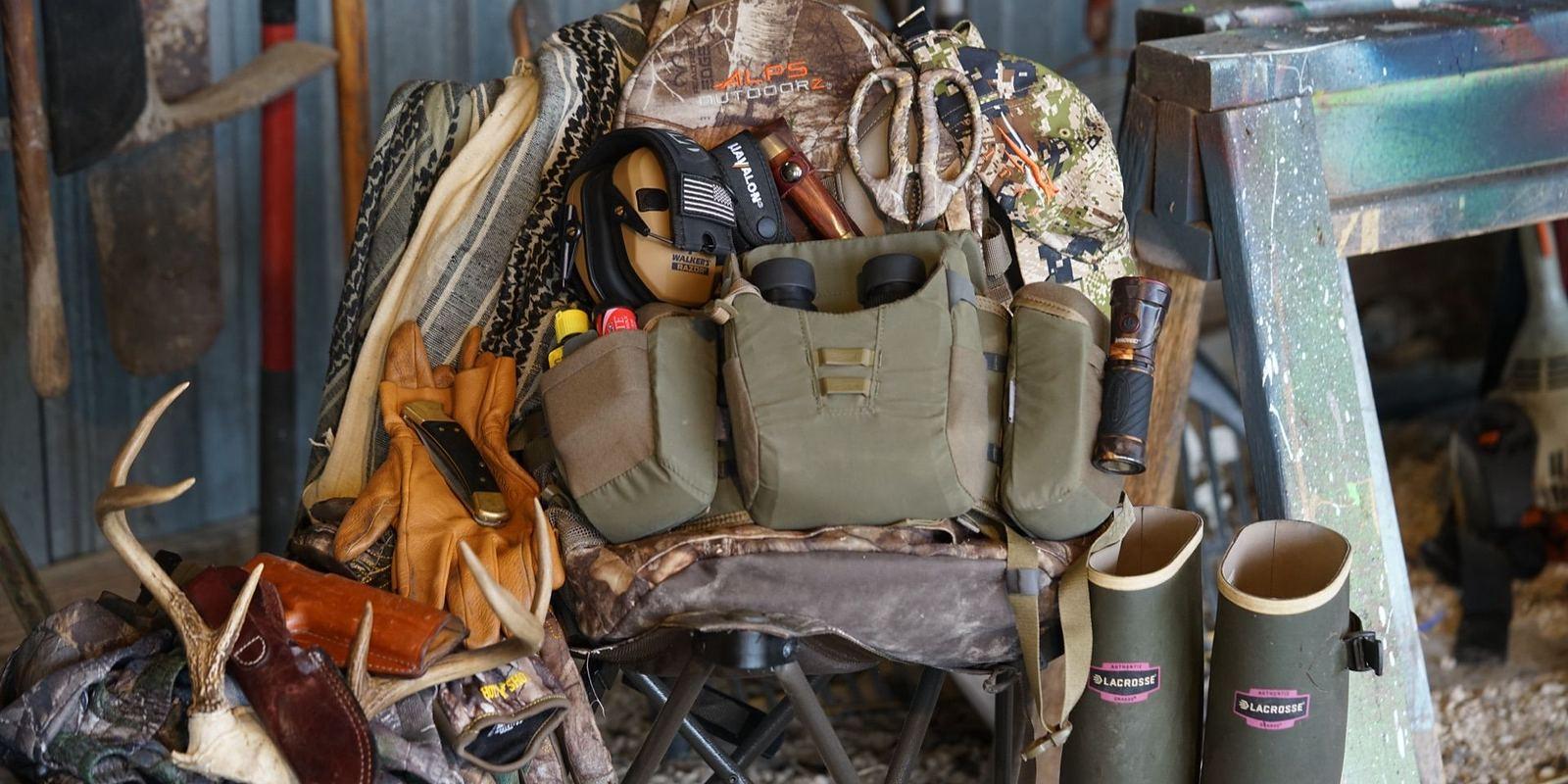
The January Gear Purge: Turn Your Closet's Dead Weight Into Next Season's Budget
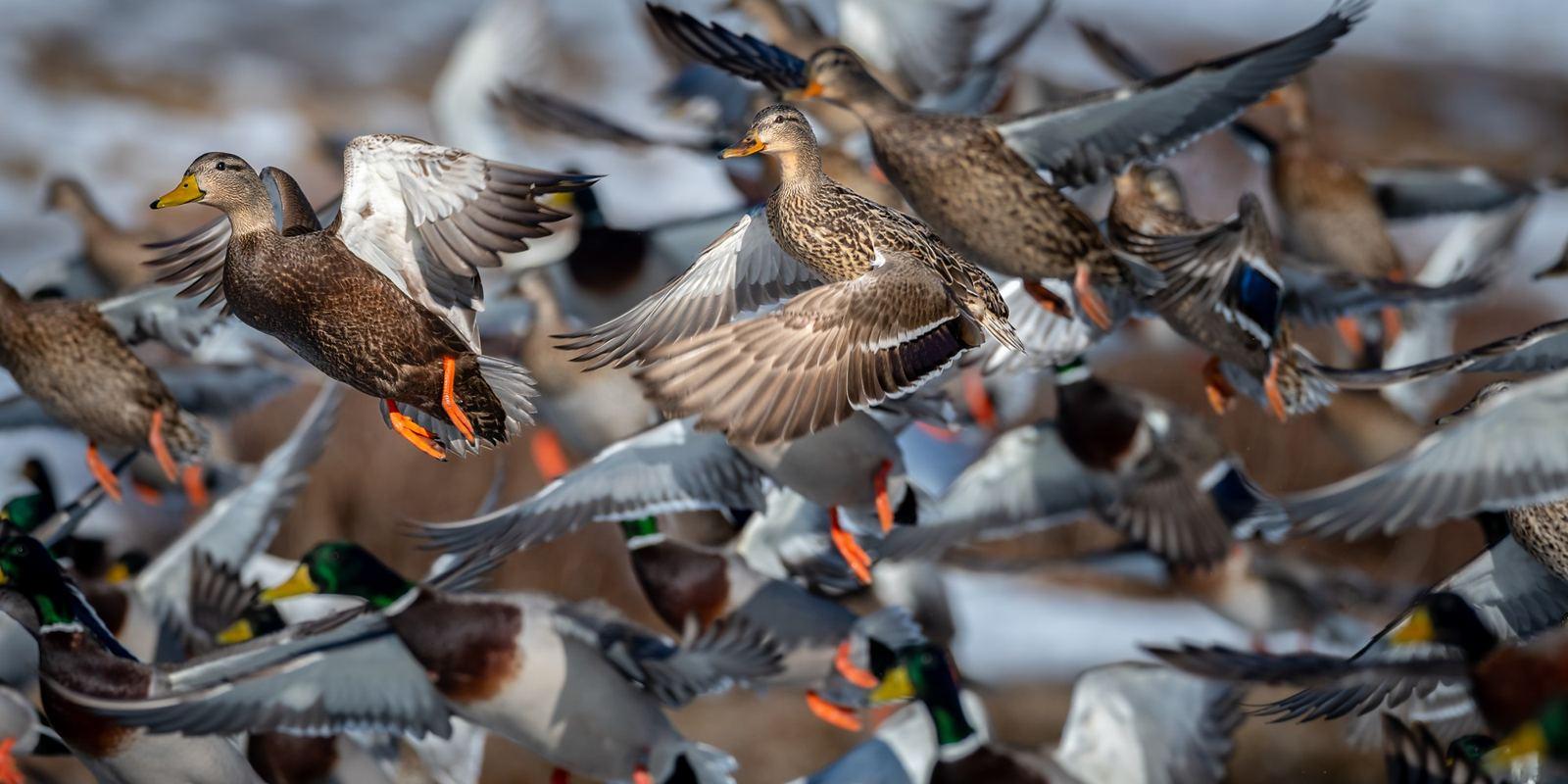
The Duck Factory Won: How 219,428 Hunters Stopped a Rollback in Three Weeks
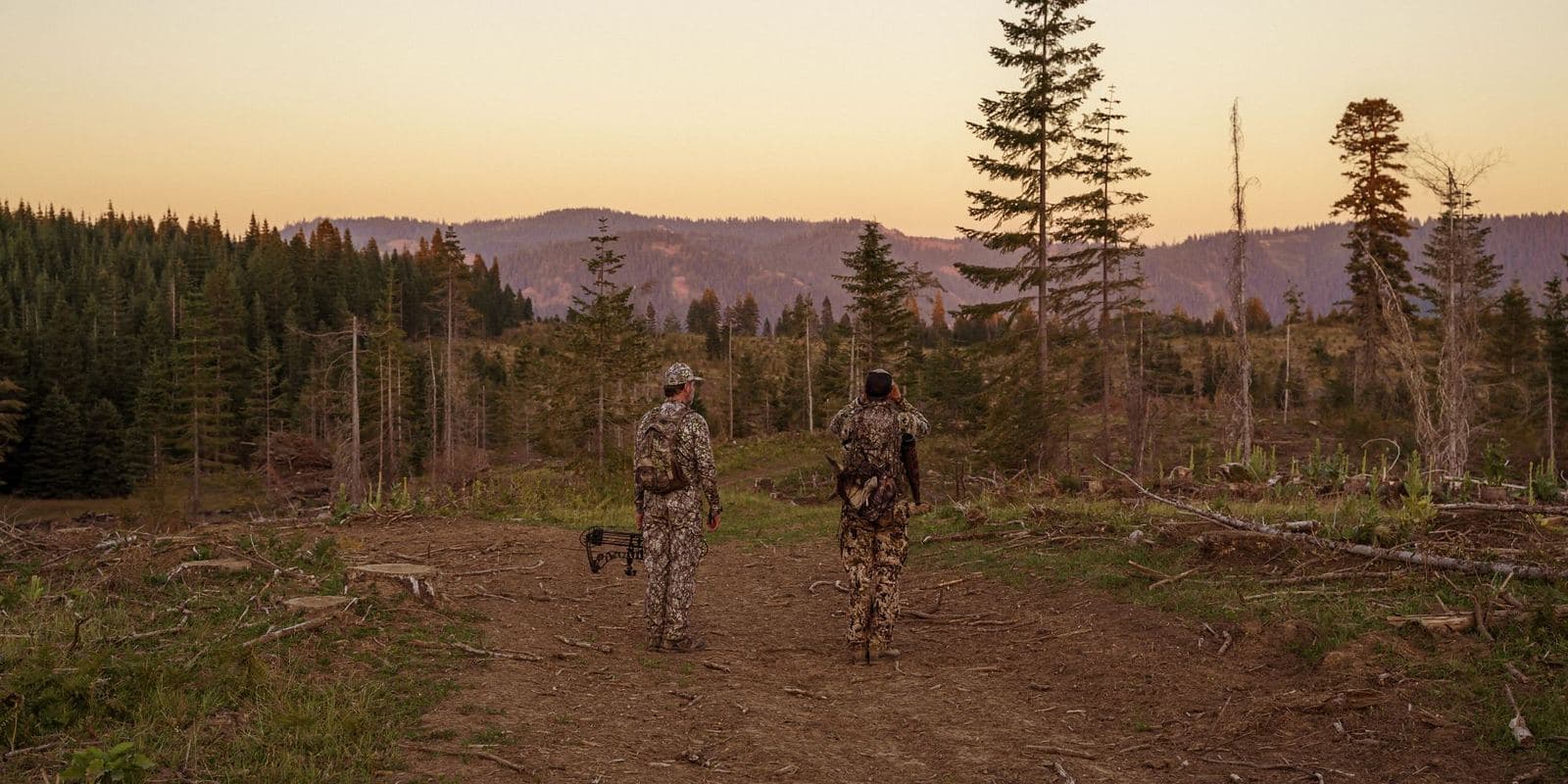
The End of Over-the-Counter Elk? What Colorado's 2026 Changes Mean for Every Western Hunter
The Wild Game Thanksgiving: Venison and Wild Turkey Without a Family Mutiny
Ready to find your next deal?
Browse hundreds of used hunting gear listings from verified sellers.
The Second Nature Newsletter
The best used hunting gear deals and reads like this one, in your inbox. Free, no spam, unsubscribe anytime.
Used Sitka right now
Verified sellers, 40–60% below retail.
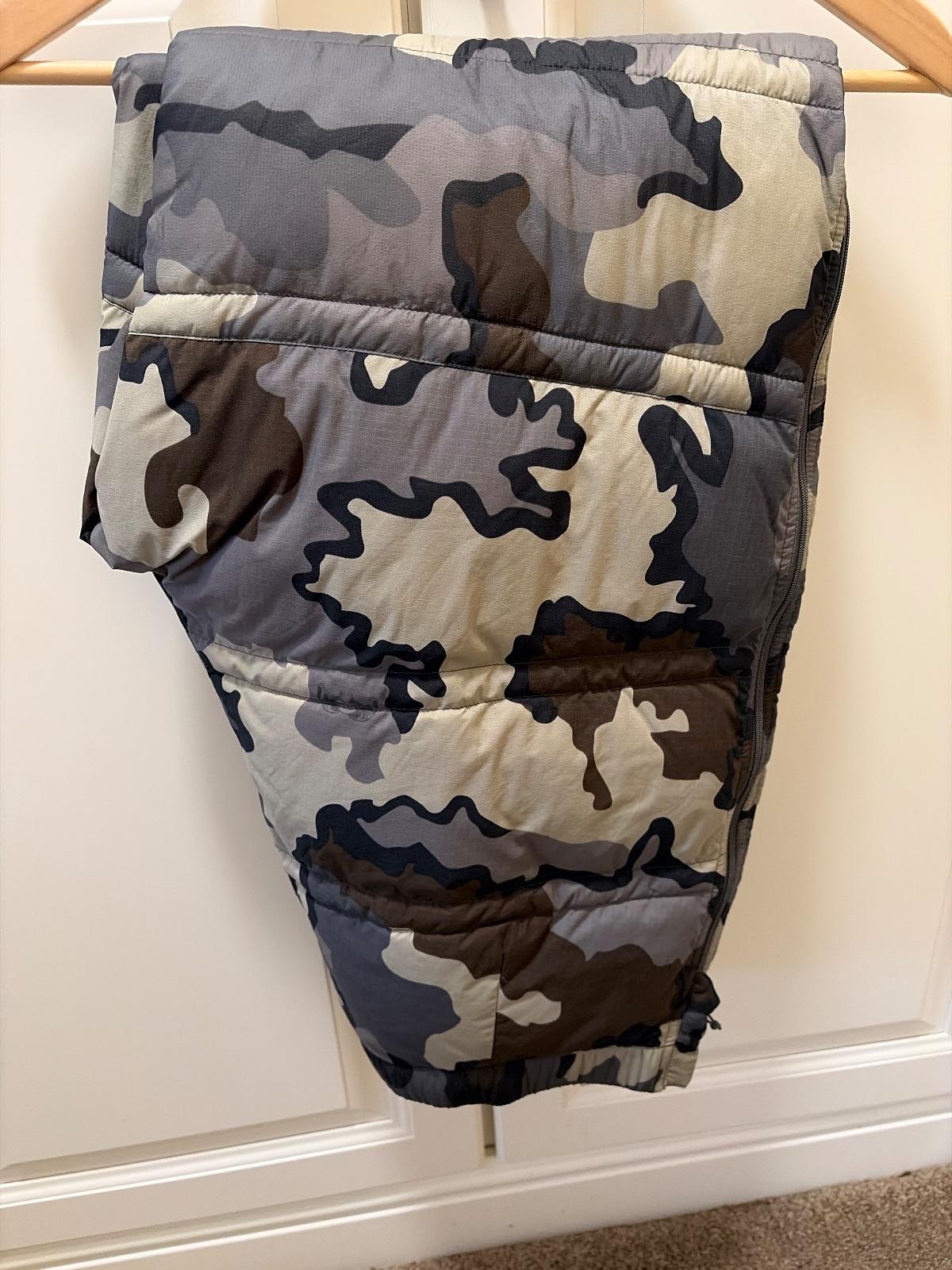
KUIU VYAS Men’s Super Down Ultra Pants
$295.0010% off
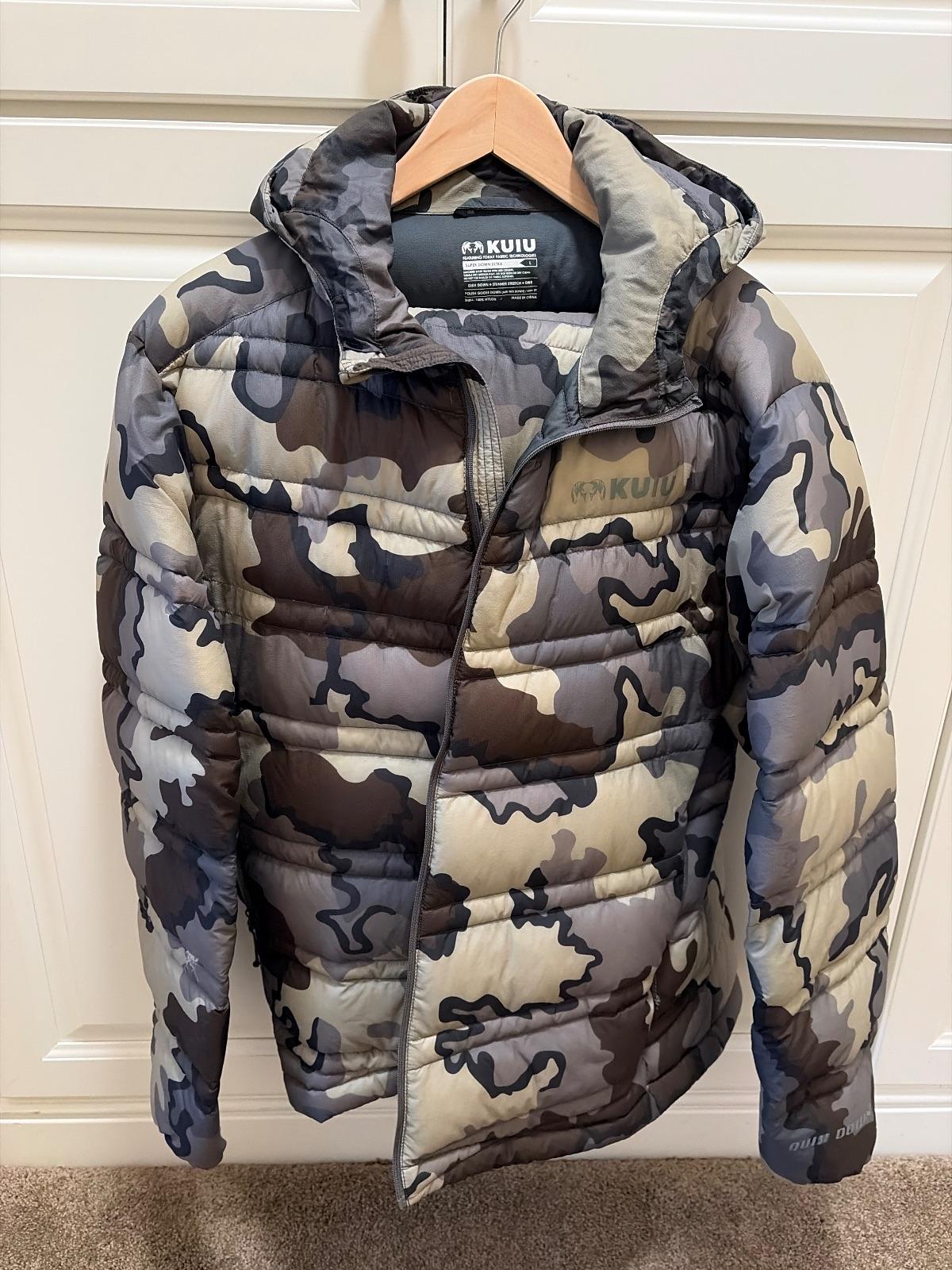
Men’s KUIU VYAS Super Down Pro Hooded Jacket
$335.0016% off
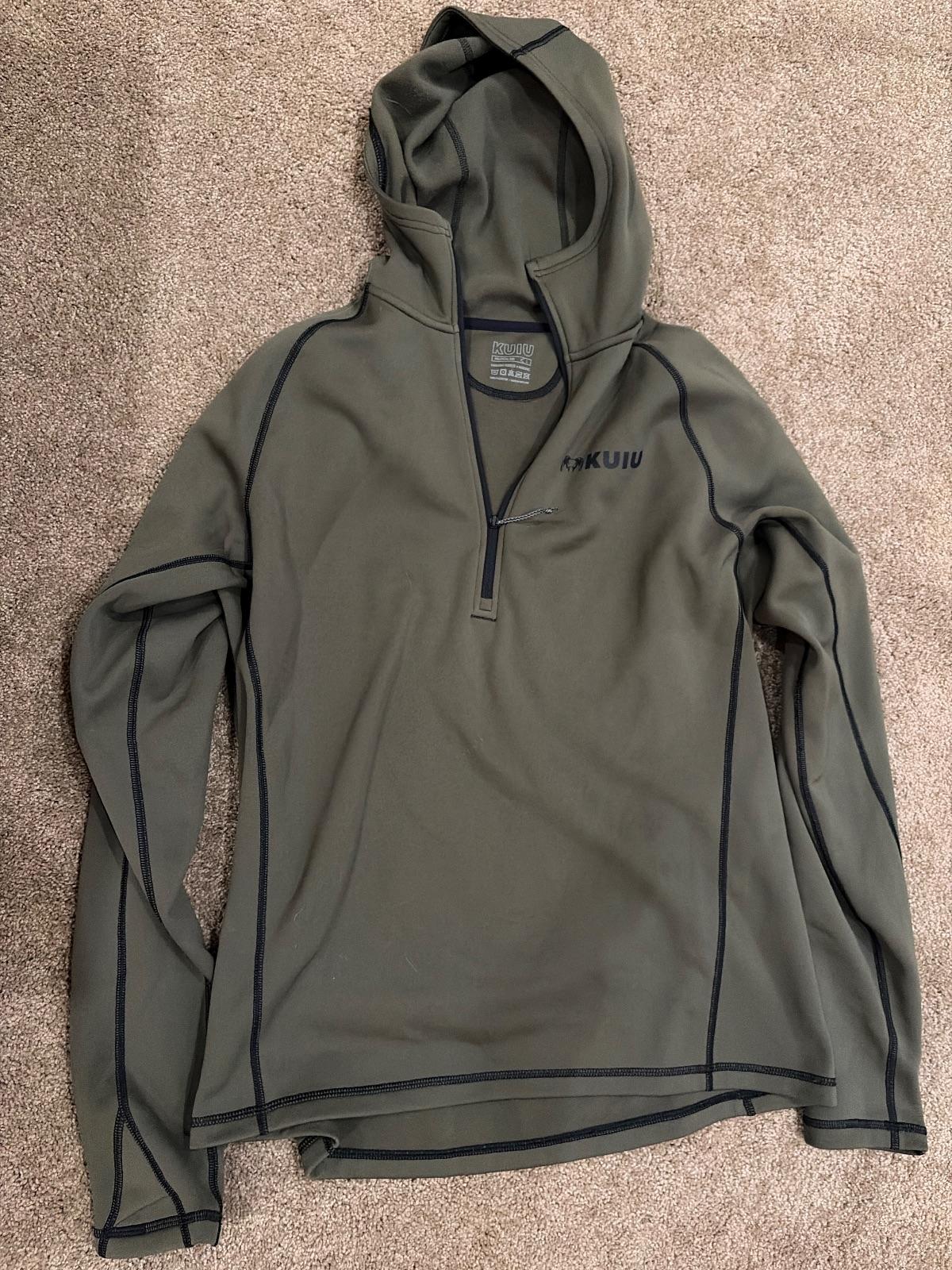
KUIU Peloton 200 Fleece Hoodie
$149.0025% off