The Beef Ending Tick: Alpha-Gal Syndrome and How Hunters Can Avoid It
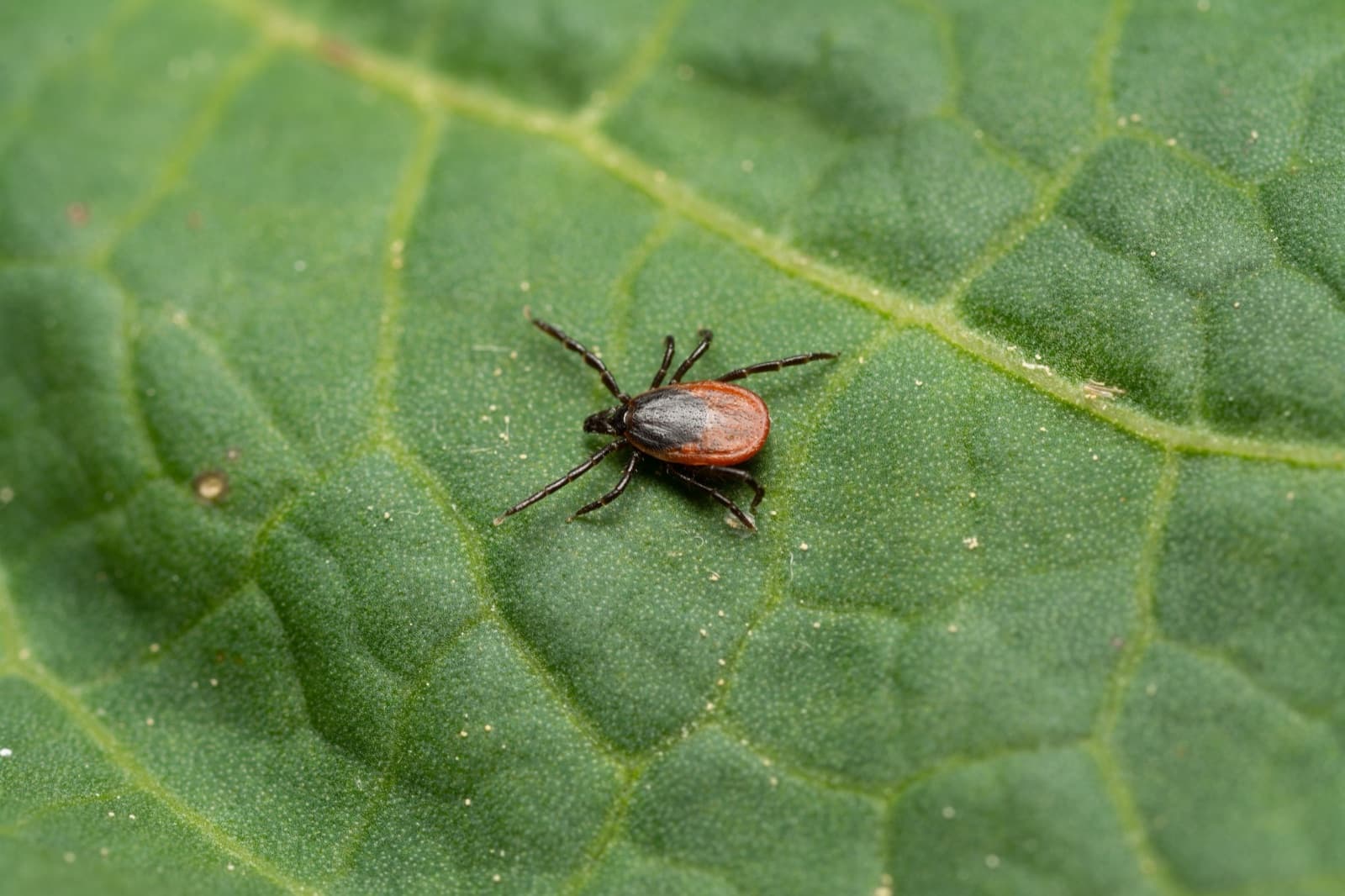
The lone star tick, identified by the white dot on its back, is the primary cause of alpha-gal syndrome.
Imagine spending all fall filling your freezer with venison, only to discover that a single tick bite months earlier means you can no longer eat it. That's the reality of alpha-gal syndrome, a strange and growing tick-borne condition that turns people allergic to red meat, and hunters are among the most at-risk groups in the country. With 2026 shaping up to be one of the worst tick seasons in a decade, it's a topic every hunter should understand before heading into the woods this summer and fall.
What Alpha-Gal Syndrome Actually Is
Alpha-gal syndrome, often shortened to AGS, is an allergy to a sugar molecule called galactose-alpha-1,3-galactose, or "alpha-gal" for short. This molecule is found in most mammals, which means it's present in the meat you get from them: beef, pork, lamb, rabbit, and yes, venison. It's also found in mammal-derived products like gelatin, dairy, and certain medications.
Here's the twist that makes it so relevant to hunters. Humans don't naturally develop this allergy from eating meat. They develop it from being bitten by a tick. In the United States, the culprit is almost always the lone star tick, a species easily identified by the single white dot on the back of the adult female. When a lone star tick bites you, its saliva can introduce the alpha-gal molecule into your skin. In some people, the immune system responds by building antibodies against alpha-gal. Once that immune response is in place, eating red meat can trigger an allergic reaction, sometimes for years afterward.
In other words, the animals you hunt and the ticks that live where you hunt them are connected in an unfortunate loop. The lone star tick feeds on deer and other mammals, picks up alpha-gal, and can then transfer that sensitivity to you.
Why the Symptoms Fool So Many People
One of the most dangerous things about alpha-gal syndrome is how easily it hides. With most food allergies, the reaction comes fast, within minutes of eating the trigger food, which makes the cause obvious. Alpha-gal is different. Reactions are typically delayed, showing up three to eight hours after you eat mammal meat.
That delay means someone can eat a venison steak or a pork chop at dinner and not break out in hives until the middle of the night. Because so much time has passed, they often don't connect the reaction to the meal. People can suffer through repeated episodes for months before anyone figures out what's happening.
The symptoms themselves range widely. Some people get itching, hives, and swelling. Others experience serious gastrointestinal distress, nausea, vomiting, and abdominal pain, which is often the first sign. And in the most severe cases, the reaction becomes anaphylaxis, a life-threatening emergency that can close the airway and drop blood pressure. Studies suggest roughly 60 percent of alpha-gal patients experience anaphylaxis at some point, so this is not a condition to take lightly.
Why Hunters Are Especially at Risk
Alpha-gal syndrome now affects an estimated 450,000 people in the U.S., making it roughly the tenth most common food allergy in the country, and the numbers are climbing. The condition took hold first across the Southeast, the heart of lone star tick territory, but it has since spread into the Northeast and Midwest as the ticks expand their range.
Hunters sit right in the bullseye. We spend enormous amounts of time outdoors, often in exactly the habitat ticks love: thick grass, brushy edges, and dense timber. We crawl, kneel, and sit directly on the ground. We push through cover that a hiker on a maintained trail would never touch. Every one of those behaviors increases the odds of picking up a tick, and it only takes one bite from the wrong tick to set the allergy in motion. Turkey hunters and early-season deer hunters are particularly exposed, since their seasons fall during the warmest, buggiest parts of the year.
The 2026 Tick Season Makes This Urgent
This isn't a distant worry. Health officials are warning that 2026 could be one of the worst tick years in a decade. The CDC has reported that weekly emergency room visits for tick bites are running higher than usual, with cases climbing sharply over just a month. Lone star ticks in particular have been spreading across much of the country, pushing well beyond their traditional southern range.
For hunters, that means the summer scouting trips, food-plot work, and early-season sits ahead of you carry a real and rising risk. The good news is that alpha-gal syndrome is almost entirely preventable, because it starts with a tick bite, and tick bites can be avoided with the right habits and gear.
How to Protect Yourself
Prevention is the whole game here. There is no cure for alpha-gal syndrome, and managing it once you have it means giving up red meat, including the venison you worked so hard for. Avoiding tick bites in the first place is far easier than living with the consequences.
Start with your clothing. Permethrin-treated apparel is one of the most effective tools available, because permethrin actually kills or repels ticks on contact rather than just masking your scent. Many hunting brands now build permethrin treatment right into their warm-weather clothing, and some pieces, like tick-focused pants with built-in gaiters, are designed specifically to keep crawling ticks off your skin. You can also treat your own gear with permethrin spray, which lasts through multiple washes. On exposed skin, use an EPA-registered insect repellent.
Beyond gear, build a routine. Tuck your pants into your socks or boots to block the easiest path up your leg. Do a thorough tick check every single time you come out of the field, paying attention to the warm, hidden spots ticks prefer. If you find one attached, remove it promptly and completely with fine-tipped tweezers, pulling straight out, since the faster a tick comes off, the lower your risk. Showering soon after you get home helps wash off unattached ticks before they bite.
The Bottom Line
Alpha-gal syndrome is one of the strangest threats hunters face, an allergy to our own harvest, delivered by a bite we might never notice. With ticks spreading and 2026 shaping up to be an especially bad year, the smart move is to treat tick prevention as seriously as you treat scent control or shot placement. Wear permethrin-treated clothing, use repellent, check yourself every time out, and remove any ticks fast. A few simple habits now can protect not just your health, but your ability to enjoy the venison you spend all season chasing. This is a health topic, and if you think you may be experiencing symptoms of alpha-gal syndrome or any tick-borne illness, talk to a medical professional.
In the market for gear?
Browse verified secondhand listings at 40–60% below retail — or turn the gear hanging in your closet into cash.
More Articles



Ready to find your next deal?
Browse hundreds of used hunting gear listings from verified sellers.
The Second Nature Newsletter
The best used hunting gear deals and reads like this one, in your inbox. Free, no spam, unsubscribe anytime.