

Always Watching: The Rise of Cellular Trail Cameras—and the Backlash Redrawing Where You Can Use Them
Few pieces of hunting equipment have climbed the popularity charts as fast as the cellular trail camera. In the span of just a few seasons, the humble game camera—once a device you bolted to a tree and forgot about until you trudged back weeks later to swap a memory card—has become a connected, real-time scouting tool that fits in the palm of your hand. Search interest in cellular and Wi-Fi-enabled cameras keeps climbing, and so does the controversy surrounding them. Even as more hunters adopt the technology, a growing number of states are passing laws to restrict it. If you run cameras, or you're thinking about it, this is a trend worth understanding before you spend a dime.
From Memory Card to Live Feed
The appeal of a cellular camera is easy to grasp. Instead of physically retrieving images, you get photos beamed straight to your phone within moments of an animal tripping the sensor. Many units pair that feed with time stamps, weather data, and location tagging, effectively building a running inventory of the deer, elk, or hogs using a property. For the hunter, the practical benefits are real: less time spent walking in and out of an area, which means less human scent and disturbance left behind, and a far clearer picture of when and where animals are moving.
That efficiency is exactly why the category has exploded. A working parent with limited time can monitor several locations from a truck seat or a kitchen table. A landowner can keep tabs on a back forty without driving fence lines every weekend. The technology removes friction, and removing friction is almost always a recipe for rapid adoption.
The Fair-Chase Backlash
The same capabilities that make cellular cameras so convenient are precisely what make them controversial. Critics argue there is a meaningful difference between scouting and surveillance. A traditional camera tells you an animal passed by sometime in the recent past; a transmitting camera can alert you the instant a particular buck steps up to a water hole or a feeder. To many wildlife managers and ethically minded hunters, that real-time edge tips the long-standing principle of fair chase—the idea that the animal should retain a genuine chance to elude the hunter—too far in the hunter's favor.
The debate isn't only philosophical. State wildlife agencies are increasingly weighing crowding and competition on public land, where banks of cameras at a single spring or trailhead can create conflict among hunters and concentrate pressure on game. As cameras have multiplied, so has the sense among regulators that the technology needs guardrails. That sentiment is now showing up in law.
A Patchwork of Rules in 2026
Here is the critical part for anyone buying or using a cellular camera: the rules vary dramatically from one state to the next, and they are changing quickly. Arizona currently sits at the strict end of the spectrum, with a year-round ban on using trail cameras to take or locate wildlife for hunting. A cluster of other states—including Alaska, Colorado, Kansas, Montana, New Hampshire, New Mexico, and Utah—restrict or prohibit cameras with wireless transmission for hunting purposes, often with their own specific definitions and seasonal windows.
Idaho offers the clearest recent example of the direction things are heading. A new law taking effect in mid-2026 makes it illegal to use transmitting trail cameras on public land—federal, state, or local—during a long stretch of the fall, roughly from the end of August through the end of December. The measure also reaches other high-tech gear, and it carves out exceptions for pursuing predators, monitoring livestock, and recovering wounded game. The takeaway isn't the specific dates in any one state; it's that the regulatory map is being redrawn season by season, and what was legal last fall may not be legal this one.
How to Stay on the Right Side of the Line
The single most important habit is also the simplest: read your current state regulations before every season, and read them carefully. Pay close attention to two distinctions that trip people up. The first is the difference between public and private land—several states that restrict cameras on public ground treat private property far more permissively, since crowding and fair-chase concerns look different on land you own or lease. The second is the difference between a standard camera and a transmitting one, because some laws target only the cellular feature while leaving conventional cameras untouched.
When the language is ambiguous, contact your wildlife agency rather than guessing. A camera is a relatively small investment compared with the cost of a citation, a forfeited tag, or a tarnished reputation. And even where the technology is fully legal, it's worth asking yourself where your own ethical line sits. Tools don't make decisions; hunters do. Many people who run cell cams for inventory and herd management deliberately avoid hunting off a real-time alert, precisely to keep the experience within the spirit of fair chase.
Buying Smart in a Shifting Market
If you hunt where cellular cameras are legal—especially on private land—they can be a genuinely valuable part of your setup. But go in with clear eyes about the total cost. Beyond the camera itself, nearly every cellular system carries a data subscription, and those monthly fees add up fast across multiple units. Factor the ongoing cost into your decision the same way you would with any connected device.
This is also a category where the used market deserves a hard look. Cameras, like optics, hold their core function long after a flashier model arrives, and the rapid pace of new releases means capable units regularly turn over at a fraction of retail. The same logic applies to the rest of the scouting and field kit that pairs with them—packs, optics, and layering you'll wear on every sit. Buying quality used gear keeps more of your budget free for the things, like data plans and tags, that you can't buy secondhand. At Second Nature USA, that's the whole idea: spend less assembling a serious kit, and put the savings where they actually move the needle.
A Trend Worth Watching—Literally and Legally
Cellular trail cameras aren't going away; the convenience is too compelling and the technology too good. But the regulatory backlash isn't going away either. The smart hunter treats this trend the way the cameras themselves work—by staying alert, checking the latest information constantly, and never assuming that today's rules will hold tomorrow. Run the technology where it's legal, use it in a way you'd be proud to explain, and keep one eye on the lawbook as closely as you keep the other on the screen.
In the market for gear?
Browse verified secondhand listings at 40–60% below retail — or turn the gear hanging in your closet into cash.
More Articles

The November Spike: What Search Trends Reveal About America's Whitetail Obsession—and the Off-Season Edge Most Hunters Ignore

The 2026 Hunting Tech Boom: When Does "Smarter" Become "Too Easy"?

The Boundary Waters at a Crossroads: What Last Week's Senate Vote Actually Means for Hunters, Anglers, and Paddlers
Sunday Hunting Laws in 2026: The State-by-State Fight Explained
Ready to find your next deal?
Browse hundreds of used hunting gear listings from verified sellers.
The Second Nature Newsletter
The best used hunting gear deals and reads like this one, in your inbox. Free, no spam, unsubscribe anytime.
Fresh on the marketplace
Verified sellers, 40–60% below retail.
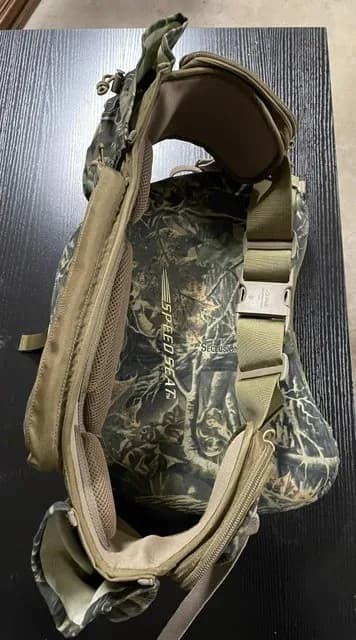
Cabela’s Speedseat Turkey Seclusion 3D Camo Vintage Hunting Built-In Seat
$60.00
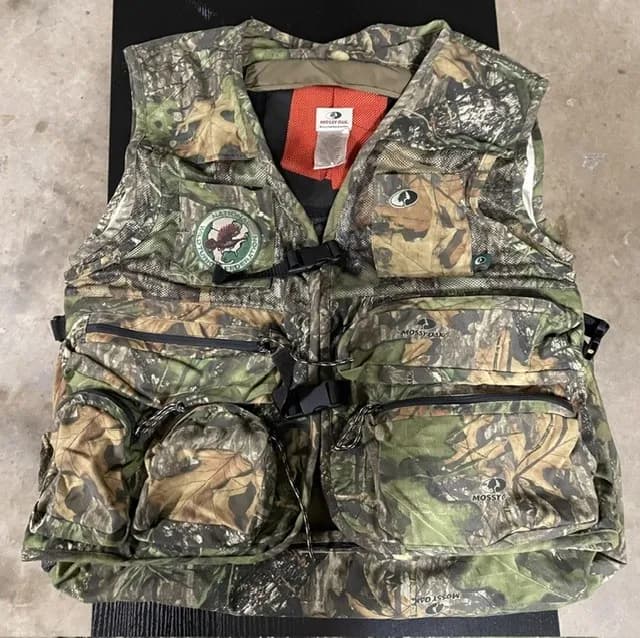
Russell Outdoors Treklite Super Elite III Turkey Vest
$100.0023% off
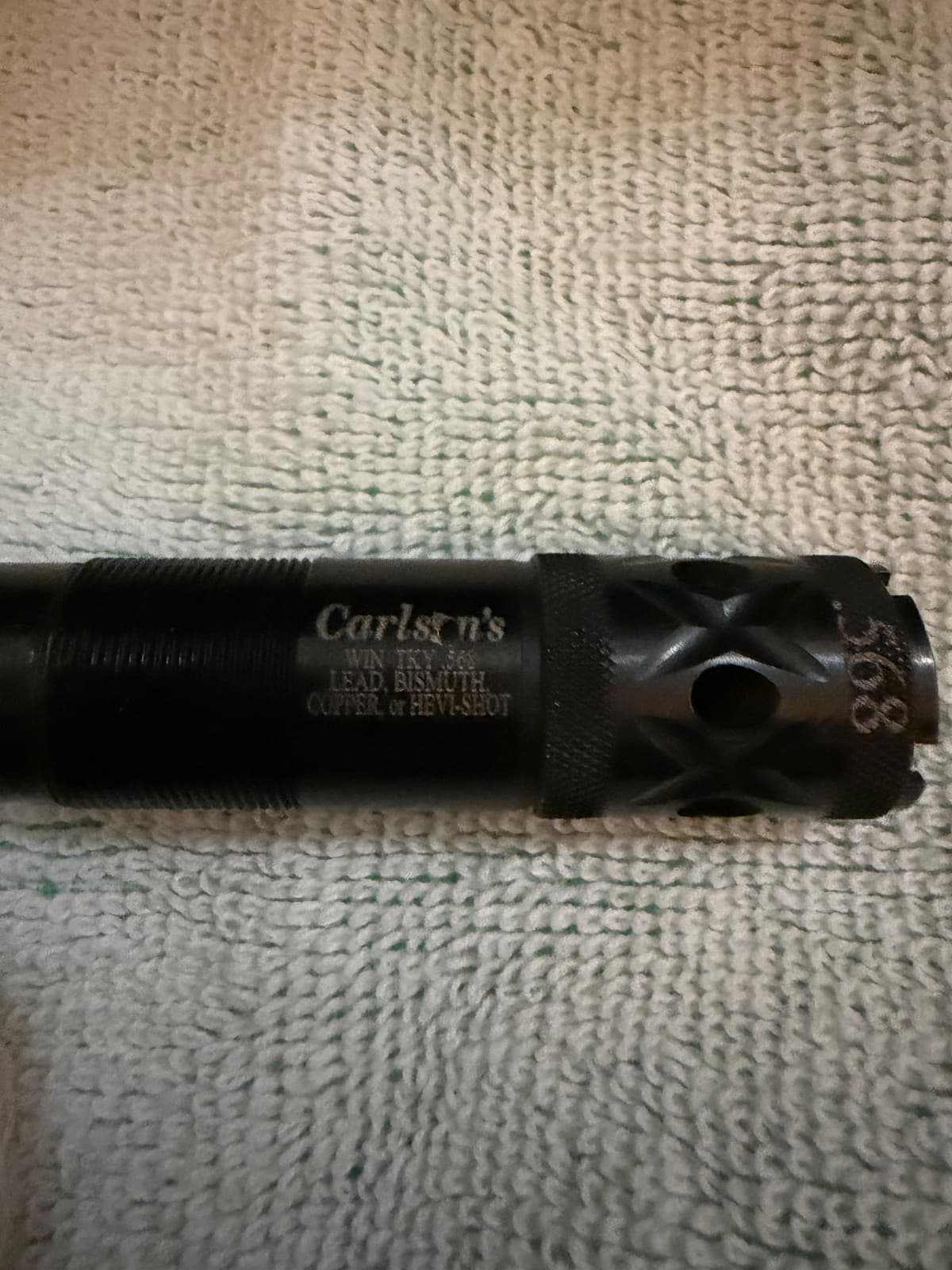
Carlsons Turkey choke .568
$40.0041% off