
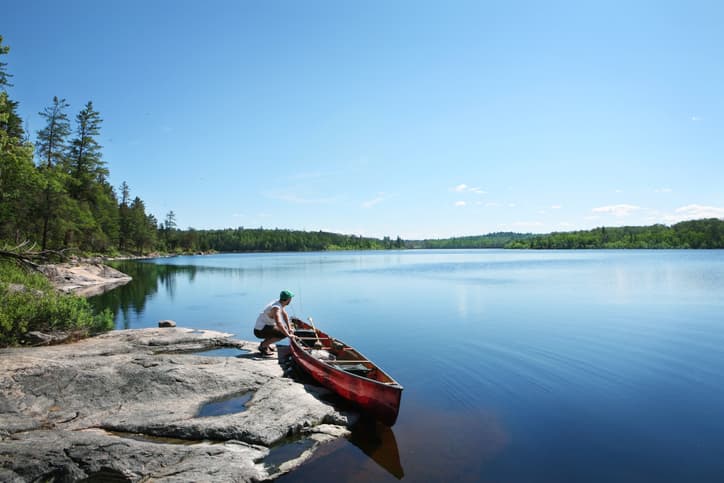
The Boundary Waters at a Crossroads: What Last Week's Senate Vote Actually Means for Hunters, Anglers, and Paddlers
On the morning of April 16, 2026, the United States Senate voted 50 to 49 to undo a twenty-year mining ban that had shielded the watershed of the Boundary Waters Canoe Area Wilderness. The resolution passed the House the week before, and it now sits on the president's desk, where it is expected to be signed. If you care about public lands, cold lakes, or the future of a place that has shaped American outdoor culture for a hundred years, last week was one of the biggest weeks in a generation — and most people outside Minnesota did not hear a word about it.
This is an attempt to explain what actually changed, what did not, and what hunters, anglers, and paddlers should pay attention to in the months ahead.
What the vote actually did
The measure overturns a 2023 Public Land Order from the Biden administration that withdrew 225,504 acres of the Superior National Forest from mineral and geothermal leasing. Those acres sit directly upstream of the Boundary Waters. The order was the legal foundation that had kept a proposed copper-nickel mine, pursued by Twin Metals Minnesota, frozen in place.
Twin Metals is a subsidiary of Antofagasta, a Chilean mining corporation. Its proposed project would sit between the towns of Ely and Babbitt, along Birch Lake, and would target deposits of copper, nickel, cobalt, and platinum group metals. Birch Lake is not inside the wilderness area. It is, however, connected by water to the Boundary Waters. Water moves downhill. That is the whole argument in a sentence.
Two Republican senators, Susan Collins of Maine and Thom Tillis of North Carolina, broke with their party to oppose the measure. Every other Republican voted for repeal. Every Democrat voted against it. The margin was a single vote.
What the vote did not do
The vote did not open a mine. It removed one major legal barrier to one being built. Twin Metals still has to clear a long list of state and federal permits, complete environmental review, secure mineral leases, and survive what will almost certainly be years of litigation. Minnesota, under Governor Tim Walz, has independent authority over state-level permitting and has signaled skepticism toward the project. Tribal nations, including the Bois Forte and Fond du Lac bands of the Lake Superior Chippewa, hold treaty rights in the region and have opposed the mine.
In other words, the Senate vote changed the odds, not the outcome. The fight is not over. It has just moved to a different battlefield.
Why sulfide-ore mining is the specific concern
Iron mining has been part of northern Minnesota's identity for more than a century. This is a different kind of mining. Copper and nickel in this region are bound up in sulfide ore. When sulfide rock is exposed to air and water, it produces sulfuric acid. That acid can dissolve heavy metals from the surrounding rock and carry them into the water table. The technical term is acid mine drainage, and it has a bad track record.
The Environmental Protection Agency has identified sulfide-ore copper mining as the single most polluting industrial activity in the United States. A review of similar mines around the world found that the majority of them leaked contaminants into local water. The concern is not that a catastrophic failure is inevitable. The concern is that low-level contamination is extremely common, extremely persistent, and in a watershed this interconnected, extremely hard to contain.
The Boundary Waters is not just a single lake. It is more than a thousand lakes, wired together by streams and portages, flowing north into Canada's Quetico Provincial Park and eventually into Hudson Bay. Water that enters the system near Ely does not stay there. It travels.
What is at stake for the outdoor community
The Boundary Waters is the most visited federally designated wilderness in the United States. About 150,000 people a year enter the permit zone. They fish walleye, smallmouth, lake trout, and northern pike. They hunt grouse and deer on surrounding national forest land. They run sled dogs in winter and paddle canoes in summer. The region supports a small but significant economy of outfitters, guides, resorts, and gear shops, most of them family-run.
It is also one of the last places in the lower forty-eight where a person can reasonably expect to spend a week without hearing an engine. That silence is not a coincidence. It is a legal designation, protected by the Wilderness Act of 1964 and reinforced by decades of state and federal action. A mine does not have to be inside the wilderness boundary to change that silence. A truck route, a tailings pond, a power line, a hundred new workers in Ely — each of these shifts the character of the place.
Supporters of the project make a real argument in response. They point to domestic mineral supply, jobs in a region that has lost them, and the awkward fact that the electric vehicles and renewable energy projects that many conservation voters support are built with copper, nickel, and cobalt. Those minerals have to come from somewhere. If not here, where, and at what environmental cost to that somewhere else?
That tension is not going away. It is the central knot of twenty-first century conservation policy, and the Boundary Waters is the sharpest version of it in the country.
What to watch next
Three things will determine what happens over the next eighteen months. The first is Minnesota state permitting. The state can still slow or block the project through its own review processes, and it has shown willingness to do so. The second is litigation. Environmental groups, tribal nations, and the state attorney general are expected to file suit within weeks of the president's signature. Federal courts have handed down mixed rulings on similar projects, and the legal process will take years. The third is public attention. Polls consistently show that roughly seventy percent of Minnesotans, and a clear majority of Americans overall, oppose mining in the Boundary Waters watershed. Whether that opposition translates into sustained political pressure — or fades by summer — will shape what elected officials do next.
The bottom line
If you hunt, fish, paddle, or simply care about public land, the Boundary Waters fight is not a Minnesota story. It is a test case for how the country balances domestic minerals, working-class jobs, tribal rights, and the protection of places that cannot be rebuilt once they are damaged. The Senate cast a vote last Thursday. The rest of the decision is still open.
If the Boundary Waters has ever mattered to you, now is the moment to say so — to your senators, to your governor, and to the outfitters and guides whose livelihoods depend on the place staying what it is. Quiet does not defend itself.
In the market for gear?
Browse verified secondhand listings at 40–60% below retail — or turn the gear hanging in your closet into cash.
More Articles
Ready to find your next deal?
Browse hundreds of used hunting gear listings from verified sellers.
The Second Nature Newsletter
The best used hunting gear deals and reads like this one, in your inbox. Free, no spam, unsubscribe anytime.
Fresh on the marketplace
Verified sellers, 40–60% below retail.
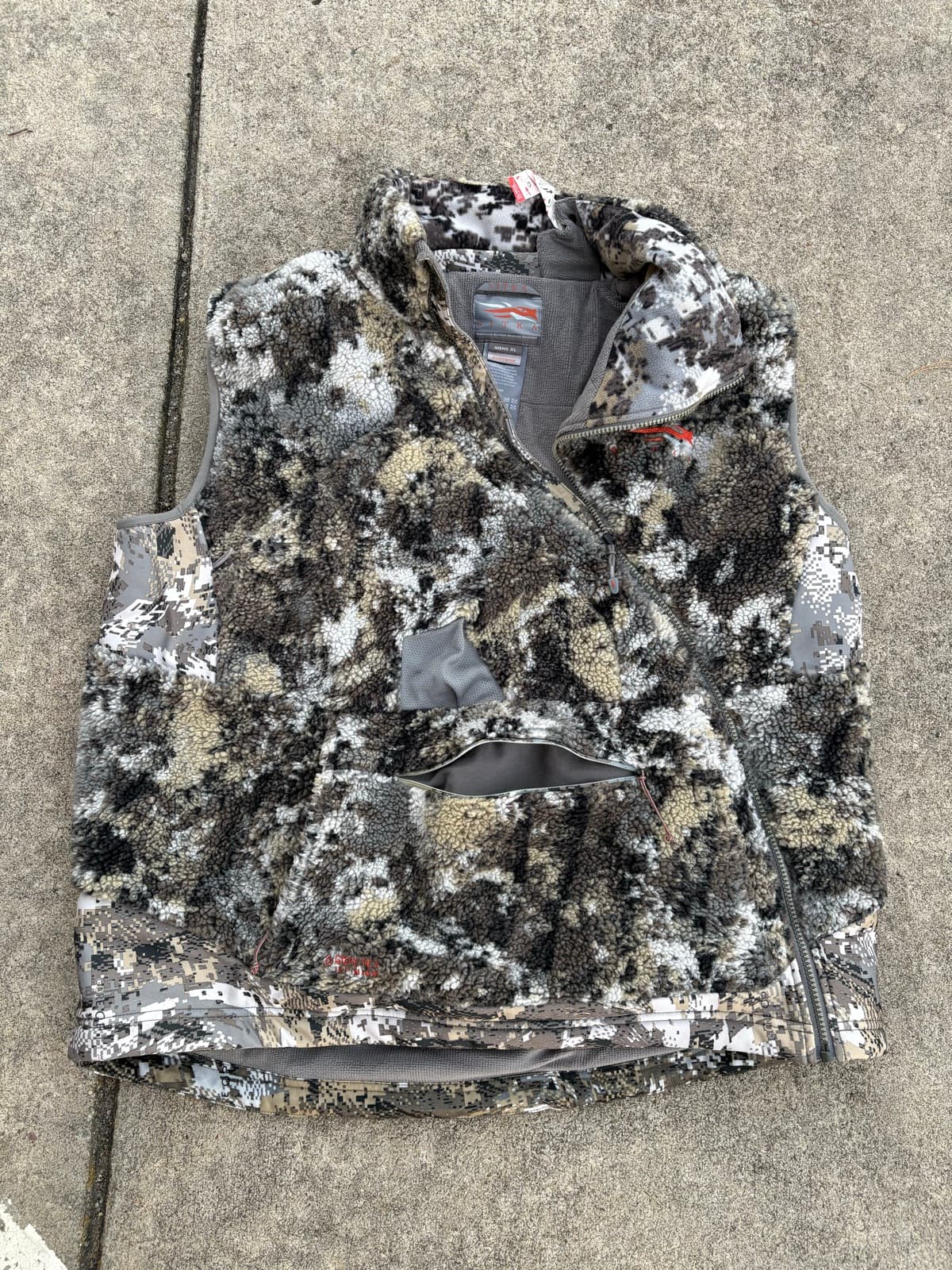
Sitka Fanatic Vest
$230.0020% off
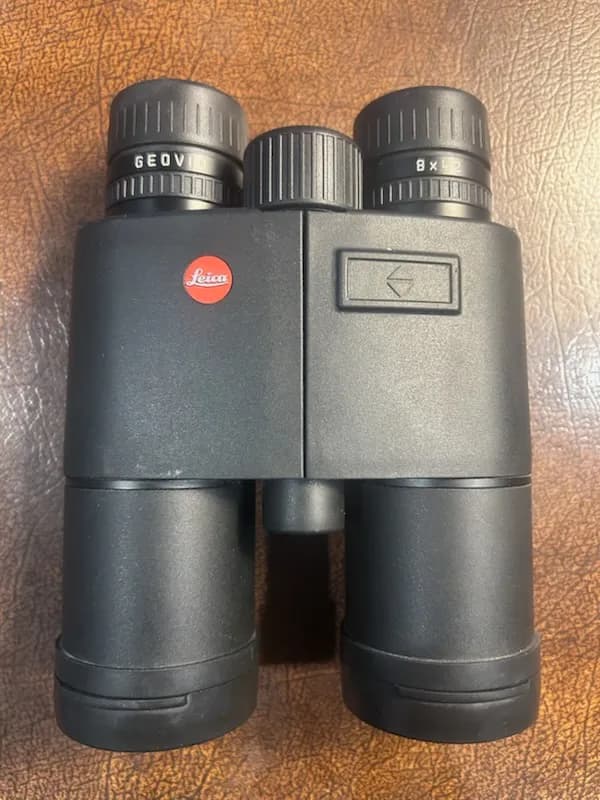
Leica Geovid 8 x 42 Binoculars with Rangefinder
$1,000.0060% off
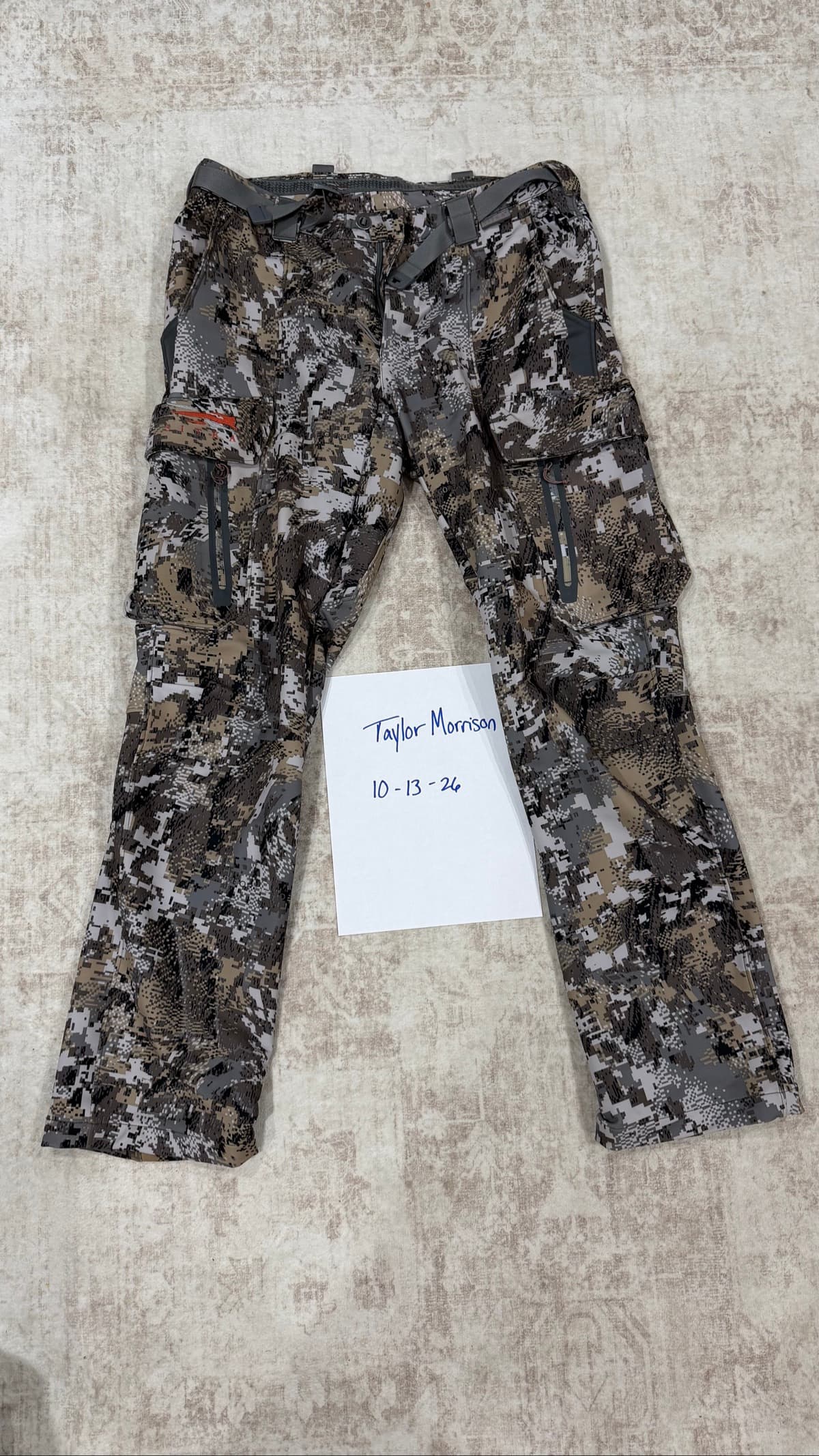
Sitka Equinox Guard Pant
$125.0037% off