
The Complete Elk Hunting Gear List: What You Actually Need in the Backcountry
Elk hunting in the Western mountains is the most physically demanding pursuit in North American hunting. You’re covering 5 to 15 miles a day over steep, rocky terrain at elevations where the air is thin and the weather changes by the hour. Morning temperatures hover near freezing. By noon you’re sweating through a climb in 60-degree sun. By evening a thunderstorm rolls in and drops the temperature 30 degrees.
Your gear needs to handle all of it without weighing you down. Every extra ounce in your pack compounds over miles and days. The wrong gear doesn’t just make you uncomfortable. It can end your hunt early or put you in a dangerous situation.
Here’s the essential elk hunting gear list, built around the layering system that keeps mountain hunters alive and effective.
Base Layer: The Foundation
Your base layer manages moisture. When you’re climbing 2,000 vertical feet to a glassing knob, you’re going to sweat. If that sweat sits against your skin when you stop to glass, you’ll get cold fast. Merino wool is the standard because it wicks moisture, insulates when wet, and resists odor across multi-day hunts where laundry isn’t an option.
KUIU’s Peloton 97 ($119) is a favorite for high-output days. First Lite’s Llano Crew ($80) is lighter for early season. Sitka’s Core Lightweight Hoody ($99) splits the difference. For colder conditions, step up to a midweight like KUIU’s Peloton 200 ($139) or Sitka’s Core Midweight ($149).
Used base layers from these brands sell for $40 to $80. Merino holds up well through multiple owners.
Mid Layer: Insulation That Moves
Your mid layer provides warmth when you’re not moving. It needs to be packable enough to stuff into your pack during climbs and warm enough to keep you comfortable during long glassing sessions. Down and synthetic puffy jackets are the standard.
KUIU’s Super Down Pro ($399) is ultralight and packs tiny. First Lite’s Uncompahgre ($285) uses synthetic insulation that retains warmth when wet. Sitka’s Kelvin Lite Down ($279) balances weight and warmth well. Used, these run $140 to $220.
Some hunters carry two mid layers: a lightweight fleece like the KUIU Kenai Hoody ($179) for active insulation, and a puffy for sitting still. That redundancy adds a few ounces but dramatically increases your temperature range.
Outer Layer: Wind and Weather Protection
Your softshell is what you wear while hunting. It blocks wind, resists light rain, and moves quietly through brush. Sitka’s Jetstream ($299), KUIU’s Guide ($299), and First Lite’s Catalyst ($315) are the go-to options. They stretch for unrestricted movement on steep terrain and dry quickly if you get caught in a shower.
For sustained rain, you need dedicated rain gear. A Gore-Tex rain jacket and pants are non-negotiable in the mountains. Sitka’s Cloudburst ($399), KUIU’s Chugach ($379), or First Lite’s Specter ($375) will keep you dry in a full downpour. Hypothermia is a real risk above 9,000 feet when a storm catches you exposed.
Used softshells sell for $140 to $200. Used rain gear runs $150 to $250. These are high-value secondhand purchases because the Gore-Tex membrane lasts for years.
Boots: Where You Cannot Compromise
Mountain hunting boots are the one category where used gear requires the most scrutiny. Your boots need to support loaded ankles on sidehill traverses, grip wet rock, and keep your feet dry through creek crossings. A blown-out boot at mile eight is a survival problem, not an inconvenience.
Crispi’s Idaho II GTX ($480) is the industry standard for good reason. Schnee’s Granite ($400) offers American-made quality. Danner’s Pronghorn ($250) is the budget entry point that still performs. Lowa, Kenetrek, and Meindl also have strong options.
If buying used boots, check sole wear (particularly on the heel and ball), inspect the waterproof membrane by pressing firmly on the tongue and flexing the boot, and verify the midsole hasn’t compressed. A quality used boot with 60 percent tread life remaining is still a great deal at $200 to $320.
Pack: Your Most Critical Tool
An elk hunting pack isn’t a backpack. It’s a load-hauling system designed to carry 80 to 100 pounds of boned-out elk quarters off a mountain. The frame matters more than the bag. Mystery Ranch’s Metcalf ($425), Stone Glacier’s Krukka ($375), and Exo Mountain Gear’s K3 ($525) are the standards. Kifaru builds bombproof options for hunters who prioritize durability over weight.
Used hunting packs sell for $200 to $375, and since the frames are built from aircraft-grade aluminum or carbon fiber, they don’t wear out the way fabric does. Check the hip belt padding, shoulder straps, and frame connection points.
Optics: Your Eyes in Elk Country
You’ll spend more time behind binoculars than behind your rifle on an elk hunt. Good glass is the difference between locating a herd bull at two miles and walking past him. Vortex Razor UHD 10x42 ($1,400) is the aspirational choice. Vortex Viper HD ($600) is the sweet spot. Maven B.1 ($350) punches above its price.
A rangefinder is critical for shots across canyons and meadows. A spotting scope helps confirm antler points at distance. Used optics from Vortex carry a lifetime transferable warranty, which makes them one of the safest secondhand purchases you can make.
Build the Kit Smart
A full elk backcountry system runs $2,000 to $3,500 at retail. On Second Nature USA, you can build that same kit for $1,000 to $1,800 by buying used from hunters who’ve upgraded or switched systems. Filter by brand and category to find exactly the layering pieces, boots, and packs you need without sorting through whitetail bibs and waterfowl waders.
The mountain doesn’t care what you paid for your gear. It only cares whether your gear can handle what it throws at you.
In the market for gear?
Browse verified secondhand listings at 40–60% below retail — or turn the gear hanging in your closet into cash.
More Articles
![How to Sell Used Hunting Gear Online [Step-by-Step]](/_next/image?url=https%3A%2F%2Fcarponigexzncthkkdtd.supabase.co%2Fstorage%2Fv1%2Fobject%2Fpublic%2Fproduct-photos%2Fblog%2F1774013975000-xv6uek.webp&w=1920&q=75&dpl=dpl_GMw6cE1jyXAKTp9nD55pvcEXn77A)
Ready to find your next deal?
Browse hundreds of used hunting gear listings from verified sellers.
The Second Nature Newsletter
The best used hunting gear deals and reads like this one, in your inbox. Free, no spam, unsubscribe anytime.
Fresh on the marketplace
Verified sellers, 40–60% below retail.
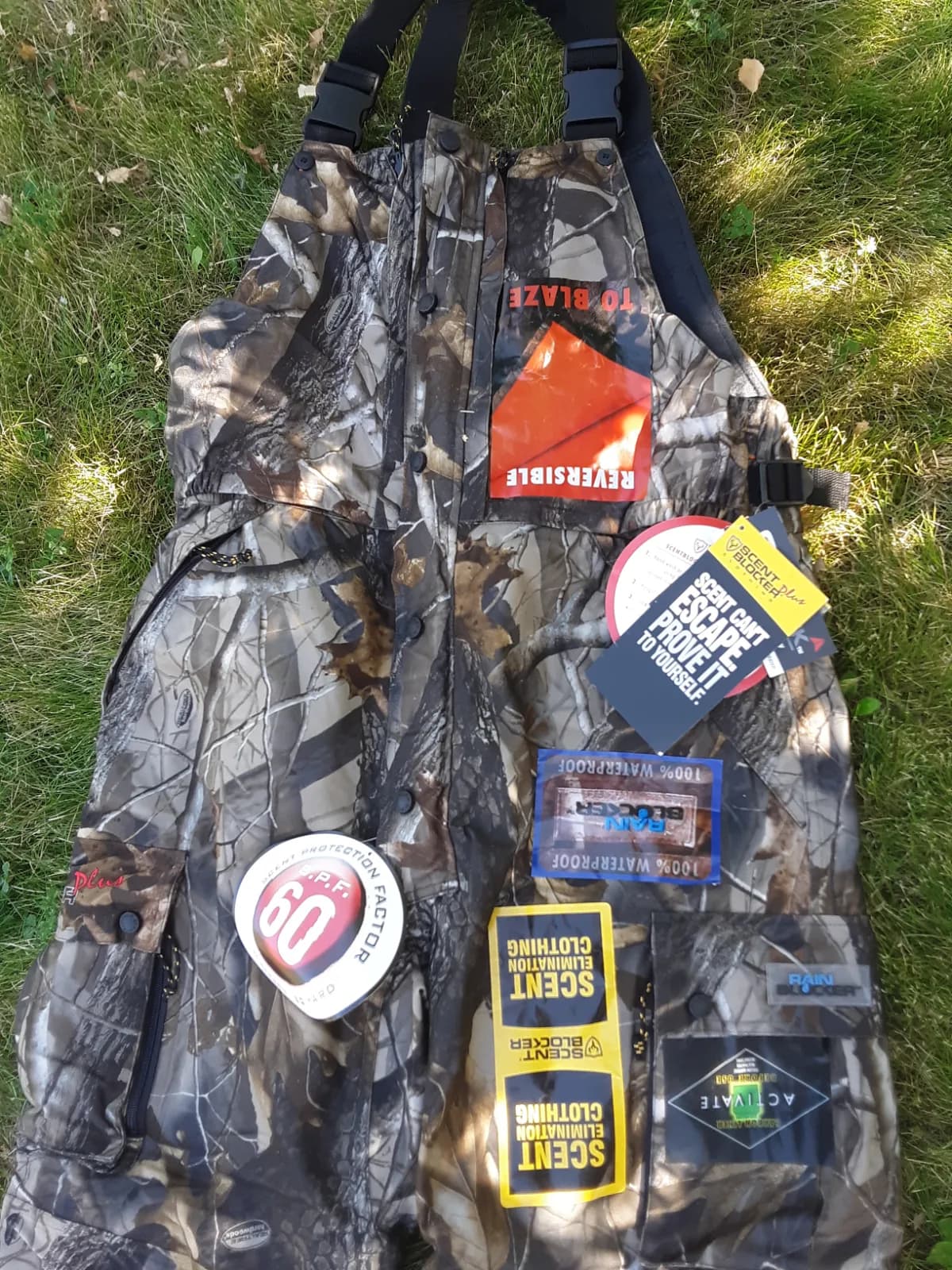
NEW! Scent Blocker Prohunter camo bib in Men's large
$119.00
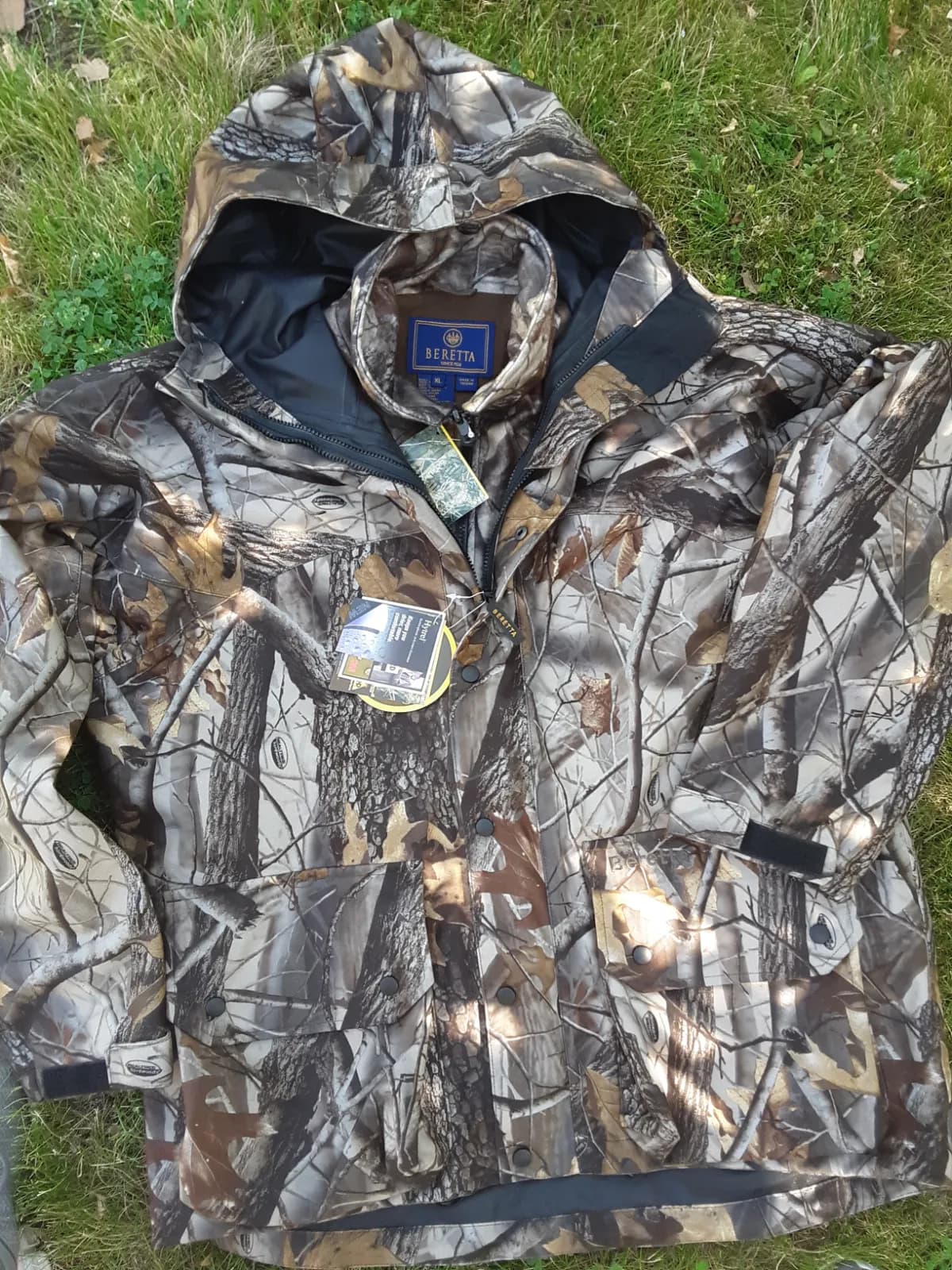
NEW Beretta heavy-weight rain coat with separate fleece jacket, men's XL
$225.00
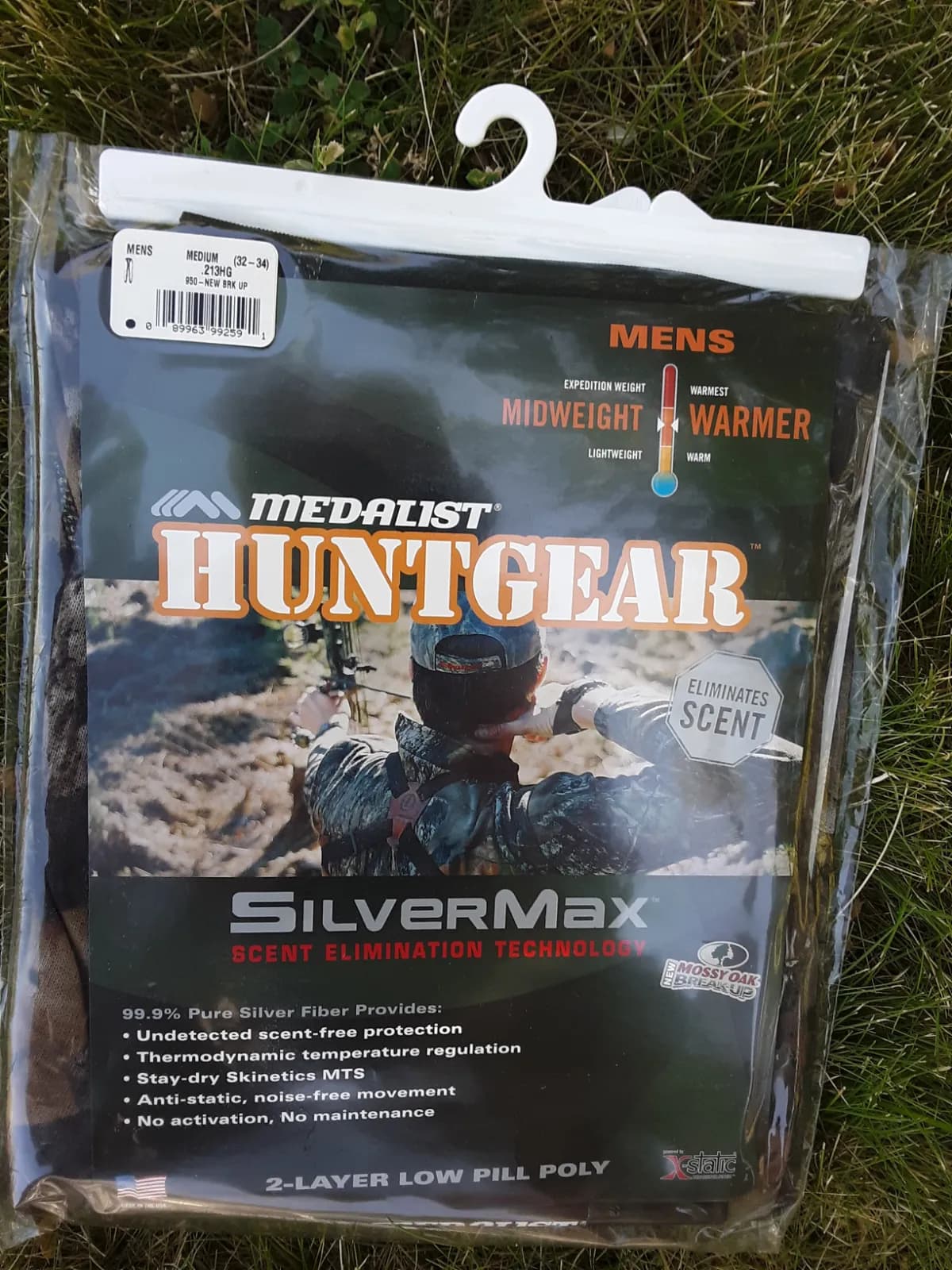
NEW Medalist Huntgear, level 1 warmer bottoms, men's medium
$20.0033% off