
Tips & Advice6 min readMar 30, 2026by Mac Sage
Shed Hunting in 2026: Where to Look, When to Go, and What the Rules Are
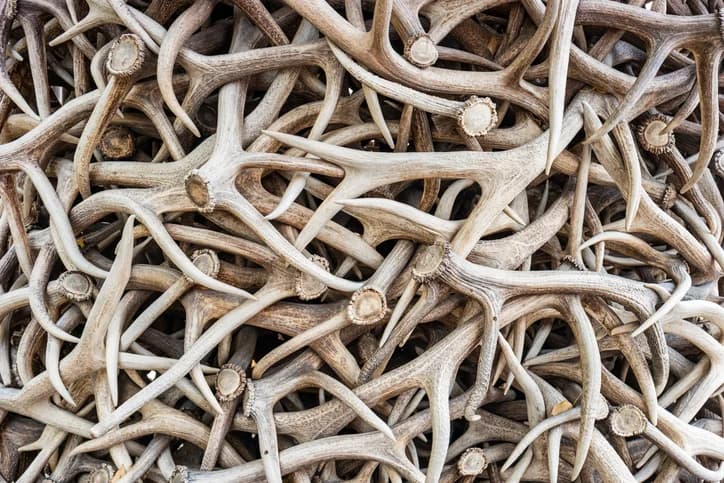
There's a reason shed hunting has exploded in popularity over the last decade. It gets you outdoors during the offseason, sharpens your scouting skills for fall, and — if you know what you're doing — puts bone in your hands that's worth real money or makes for one hell of a conversation piece above the fireplace. But shed hunting isn't as simple as wandering into the mountains and hoping to trip over a set of elk antlers. Timing, terrain, regulations, and strategy all matter. Here's everything you need to know heading into the 2026 shed season.
When Antlers Hit the Ground
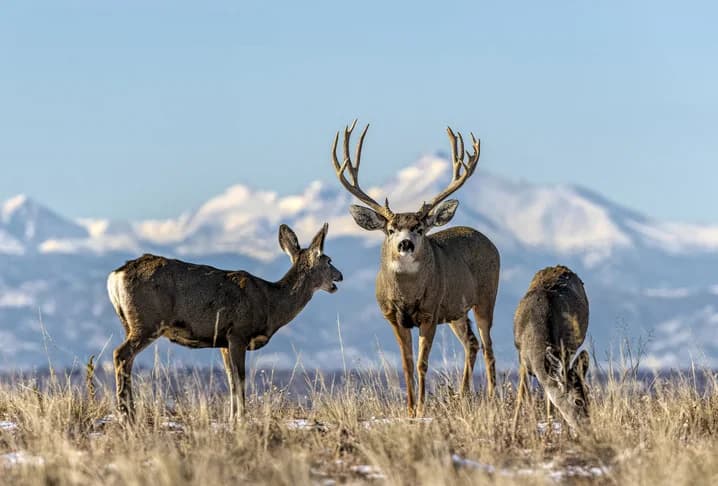
Timing is the most important variable in shed hunting, and it varies by species, geography, and the individual animal. Rocky Mountain elk bulls typically drop their antlers between late February and mid-April, with the peak window falling in late February through mid-March. Mule deer bucks tend to run a week or two behind that schedule, shedding from early March through early April. Whitetail bucks in northern states usually shed between January and March, depending on latitude and the severity of the winter.
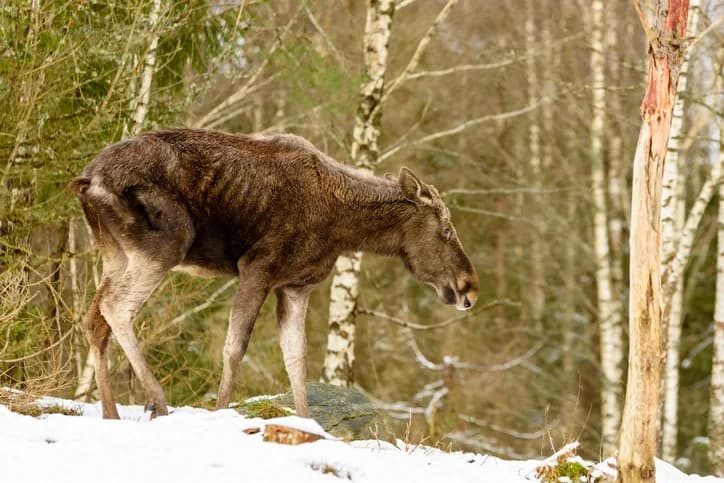
Several factors influence when a specific animal drops its antlers. Nutritional stress, injury, age, and testosterone levels all play a role. A bull that came through the rut in rough shape and faced a hard winter will likely shed earlier than a well-fed bull on good range. This is why scouting the condition of the herd heading into late winter can give you an edge — if animals in your area look stressed and thin, antlers are probably already on the ground.
Where to Focus Your Search
Knowing when antlers drop is only half the equation. Knowing where to look is what separates the hunters who come home with a truckload from those who come home empty-handed.
South-facing slopes are your best friend in early spring. These exposures warm up first, melt out earliest, and are where wintering elk and deer spend the most time soaking up solar energy. Focus on the transition zones between bedding cover and feeding areas — the ridgelines, benches, and saddles where animals move between timber and open grass. Pinch points in the terrain, such as narrow draws, creek crossings, and fence lines, are high-probability spots because the physical effort of jumping or ducking can jar a loose antler free.
Feeding areas themselves are also worth covering methodically. Agricultural fields, hay meadows, and CRP ground adjacent to winter range often hold sheds, especially from whitetails. For elk, look at the south-facing sagebrush and bunchgrass hillsides where herds congregate from January through March.
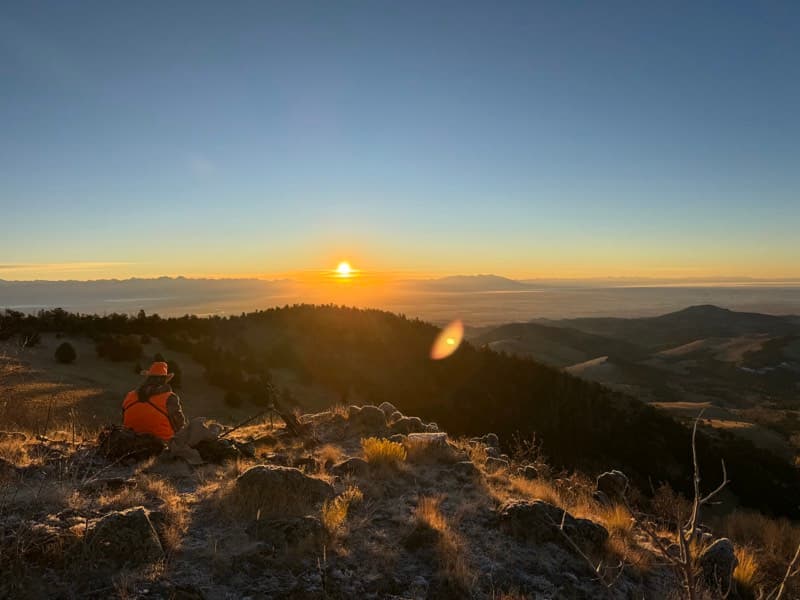
Pro Tip: Glass Before You Walk. Bring binoculars, find a high point with a good vantage, and spend time scanning open ground before committing to a route. You can cover far more terrain glassing than you can on foot, and a white or brown antler tine against green-up grass is surprisingly visible from several hundred yards away.
When you find one side, slow down immediately. Both antlers from a bull or buck typically drop within hours or days of each other, and the matching side is almost always within a half-mile radius. Work a tight grid from where you found the first side rather than continuing on your original route.
Regulations Are Tightening — Know Before You Go
One of the biggest shifts in shed hunting over the past few years is the increasing number of regulations governing when and where you can collect antlers. What used to be a completely unregulated activity now comes with rules in many western states, and the penalties for violating them can be steep.
Colorado
Collection prohibited on all public lands west of I-25 from Jan. 1 – April 30. Fines and confiscation for violations.
Montana
No statewide season for residents on most public land. Nonresidents need a $50 WMA license + 7-day waiting period after WMA opening. Blackfoot-Clearwater WMA closed to nonresidents until May 22.
Wyoming
No collection on public land west of the Continental Divide until May 1. Online education course required.
Utah
Seasonal closures on certain wildlife management units; dates vary by unit.
Idaho & Nevada
Dedicated shed hunting license required for both residents and nonresidents.
New Mexico
Shed hunting license required for nonresidents only.
Oregon
No license required. Seasonal closures enforced on certain wildlife areas.
The common thread across all of these regulations is wildlife welfare. Late winter and early spring are the hardest months for big game animals, and human pressure during this period — even from well-intentioned shed hunters — can push stressed animals off critical winter range and contribute to mortality. Respecting closures isn't just about avoiding a fine; it's about ensuring the herds you depend on for fall hunting stay healthy.
Gear You Actually Need
Shed hunting doesn't require a massive gear investment, but a few items make the experience significantly more productive and comfortable. Quality hiking boots are non-negotiable — you're going to cover miles, often on steep and uneven terrain that's still muddy or snow-covered in March. A good daypack with water, snacks, and layers will keep you in the field longer. Binoculars, as mentioned, are essential for glassing open country. A GPS app like onX or HuntStand helps you track where you've been, mark finds, and avoid trespassing on private land.
Some shed hunters swear by trekking poles for stability on sidehills, and they double as a tool for flipping brush or poking into grass where you think you spotted a tine. If you're planning to cover serious distance, consider running a lightweight setup — trail running shoes and a minimalist pack — to maximize the ground you cover in a day.
Why Shed Hunting Makes You a Better Hunter
Beyond the obvious appeal of finding antlers, shed hunting is one of the best scouting tools available to a big game hunter. Every mile you walk in March teaches you something about how animals use the landscape during winter, which translates directly to understanding their fall patterns. You'll find trails, bedding areas, wallows, and feeding zones that inform where you hang stands or set up ambush points months later. The time you invest in shed hunting pays dividends when September rolls around and you already know the country like the back of your hand.
So lace up your boots, check the regulations in your state, and get out there while there's still plenty to be found. The window doesn't stay open forever.
In the market for gear?
Browse verified secondhand listings at 40–60% below retail — or turn the gear hanging in your closet into cash.
More Articles
Ready to find your next deal?
Browse hundreds of used hunting gear listings from verified sellers.
The Second Nature Newsletter
The best used hunting gear deals and reads like this one, in your inbox. Free, no spam, unsubscribe anytime.
Fresh on the marketplace
Verified sellers, 40–60% below retail.
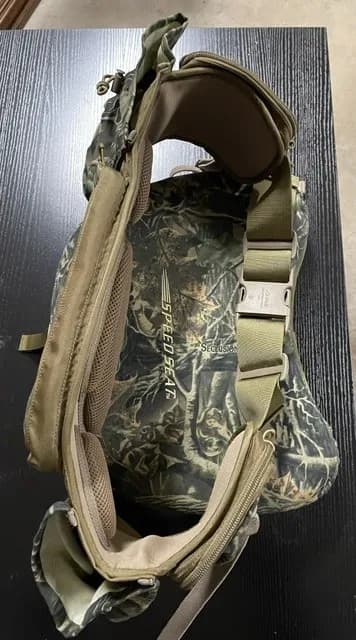
Cabela’s Speedseat Turkey Seclusion 3D Camo Vintage Hunting Built-In Seat
$60.00
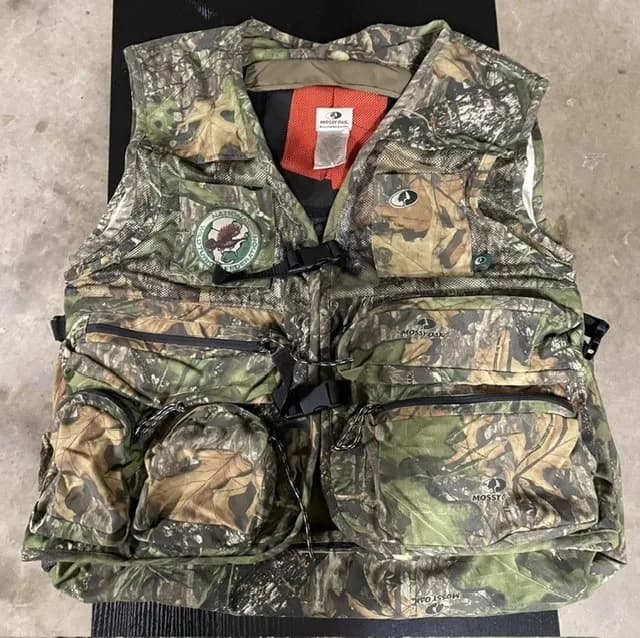
Russell Outdoors Treklite Super Elite III Turkey Vest
$100.0023% off
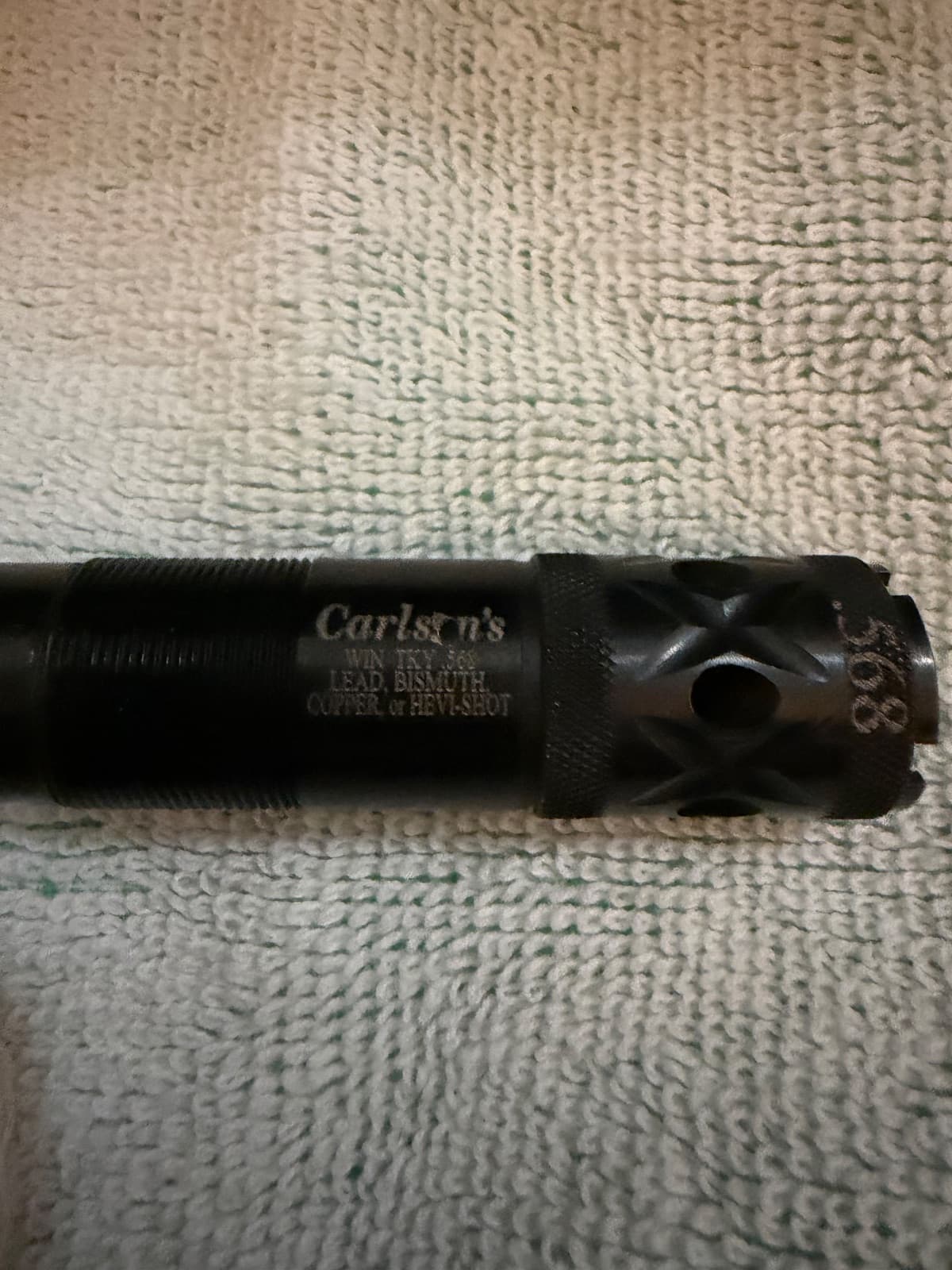
Carlsons Turkey choke .568
$40.0041% off