
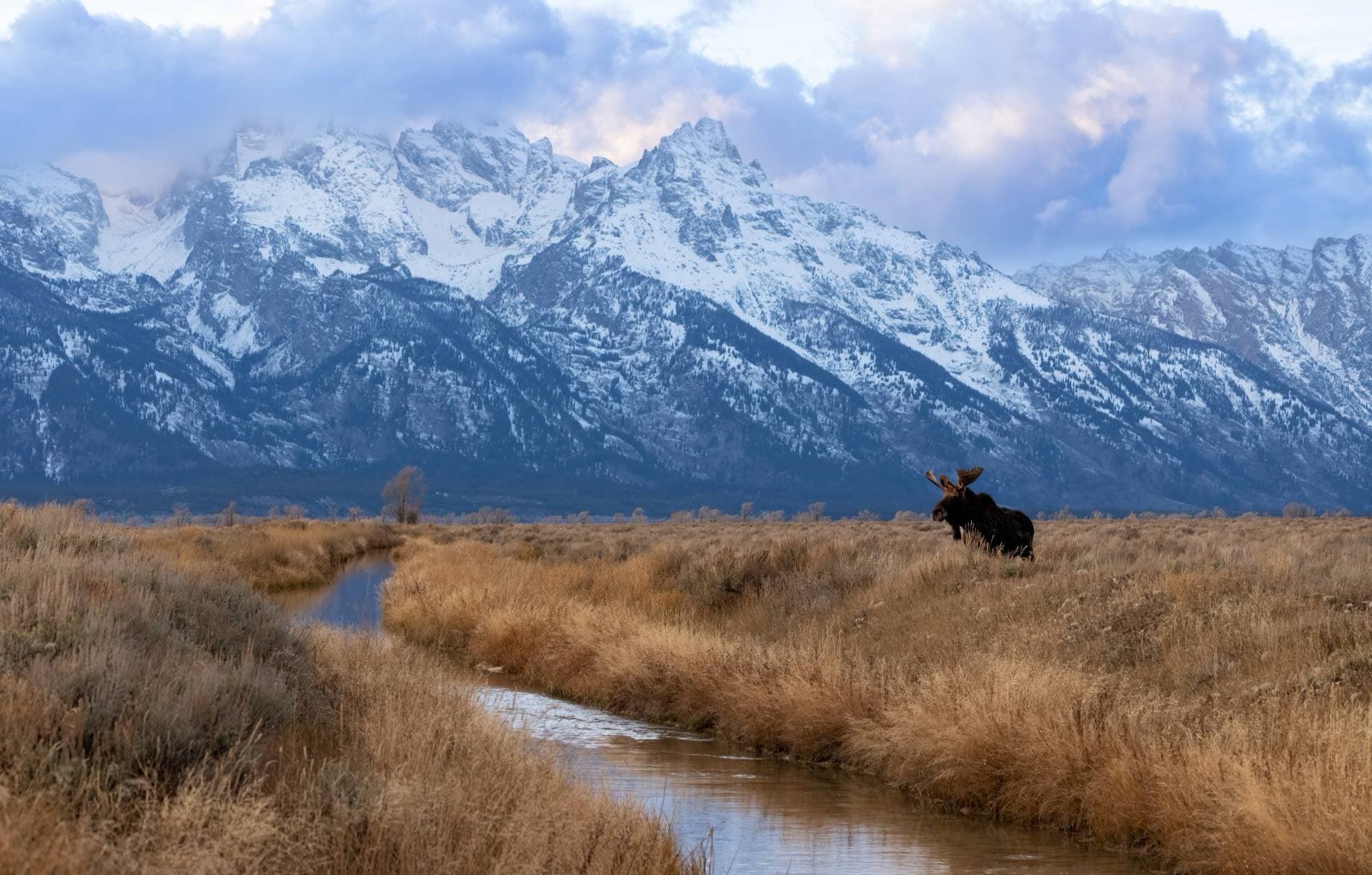
Open Unless Closed: The Federal Push to Expand Hunting on Public Lands
In January 2026, Interior Secretary Doug Burgum signed Secretarial Order 3447, a sweeping policy directive that fundamentally shifts how the federal government manages recreational hunting access across hundreds of millions of acres of public land. The order establishes what officials are calling an "open unless closed" framework, meaning that hunting and other traditional outdoor activities will be presumed permissible on Department of the Interior lands unless a specific legal, safety, or conservation rationale justifies a closure. The move has ignited one of the most consequential debates in modern public lands management, drawing passionate responses from hunters, conservation organizations, and park advocates alike.
What the Order Covers
The order applies to properties managed by the Bureau of Land Management, the U.S. Fish and Wildlife Service, the Bureau of Reclamation, and certain units of the National Park Service where hunting is already authorized by enabling legislation. Critically, iconic national parks such as Yellowstone and Yosemite, where hunting has been prohibited since their establishment, are not affected.
However, the directive instructs Park Service staff to review all existing hunting regulations within park units that do allow hunting and to provide recommendations for expanding those opportunities wherever possible. This review process alone represents a significant shift in institutional posture, moving from a historically cautious approach toward one that actively seeks to increase hunter access.
The Case for Expanding Access
Supporters of the order argue that it corrects decades of regulatory drift that has gradually restricted lawful outdoor activities on lands that belong to the American people. Pheasants Forever, one of the nation's largest conservation-focused hunting organizations, praised the move, stating that designating DOI-managed lands as open unless closed will remove regulatory barriers and increase alignment with states, tribes, and territories that hold primary authority for wildlife management.
The National Wildlife Federation likewise endorsed the policy, calling it a win for local communities, small businesses, and future generations who depend on access to public lands for recreation and economic livelihood.
The Economic Impact
The economic argument behind the order is substantial. The Interior Department estimates that outdoor recreation across its 480 million acres supports roughly:
- $1.2 trillion in economic output
- Approximately 5 million jobs
- More than 2% of the nation's GDP
Proponents contend that unnecessary regulatory barriers to hunting and other outdoor activities directly undermine these economic contributions, particularly in rural communities where public land access is central to local economies and cultural identity.
Conservation Concerns
The order has drawn sharp criticism from conservation advocates who see it as a politically motivated gesture rather than sound policy. The National Parks Conservation Association responded by pointing out that the order aims for access that already exists across many national park units. The organization noted that at a time when park staffing is at historic lows, with more than 25% of park experts lost since January 2025, the Secretary should be investing in professional wildlife management rather than exploring new bureaucratic processes.
Critics argue that expanding hunting opportunities without adequate staff to manage them could undermine the very wildlife populations that hunters depend on.
The Legal Landscape
The legal landscape surrounding the order is complex. The National Park Service Organic Act, which established the agency in 1916, directs it to conserve resources and provide for public enjoyment in a manner that leaves them unimpaired for future generations. This foundational mandate has historically been interpreted to restrict activities like hunting within most park boundaries unless Congress has specifically authorized them.
While Secretarial Order 3447 does not override the Organic Act or any individual park's enabling legislation, critics worry that the aggressive posture toward expansion could lead to legal challenges and create confusion about where hunting is and is not permitted.
Alaska Connection
The order has also prompted a parallel proposed rulemaking for Alaska's national preserves. The Department of the Interior announced plans to restore state-aligned hunting and trapping regulations on these preserves, rescinding changes made in 2015, 2017, and 2024 and returning to the framework established under the Alaska National Interest Lands Conservation Act of 1980. This Alaska-specific proposal has its own set of supporters and detractors, with wildlife management experts debating whether federal or state regulations better serve the unique ecological conditions of the Last Frontier.
What This Means for Hunters
As the public comment periods proceed and agency reviews move forward, the "open unless closed" policy stands as a defining moment for public lands management in the United States. It forces a reckoning with fundamental questions about:
- The purpose of public lands
- The relationship between federal and state authority over wildlife
- The balance between expanding recreational access and preserving ecological integrity
For millions of hunters and outdoor enthusiasts, the outcome of this policy shift will shape the landscape of American outdoor recreation for years to come. What is clear is that the conversation about who gets to use public lands, and for what purposes, has entered a new and consequential chapter.
In the market for gear?
Browse verified secondhand listings at 40–60% below retail — or turn the gear hanging in your closet into cash.
More Articles
![How to Sell Used Hunting Gear Online [Step-by-Step]](/_next/image?url=https%3A%2F%2Fcarponigexzncthkkdtd.supabase.co%2Fstorage%2Fv1%2Fobject%2Fpublic%2Fproduct-photos%2Fblog%2F1774013975000-xv6uek.webp&w=1920&q=75&dpl=dpl_GMw6cE1jyXAKTp9nD55pvcEXn77A)
Ready to find your next deal?
Browse hundreds of used hunting gear listings from verified sellers.
The Second Nature Newsletter
The best used hunting gear deals and reads like this one, in your inbox. Free, no spam, unsubscribe anytime.
Fresh on the marketplace
Verified sellers, 40–60% below retail.
NEW! Scent Blocker Prohunter camo bib in Men's large
$119.00
NEW Beretta heavy-weight rain coat with separate fleece jacket, men's XL
$225.00
NEW Medalist Huntgear, level 1 warmer bottoms, men's medium
$20.0033% off