
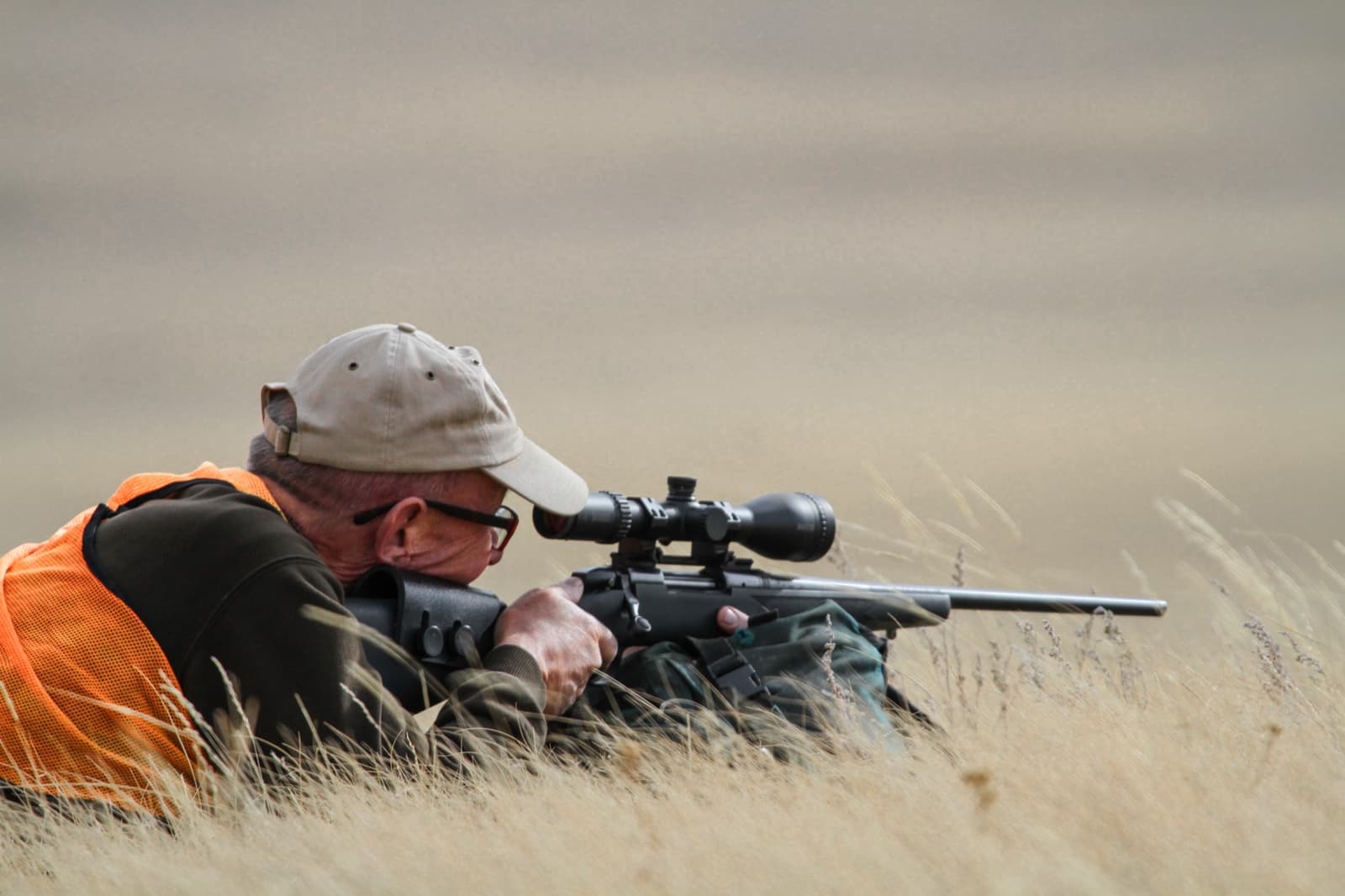
Sunday Hunting Laws in 2026: The State-by-State Fight Explained
For nearly two centuries, American hunters living east of the Mississippi grew up with a strange reality: the best day of the weekend for being in the woods was also the one day the law said they had to stay home. The so-called "blue laws" that prohibited Sunday hunting were adopted by most colonial-era states as part of a broader Sabbath protection movement, and they lingered in state code long after the country's religious and recreational habits shifted. In 2026, those laws are falling fast — but the fight is not quite finished, and the details vary enormously from one state line to the next.
Here is where Sunday hunting stands in the United States this year, and why the debate continues to dominate Google searches, committee hearings, and turkey camp arguments across the country.
The Shrinking List of Holdouts
At the start of this decade, only a handful of states still enforced broad Sunday hunting prohibitions. Pennsylvania, Virginia, West Virginia, Maine, and Massachusetts were the five most restrictive, with additional partial bans in Connecticut, Delaware, New Jersey, North Carolina, and South Carolina. Through a slow stream of repeals, reforms, and compromises, that list is now half what it was in 2020.
The Congressional Sportsmen's Foundation, which tracks Sunday hunting restrictions as one of its signature policy priorities, counts only a small number of states with meaningful statewide bans remaining in 2026. The rest have either fully legalized Sunday hunting, legalized it on private land with landowner permission, or opened it on specific classes of public land with agency approval.
Pennsylvania: The Domino Finally Falls
No state's Sunday hunting fight was longer or louder than Pennsylvania's. For generations, hunters could only pursue game on three specific Sundays each year — an awkward compromise that pleased almost no one. That changed with House Bill 1431, introduced by Rep. Mandy Steele of Allegheny County, which fully repealed Pennsylvania's Sunday hunting ban and authorized the Pennsylvania Game Commission to expand hunting opportunities on Sundays at its discretion.
For the 2025–26 season, the Game Commission has taken a gradual approach. Sunday hunting on state parks is limited to three specific dates — November 16, November 23, and November 30 — while state forests are open on all Sundays approved by the Commission. Private landowners can set their own rules without needing state permission, a major shift for the nearly 700,000 licensed hunters in the commonwealth.
Pennsylvania's reform has produced measurable ripples. Google search interest for "Sunday hunting" in 2026 spiked alongside news coverage of the bill's final passage, and neighboring West Virginia legislators cited the change repeatedly during their own hearings earlier this spring.
Virginia: A Quiet Revolution
Virginia once stood shoulder-to-shoulder with Pennsylvania as a Sunday hunting holdout, but its path to reform was different — quieter, more gradual, and ultimately more sweeping. The first major change came in 2014, when Gov. Terry McAuliffe signed House Bill 1237, which amended Virginia code to allow Sunday hunting on private property and on state waters. The law included carve-outs near houses of worship, a nod to the original rationale behind the ban.
In 2022, Gov. Glenn Youngkin signed Senate Bill 8, which extended Sunday hunting to public lands across the Commonwealth. That legislation closed the remaining gap and effectively ended the statewide prohibition. Virginia hunters can now chase deer, turkey, and small game on almost any Sunday of the legal season, on almost any land where the activity would otherwise be permitted.
West Virginia: A Patchwork That Works
West Virginia's approach is arguably the most practical of the former holdout states. Under Section 20-2-5 of the West Virginia Code, hunters may pursue game on Sundays on private land with the written consent of the landowner, on federal land where hunting is otherwise permitted, in state forests, on land owned or leased by the state for wildlife purposes, and on land managed by the state under wildlife cooperative agreements.
That framework creates a hunter-friendly patchwork without mandating one-size-fits-all statewide access. Landowners who want to protect their properties for Sunday foot traffic can simply decline to give consent. In practice, West Virginia has seen no documented increase in conflicts between hunters and landowners since the law took full effect.
The Southeast's Uneven Landscape
South Carolina and North Carolina provide a study in contrasts. South Carolina allows Sunday hunting on private land and on public waterways for waterfowl, a carve-out designed largely to support the state's coastal duck-hunting culture. Public-land Sunday hunting for other game, however, remains restricted in much of the state. North Carolina similarly limits Sunday hunting on public game lands but permits it on most private property, with some county-level variations that have made national news more than once.
Georgia, Alabama, Tennessee, Mississippi, Kentucky, and Florida all permit Sunday hunting in some form. The Southeast, despite its strong Sabbath tradition, has largely moved past the blue-law era when it comes to hunting specifically.
New England's Resistance
The most restrictive region in 2026 remains New England. Maine and Massachusetts continue to enforce strict prohibitions on Sunday hunting, with very narrow exceptions. Hunters and sportsmen's organizations in both states have lobbied for reform for years. Bills are reintroduced nearly every legislative session. Nearly every one dies in committee.
Opposition in these states is driven less by religious sentiment and more by modern pressure from hikers, dog-walkers, birders, and second-home owners, who argue that Sunday should remain a "safe day" for non-hunters to use the woods. Hunting groups counter that six days of the week still leaves plenty of opportunity for shared use, and that shutting hunters out of one day of the weekend is a de facto 50% reduction in access for anyone working a five-day job.
Connecticut and New Jersey occupy middle ground. Both states have expanded Sunday hunting in recent years on specific lands and for specific game, but neither has fully repealed the old framework.
Why It Keeps Trending
Sunday hunting search traffic hit breakout levels on Google Trends this spring — rising alongside searches for spring turkey season. That correlation is not an accident. A majority of working-age hunters have exactly two days off per week, and losing one of them to a law written in the 1790s feels increasingly absurd in a year when licensed hunter numbers are flat and participation is being actively recruited by state wildlife agencies.
The economic argument also keeps the issue in committee rooms. A 2020 analysis commissioned by Virginia's legislature estimated that each additional Sunday of hunting generated tens of millions of dollars in license fees, fuel, lodging, and meals statewide. Multiply that across several weekends and several states, and the revenue numbers become a powerful argument for reform.
Where Things Go From Here
In 2026, the remaining Sunday hunting debate is no longer about whether the old bans will fall. It is about when, and what the replacement framework should look like. The three dominant models are now clear: Pennsylvania's agency-authorized approach, Virginia's full repeal, and West Virginia's private-land-consent structure. Each has its defenders and critics, and each offers a template for Maine, Massachusetts, and the remaining partial-ban states to borrow from.
For hunters, the simplest rule remains the oldest one: always check your state agency's current regulations before heading afield on a Sunday. The law in your state today may not be the law you grew up with. More often than not, that is good news.
Sources:
- Pennsylvania Game Commission — Sunday Hunting
- NRA-ILA Facts at a Glance: Sunday Hunting
- Congressional Sportsmen's Foundation — Sunday Hunting Restrictions
- Safari Club International — Sunday Hunting Restrictions
- West Virginia Code Section 20-2-5
- Pennsylvania Legislative Budget & Finance Committee — Sunday Hunting Report
In the market for gear?
Browse verified secondhand listings at 40–60% below retail — or turn the gear hanging in your closet into cash.
More Articles
The Yellowstone Cougar Trail Cam Footage: What It Tells Us About Western Predator Density
When Does Turkey Season End? A 50-State Guide for the 2026 Spring
Best Used Hunting Packs Under $200: Sitka, Mystery Ranch, KUIU, and Stone Glacier
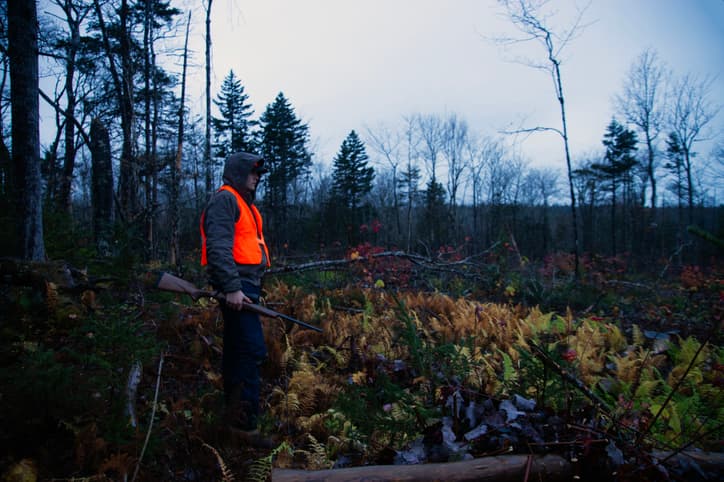
Sitka Thunderhead vs Cloudburst vs Stormfront: Which Rain System for Which Hunter
Ready to find your next deal?
Browse hundreds of used hunting gear listings from verified sellers.
The Second Nature Newsletter
The best used hunting gear deals and reads like this one, in your inbox. Free, no spam, unsubscribe anytime.
Fresh on the marketplace
Verified sellers, 40–60% below retail.
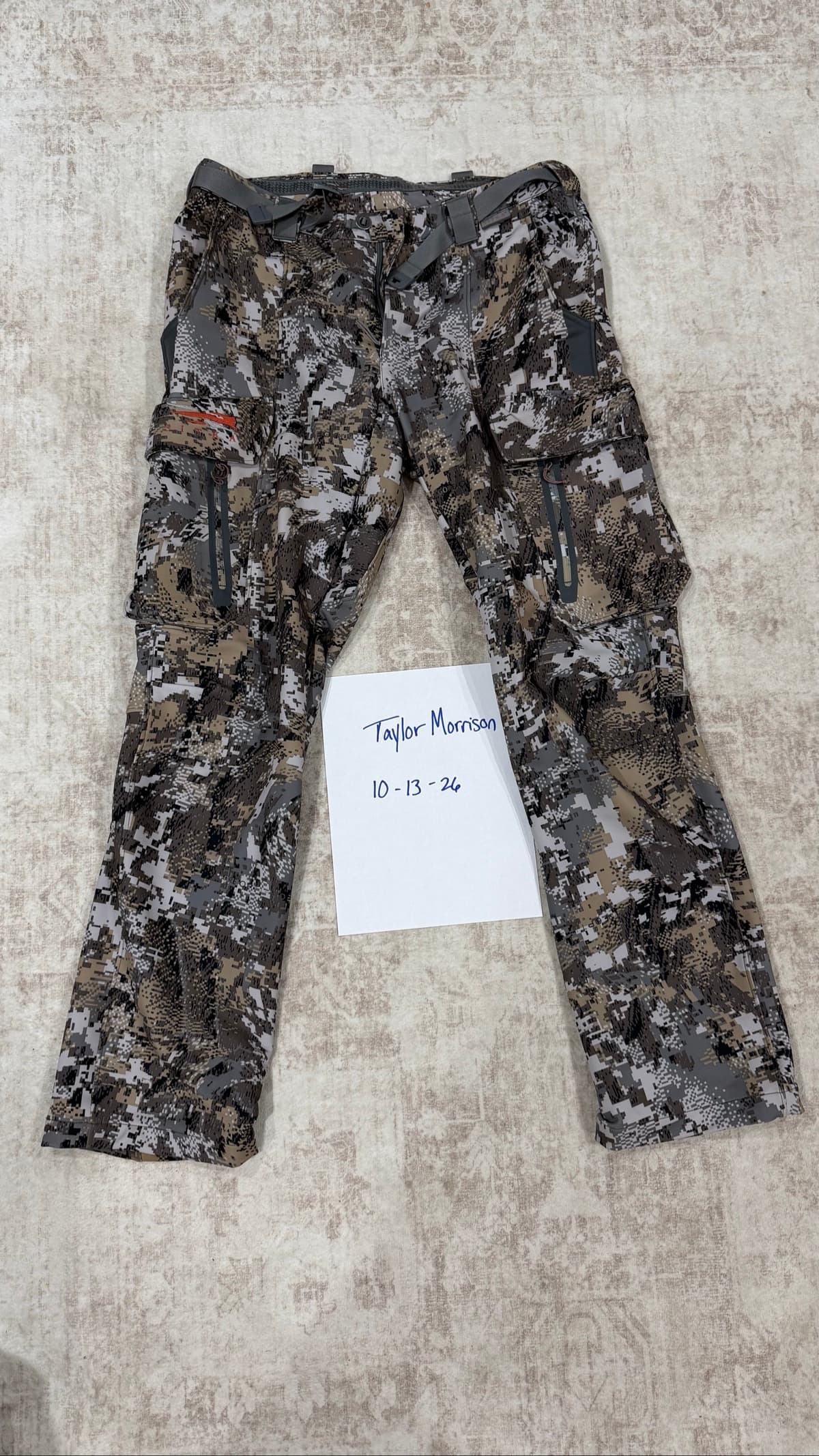
Sitka Equinox Guard Pant
$125.0037% off
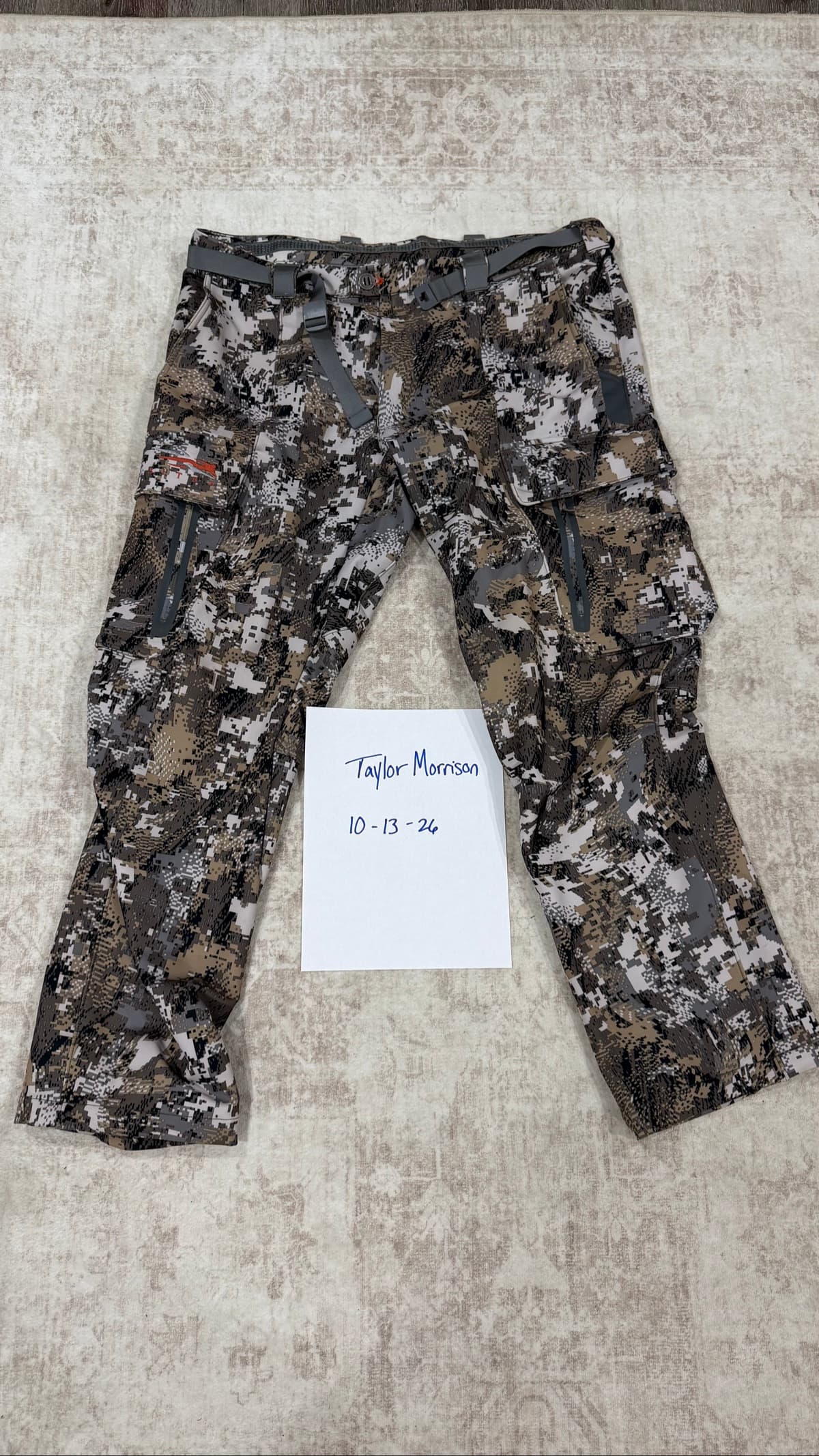
Sitka Equinox Guard Pant
$125.0037% off
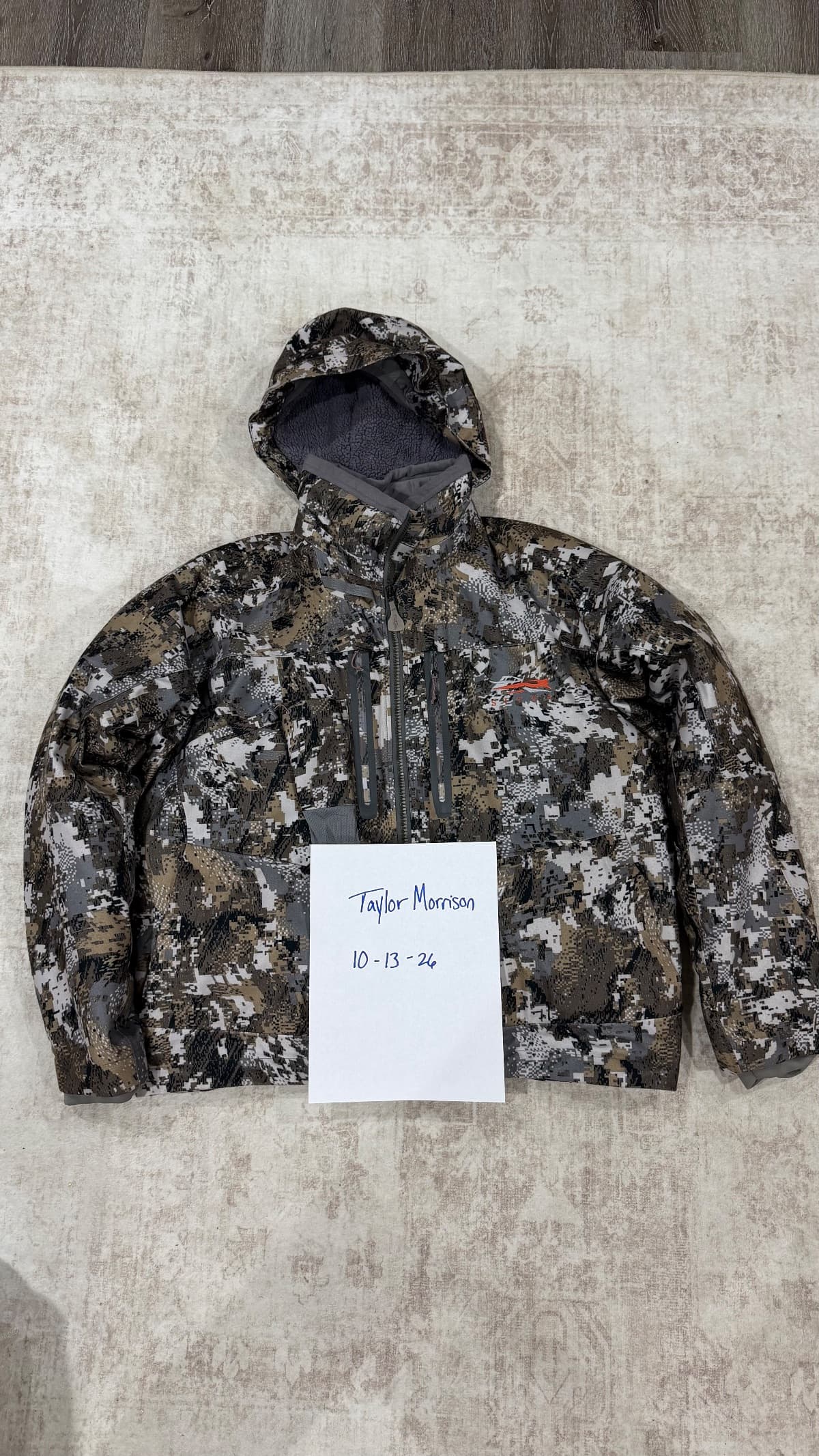
Sitka Incinerator Aerolite Jacket
$575.0023% off