
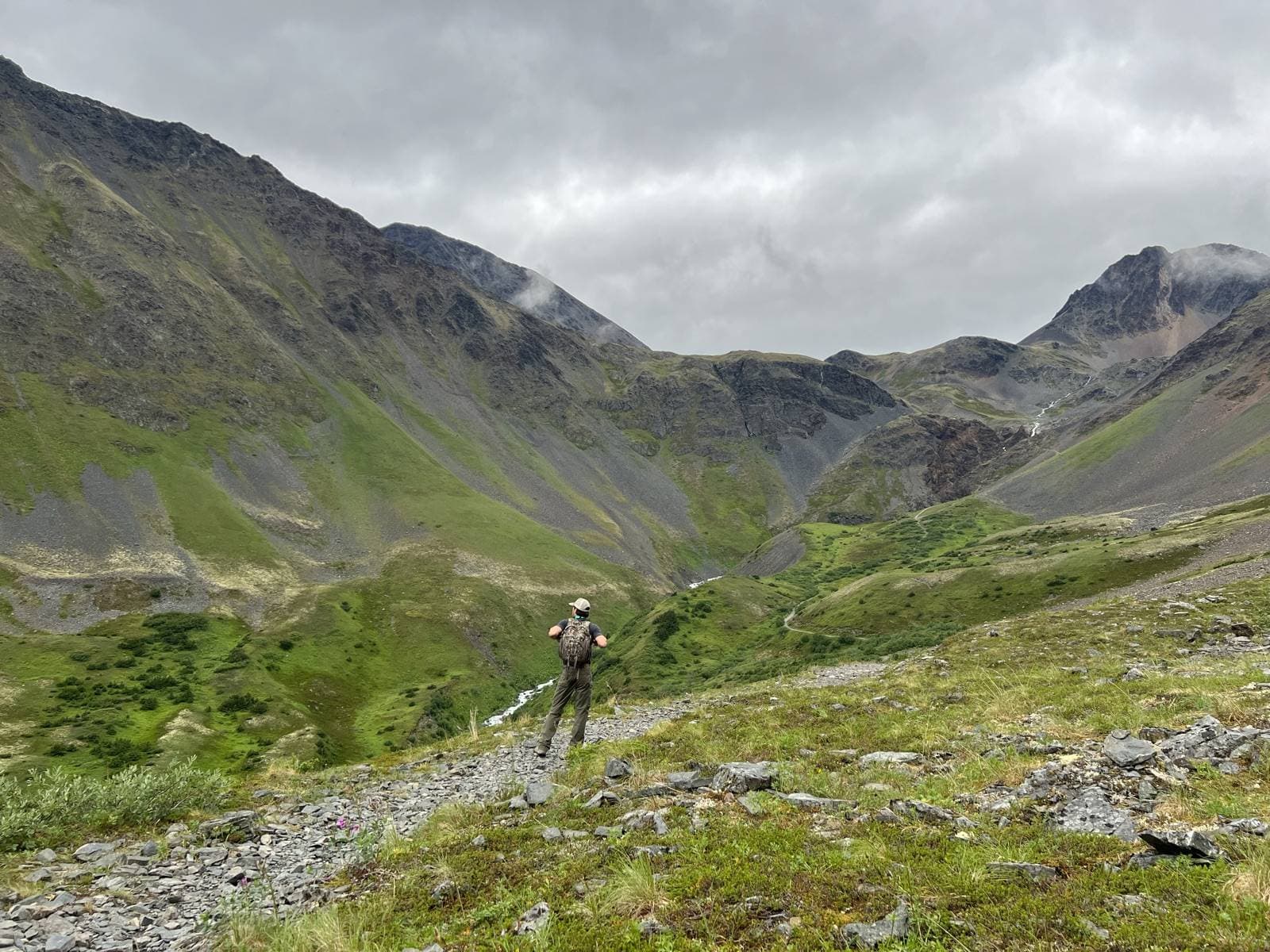
Rewriting the Rules in the Last Frontier: Alaska's Hunting Regulation Overhaul
In March 2026, the U.S. Department of the Interior published a proposed rule in the Federal Register that would fundamentally reshape hunting and trapping regulations on Alaska's national preserves. The proposal seeks to rescind federal regulations imposed in 2015, 2017, and 2024, and restore the regulatory framework that governed these lands for more than three decades under the Alaska National Interest Lands Conservation Act of 1980, commonly known as ANILCA. If finalized, the rule would realign federal management of Alaska's preserves with state wildlife management laws.
Why Alaska's Preserves Are Unique
Alaska's national preserves occupy a unique position in the federal land system. Unlike national parks, where hunting is generally prohibited, preserves were specifically designated by Congress to allow continued subsistence and sport hunting by Alaska residents and visitors. This distinction reflects the central role that hunting plays in Alaskan culture, economy, and food security, particularly for Indigenous communities and rural residents who depend on wild game as a primary protein source.
The preserves encompass tens of millions of acres of wilderness, from the boreal forests of the interior to the tundra expanses of the Arctic, supporting diverse populations of moose, caribou, Dall sheep, brown bears, wolves, and other species.
What Regulations Are Changing
The regulations that the proposed rule seeks to rescind were implemented over the past decade in response to concerns about certain hunting practices. These included restrictions on:
- Baiting brown bears
- Hunting wolves and coyotes during denning season
- Using artificial light to harvest black bears
- Shooting caribou while they were swimming
Federal officials at the time argued that these practices, while legal under Alaska state law, posed unacceptable risks to wildlife populations and ecosystem health within the preserve system.
The Case for Restoring State Authority
Proponents of the new proposed rule argue that the federal restrictions were an overreach that undermined Alaska's constitutional authority to manage its own wildlife. Under ANILCA, Congress explicitly recognized the state's primary responsibility for wildlife management on federal lands in Alaska, subject to certain federal constraints.
The Alaska Department of Fish and Game has long maintained that its science-based management approach is more than adequate to sustain healthy wildlife populations on preserve lands. State officials argue that Alaska's wildlife management system, which relies on extensive field research, population surveys, and adaptive harvest management, has a proven track record of maintaining robust game populations.
The Jurisdiction Problem
Supporters contend that the regulations imposed in recent years created a confusing patchwork of rules that differed from those governing adjacent state and private lands. Hunters crossing invisible boundaries between state and federal jurisdiction could inadvertently violate regulations they did not know existed, creating enforcement headaches and eroding public trust in the regulatory system.
Conservation Concerns
Critics of the proposed rule warn that rolling back federal protections could have serious ecological consequences. Conservation biologists have expressed concern that certain practices, particularly predator control methods like denning and baiting, can disrupt ecosystem dynamics in ways that are difficult to reverse.
National preserves, they argue, should serve as refuges where natural ecological processes can function with minimal human interference, even if that means imposing stricter rules than those that apply on adjacent lands. The National Parks Conservation Association and several wildlife advocacy organizations have urged the public to submit comments opposing the rule change.
The Federalism Debate
The debate touches on deeper questions about federalism and the appropriate division of authority between state and federal governments over natural resources. Alaska has a long history of tension with federal land management agencies, driven in part by the sheer scale of federal land ownership in the state. The federal government controls approximately 60% of Alaska's total land area, a proportion that dwarfs federal land holdings in any other state.
Indigenous Communities and Subsistence
For Alaska Native peoples, hunting is not merely a recreational activity but a fundamental component of cultural identity, community cohesion, and food sovereignty. Many Indigenous leaders have expressed support for restoring state-aligned regulations, arguing that the federal restrictions imposed barriers to traditional practices that have been carried out sustainably for thousands of years. However, some tribal organizations have cautioned that any regulatory changes must include meaningful consultation with affected communities and ensure that subsistence rights remain protected.
What Happens Next
The public comment period for the proposed rule closes on April 9, 2026, and the Department of the Interior is expected to receive thousands of submissions from hunters, conservation groups, tribal organizations, and individual citizens. The final rule, once published, could face legal challenges from either side of the debate.
Whatever the outcome, the Alaska hunting regulation overhaul illustrates the enduring complexity of managing wildlife on public lands in a state where wilderness, culture, and politics intersect in ways found nowhere else in America. The proposed rule is not simply a technical adjustment to hunting seasons and methods. It is a statement about values, about who gets to decide how we relate to wild animals and wild places, and about the future of conservation in a rapidly changing world.
In the market for gear?
Browse verified secondhand listings at 40–60% below retail — or turn the gear hanging in your closet into cash.
More Articles
![How to Sell Used Hunting Gear Online [Step-by-Step]](/_next/image?url=https%3A%2F%2Fcarponigexzncthkkdtd.supabase.co%2Fstorage%2Fv1%2Fobject%2Fpublic%2Fproduct-photos%2Fblog%2F1774013975000-xv6uek.webp&w=1920&q=75&dpl=dpl_GMw6cE1jyXAKTp9nD55pvcEXn77A)
Ready to find your next deal?
Browse hundreds of used hunting gear listings from verified sellers.
The Second Nature Newsletter
The best used hunting gear deals and reads like this one, in your inbox. Free, no spam, unsubscribe anytime.
Fresh on the marketplace
Verified sellers, 40–60% below retail.
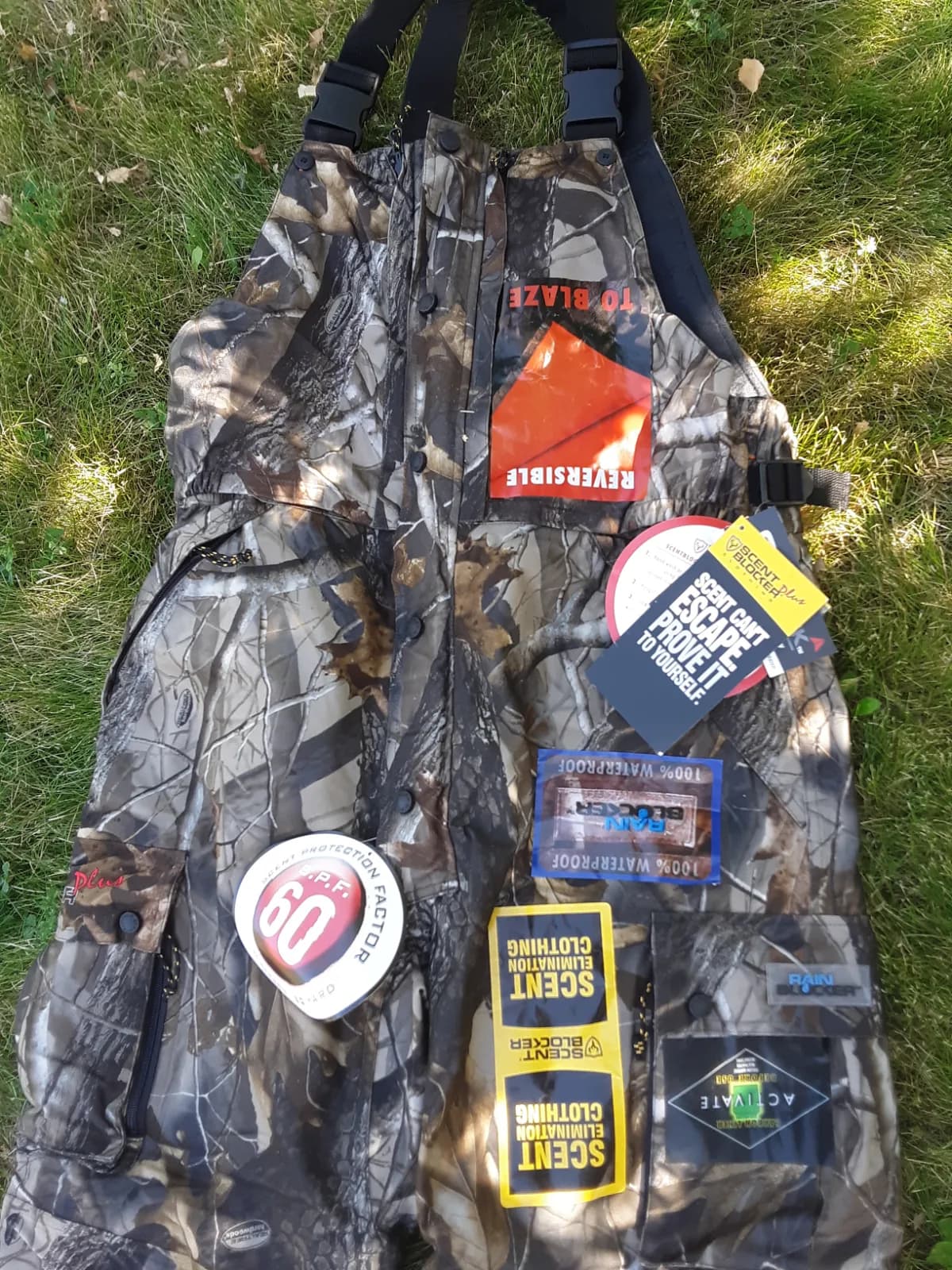
NEW! Scent Blocker Prohunter camo bib in Men's large
$119.00
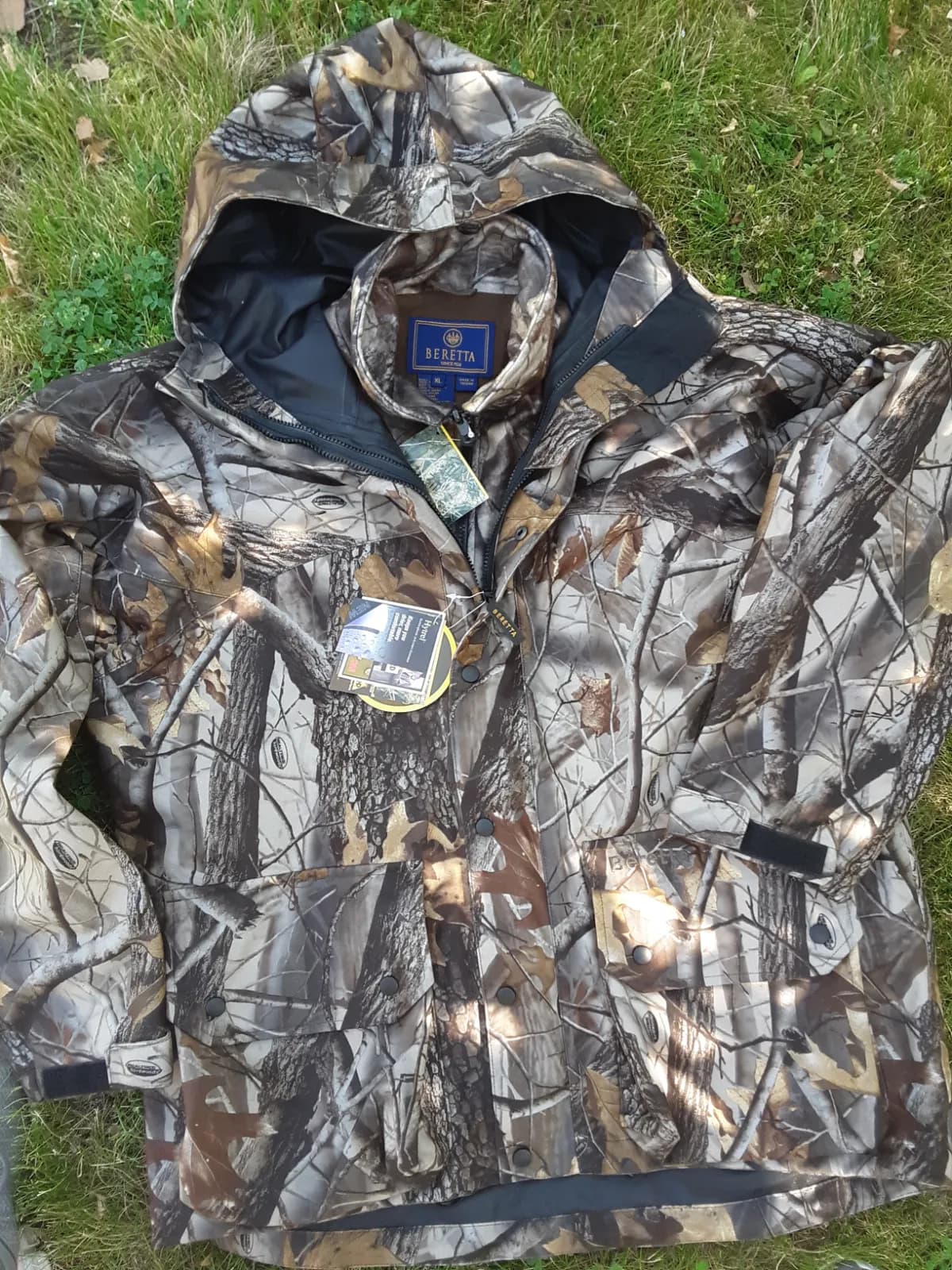
NEW Beretta heavy-weight rain coat with separate fleece jacket, men's XL
$225.00
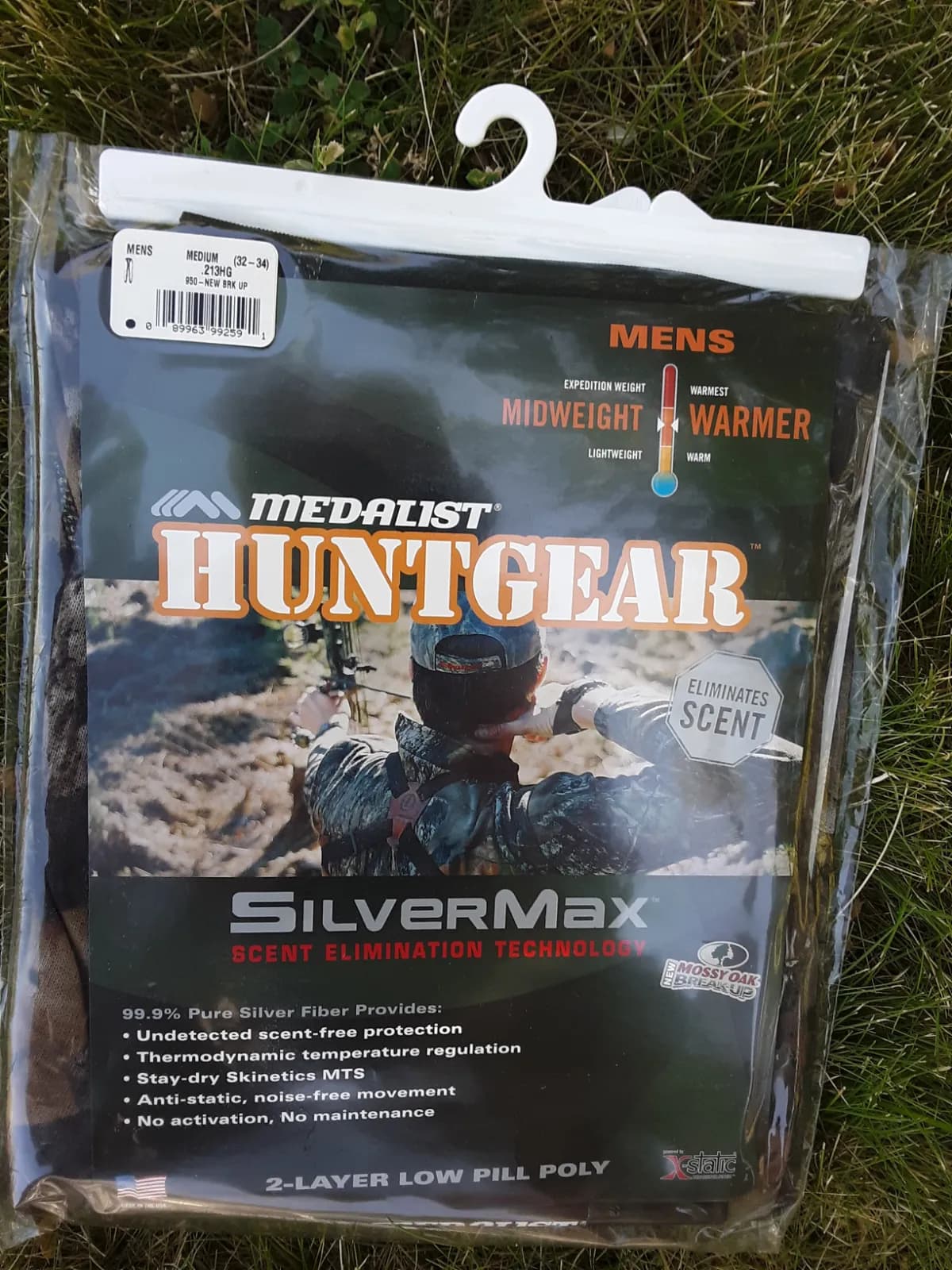
NEW Medalist Huntgear, level 1 warmer bottoms, men's medium
$20.0033% off