
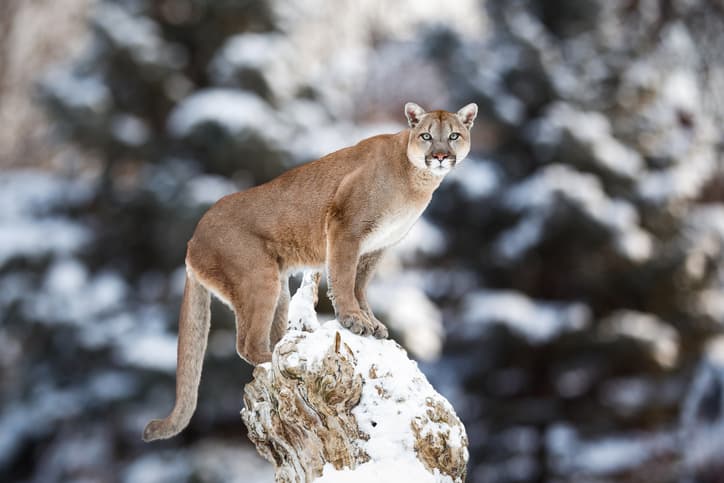
The Yellowstone Cougar Trail Cam Footage: What It Tells Us About Western Predator Density
When a grainy, six-second trail camera clip of a mountain lion stepping over a fallen lodgepole pine in northern Yellowstone went viral on social media this April, it did something almost no wildlife footage has done in years: it made millions of casual viewers pause for a predator that most Americans will never see in the wild. Within 48 hours the clip had been re-shared across outdoor magazines, morning news shows, and podcast feeds. Google Trends logged a +1,200% surge in searches for “cougar — animal” within a week, and “yellowstone cougar trail cameras” crossed into Breakout status as one of the fastest-rising queries on the entire platform.
Behind the viral moment is a much more serious piece of science. For more than two decades, researchers with the Yellowstone Cougar Project have been quietly operating what has grown into one of the most sophisticated wildlife monitoring networks in North America. In 2026, that network consists of roughly 140 motion-activated trail cameras placed across the park’s northern range, and the footage they are producing is beginning to rewrite long-held assumptions about predator density, behavior, and interspecies competition in the West.
A Population That Was Nearly Invisible
Mountain lions — also called cougars, pumas, and catamounts, all the same species — are famously elusive. Unlike wolves, which announce themselves with howls and travel in highly visible packs, cougars are solitary ambush predators that live most of their lives alone and move primarily at dusk, night, and dawn. In the steep timbered drainages of northern Yellowstone, that behavior made them nearly invisible to human observers for most of the park’s history.
That began to change after the reintroduction of wolves between 1995 and 1997. As biologists turned their attention to the new wolf packs, they realized they needed a better handle on every predator on the landscape — including the one nobody could see. Early cougar research relied on capture-and-collar methods, which produced excellent data on a handful of cats but could never capture the larger picture.
Trail cameras changed the math. Once small, battery-efficient, and affordable enough to be deployed at scale, the cameras allowed researchers to monitor dozens of square miles without the expense and disturbance of repeated human visits. By the mid-2010s, the Yellowstone Cougar Project was generating tens of thousands of images and video clips per year. By 2026, the number has grown to hundreds of thousands.
The Density Question
The single most important finding from two decades of trail camera work is not a single cinematic clip. It is the steady, statistically robust estimate of how many cougars actually live in the park. Current figures suggest that the northern portion of Yellowstone, which holds the densest prey base in the ecosystem, is home to between 29 and 45 cougars at any given time, including adults, subadults, and kittens.
That number matters because it represents a meaningful change from the pre-wolf era. Between 1987 and 1993, before wolves returned to the landscape, researchers estimated that the same northern range held somewhere between 15 and 22 cougars. In other words, the region’s cougar population has roughly doubled in three decades — an unexpected finding for anyone who assumed that wolves would either push cougars out or compete them to lower numbers.
The emerging explanation is subtle. Wolves did change cougar behavior. Cougars in Yellowstone now spend more time in steep, rocky, broken terrain that wolves tend to avoid. They cache their kills differently. They travel more deliberately at certain times of day. But the overall prey base — elk, mule deer, bighorn sheep, and smaller animals — has remained large enough to support more cats, not fewer. The wolves simply pushed the cougars into the niches they were best equipped to occupy.
What the Cameras Have Captured
Some of the trail camera footage emerging from the project has been quietly revolutionary. Cameras have captured cougars taking down elk calves, dragging carcasses hundreds of yards uphill to hidden caches, and raising kittens in high-elevation talus slopes. In one widely-shared sequence, a single female was documented returning to the same carcass five nights in a row while moving two kittens between four separate lay-up sites.
The cameras have also produced some of the first visual evidence of direct cougar-wolf interactions in the park. A recent clip analyzed by biologists and picked up by wildlife magazines showed a cougar displaced from a fresh kill by a wolf pack, then quietly following at a distance until the pack moved on — a strategy that allowed the cat to recover partial scraps without a direct confrontation.
These behaviors are hard to overstate in their scientific value. For decades, researchers could only guess at how mountain lions and wolves shared space. Now they can watch it happen.
Implications for Hunters and the Wider West
Yellowstone’s cougar population does not exist in isolation. Its density figures are being used as a reference point for managers across Montana, Wyoming, Idaho, Utah, Nevada, California, and Colorado, all of which set cougar hunting quotas based on estimated local populations. If the Yellowstone data suggests that cougar densities can be significantly higher than previously believed, state agencies may revisit harvest frameworks, tag allocations, and population models.
For hunters, the implications are more nuanced than simple quota adjustments. A healthier cougar population means healthier prey dynamics, longer-term ecological stability, and — in places where public land cougar hunting remains legal — potentially more opportunities. It also means more risk in terms of predation on livestock and, in rare cases, pets, which is already fueling renewed debate over houndsman access and depredation permits in states like Utah and Nebraska. Search data reflects that debate directly: queries like “mountain lion hunting with dogs,” “nebraska mountain lion hunting,” and “utah mountain lion hunting” have all shown rising Google Trends scores this spring.
The Film That Put It All Together
Much of the public fascination with the Yellowstone cougar story in 2026 can be traced to a documentary film released this April on Montana PBS and screened at community events across Bozeman, Livingston, and Jackson. The film compiles the most striking trail camera footage from the past several years and pairs it with on-camera interviews with biologists, field technicians, and park staff. It is the most visually complete portrait of Yellowstone’s mountain lions ever assembled, and it has introduced the project to a national audience that had never heard of it.
Why This Story Matters
Trail cameras were invented as hunting tools. For most of their history, they were used almost exclusively by deer hunters looking for bachelor groups in August or big bucks cruising scrape lines in November. The Yellowstone Cougar Project represents something different — a sustained, well-funded scientific application of a consumer technology, and a reminder that patient research using simple tools can still produce extraordinary knowledge.
The six-second clip of a cougar stepping over a log may fade from social feeds within a few weeks. The 140 cameras that captured it will keep running. The data they generate will continue to shape how the West understands its most elusive predator for decades to come.
Closing dates and regulations change every year. Always confirm current dates with your state wildlife agency before heading afield.
In the market for gear?
Browse verified secondhand listings at 40–60% below retail — or turn the gear hanging in your closet into cash.
More Articles
Ready to find your next deal?
Browse hundreds of used hunting gear listings from verified sellers.
The Second Nature Newsletter
The best used hunting gear deals and reads like this one, in your inbox. Free, no spam, unsubscribe anytime.
Fresh on the marketplace
Verified sellers, 40–60% below retail.
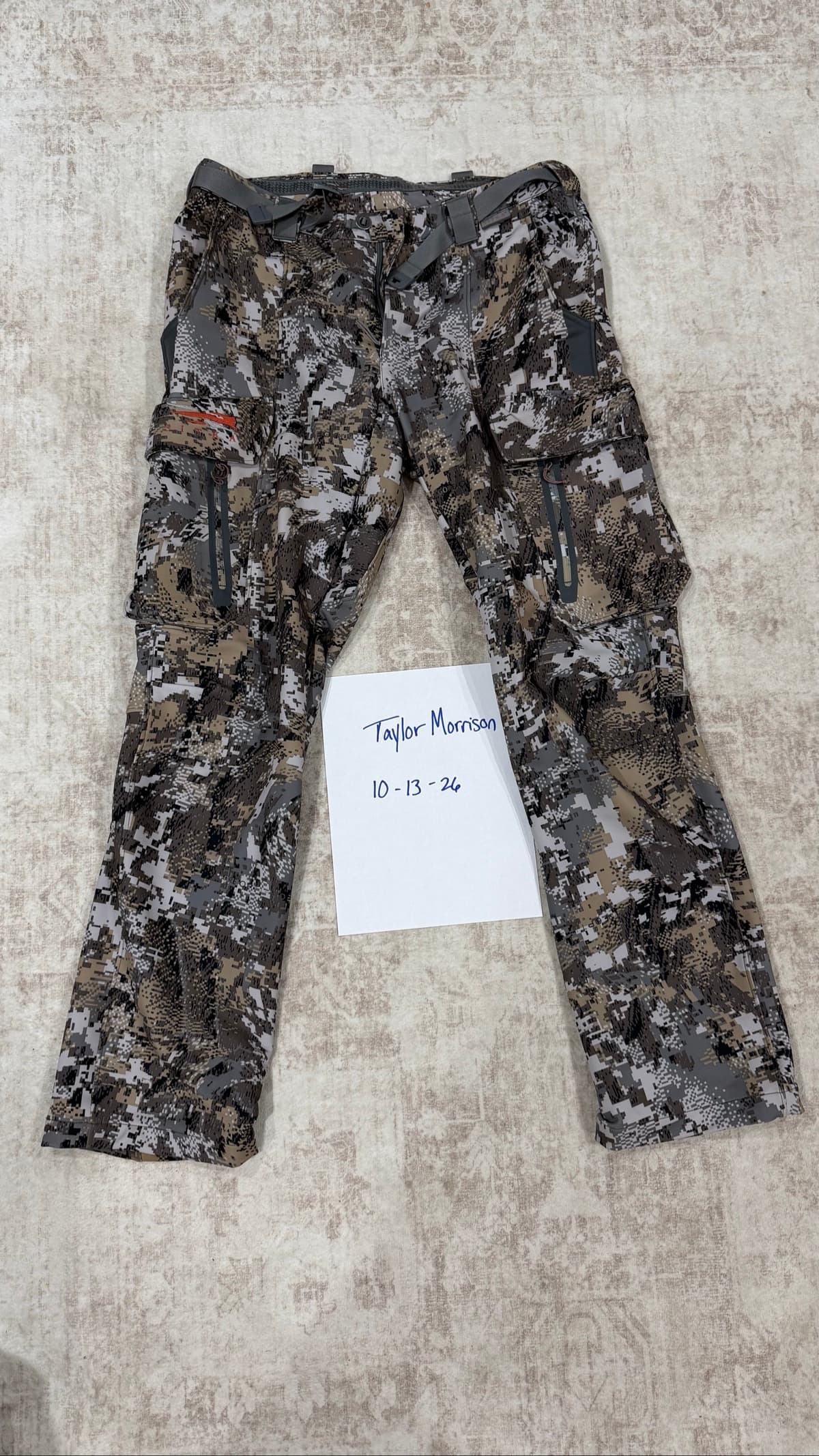
Sitka Equinox Guard Pant
$125.0037% off
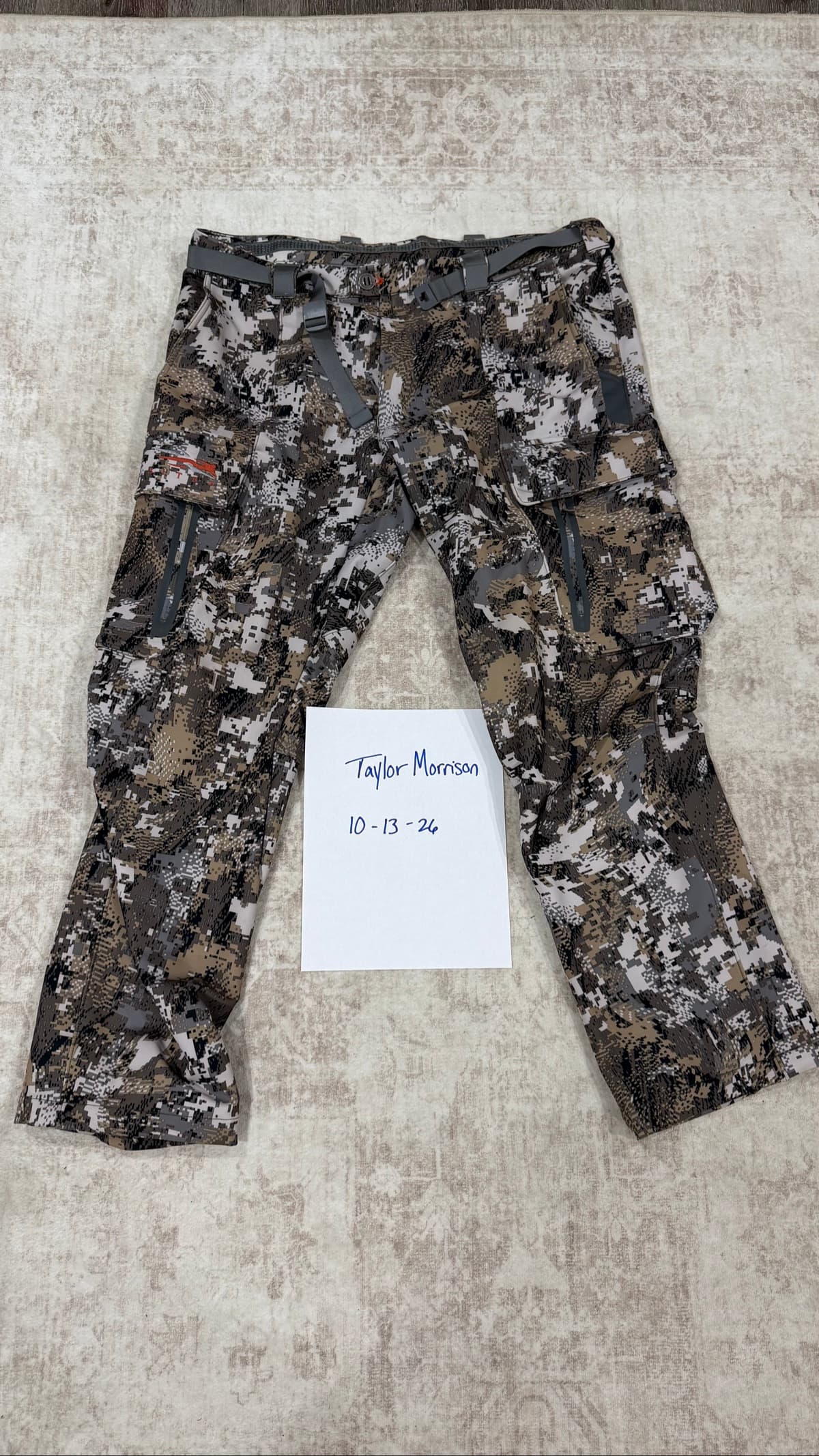
Sitka Equinox Guard Pant
$125.0037% off
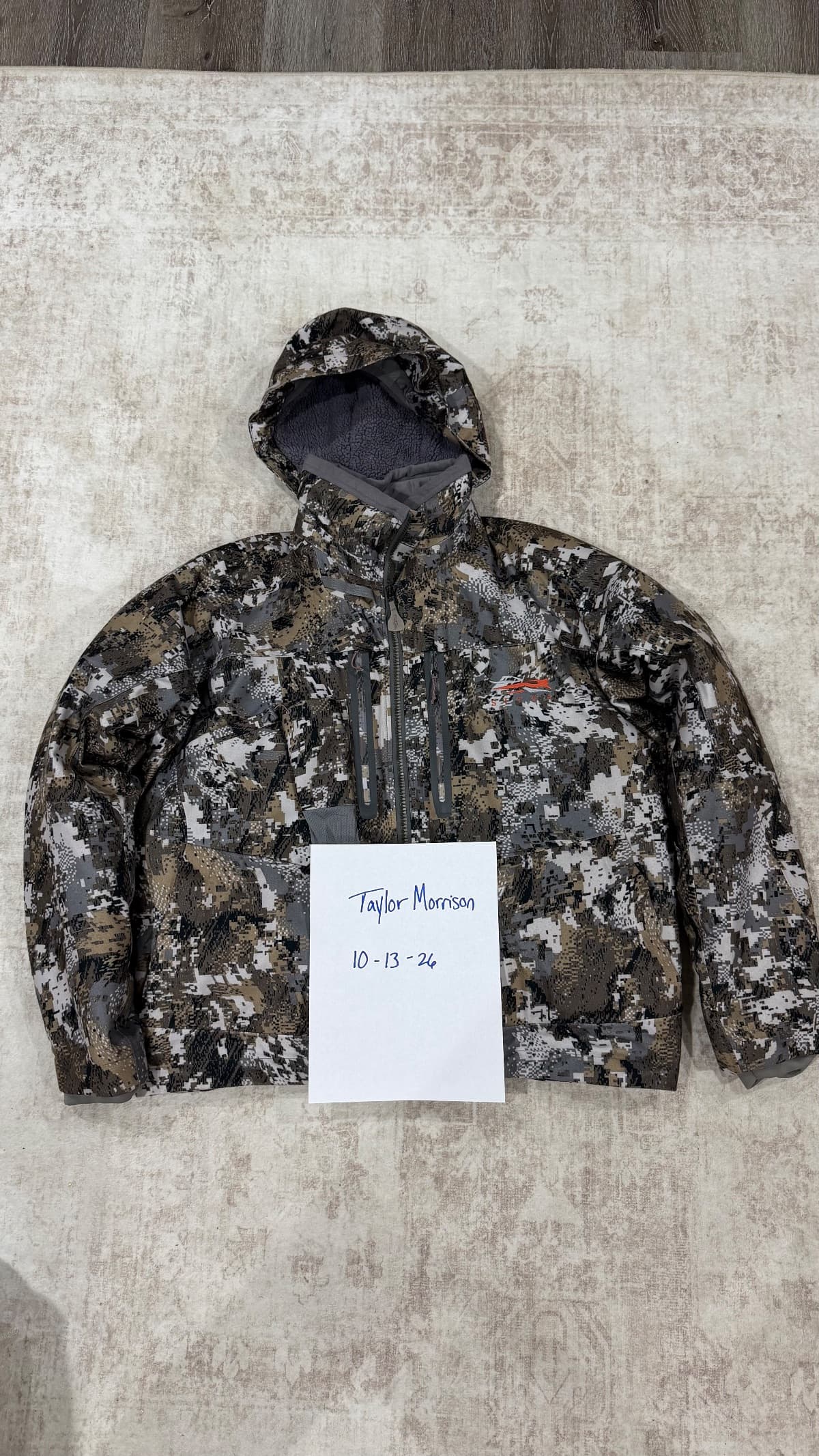
Sitka Incinerator Aerolite Jacket
$575.0023% off