
When Does Turkey Season End? A 50-State Guide for the 2026 Spring
By the time the dogwoods finish blooming in Tennessee, a Mississippi hunter is already cleaning his calls and putting his vest in the closet. Meanwhile, three states north, a Pennsylvania bowhunter is just beginning to scout the ridge he plans to sit opening morning. That spread — sometimes more than two months between the southernmost and northernmost closing dates — is one of the quirks that makes spring turkey hunting in America such a uniquely rolling tradition. Seasons open and close in a wave that follows the breeding cycle north, mirroring everything from latitude to local hatch data to a handful of state legislators who still argue about Sunday hunting at every committee meeting.
If you hunt several states, or if you’re chasing a Grand Slam in 2026, knowing exactly when each state’s curtain falls is the difference between filling a tag and explaining to your wife why you flew to Florida in late April for nothing.
Deep South: First In, First Out
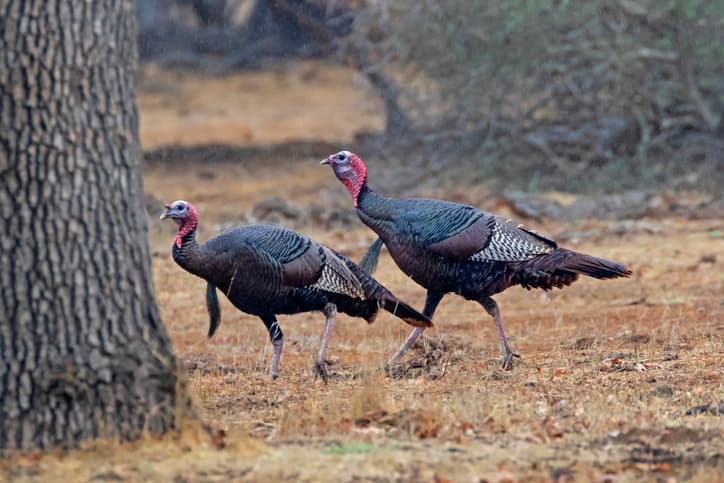
The South kicks the season off in late February and early March, and it’s also where the season ends first. Florida sets the earliest hard close in the country: the South Zone (south of State Road 70) shuts down on April 12, and the rest of the state follows on April 26. Florida hunters chase the Osceola, the smallest of the four U.S. subspecies, and most of them are done before the rest of America has even broken in their boots.
Mississippi wraps up on May 1, and Alabama and Georgia follow within a week. South Carolina closes on May 3, with the lowcountry’s Easterns continuing to hammer at decoys right up to the final morning. Louisiana and Arkansas typically close in the first week of May as well.
A common refrain you’ll hear in southern turkey camps in 2026: the two-year-old gobblers are everywhere. That’s a direct legacy of the 2024 hatch, which was strong across the Southeast — partly because of the cicada emergence that summer, which produced an unusually rich food base for poults. State biologists in Mississippi, Alabama, and South Carolina have all noted a noticeable bump in jakes-now-grown-into-toms this spring.
Southeast and Mid-Atlantic: A Long Goodbye
Move up the map and the calendar stretches. Tennessee typically runs through mid-May, with several state-managed areas closing earlier. Kentucky ends in early May, and biologists there are publicly optimistic for 2026, citing what they’re calling a “productive hatch” two years ago. Virginia closes on May 16, while North Carolina wraps on May 9.
West Virginia hangs on until May 24 — one of the latest closures in the East — and the steep public-land ridges around the Monongahela National Forest hold gobblers right through the end. A guide in Pocahontas County told Big Game Hunter Magazine this April that he’s heard more two-year-olds carrying on simultaneously than he has in nearly a decade.
Midwest: Where the Hunting Is the Best, and the Pressure Is the Worst
The Midwest is the heart of American turkey hunting, and the season wraps up across the region in a tight window. Missouri — the perennial king of turkey country — closes its regular spring season on May 10. The state continues to lead the nation in spring harvest most years, and on Google Trends in mid-April 2026, Missouri ranked tied for first nationwide in spring turkey hunting search interest.
Iowa, Illinois, Indiana, and Ohio all close in early to mid-May. Michigan runs a bit longer, with most units ending around May 31. Wisconsin stretches to May 26, with its zone-and-period draw system spreading hunters out over several weeks. Minnesota holds the longest Midwest season, closing on May 31, with its later seasons producing what locals call “henned-up but lonely” gobblers — birds that have lost their hens to nesting and become the easiest to call of the entire spring.
A funny anecdote from this season: an Iowa hunter posted a photo on a popular forum last week of a gobbler he killed standing inside the boundary of a Casey’s General Store parking lot. The bird had reportedly been roosting in a row of pin oaks behind the gas station for three weeks. Public land it was not, but the landowner gave permission, and the picture went viral.
Northeast: The Marathon Closers
If you want to hunt turkeys into June, head northeast. Pennsylvania runs its spring season through May 30, and 2026 brought a further wrinkle — the state legislature continued to debate expanding Sunday hunting throughout April, a debate that has driven a measurable spike in Google searches for “Sunday hunting” right alongside searches for spring turkey itself.
New York wraps in late May, Maryland closes on May 23, and New Jersey ends in mid- to late May depending on permit zone. Maine is the last state in the Lower 48 to hang it up, with its season closing on June 6. Hunters chasing late-season longbeards in the North Woods will tell you that by then, the foliage is so thick you’re hunting birds you can hear from a hundred yards but can’t see from twenty.
New Hampshire and Vermont close in late May. Connecticut, Massachusetts, and Rhode Island all wrap by the end of May. Delaware closes its short, tightly-managed season in mid-May.
Plains and Mountain West: Long Seasons, Big Country
The Plains states are turkey paradise for hunters who like to walk. Kansas and Nebraska both close on May 31, giving hunters more than a month and a half of huntable days. South Dakota, North Dakota, and Oklahoma wrap in late May. Texas is its own animal — the South Zone usually closes in mid-April, the North Zone in mid-May, and the East Zone, which limits one-bird harvest under stricter rules, also closes in May.
In the Mountain West, Colorado, Wyoming, Montana, and New Mexico generally close by the end of May. Idaho ends its general spring season on May 10, with some units extending later under draw permits.
West Coast and Outliers
California runs its season through early May. Oregon and Washington close at the end of May. Nevada, Utah, and Arizona all close in mid- to late May, with most western seasons targeting the Merriam’s subspecies, the white-tipped tail-feather bird that lives in pine country.
The two outliers? Hawaii has a small but very real wild-turkey population on the Big Island and Lanai, with a season that runs roughly March through April. Alaska has no native wild turkey population and no spring turkey season at all. If you want to chase a thunder chicken in the Last Frontier, you’ll have to settle for a sandhill crane in the fall instead.
A Season With a Story
What makes 2026 worth talking about isn’t just the calendar — it’s that several states are reporting the strongest age-class of two-year-old toms they’ve seen in years. Kentucky, Mississippi, and the Carolinas are all expecting strong harvests, and the early Florida and Georgia numbers seem to back that up. New York’s wildlife agency has publicly predicted “increased availability of two-year-old toms” based on its 2024 productivity surveys.
The lesson? Whether you’re tearing down camp on a Mississippi cutover April 30, or still scouting your Maine hardwoods in early June, the 2026 spring season is shaping up to reward hunters who pay attention. Know your closing date. Know your state’s rules. And if a bird struts into your decoy on the very last morning — well, that’s just the way this whole crazy tradition was designed to work.
Closing dates and regulations change every year. Always confirm current dates with your state wildlife agency before heading afield.
In the market for gear?
Browse verified secondhand listings at 40–60% below retail — or turn the gear hanging in your closet into cash.
More Articles
Ready to find your next deal?
Browse hundreds of used hunting gear listings from verified sellers.
The Second Nature Newsletter
The best used hunting gear deals and reads like this one, in your inbox. Free, no spam, unsubscribe anytime.
Fresh on the marketplace
Verified sellers, 40–60% below retail.
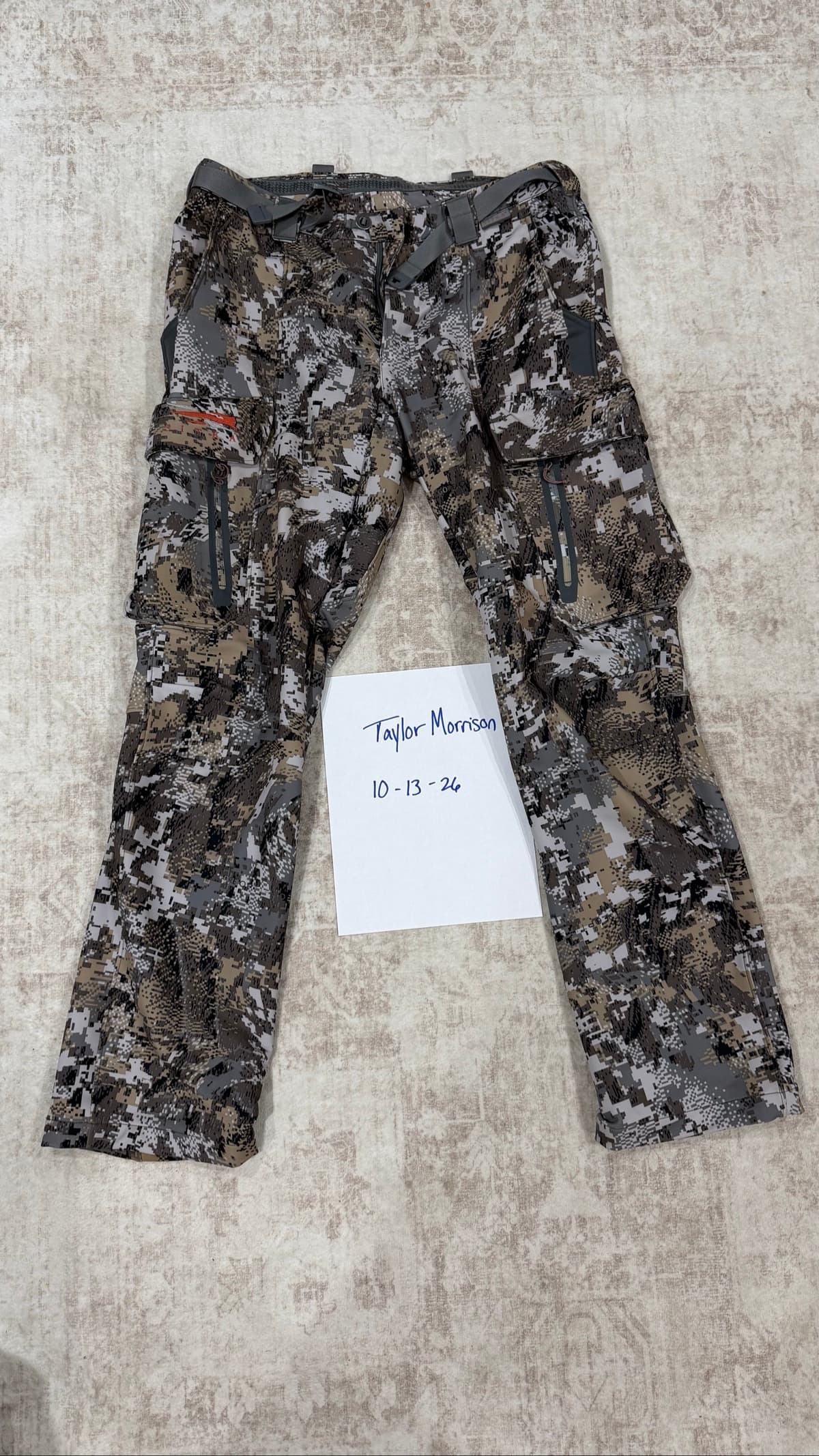
Sitka Equinox Guard Pant
$125.0037% off
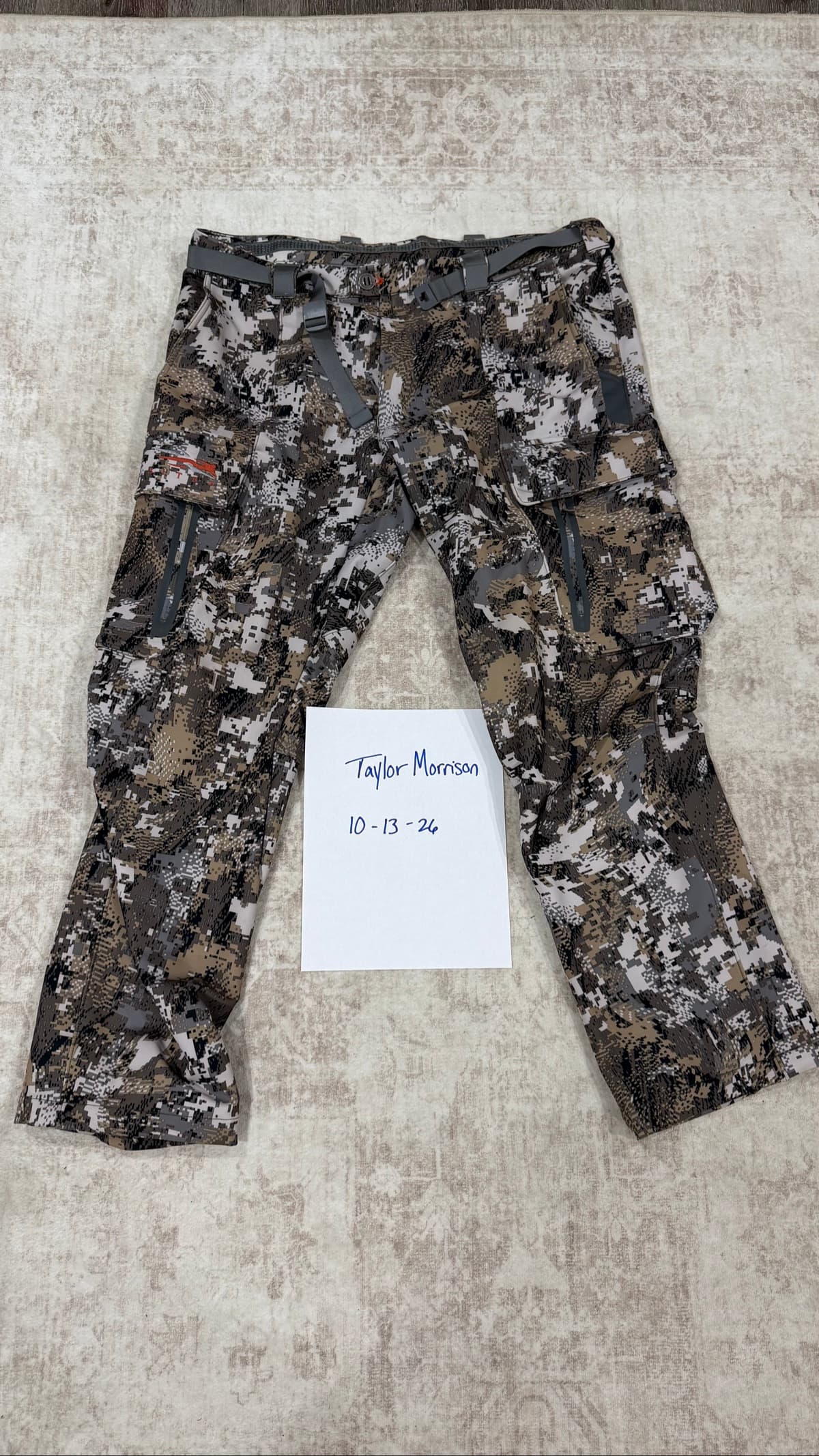
Sitka Equinox Guard Pant
$125.0037% off
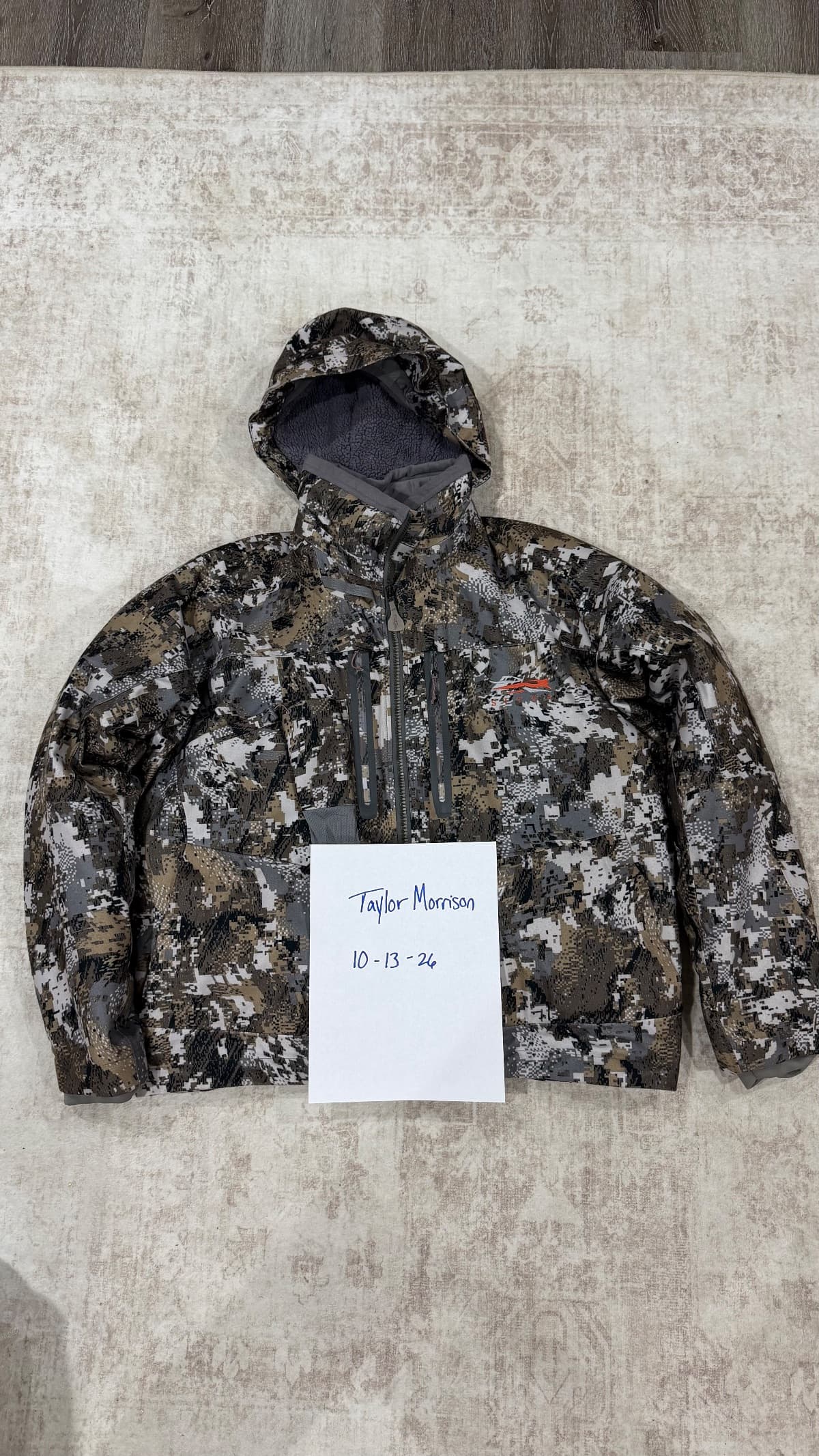
Sitka Incinerator Aerolite Jacket
$575.0023% off